

Camponotus raphaelis
- Scientific Name
- Camponotus raphaelis
- Subgenus
- Myrmocladoecus
- Tribe
- Camponotini
- Subfamily
- Formicinae
- Author
- Forel, 1899
- Distribution
- Found in 4 countries
Camponotus raphaelis Overview
Camponotus raphaelis is an ant species of the genus Camponotus. It is primarily documented in 4 countries , including Costa Rica, Honduras, Mexico. Detailed taxonomic data and occurrence records can be further explored via authoritative databases such as AntWeb or the Global Biodiversity Information Facility (GBIF).
Camponotus raphaelis
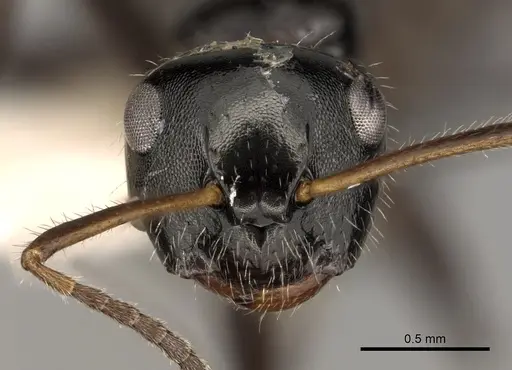
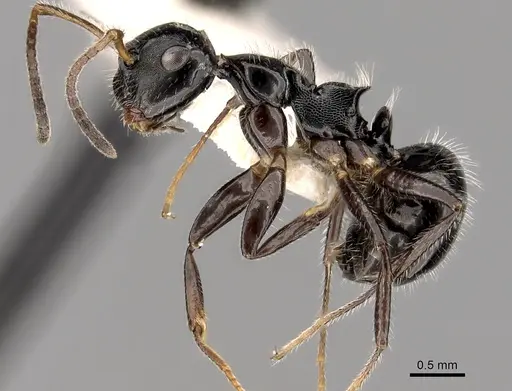
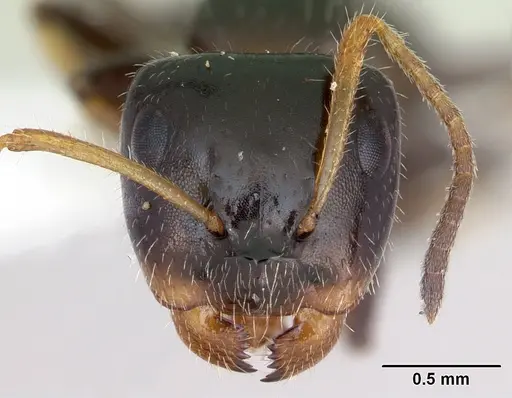
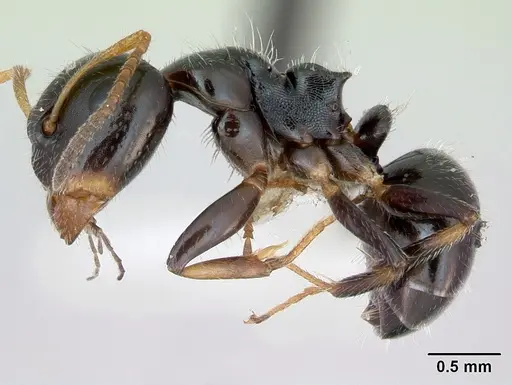
Camponotus raphaelis is a small Neotropical carpenter ant native to Central America, ranging from Mexico through Costa Rica and into Colombia. Workers measure 3.5-4.4mm, making them notably smaller than many other Camponotus species [1]. They belong to the subgenus Myrmocladoecus, a group known for their distinctive morphology including a deep notch between the mesonotum and metanotum, and specialized metanotal teeth [1]. The species has a striking color pattern: mostly black with yellowish-red mandibles, scapes, base of funicles, tibiae, femoral rings, and tarsi [1]. These ants have been documented at elevations around 980m in Colombia's Andean region [2].
Quick Summary
- Difficulty: Medium
- Origin & Habitat: Neotropical Central America, found in Costa Rica, Guatemala, Honduras, Mexico, and Colombia. In Colombia, they've been recorded at 980m elevation in the Cañón del Porce region [2][3]. Based on the subgenus Myrmocladoecus, they likely nest in rotting wood or vegetation in humid forest environments.
- Colony Type: Likely monogyne (single queen colonies) based on typical Camponotus patterns. This has not been directly documented for this specific species.
- Colony: Monogyne
- Founding: Claustral
- Size & Growth:
- Queen: Unknown for this species, Camponotus queens are typically 7-15mm, likely in the smaller range given the worker size
- Worker: 3.5-4.4mm [1]
- Colony: Unknown, likely moderate colonies typical of smaller Camponotus species
- Growth: Moderate, inferred from typical Camponotus development
- Development: 6-10 weeks (estimated based on typical Camponotus development at 24-26°C) (Development time is estimated from related Camponotus species, actual timing for C. raphaelis has not been directly studied)
- Antkeeping:
- Temperature: Keep at 24-28°C. As a Neotropical species from Central America, they prefer warm conditions. A heating cable on one side of the nest creates a temperature gradient they can regulate themselves.
- Humidity: Moderate to high humidity (60-80%). These ants come from humid tropical environments. Keep the nest substrate moist but not waterlogged, with some drier areas available.
- Diapause: Unlikely, as a Neotropical species from low-mid elevations, they do not require true hibernation. However, a slight cool period during winter months may be beneficial if mimicking natural seasonal cycles.
- Nesting: Y-tong (acrylic) nests or plaster nests work well. The subgenus Myrmocladoecus suggests natural nesting in rotting wood or vegetation. Provide a nest with chambers scaled to their small worker size (3.5-4.4mm). Test tube setups are suitable for founding colonies.
- Behavior: These are relatively docile carpenter ants, typical of the Camponotus genus. They are not particularly aggressive and generally avoid conflict. Workers are active foragers that will search for sugar sources and protein. Their small size (3.5-4.4mm) means escape prevention should be moderate, use standard mesh barriers and tight-fitting lids. They are not known for being particularly defensive or for having painful stings.
- Common Issues: small colony size means slow growth, beginners may lose patience and overfeed, causing mold issues, wild-caught colonies may carry parasites that can devastate captive colonies, their small size requires appropriately sized prey items, fruit flies and small insects work better than large mealworms, humidity control is important, too dry and brood desiccates, too wet and mold becomes a problem, as a lesser-known species, availability is limited and establishing a colony may require finding a wild-caught queen
Housing and Nest Setup
For founding colonies, a simple test tube setup works well. Fill a test tube with water, plug with cotton, and place the queen in the tube. The queen will seal herself into a chamber and begin laying eggs. For established colonies, Y-tong (acrylic) nests or plaster nests provide appropriate housing. The chambers should be sized appropriately for their small worker size (3.5-4.4mm). A foraging area connected to the nest allows for feeding. Use a test tube bridge or tubing to connect nest and outworld. Escape prevention should include fine mesh barriers, as even small ants can squeeze through standard gaps.
Feeding and Diet
Camponotus raphaelis will accept typical ant foods: sugar water, honey, or sucrose solution for energy, and protein sources like small insects. Their small size means prey items should be appropriately sized, fruit flies, small crickets, and other tiny arthropods work better than large prey. Offer protein twice weekly and keep a sugar source constantly available. Fresh fruit can also be accepted. Remove uneaten food promptly to prevent mold.
Temperature and Seasonal Care
As a Neotropical species from Central America, these ants prefer warm conditions. Maintain temperatures between 24-28°C for optimal brood development. A heating cable placed on one side of the nest creates a gradient allowing ants to self-regulate. Avoid temperatures below 20°C for extended periods. Unlike temperate species, they do not require true hibernation, but a slight reduction in temperature during winter months (around 20-22°C) may help simulate natural cycles if desired.
Colony Development
After the queen seals herself in (claustral founding), she will lay eggs and raise the first brood alone on her stored fat reserves. First workers (nanitics) are typically smaller than mature workers. Once workers emerge, they will take over foraging and brood care. Growth rate is moderate, expect 6-10 weeks from egg to first worker at optimal temperature. Colony growth will accelerate as more workers are produced. Patience is key, as small colonies develop slowly and can take months to reach significant numbers.
Frequently Asked Questions
How long does it take for Camponotus raphaelis to produce first workers?
Expect 6-10 weeks from egg to first worker at optimal temperatures (24-28°C). This is typical for Camponotus species, though exact timing for C. raphaelis has not been directly studied.
What do Camponotus raphaelis eat?
They accept sugar sources (honey, sugar water) and protein (small insects). Due to their small size (3.5-4.4mm workers), offer appropriately sized prey like fruit flies or tiny crickets rather than large insects.
What temperature do Camponotus raphaelis need?
Keep them at 24-28°C. As a Neotropical species from Central America, they prefer warm conditions. A heating cable on part of the nest creates a beneficial gradient.
Are Camponotus raphaelis good for beginners?
They are rated as Medium difficulty. While not as challenging as some species, their slow growth and small size require some experience with ant keeping basics. They are more difficult to find than common species like Camponotus floridanus.
How big do Camponotus raphaelis colonies get?
Colony size is not well documented, but based on similar small Camponotus species, they likely reach several hundred workers. They are not among the largest carpenter ants.
Do Camponotus raphaelis need hibernation?
Unlikely. As a Neotropical species from Central America, they do not require true hibernation. A slight temperature reduction in winter (to around 20-22°C) is optional but not required.
What size nest do Camponotus raphaelis need?
Use nests with chambers appropriately sized for their small worker size (3.5-4.4mm). Y-tong nests or plaster nests with small chambers work well. Test tubes are suitable for founding colonies.
Where is Camponotus raphaelis found?
They range from Mexico through Costa Rica, Guatemala, Honduras, and into Colombia. In Colombia, they've been found at around 980m elevation in the Cañón del Porce region.
How do I start a Camponotus raphaelis colony?
Start with a claustral queen (one that has mated and sealed herself in). Place her in a test tube setup with water reservoir. She will lay eggs and raise first workers without foraging. Do not disturb her during the founding phase.
References

This caresheet is licensed under CC BY-SA 4.0 .
CASENT0173558
View on AntWeb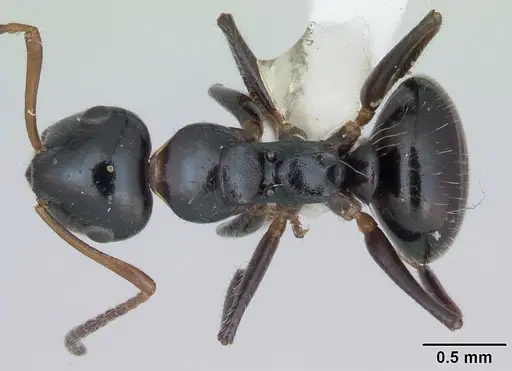
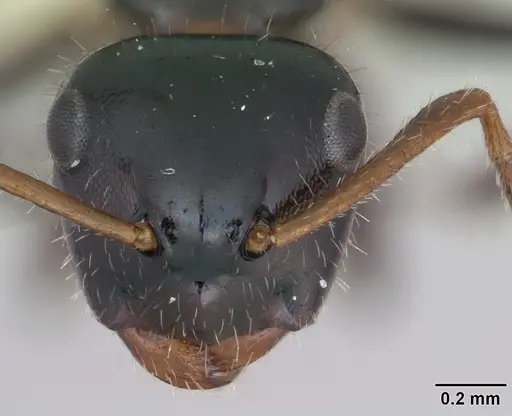
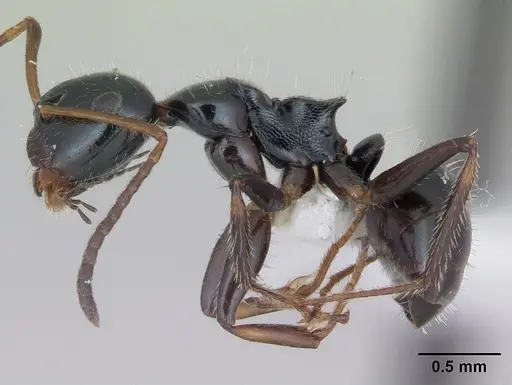
CASENT0280143
View on AntWeb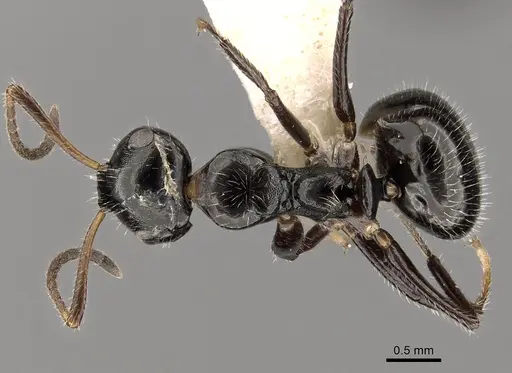
CASENT0882308
View on AntWeb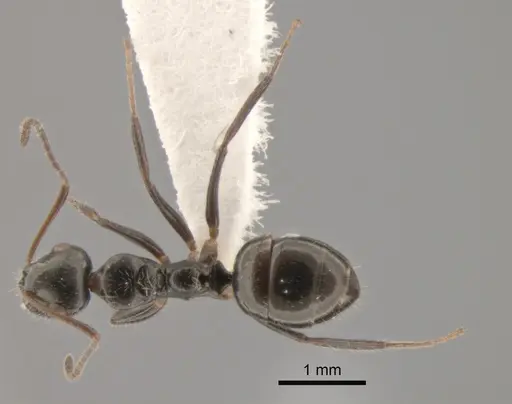
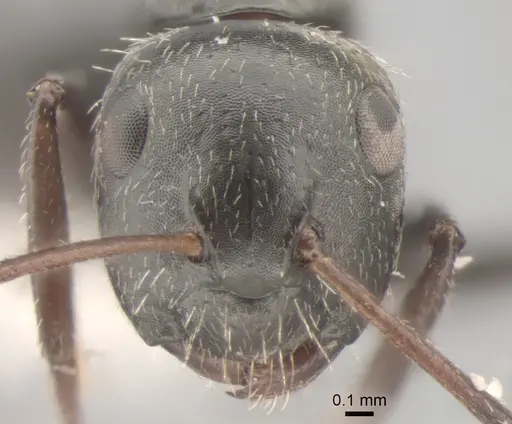
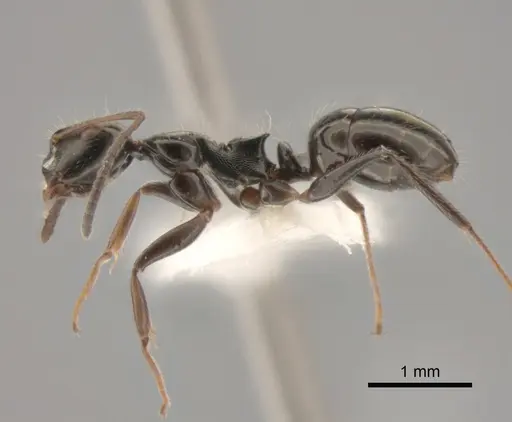
CASENT0910742
View on AntWeb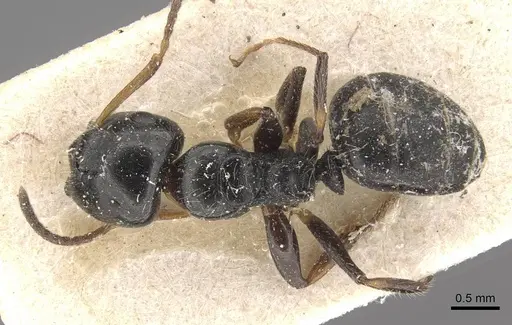
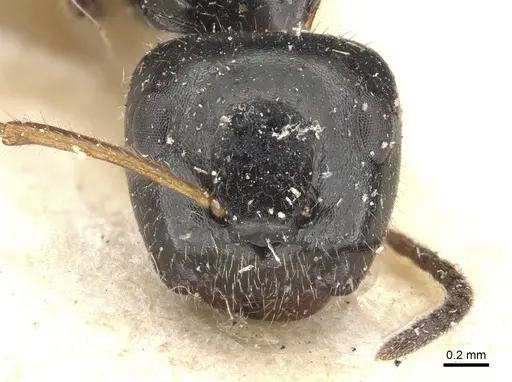
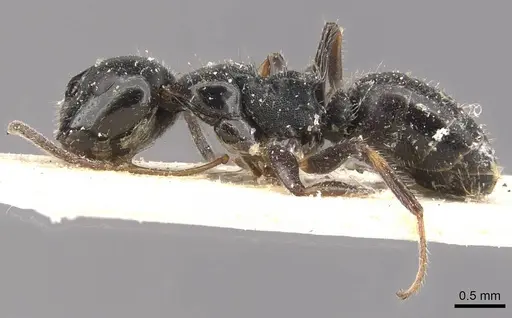
CASENT0923547
View on AntWeb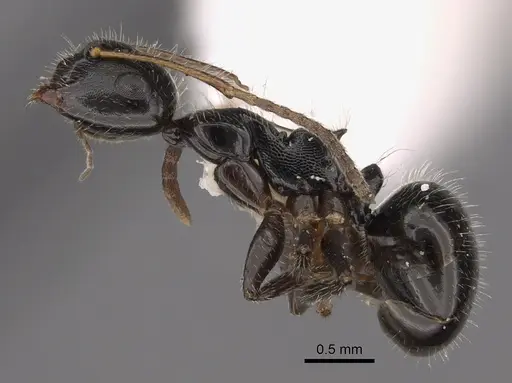
INBIOCRI001254189
View on AntWeb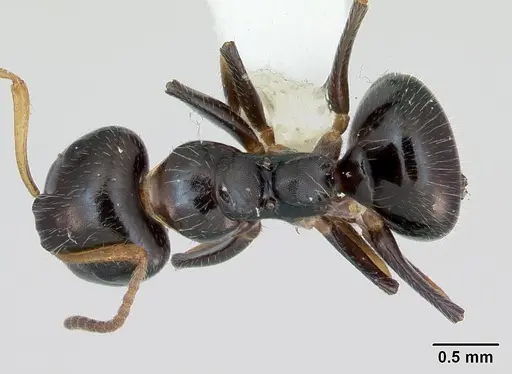
Literature
Loading...Loading products...