

Camponotus radiatus
- Scientific Name
- Camponotus radiatus
- Subgenus
- Myrmotrema
- Tribe
- Camponotini
- Subfamily
- Formicinae
- Author
- Forel, 1892
- Distribution
- Found in 1 countries
Camponotus radiatus Overview
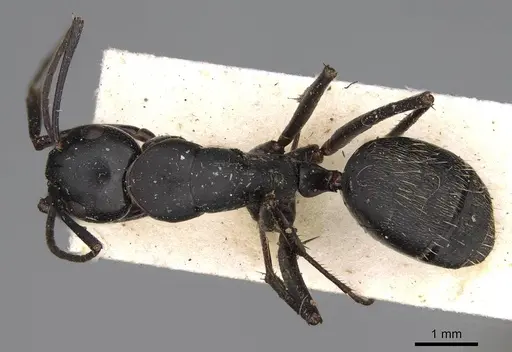
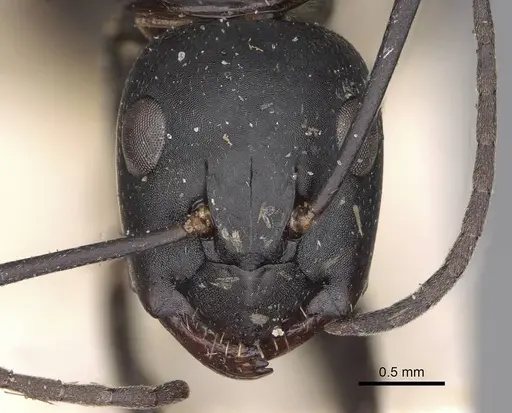
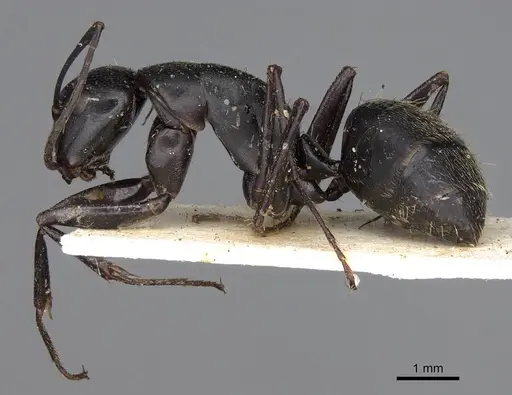
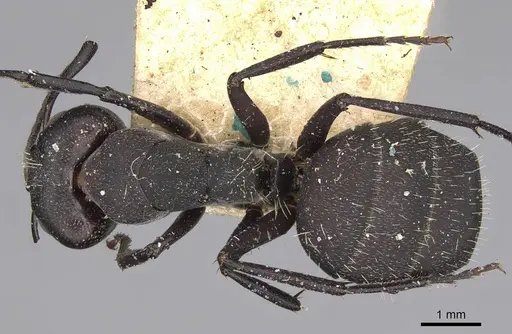
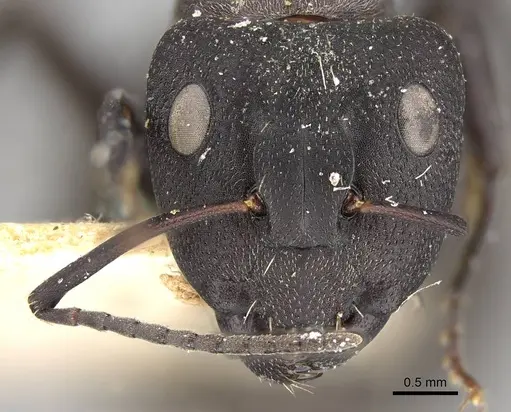
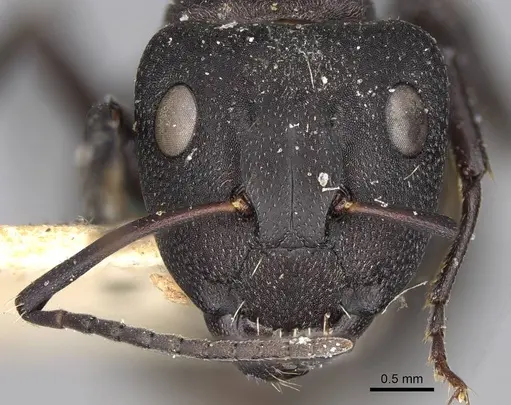
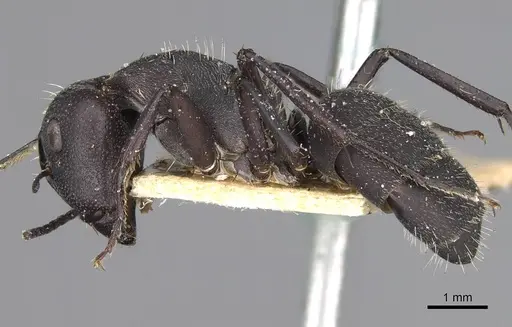
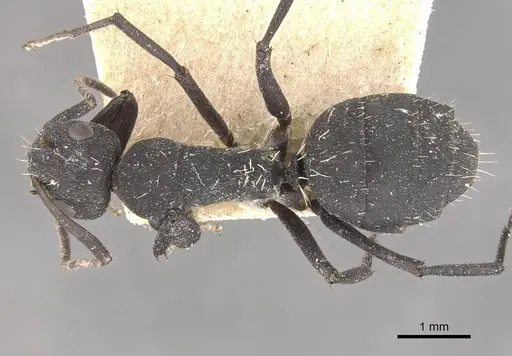
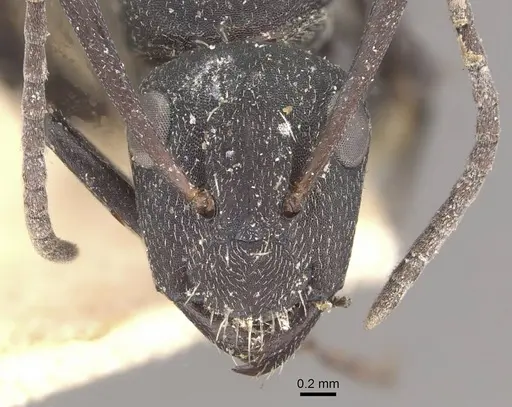
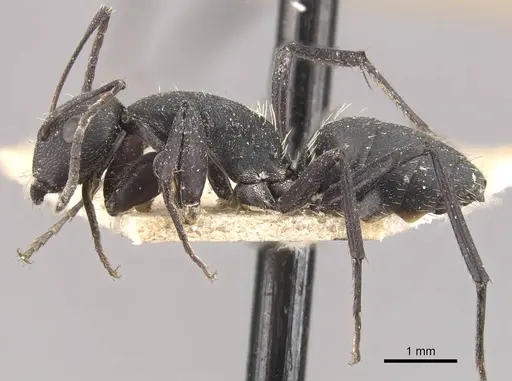
Camponotus radiatus is an ant species of the genus Camponotus. It is primarily documented in 1 countries , including India. Detailed taxonomic data and occurrence records can be further explored via authoritative databases such as AntWeb or the Global Biodiversity Information Facility (GBIF).
Camponotus radiatus
Camponotus radiatus is a carpenter ant species native to India, specifically found in the western regions including Karnataka and Kerala [1][2]. Workers are polymorphic, meaning they come in different sizes, larger major workers and smaller minor workers, typical of the Camponotus genus. The species was originally described by Forel in 1892 from specimens collected in Kanara and Thana [3]. As a member of the Formicinae subfamily, these ants have a single acidopore (a gland opening used for chemical defense) rather than a stinger. They are forest-dwelling ants that likely nest in rotting wood or under stones in the humid tropical environments of the Western Ghats region.
Quick Summary
- Difficulty: Medium
- Origin & Habitat: India (Karnataka, Kerala) in the Indomalaya region. This species inhabits the Western Ghats, a biodiversity hotspot with tropical and subtropical climates [1]. They are forest-litter inhabitants, typically found in moist, shaded environments.
- Colony Type: Colony structure is unconfirmed for this species. Based on typical Camponotus patterns, likely single-queen (monogyne) colonies with major and minor worker castes.
- Colony: Monogyne
- Founding: Claustral
- Size & Growth:
- Queen: Estimated 12-16mm based on typical Camponotus queen size range
- Worker: Major workers: 8-12mm, Minor workers: 5-8mm, estimated based on genus patterns
- Colony: Likely reaches several thousand workers at maturity based on typical Camponotus colony development
- Growth: Moderate, Camponotus species typically grow more slowly than smaller ants, taking several months to establish
- Development: Estimated 6-10 weeks at optimal temperature based on typical Camponotus development (Development time varies with temperature, warmer conditions within safe range speeds development)
- Antkeeping:
- Temperature: Keep at 24-28°C. Being a tropical Indian species, they prefer warm conditions. A heating cable on one side of the nest creates a temperature gradient allowing workers to regulate their own exposure
- Humidity: Moderate to high humidity (60-80%). The Western Ghats environment is humid, so keep the nest substrate moist but not waterlogged. Provide a water source and occasional misting if the nest starts drying out
- Diapause: Likely minimal or no true diapause. As a tropical species from southern India, they probably do not require hibernation. However, a slight cool period (15-18°C) during winter months may help simulate natural seasonal cues
- Nesting: Y-tong (AAC) nests work well for carpenter ants. They also do well in naturalistic setups with rotting wood or cork bark. Avoid overly wet or mold-prone setups. Provide narrow chambers appropriate for their size
- Behavior: Generally calm and non-aggressive compared to some other ant species. Like most Camponotus, they are primarily nocturnal or crepuscular foragers. Workers are moderate in size with good escape prevention needed, they can climb smooth surfaces but are not particularly known for extreme escape artist behavior. They will defend the colony if threatened but typically retreat first. Major workers can deliver a mild bite if handled roughly.
- Common Issues: mold growth due to high humidity requirements, ensure proper ventilation while maintaining moisture, slow colony growth can frustrate beginners, Camponotus take time to establish, don't overfeed or disturb the queen, queen loss during founding is common, ensure founding setup is stable and undisturbed, escape prevention despite moderate size, use fluon barriers and tight-fitting lids, humidity control is tricky, too wet causes drowning risk, too dry causes brood death
Nest Preferences
Camponotus radiatus is a carpenter ant, so they naturally nest in wood. In captivity, Y-tong (AAC) nests work excellently, the acrylic chambers are easy to maintain and observe. You can also use naturalistic setups with cork bark or small pieces of rotting wood. The key is providing chambers sized appropriately for their colony size. For founding queens, a simple test tube setup with a water reservoir works well. As the colony grows, gradually upgrade to larger nests. Avoid very wet substrates as they can cause mold issues. The nest should have some unoccupied chambers for future growth.
Feeding and Diet
Like other Camponotus species, C. radiatus is omnivorous with a preference for sugar sources. Offer sugar water (1:3 sugar to water ratio) or honey (diluted with a bit of water) as a constant food source. For protein, provide small insects like fruit flies, small crickets, or mealworms. Feed protein 2-3 times per week, adjusting based on colony size and consumption. Remove uneaten prey after 24 hours to prevent mold. Major workers will tackle larger prey items while minors handle smaller ones. Fresh fruit can also be offered occasionally. A varied diet helps ensure healthy colony development.
Temperature and Care
Being from tropical India, these ants prefer warm conditions. Maintain nest temperatures between 24-28°C for optimal brood development. You can use a heating cable placed on top of the nest (never underneath as it can dry out the nest too quickly) to create a gentle warmth gradient. Room temperature may be sufficient if your home stays in the low-mid 20s°C range. Monitor colony behavior, if workers cluster near the heat source, increase temperature slightly, if they avoid it, reduce. Unlike temperate species, they likely don't need a true hibernation, but a slight cool period (15-18°C) during winter months is acceptable if your room temperature drops naturally.
Behavior and Temperament
Camponotus radiatus has a calm temperament typical of most carpenter ants. They are not particularly aggressive and will typically flee from disturbance rather than attack. However, major workers can deliver a mild bite if threatened or handled roughly. They are primarily active during evening and night hours. Workers communicate through chemical trails and will recruit nestmates to good food sources. The colony will establish distinct foraging patterns once established. Their moderate size means escape prevention is important but not as critical as with tiny ants, standard fluon barriers on smooth surfaces work well.
Colony Founding
Founding behavior is unconfirmed for this specific species, but based on typical Camponotus patterns, the queen likely seals herself in a small chamber and raises the first brood alone. The claustral founding queen uses stored fat reserves to survive until her first workers (nanitics) emerge. This typically takes 6-10 weeks depending on temperature. During this critical period, the queen needs complete darkness and minimal disturbance. Do not check on the founding setup excessively, vibrations and light can stress the queen. Once nanitics emerge, you can slowly introduce very small amounts of food, but the colony will primarily rely on the queen's continued feeding of larvae for some time.
Frequently Asked Questions
How long does it take for Camponotus radiatus to produce first workers?
Expect 6-10 weeks from egg to first worker (nanitics) at optimal temperature (24-28°C). This is typical for Camponotus species. Growth is slower than smaller ants, so patience is key during the founding stage.
What do Camponotus radiatus ants eat?
They are omnivorous with a sweet tooth. Offer sugar water or diluted honey constantly, and protein (small insects like fruit flies, mealworms) 2-3 times per week. Remove uneaten food promptly to prevent mold.
What temperature do Camponotus radiatus ants need?
Keep them warm at 24-28°C. Being from tropical India, they prefer consistent warmth. A heating cable on top of the nest can help maintain optimal temperatures.
Are Camponotus radiatus good for beginners?
They are rated Medium difficulty. While not as challenging as some species, they require more patience than smaller ants due to slower growth. The care requirements are straightforward once you understand basic antkeeping principles.
Do Camponotus radiatus need hibernation?
Probably not. As a tropical species from southern India, they likely don't require true hibernation. A slight cool period (15-18°C) during winter is acceptable but not necessary.
How big do Camponotus radiatus colonies get?
Based on typical Camponotus patterns, colonies likely reach several thousand workers at maturity. Major workers can reach 8-12mm, with smaller minors at 5-8mm.
When should I move Camponotus radiatus to a formicarium?
Wait until the colony has at least 20-30 workers before moving. A test tube or founding setup is fine for the first few months. Move to a larger nest when workers start clustering outside the nest or the water reservoir runs low.
Can I keep multiple Camponotus radiatus queens together?
This has not been documented for this species. Based on typical Camponotus behavior, they are likely single-queen colonies. Combining unrelated queens is not recommended.
Why is my Camponotus radiatus colony dying?
Common causes include: disturbance during founding (queen stressed), incorrect humidity (too wet or too dry), temperatures outside their preferred range, mold from overfeeding, or poor quality wild-caught queens. Ensure stable conditions and minimal disturbance during early colony stages.
References

This caresheet is licensed under CC BY-SA 4.0 .
Literature
Loading...Loading products...