

Camponotus punctulatus
- Scientific Name
- Camponotus punctulatus
- Subgenus
- Tanaemyrmex
- Tribe
- Camponotini
- Subfamily
- Formicinae
- Author
- Mayr, 1868
- Distribution
- Found in 6 countries
Camponotus punctulatus Overview
Camponotus punctulatus is an ant species of the genus Camponotus. It is primarily documented in 6 countries , including Argentina, Bolivia, Plurinational State of. Detailed taxonomic data and occurrence records can be further explored via authoritative databases such as AntWeb or the Global Biodiversity Information Facility (GBIF).
Camponotus punctulatus
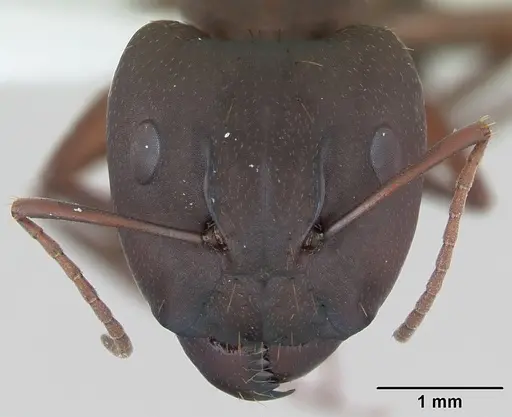
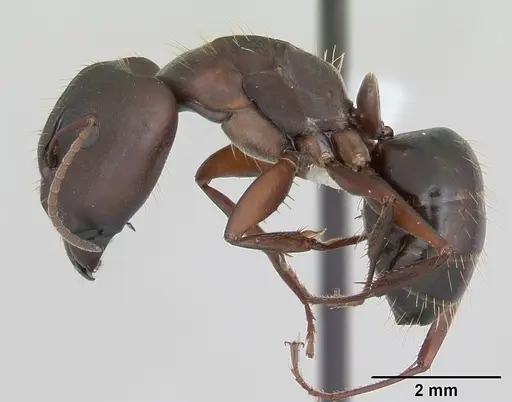
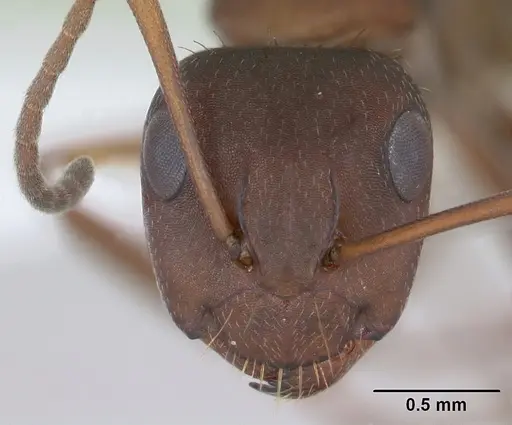
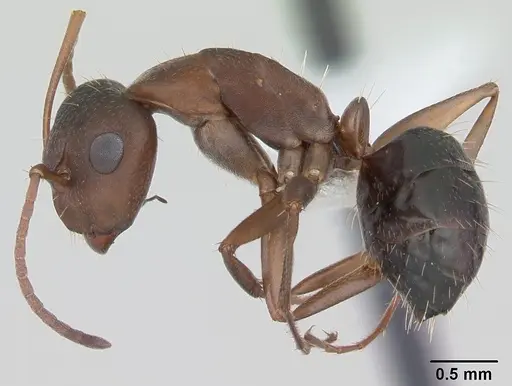
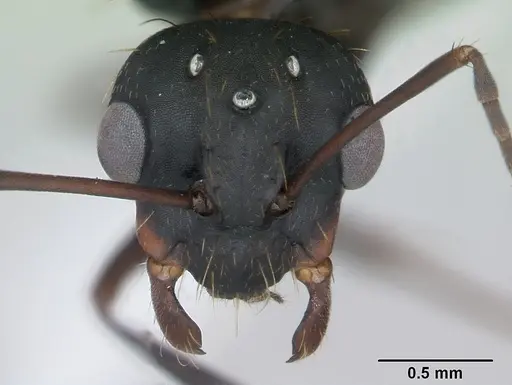
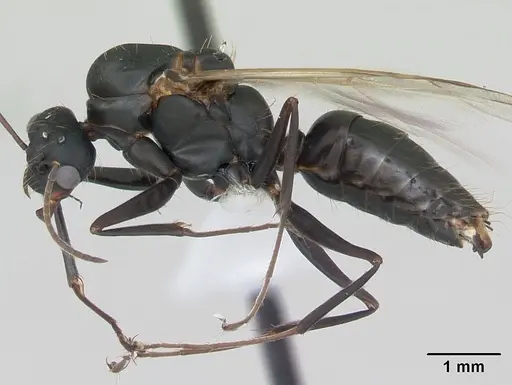
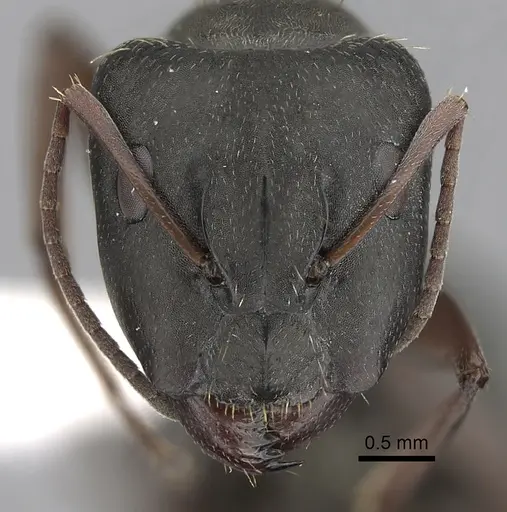
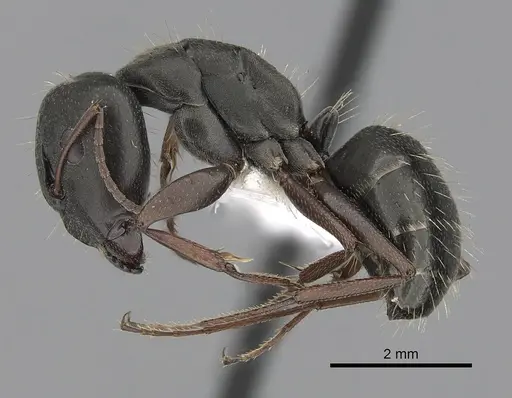
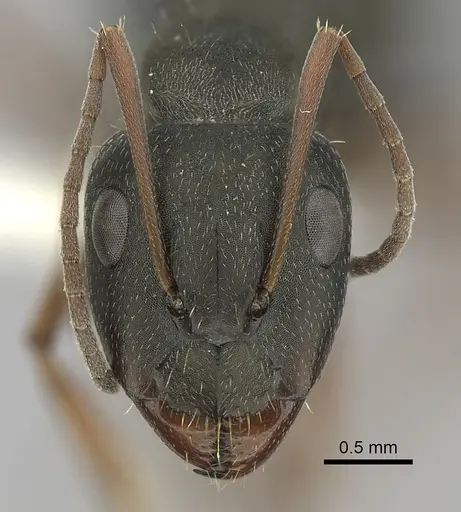
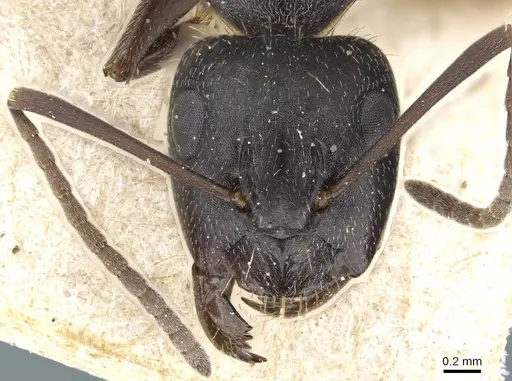
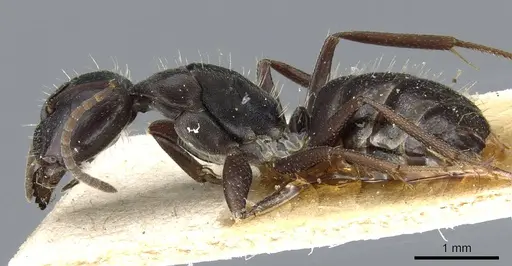
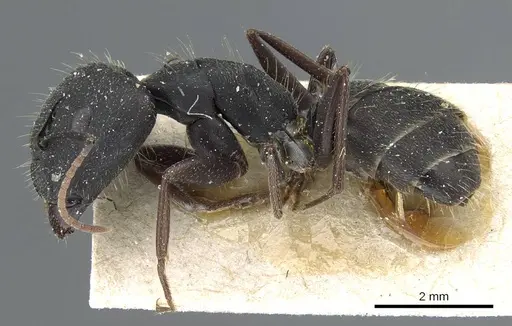
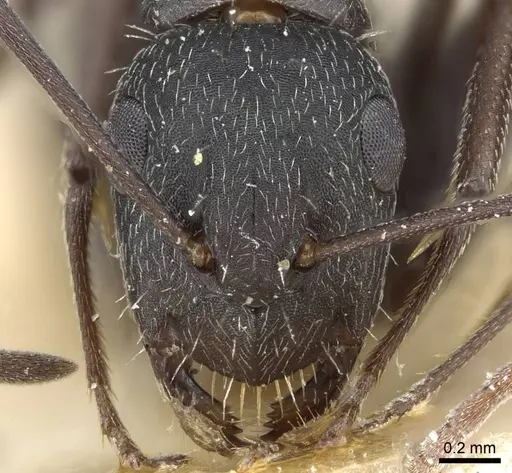
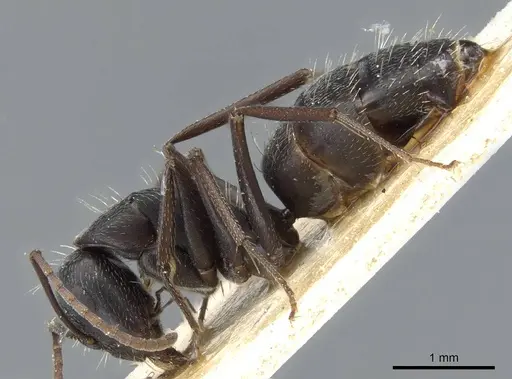
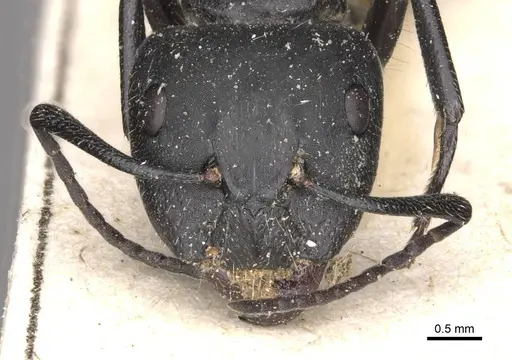
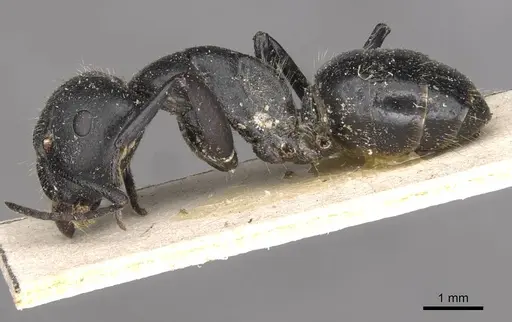
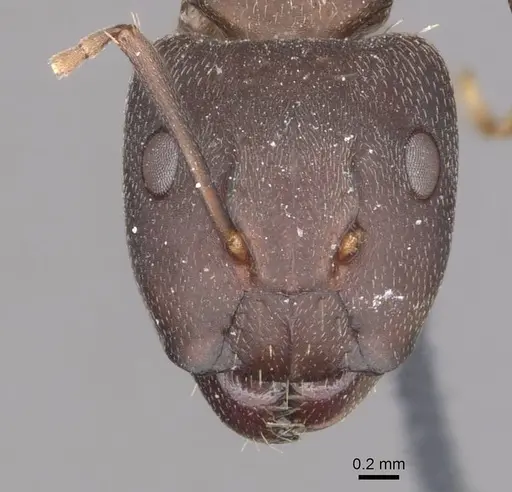
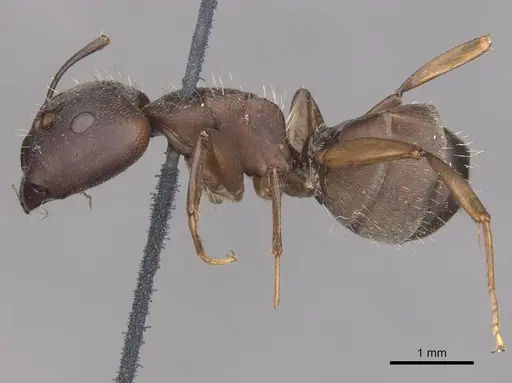
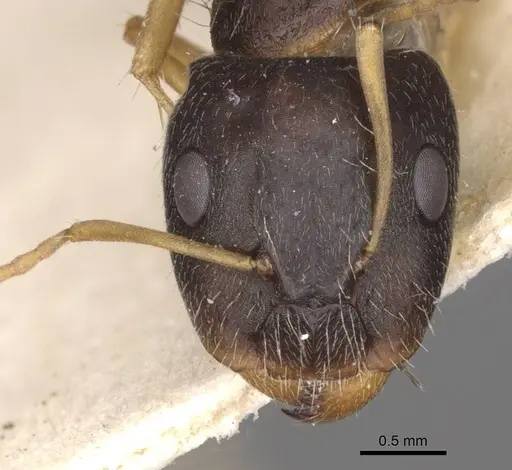
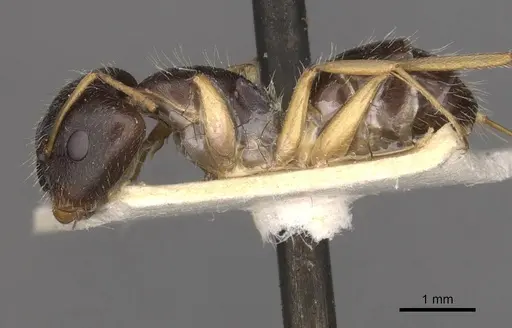
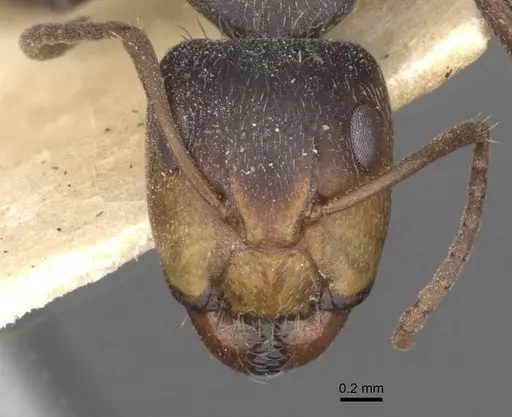
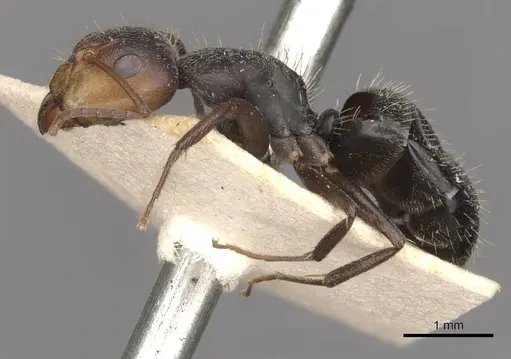
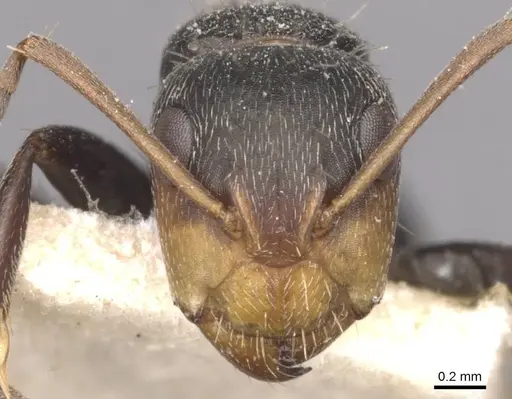
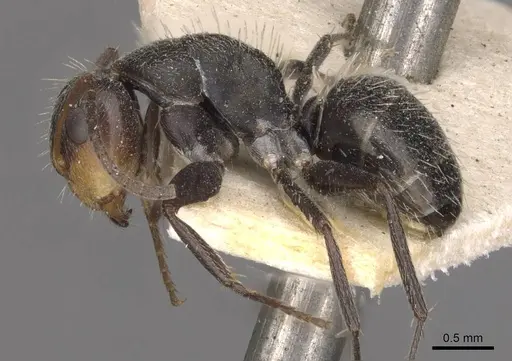
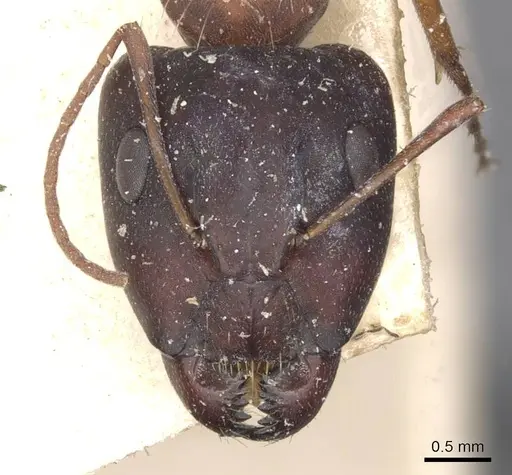
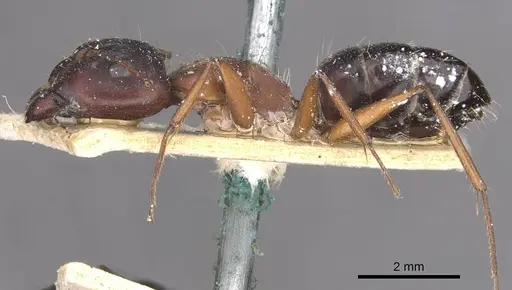
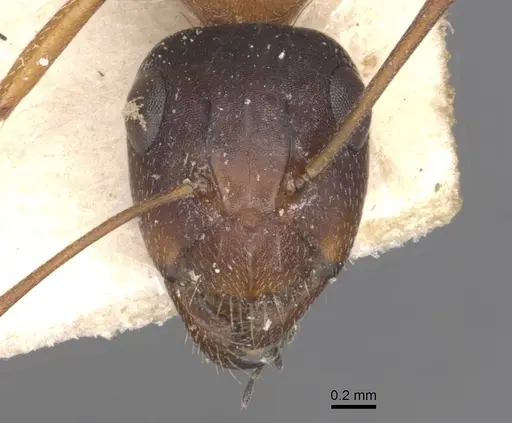
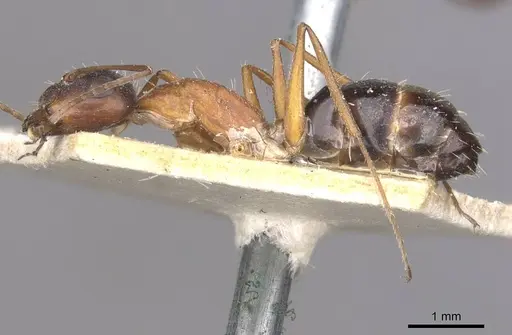
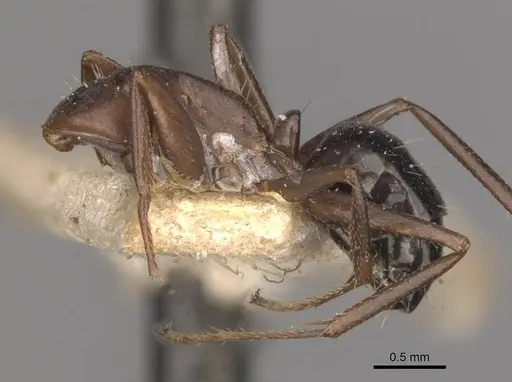
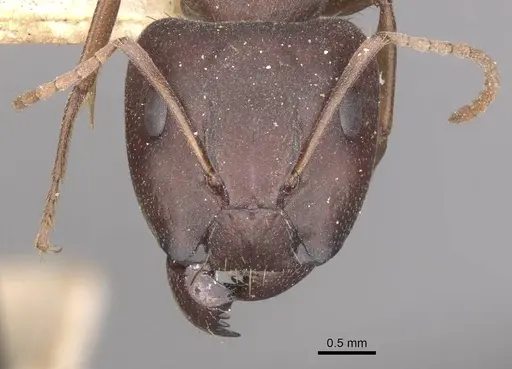
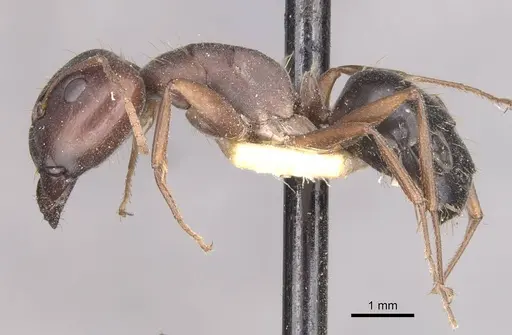
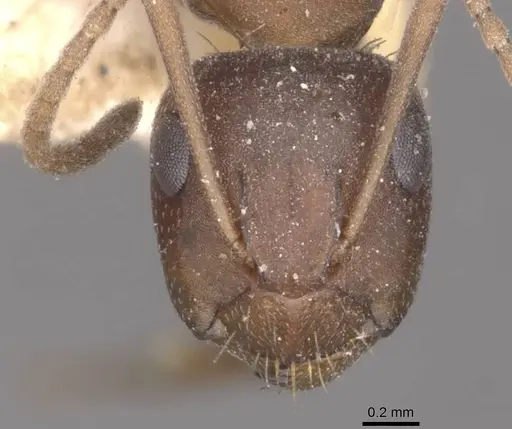
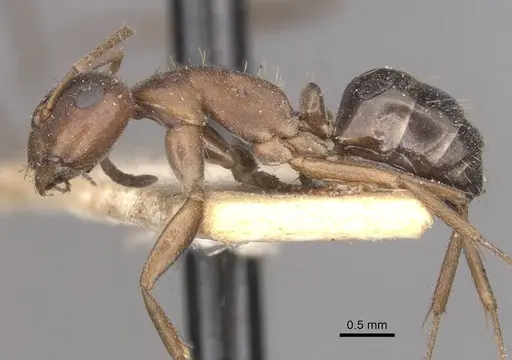
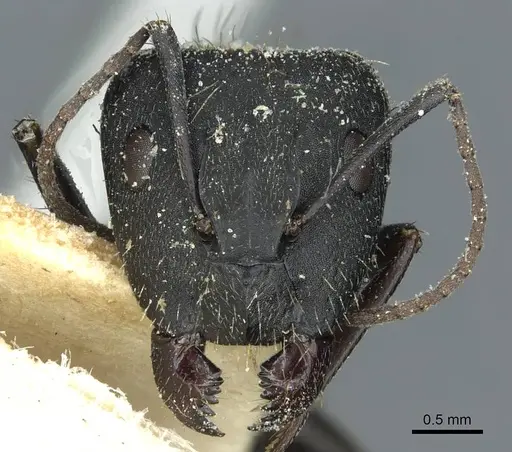
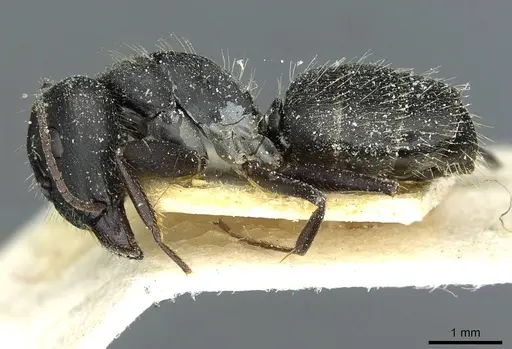
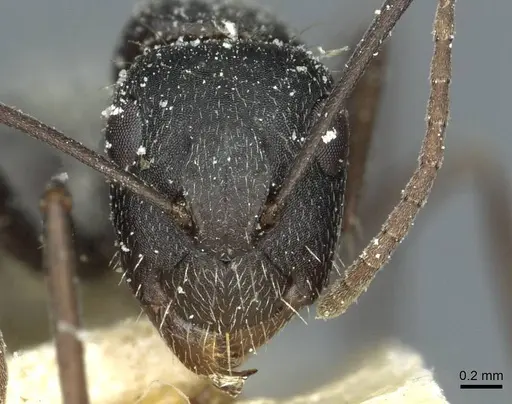
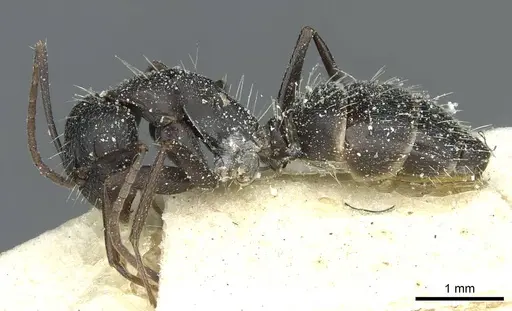
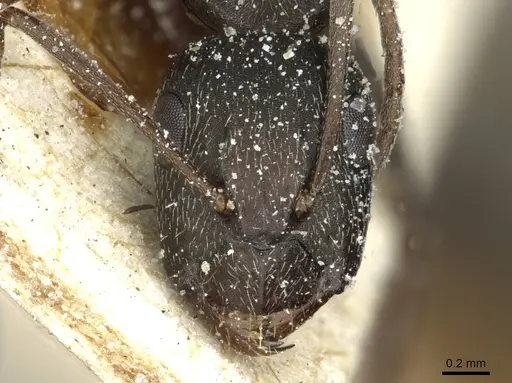
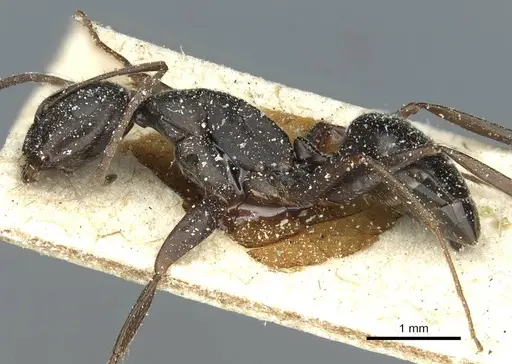
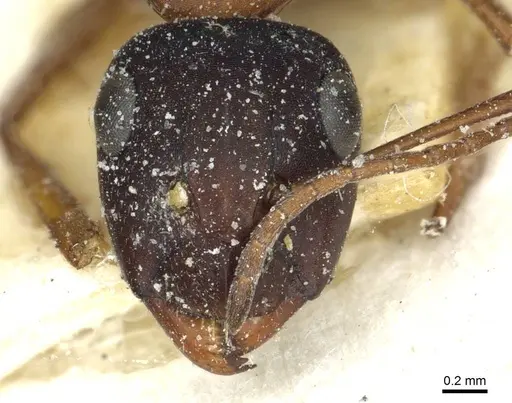
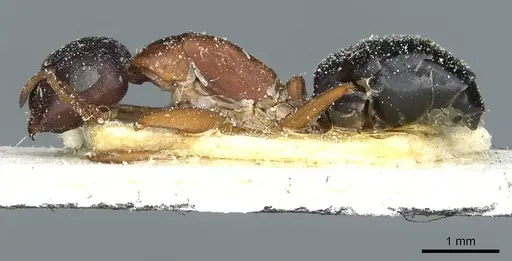
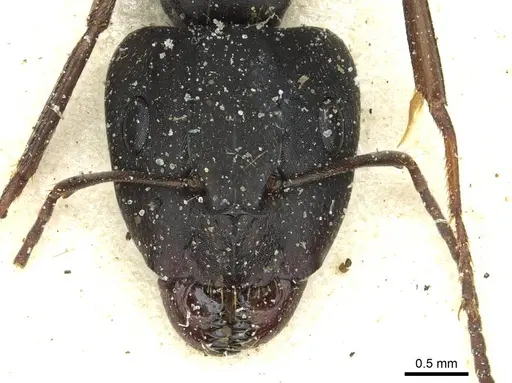
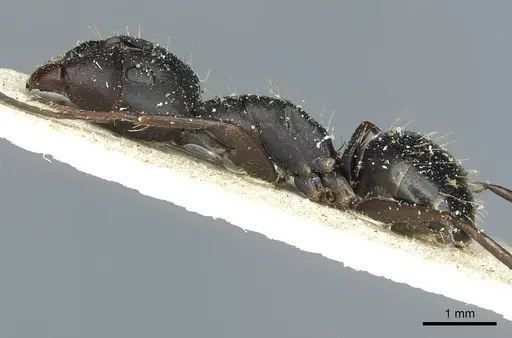
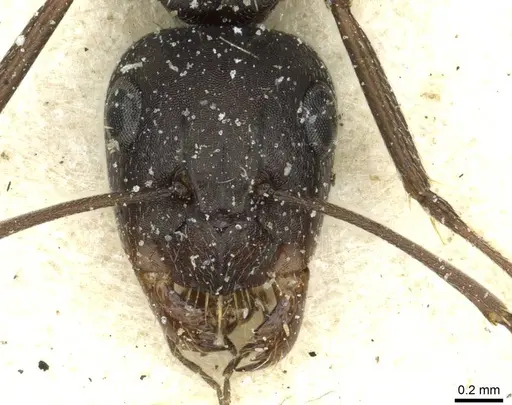
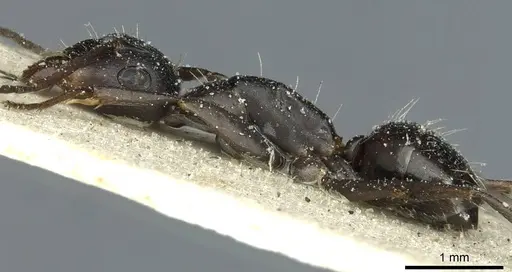
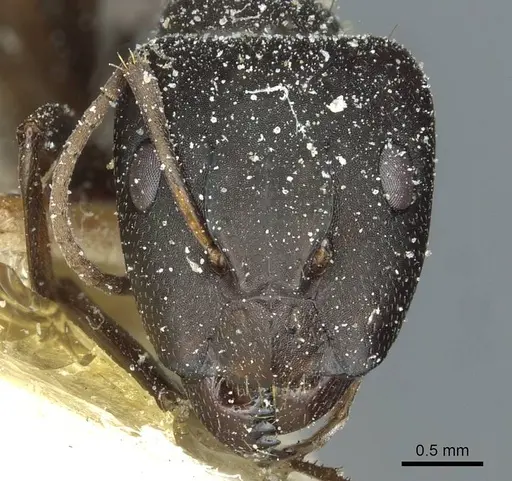
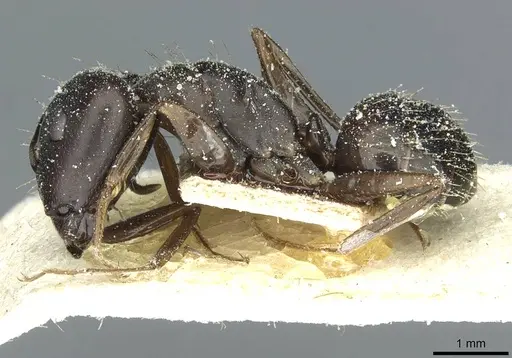
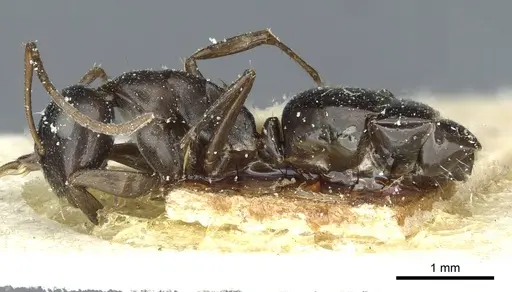
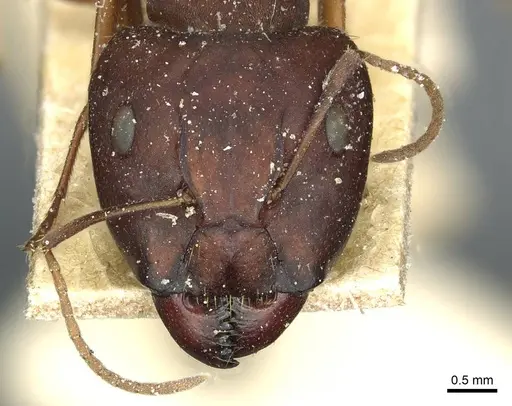
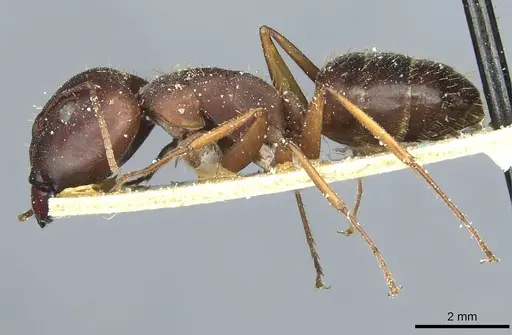
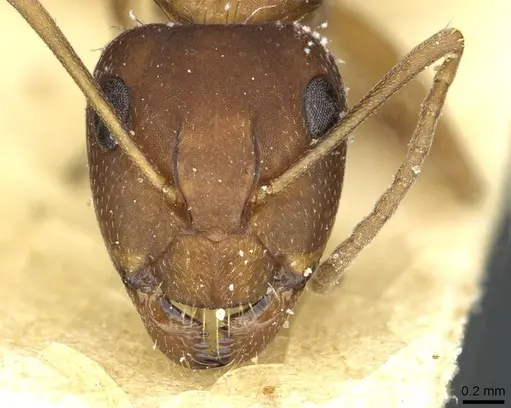
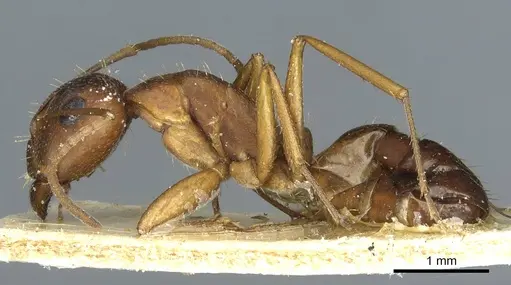
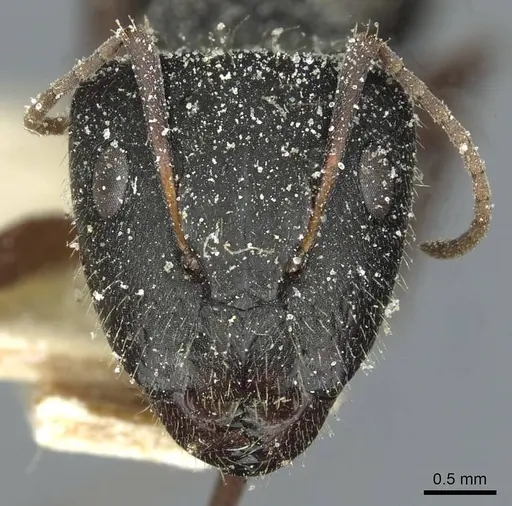
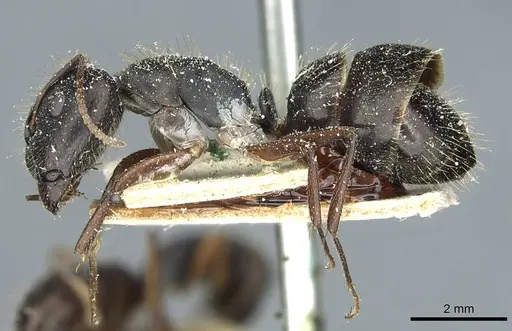
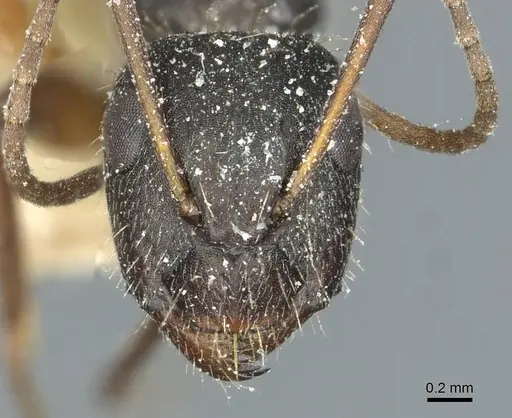
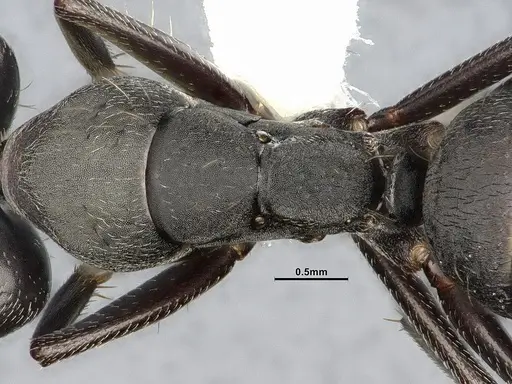
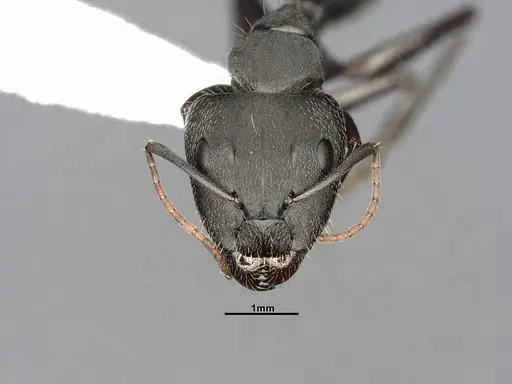
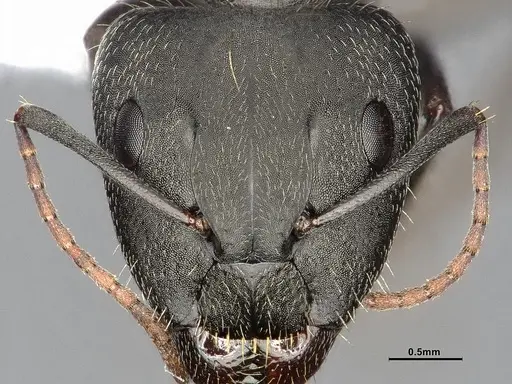
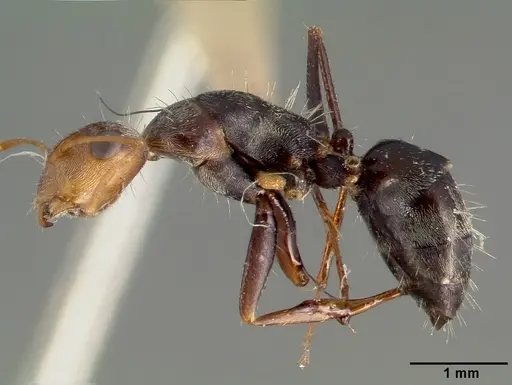
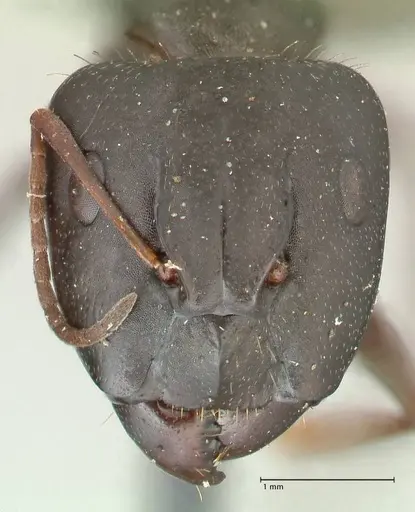
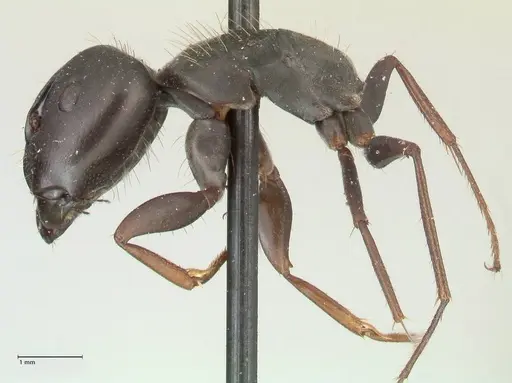
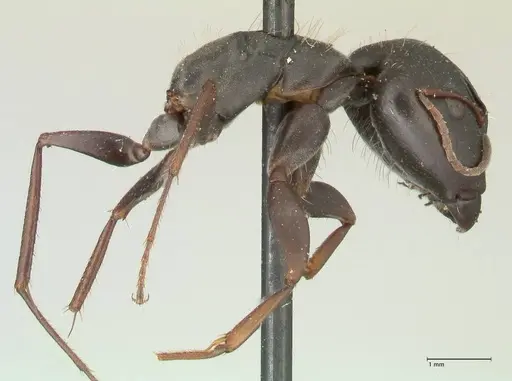
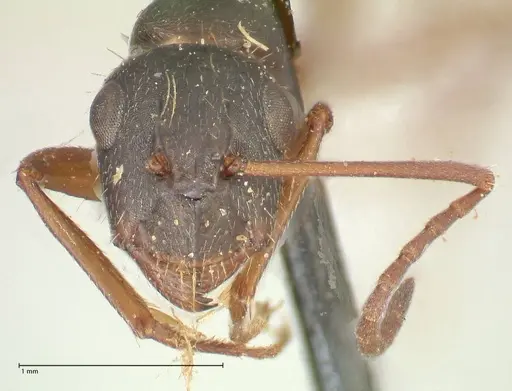
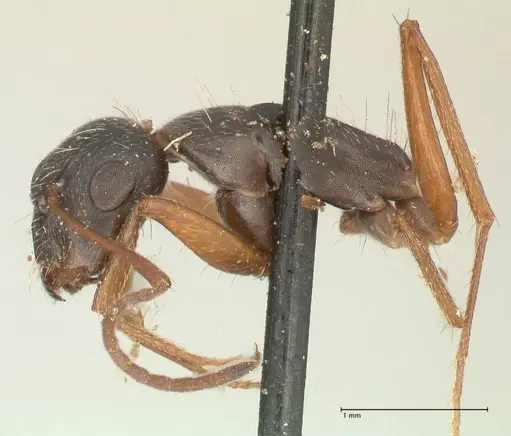
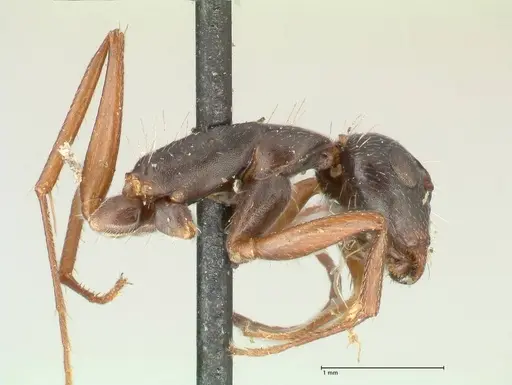
Camponotus punctulatus is a large carpenter ant native to the Neotropical region of South America, found throughout Argentina, Bolivia, Brazil, Paraguay, Uruguay, and into Mexico and Peru [1][2]. Workers measure 6-19mm, with a distinctive black or dark gray body featuring light gray bands on the abdomen [3]. This species is known for its ability to nest in both wood and soil, constructing large mound nests that can reach up to 2 meters in diameter in its native grasslands [4][5]. Unlike true carpenter ants that don't eat wood, C. punctulatus is omnivorous, consuming both plant and animal matter including honeydew, aphids, and various household foods [3].
What makes this species particularly interesting is its ecological flexibility, in natural grasslands it lives underground, but when its habitat is disturbed by agriculture or cattle pastures, it becomes a dominant above-ground species that can build enormous, hard mound nests [6]. This adaptive behavior has made it a significant pest in agricultural areas of Argentina, where colonies can reach 3,000 individuals within three years and frequently invade homes [3][6].
Quick Summary
- Difficulty: Medium
- Origin & Habitat: Native to the Neotropical region, Argentina, Bolivia, Brazil, Mexico, Paraguay, Peru, and Uruguay [1][2]. In its natural state, it inhabits grasslands and soil in rural ecosystems, but readily adapts to human-modified landscapes where it becomes more problematic [6][7].
- Colony Type: Single-queen colonies (monogyne), typical for Camponotus species. Colonies can grow large, reaching up to 3,000 workers after approximately three years [3].
- Colony: Monogyne
- Founding: Claustral
- Size & Growth:
- Queen: Estimated 12-15mm based on genus patterns, not directly documented in available research
- Worker: 6-19mm total length, with workers measuring 8.0-8.5mm in body length [8][3]
- Colony: Up to 3,000 workers after 3 years [3]. In favorable agricultural habitats, colonies can become extremely large and dense, up to 1,800 nests per hectare in some regions [4].
- Growth: Moderate, colonies reach substantial size within 2-3 years
- Development: Estimated 6-8 weeks based on typical Camponotus development patterns (Development time is inferred from genus-level data as species-specific measurements were not available in the research.)
- Antkeeping:
- Temperature: As a Neotropical species, keep them warm, aim for 22-26°C. Room temperature within this range is typically suitable. Avoid temperatures below 18°C for extended periods.
- Humidity: Moderate humidity is acceptable. These ants are adaptable but prefer well-drained nesting areas. Provide a water tube for humidity but ensure the nest doesn't become waterlogged.
- Diapause: Not required, as a tropical/subtropical species, they don't enter true hibernation. However, activity may slow during cooler winter months in temperate climates.
- Nesting: Highly adaptable, will nest in wood (hence 'carpenter ant') but also readily in soil and formicarium setups. Y-tong (AAC) nests work well, as do wooden formicaria. Provide nesting chambers scaled to colony size.
- Behavior: Generally calm and non-aggressive toward keepers, but will defend their nest vigorously if threatened. Workers are large and can deliver a bite. They are omnivorous and will accept a wide variety of foods including sugar water, honey, protein sources like insects, and household food scraps. Workers forage both on the ground and in vegetation. They are known to tend aphids for honeydew [9]. Escape risk is moderate, their larger size makes them easier to contain than tiny ants, but they are strong and determined.
- Common Issues: colonies can become very large quickly in good conditions, be prepared to upgrade to larger setups, they may invade homes in search of food, keep enclosures secure and clean, large colonies are difficult to move once established in a nest, in their native range they are agricultural pests, this species can dominate and reduce biodiversity, mound-building behavior in soil setups can be destructive to formicarium structures
Nest Preferences and Housing
Camponotus punctulatus is remarkably flexible in its nesting preferences, in nature it nests both in soil and in wood, which makes captive care relatively straightforward. In the wild, they excavate nests in rotting wood or create large mound nests in soil, particularly in disturbed agricultural areas [6][4]. For antkeeping, Y-tong (AAC) nests work excellently as they provide the dark, enclosed chambers these ants prefer. Wooden formicaria are also appropriate given their carpenter ant heritage, they will excavate galleries in soft wood without actually feeding on it [3].
When setting up their enclosure, provide nesting chambers appropriately sized to your colony. Start with a test tube setup for founding colonies, then transition to a formicarium as the colony grows. These ants don't require extreme humidity, moderate levels are sufficient, and they do well with a simple water tube for moisture. Because they can grow to 3,000+ workers, plan for expansion and have a larger formicarium ready when the colony reaches several hundred workers.
Feeding and Diet
As omnivores, Camponotus punctulatus accepts a wide variety of foods, this makes them one of the easier large ants to keep. They consume both plant and animal matter, including honeydew from aphids, nectar from extrafloral nectaries, and insects [9][3]. In captivity, offer a balanced diet: sugar water or honey as a constant energy source, and protein (dead insects, mealworms, small crickets) 2-3 times per week.
These ants are known to tend aphids in their native range, so they will readily accept sweet liquids. In fact, they were recorded tending 24.4% of aphid species in one study of ornamental plants in Argentina [9]. For a thriving colony, provide variety: sugar sources for carbohydrates, protein for brood development, and occasional treats. They will also accept household food scraps if present, which explains their frequent appearance in homes [3].
Temperature and Seasonal Care
Being a Neotropical species from Argentina and surrounding countries, Camponotus punctulatus prefers warm conditions. Keep their enclosure at 22-26°C, this range supports normal activity and brood development. Room temperature is often suitable, but you may need a heating cable or mat in cooler climates.
Unlike temperate species, they do not require a true hibernation period. However, in the wild their activity likely decreases during cooler months, so you might observe reduced activity in winter if your home is cold. They are adaptable to temperature fluctuations within reasonable ranges, avoid extremes below 15°C or above 30°C. The key is consistency rather than exact temperature control.
Behavior and Colony Dynamics
Camponotus punctulatus colonies grow steadily and can become quite large, up to 3,000 workers after three years in good conditions [3]. Workers are moderately aggressive in defending the nest but generally calm toward keepers. They forage both on the ground and in vegetation, and are known to form recruitment trails to food sources.
One notable behavior is their ability to dominate in disturbed habitats. In post-agricultural fields in Argentina, they become extremely abundant and reduce the diversity of other ant species [10]. This ecological flexibility, being able to live underground in natural areas but explode demographically in modified landscapes, is a key trait of this species. In captivity, this translates to a robust, adaptable ant that establishes readily and grows predictably.
Pest Status and Ecological Impact
It's important to understand that Camponotus punctulatus is considered a significant pest in its native range of Argentina [6]. In agricultural areas, particularly cattle pastures and post-rice cultivation fields, they become dominant and build enormous mound nests that can reach 2 meters in diameter. These mounds are extremely hard and difficult to destroy, decreasing land value and increasing farmer expenses [6].
Additionally, they frequently nest in wooden structures in homes, hence the common name 'hormiga carpintera' or carpenter ant. They excavate galleries in wood following the grain but don't actually consume it [3]. For antkeepers, this means you should be mindful about not accidentally establishing colonies in outdoor areas where they could become problematic. Always keep your colony contained and never release them in non-native areas.
Frequently Asked Questions
How long does it take for Camponotus punctulatus to develop from egg to first worker?
Based on typical Camponotus development patterns, expect approximately 6-8 weeks from egg to first worker at optimal temperatures (22-26°C). Species-specific development data was not available in the research, so this is an estimate based on genus-level information.
Can I keep Camponotus punctulatus in a test tube setup?
Yes, test tubes work well for founding colonies. Provide a water tube for humidity and keep the setup in a warm, dark location. Once the colony reaches 50+ workers, consider moving them to a proper formicarium with more space.
What do Camponotus punctulatus eat?
They are omnivores, offer sugar water or honey as a constant energy source, and protein (dead insects, mealworms) 2-3 times weekly. They will also tend aphids if given the opportunity and accept various household foods.
How big do Camponotus punctulatus colonies get?
Colonies can reach 3,000+ workers after about three years in good conditions [3]. In their native range with ideal habitat, nest density can reach 1,800 per hectare [4].
Are Camponotus punctulatus good for beginners?
They are moderate difficulty, harder than simple species like Lasius but easier than some exotic requirements. Their large size, omnivorous diet, and flexible nesting make them manageable for intermediate antkeepers. They do require warmth and can grow very large.
Do Camponotus punctulatus need hibernation?
No, they do not require true hibernation as a Neotropical species. However, activity may slow in cooler winter months if your home temperature drops significantly.
Why are my Camponotus punctulatus dying?
Common causes include: temperatures below 18°C, excessive humidity causing mold, insufficient protein in their diet, or stress from too-frequent disturbances. Check that your setup provides appropriate warmth, moderate humidity, and regular feeding.
When should I move my colony to a formicarium?
Move from test tube to formicarium when the colony reaches 50-100 workers and the test tube shows signs of degradation or the water reservoir is exhausted. Have the formicarium ready before the colony becomes cramped.
References

This caresheet is licensed under CC BY-SA 4.0 .
CASENT0173437
View on AntWeb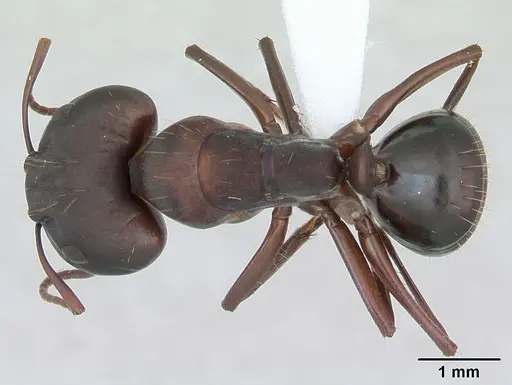
CASENT0173438
View on AntWeb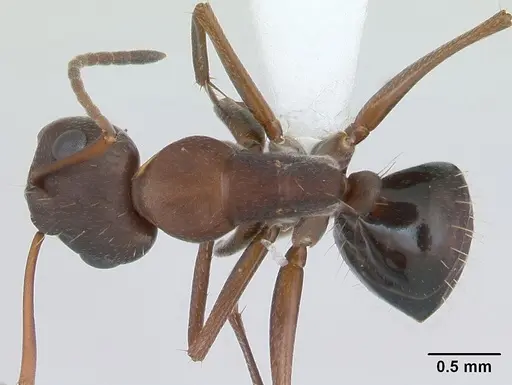
CASENT0173439
View on AntWeb
CASENT0280060
View on AntWeb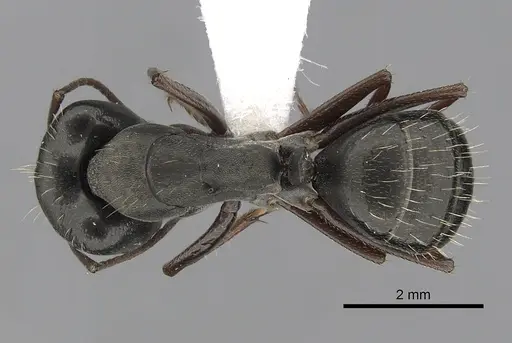
CASENT0280061
View on AntWeb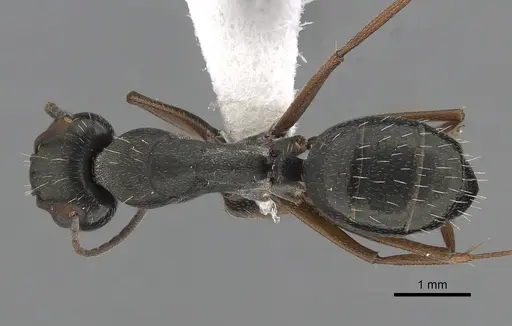
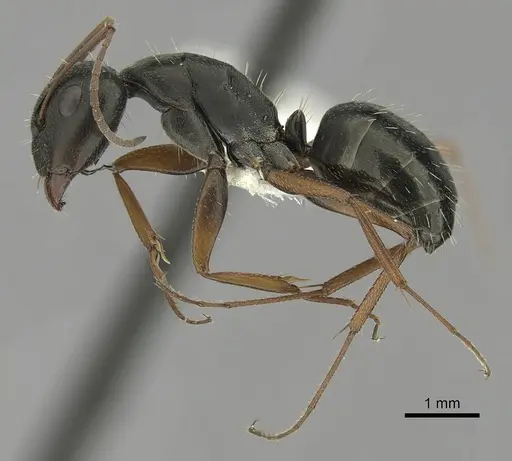
CASENT0905213
View on AntWeb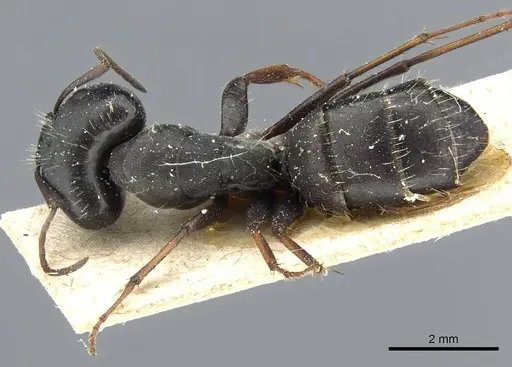
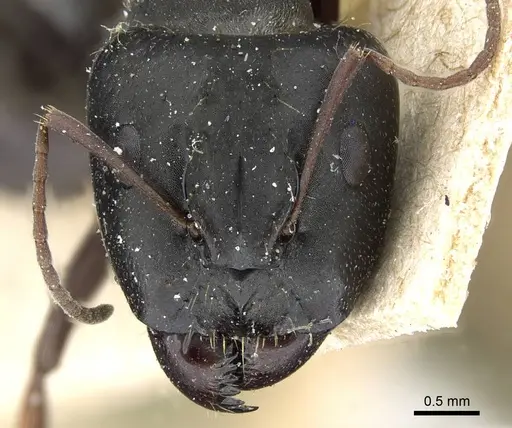
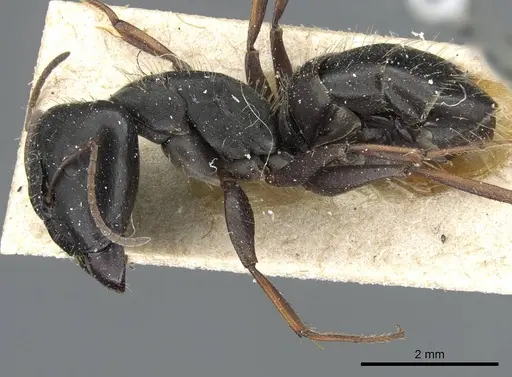
CASENT0905214
View on AntWeb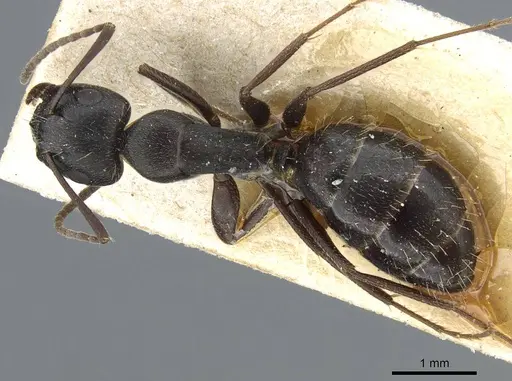
CASENT0905215
View on AntWeb
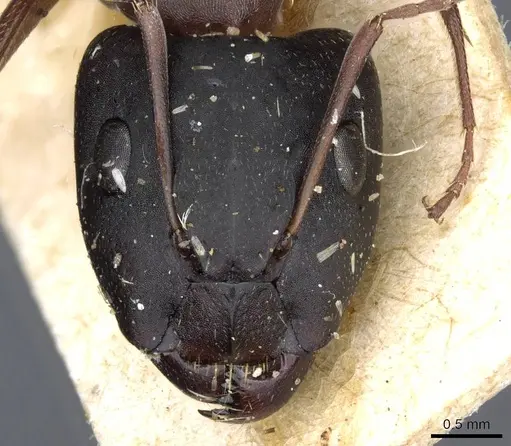
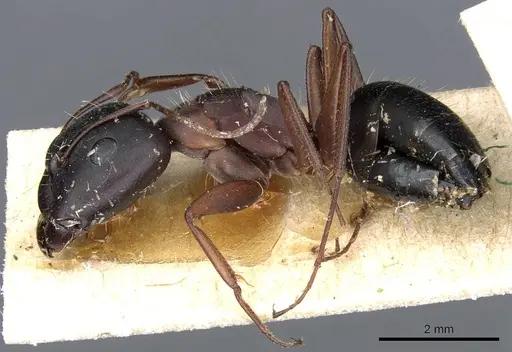
CASENT0905216
View on AntWeb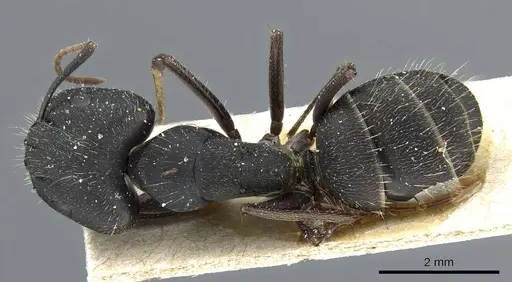
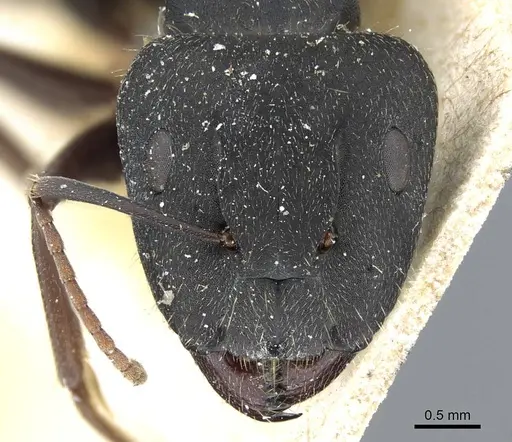
CASENT0905217
View on AntWeb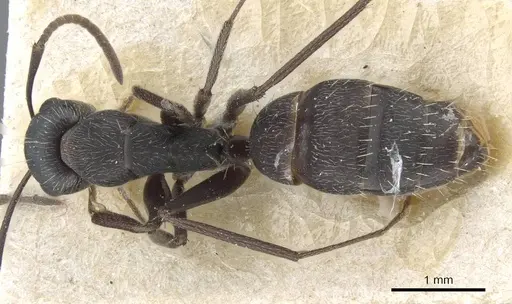
CASENT0909966
View on AntWeb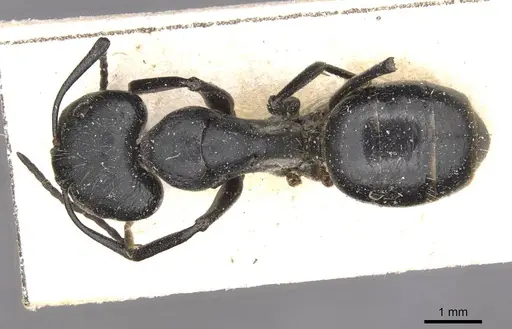
CASENT0909967
View on AntWeb
CASENT0909969
View on AntWeb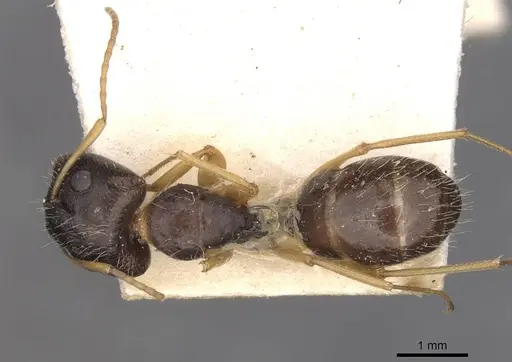
CASENT0909970
View on AntWeb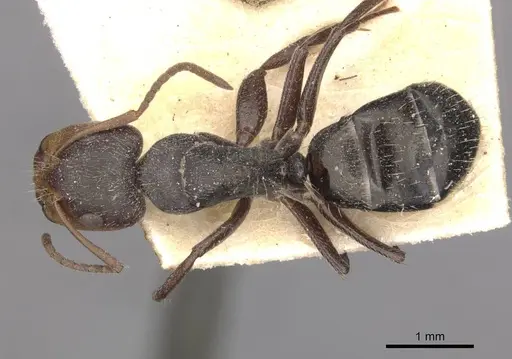
CASENT0909971
View on AntWeb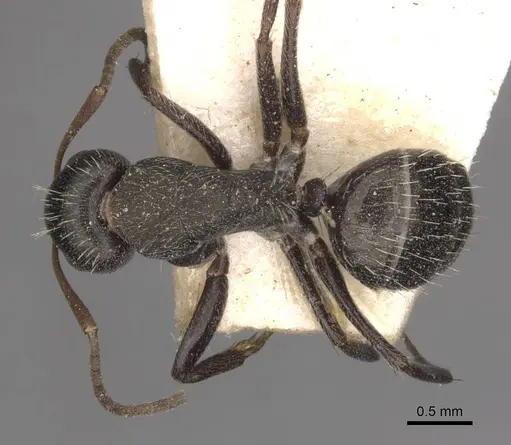
CASENT0909972
View on AntWeb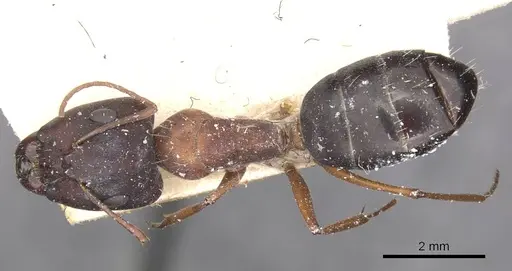
CASENT0909973
View on AntWeb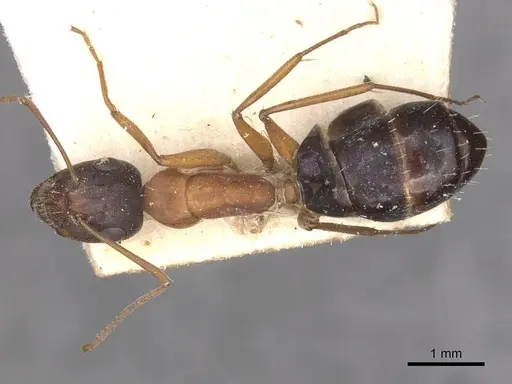
CASENT0909974
View on AntWeb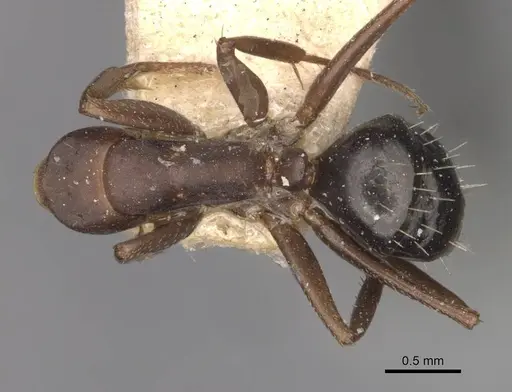
CASENT0909975
View on AntWeb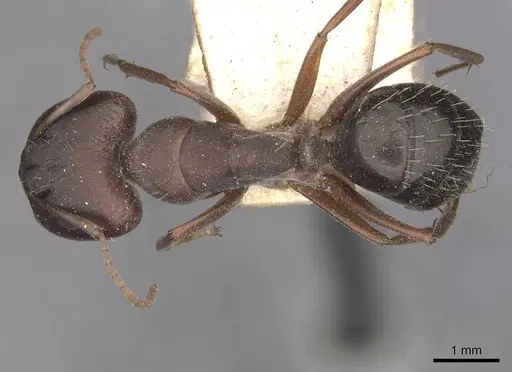
CASENT0909976
View on AntWeb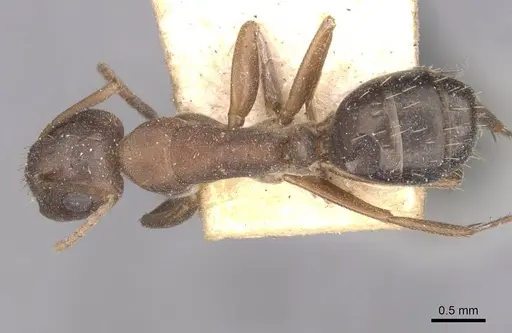
CASENT0912018
View on AntWeb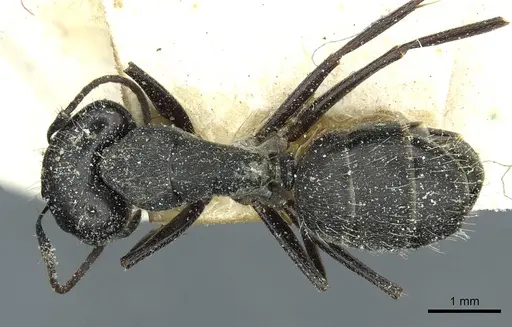
CASENT0912019
View on AntWeb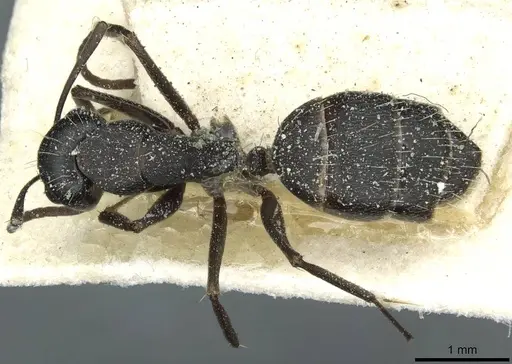
CASENT0912020
View on AntWeb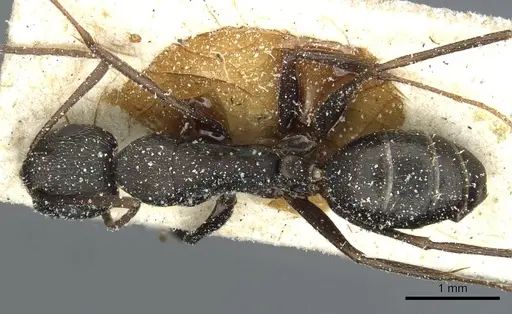
CASENT0912021
View on AntWeb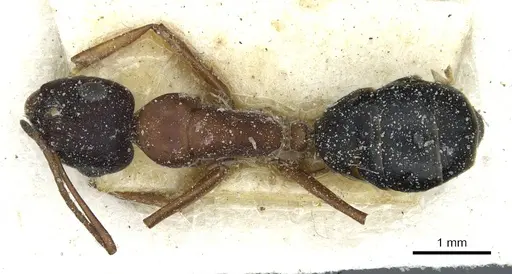
CASENT0912022
View on AntWeb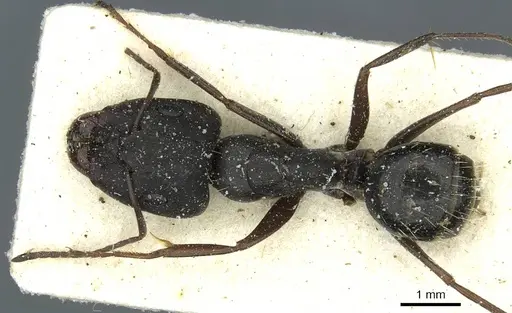
CASENT0912023
View on AntWeb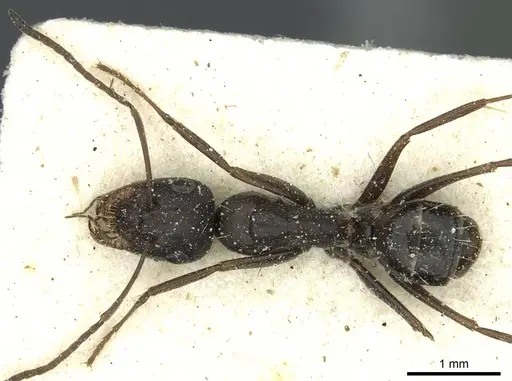
CASENT0912024
View on AntWeb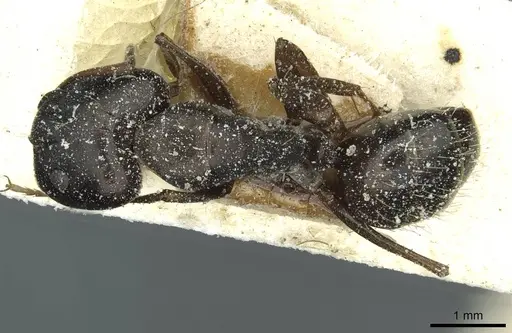
CASENT0912025
View on AntWeb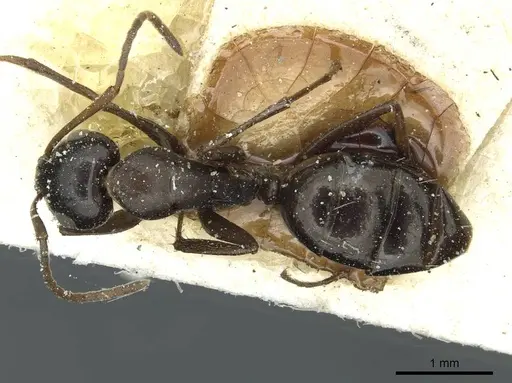
CASENT0912026
View on AntWeb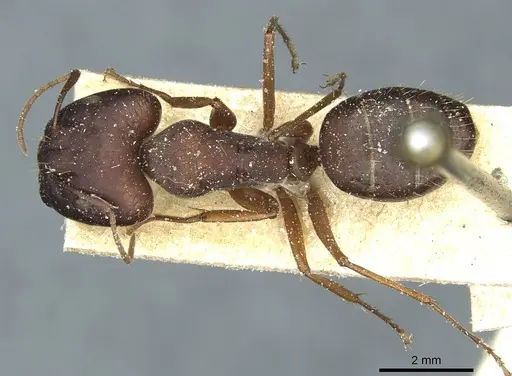
CASENT0912027
View on AntWeb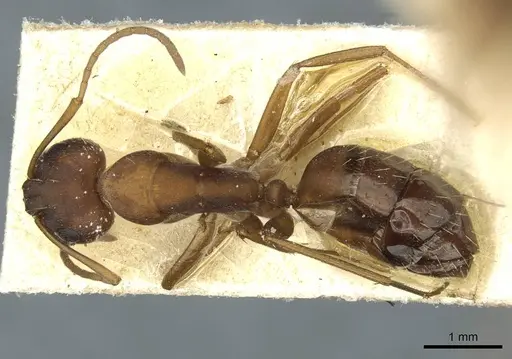
CASENT0912028
View on AntWeb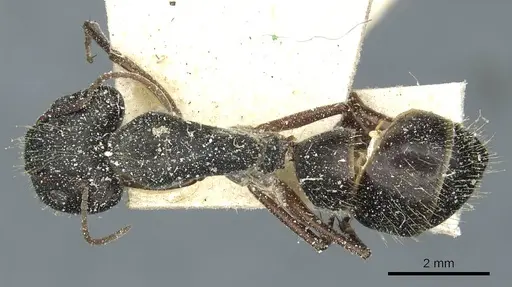
CASENT0912029
View on AntWeb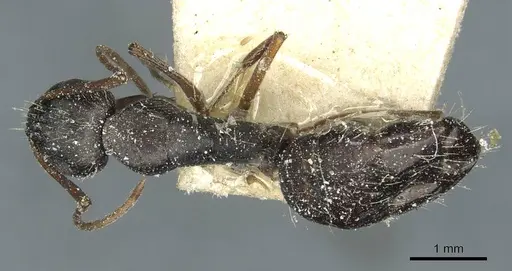
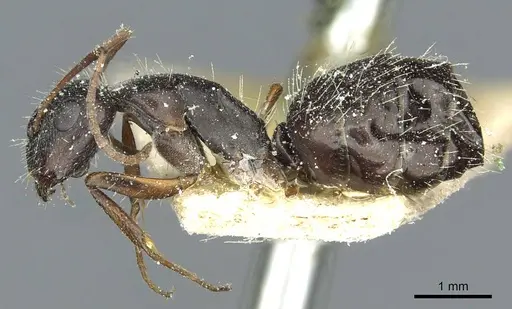
CASENT0915801
View on AntWeb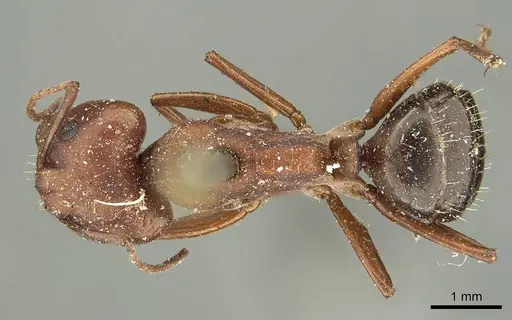
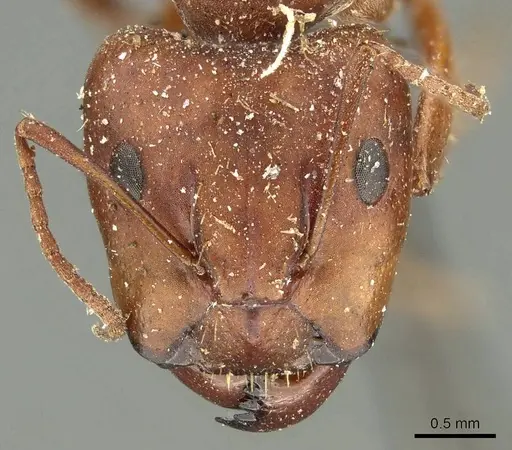
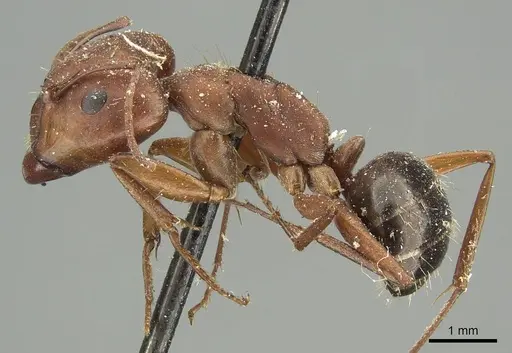
CASENT4032243
View on AntWeb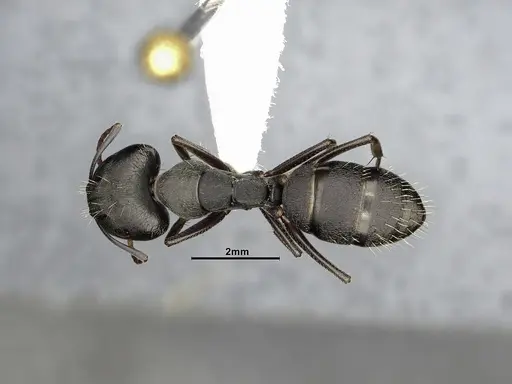
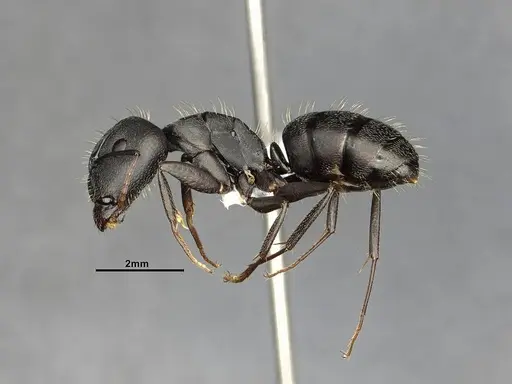
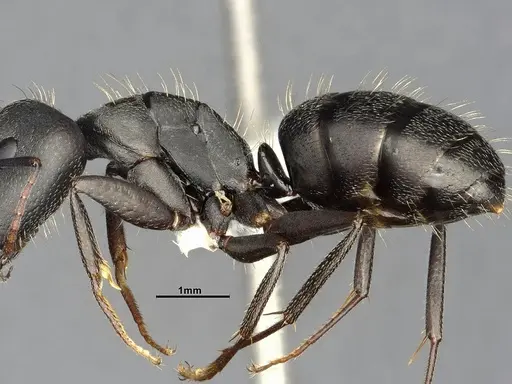
CASTYPE00604
View on AntWeb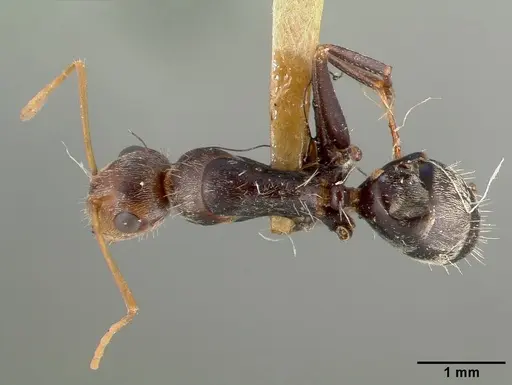
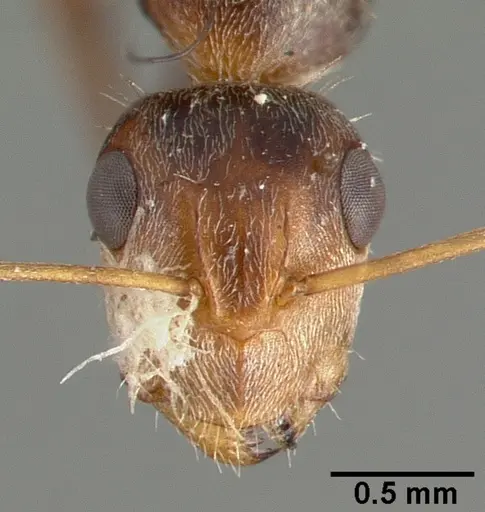
FOCOL2350
View on AntWeb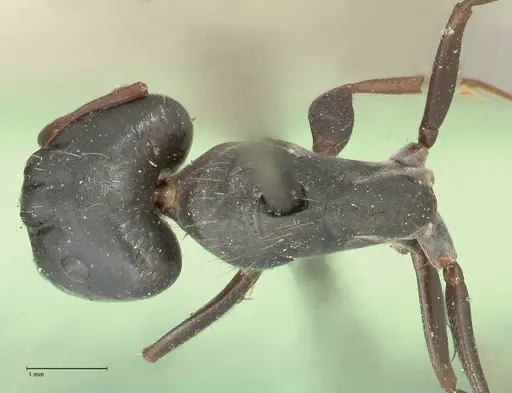
FOCOL2351
View on AntWeb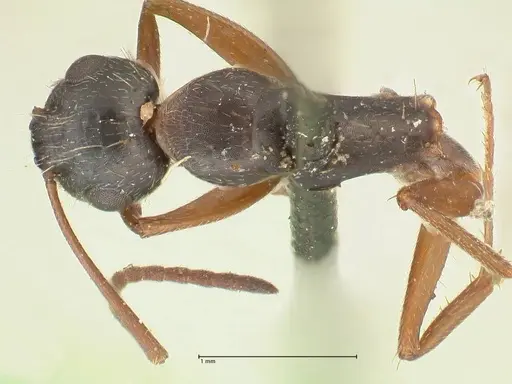
Literature
Loading...Loading products...