

Camponotus pulchellus
- Scientific Name
- Camponotus pulchellus
- Subgenus
- Myrmamblys
- Tribe
- Camponotini
- Subfamily
- Formicinae
- Author
- Forel, 1894
- Distribution
- Found in 1 countries
Camponotus pulchellus Overview
Camponotus pulchellus is an ant species of the genus Camponotus. It is primarily documented in 1 countries , including New Caledonia. Detailed taxonomic data and occurrence records can be further explored via authoritative databases such as AntWeb or the Global Biodiversity Information Facility (GBIF).
Camponotus pulchellus
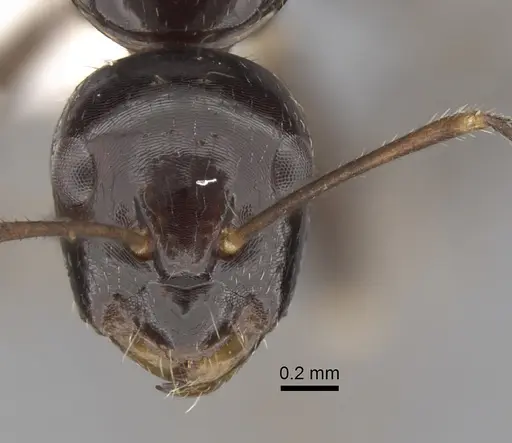
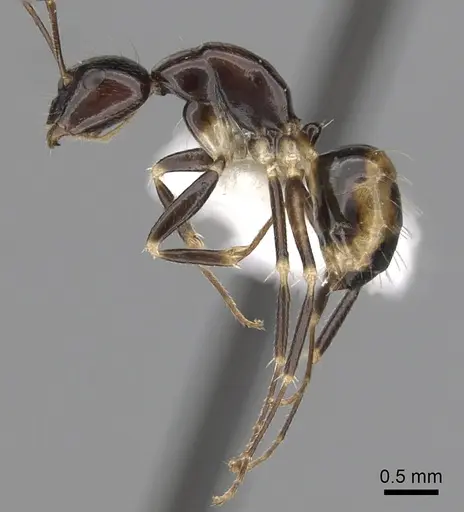
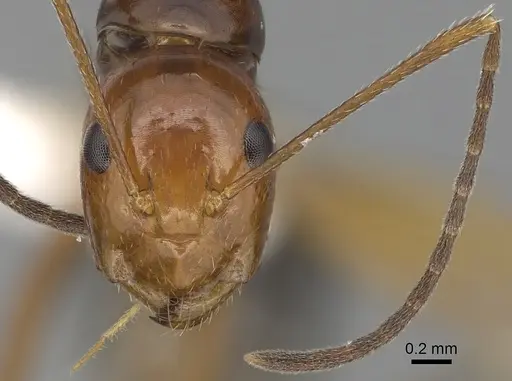
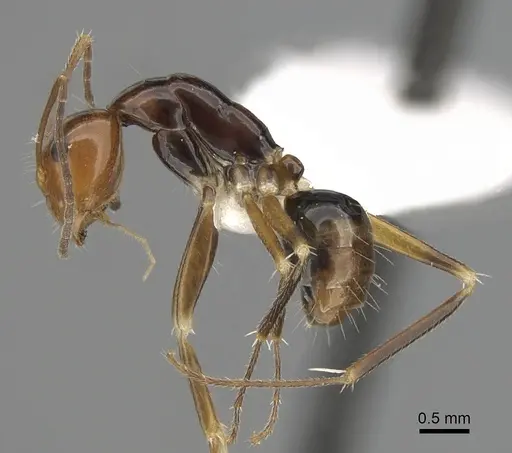
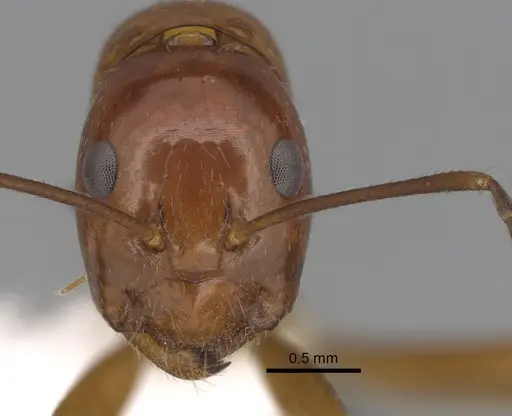
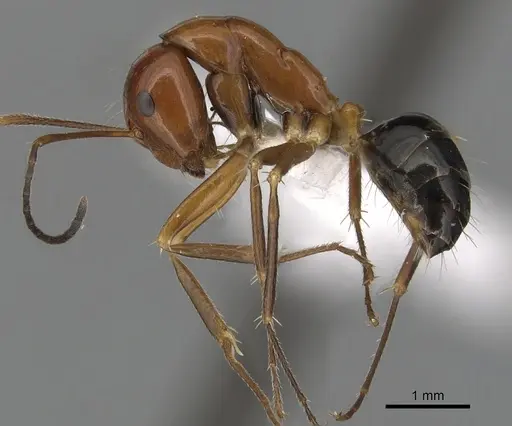
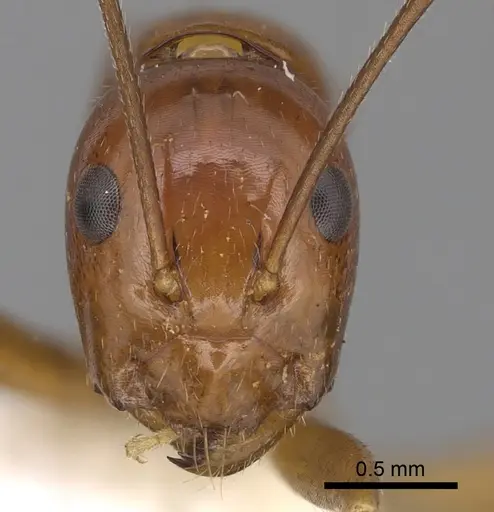
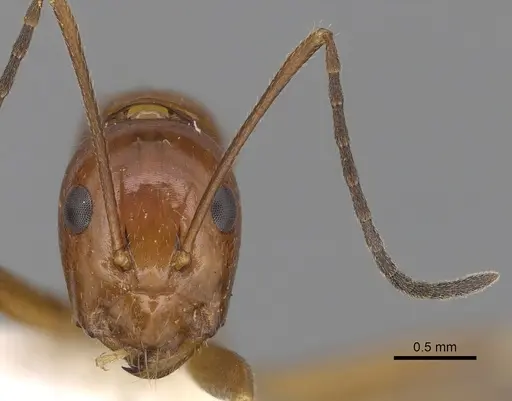
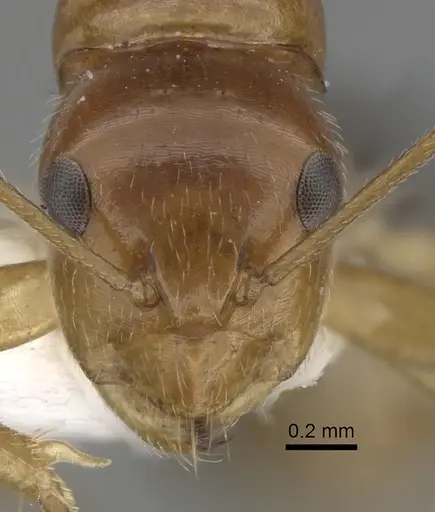
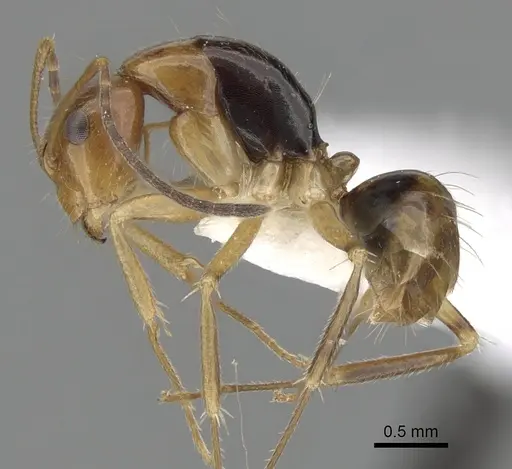
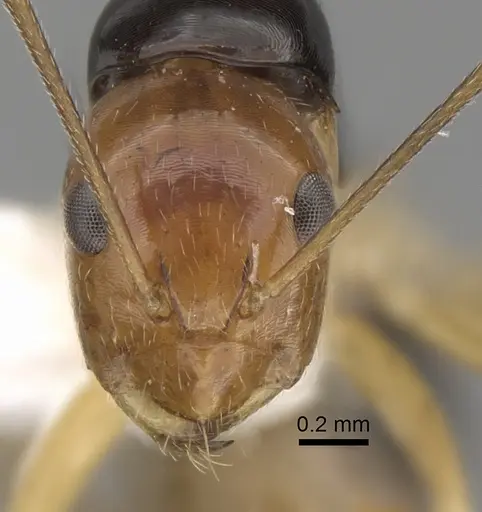
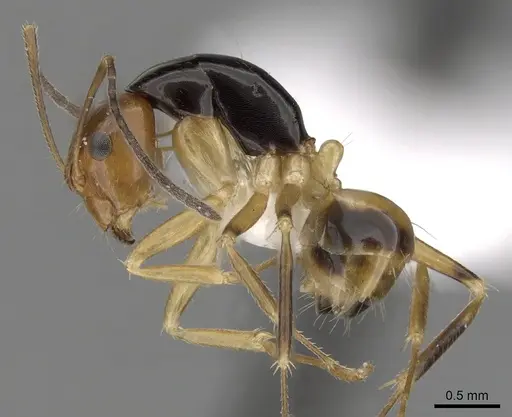
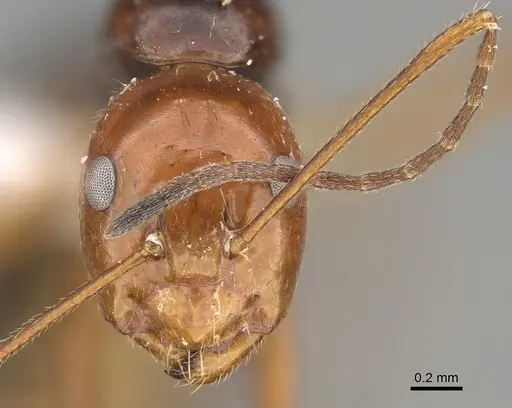
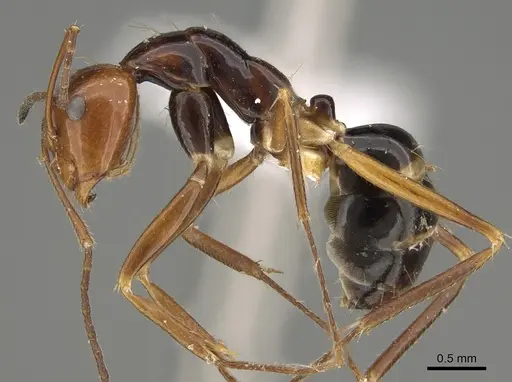
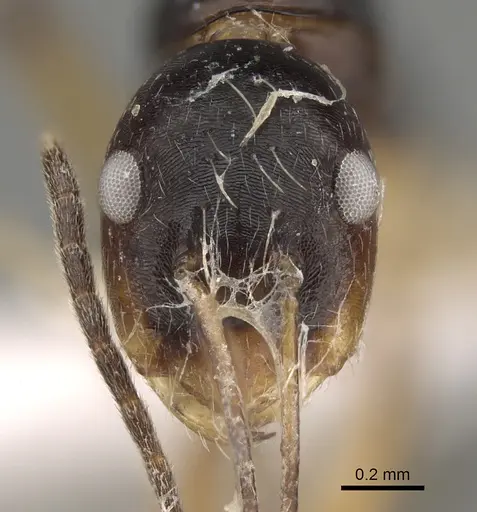
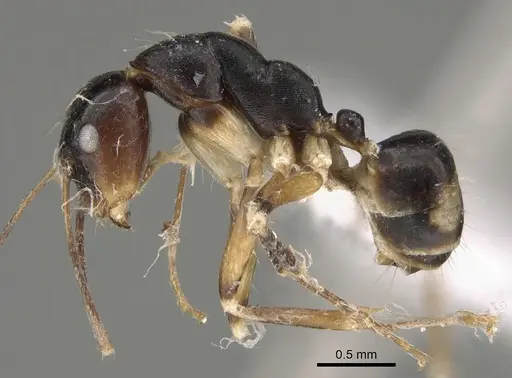
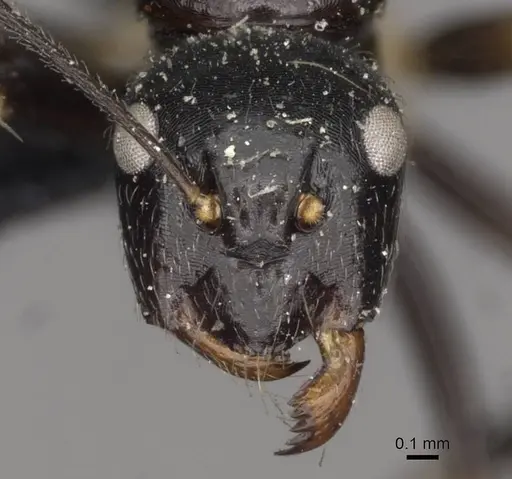
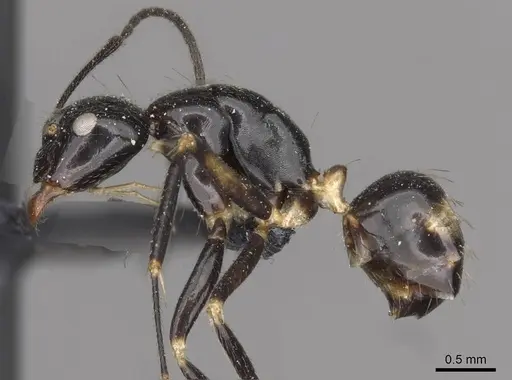
Camponotus pulchellus is a small to medium-sized ant species belonging to the subgenus Myrmamblys, native to New Caledonia in the Australasian region. Workers are minor caste, measuring with a head width under 1.05mm, and feature a broader clypeus (the plate covering the mouthparts) with a CLW/CLL ratio of 1.25-1.60 [1]. The species is part of the pulchellus complex, a group of closely related ants found primarily in the Pacific region [1]. This is a poorly documented species, only minor workers have been described in the scientific literature, with queens and males remaining unknown [2]. As a Camponotus species from tropical New Caledonia, these ants likely prefer warm, humid conditions and may nest in rotting wood or arboreal locations, consistent with other Myrmamblys species.
Quick Summary
- Difficulty: Unknown, limited data available
- Origin & Habitat: New Caledonia, an island in the southwestern Pacific Ocean with tropical climate [3][4]. The species belongs to the subgenus Myrmamblys, which typically nests in rotting wood or arboreal locations.
- Colony Type: Unconfirmed colony structure. Only minor workers have been described, queen caste is unknown [2]. Based on typical Camponotus patterns, likely forms single-queen colonies.
- Size & Growth:
- Queen: Unknown, queens have not been described in scientific literature
- Worker: Minor workers described, head width under 1.05mm [1]
- Colony: Unknown, no colony size data available
- Growth: Unknown, no development data available
- Development: Unknown, no direct measurements. Based on typical Camponotus patterns from related species, estimate 6-10 weeks at optimal temperature. (Development timeline is unconfirmed. Camponotus species typically take 6-10 weeks from egg to first worker at warm temperatures.)
- Antkeeping:
- Temperature: Likely 22-28°C based on New Caledonia's tropical climate. Start in the mid-20s and observe colony activity.
- Humidity: Moderate to high humidity likely preferred. New Caledonia has a humid tropical climate. Keep nest substrate moist but not waterlogged.
- Diapause: Unlikely, tropical species from a region without cold winters. No diapause data available for this species.
- Nesting: Based on subgenus Myrmamblys patterns, likely prefers nesting in rotting wood or arboreal locations. In captivity, a Y-tong (AAC) nest or plaster nest with some wood material works well. Provide moderate humidity and avoid drying out.
- Behavior: Behavior is unstudied. Based on genus patterns, likely moderately active foragers with typical Camponotus temperament, generally not aggressive but will defend the nest. Escape prevention is important as workers are small (head width under 1.05mm) and can squeeze through small gaps. Monitor colony activity to assess temperament.
- Common Issues: limited data makes care recommendations uncertain, this species is poorly documented in scientific literature, queen caste unknown means founding behavior is unconfirmed, you may need to experiment with claustraphobia techniques, colony size potential is unknown so growth expectations are uncertain, escape prevention is important due to small worker size, tropical humidity requirements may conflict with dry indoor environments
Species Overview and Identification
Camponotus pulchellus is a New Caledonian ant species described by Forel in 1894. It belongs to the subgenus Myrmamblys, a group of typically smaller Camponotus species often associated with rotting wood or arboreal nesting. The species is part of the pulchellus complex, which includes several similar species from the Pacific region [1]. Only minor workers have been scientifically described, the queen and male castes remain unknown [2]. Workers are characterized by their relatively small size (head width under 1.05mm) and a broader clypeus compared to many other Camponotus species [1]. This species remains poorly studied, and much of its biology is inferred from related species and geographic context.
Natural Habitat and Distribution
Camponotus pulchellus is endemic to New Caledonia, a French territory in the southwestern Pacific Ocean [3][4]. New Caledonia features a tropical climate with warm temperatures year-round and high humidity. The island has diverse habitats ranging from coastal areas to mountainous terrain. As a Myrmamblys species, C. pulchellus likely inhabits forested areas where it nests in rotting wood, under bark, or in arboreal locations. The species has only been recorded from New Caledonia and has not been found elsewhere [4]. This restricted distribution means the species has evolved under specific island conditions.
Housing and Nesting Preferences
Based on the subgenus Myrmamblys, these ants likely prefer nesting in materials that mimic their natural rotting wood habitat. A Y-tong (AAC) nest or plaster nest works well for captivity. Keep the nest material moderately humid, these ants come from a humid tropical environment. Include some wood material or textured surfaces in the nest to provide grip and natural feel. The outworld can be a standard formicarium setup. Ensure escape prevention is solid, workers are small and can squeeze through tiny gaps. A test tube setup can work for founding colonies, but monitor humidity carefully as small colonies are sensitive to drying.
Temperature and Care Requirements
As a tropical species from New Caledonia, Camponotus pulchellus likely prefers warm conditions in the range of 22-28°C. The stable warmth of a typical room temperature (around 24°C) should suit them well. Avoid temperatures below 20°C for extended periods. Since this is a tropical species, diapause is unlikely, they probably remain active year-round. Maintain moderate to high humidity in the nest area, consistent with New Caledonia's climate. Monitor condensation on test tubes or nest chambers as an indicator of humidity levels. Rehydrate nest materials when they begin drying out rather than on a fixed schedule.
Feeding and Diet
Like most Camponotus species, these ants are likely omnivorous. Offer a standard ant diet including sugar sources (honey water, sugar water) and protein (insects like mealworms, crickets, fruit flies). Camponotus workers can accept a wide variety of foods. Provide protein roughly twice weekly and keep sugar water available at all times. Since the queen caste is unknown, ensure founding colonies receive adequate protein for brood development. Remove uneaten food promptly to prevent mold. The small worker size suggests they may prefer smaller prey items.
Colony Development and Growth
Colony development for this species is unstudied. Based on typical Camponotus patterns, expect 6-10 weeks from egg to first worker at optimal temperature (around 24-26°C). The first workers (nanitics) will likely be smaller than mature workers. Colony growth rate is unknown but likely moderate, similar to other small Camponotus species. Since only minor workers have been described, the full worker caste range is unclear. Be patient with founding colonies, they may grow slower than more common species due to limited data on optimal conditions. Monitor colony health and adjust care based on observed activity levels.
Frequently Asked Questions
How do I care for Camponotus pulchellus ants?
Care recommendations are uncertain due to limited scientific data. Based on the species' tropical origin (New Caledonia) and subgenus (Myrmamblys), provide warm temperatures (22-28°C), moderate humidity, and a nest that mimics rotting wood. Feed standard ant diet, sugar water and protein insects. This is an uncommon species with limited documentation.
What do Camponotus pulchellus eat?
Like other Camponotus species, they likely accept omnivorous diets. Offer sugar water or honey constantly, and protein (mealworms, crickets, fruit flies) roughly twice weekly. Remove uneaten food to prevent mold.
How long does it take for Camponotus pulchellus to develop from egg to worker?
The exact timeline is unconfirmed. Based on typical Camponotus patterns, estimate 6-10 weeks at optimal temperature (around 24-26°C). More data is needed for this specific species.
What temperature do Camponotus pulchellus ants need?
Keep them warm, likely 22-28°C. As a tropical species from New Caledonia, they probably do not tolerate cool temperatures well. Room temperature around 24°C should work well.
Do Camponotus pulchellus ants need hibernation?
Unlikely, they come from tropical New Caledonia which lacks cold winters. No diapause has been documented for this species.
How big do Camponotus pulchellus colonies get?
Colony size is unknown, this species has not been studied in detail. Based on related small Camponotus species, colonies likely reach several hundred workers over time.
What type of nest should I use for Camponotus pulchellus?
A Y-tong (AAC) or plaster nest with moderate humidity works well. Include wood material or textured surfaces. Ensure escape prevention is solid as workers are small.
Are Camponotus pulchellus ants aggressive?
Temperament is unstudied. Based on typical Camponotus behavior, they are generally not aggressive toward keepers but will defend the nest if threatened.
Where is Camponotus pulchellus found?
This species is endemic to New Caledonia, an island in the southwestern Pacific Ocean. It has only been recorded from that location.
Why is Camponotus pulchellus so rarely kept?
This is a poorly documented species. Only minor workers have been described in scientific literature, queens and males remain unknown. Limited availability and lack of care data make it uncommon in the antkeeping hobby.
References

This caresheet is licensed under CC BY-SA 4.0 .
CASENT0280235
View on AntWeb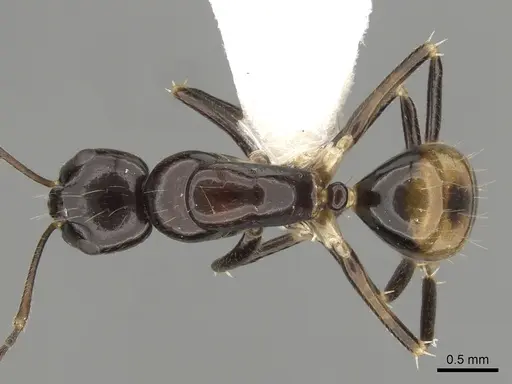
CASENT0280236
View on AntWeb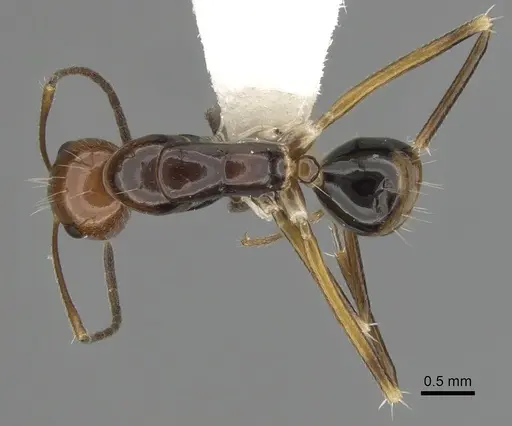
CASENT0280237
View on AntWeb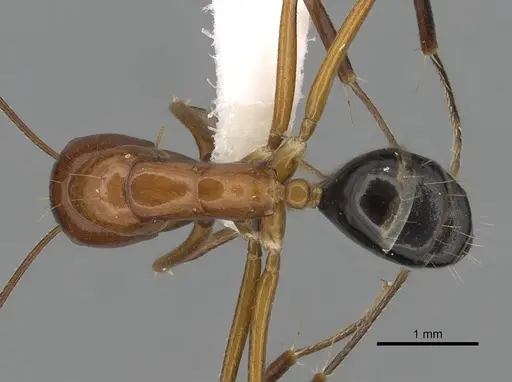
CASENT0280238
View on AntWeb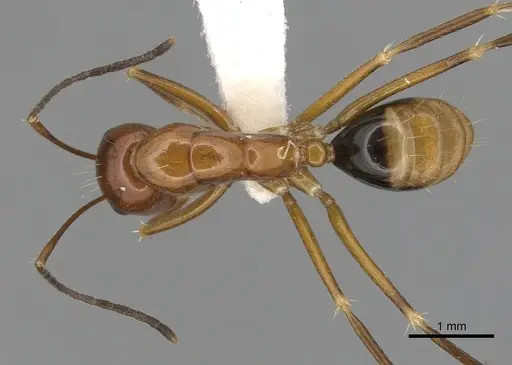
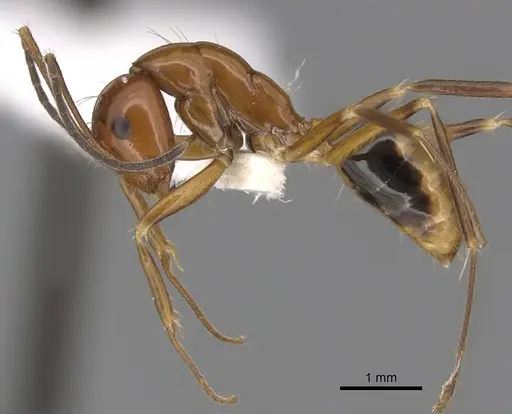
CASENT0280239
View on AntWeb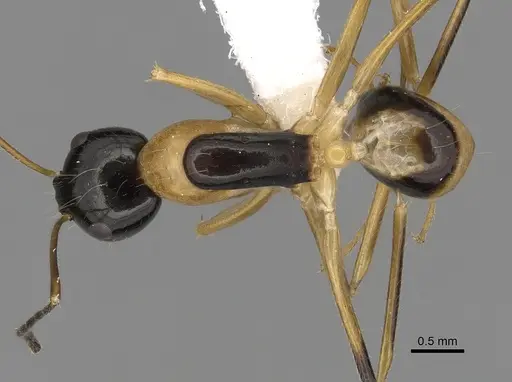
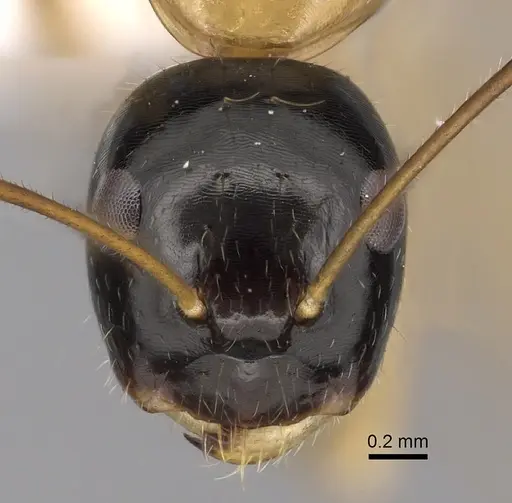
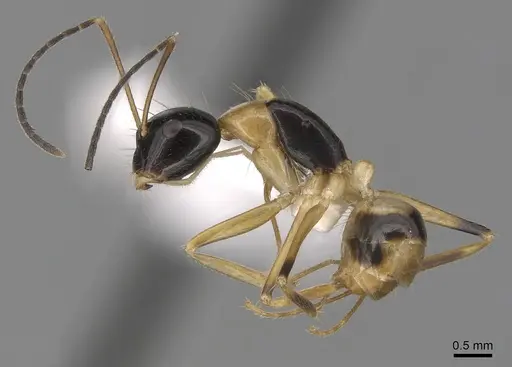
CASENT0280240
View on AntWeb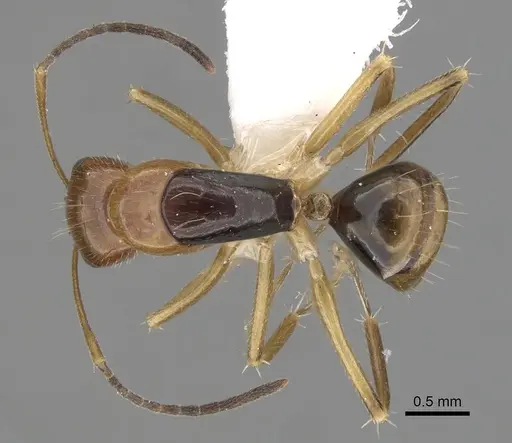
CASENT0280241
View on AntWeb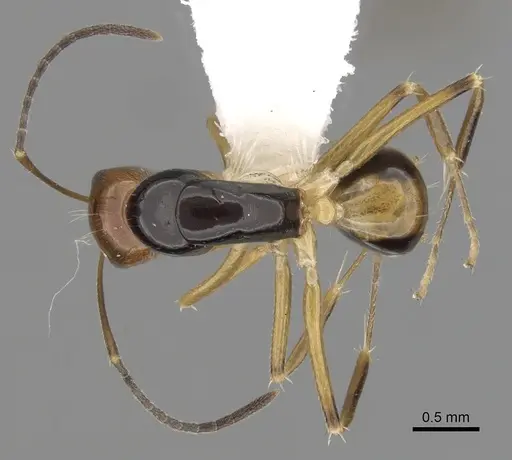
CASENT0887745
View on AntWeb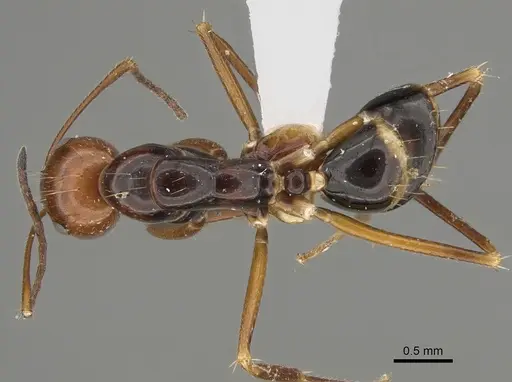
CASENT0887746
View on AntWeb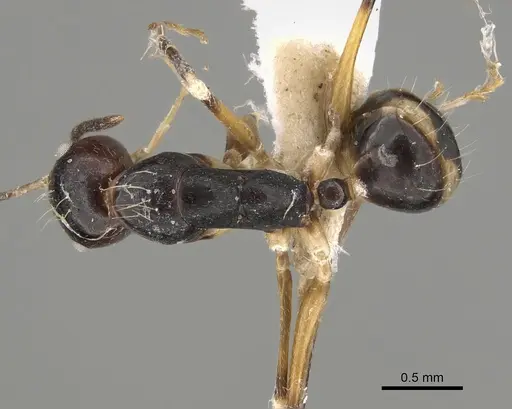
CASENT0910524
View on AntWeb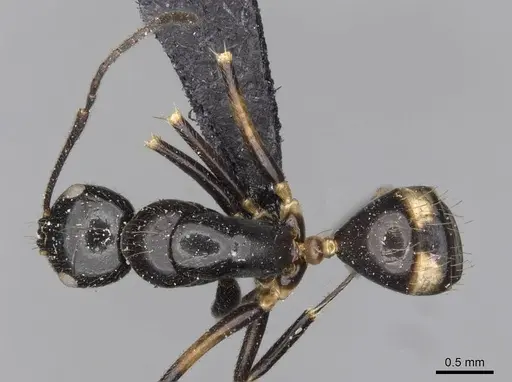
Literature
Loading...Loading products...