

Camponotus pseudolendus
- Scientific Name
- Camponotus pseudolendus
- Subgenus
- Myrmosericus
- Tribe
- Camponotini
- Subfamily
- Formicinae
- Author
- Wu & Wang, 1989
- Distribution
- Found in 1 countries
Camponotus pseudolendus Overview
Camponotus pseudolendus is an ant species of the genus Camponotus. It is primarily documented in 1 countries , including China. Detailed taxonomic data and occurrence records can be further explored via authoritative databases such as AntWeb or the Global Biodiversity Information Facility (GBIF).
Camponotus pseudolendus
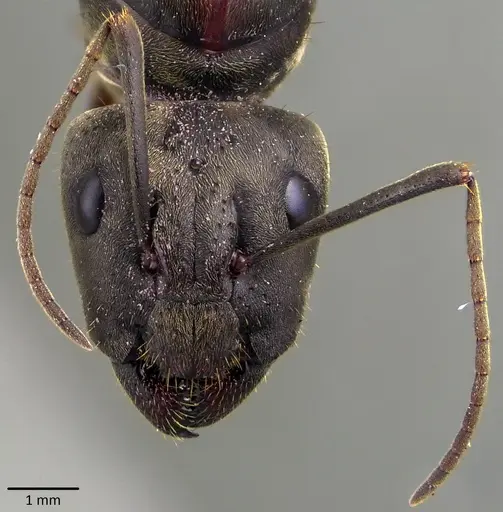
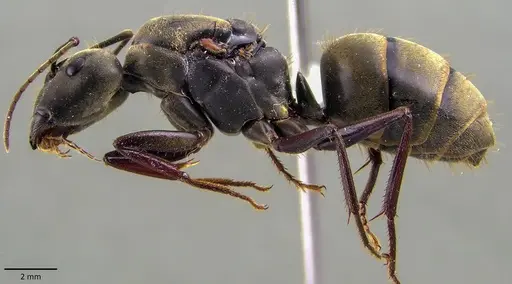
Camponotus pseudolendus is a large Asian carpenter ant native to southern and southwestern China. Major workers reach an impressive 13.5-14.6mm in total length, making them one of the larger Camponotus species [1]. They belong to the subgenus Orthonotomyrmex and have very distinctive morphology: a completely dull body surface with abundant erect hairs (30-40 on the pronotum alone), relatively long pubescence, and a scape that extends about one-third its length beyond the head [1]. The mesosoma has a continuous arched dorsal profile, and the propodeum has nearly equal basal and declivity faces with a very steep declivity [1]. These ants are found in Sichuan and Yunnan provinces, typically in forested habitats.
Quick Summary
- Difficulty: Medium
- Origin & Habitat: Camponotus pseudolendus is native to southern China, specifically Sichuan and Yunnan provinces. They inhabit forest environments in mountainous regions [2].
- Colony Type: Colony structure is unconfirmed for this species. Based on typical Camponotus patterns, they are likely single-queen (monogyne) colonies with claustral founding.
- Size & Growth:
- Queen: Unknown, not described in available literature
- Worker: Major workers: 13.51-14.59mm, minor workers would be significantly smaller [1]
- Colony: Unknown, no colony size data available
- Growth: Moderate, based on typical Camponotus development patterns
- Development: Estimated 6-8 weeks at optimal temperature based on typical Camponotus genus patterns (Development time inferred from related Camponotus species, specific data for C. pseudolendus unavailable)
- Antkeeping:
- Temperature: Keep at 22-26°C. Sichuan and Yunnan provinces experience warm summers, so a gentle heat gradient is beneficial. Room temperature within this range is acceptable.
- Humidity: Moderate humidity around 50-60%. Provide a water source and keep the nest substrate slightly moist but not waterlogged. These are forest-dwelling ants, not desert species.
- Diapause: Likely required. Based on the temperate climate of their native Sichuan/Yunnan habitat, provide a winter rest period of 2-3 months at 10-15°C.
- Nesting: Use a spacious nest such as a Y-tong (AAC) formicarium or a large acrylic/plaster nest. As large carpenter ants, they need room for major workers and brood chambers. Avoid overly compact setups.
- Behavior: These are relatively calm carpenter ants with typical Camponotus temperament, not particularly aggressive but will defend if threatened. Major workers are robust and can deliver a mild sting if handled roughly. They are moderate foragers and will collect sugar sources and protein. Escape prevention is important due to their size, use standard barriers but they are not escape artists like tiny species. They are primarily nocturnal or crepuscular foragers.
- Common Issues: colonies may grow slowly initially, patience is required during the claustral founding phase, large size means they need spacious nests as colonies expand, winter diapause is likely essential for long-term colony health, skipping it may cause problems, wild-caught colonies may carry parasites that affect captive survival, test tube setups work for founding but colonies will need larger housing within 6-12 months
Housing and Nest Setup
Camponotus pseudolendus requires spacious housing due to the large size of major workers. For founding colonies, a standard test tube setup works well, use a tube with a water reservoir separated by a cotton plug, providing humidity without flooding. Once the colony reaches 20-30 workers, transition to a formicarium. Y-tong (AAC) nests work excellently for this species, or large acrylic nests with chambers sized appropriately for large ants. Avoid tiny setups, these ants need space to accommodate major workers that can exceed 14mm. Provide an outworld (foraging area) connected to the nest with tubing. The outworld should be large enough for feeding and waste management. [1]
Feeding and Diet
Like other Camponotus species, C. pseudolendus is omnivorous with a preference for sugar sources and protein. Offer honey water or sugar water as a constant energy source. For protein, provide insects such as mealworms, crickets, or other appropriately sized prey. Feed protein 2-3 times per week, adjusting based on colony size and consumption. Remove uneaten prey after 24-48 hours to prevent mold. These ants are foragers rather than aggressive hunters, so wounded or slow-moving prey is more readily accepted. Fresh fruit can occasionally be offered as a sugar source.
Temperature and Seasonal Care
Maintain temperatures between 22-26°C for optimal colony growth and brood development. A gentle heat gradient allows ants to self-regulate their temperature preferences. Place a heating cable on one side of the nest if room temperature falls below 22°C. During winter, provide a diapause period of 2-3 months at 10-15°C. This mimics the seasonal cycle of their native Sichuan/Yunnan habitat and is likely essential for long-term colony health and reproduction. Do not skip diapause as it may disrupt the colony's natural cycles and reduce lifespan or reproduction success.
Growth and Development
Major workers of C. pseudolendus reach an impressive 13.5-14.6mm, making them one of the larger Camponotus species [1]. The colony will produce both major and minor workers, majors develop from larger pupae and serve as specialized workers for defense and heavy food transport. Development from egg to first worker likely takes 6-8 weeks at optimal temperature, similar to other Camponotus species. The first workers (nanitics) will be smaller than mature majors but still relatively large. Growth rate is moderate, colonies may take 1-2 years to reach significant sizes under good conditions.
Behavior and Temperament
Camponotus pseudolendus displays typical carpenter ant behavior, they are generally calm and not prone to excessive aggression. Workers will investigate food sources and recruit nestmates through chemical trails. Major workers serve as soldiers and foragers, using their size advantage for tougher tasks. They are primarily nocturnal or crepuscular, so you may see more activity during evening hours. When threatened, they may raise their abdomen in a defensive display or deliver a mild sting. Escape prevention is important but not as critical as for tiny species, standard barriers and tight-fitting lids are sufficient.
Frequently Asked Questions
How long does it take for Camponotus pseudolendus to produce first workers?
Based on typical Camponotus development, expect first workers (nanitics) to emerge 6-8 weeks after the queen lays eggs, at optimal temperature of 24-26°C. This timeline is an estimate since specific development data for C. pseudolendus is not available.
What size nest do Camponotus pseudolendus need?
These are large ants requiring spacious housing. Start with a test tube for founding colonies, then transition to a Y-tong or large acrylic formicarium once the colony reaches 20-30 workers. Chambers should be appropriately sized for 14mm major workers.
Do Camponotus pseudolendus need hibernation?
Yes, a winter diapause is likely required. Provide 2-3 months at 10-15°C during winter months, mimicking their natural habitat in Sichuan and Yunnan provinces. Skipping diapause may harm long-term colony health.
What do Camponotus pseudolendus eat?
They are omnivorous like most Camponotus. Offer constant sugar water or honey water, plus protein sources like mealworms, crickets, or other insects 2-3 times weekly. Remove uneaten prey after 24-48 hours.
Are Camponotus pseudolendus good for beginners?
They are rated Medium difficulty. They are larger and more forgiving than tiny species, but require patience during founding and proper winter diapause. Not the easiest but manageable for those with some antkeeping experience.
How big do Camponotus pseudolendus major workers get?
Major workers are impressively large at 13.51-14.59mm total length [1]. This makes them one of the larger Camponotus species kept in captivity.
When should I move my C. pseudolendus colony to a formicarium?
Transfer from the founding test tube to a formicarium once the colony reaches 20-30 workers or when the test tube becomes crowded. This is typically 6-12 months after founding, depending on growth rate.
Can I keep multiple Camponotus pseudolendus queens together?
Not recommended. This species is likely single-queen (monogyne) like most Camponotus. Combining unrelated queens has not been documented and would likely result in fighting.
Where is Camponotus pseudolendus native to?
They are native to southern China, specifically Sichuan and Yunnan provinces [2]. They inhabit forested mountain regions in these provinces.
References

This caresheet is licensed under CC BY-SA 4.0 .
ANTWEB1041847
View on AntWeb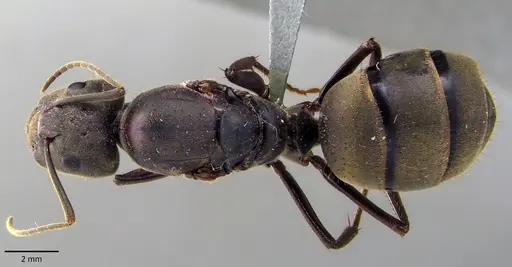
Literature
Loading...Loading products...