

Camponotus prosulcatus
- Scientific Name
- Camponotus prosulcatus
- Subgenus
- Paramyrmamblys
- Tribe
- Camponotini
- Subfamily
- Formicinae
- Author
- Santschi, 1935
- Distribution
- Found in 1 countries
Camponotus prosulcatus Overview
Camponotus prosulcatus is an ant species of the genus Camponotus. It is primarily documented in 1 countries , including Liberia. Detailed taxonomic data and occurrence records can be further explored via authoritative databases such as AntWeb or the Global Biodiversity Information Facility (GBIF).
Camponotus prosulcatus
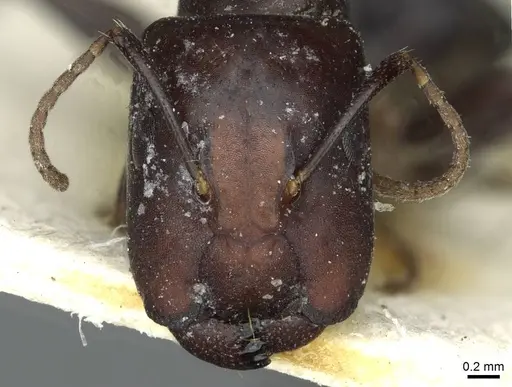
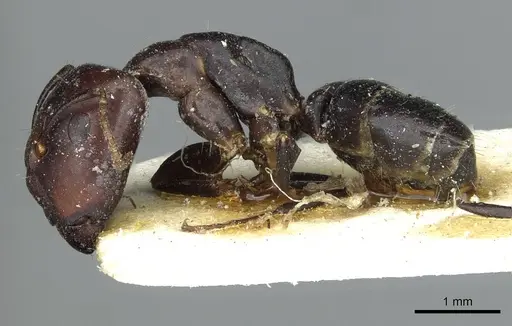
Camponotus prosulcatus is a large carpenter ant species native to the Democratic Republic of Congo in Central Africa. Workers are polymorphic, ranging from small minor workers to large major workers with powerful mandibles. The species was originally described by Santschi in 1935. As a Camponotus species, these ants have the characteristic large eyes, rectangular head shape, and smooth body surface typical of carpenter ants. The specific coloration and exact measurements have not been documented in available research. In their natural habitat, they likely nest in rotting wood or soil cavities in the tropical forest environments of the DRC region.
Quick Summary
- Difficulty: Medium
- Origin & Habitat: Democratic Republic of Congo, Central Africa. Likely inhabits tropical forest environments [1].
- Colony Type: Presumably monogyne (single queen colonies) based on typical Camponotus patterns, though colony structure has not been directly studied for this species.
- Colony: Monogyne
- Founding: Claustral
- Size & Growth:
- Queen: Estimated 15-20mm based on typical Camponotus genus patterns
- Worker: Estimated 5-15mm (polymorphic) based on typical Camponotus genus patterns
- Colony: Unknown for this specific species, likely several thousand workers based on genus patterns
- Growth: Moderate, typical for large carpenter ants
- Development: Estimated 6-8 weeks at optimal temperature based on typical Camponotus development (Development time is estimated from related Camponotus species. Larger Camponotus species typically take longer than smaller ants.)
- Antkeeping:
- Temperature: Keep at 24-28°C. A heating cable on one side of the nest creates a temperature gradient that allows ants to regulate their own temperature.
- Humidity: Moderate humidity around 50-70%. Keep the nest substrate slightly moist but allow some drying areas. These ants tolerate drier conditions better than many tropical species.
- Diapause: Likely minimal or no true diapause. However, a slight cooling period during winter months may benefit colony health if room temperature drops naturally.
- Nesting: Y-tong (AAC) nests or plaster nests work well for these large ants. They can also adapt to naturalistic setups with rotting wood or soil chambers. Ensure chambers are appropriately sized for their large bodies.
- Behavior: Typical Camponotus temperament, generally calm and not overly aggressive. Major workers will defend the colony if threatened but they are not prone to unprovoked attacks. They are relatively slow-moving compared to smaller ant species. Foraging occurs primarily at night. Escape prevention is important due to their size, standard barriers work well but ensure lids fit securely. They can climb smooth surfaces but are not exceptional escape artists like some smaller species.
- Common Issues: colonies may fail if kept too cold, maintain warm temperatures consistently, overfeeding can lead to mold in nest chambers, remove uneaten food promptly, wild-caught colonies may carry parasites that cause colony decline, slow growth in founding phase can lead to impatience, give queens time to raise first workers, large colony size requires eventual upgrade to spacious formicarium
Nest Preferences
Camponotus prosulcatus will adapt to various nest types in captivity. Y-tong (AAC) nests are popular because they provide good visibility and easy maintenance. Plaster nests also work well, allowing you to create humidity gradients. In naturalistic setups, they readily occupy rotting wood or soil chambers. The key is providing appropriately sized chambers, too large and the ants may feel exposed, too small and they won't have room to expand. Ensure the nest has a water chamber or moisture reservoir to maintain humidity without frequent misting. Multiple chambers connected by tunnels allow the colony to organize naturally.
Feeding and Diet
As typical carpenter ants, Camponotus prosulcatus is omnivorous. They readily accept sugar sources including honey water, sugar water, and ripe fruit. For protein, offer insects such as mealworms, crickets, and other appropriately sized prey. In nature, they forage for honeydew from aphids and tend scale insects, so they may also accept sweet secretions. Feed protein 2-3 times per week and keep sugar water available constantly. Remove uneaten prey after 24-48 hours to prevent mold. Major workers can tackle larger prey items while minors handle smaller ones.
Temperature and Care
Maintain temperatures between 24-28°C for optimal colony development. A heating cable placed on top of the nest (never underneath where it can dry out the substrate) creates a gentle gradient. Room temperature in this range is often sufficient. Avoid temperatures below 20°C for extended periods as this can slow colony growth and potentially stress the ants. Unlike some ants, they don't require extreme humidity, moderate levels around 50-70% work well. A simple water tube setup provides adequate moisture. Monitor for mold if conditions become too damp.
Behavior and Temperament
Camponotus species are known for their relatively docile nature compared to many ants. Workers are confident foragers but not aggressive toward keepers. When threatened, major workers may defend the nest with their powerful mandibles, but they rarely swarm or attack without provocation. They are primarily nocturnal foragers in the wild, so you may see more activity in the evening hours. Their large size makes them easy to observe, and their polymorphic worker castes provide visual interest. They communicate through chemical trails and will recruit nestmates to good food sources.
Colony Growth Timeline
A newly mated queen will seal herself in a chamber and lay eggs after a few weeks. The first eggs develop through larval and pupal stages over approximately 6-8 weeks at optimal temperature, hatching into nanitic (first) workers that are typically smaller than normal workers. The queen stops foraging entirely during this time and survives on her fat reserves. Once the first workers emerge, they take over foraging and brood care, and the colony enters a growth phase. Growth is moderate, expect several months before you have a substantial worker population. A healthy colony can reach several thousand workers over several years.
Frequently Asked Questions
How long does it take for Camponotus prosulcatus to raise first workers?
Expect 6-8 weeks from egg to first worker at optimal temperature (24-28°C). This is typical for larger Camponotus species. The queen will remain sealed in her chamber until the first workers emerge.
What do Camponotus prosulcatus ants eat?
They are omnivorous. Offer sugar water or honey constantly, and protein (insects like mealworms, crickets) 2-3 times per week. They will also accept fruit and other sweet substances.
Can I keep Camponotus prosulcatus in a test tube?
Test tubes work for the founding claustral phase, but you will need to upgrade to a proper nest (Y-tong, plaster, or naturalistic) once the colony reaches 20-30 workers to allow for proper expansion.
What temperature do Camponotus prosulcatus need?
Keep them warm at 24-28°C. A heating cable on the nest or a warm room location works well. Avoid temperatures below 20°C for extended periods.
Are Camponotus prosulcatus good for beginners?
They are moderately difficult, easier than many tropical species due to their tolerance for varying conditions, but require more space and patience than small ant species. Their large size and calm temperament make them rewarding to keep.
How big do Camponotus prosulcatus colonies get?
Colony size is estimated at several thousand workers based on typical Camponotus patterns. A mature colony will require a spacious formicarium.
Do Camponotus prosulcatus need hibernation?
True hibernation is not required for this tropical species. However, a slight cooling period during winter months may be beneficial if your room temperature naturally drops.
When should I move Camponotus prosulcatus to a formicarium?
Move from test tube to nest once the colony reaches 20-30 workers or the test tube becomes crowded. Ensure the new nest has appropriately sized chambers.
Why are my Camponotus prosulcatus dying?
Common causes include temperatures too low, excessive humidity causing mold, or stress from disturbance during the founding phase. Ensure the queen is undisturbed while founding and maintain proper temperature and humidity levels.
References

This caresheet is licensed under CC BY-SA 4.0 .
RMCAENT000017817
View on AntWeb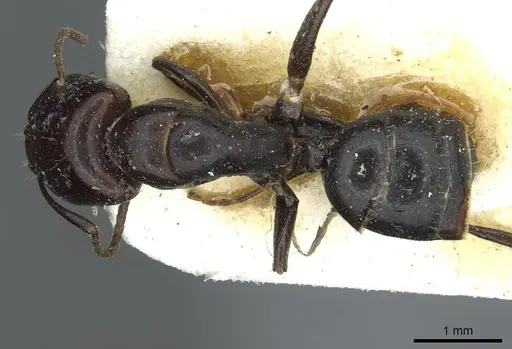
Literature
Loading...Loading products...