

Camponotus propinquus
- Scientific Name
- Camponotus propinquus
- Subgenus
- Myrmobrachys
- Tribe
- Camponotini
- Subfamily
- Formicinae
- Author
- Mayr, 1887
- Distribution
- Found in 1 countries
Camponotus propinquus Overview
Camponotus propinquus is an ant species of the genus Camponotus. It is primarily documented in 1 countries , including Brazil. Detailed taxonomic data and occurrence records can be further explored via authoritative databases such as AntWeb or the Global Biodiversity Information Facility (GBIF).
Camponotus propinquus
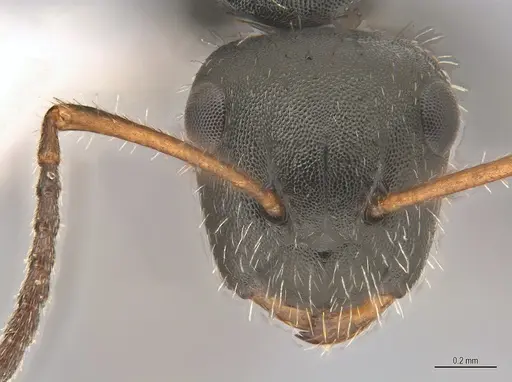
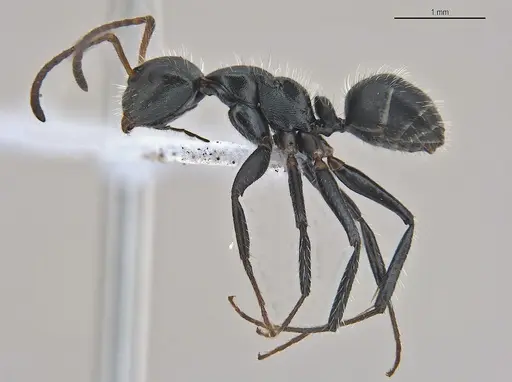
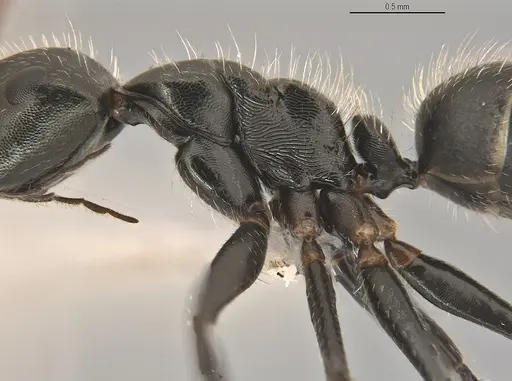
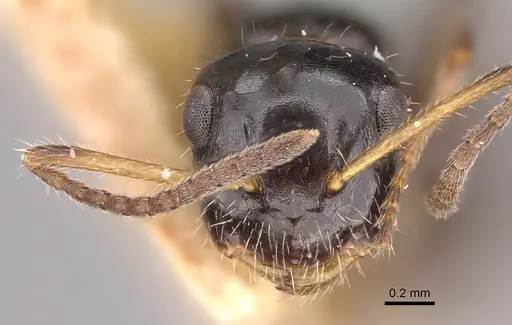
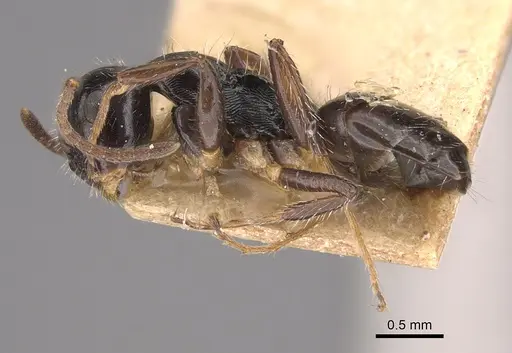
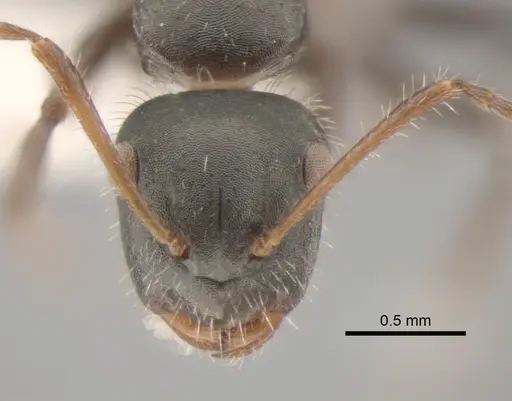
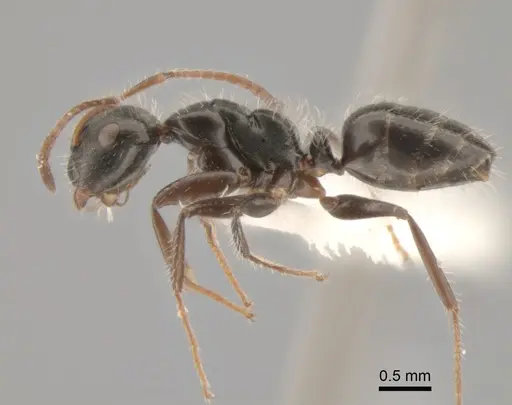
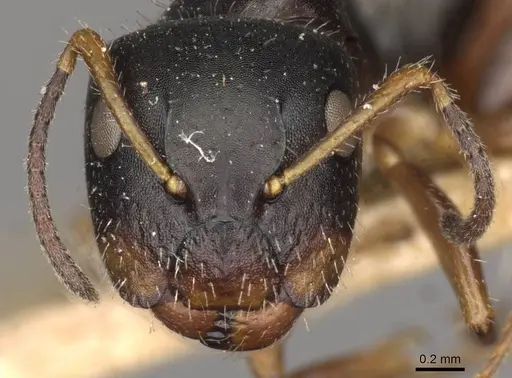
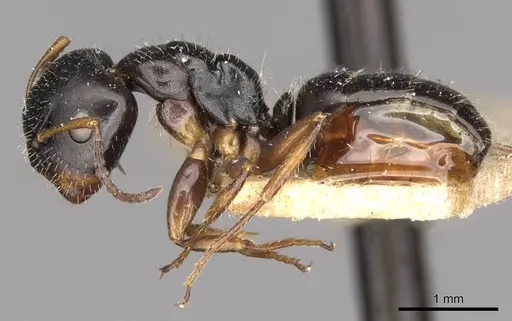
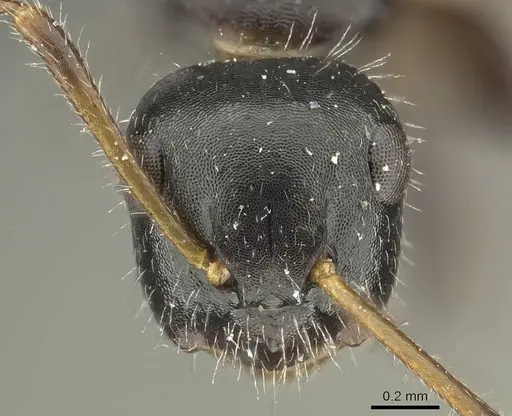
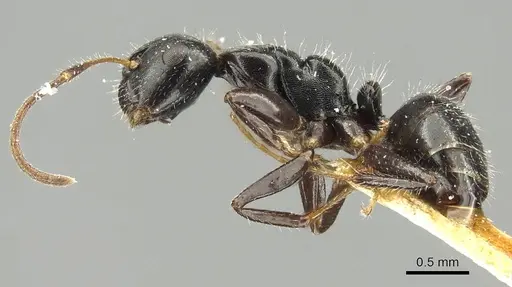
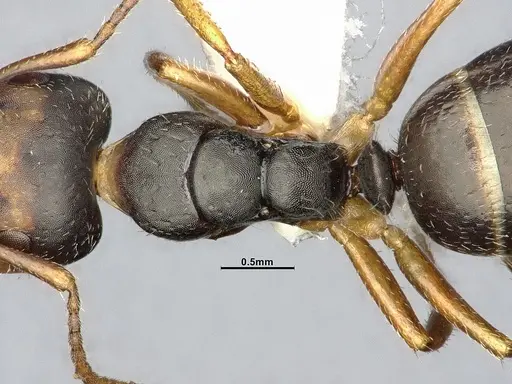
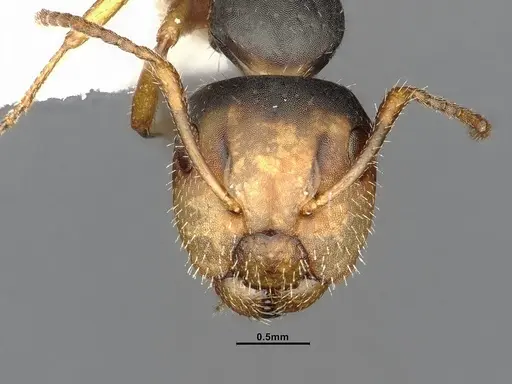
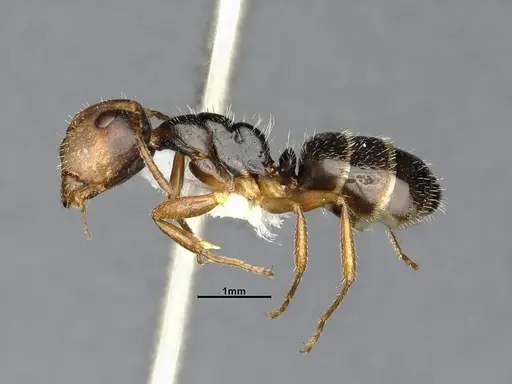
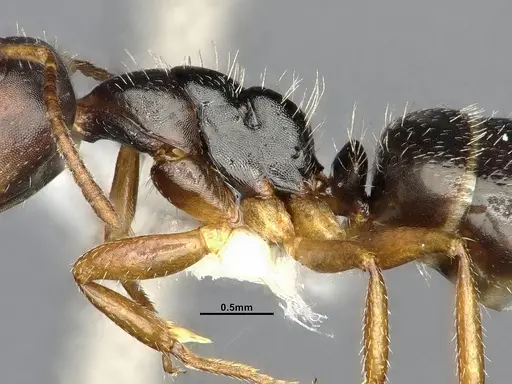
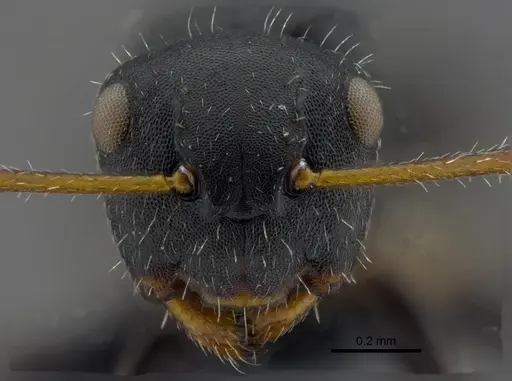
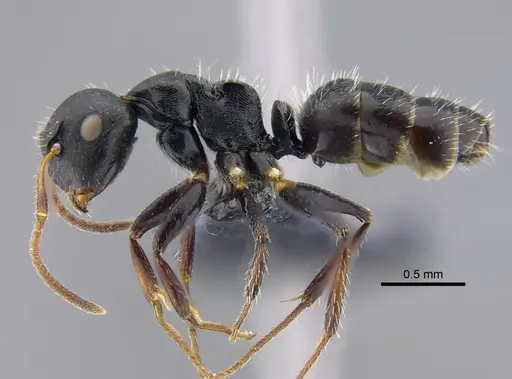
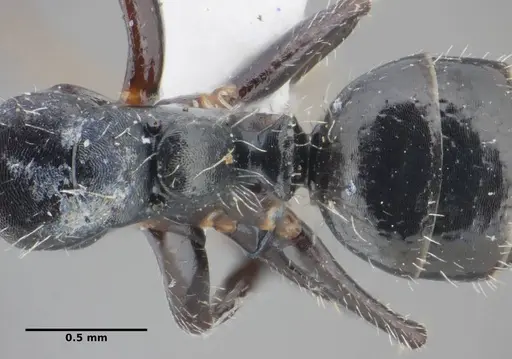
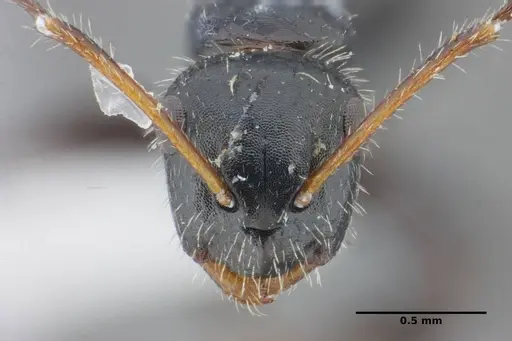
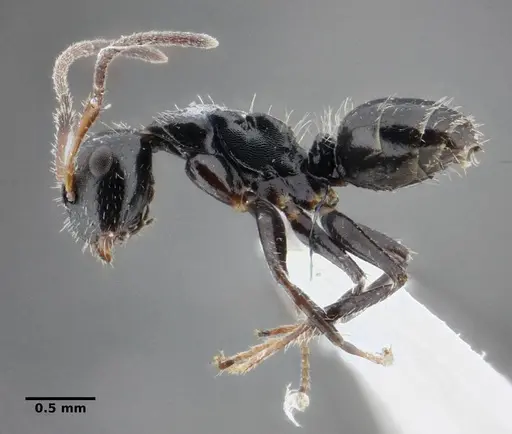
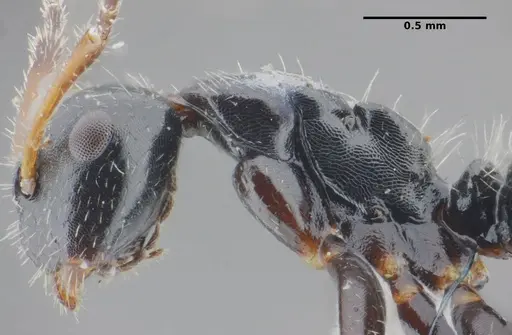
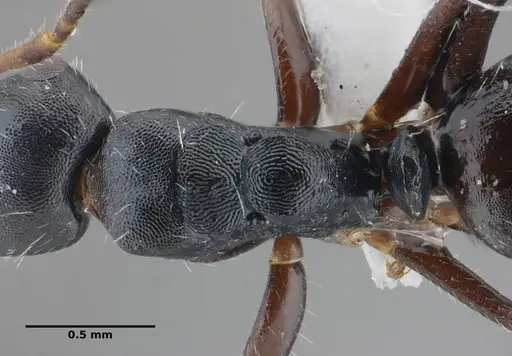
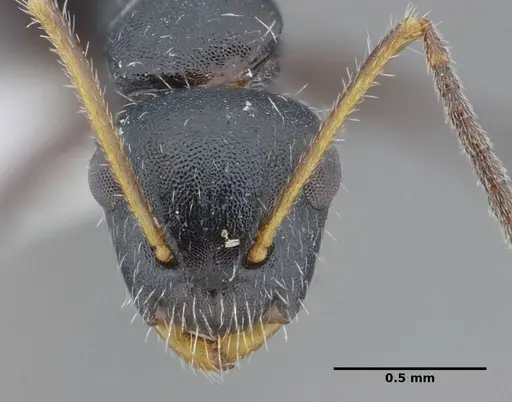
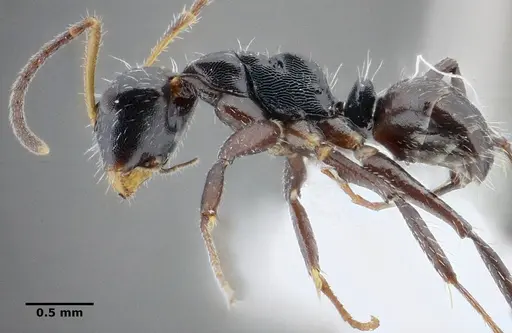
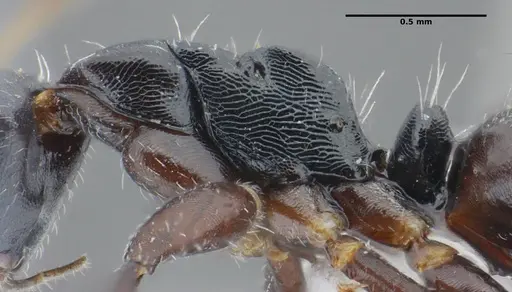
Camponotus propinquus is a Neotropical carpenter ant belonging to the subgenus Myrmobrachys and the dimorphus species group. Workers are brown or black with brown legs, and the anterior half of the head is a distinctive ferruginous (rusty) brown color. They have blunt to spatulate hairs on the front of the head and shorter bristly hairs on the back, with erect hairs covering the entire head and scape surface. The propodeal dorsum descends about two-thirds posteriorly in side view, and the petiolar node has a distinctive shape with the anterior margin curving away from the spiracle. These ants nest in branches within shrubs and trees of humid forests, making them an arboreal species [1].
This species is found across the Neotropical region from Central America to Brazil, with documented populations in Guatemala, Peru, Colombia, and northern Argentina. It is not considered common in most of its range and is often found in premontane and montane forest environments at elevations up to 980 meters [2][1].
Quick Summary
- Difficulty: Medium
- Origin & Habitat: Neotropical region, Brazil, Colombia, Guatemala, Peru, and northern Argentina. Nests in branches of shrubs and trees in humid forests, particularly premontane and montane forest zones at elevations up to 980 meters [1][2][3].
- Colony Type: Colony structure is unconfirmed. Based on typical Camponotus patterns, likely single-queen (monogyne) colonies. No documented ergatoid replacement reproductives in available research.
- Founding: Claustral
- Size & Growth:
- Queen: Estimated 12-15mm based on Camponotus genus patterns, no direct species measurement found [1].
- Worker: Workers measure approximately 6-8mm based on genus descriptions [1].
- Colony: Likely moderate colony size, possibly several hundred workers based on typical Myrmobrachys patterns. No specific colony size data available.
- Growth: Moderate, typical for tropical Camponotus species. Development likely 6-10 weeks from egg to first worker at optimal temperature.
- Development: Estimated 6-10 weeks based on typical Camponotus development patterns at 24-28°C. No direct species-specific data available. (Development time is inferred from genus-level data. Tropical species typically develop faster than temperate relatives.)
- Antkeeping:
- Temperature: Keep at 24-28°C. As a Neotropical species from humid forest habitats, they prefer warm and stable conditions. A heating cable on one side of the nest creates a suitable gradient [1].
- Humidity: High humidity required, think damp forest canopy. Keep nest substrate consistently moist but not waterlogged. Provide a water tube as a constant moisture source. Mist the outworld occasionally but avoid saturating the nest [1].
- Diapause: Likely minimal or no true diapause. As a tropical species from humid forests, they may slow down slightly during cooler periods but probably do not require hibernation. Maintain year-round warm conditions [1].
- Nesting: Arboreal nester, in nature they inhabit hollow branches and twigs in forest canopies. In captivity, a Y-tong (AAC) nest or plaster formicarium with narrow chambers works well. Provide twigs or small cork bark pieces for a more naturalistic setup. They do well in darker nest environments as they naturally nest in shaded forest branches [1].
- Behavior: Generally calm and non-aggressive for a Camponotus species. Workers are moderately active foragers that search for honeydew and small prey in the upper regions of the outworld. They are not particularly defensive and rarely show aggression toward keepers. Escape risk is moderate, workers are medium-sized and can climb smooth surfaces, so standard barrier methods work well. They are primarily nocturnal or crepuscular, with most activity occurring in evening and morning hours. Unlike some Camponotus, they do not have a painful sting [1].
- Common Issues: humidity management is critical, too dry and colonies stagnate or die, too wet and mold becomes a problem, arboreal nature means they prefer elevated nest sites, keep nests off the ground level, moderate growth rate can test beginner patience, do not overfeed or disturb founding colonies, wild-caught colonies may contain parasites that can devastate captive populations, escape prevention should be adequate but not extreme, medium-sized ants are manageable with standard barriers
Housing and Nest Setup
Camponotus propinquus is an arboreal species that naturally nests in hollow branches and twigs within the forest canopy. In captivity, provide a nest that mimics these conditions. Y-tong (AAC) acrylic nests work well, as do plaster formicariums with narrow chambers. The chambers should be appropriately sized for medium-sized ants, not too large, as these ants prefer snug spaces that retain humidity. Place the nest in a darker location or use a nest with a red film cover, since arboreal ants naturally live in shaded conditions inside tree hollows. The outworld should include climbing structures like twigs, cork bark, or artificial plants since they naturally forage at various heights. A water tube connected to the nest helps maintain humidity without over-saturating the substrate [1].
Feeding and Diet
Like most Camponotus species, C. propinquus is omnivorous with a preference for sugary substances. In the wild, workers tend aphids and scale insects for honeydew and also hunt small insects and scavenge. In captivity, offer sugar water or honey water as a constant energy source. For protein, provide small insects like fruit flies, small crickets, or mealworms. Feed protein prey 2-3 times per week, and keep sugar water available at all times. Remove uneaten prey after 24-48 hours to prevent mold. These ants are not aggressive hunters and prefer easier food sources, so injured or slow-moving prey works better than fast-moving insects. They may also accept small pieces of fruit or protein jelly [1][4].
Temperature and Seasonal Care
As a Neotropical species from humid forest environments, C. propinquus requires warm and stable temperatures. Maintain nest temperatures between 24-28°C year-round. A heating cable placed on one side of the nest creates a gentle thermal gradient that allows ants to regulate their own temperature by moving between warmer and cooler areas. Avoid temperature drops below 20°C for extended periods. Unlike temperate species, they do not require a true hibernation period. However, they may show slightly reduced activity during cooler months in the wild, so minor seasonal temperature fluctuations (a few degrees) are acceptable. Avoid placing the setup near air conditioning vents or drafty areas that could cause temperature swings [1].
Humidity Management
Proper humidity is one of the most critical factors for keeping C. propinquus healthy. As inhabitants of humid forest canopies, they require consistently moist but not waterlogged nest conditions. The nest substrate should feel damp to the touch, with some areas slightly drier allowing ants to choose their preferred microclimate. Provide a water tube connected to the nest chamber, this creates a constant moisture source without requiring frequent misting. In the outworld, occasional light misting helps, but avoid heavy condensation or standing water. Poor humidity leads to stalled brood development, worker mortality, and colony decline. Conversely, excessive moisture causes mold problems. The goal is a stable, humid environment that mimics the damp interior of a tree hollow in a tropical forest [1].
Colony Establishment and Growth
Founding queens are claustral, they seal themselves inside a small chamber and raise the first brood without leaving to forage. The queen uses stored fat reserves to fuel metabolism and feed the developing larvae. First workers (nanitics) are typically smaller than normal workers and emerge after 6-10 weeks at optimal temperature. After the nanitics arrive, the queen stops caring for brood directly and becomes primarily an egg-layer. The colony then grows gradually as workers take over foraging and brood care. Growth rate is moderate, expect several months before reaching 50 workers, and potentially a year or more to reach 100+ workers. Avoid disturbing founding colonies unnecessarily. Once established, these ants are relatively hardy but respond poorly to frequent disruptions [1].
Behavior and Handling
Camponotus propinquus workers are relatively calm and not prone to aggressive displays. They are medium-sized carpenter ants with moderate climbing ability. While they can climb smooth surfaces like glass, standard barrier methods like fluon or baby powder barriers work well for containment. They are primarily crepuscular or nocturnal, with most foraging activity occurring in the evening and early morning hours. Workers search for honeydew from aphids and small prey items in the upper regions of their territory. They do not possess a painful sting and are considered safe to handle gently. These ants are not escape artists in the same way as tiny species, but standard precautions should still be taken to prevent escapes during feeding and maintenance [1].
Frequently Asked Questions
How long does it take for Camponotus propinquus to produce first workers?
Expect first workers (nanitics) to emerge 6-10 weeks after the queen lays eggs, assuming temperatures are maintained at 24-28°C. This timeline is based on typical Camponotus development patterns, as species-specific data is not available. The first workers will be smaller than mature workers [1].
What is the best nest type for Camponotus propinquus?
Y-tong (AAC) acrylic nests or plaster formicariums work well. These ants naturally nest in hollow branches, so they prefer snug chambers over large open spaces. Keep the nest in a darker location or use a red film cover since they are arboreal forest dwellers [1].
What temperature do Camponotus propinquus need?
Keep nest temperatures between 24-28°C year-round. As a Neotropical species from humid forests, they require warm and stable conditions. A heating cable on one side of the nest creates a suitable gradient. Avoid temperatures below 20°C for extended periods [1].
How often should I feed Camponotus propinquus?
Offer sugar water or honey water constantly, it should always be available. Feed protein prey (small insects like fruit flies or mealworms) 2-3 times per week. Remove uneaten prey after 24-48 hours to prevent mold [1].
Are Camponotus propinquus good for beginners?
They are rated as medium difficulty. While not the hardest species, they do have specific humidity and temperature requirements that must be met consistently. Their moderate growth rate also requires patience. Beginners should research humidity management before attempting this species [1].
Do Camponotus propinquus need hibernation?
No, they do not require hibernation. As a tropical species from humid forests, they prefer year-round warm conditions. Minor seasonal temperature fluctuations of a few degrees are acceptable, but maintain temperatures above 20°C [1].
How big do Camponotus propinquus colonies get?
Colony size is estimated at several hundred workers based on typical Myrmobrachys patterns. Specific data for this species is not available, but they are not among the largest carpenter ants. Expect moderate-sized colonies over time [1].
Why is my Camponotus propinquus colony not growing?
The most common causes are improper humidity (too dry or too wet), temperatures outside the 24-28°C range, disturbing the queen too frequently, or poor nutrition. Check that the nest substrate is consistently moist but not waterlogged, temperatures are stable, and the queen is not being disturbed. Ensure protein is being offered regularly [1].
Can I keep multiple Camponotus propinquus queens together?
This has not been documented for this species. Based on typical Camponotus behavior, it is likely single-queen (monogyne) colonies. Combining unrelated foundress queens is not recommended as they would likely fight. If you capture a queen, house her alone until workers emerge [1].
References

This caresheet is licensed under CC BY-SA 4.0 .
ANTWEB1053736
View on AntWeb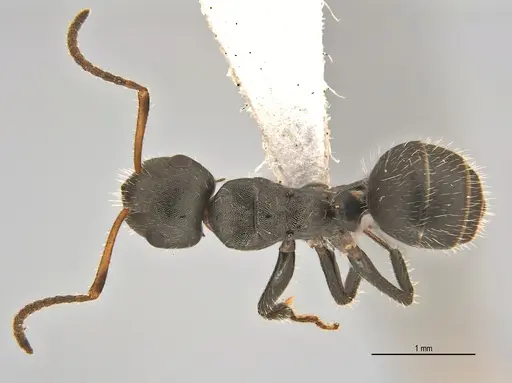
CASENT0217687
View on AntWeb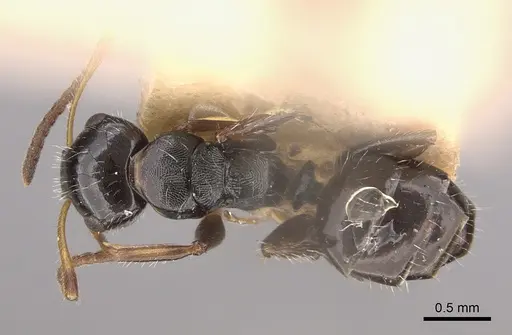
CASENT0862396
View on AntWeb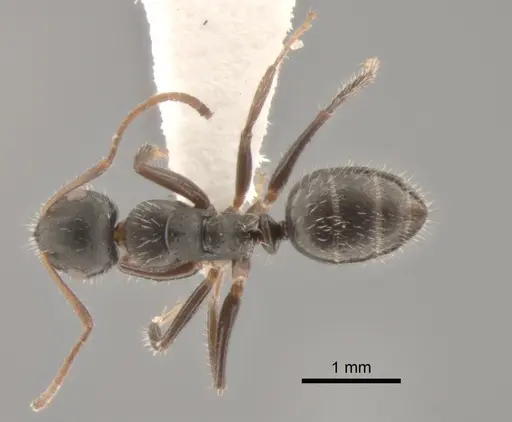
CASENT0910733
View on AntWeb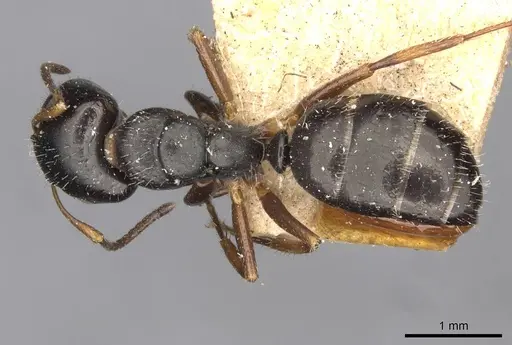
CASENT0915799
View on AntWeb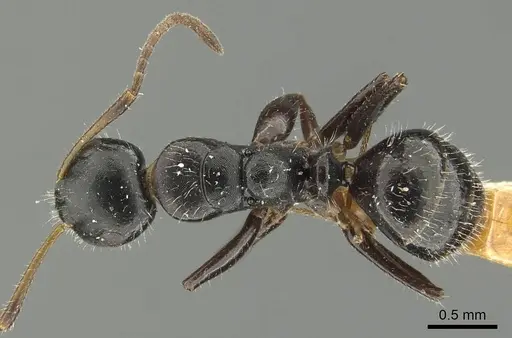
CASENT4032242
View on AntWeb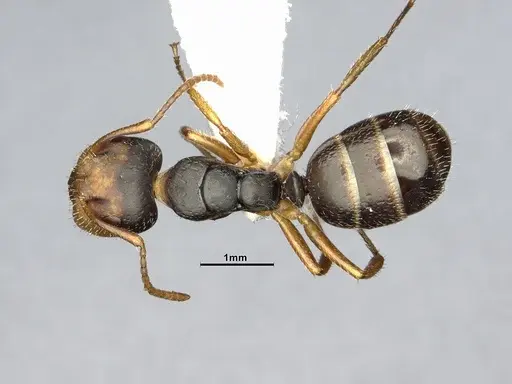
CBUMAGENT41779
View on AntWeb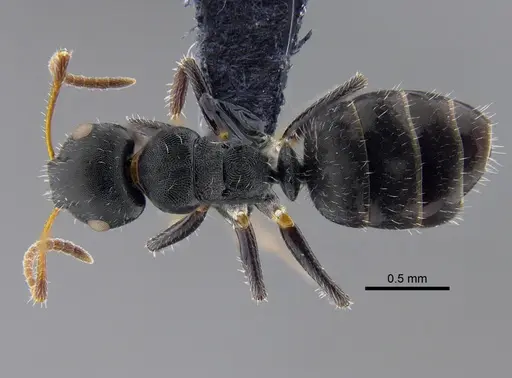
UFV-LABECOL-000070
View on AntWeb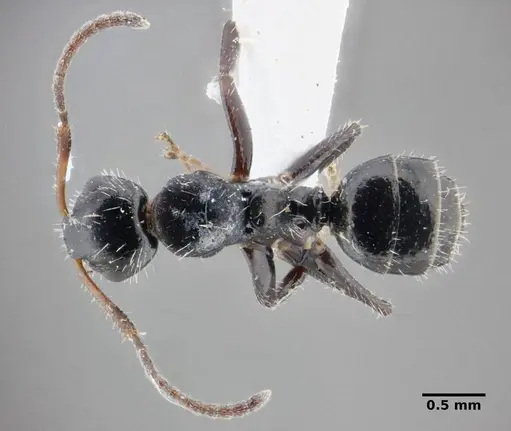
UFV-LABECOL-000071
View on AntWeb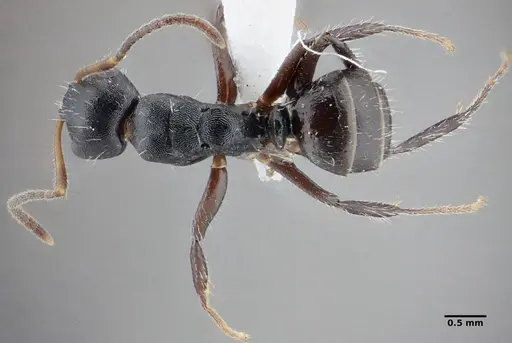
Literature
Loading...Loading products...