

Camponotus pressipes
- Scientific Name
- Camponotus pressipes
- Subgenus
- Myrmotarsus
- Tribe
- Camponotini
- Subfamily
- Formicinae
- Author
- Emery, 1893
- Distribution
- Found in 2 countries
Camponotus pressipes Overview
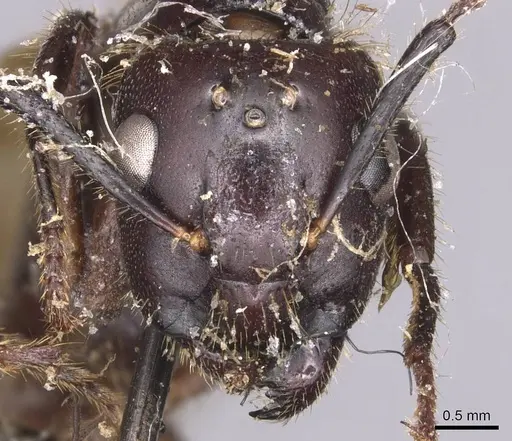
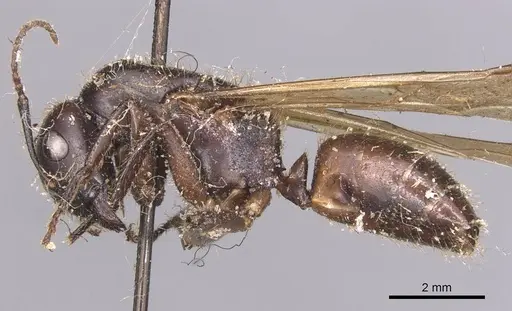
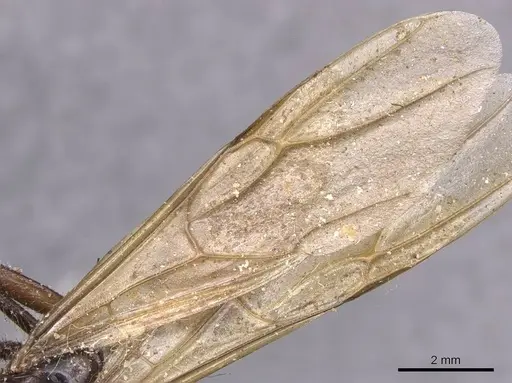
Camponotus pressipes is an ant species of the genus Camponotus. It is primarily documented in 2 countries , including Malaysia, Thailand. Detailed taxonomic data and occurrence records can be further explored via authoritative databases such as AntWeb or the Global Biodiversity Information Facility (GBIF).
Camponotus pressipes
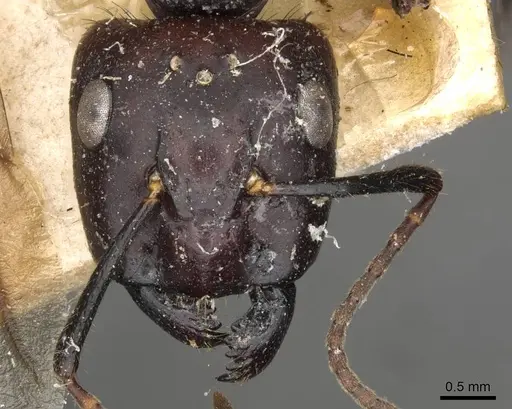
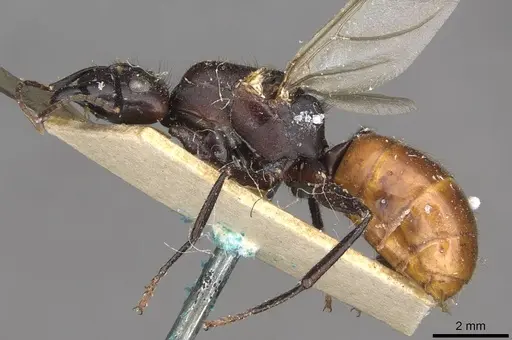
Camponotus pressipes is a medium-sized carpenter ant native to Southeast Asia, found across Malaysia, Borneo, Indonesia, and the Philippines [1]. Workers measure approximately 5-10mm with the typical Camponotus polymorphism, larger major workers and smaller minor workers. The species has a dark brown to black coloration common in many carpenter ants. This tropical species inhabits warm, humid lowland forests in the Indomalaya region. The species was described by Emery in 1893 and has two recognized subspecies: C. pressipes errans and C. pressipes lucidulus [1]. As a Camponotus species, these ants are wood-nesting ants that typically excavate galleries in dead wood or use existing cavities.
Quick Summary
- Difficulty: Medium
- Origin & Habitat: Southeast Asia, Malaysia, Borneo, Indonesia, and Philippines. Found in tropical lowland forests in the Indomalaya region [1].
- Colony Type: Likely monogyne (single queen colonies) based on typical Camponotus patterns. Colony structure in the wild has not been directly documented for this species.
- Colony: Monogyne
- Founding: Claustral
- Size & Growth:
- Queen: Estimated 12-15mm based on typical Camponotus queen size range
- Worker: 5-10mm (polymorphic, major and minor castes)
- Colony: Likely several thousand workers at maturity based on typical Camponotus colony development
- Growth: Moderate, typical Camponotus growth pattern
- Development: Estimated 6-8 weeks at optimal tropical temperatures based on related Camponotus species (Development time is temperature-dependent, warmer conditions within acceptable range accelerate development. First workers (nanitics) are typically smaller than mature major workers.)
- Antkeeping:
- Temperature: Keep at 24-28°C (tropical species). A slight temperature gradient allows ants to regulate their own exposure. Room temperature within this range is acceptable.
- Humidity: High humidity required, aim for 70-80% relative humidity. Keep nest substrate consistently moist but not waterlogged. These ants come from humid tropical forests.
- Diapause: No, this is a tropical species without a winter dormancy period. Maintain warm conditions year-round.
- Nesting: Provide a nest with moist chambers. Y-tong (AAC), plaster, or naturalistic setups with wood sections work well. Ensure the nest can retain humidity while allowing some ventilation.
- Behavior: Typical Camponotus temperament, generally calm and not aggressive toward keepers, but will defend the nest if threatened. Workers are active foragers that search for carbohydrates (honeydew, nectar) and protein (insects). Major workers can deliver a mild bite if handled roughly. Escape risk is moderate, they are good climbers but not as small as some problematic species. Ensure standard escape prevention with smooth barriers.
- Common Issues: tropical species are sensitive to temperature drops below 22°C, keep consistently warm, high humidity requirements mean mold can be an issue if ventilation is poor, slow founding phase means colonies can appear stagnant for months before first workers arrive, wild-caught colonies may have parasites or diseases that cause colony failure, overfeeding can lead to mold in the nest, remove uneaten food promptly
Nest Preferences
Camponotus pressipes is a wood-nesting species that naturally excavates galleries in dead wood or uses pre-existing cavities in rotting logs and tree stumps. In captivity, they adapt well to various nest types that provide dark, humid chambers. Y-tong (acrylic) nests work excellently as they allow you to control humidity precisely. Plaster nests with water reservoirs also work well, maintaining the moisture levels these tropical ants require. Naturalistic setups with wood sections and moist substrate mimic their natural environment and can be very successful. Regardless of nest type, ensure the chambers are appropriately sized, not too large for small colonies, as ants prefer snug spaces that help them regulate humidity around their brood.
Feeding and Diet
Like other Camponotus species, C. pressipes is omnivorous with a preference for carbohydrate and protein sources. Provide a constant sugar source such as sugar water, honey, or diluted maple syrup, these ants readily accept sweet liquids. For protein, offer small insects like fruit flies, small crickets, mealworms, or other appropriately sized prey. In the wild, they also forage for honeydew from aphids and scale insects. Feed small amounts of protein 2-3 times per week, adjusting based on colony size. Remove uneaten prey within 24-48 hours to prevent mold issues. A varied diet helps ensure healthy colony development.
Temperature and Care
As a tropical species from Southeast Asia, Camponotus pressipes requires warm conditions year-round. Maintain temperatures between 24-28°C, this range supports normal activity and brood development. Temperatures below 22°C can slow colony development significantly, and prolonged cold exposure can be fatal. A heating cable or mat on one side of the nest creates a temperature gradient, allowing ants to self-regulate. Place the heating element on top of the nest to avoid drying out the substrate. Room temperature within the acceptable range is often sufficient without additional heating. Avoid placing the nest near air conditioning vents or drafty areas.
Behavior and Temperament
Camponotus pressipes has the typical calm temperament of most carpenter ants. They are not particularly aggressive and rarely attack unless the nest is directly disturbed. Workers are active foragers that will readily explore outworld spaces in search of food. The larger major workers can deliver a mild bite if handled roughly, but this is not a significant concern for keepers. These ants are good climbers and can scale smooth surfaces, so standard escape prevention measures (fluon barriers, smooth lid edges) are recommended. They are primarily nocturnal or crepuscular in activity, though they will forage during the day when hungry. Colonies establish quickly once the first workers (nanitics) emerge.
Colony Founding
Like other Camponotus species, C. pressipes queens are claustral, they seal themselves in a small chamber and raise the first brood alone without foraging. The queen uses stored fat reserves to produce eggs and feed the developing larvae. This founding phase typically takes 4-8 weeks depending on temperature, after which the first workers (nanitics) emerge. The nanitics are smaller than mature workers but immediately begin helping with colony tasks. Founding colonies should be kept in a quiet, dark location with minimal disturbance. Do not feed during the founding phase, the queen has sufficient reserves and adding food risks mold that can kill the colony.
Growth and Development
Camponotus colonies grow moderately fast once established, but the initial founding phase can feel slow. After the first workers emerge, colony size typically doubles every few months under optimal conditions. Major workers (the larger caste) begin appearing as the colony grows, usually becoming common once the colony reaches several hundred workers. A mature colony may contain several thousand workers and can live for many years, Camponotus queens can live 15-20 years in captivity. Growth rate depends heavily on temperature, feeding frequency, and colony size. Consistent warmth (24-28°C), regular protein feeding, and minimal disturbance support healthy development.
Frequently Asked Questions
How long does it take for Camponotus pressipes to have first workers?
First workers typically emerge 6-8 weeks after the queen lays eggs, assuming temperatures around 24-28°C. This is the claustral founding phase where the queen raises the first brood alone. Patience is key, do not disturb the founding chamber during this time.
What do Camponotus pressipes ants eat?
They need a balanced diet of sugar and protein. Offer sugar water, honey, or maple syrup as a constant carbohydrate source. For protein, feed small insects like fruit flies, small crickets, or mealworms 2-3 times per week.
Do Camponotus pressipes ants need hibernation?
No, this is a tropical species from Southeast Asia and does not require hibernation or winter dormancy. Keep them warm year-round at 24-28°C.
What temperature is best for Camponotus pressipes?
Keep them at 24-28°C. This tropical species needs consistent warmth. A slight temperature gradient allows the ants to regulate their own exposure to heat.
Are Camponotus pressipes good for beginners?
They are moderate difficulty, easier than some tropical species but require attention to temperature and humidity. Their calm temperament makes them manageable, but the slow founding phase requires patience.
How big do Camponotus pressipes colonies get?
Mature colonies can reach several thousand workers. The colony grows over several years, with major workers appearing as the population increases.
When should I move Camponotus pressipes to a formicarium?
Wait until the colony has at least 50-100 workers before moving from a test tube setup. The colony should be actively foraging and consuming protein regularly. A too-early move can stress the colony.
Can I keep multiple Camponotus pressipes queens together?
This species is likely monogyne (single queen). Combining unrelated queens is not recommended as they will likely fight. In the wild, only one queen typically heads each colony.
Why is my Camponotus pressipes colony not growing?
Check temperature (should be 24-28°C), humidity (should be high but not wet), and feeding. Slow growth is normal, Camponotus colonies take time. Also ensure the founding chamber has not been disturbed or exposed to excessive light.
References

This caresheet is licensed under CC BY-SA 4.0 .
CASENT0905439
View on AntWeb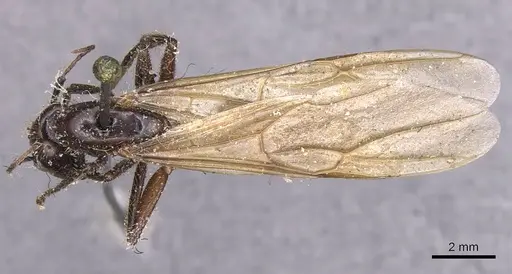
CASENT0910507
View on AntWeb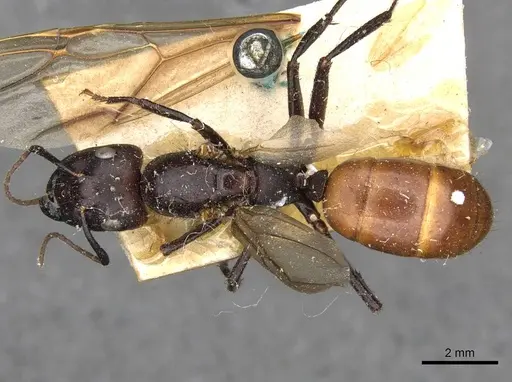
Literature
Loading...Loading products...