

Camponotus polyrhachioides
- Scientific Name
- Camponotus polyrhachioides
- Subgenus
- Phasmomyrmex
- Tribe
- Camponotini
- Subfamily
- Formicinae
- Author
- Emery, 1898
- Distribution
- Found in 5 countries
Camponotus polyrhachioides Overview
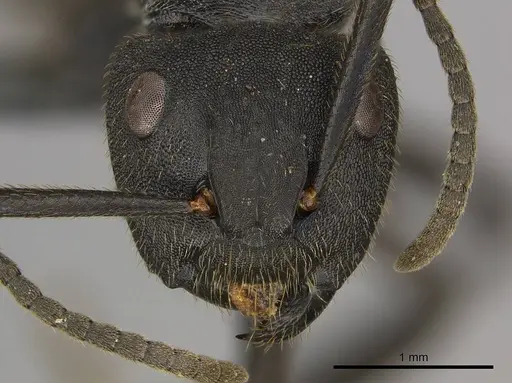
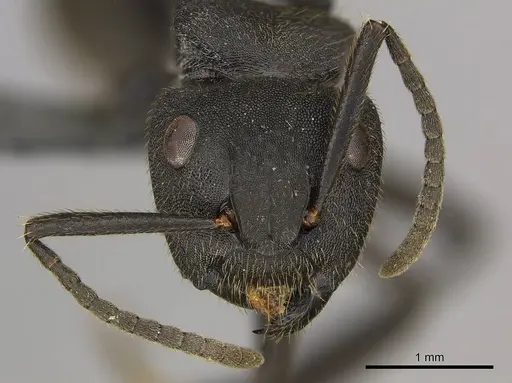
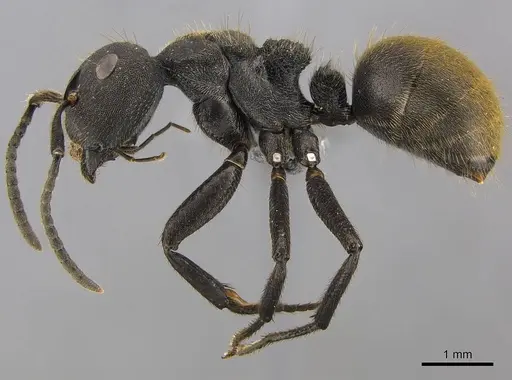
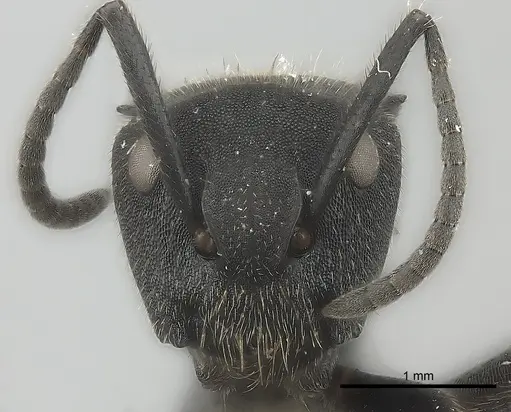
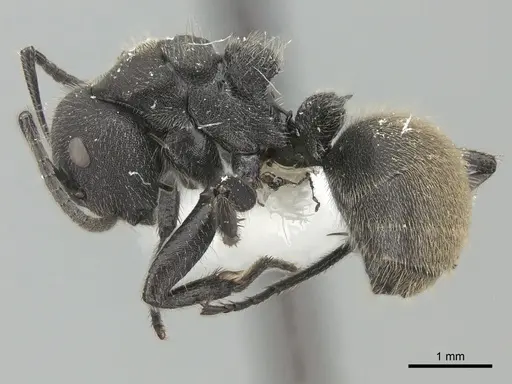
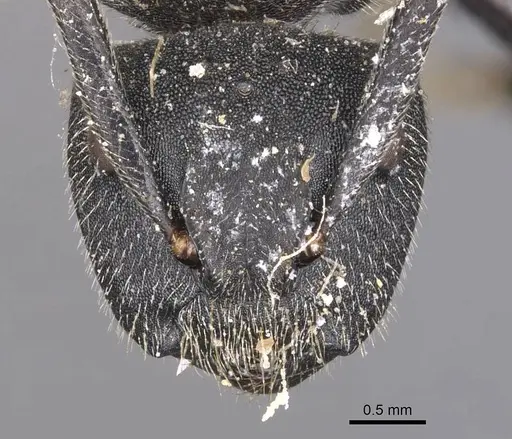
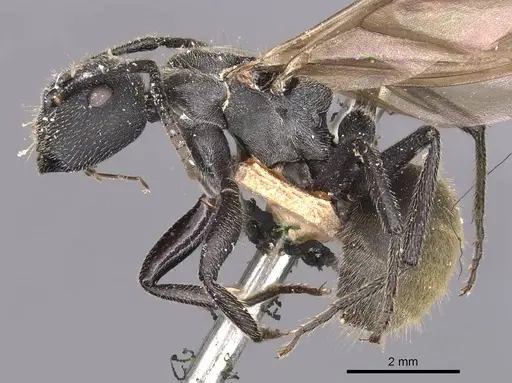
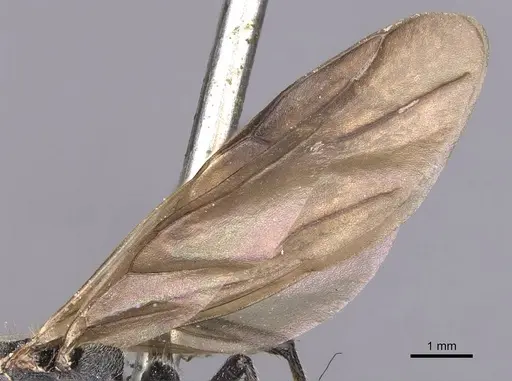
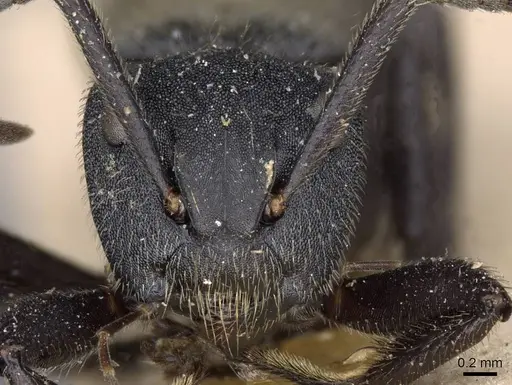
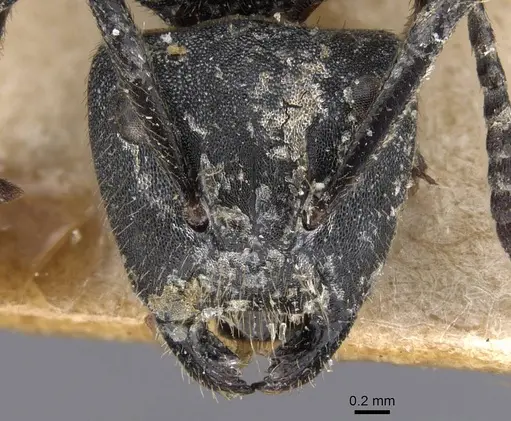
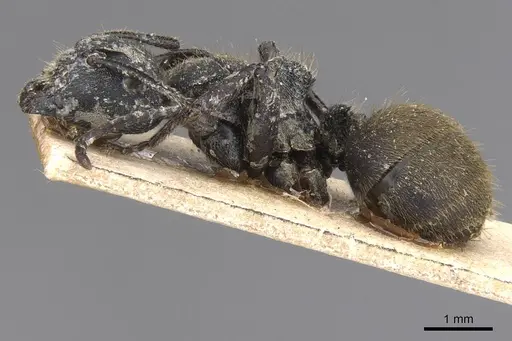
Camponotus polyrhachioides is an ant species of the genus Camponotus. It is primarily documented in 5 countries , including Central African Republic, Congo, Côte d'Ivoire. Detailed taxonomic data and occurrence records can be further explored via authoritative databases such as AntWeb or the Global Biodiversity Information Facility (GBIF).
Camponotus polyrhachioides
Camponotus polyrhachioides is a carpenter ant species native to the Democratic Republic of Congo in Central Africa [1]. Workers are polymorphic, meaning they come in different sizes, smaller minor workers and larger major workers that serve as soldiers or foragers. The species name 'polyrhachioides' suggests it resembles ants in the genus Polyrhachis (weaver ants), possibly in nesting behavior or physical characteristics. As a tropical African species, it likely prefers warm and humid conditions similar to other Camponotus species from that region.
Quick Summary
- Difficulty: Medium
- Origin & Habitat: Democratic Republic of Congo in Central Africa. Found in multiple provinces (BC, EQ, MN, MO) based on historical records from 1913-1923 [1]. Likely inhabits tropical forest environments typical of the Congo basin.
- Colony Type: Likely monogyne (single queen colonies) based on typical Camponotus patterns. This is inferred from genus-level behavior rather than species-specific studies.
- Colony: Monogyne
- Founding: Claustral
- Size & Growth:
- Queen: Estimated 12-16mm based on typical Camponotus queen size range, not directly measured for this species
- Worker: Minor workers: 5-8mm, Major workers: 8-12mm based on genus patterns for polymorphic Camponotus
- Colony: Likely reaches several thousand workers at maturity based on typical Camponotus colony development
- Growth: Moderate, Camponotus species typically take several months to a year to establish first workers
- Development: Estimated 6-10 weeks at optimal temperature (around 24-28°C) based on typical Camponotus development (Development time is inferred from related species, actual timing may vary. Nanitics (first workers) are typically smaller than normal workers.)
- Antkeeping:
- Temperature: Keep nest area at 24-28°C. As a tropical species, they prefer warm conditions. A heating cable on one side of the nest creates a suitable gradient. Room temperature in heated homes may suffice if within this range.
- Humidity: Moderate to high humidity (60-80%). Keep the nest substrate consistently moist but not waterlogged. Tropical species benefit from regular misting or a water reservoir in the outworld.
- Diapause: Likely minimal or no true diapause, tropical ants from DRC do not experience harsh winters. However, they may show reduced activity during cooler periods.
- Nesting: In captivity, they do well in Y-tong (acrylic) nests, plaster nests, or naturalistic setups with soil. They may excavate in soil-based setups. Provide a dark nesting area as they prefer concealed spaces.
- Behavior: Typical Camponotus temperament, generally calm and not aggressive unless their nest is threatened. Workers are active foragers that search for sugar sources and protein. They have the ability to bite if handled, but their bite is not medically significant. Escape prevention should be moderate, they are not particularly small but can squeeze through small gaps if determined.
- Common Issues: colonies may decline if kept too cool, maintain warm temperatures, overfeeding can lead to mold problems in the nest, wild-caught colonies may have parasites that cause issues in captivity, slow initial growth can lead to keepers abandoning colonies prematurely, test tube setups work well for founding but need monitoring for flooding
Housing and Nest Setup
Camponotus polyrhachioides can be kept in various nest types that provide darkness and humidity control. Y-tong (acrylic) nests work well for this species, allowing you to monitor colony progress while providing appropriate chamber sizes. Plaster nests are another excellent option as they hold humidity well. For a naturalistic approach, use a soil-based setup where the ants can excavate their own tunnels. The nest should be kept dark, cover three sides of acrylic nests with a dark cloth or place the nest in a shaded area. Provide a water test tube as a humidity source and ensure the nest substrate stays moist but never soggy.
Feeding and Diet
Like most Camponotus species, these ants are omnivorous and accept a varied diet. Offer sugar water, honey, or diluted maple syrup as a constant sugar source. For protein, provide insects such as mealworms, crickets, or fruit flies. You can also offer small pieces of fruit or seeds. Feed protein 2-3 times per week, and keep sugar water available at all times. Remove uneaten prey after 24-48 hours to prevent mold. Tropical ants may have higher sugar requirements, observe your colony's preferences and adjust accordingly.
Temperature and Heating
As a tropical species from the Democratic Republic of Congo, Camponotus polyrhachioides prefers warm conditions. Keep the nest area at 24-28°C (75-82°F). You can achieve this through room temperature if your home is heated to these levels, or use a heating cable placed on top of the nest (never under it as this can cause drying). Create a temperature gradient by heating only one side of the nest so workers can regulate their own temperature by moving between warmer and cooler areas. Avoid temperatures below 20°C for extended periods as this can slow colony development and potentially cause health issues.
Founding Colony Care
When you obtain a founding queen, place her in a test tube setup with a water reservoir. The queen will seal herself into a chamber and lay eggs, this is claustral founding where she lives entirely on her stored fat reserves. Do not disturb her during this phase. After 4-8 weeks, the first nanitic (first-generation) workers will emerge. These workers are typically smaller than normal workers. Once workers are present, you can begin offering tiny amounts of sugar water and small prey items. The colony should not be moved to a larger formicarium until the worker population reaches at least 20-30 individuals.
Growth and Development
Camponotus colonies grow progressively, the queen lays eggs, which develop into larvae, then pupae, then workers. The first workers (nanitics) are smaller but help the colony expand by foraging for food. As the colony grows, larger major workers may appear. A healthy colony can reach several hundred workers within 1-2 years under optimal conditions. Growth rate depends heavily on temperature, feeding frequency, and overall colony health. Be patient, Camponotus species are long-lived and a slowly growing colony often becomes a strong one.
Frequently Asked Questions
How long does it take for Camponotus polyrhachioides to have first workers?
First workers (nanitics) typically appear 6-10 weeks after the queen lays eggs, assuming optimal temperature around 24-28°C. This timeline is based on typical Camponotus development patterns since species-specific data is not available.
What temperature do Camponotus polyrhachioides need?
Keep them at 24-28°C (75-82°F). As a tropical species from the DRC, they prefer warm conditions. A heating cable on the nest can help maintain these temperatures.
Are Camponotus polyrhachioides good for beginners?
They are rated as medium difficulty. They are more forgiving than some species but require warm temperatures and proper feeding. Beginners should be prepared to maintain consistent heating.
What do Camponotus polyrhachioides eat?
They accept sugar sources (honey, sugar water, maple syrup) and protein (insects like mealworms, crickets, fruit flies). Offer protein 2-3 times per week and keep sugar water available constantly.
How big do Camponotus polyrhachioides colonies get?
Mature colonies can reach several thousand workers. This is estimated from typical Camponotus colony sizes since specific data for this species is not available.
Do Camponotus polyrhachioides need hibernation?
No, as a tropical African species, they do not require true hibernation. They may show reduced activity during cooler periods but should be kept warm year-round.
When should I move my colony to a formicarium?
Move to a larger nest when the worker population reaches 20-30 individuals. For Camponotus, a Y-tong or plaster nest works well. Ensure the new nest has appropriately sized chambers.
Can I keep multiple Camponotus polyrhachioides queens together?
This species is likely monogyne (single queen). Combining unrelated queens is not recommended as they likely will fight. Only keep one queen per colony.
Why is my Camponotus polyrhachioides colony not growing?
Check that temperatures are warm enough (24-28°C), humidity is adequate, and the queen is laying eggs. Poor growth is often caused by temperatures that are too low. Ensure you are feeding appropriate amounts of protein and sugar.
References

This caresheet is licensed under CC BY-SA 4.0 .
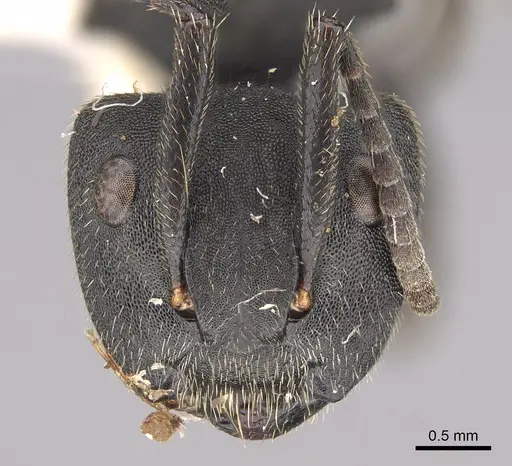
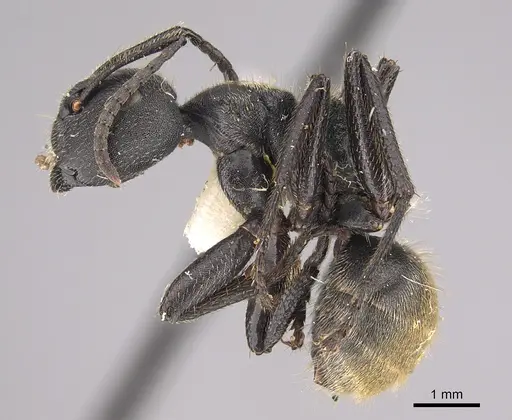
CASENT0088256
View on AntWeb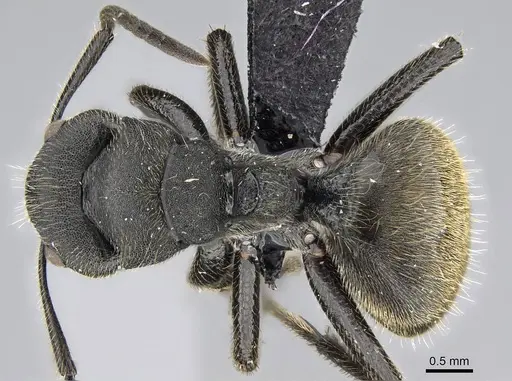
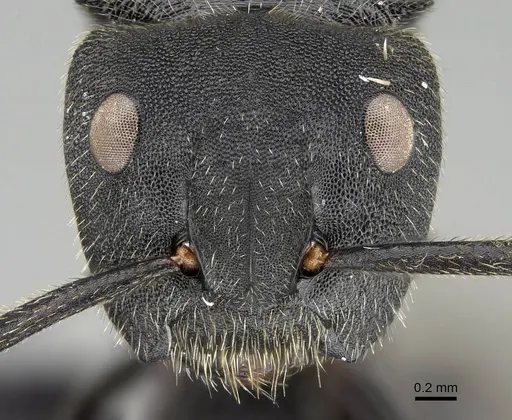
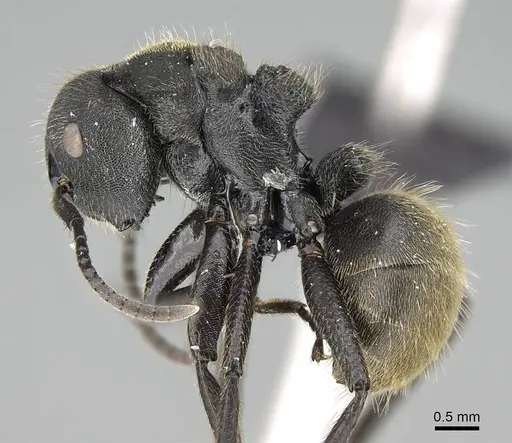
CASENT0250078
View on AntWeb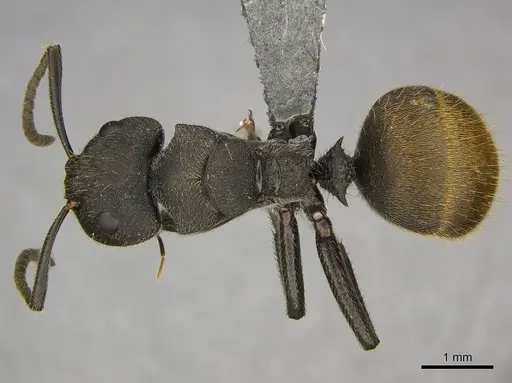
CASENT0415642
View on AntWeb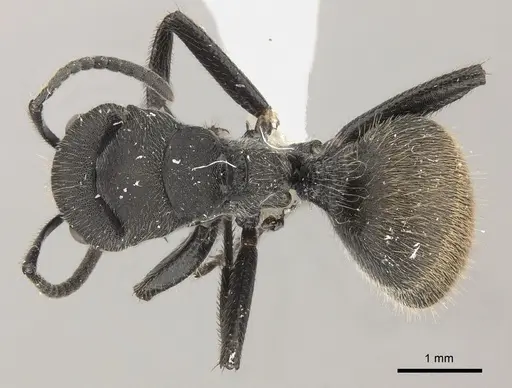
CASENT0905183
View on AntWeb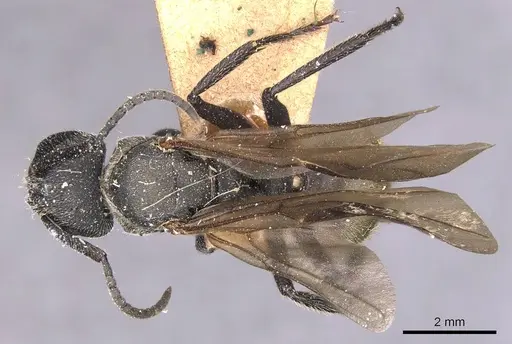
CASENT0909947
View on AntWeb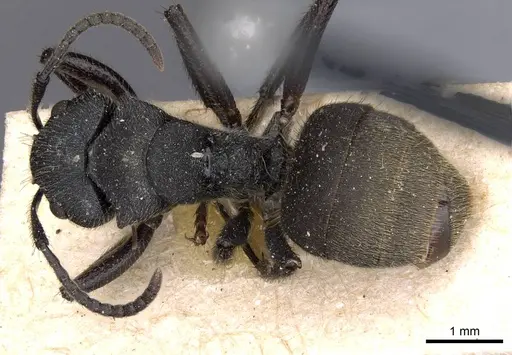
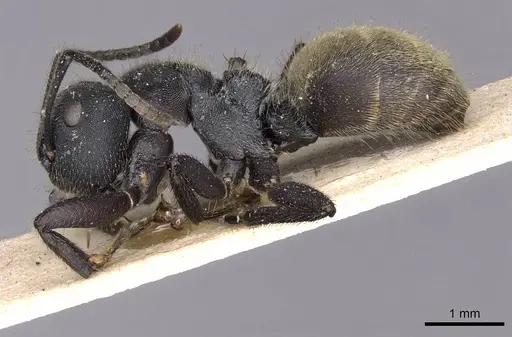
CASENT0912089
View on AntWeb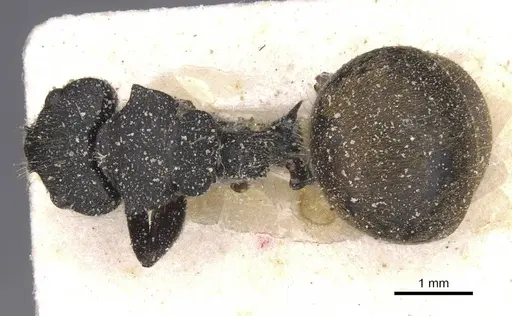
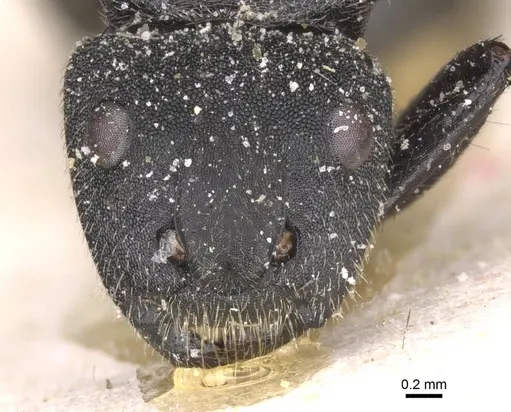
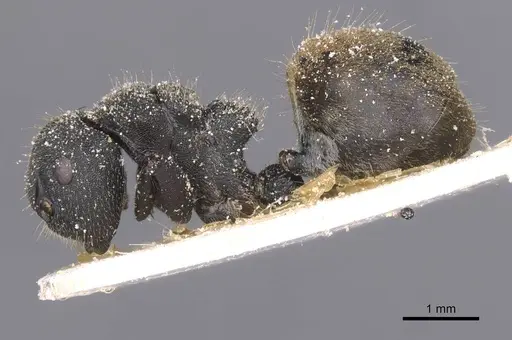
CASENT0913761
View on AntWeb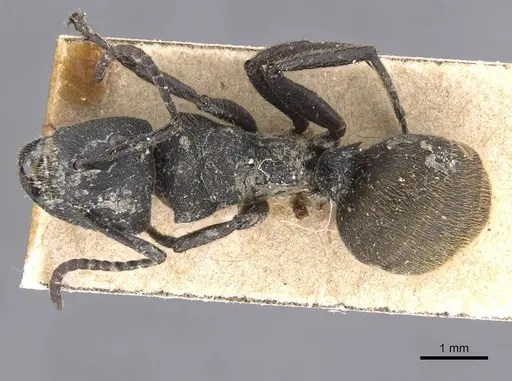
CASENT0923544
View on AntWeb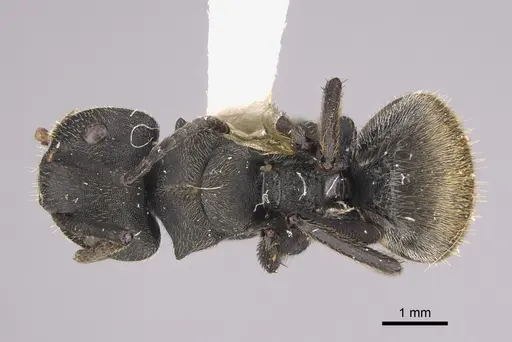
Literature
Loading...Loading products...