

Camponotus polymorphicus
- Scientific Name
- Camponotus polymorphicus
- Subgenus
- Tanaemyrmex
- Tribe
- Camponotini
- Subfamily
- Formicinae
- Author
- Mackay <i>et al.</i>, 2002
- Distribution
- Found in 1 countries
Camponotus polymorphicus Overview
Camponotus polymorphicus is an ant species of the genus Camponotus. It is primarily documented in 1 countries , including Colombia. Detailed taxonomic data and occurrence records can be further explored via authoritative databases such as AntWeb or the Global Biodiversity Information Facility (GBIF).
Camponotus polymorphicus
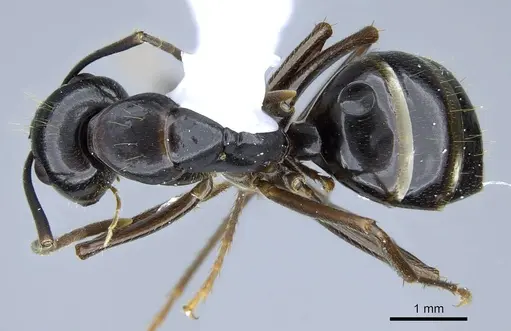
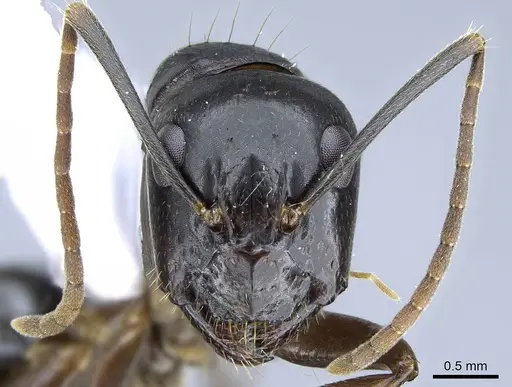
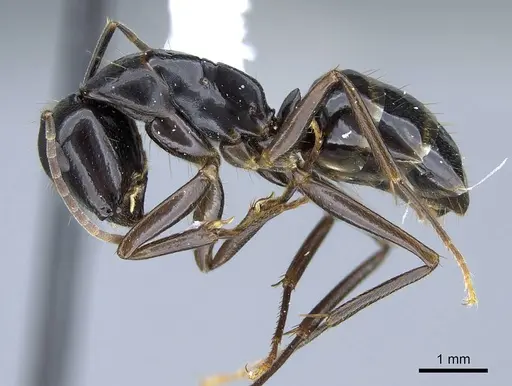
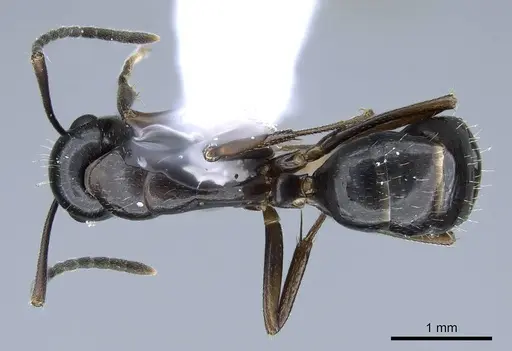
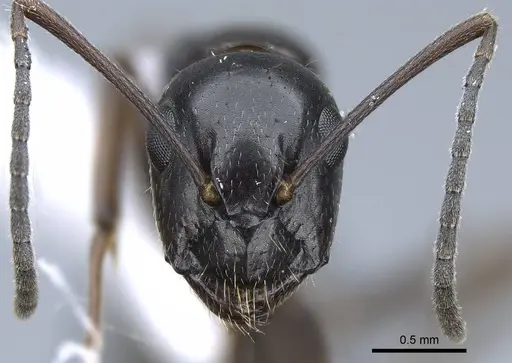
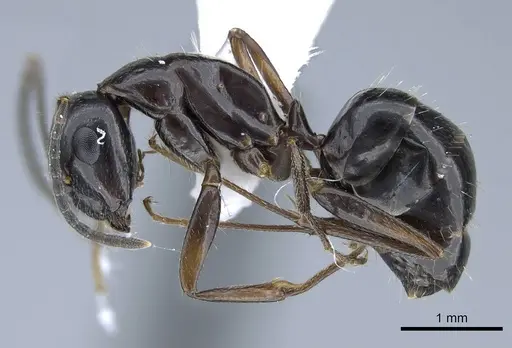
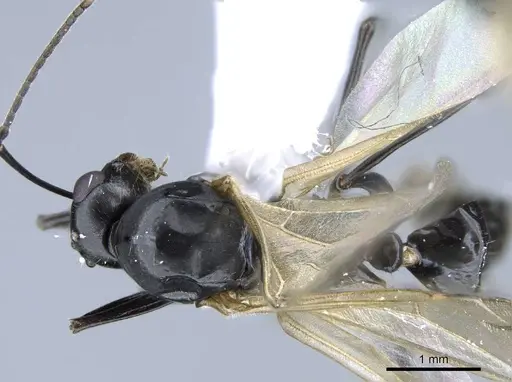
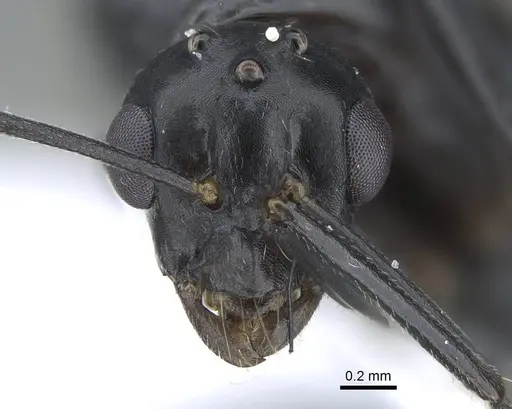
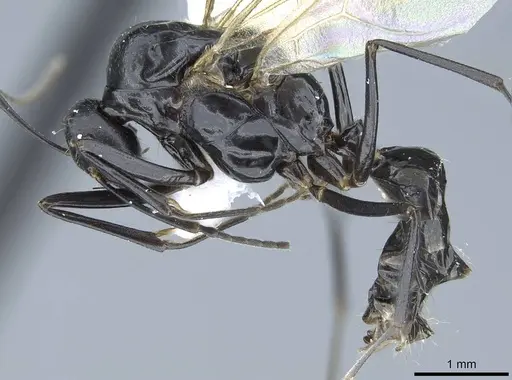
Camponotus polymorphicus is a striking black carpenter ant native to the high Andes Mountains of Colombia, found at elevations between 2600 and 3300 meters. This species is exceptionally polymorphic, workers come in multiple distinct size classes (majors, intermediates, and minors), and both females and males are dimorphic, meaning there are two distinct size variations of each [1]. The ants are glossy black with golden erect hairs on the cheeks, malar area, and clypeus. This is the most polymorphic Camponotus species in the Neotropics, making it a fascinating species to observe as different worker castes take on different roles within the colony [2].
What makes this species particularly special is its unusual habitat, it's one of the few tropical ant species found above 2000 meters elevation, living in high Andean forest to paramo vegetation [1]. Young colonies nest in living and dead frailejon plants (a type of giant rosette plant unique to the Colombian Andes), while mature colonies become subterranean. The species is polydomous, meaning a single colony occupies multiple connected nest sites, and they establish new nests through budding rather than nuptial flights [1].
Quick Summary
- Difficulty: Medium
- Origin & Habitat: High Andes Mountains of Colombia (Boyacá and Cundinamarca regions) at 2600-3300m elevation. Habitat includes high Andean forest to paramo vegetation [3][2][1].
- Colony Type: Polydomous colony structure, mature colonies have multiple connected nest sites and can contain over 3700 workers. Colonies establish new nests by budding. Queens and males are dimorphic (two size classes each) [1].
- Colony: Monogyne
- Founding: Claustral
- Size & Growth:
- Queen: 1.80-2.28mm head length [1]
- Worker: Major: 2.42mm head length, Intermediate: 1.82-1.98mm, Minor: 1.30-1.64mm [1]
- Colony: Over 3700 workers in mature colonies [1]
- Growth: Moderate, based on typical Camponotus development patterns
- Development: 6-10 weeks (estimated based on typical Camponotus development at optimal temperature) (Development time estimated from genus-level data, specific timing for this species has not been directly studied)
- Antkeeping:
- Temperature: Keep at 18-22°C. This is a high-altitude species from the cool Colombian Andes, so it prefers cooler temperatures than typical tropical ants. Avoid overheating, room temperature is often ideal. A slight temperature gradient allows workers to choose their preferred zone.
- Humidity: Moderate to high. They naturally nest in soil and living plants in a humid mountain environment. Keep the nest substrate consistently moist but not waterlogged, with some drier areas available.
- Diapause: Yes, as a high-altitude species from a tropical mountain environment with seasonal variation, they likely benefit from a cool period (around 10-15°C) during the winter months, though exact requirements are not well documented.
- Nesting: This species does well in naturalistic setups with soil substrate or Y-tong/plaster nests. Provide a deep soil area or test tube setup with access to both damp and dry zones. Given their polydomous nature in the wild, they may benefit from multiple connected chambers. Avoid overheating from heating cables, this species prefers cooler conditions.
- Behavior: Generally calm and non-aggressive for a carpenter ant. Workers are moderately active foragers. Major workers (the large-headed soldiers) primarily serve as defenders and can crack seeds or process tough prey, while minors handle most daily tasks. They are not known to be particularly defensive but will bite if threatened. Escape risk is moderate, use standard barrier methods but they're not accomplished escape artists like some tiny species.
- Common Issues: overheating is a major risk, this high-altitude species prefers cool conditions and can die from excessive heat, colonies may struggle if kept at typical tropical ant temperatures (25°C+), slow growth compared to lowland species may cause keepers to overheat in attempts to speed development, wild-caught colonies may be stressed from the dramatic altitude change and require careful acclimatization
Housing and Nest Setup
Camponotus polymorphicus does well in a variety of nest types, but given its high-altitude origins, temperature control is more important than humidity extremes. A Y-tong (acrylic) nest works well, as does a naturalistic setup with a deep soil chamber. The key is providing a temperature gradient so workers can regulate their own conditions, keep one side slightly cooler and allow them to choose. Because they naturally become subterranean as colonies mature, a setup with soil or a deep chamber mimics their natural progression from nesting in plants (young colonies) to underground (mature colonies). Test tube setups work for founding colonies, but be prepared to move them to a larger setup as the colony grows past 50-100 workers. The polydomous nature of this species means they may use multiple connected spaces if available. [1]
Temperature Requirements
This is the most critical factor for keeping Camponotus polymorphicus successfully. Originating from 2600-3300m elevation in the Colombian Andes, this species has adapted to cool mountain conditions. Unlike most tropical ants that thrive at 25-28°C, this species prefers 18-22°C, roughly room temperature in most homes. Temperatures above 25°C can cause stress and colony decline. If your room runs warm, consider using a cooling method or positioning the nest away from heat sources. A small thermometer near the nest helps you monitor conditions. The natural habitat experiences cool nights and moderate daytime temperatures, so a stable cool environment is ideal. Some keepers in warm climates have success with air-conditioned rooms or placing nests in cooler areas of the home. [2][1]
Feeding and Diet
Like most Camponotus species, C. polymorphicus is omnivorous. They accept sugar sources (honey water, sugar water) and protein foods (insects, mealworms, crickets). In the wild, they likely forage for honeydew from aphids and other small invertebrates. Feed protein 2-3 times per week depending on colony size, and keep a sugar source available at all times. Major workers can handle larger prey items and even seeds, while minors handle most foraging. Because this is a polymorphic species, you'll observe different castes taking on different feeding roles, majors often process harder foods while minors do more of the carrying. Remove uneaten prey after 24-48 hours to prevent mold.
Colony Development and Growth
Colonies grow moderately compared to some faster-developing Camponotus species. A newly mated queen will lay eggs after sealing herself in a claustral chamber, she relies on stored fat reserves to survive until her first workers (nanitics) emerge, typically after 6-10 weeks depending on temperature. The first workers are small (minor caste) and will begin foraging for food to feed the next brood. As the colony grows, you'll start seeing intermediate and eventually major workers appear. Mature colonies can exceed 3700 workers [1]. The dimorphic queens and males mean you'll have two size classes of reproductives in mating flights, this is unusual among ants and adds to the species' scientific interest. Be patient with growth, this is not a fast-growing species, and attempts to speed development by overheating often backfire.
Seasonal Care and Overwintering
As a high-altitude species from a tropical mountain with seasonal variation, C. polymorphicus benefits from a cool winter period. During the cooler months (roughly November through February in the Northern Hemisphere), you can reduce temperatures to around 10-15°C to simulate their natural seasonal cycle. This is not a true hibernation like temperate species undergo, but a period of reduced activity. Reduce feeding during this time and keep the nest slightly cooler. Do not freeze the colony, simply provide a cool, stable environment. If you cannot provide natural seasonal cooling, a slight reduction in temperature for 2-3 months each year is beneficial. This species is unusual among Neotropical ants in having this seasonal requirement. [2][1]
Unique Behaviors and Observations
The extreme polymorphism of this species makes it fascinating to observe. You'll see three (possibly four) distinct worker size classes, each seemingly specialized for different tasks. Major workers have large heads with powerful mandibles, they serve as defenders and may process hard foods. Intermediates handle various tasks, and minors do most of the foraging and daily colony maintenance. The species is also polydomous in the wild, meaning a single colony maintains multiple nest sites connected by workers. This is unusual and suggests they may benefit from having extra space or connected chambers in captivity. The dimorphic queens and males (two size classes each) is also rare and scientifically interesting. When observing your colony, notice how different castes interact and divide labor, it's a living lesson in polymorphism. [1][2]
Frequently Asked Questions
What temperature do Camponotus polymorphicus ants need?
Keep them at 18-22°C. This is a high-altitude species from the cool Colombian Andes, and they do poorly in warm conditions. Room temperature is often ideal, avoid heating above 25°C.
How long does it take for Camponotus polymorphicus to develop from egg to worker?
Expect 6-10 weeks from egg to first worker at optimal temperature. This is based on typical Camponotus development patterns, as specific timing for this species hasn't been directly studied.
How big do Camponotus polymorphicus colonies get?
Mature colonies can exceed 3700 workers. This is one of the larger Neotropical Camponotus species when fully established.
Are Camponotus polymorphicus good for beginners?
They are intermediate in difficulty. The main challenge is providing the correct cool temperature range, most beginners keep ants too warm for this species. If you can maintain 18-22°C, they are manageable.
What do Camponotus polymorphicus eat?
They are omnivorous. Offer protein (insects, mealworms) 2-3 times per week and keep a sugar source (honey water or sugar water) available at all times.
Can I keep multiple queens together in Camponotus polymorphicus?
This species is monogyne, single queen colonies. Multiple unrelated queens will likely fight. Only one queen per colony is recommended.
Do Camponotus polymorphicus need hibernation?
They benefit from a cool period in winter (around 10-15°C for 2-3 months), but this is not a true hibernation. It's a seasonal reduction in activity matching their high-altitude origin.
Why are my Camponotus polymorphicus dying?
The most common cause is overheating. This species cannot tolerate temperatures above 25°C. Check your setup, if you're using a heating cable or keeping them in a warm room, that's likely the problem. They prefer cool conditions.
When should I move my colony to a formicarium?
Move them when the colony reaches 50-100 workers or when the test tube becomes cramped. A naturalistic setup with soil works well for this species, or a Y-tong with multiple chambers.
What makes Camponotus polymorphicus special compared to other carpenter ants?
They are the most polymorphic Camponotus species in the Neotropics, with workers coming in 3-4 distinct size classes. Both queens and males are also dimorphic (two size classes). They live at unusually high elevations for tropical ants (2600-3300m).
References

This caresheet is licensed under CC BY-SA 4.0 .
Literature
Loading...Loading products...