
Camponotus planatus shows a May to June flight window. Peak activity occurs in June, with nuptial flights distributed across 4 months.
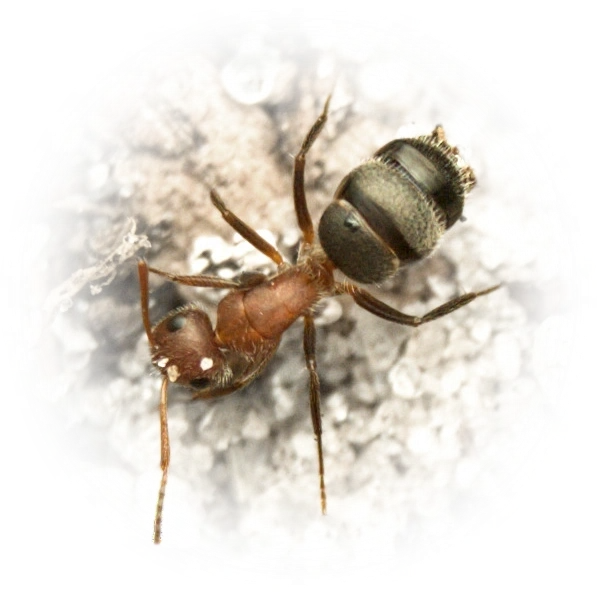
Camponotus planatus
- Scientific Name
- Camponotus planatus
- Subgenus
- Myrmobrachys
- Tribe
- Camponotini
- Subfamily
- Formicinae
- Author
- Roger, 1863
- Common Name
- Compact Carpenter Ant
- Distribution
- Found in 8 countries
- Nuptial Flight
- from April to July, peaking in June
AI Identifiable
try →
Camponotus planatus Overview
Camponotus planatus (commonly known as the Compact Carpenter Ant) is an ant species of the genus Camponotus. It is primarily documented in 8 countries , including Colombia, Costa Rica, Cuba. Detailed taxonomic data and occurrence records can be further explored via authoritative databases such as AntWeb or the Global Biodiversity Information Facility (GBIF).
The nuptial flight of Camponotus planatus is a significant biological event, typically occurring from April to July, peaking in June. During this time, winged queens and males leave the nest to mate and establish new colonies.
Camponotus planatus - "Compact Carpenter Ant"
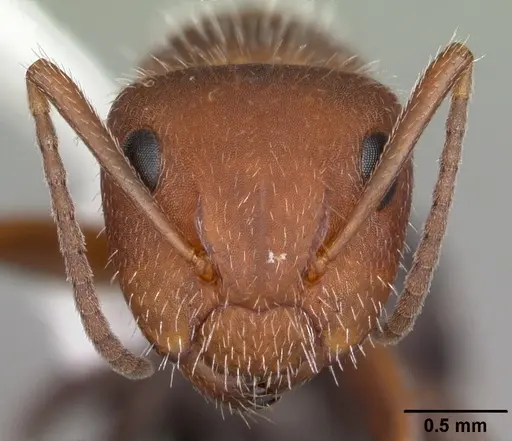
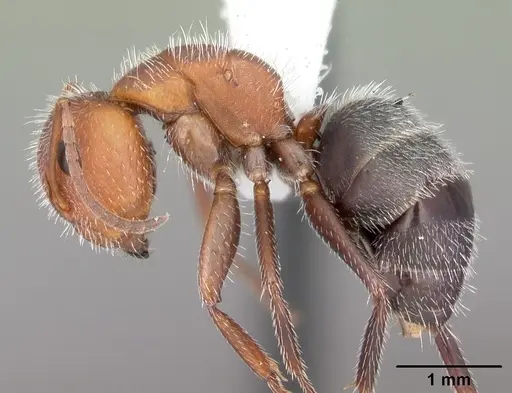
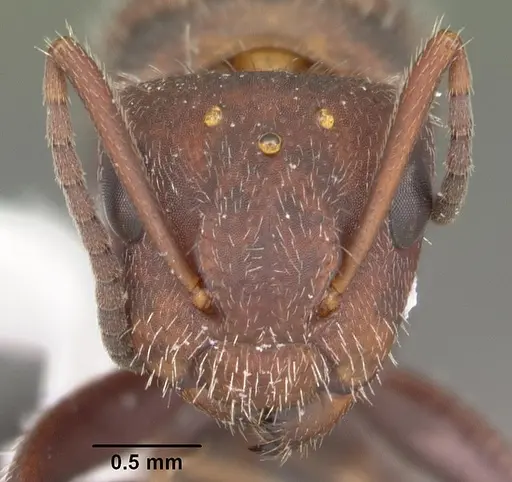
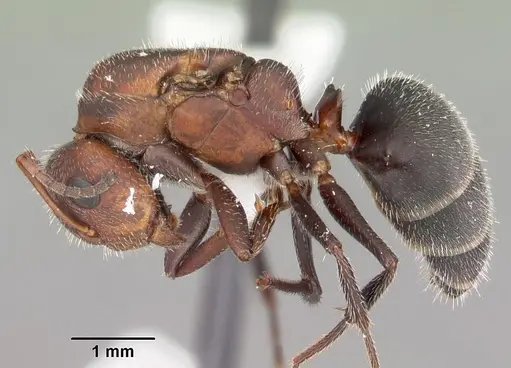
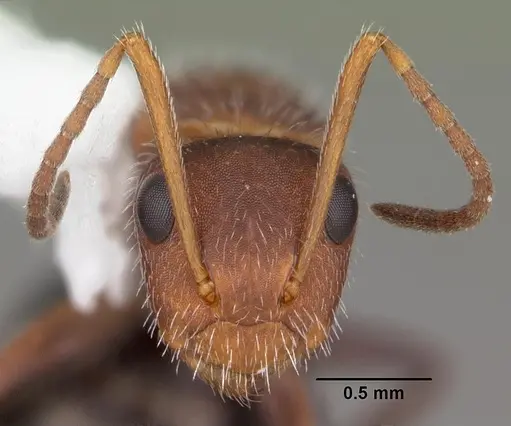
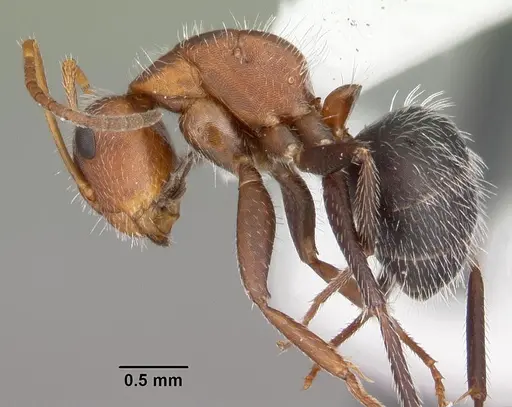
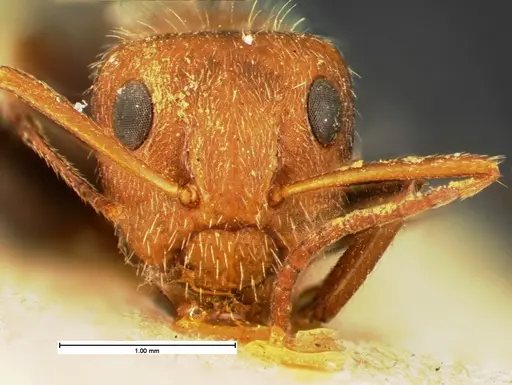
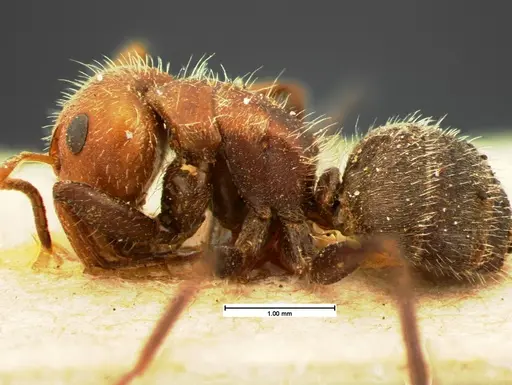
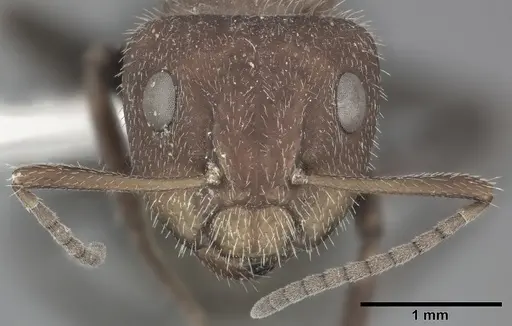
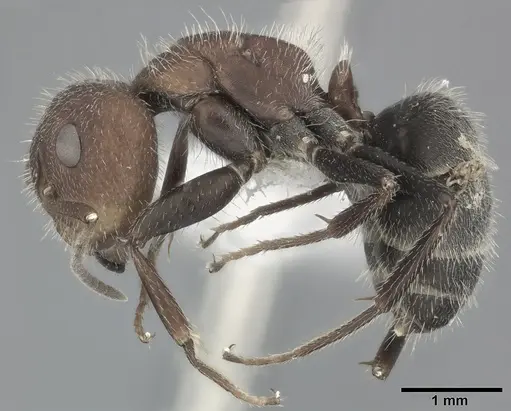
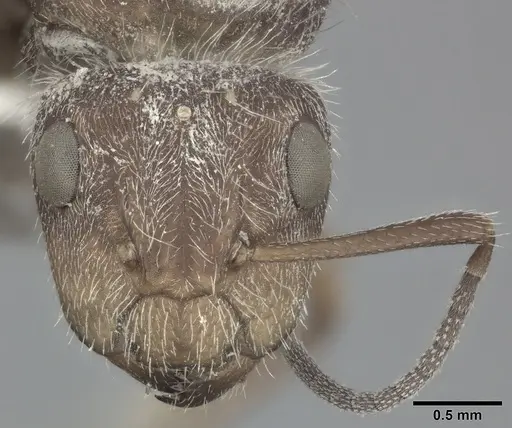
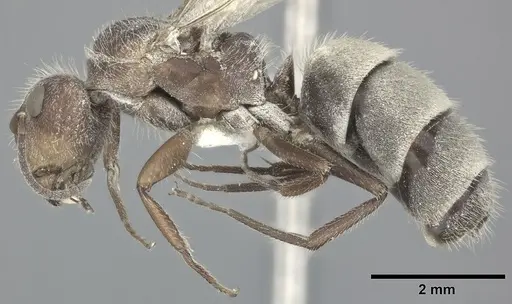
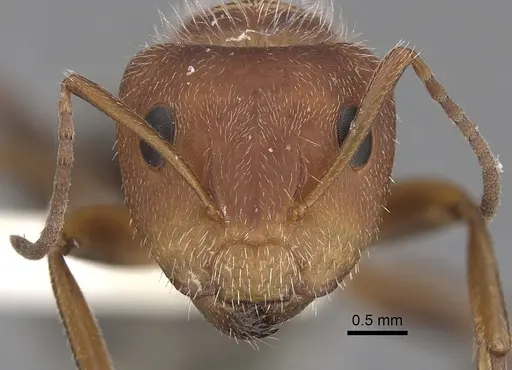
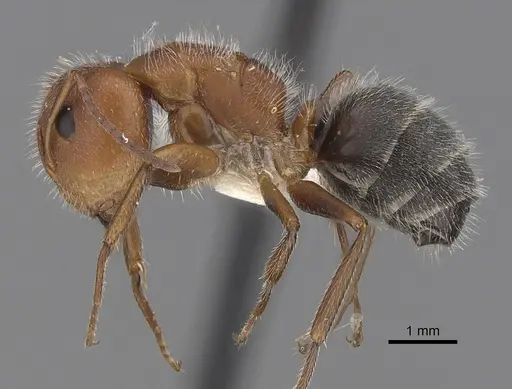
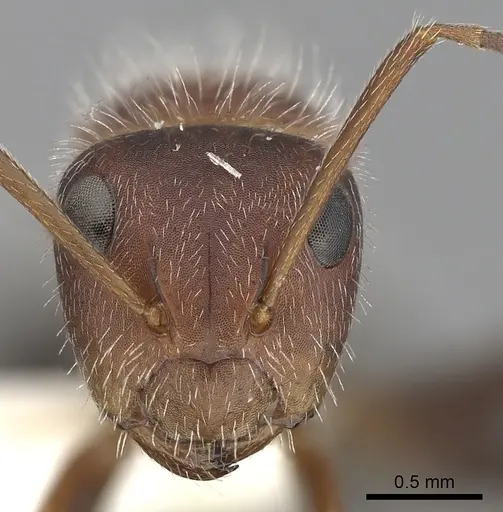
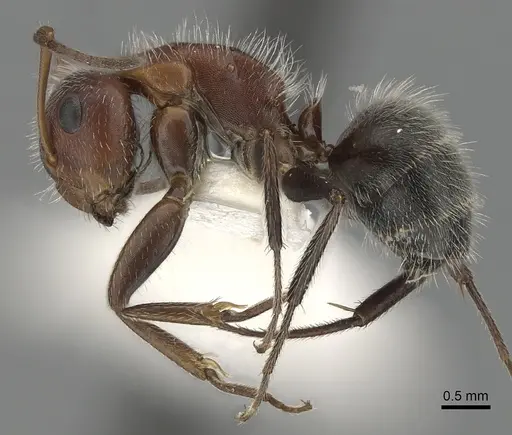
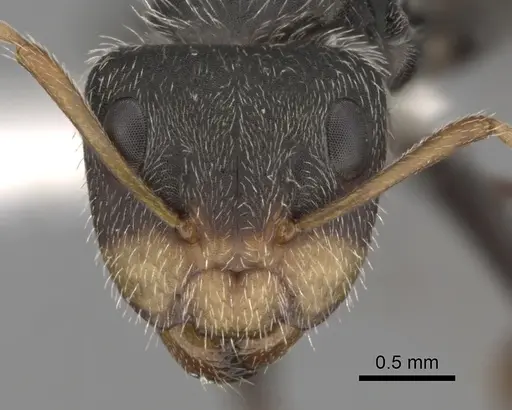
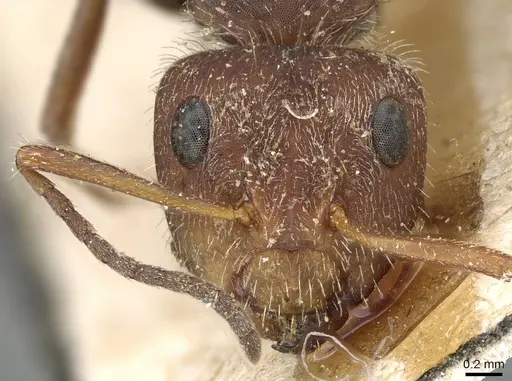
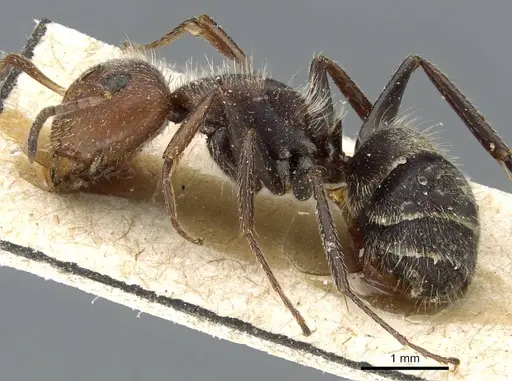
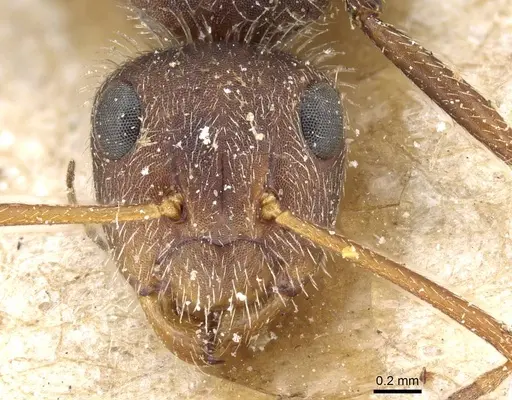
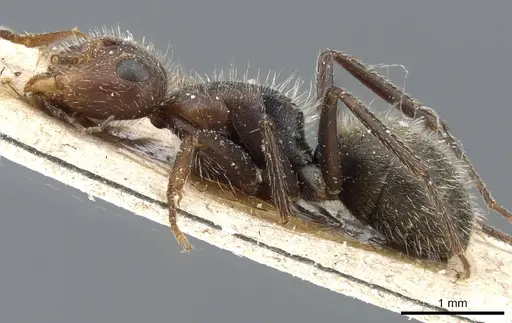
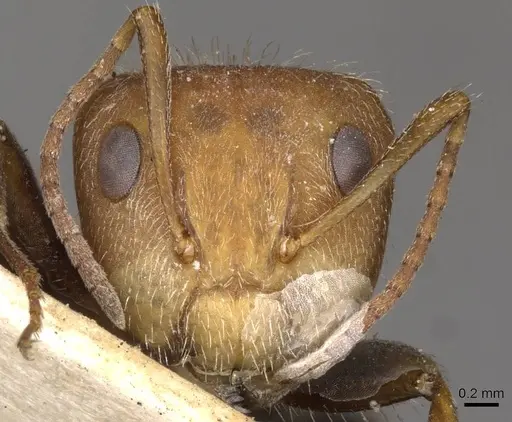
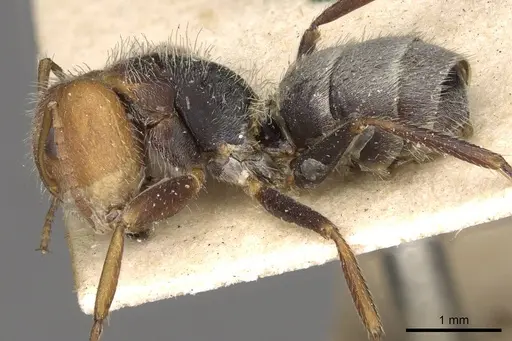
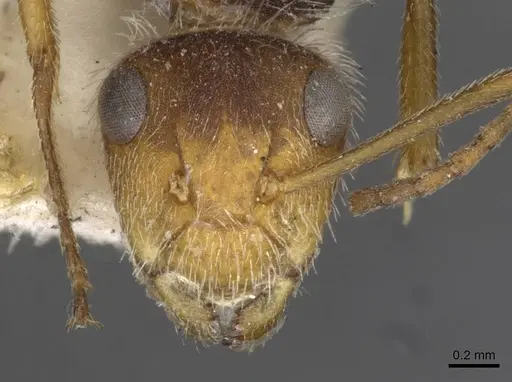
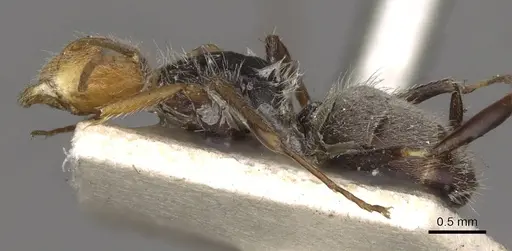
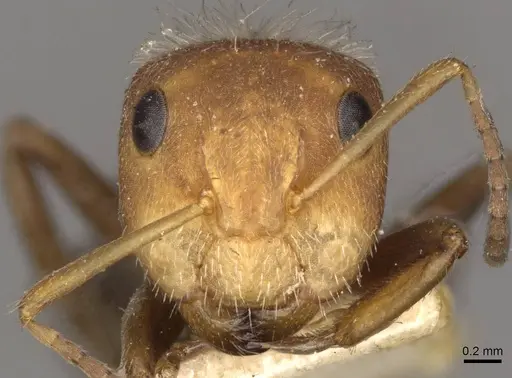
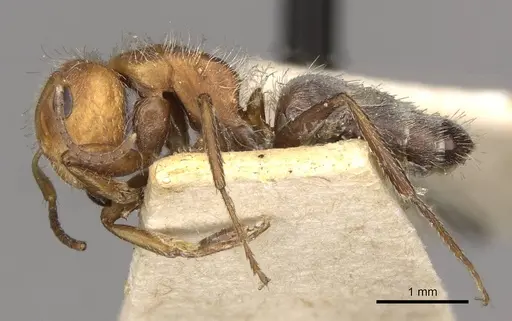
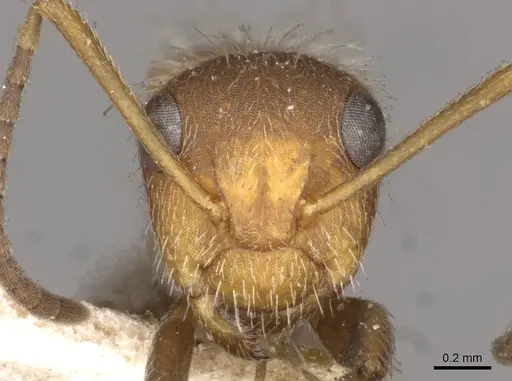
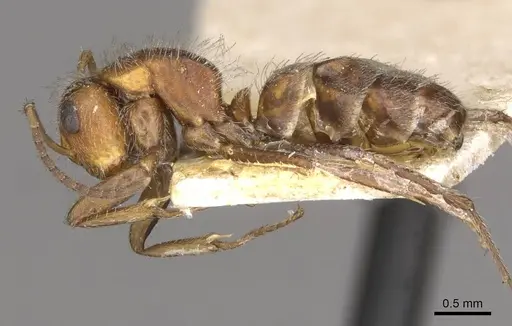
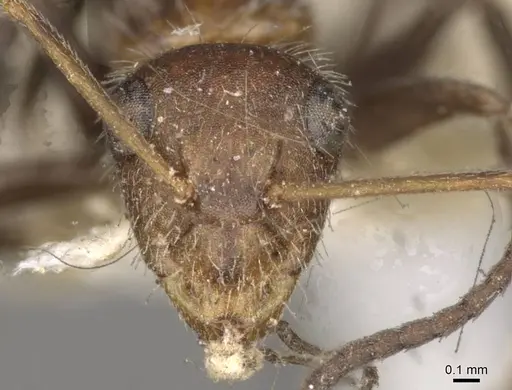
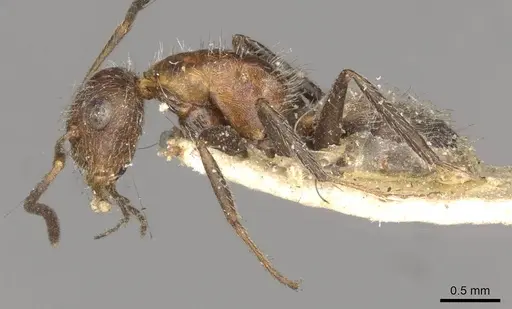
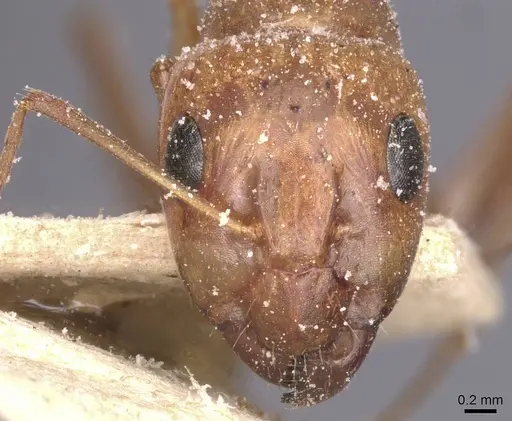
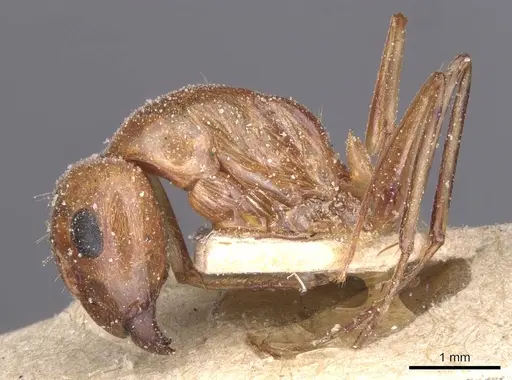
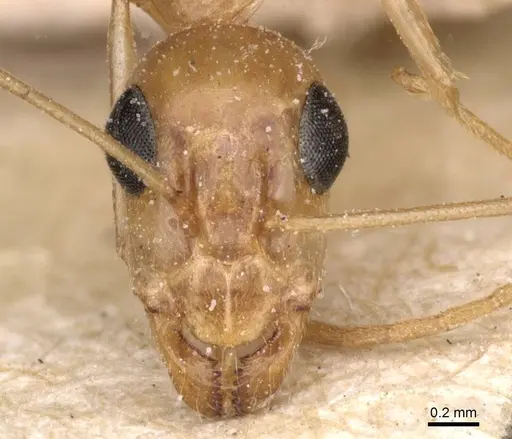
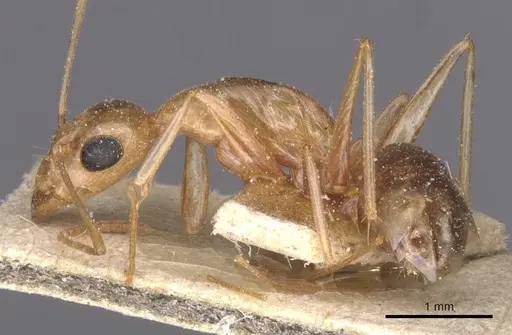
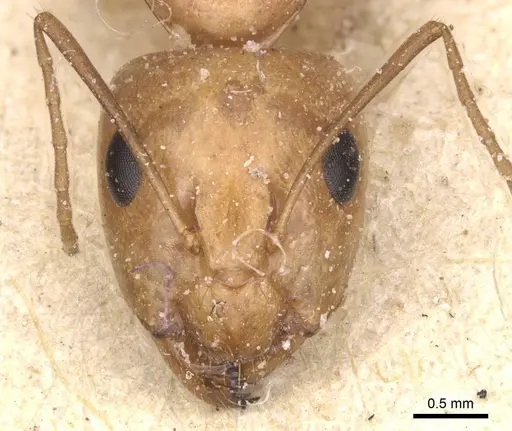
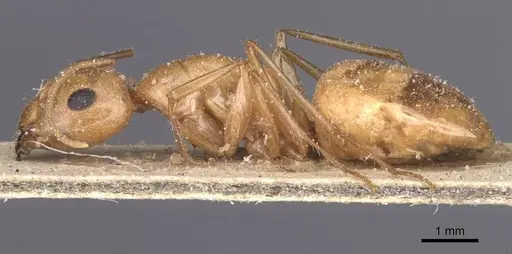
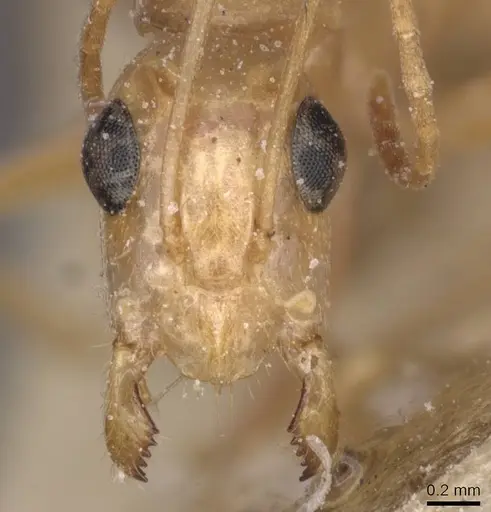
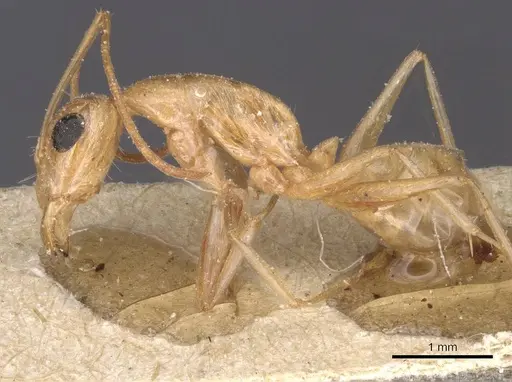
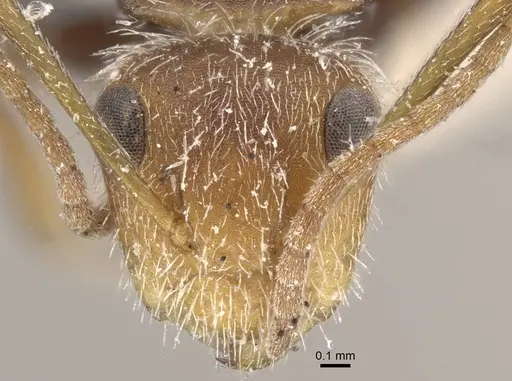
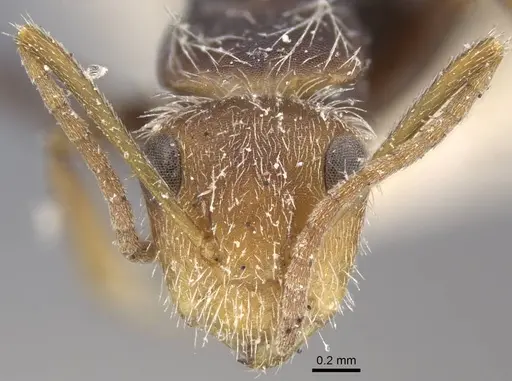
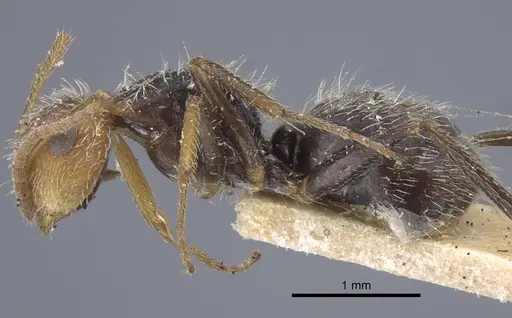
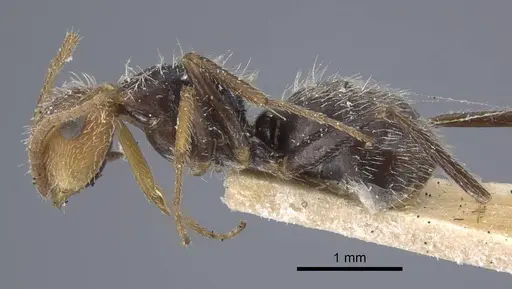
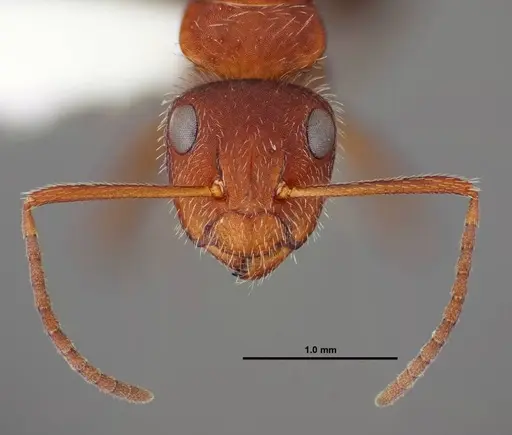
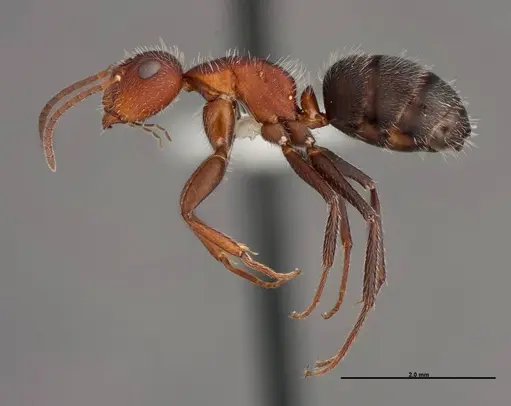
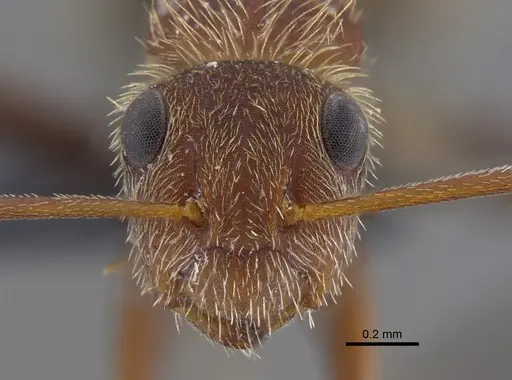
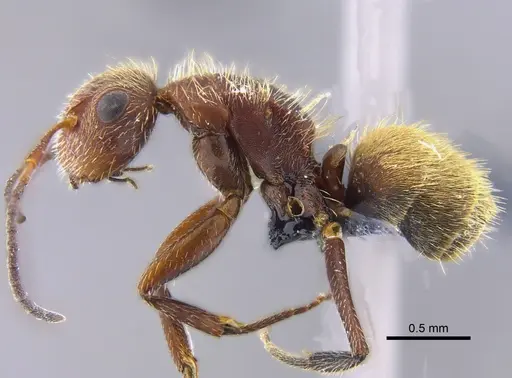
Camponotus planatus is a small tropical carpenter ant native to Central America, Mexico, Cuba, and northern South America. Workers measure 3-6mm with majors at the larger end, notably smaller than most other Camponotus species. They have a distinctive bicolored appearance: reddish-brown head and mesosoma with a black gaster (abdomen), though occasionally they appear entirely black. This species is arboreal by nature, nesting in hollow twigs, dead branches, abandoned termite galleries, tree hollows, and even in the leaf axils of palms. Colonies are polygynous, meaning they contain multiple queens working together, and they form relatively small colonies compared to other carpenter ants. They are generalist feeders, foraging for insects, scavenging, and tending honeydew-producing insects, plus they frequently visit extrafloral nectaries on plants. The Florida population is considered an introduced species, likely arriving through human commerce, and has become established in the Keys and southern mainland areas.
Quick Summary
- Difficulty: Easy
- Origin & Habitat: Tropical Central America, Mexico, Cuba, and northern South America. In the US, found in southern Florida and the Florida Keys (introduced), with isolated populations in Texas. Inhabits tropical hardwood hammocks, mangroves, and coastal areas. Nests in hollow branches, epiphytic plants, abandoned termite galleries, and tree voids [1][2].
- Colony Type: Polygynous, colonies contain multiple queens that work together [3]. Relatively small colony size compared to other carpenter ants, typically only dozens to a few hundred workers [2].
- Colony: Polygyne
- Founding: Claustral
- Size & Growth:
- Queen: 6.5-8.5mm [1]
- Worker: Major workers 5-6mm, minor workers 3.5-4mm [1][2]
- Colony: Small colonies, typically under a few hundred workers [2]
- Growth: Moderate, inferred from typical Camponotus development patterns
- Development: 6-8 weeks (estimated based on typical Camponotus development at warm temperatures) (As a tropical species, development is likely faster at higher temperatures within their preferred range. First workers (nanitics) are smaller than normal workers.)
- Antkeeping:
- Temperature: Keep at 24-28°C. As a tropical species, they prefer warm conditions. Room temperature (around 24°C) is typically suitable, but a slight heat gradient can encourage activity. Avoid temperatures below 20°C for extended periods.
- Humidity: Moderate to high humidity (60-80%). Provide a water tube as a moisture source. Being arboreal, they don't need saturated substrate like some ground-nesting species, but the nest should not dry out completely.
- Diapause: No, this is a tropical species that does not require hibernation or winter dormancy. Keep warm year-round.
- Nesting: Arboreal nesters need tight, enclosed spaces. Y-tong (AAC) nests work well with narrow chambers. Test tubes with cotton plugs are suitable for founding colonies. Provide dead twigs or hollow branches if using a naturalistic setup. They do well in acrylic nests with moderate humidity.
- Behavior: Generally peaceful and not aggressive toward keepers. Workers are fast-moving foragers that actively patrol and search for food. They are arboreal by nature, so they spend more time climbing than ground-nesting ants. They are excellent climbers and may escape if given the chance, use fluon on test tube rims and ensure formicarium connections are secure. They are generalist feeders and will accept most ant foods. They tend honeydew-producing insects and visit extrafloral nectaries, so sugar sources are readily accepted.
- Common Issues: escape prevention is critical, they are small and excellent climbers that can squeeze through tiny gaps, colonies are small and slow-growing, which may frustrate keepers expecting rapid expansion, arboreal nature means they need vertical space and climbing structures, not just horizontal floor space, wild-caught colonies may contain parasites that can decimate the colony in captivity, overfeeding can lead to mold problems in their nests, remove uneaten food promptly
Nuptial Flight Activity Analysis 100 observations
Flight Activity by Hour 100 observations
Camponotus planatus nuptial flight activity peaks around 07:00 during the morning. Activity is spread across a 17-hour window (05:00–21:00). A secondary activity peak occurs around 10:00. Times may be influenced by human observation patterns.
Housing and Nest Setup
Camponotus planatus is an arboreal species, so your setup should reflect their natural nesting preferences. For founding colonies, a simple test tube setup works well, fill it about 1/3 with water, plug with cotton, and place the queen inside. The queen will seal herself in and raise her first brood in isolation. Once you have 10-15 workers, you can move them to a proper formicarium. Y-tong (AAC) nests are excellent for this species because they provide the tight, enclosed chambers these ants prefer. Acrylic nests also work well. Avoid setups with large open spaces, these ants feel safer in compact, snug chambers. You can add small twigs or cork bark pieces in the outworld to give them climbing opportunities, since they naturally spend time in vegetation. [2][1]
Feeding and Diet
These ants are generalist feeders with a strong sweet tooth. They readily accept sugar water, honey, or diluted maple syrup, keep a constant sugar source available. For protein, offer small insects like fruit flies, small crickets, mealworms, or waxworms. They are active foragers, so place food in the outworld where they can find it easily. In the wild, they also tend honeydew-producing insects (aphids, scale insects) and visit extrafloral nectaries for nectar, so sugar sources are particularly important. Feed protein 2-3 times per week, and remove any uneaten prey after 24 hours to prevent mold. Their small colony size means they don't need large quantities of food, a few small insects per feeding is sufficient. [2][1]
Temperature and Seasonal Care
As a tropical species, Camponotus planatus needs warm conditions year-round. Keep the nest area at 24-28°C. Room temperature is often sufficient, but if your home runs cool, a small heating cable or heat mat on one side of the nest can help. Use a digital thermometer to monitor conditions. Do not let temperatures drop below 20°C for extended periods, this species has no cold tolerance and no diapause requirement. Unlike temperate ants, they do not need a winter cooling period. Consistent warmth will keep the colony active and growing. If you live in a warm climate, they can be kept at room temperature without additional heating.
Colony Structure and Growth
This species forms polygynous colonies with multiple queens working together [3]. This is unusual among Camponotus and means colonies can establish faster than single-queen species. However, colonies remain relatively small, typically only a few hundred workers even in mature colonies [2]. This is normal for the species, not a sign of poor care. Growth is moderate: expect 6-8 weeks from egg to first worker at optimal temperature. The first workers (nanitics) will be smaller than normal workers. Because colonies stay small, you don't need a massive formicarium, a medium-sized nest will house them for years. Multiple queens may lay eggs, which can accelerate early colony growth.
Behavior and Temperament
Camponotus planatus workers are fast-moving and active foragers. They are not particularly aggressive and rarely bite or sting, they are more likely to flee than fight when disturbed. However, they are excellent climbers and will quickly explore any vertical surfaces looking for food or escape routes. This makes escape prevention essential, apply fluon to all test tube rims and ensure any connections between the nest and outworld are secure. They are arboreal by nature, so they prefer to travel along branches, twigs, or other elevated paths rather than staying on the ground. In the outworld, provide some climbing structures. They are diurnal foragers, most active during daylight hours. When they find a good food source, they will often recruit nestmates through chemical trails. [2]
Escape Prevention
Because these ants are small (3-6mm) and excellent climbers, escape prevention requires extra attention. Apply fluon (a slippery barrier solution) to the rims of test tubes and formicarium openings. Check all connections between nest modules and outworlds, even tiny gaps can be exploited. These ants can squeeze through gaps that would stop larger ants. When feeding in the outworld, cover the feeding area with a glass or plastic lid with small holes for access, or use a feeding dish with steep sides. Inspect your setup daily during the first few weeks to catch any escape attempts early. A well-sealed setup is crucial, once they escape, they are very difficult to recapture. [2]
Frequently Asked Questions
How long does it take for Camponotus planatus to produce first workers?
Expect 6-8 weeks from egg to first worker at optimal temperature (24-28°C). This is typical for Camponotus species. The first workers, called nanitics, will be smaller than normal workers and the colony will grow gradually from there.
Can I keep multiple Camponotus planatus queens together?
Yes, this species is naturally polygynous, meaning colonies contain multiple queens that work together. Unlike many ant species where multiple queens will fight, C. planatus queens coexist peacefully. You can introduce multiple foundress queens to increase the chance of successful founding.
What do Camponotus planatus ants eat?
They are generalist feeders. Provide a constant sugar source (sugar water, honey, or maple syrup) and protein 2-3 times weekly (small insects like fruit flies, mealworms, or crickets). They readily accept both sweet and protein foods. Remove uneaten food after 24 hours to prevent mold.
Do Camponotus planatus ants need hibernation?
No, this is a tropical species with no diapause requirement. Keep them warm year-round at 24-28°C. They do not tolerate cold temperatures and should never be exposed to temperatures below 20°C for extended periods.
What size colony do Camponotus planatus colonies reach?
Colonies remain relatively small compared to other carpenter ants, typically only a few hundred workers even in mature colonies. This is normal for the species. They are considered a small Camponotus species.
Are Camponotus planatus good for beginners?
Yes, they are relatively easy to care for. They don't require hibernation, accept a wide variety of foods, and are peaceful. The main challenges are escape prevention (due to their small size) and managing expectations around colony size (they stay small).
What nest type is best for Camponotus planatus?
Y-tong (AAC) or acrylic nests work well. They prefer tight, enclosed chambers rather than open spaces. A test tube setup is perfect for founding colonies. Avoid naturalistic setups with large open areas, these ants feel safer in compact spaces.
Why are my Camponotus planatus escaping?
This species is an excellent climber and very small. Apply fluon to all rims and openings, check all connections for tiny gaps, and ensure your formicarium has no cracks. Even the smallest opening can be exploited by these determined escape artists.
References

This caresheet is licensed under CC BY-SA 4.0 .
CASENT0103696
View on AntWeb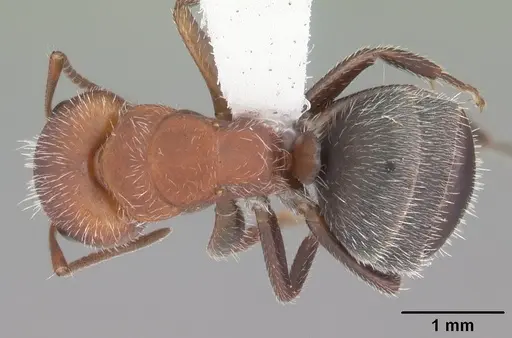
CASENT0103699
View on AntWeb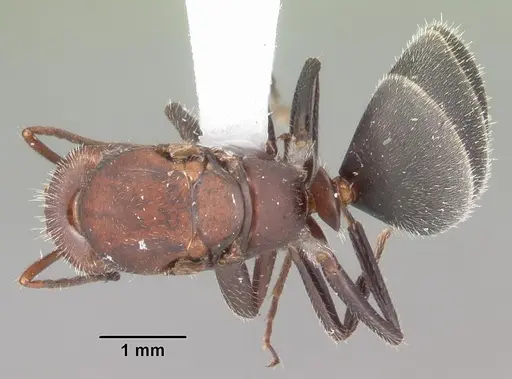
CASENT0103700
View on AntWeb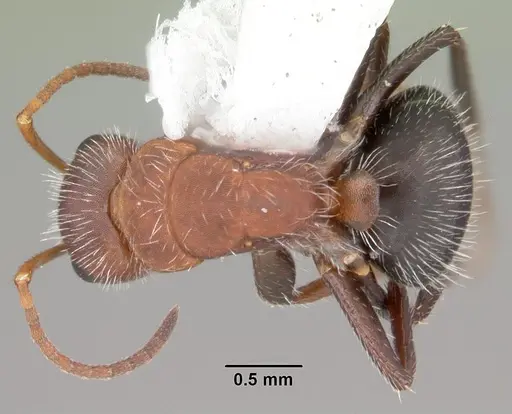
CASENT0105587
View on AntWeb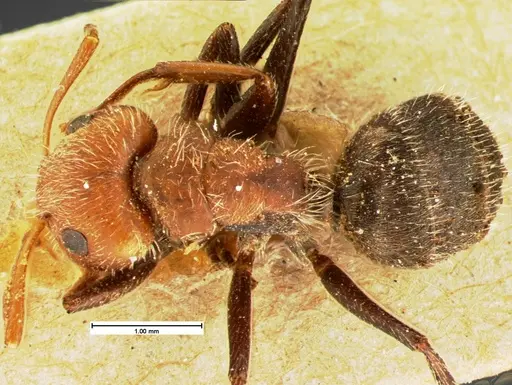
CASENT0246647
View on AntWeb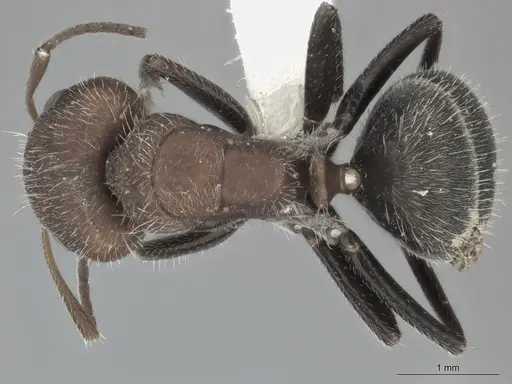
CASENT0246648
View on AntWeb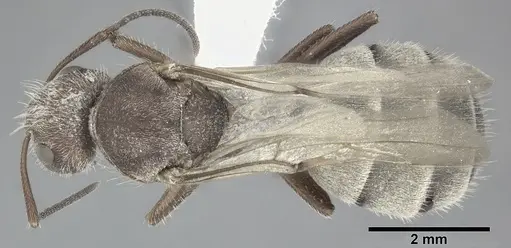
CASENT0280090
View on AntWeb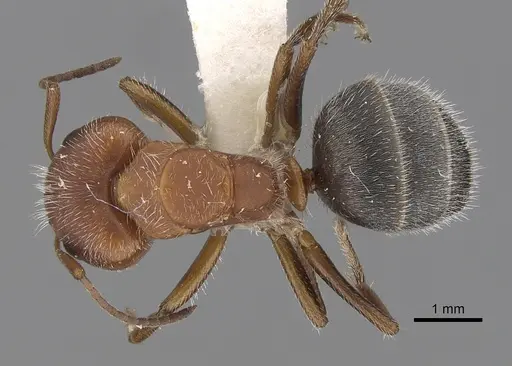
CASENT0280091
View on AntWeb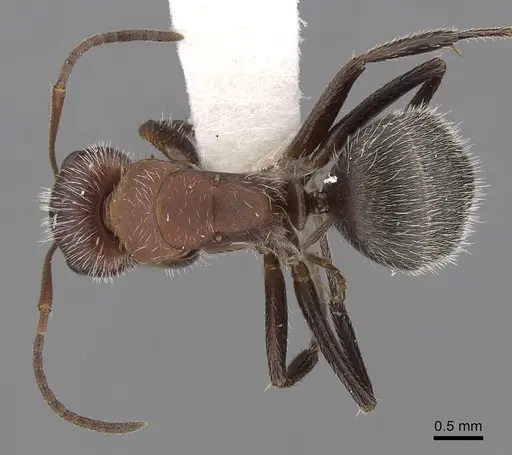
CASENT0280094
View on AntWeb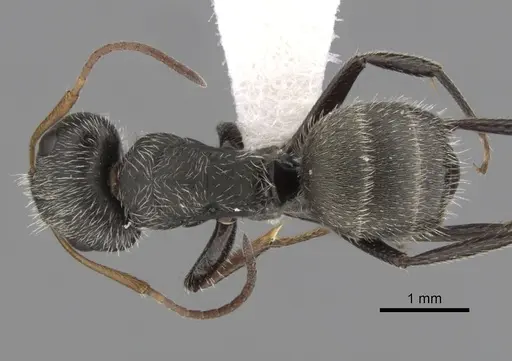
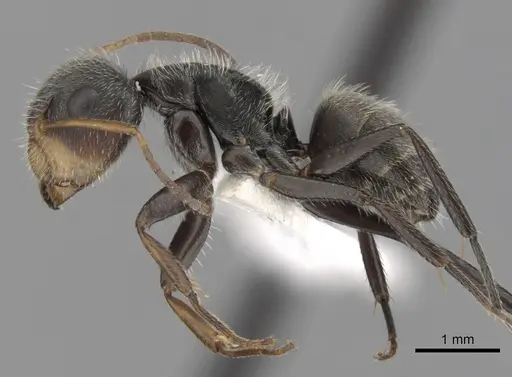
CASENT0903643
View on AntWeb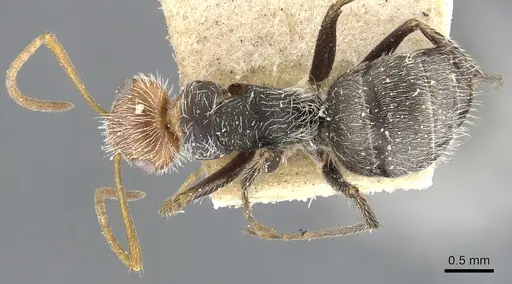
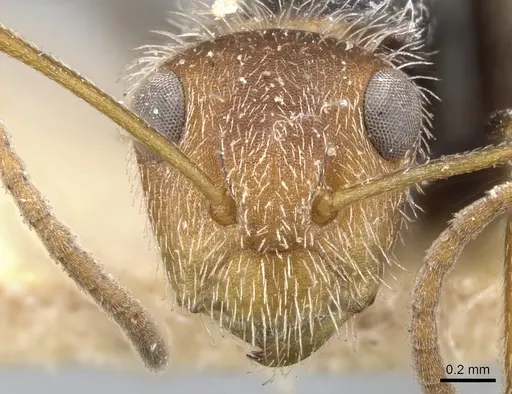
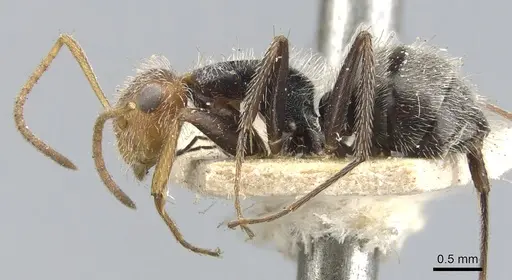
CASENT0905515
View on AntWeb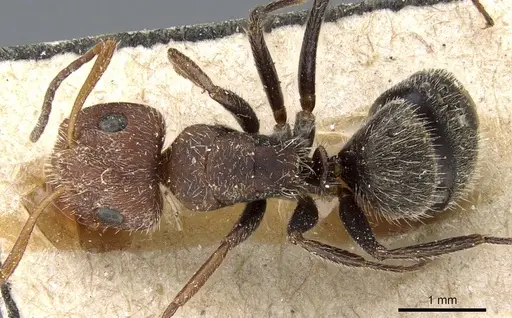
CASENT0905516
View on AntWeb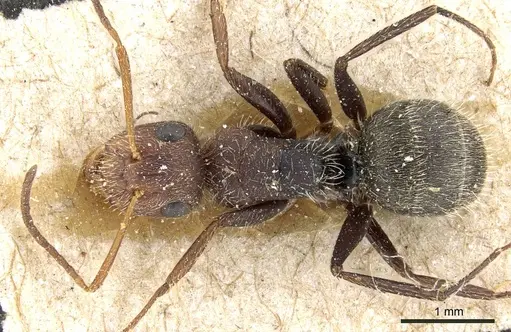
CASENT0910710
View on AntWeb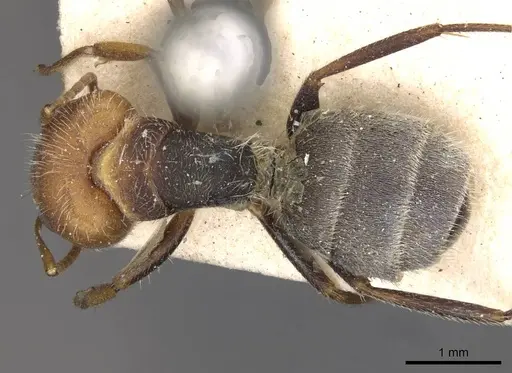
CASENT0910711
View on AntWeb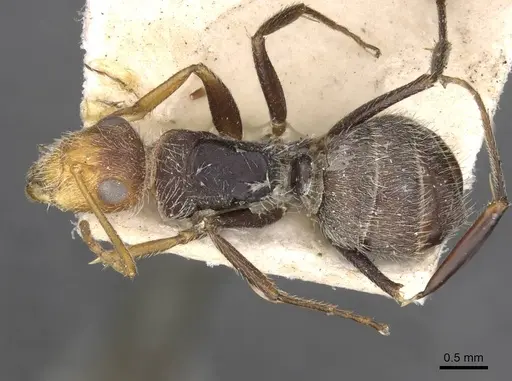
CASENT0910712
View on AntWeb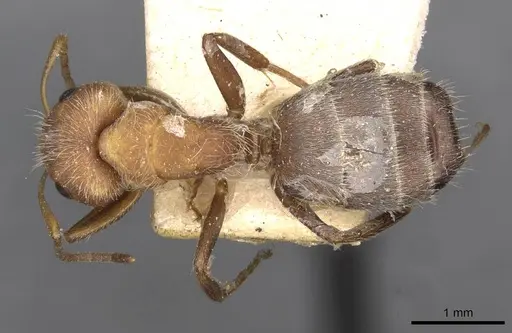
CASENT0910713
View on AntWeb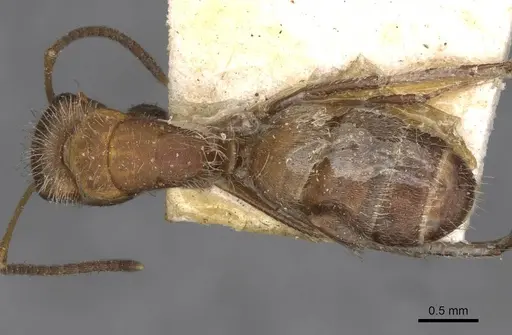
CASENT0910714
View on AntWeb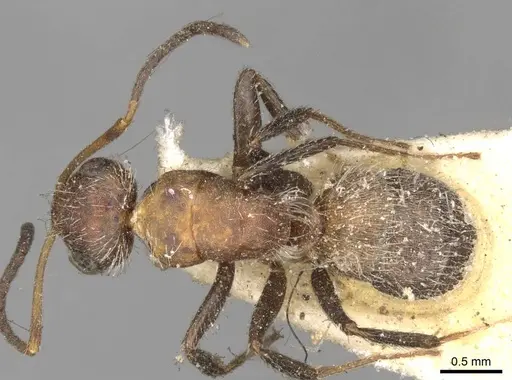
CASENT0911904
View on AntWeb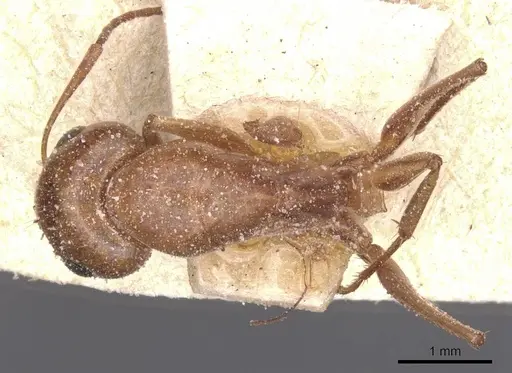
CASENT0911905
View on AntWeb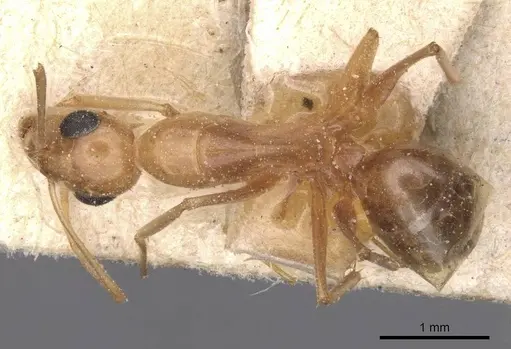
CASENT0911908
View on AntWeb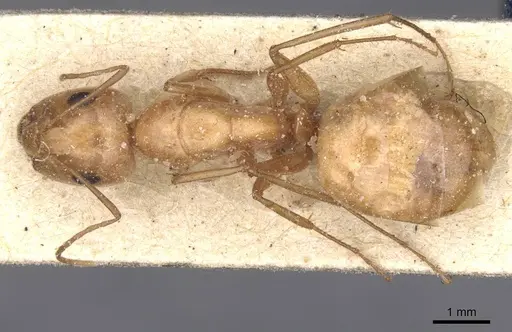
CASENT0911909
View on AntWeb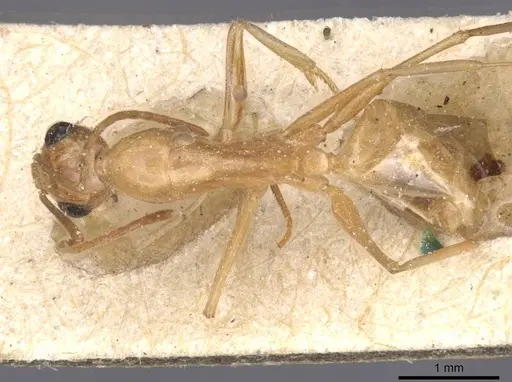
CASENT0917172
View on AntWeb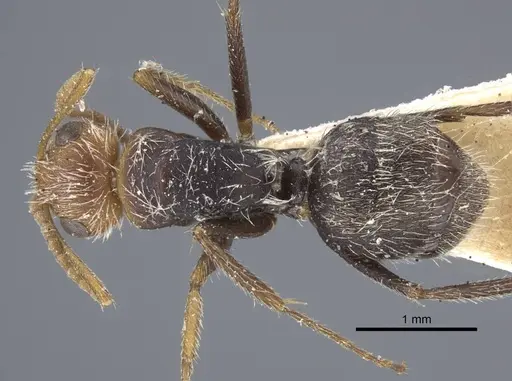
FMNHINS0000062858
View on AntWeb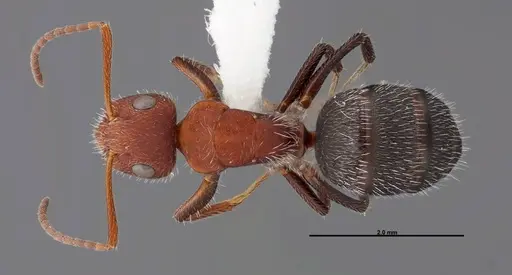
IAVH-E-234749
View on AntWeb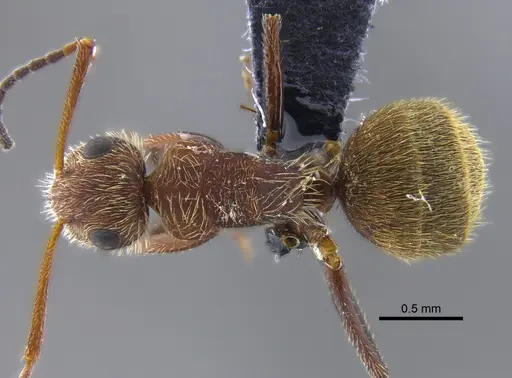
Literature
Loading...Loading products...