

Camponotus pittieri
- Scientific Name
- Camponotus pittieri
- Subgenus
- Myrmobrachys
- Tribe
- Camponotini
- Subfamily
- Formicinae
- Author
- Forel, 1899
- Distribution
- Found in 11 countries
Camponotus pittieri Overview
Camponotus pittieri is an ant species of the genus Camponotus. It is primarily documented in 11 countries , including Antigua and Barbuda, Anguilla, Brazil. Detailed taxonomic data and occurrence records can be further explored via authoritative databases such as AntWeb or the Global Biodiversity Information Facility (GBIF).
Camponotus pittieri
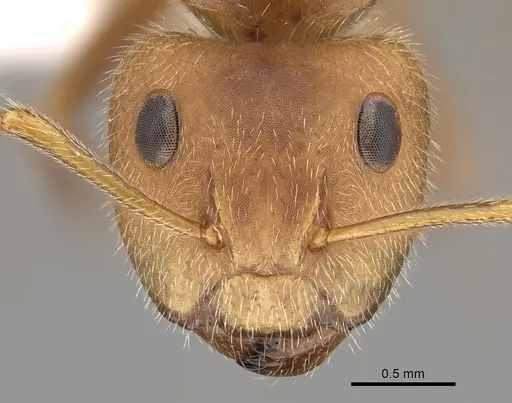
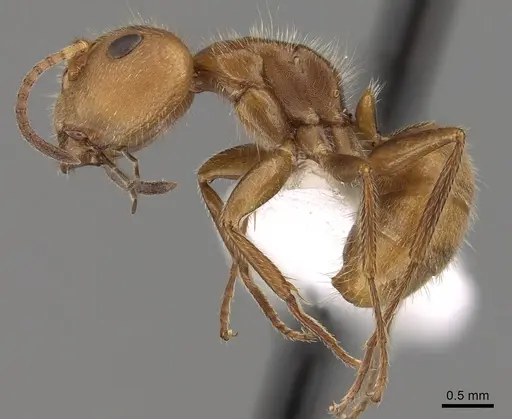
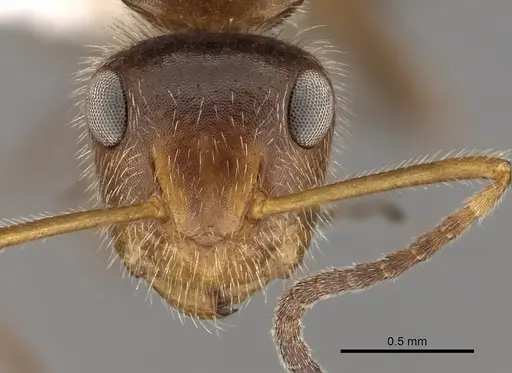
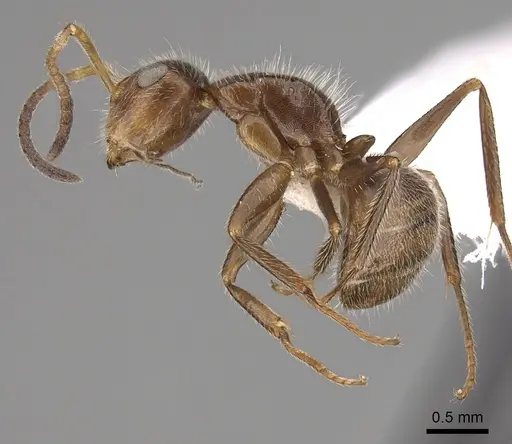
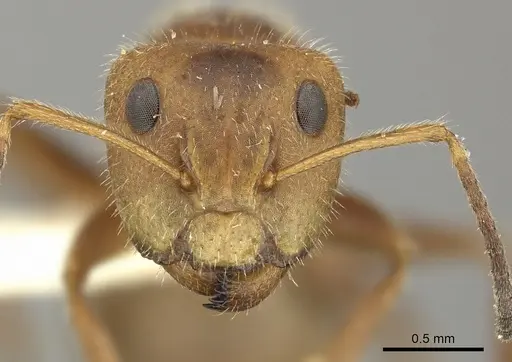
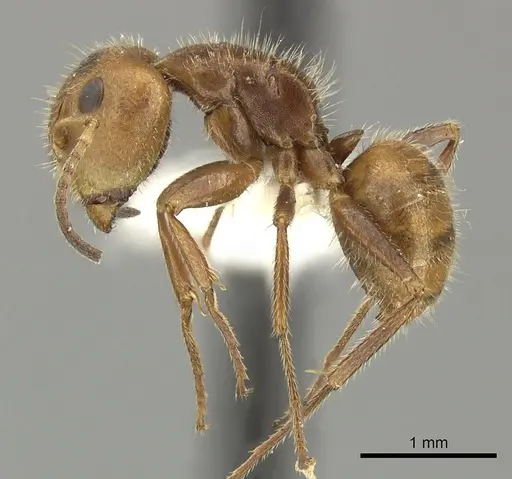
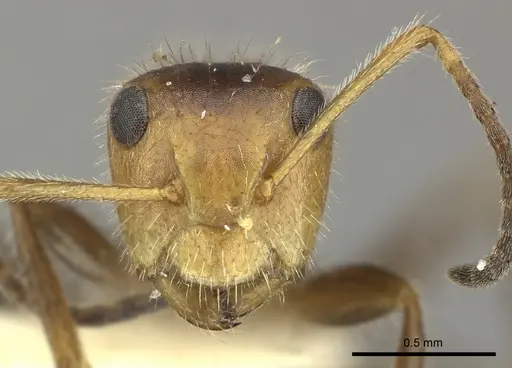
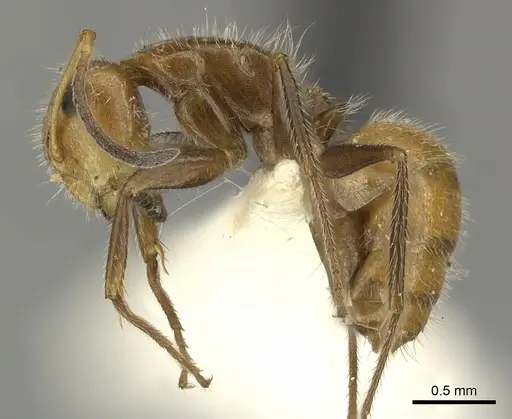
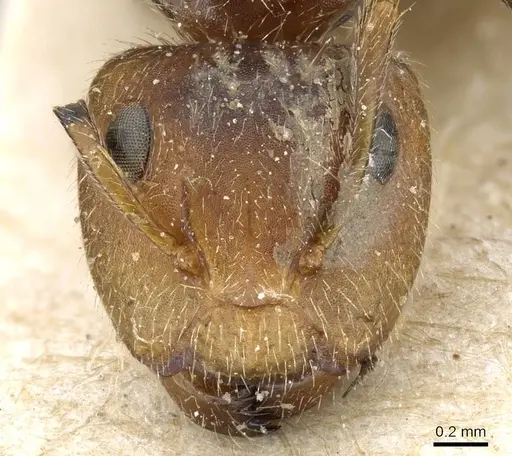
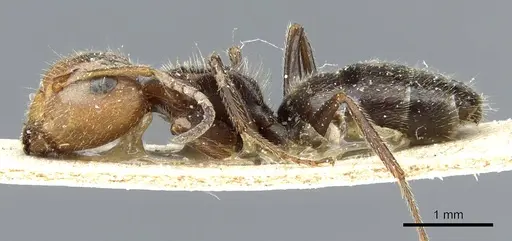
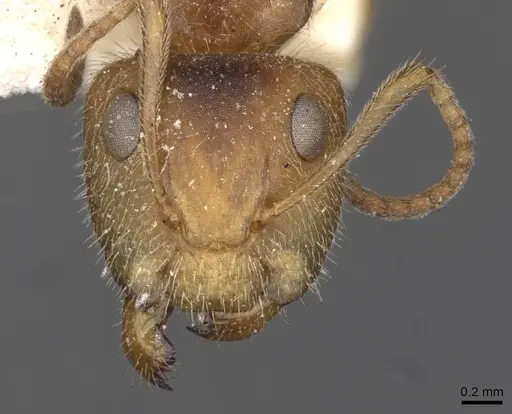
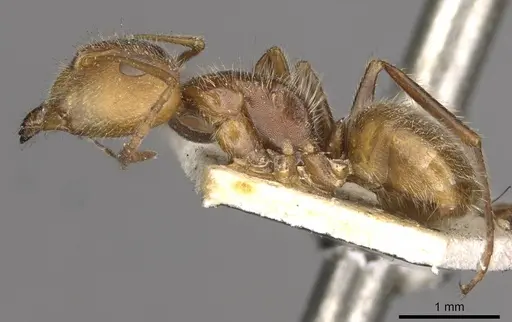
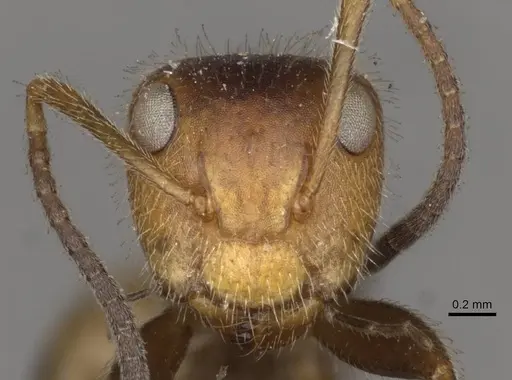
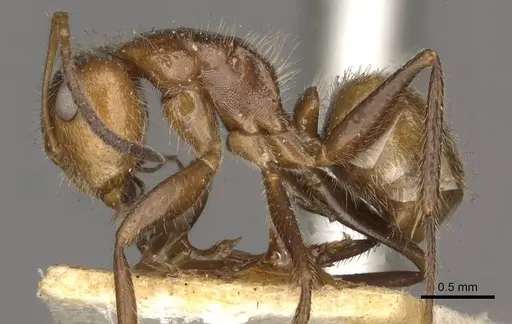
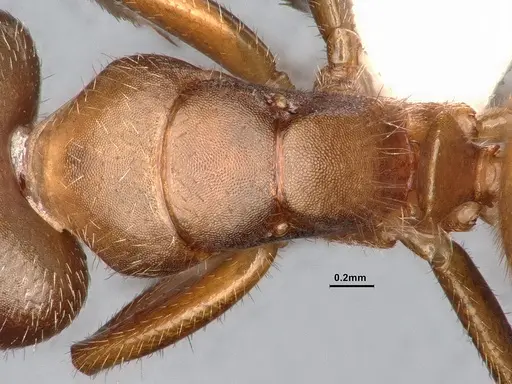
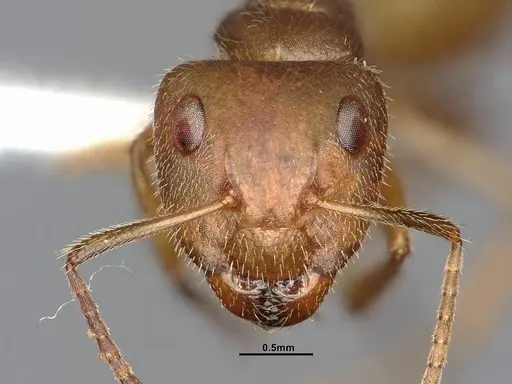
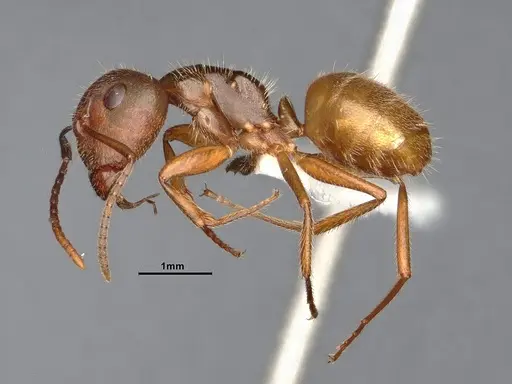
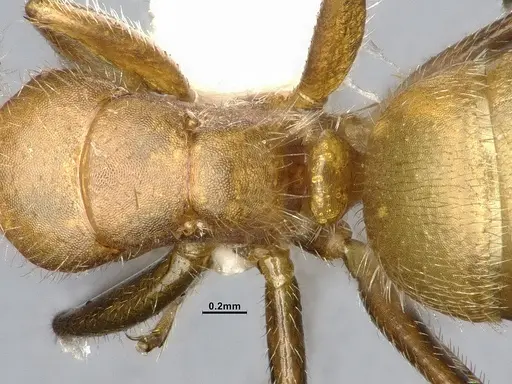
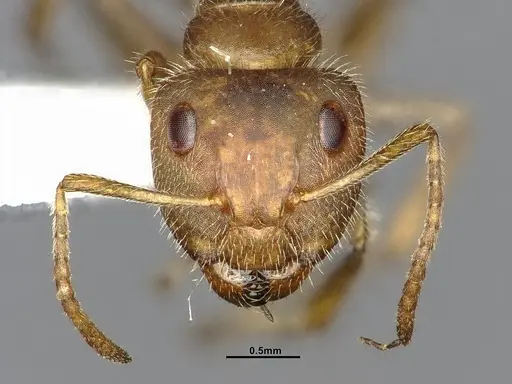
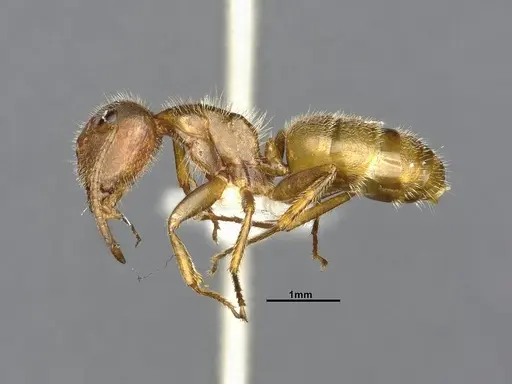
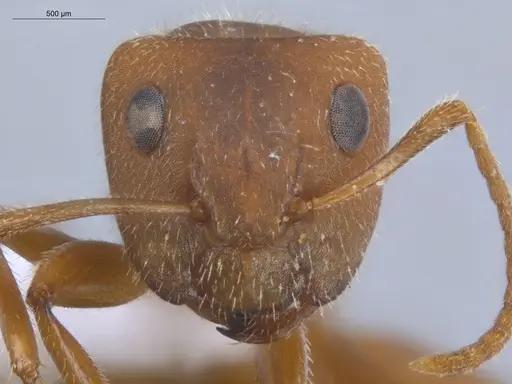
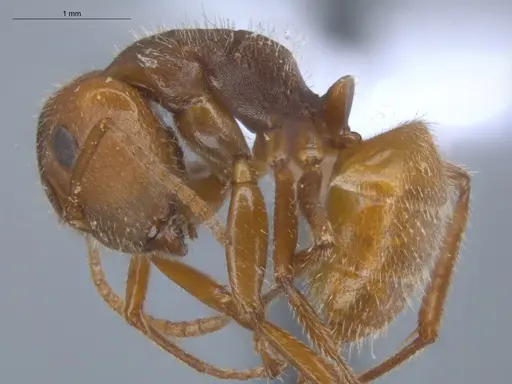
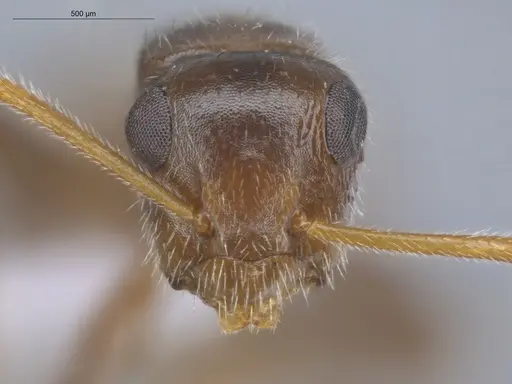
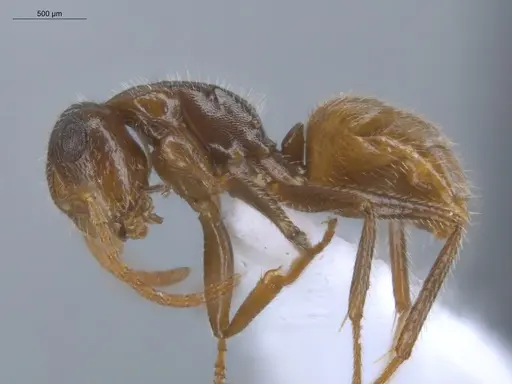
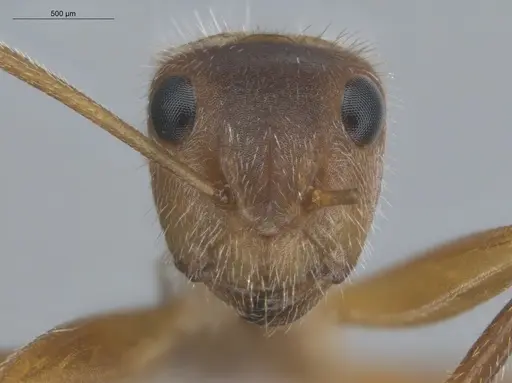
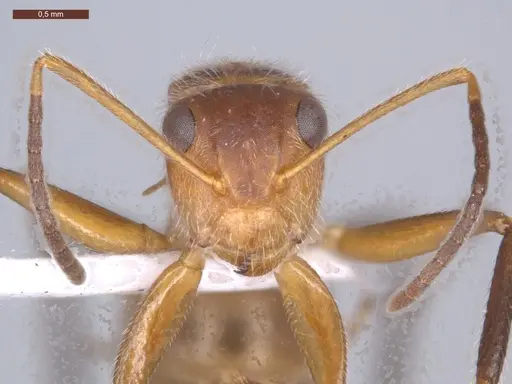
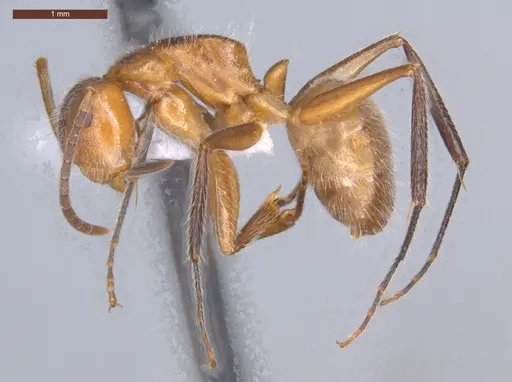
Camponotus pittieri is a small Neotropical ant species belonging to the subgenus Myrmobrachys. Workers measure 3.6-4.4mm with weak dimorphism between major and minor workers [1]. The species has a pale brown to dark brown coloration with abundant erect hairs covering the entire head surface of major workers [2]. The scapes possess fine numerous suberect hairs, and the gaster shows silver appressed pubescence that is not dense but visible [2]. This ant is closely related to other small Camponotus species like C. brevis and C. lindigi but can be distinguished by its opaque and punctate mesosoma, unlike the shiny and striated mesosoma of those species [2]. The species ranges from Costa Rica south through Colombia, Peru, and Brazil into French Guiana and the Caribbean islands [3][2].
Quick Summary
- Difficulty: Medium
- Origin & Habitat: Neotropical region from Costa Rica to Brazil, including Colombia, Peru, French Guiana, Guadeloupe, and Caribbean islands. Nests under bark on living trees in tropical forests, ranging from pristine forest to very disturbed areas [2][4].
- Colony Type: Likely monogyne (single queen colony) based on typical Camponotus patterns. Colony size appears moderate for the genus.
- Colony: Monogyne
- Founding: Claustral
- Size & Growth:
- Queen: Not directly measured, estimated 8-10mm based on genus patterns for Myrmobrachys subgenus
- Worker: 3.6-4.4mm [1]
- Colony: Unknown for this species, likely several hundred workers based on similar small Camponotus species
- Growth: Moderate, typical for small Camponotus species
- Development: Estimated 6-8 weeks at optimal temperature based on genus patterns for small Camponotus species (Development time inferred from related Camponotus species, actual timeline may vary)
- Antkeeping:
- Temperature: Keep at 24-28°C, this is a tropical species requiring warm conditions
- Humidity: Moderate to high humidity (60-80%), arboreal species from tropical forests. Provide moisture through substrate but ensure ventilation to prevent mold
- Diapause: Unlikely, tropical species does not require hibernation. May show reduced activity during cooler periods
- Nesting: Arboreal nester, in captivity they do well with Y-tong nests or acrylic setups with climbing structures. Provide bark or cork-style surfaces for natural feel. Test tubes can work but add vertical climbing elements
- Behavior: Arboreal and relatively active. Workers forage in trees and on vegetation. Not particularly aggressive but will defend nesting sites. Minor workers are more numerous and do most foraging while major workers defend and process larger food items. Escape risk is moderate, use standard barriers. Their small size means some escape prevention is advisable.
- Common Issues: tropical species may struggle in cool rooms, maintain warm temperatures year-round, arboreal nature means they need climbing structures, plain test tubes without enrichment may cause stress, wild-caught colonies may have tropical parasites not adapted to captive conditions, small colony size at founding means patience is required, they grow slower than larger Camponotus, humidity control is important, too dry causes brood loss, too wet causes mold
Housing and Nest Preferences
Camponotus pittieri is an arboreal species that naturally nests under bark on living trees in tropical forests [2]. In captivity, they do best in setups that mimic this arboreal lifestyle. Y-tong (acrylic) nests work well, or you can use test tubes with added climbing structures like twigs, cork bark, or artificial plants. The key is providing vertical space and surfaces they can walk on rather than just horizontal tunnels. Some keepers successfullly keep them in naturalistic setups with cork bark pieces as the primary nesting material. Ensure the nest area is dark and secure, these ants prefer enclosed spaces that simulate the underside of bark. The outworld should include climbing elements since they naturally forage on vegetation.
Feeding and Diet
Like most Camponotus species, C. pittieri is omnivorous. They accept sugar sources readily, offer sugar water, honey, or diluted maple syrup. For protein, provide small insects like fruit flies, small crickets, mealworms, or other appropriately-sized prey. In their natural tropical forest habitat, they likely forage for honeydew from aphids and scale insects, plus small arthropods. Feed protein 2-3 times per week and keep sugar water constantly available. Remove uneaten prey after 24-48 hours to prevent mold. These are small ants, so portion sizes should be tiny, a few fruit flies or a small piece of mealworm is sufficient.
Temperature and Seasonal Care
As a Neotropical species from Costa Rica to Brazil, C. pittieri requires warm temperatures year-round. Keep the nest area at 24-28°C for optimal brood development. Room temperature may be sufficient if your home stays in this range, otherwise use a heating cable or mat on one side of the nest to create a gentle warmth gradient. Avoid temperatures below 22°C for extended periods, this species is not cold-tolerant and may experience brood death or colony decline. Unlike temperate species, they do not require hibernation or diapause. Simply maintain consistent warm conditions and they will continue developing year-round. [2]
Colony Founding and Development
The founding process follows typical Camponotus patterns, the queen seals herself in a small chamber and survives on stored fat reserves until her first workers (nanitics) emerge. This claustral founding means you should leave the founding queen completely undisturbed for 4-6 weeks. After workers emerge, the colony will slowly grow. These are small ants with moderate growth rates, expect 6-8 weeks from egg to first worker at optimal temperature. Colonies likely reach several hundred workers over time, though exact maximum size is not documented. Be patient during the founding phase, small Camponotus species grow more slowly than larger carpenter ants. [1]
Behavior and Temperament
C. pittieri workers are relatively active and arboreal, they spend more time climbing than ground-dwelling species. Major workers (larger individuals) defend the nest and help process larger food items, while minor workers handle most foraging. They are not particularly aggressive toward keepers but will bite if their nest is threatened. The species shows weak dimorphism, majors are only slightly larger than minors [1]. Workers have abundant erect hairs, giving them a somewhat fuzzy appearance. They are quick-moving and can be skittish when the nest is exposed. Standard escape prevention works well, their small size means checking for gaps in barriers is advisable.
Frequently Asked Questions
How long does it take for Camponotus pittieri to produce first workers?
Expect 6-8 weeks from egg to first worker at optimal temperature (24-28°C). This is typical for small Camponotus species. The exact timeline depends on temperature and feeding.
What temperature do Camponotus pittieri ants need?
Keep them at 24-28°C. This is a tropical species that requires warm conditions year-round. Avoid temperatures below 22°C.
Can I keep Camponotus pittieri in a test tube?
Yes, but add climbing structures like twigs, cork bark, or artificial plants since they are arboreal. A plain test tube without enrichment may cause stress. Y-tong nests with vertical elements also work well.
Do Camponotus pittieri ants need hibernation?
No. As a tropical species from Costa Rica and Brazil, they do not require hibernation or winter rest. Maintain warm temperatures year-round.
What do Campon pittieri ants eat?
They are omnivorous. Offer sugar water, honey, or maple syrup constantly. Feed protein (small insects like fruit flies, mealworms) 2-3 times per week.
How big do Camponotus pittieri colonies get?
Colony size is not well documented, but based on similar small Camponotus species, they likely reach several hundred workers.
Are Camponotus pittieri good for beginners?
They are intermediate in difficulty. The main challenges are maintaining warm temperatures and providing appropriate arboreal-style housing with climbing elements.
Why is my Camponotus pittieri colony not growing?
Check temperature (needs 24-28°C), humidity (60-80%), and food quality. Small Camponotus species grow slowly, be patient. Also ensure the queen is still laying eggs and the colony is not stressed by disturbances.
References

This caresheet is licensed under CC BY-SA 4.0 .
CASENT0217684
View on AntWeb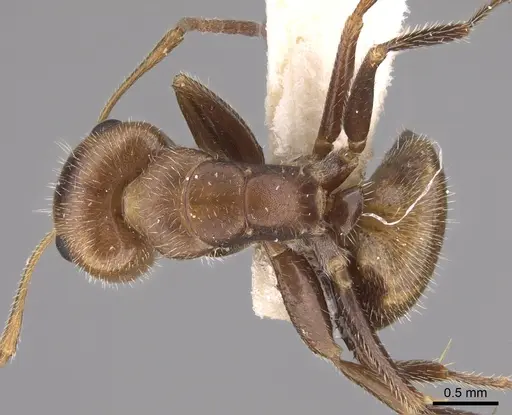
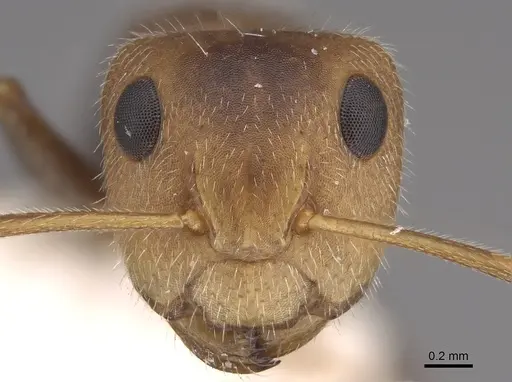
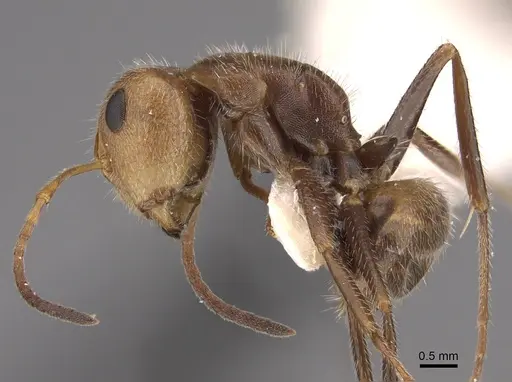
CASENT0280133
View on AntWeb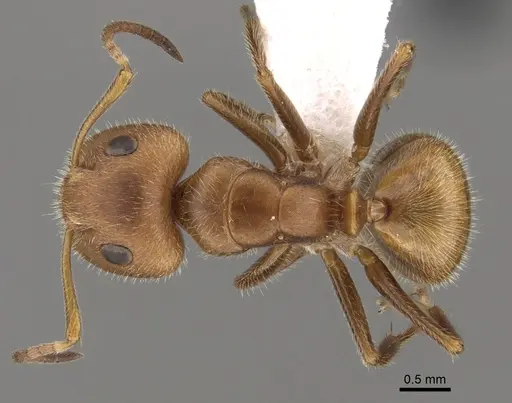
CASENT0280134
View on AntWeb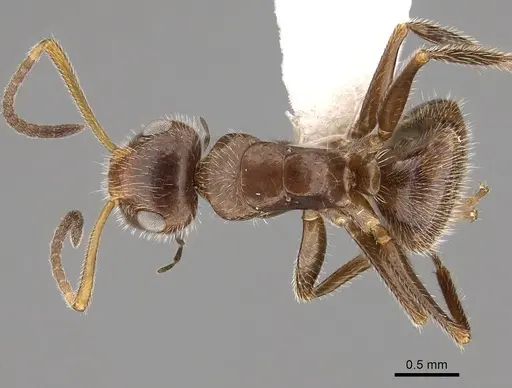
CASENT0619236
View on AntWeb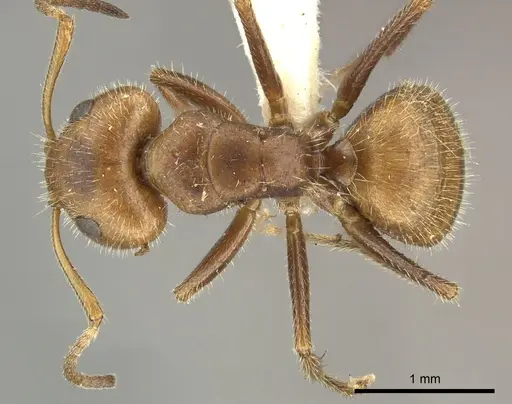
CASENT0619237
View on AntWeb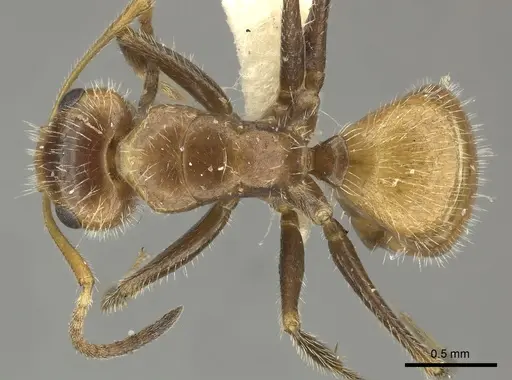
CASENT0905517
View on AntWeb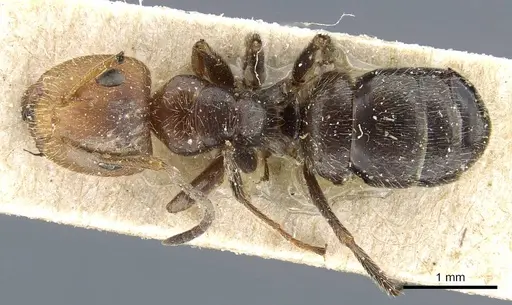
CASENT0910708
View on AntWeb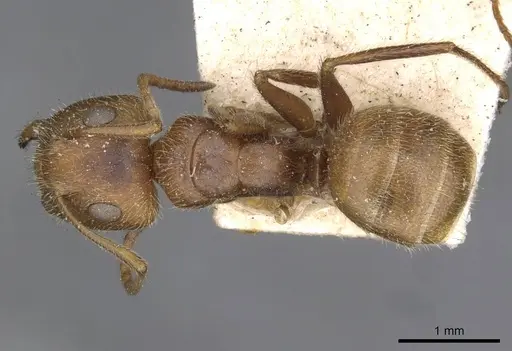
CASENT0910709
View on AntWeb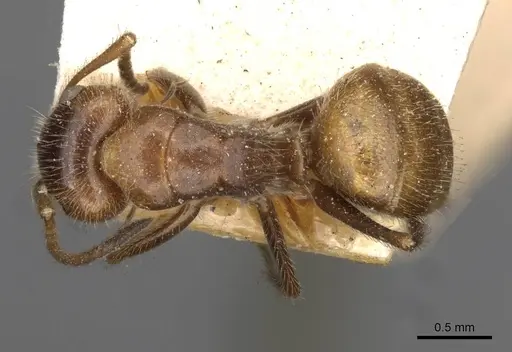
CASENT4031391
View on AntWeb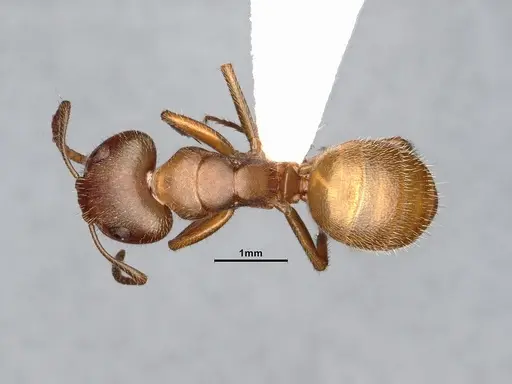
CASENT4032241
View on AntWeb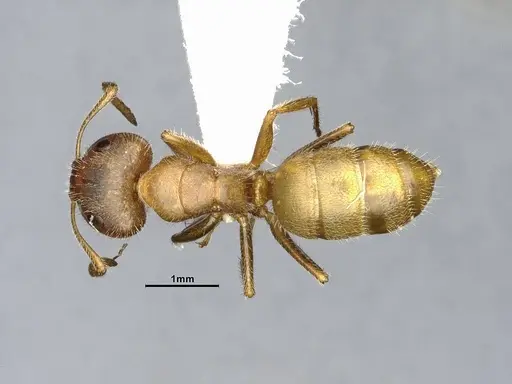
ECOFOG-BOUM-0551-03
View on AntWeb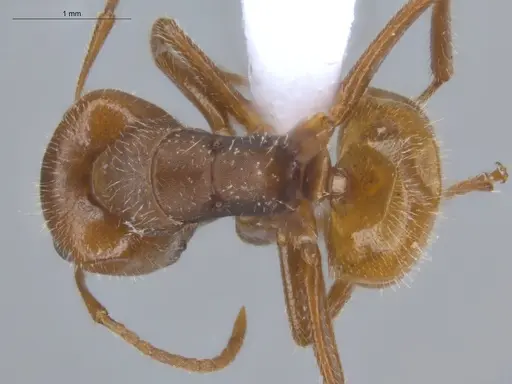
ECOFOG-BOUM-0555-01
View on AntWeb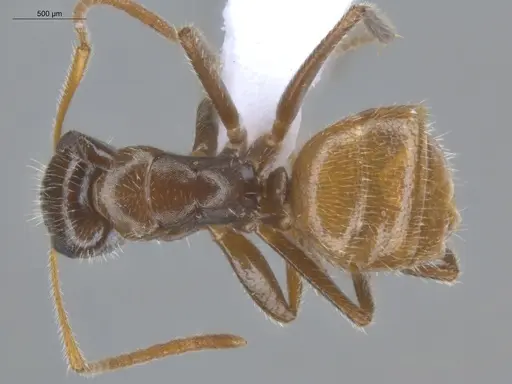
ECOFOG-BUG-1383-05
View on AntWeb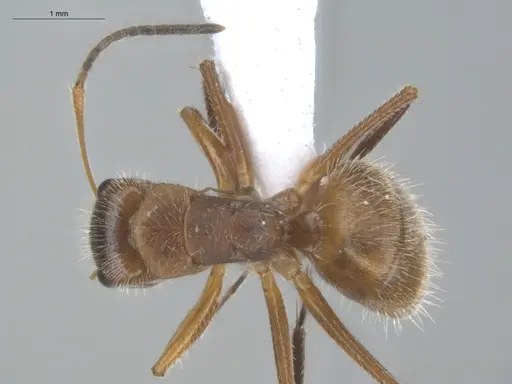
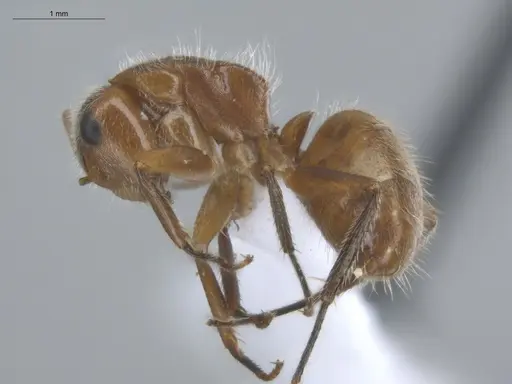
ECOFOG-BUG-1775-01
View on AntWeb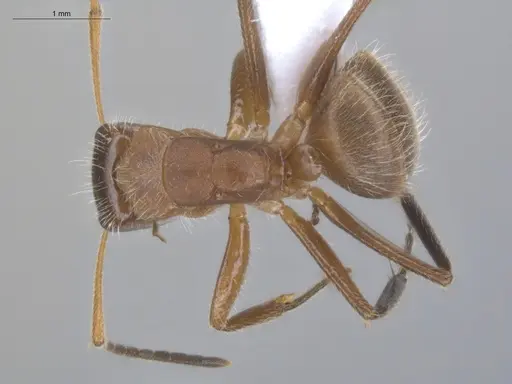
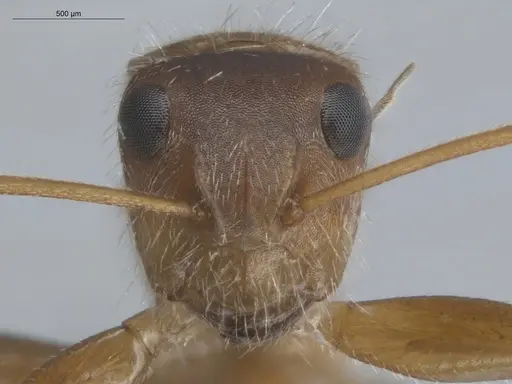
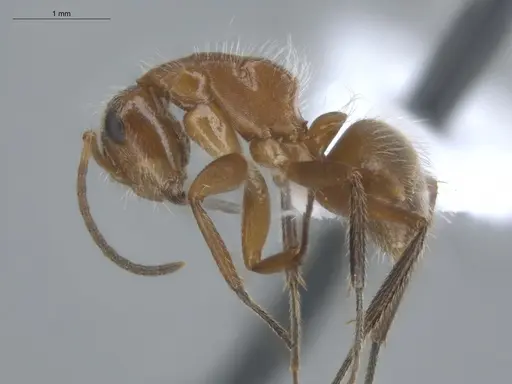
ECOFOG-MI15-0154-20
View on AntWeb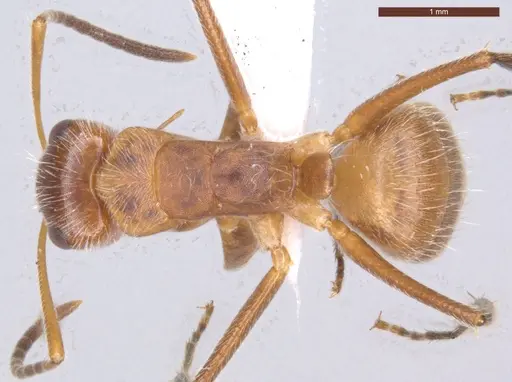
Literature
Loading...Loading products...