

Camponotus picipes
- Scientific Name
- Camponotus picipes
- Subgenus
- Tanaemyrmex
- Tribe
- Camponotini
- Subfamily
- Formicinae
- Author
- Olivier, 1792
- Distribution
- Found in 4 countries
Camponotus picipes Overview
Camponotus picipes is an ant species of the genus Camponotus. It is primarily documented in 4 countries , including French Guiana, Haiti, Jamaica. Detailed taxonomic data and occurrence records can be further explored via authoritative databases such as AntWeb or the Global Biodiversity Information Facility (GBIF).
Camponotus picipes
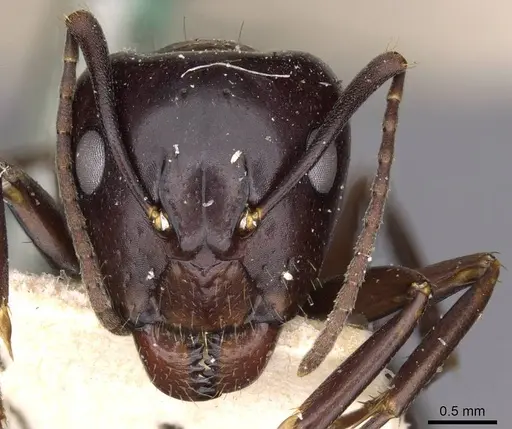
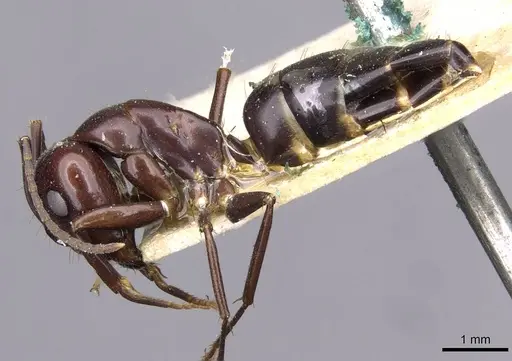
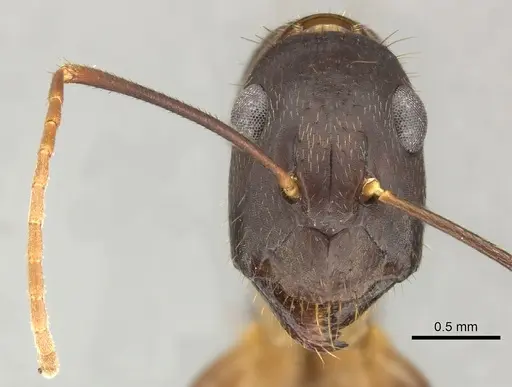
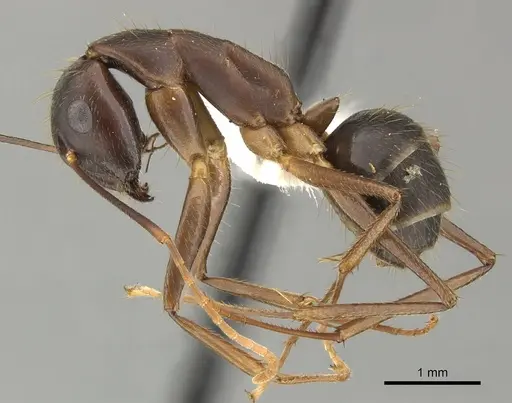
Camponotus picipes is a Neotropical carpenter ant belonging to the maculatus species complex. Workers are variable in size, with major workers reaching around 10-12mm and minor workers smaller. The coloration is distinctive: dark brown head, lighter brown mesosoma (middle body), and dark brown gaster (abdomen) often with yellow lateral spots. The head has erect hairs, but the scape (antenna shaft) lacks these hairs. Legs are typically dark or light brown. This species nests in soil, commonly under stones, and creates crater-like nest entrances in some regions. They are found across Central and South America, from Mexico through Brazil and the Caribbean.
Quick Summary
- Difficulty: Medium
- Origin & Habitat: Neotropical region, Mexico, Guatemala, Colombia, Venezuela, Brazil, French Guiana, Guyana, Suriname, and the Caribbean. They inhabit tropical and subtropical forests, typically nesting in soil under stones at various elevations [1][2].
- Colony Type: Single-queen colonies (monogyne). The colony structure follows typical Camponotus patterns with one founding queen that establishes a nest alone.
- Colony: Monogyne
- Founding: Claustral
- Size & Growth:
- Queen: Estimated 12-18mm based on Camponotus genus patterns
- Worker: 5-12mm (major and minor castes)
- Colony: Estimated several thousand workers based on typical Camponotus colony sizes
- Growth: Moderate, typical Camponotus development timeline
- Development: Estimated 6-8 weeks based on Camponotus genus development patterns (Development time depends on temperature, warmer conditions accelerate growth. First workers (nanitics) are smaller than mature workers.)
- Antkeeping:
- Temperature: Keep at 24-28°C. Being a Neotropical species, they prefer warm conditions. A temperature gradient allowing workers to choose their preferred spot is ideal.
- Humidity: Moderate humidity around 50-70%. They nest in soil under stones in the wild, so keep the nest substrate moist but not waterlogged. Provide a water test tube as a drinking source.
- Diapause: No true hibernation required. As a tropical species, they remain active year-round if kept warm. Activity may slow slightly during cooler months.
- Nesting: Soil-based nests work well, they naturally nest under stones in the wild. In captivity, a Y-tong (AAC) nest with soil or a naturalistic setup with a soil chamber works best. Avoid completely dry conditions.
- Behavior: Typical carpenter ant behavior, generally non-aggressive toward keepers but will defend their nest if threatened. Workers are active foragers, both day and night. They can bite if provoked, though this species is not particularly aggressive. Escape risk is moderate, use standard Camponotus escape prevention (fluon on edges). They are not known for being escape artists like some smaller species.
- Common Issues: colonies may slow significantly if temperatures drop below 20°C, keep warm, wild-caught colonies may carry parasites that can devastate captive colonies, overfeeding can lead to mold problems in the nest, remove uneaten food promptly, queens can be claustral but some disturbance during founding can cause abandonment, minimize interference during founding stage
Housing and Nest Setup
Camponotus picipes does well in soil-based setups that mimic their natural nesting preferences. A Y-tong (AAC) formicarium with a soil chamber or a naturalistic setup with a deep soil area works best. The nest should have areas of varying moisture, some damp soil for the brood chamber and slightly drier areas for the queen. Since they nest under stones in the wild, you can place flat stones or pieces of bark on top of the soil in an outworld area to give them natural cover. Test tube setups work for founding colonies, but transfer to a larger nest once the colony reaches 20-30 workers. [1]
Feeding and Diet
Like most Camponotus species, these ants are omnivorous. They accept sugar sources readily, honey water, sugar water, or commercial ant nectar. For protein, offer insects like mealworms, crickets, or fruit flies. In the wild, they forage for honeydew from aphids and small insects. Feed them a few times per week, offer protein twice weekly and keep sugar water available constantly. Remove any uneaten prey after 24-48 hours to prevent mold. Workers will typically take food back to the brood chamber to feed the larvae.
Temperature and Seasonal Care
Being a Neotropical species from Mexico and further south, Camponotus picipes prefers warm conditions. Keep the nest area at 24-28°C for optimal brood development. You can use a heating cable or heating mat on one side of the nest to create a temperature gradient, this lets workers choose their preferred temperature. They do not require hibernation or diapause. If your room temperature drops below 20°C, consider adding supplemental heat. Activity may decrease during cooler periods, but they should remain active year-round if kept warm. Avoid sudden temperature changes. [1]
Colony Development
A newly mated queen will seal herself in a chamber and lay eggs after her wings drop, this is claustral founding. She relies entirely on her stored fat reserves to survive and feed the first brood. The first workers, called nanitics, are smaller than normal workers and typically emerge after 6-8 weeks under warm conditions. After the nanitics arrive, the colony enters a growth phase where the queen continues laying eggs and workers expand the nest and forage for food. Growth rate is moderate, expect the colony to reach a few hundred workers within the first year or two with good care. Larger colonies can eventually reach several thousand workers.
Behavior and Temperament
Camponotus picipes has typical carpenter ant temperament, they are generally calm and not aggressive toward humans. Workers go about their tasks methodically, tending brood and foraging for food. They are primarily nocturnal foragers in the wild, though they will forage any time in captivity. When threatened, they may bite, but their bite is not particularly painful for humans. They are not known for being especially aggressive or territorial outside their nest. Workers communicate using chemical pheromones and may form foraging trails to food sources. They are not escape artists like some tiny ant species, but standard escape prevention with fluon on container edges is still recommended.
Frequently Asked Questions
How long does it take for Camponotus picipes to have first workers?
Expect first workers (nanitics) to emerge in about 6-8 weeks after the queen lays eggs, assuming temperatures are kept at 24-28°C. This is typical for Camponotus species. The first workers are smaller than mature workers but will help care for subsequent brood.
What do Camponotus picipes ants eat?
They are omnivorous. Offer them sugar water or honey water as a constant food source, and protein like mealworms, crickets, or fruit flies a few times per week. They will also accept other insects and may tend aphids for honeydew.
Do Camponotus picipes ants need hibernation?
No, they do not require hibernation. As a Neotropical species from warm regions, they remain active year-round if kept at room temperature (above 20°C). You may notice reduced activity during cooler months, but they do not enter true diapause.
What temperature is best for Camponotus picipes?
Keep them at 24-28°C for optimal growth and brood development. A heating cable on one side of the nest creates a gradient that lets workers choose their preferred temperature. Avoid temperatures below 20°C for extended periods.
Are Camponotus picipes good for beginners?
They are a medium-difficulty species. They are more forgiving than some tropical species but require warm temperatures and proper nesting setup. They are not as beginner-friendly as Lasius or some native temperate species, but they are not difficult once you understand their basic needs.
How big do Camponotus picipes colonies get?
Mature colonies can reach several thousand workers over several years. They follow typical Camponotus growth patterns, starting with a single queen and expanding as workers are produced. With good care, expect several hundred workers within the first year or two.
Can I keep multiple Camponotus picipes queens together?
This species is monogyne, meaning single-queen colonies. It is not recommended to combine unrelated queens as they will likely fight. Only one queen should be kept per colony.
What type of nest is best for Camponotus picipes?
Soil-based nests work best since they naturally nest in soil under stones. A Y-tong (AAC) formicarium with a soil chamber or a naturalistic setup with a deep soil area is ideal. The nest should have areas of varying moisture.
Where is Camponotus picipes found in the wild?
They are found across the Neotropical region, from Mexico through Central America, Colombia, Venezuela, Brazil, and the Caribbean. They typically nest in soil under stones in tropical and subtropical habitats.
Why is my Camponotus picipes colony not growing?
Check three things: temperature (should be 24-28°C), humidity (soil should be moist but not waterlogged), and food (protein should be offered regularly with sugar constantly available). If the queen has died, the colony will not grow. Also ensure the nest is in a quiet location with minimal disturbance.
When should I move my colony to a formicarium?
Move them when they outgrow their test tube setup, typically when the colony reaches 20-30 workers or the test tube becomes crowded. Make sure the formicarium has appropriate humidity and a suitable nest chamber before transferring.
References

This caresheet is licensed under CC BY-SA 4.0 .
CASENT0910007
View on AntWeb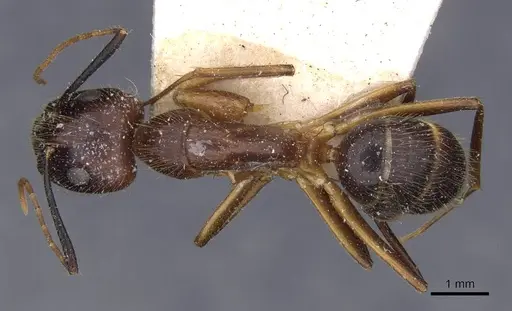
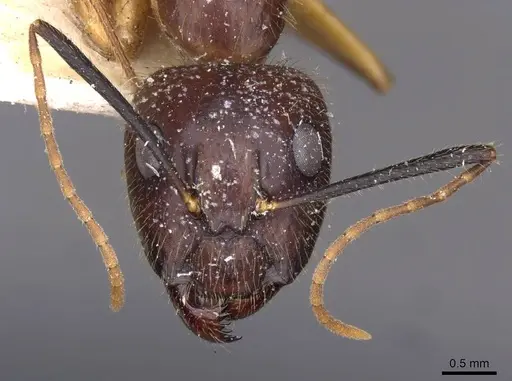
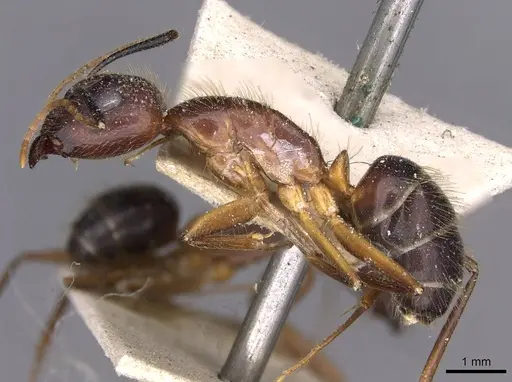
CASENT0910008
View on AntWeb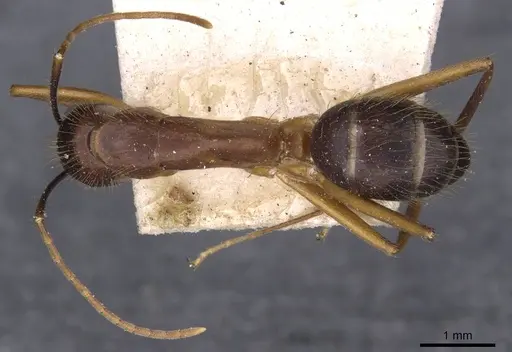
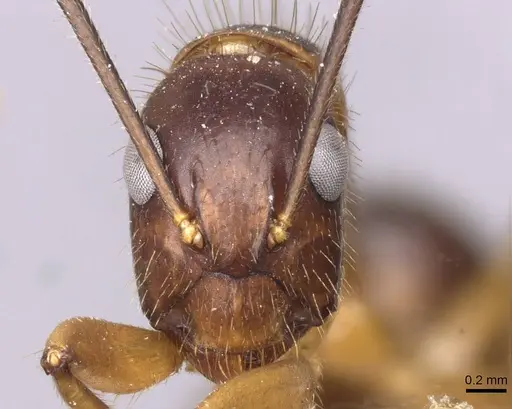
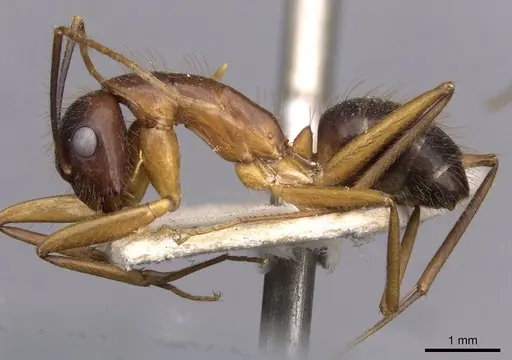
CASENT0910012
View on AntWeb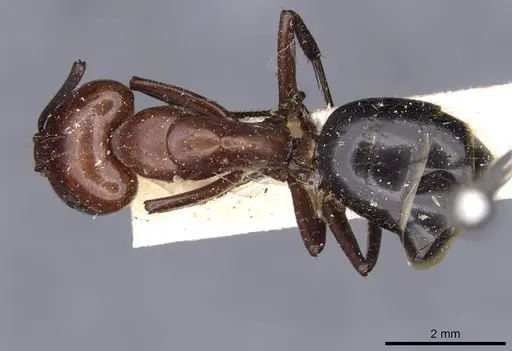
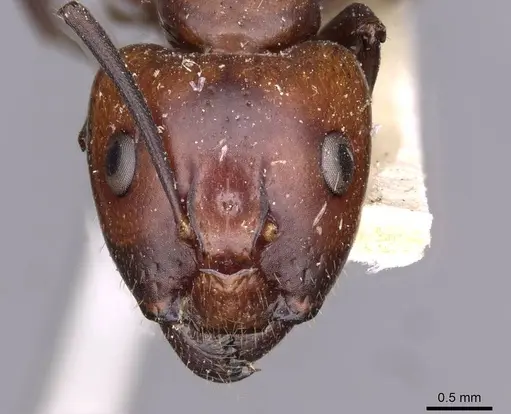
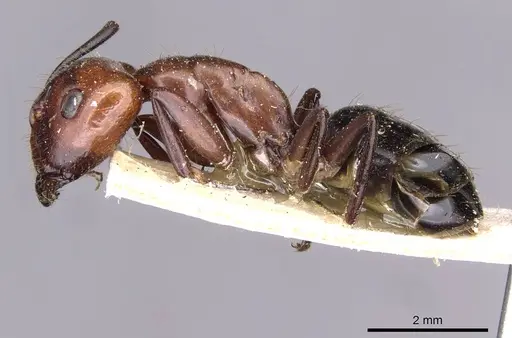
CASENT0910013
View on AntWeb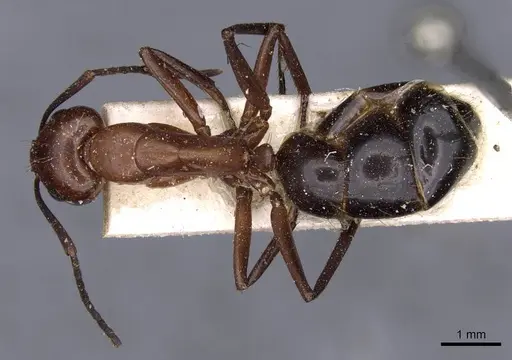
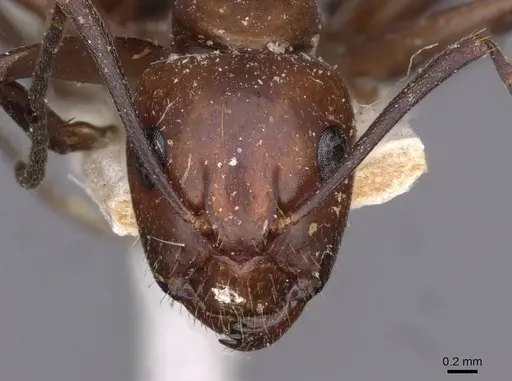
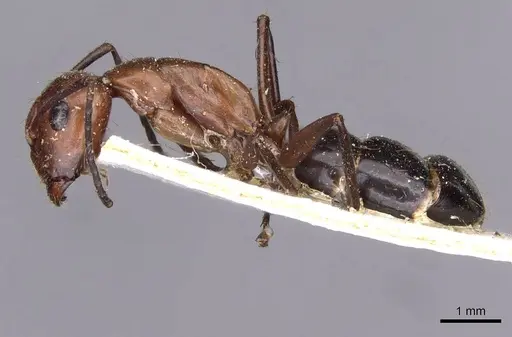
CASENT0910014
View on AntWeb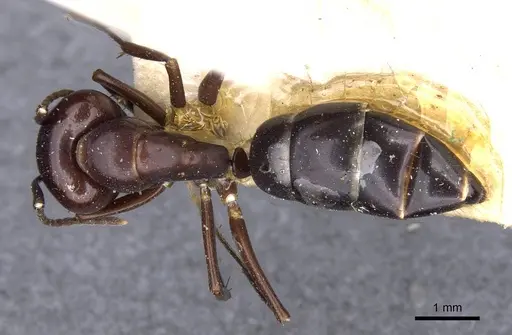
CASENT0910015
View on AntWeb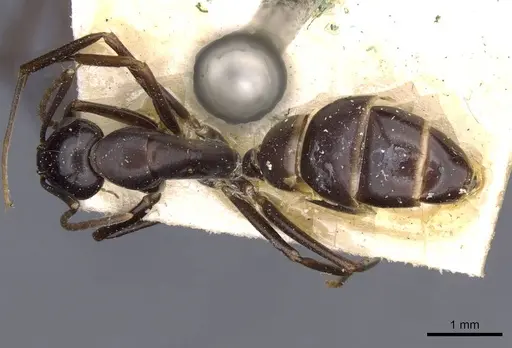
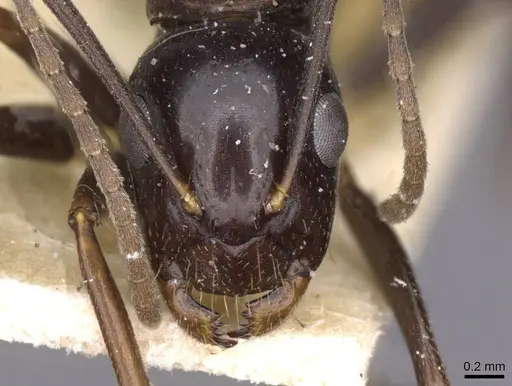
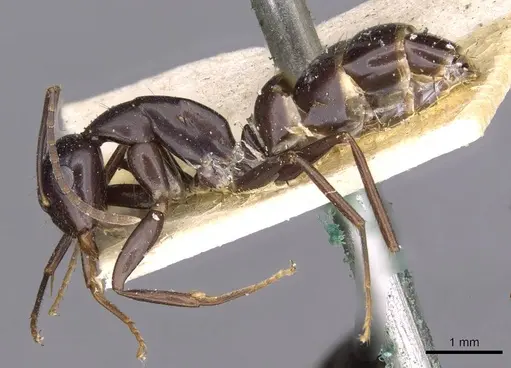
CASENT0912013
View on AntWeb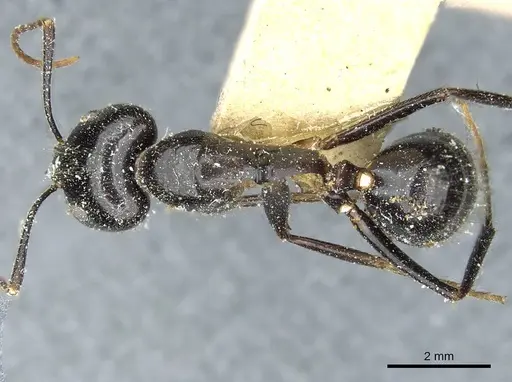
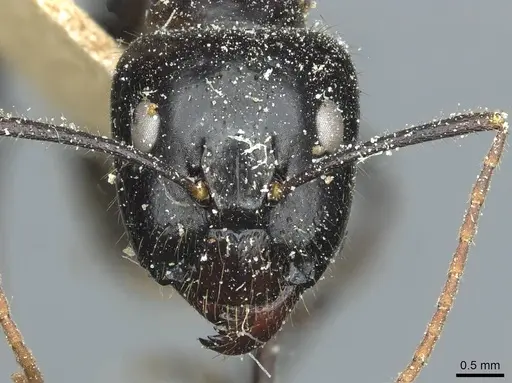
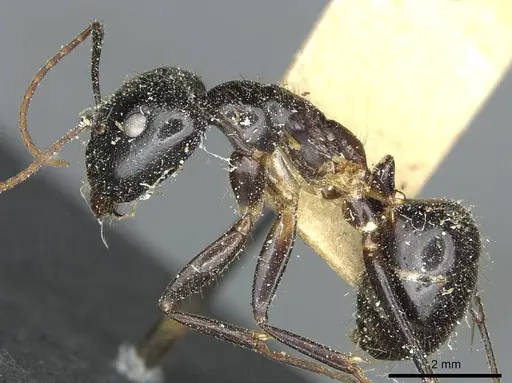
CASENT0912014
View on AntWeb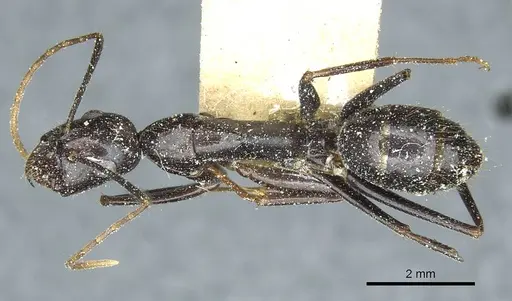
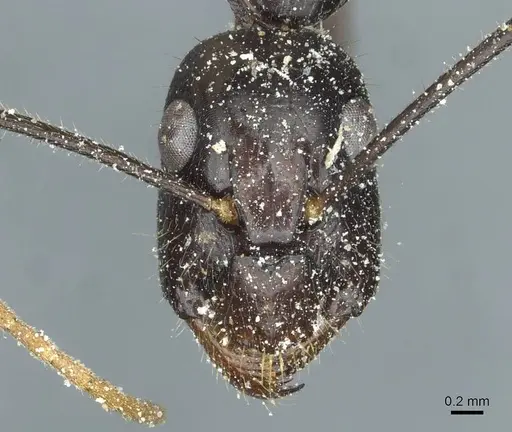
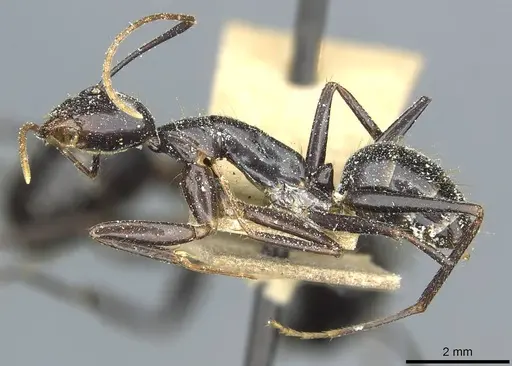
JTLC000001696
View on AntWeb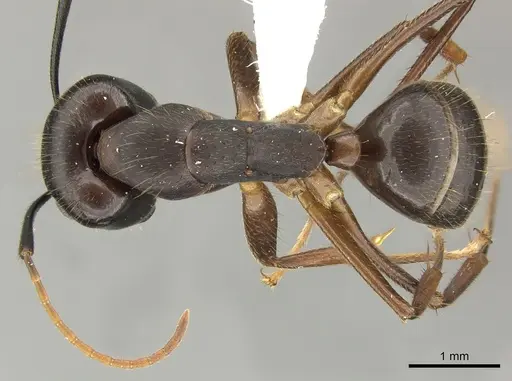
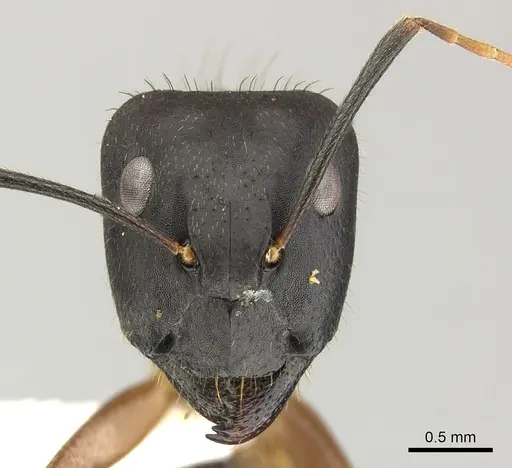
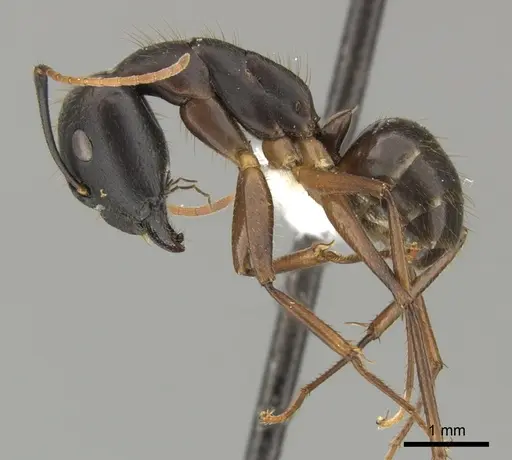
JTLC000001697
View on AntWeb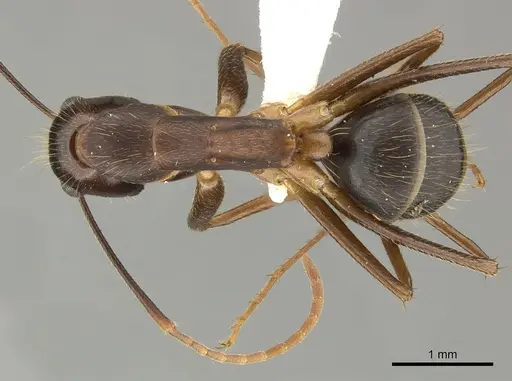
Literature
Loading...Loading products...