

Camponotus piceatus
- Scientific Name
- Camponotus piceatus
- Subgenus
- Myrmobrachys
- Tribe
- Camponotini
- Subfamily
- Formicinae
- Author
- Norton, 1868
- Distribution
- Found in 1 countries
Camponotus piceatus Overview
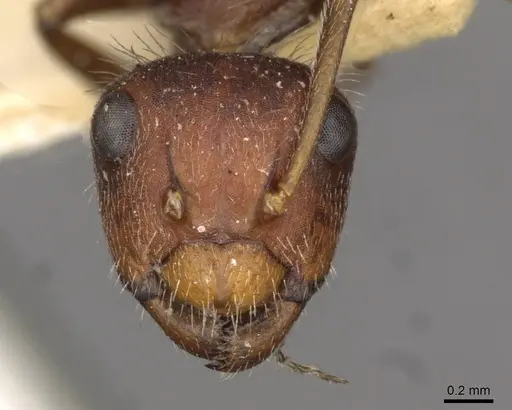
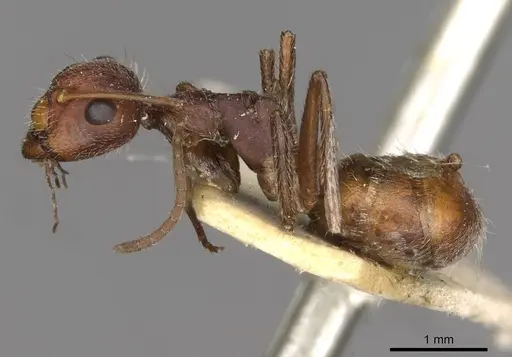
Camponotus piceatus is an ant species of the genus Camponotus. It is primarily documented in 1 countries , including Mexico. Detailed taxonomic data and occurrence records can be further explored via authoritative databases such as AntWeb or the Global Biodiversity Information Facility (GBIF).
Camponotus piceatus
Camponotus piceatus is a carpenter ant species native to Mexico, specifically recorded in Hidalgo and Veracruz states [1]. As an arboreal species, it nests in trees and woody vegetation rather than in soil [2]. Workers are typical of the Camponotus genus, with the large major workers being notably robust and powerful. The species shows a preference for tropical and subtropical orchard environments, where it has been frequently captured in Sapodilla, Mango, and Guava orchards using various baits [2]. This arboreal lifestyle distinguishes it from many other Camponotus species that nest in dead wood or soil.
Quick Summary
- Difficulty: Medium
- Origin & Habitat: Native to central and southern Mexico, specifically documented in Hidalgo and Veracruz states [1]. In the wild, this species is arboreal, nesting in trees and woody vegetation in tropical orchard environments [2].
- Colony Type: Likely monogyne (single queen colonies) based on typical Camponotus genus patterns. Colony size is unknown but likely reaches several thousand workers over time, as is common for carpenter ants.
- Colony: Monogyne
- Founding: Claustral
- Size & Growth:
- Queen: Estimated 15-18mm based on Camponotus genus averages
- Worker: Estimated 6-12mm (polymorphic with major and minor castes)
- Colony: Unknown but likely several thousand workers based on typical Camponotus growth patterns
- Growth: Moderate, carpenter ants develop at a moderate pace, typically 6-10 weeks from egg to first worker
- Development: Estimated 6-10 weeks at optimal temperature (Development time is estimated based on typical Camponotus genus patterns. Actual timing may vary depending on temperature and feeding.)
- Antkeeping:
- Temperature: Keep at 22-26°C. Mexican origin suggests they prefer warm conditions. A gentle temperature gradient allows ants to self-regulate
- Humidity: Moderate humidity around 50-60%. As an arboreal species, they tolerate drier conditions than ground-nesting ants but still need access to moisture
- Diapause: Likely minimal or no true diapause given their tropical Mexican origin. They may show reduced activity during cooler months but probably do not require hibernation
- Nesting: Arboreal nesting preference means they do well in Y-tong (AAC) nests, plaster nests, or naturalistic setups with wood/branches. Avoid fully enclosed test tube setups, they prefer more open nest structures with climbing surfaces
- Behavior: Generally calm and non-aggressive for a carpenter ant. They are arboreal and will readily climb vertical surfaces. Major workers can deliver a moderately painful sting if threatened, though they are not particularly defensive. Escape prevention is important given their climbing ability, ensure enclosures have secure lids and smooth barriers. They are primarily nocturnal foragers in the wild.
- Common Issues: arboreal nature means they may struggle in test tube setups, provide climbing structures and vertical space, limited species-specific data means care is based on genus knowledge, monitor colony behavior and adjust, moderate growth rate requires patience, don't overfeed or disturb the colony during founding, escape risk is moderate due to climbing ability, use secure barriers and smooth surfaces, tropical origin means they may not tolerate cool temperatures, keep away from drafts and air conditioning
Housing and Nest Setup
Camponotus piceatus is an arboreal species, meaning it naturally nests in trees and woody vegetation. In captivity, they do best in Y-tong (AAC) nests, plaster nests, or naturalistic setups that provide vertical climbing surfaces. Avoid standard test tube setups, these ants need space to climb and explore vertically. A formicarium with multiple chambers connected by tubes works well, allowing the colony to move between nest areas and an outworld for foraging. Ensure the nest has some wood or cork bark pieces inside, as this mimics their natural arboreal habitat. The outworld should be spacious enough for foraging and should include climbing branches or vertical structures. [2]
Feeding and Diet
Like other carpenter ants, Camponotus piceatus is omnivorous with a preference for protein and sugar sources. Feed them sugar water, honey, or diluted maple syrup as a constant energy source. For protein, offer insects such as mealworms, crickets, fruit flies, or other small arthropods. They are not particularly aggressive hunters but will readily accept dead prey. In their natural orchard habitat, they likely feed on honeydew from aphids and scale insects, plus small insects they encounter while foraging in trees. Feed protein 2-3 times per week, and keep sugar water available at all times. Remove uneaten prey after 24-48 hours to prevent mold.
Temperature and Heating
Being from central and southern Mexico, these ants prefer warm conditions. Maintain temperatures between 22-26°C for optimal brood development. Room temperature within this range is usually sufficient, but if your home runs cool, a small heating cable or heat mat placed on one side of the nest can help. Use a heating cable on top of the nest rather than underneath to avoid drying out the nest. Create a gentle temperature gradient so ants can move to warmer or cooler areas as needed. Avoid temperatures below 18°C for extended periods, as this can slow or stop brood development. Their tropical origin means they do not require hibernation. [1]
Colony Founding and Early Care
A claustral queen will seal herself in a small chamber and remain there while she lays eggs and raises the first workers (nanitics). During this founding period, which typically lasts 6-10 weeks, do not disturb the queen or open the nest. The queen uses her stored fat reserves to produce eggs and feed the larvae. Once the first workers emerge, they will begin foraging for food, this is when you should start providing sugar water and small protein items. The colony will grow slowly at first, but once established with a hundred or more workers, growth accelerates. Major workers (large-headed workers) typically appear once the colony reaches several hundred workers.
Behavior and Handling
Camponotus piceatus is generally calm and not particularly aggressive. Major workers can deliver a sting if provoked, but they are not defensive and typically only sting when directly threatened. They are arboreal by nature, so they are excellent climbers and will explore vertical surfaces. This means escape prevention is important, use smooth barriers like fluon on the edges of your formicarium and ensure lids fit tightly. They are primarily nocturnal foragers in the wild, so you may notice more activity during evening and night hours. The colony will establish a main nest area and use the outworld for foraging and waste disposal.
Frequently Asked Questions
How long does it take for Camponotus piceatus to produce first workers?
Expect 6-10 weeks from egg to first worker at optimal temperature (22-26°C). This is typical for Camponotus species. The queen is claustral and will seal herself in during founding, using stored fat reserves to survive until the nanitic workers emerge.
What type of nest is best for Camponotus piceatus?
Y-tong (AAC) nests, plaster nests, or naturalistic setups work best. This is an arboreal species that prefers vertical space and climbing structures. Avoid standard test tube setups, they need more space to climb and explore.
What do Camponotus piceatus eat?
They are omnivorous. Feed them sugar water, honey, or maple syrup as a constant energy source. For protein, offer insects like mealworms, crickets, or fruit flies. Remove uneaten prey after 24-48 hours.
Do Camponotus piceatus need hibernation?
Probably not. Being from tropical Mexico, they likely do not require a true diapause. They may show reduced activity during cooler months but should be kept at 22-26°C year-round for optimal growth.
How big do Camponotus piceatus colonies get?
Colony size is not specifically documented, but based on typical Camponotus patterns, they likely reach several thousand workers over several years. Growth is moderate, patience is required during the first year.
Can I keep multiple Camponotus piceatus queens together?
This species is likely monogyne (single queen colonies). Combining unrelated queens is not recommended as they will likely fight. Only keep one queen per colony.
Are Camponotus piceatus good for beginners?
They are rated as medium difficulty. They are more challenging than some beginner species due to their arboreal nature requiring specific housing, but they are generally calm and forgiving of minor care mistakes. Their limited documentation means some care is based on genus knowledge rather than species-specific studies.
Why are my Camponotus piceatus dying?
Common causes include: temperatures below 18°C, improper nesting (test tubes instead of vertical setups), overfeeding leading to mold, or stress from disturbance during founding. Monitor temperature and ensure proper arboreal-style housing.
When should I move Camponotus piceatus to a formicarium?
You can keep them in a founding setup (test tube or small container) for the first few months. Once the colony reaches 50+ workers and you see regular foraging activity, consider moving to a proper formicarium with nest chambers and an outworld.
References

This caresheet is licensed under CC BY-SA 4.0 .
CASENT0910707
View on AntWeb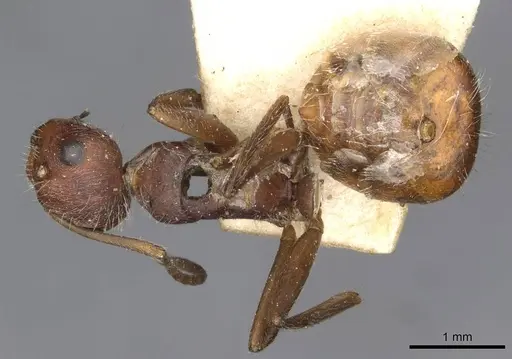
Literature
Loading...Loading products...