

Camponotus petersii
- Scientific Name
- Camponotus petersii
- Subgenus
- Myrmosericus
- Tribe
- Camponotini
- Subfamily
- Formicinae
- Author
- Emery, 1895
- Common Name
- Peters' Longleg Sugar Ant
- Distribution
- Found in 5 countries
Camponotus petersii Overview
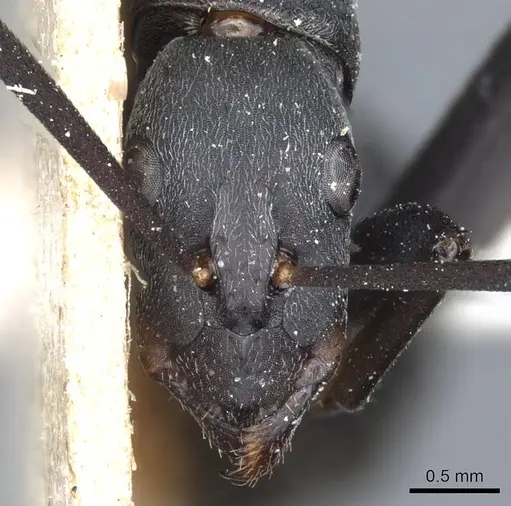
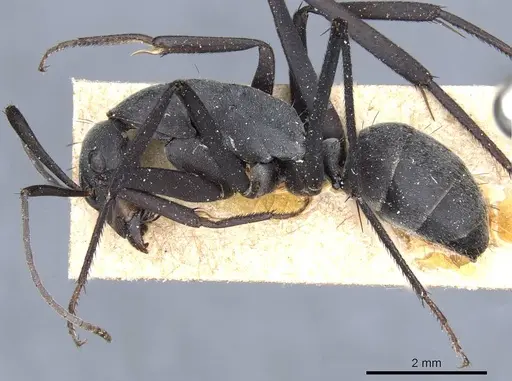
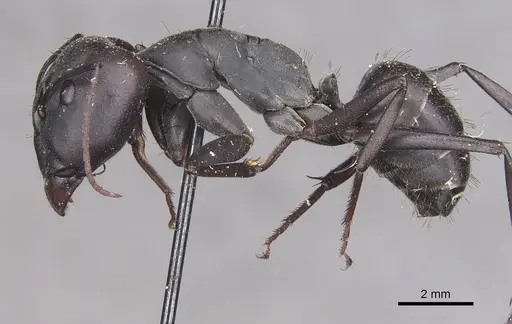
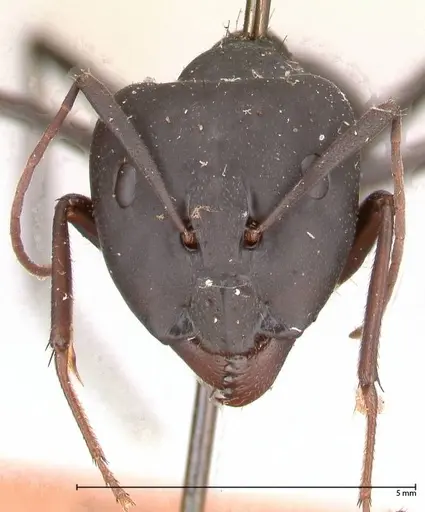
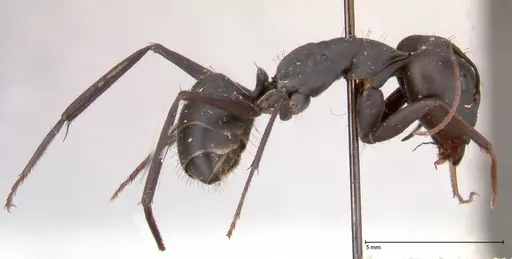
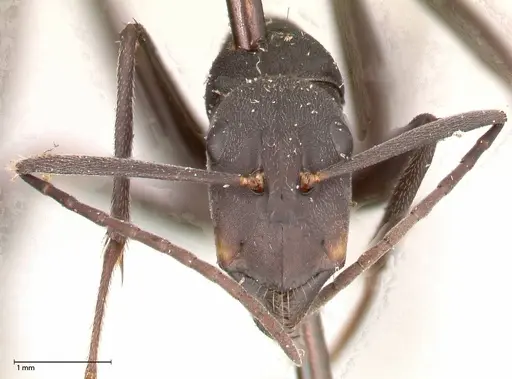
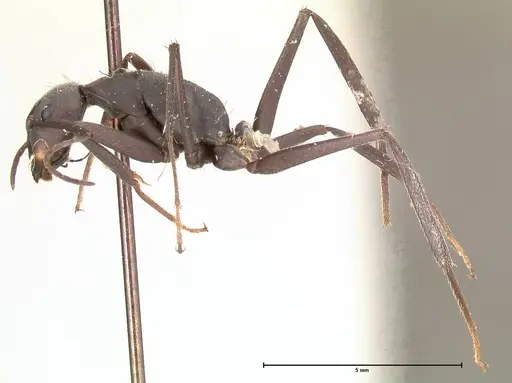
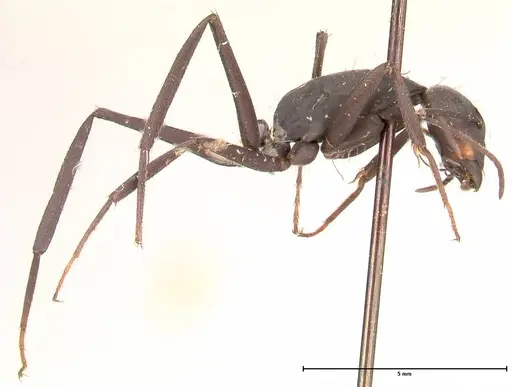
Camponotus petersii (commonly known as the Peters' Longleg Sugar Ant) is an ant species of the genus Camponotus. It is primarily documented in 5 countries , including Botswana, Eswatini, Tanzania. Detailed taxonomic data and occurrence records can be further explored via authoritative databases such as AntWeb or the Global Biodiversity Information Facility (GBIF).
Camponotus petersii - "Peters' Carpenter Ant"
The Camponotus petersii, commonly known as Peters' Carpenter Ant, is a fascinating ant species belonging to the diverse Camponotus genus. These ants are notable for their impressive size and the presence of polymorphic workers, meaning there's a significant size variation among the worker caste, including larger majors. While specific physical descriptions for C. petersii can be elusive, Camponotus ants generally exhibit robust bodies and can vary in color, often dark with some reddish hues. They are primarily known for their nesting habits, often excavating wood to create extensive galleries, though they don't actually consume the wood. In the wild, they are observed in open habitats like grasslands and open woodlands, demonstrating an adaptable nature. Their colonies grow slowly in the initial stages but can eventually reach substantial numbers, making them a rewarding species for patient ant keepers.
- Difficulty: Medium
- Origin & Habitat: Afrotropical Region (Botswana, Eswatini, Lesotho, Mozambique, South Africa, Zimbabwe) in Open habitats such as grasslands and open woodlands. Nests can be found in the ground, leaf litter, and in various wood structures like dead trees or logs..
- Colony Type: Monogyne (single queen), claustral (queen seals herself in) founding.
- Size & Growth:
- Queen: 10-18mm
- Worker: 6-12mm
- Colony: Large (tens of thousands). Slow (especially in the first year, but rewarding long-term) growth.
- Antkeeping:
- Temperature: Maintain a warm environment, ideally between 24-28°C (75-82°F) for optimal brood development and colony activity. Provide a temperature gradient within the nest so the ants can self-regulate..
- Humidity: Moderate humidity levels are preferred, around 50-70%. While they need moisture, avoid overly wet conditions, as this can lead to mold. A hydration gradient within the nest is beneficial..
- Diapause: Required. 2-3 months at 18-22°C.
- Nesting: As 'Carpenter Ants,' they naturally nest in wood (dead or decaying), but in captivity, they thrive in various formicarium setups including acrylic, plaster, or even naturalistic setups that allow for some burrowing. Nests with pre-made tunnels are often suitable. A hydration gradient is important..
- Behavior: Medium (generally calm but will bite and spray formic acid if provoked, aggressive towards prey) aggressiveness.
- Common Issues: Mold in nest (due to excessive humidity), Mites (can be introduced via food or substrate), Colony stalling (often due to incorrect temperature/humidity or insufficient feeding), Queen stress (can lead to brood consumption or abandonment), Escape artists (especially larger workers are capable climbers).
One of the most striking features of Camponotus petersii, like many Carpenter Ants, is their polymorphism. This means your colony will feature workers of varying sizes, from smaller minors to impressive majors, sometimes even super majors. These larger workers are not just for show; they play crucial roles in processing tougher food items and defending the colony. Observing this caste differentiation as your colony matures is truly one of the most rewarding aspects of keeping this species, showcasing the incredible specialization within an ant colony.
Camponotus species are generally known for their love of sugary foods. For C. petersii, a consistent supply of honey, sugar water, or fruit nectar will be eagerly consumed by the adult workers. However, it's vital to remember that protein is equally important, especially for the queen's egg-laying and the growth of larvae. Offer a variety of insect proteins like crickets, mealworms, or fruit flies. Pay attention to how much they consume and remove any uneaten food promptly from the outworld to prevent mold and mites in the outworld.
Despite being a larger ant, Camponotus petersii colonies tend to grow quite slowly in their initial stages, particularly during the first year. This requires a good deal of patience from the ant keeper. Queens are fully claustral, meaning they don't need food until their first workers emerge, but disturbing a founding queen too much can stress her, potentially leading her to consume her eggs or larvae. Providing a stable, dark environment with minimal vibrations during this critical founding period is key to a successful start.
While C. petersii originates from warmer regions of Africa, a 'rest period' is often beneficial, even if not a deep cold diapause like their temperate counterparts. This period, usually a few months at slightly reduced temperatures (around room temperature or a bit cooler), can help the colony conserve energy and prepare for the next active season. It's crucial to gradually reduce feeding and keep disturbances to a minimum during this time to mimic natural cycles and promote long-term colony health.
Carpenter ants are not known for stinging, but they can deliver a painful bite, often accompanied by spraying formic acid into the wound. While generally not aggressive towards handlers unless their nest is disturbed or they feel threatened, this is something to be aware of during maintenance. Ensure your formicarium has adequate escape prevention measures, such as a fluon barrier, especially for their foraging area or outworld, as larger workers can be quite adept at climbing.
Frequently Asked Questions
How long does it take for a Camponotus petersii queen to get her first workers?
Patience is key with these beauties! After a C. petersii queen lays her first batch of eggs, it typically takes about 7 to 10 weeks for those first little workers, often called nanitics, to emerge. This includes the entire journey from egg to larva, then pupa, and finally to an adult worker. It’s a slow but incredibly rewarding process to witness.
What should I feed my Camponotus petersii colony?
These ants are omnivores, so a balanced diet is crucial. For sugary treats, they absolutely love honey, sugar water, or even fruit nectar. For protein, which is essential for the queen and growing brood, offer small insects like fruit flies, crickets, or mealworms. Remember to remove any uneaten food promptly from the outworld to keep things clean and prevent mold.
Do Camponotus petersii ants need hibernation?
While C. petersii originates from warmer African climates and might not need a deep, cold hibernation like some temperate Camponotus species, a 'rest period' is highly recommended. This typically involves lowering their temperature slightly to around 18-22°C (64-72°F) for about 2 to 3 months. It helps them conserve energy and prepares the colony for robust growth in the next active season.
What kind of nest is best for Camponotus petersii?
Given their 'carpenter ant' nature, they’re quite adaptable. Acrylic or plaster formicariums with a hydration gradient work well, allowing them to choose their preferred humidity. You can also use setups that mimic their natural wood-nesting habits, as long as appropriate moisture levels can be maintained. The key is providing a diverse environment where they can thermoregulate and hydrate as needed.
Are Camponotus petersii aggressive?
Generally, C. petersii are not overly aggressive towards ant keepers during routine observations. However, if their nest is disturbed or they feel threatened, they can deliver a noticeable bite and may spray formic acid. They are quite aggressive towards prey and will efficiently dispatch insects offered in their outworld. Always handle them with care and ensure your setup has effective escape prevention.
Why is my Camponotus petersii colony growing so slowly?
Slow growth, especially in the first year, is very typical for most Camponotus species, including C. petersii. These are larger ants, and their development from egg to adult worker takes longer. Additionally, queens often lay eggs in batches rather than continuously. Ensuring optimal temperatures (24-28°C) and a consistent supply of both protein and sugar will help maximize their growth rate, but patience truly is a virtue with these colonies.
Can Camponotus petersii queens eat their brood?
Yes, unfortunately, a stressed or disturbed queen might consume her eggs or larvae. This is a natural, albeit disheartening, response to perceived danger or insufficient resources. To prevent this, minimize disturbances during the founding stage, keep her in a dark, stable environment, and ensure she has access to adequate moisture.
Do Camponotus petersii workers sting?
No, Camponotus petersii workers do not possess a sting. Instead, they defend themselves by biting and spraying formic acid, which can be irritating. This is a common defense mechanism among many Formicinae subfamily ants.
How often should I feed my Camponotus petersii colony?
A good general rule is to offer food every 2-3 days, adjusting the quantity based on your colony's size and consumption. Younger colonies with fewer workers will need less frequent feeding than established colonies with hundreds or thousands of foragers. Always remove uneaten food to maintain hygiene and prevent mold.
What is the lifespan of a Camponotus petersii queen and workers?
Camponotus queens are known for their impressive longevity; a C. petersii queen can potentially live for 10-15 years, becoming a true matriarch of her expansive colony. Workers have a shorter lifespan, typically living for 1 to 3 years, depending on their caste and the demands of the colony.

This caresheet is licensed under CC BY-SA 4.0 .
CASENT0235835
View on AntWeb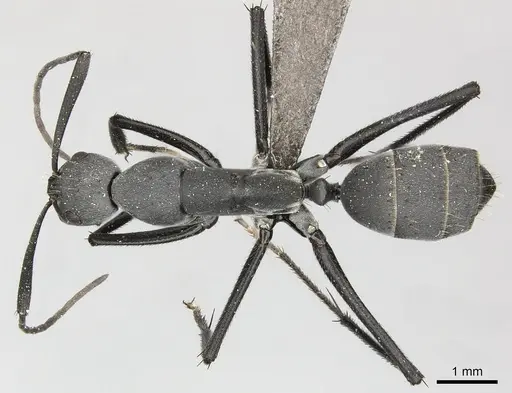
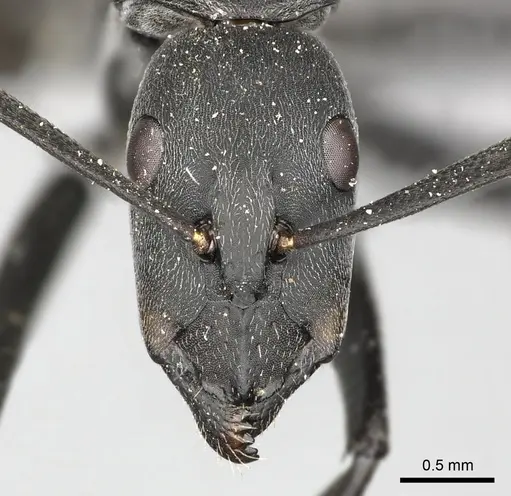
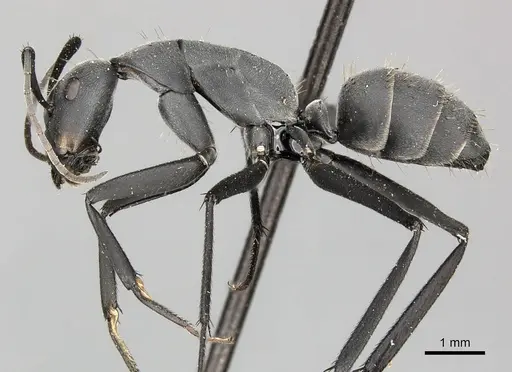
CASENT0905363
View on AntWeb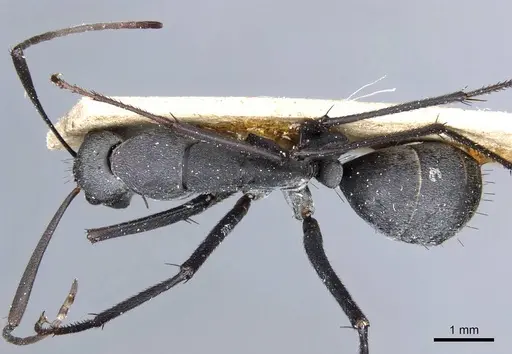
CASENT0910319
View on AntWeb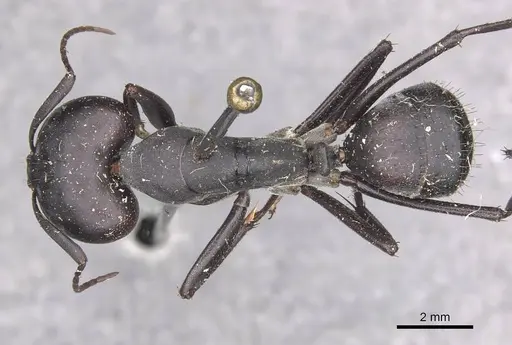
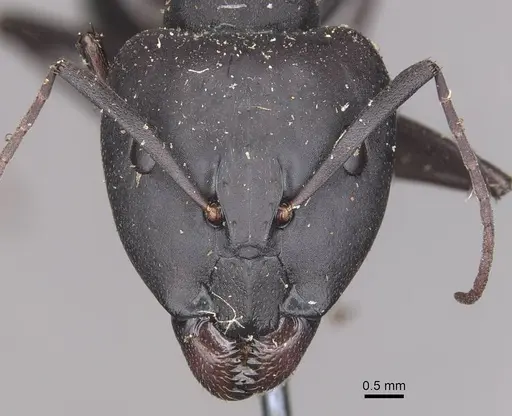
FOCOL0562
View on AntWeb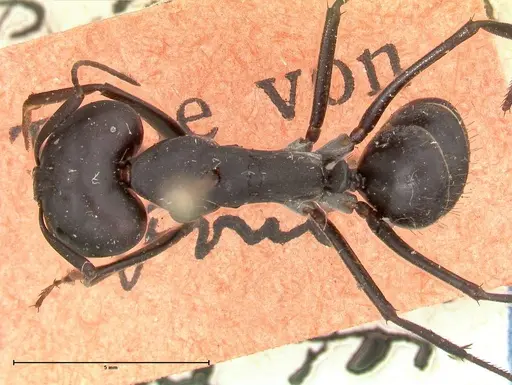
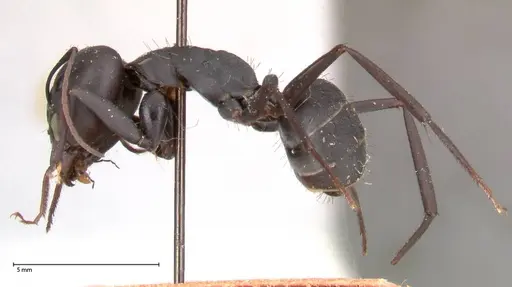
FOCOL0563
View on AntWeb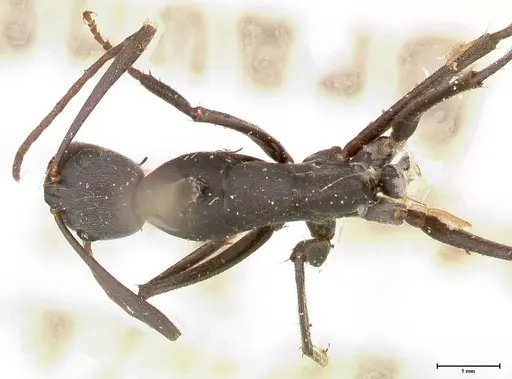
Literature
Loading...Loading products...