

Camponotus pellarius
- Scientific Name
- Camponotus pellarius
- Subgenus
- Myrmaphaenus
- Tribe
- Camponotini
- Subfamily
- Formicinae
- Author
- Wheeler, 1914
- Distribution
- Found in 1 countries
Camponotus pellarius Overview
Camponotus pellarius is an ant species of the genus Camponotus. It is primarily documented in 1 countries , including Mexico. Detailed taxonomic data and occurrence records can be further explored via authoritative databases such as AntWeb or the Global Biodiversity Information Facility (GBIF).
Camponotus pellarius
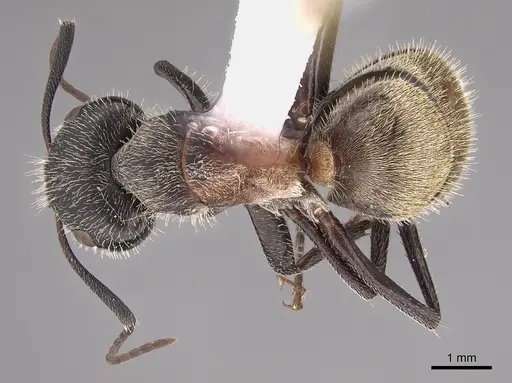
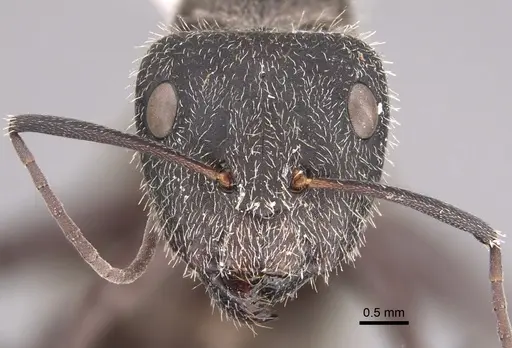
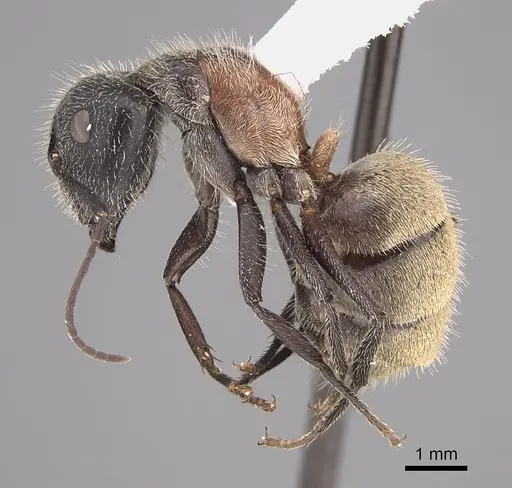
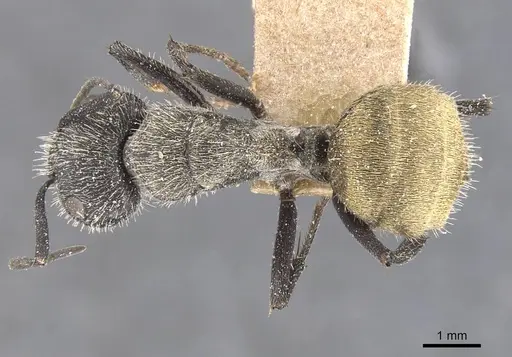
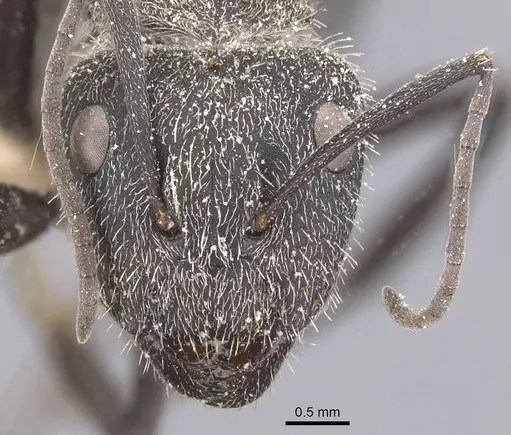
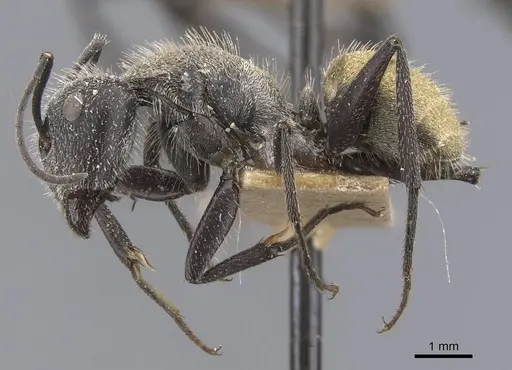
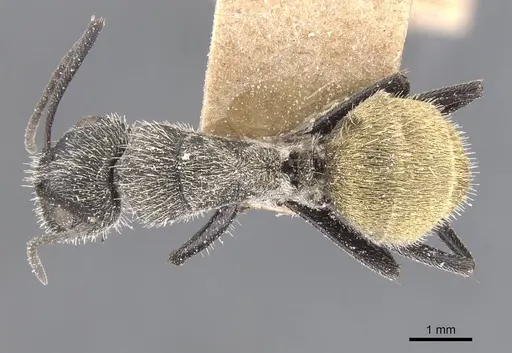
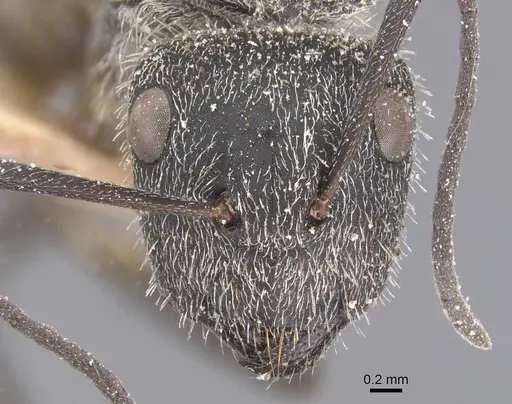
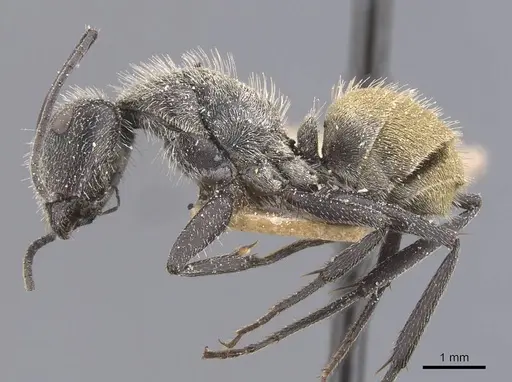
Camponotus pellarius is a medium-sized carpenter ant native to central and northeastern Mexico. Workers come in two size castes: minor workers are slender around 5-7mm, while major workers (soldiers) are larger and more robust at 8-10mm. They have the typical Camponotus body shape with a smooth, rounded abdomen and a distinct constriction between the thorax and abdomen. The species is primarily distributed across the Mexican highlands in Hidalgo, Nuevo León, Querétaro, San Luis Potosí, and Tamaulipas at elevations around 7000 feet [1][2]. This ant belongs to the Myrmaphaenus subgenus, which includes arboreal and ground-nesting carpenter ants. The species was first described by Wheeler in 1914 from specimens collected in Hidalgo [3].
Quick Summary
- Difficulty: Medium
- Origin & Habitat: Native to central and northeastern Mexico, specifically found in Hidalgo, Nuevo León, Querétaro, San Luis Potosí, and Tamaulipas states. They inhabit highland areas around 7000 feet elevation in the Mexican highlands, suggesting they prefer cooler, more temperate conditions than typical tropical ants [1][2].
- Colony Type: Colony structure is unconfirmed. Based on typical Camponotus patterns, they likely form single-queen (monogyne) colonies with major and minor worker castes. The species has been recorded with both worker castes present [3].
- Colony: Monogyne
- Founding: Claustral
- Size & Growth:
- Queen: Unconfirmed, estimated 12-15mm based on typical Camponotus queen size range
- Worker: Minor workers 5-7mm, major workers 8-10mm [3]
- Colony: Unconfirmed, typical Camponotus colonies reach several hundred to a few thousand workers
- Growth: Moderate, estimated based on genus patterns
- Development: 6-10 weeks, estimated based on typical Camponotus development at optimal temperature (Development time is estimated from genus-level data, as species-specific research is unavailable. Camponotus species typically require 6-10 weeks from egg to first worker at room temperature (20-24°C). Nanitics (first workers) are smaller than normal workers and develop slightly faster.)
- Antkeeping:
- Temperature: Keep nest area around 20-24°C. Based on their highland Mexican origin (7000 ft elevation), they likely prefer cooler conditions than typical tropical ants. A temperature gradient allowing workers to choose their preferred warmth is ideal. Room temperature within this range is typically sufficient.
- Humidity: Moderate humidity around 50-70%. Provide a moist nest chamber but allow some drying between water additions. The Mexican highlands are relatively dry, so avoid overly damp conditions. Monitor substrate moisture and rehydrate when the nest material begins drying out.
- Diapause: Yes, likely required. Based on their distribution in temperate highland Mexico, they probably experience a winter dormancy period. Provide a cool period around 10-15°C for 2-3 months during winter, mimicking natural seasonal cycles.
- Nesting: In nature, they likely nest in soil or decaying wood, common for Camponotus species. In captivity, a Y-tong (AAC) nest, plaster nest, or naturalistic setup with soil works well. Provide damp substrate for the founding chamber and maintain moderate humidity. Avoid completely dry conditions.
- Behavior: Typical Camponotus temperament, generally calm and not aggressive. Workers are moderately active foragers, primarily at night (nocturnal). They are not known to be particularly aggressive or territorial. Major workers can defend the colony with their moderately strong mandibles. Escape risk is moderate, use standard barrier methods (Fluon, talc barriers) but they are not extreme escape artists like some tiny species.
- Common Issues: limited distribution data makes precise care recommendations uncertain, start with genus-typical conditions and adjust based on colony behavior, highland origin means they likely prefer cooler temperatures, avoid overheating above 26°C, poorly documented species means colony founding success rates are unknown, monitor founding queens closely, winter dormancy is probably required, skipping hibernation may weaken colonies long-term
Nest Preferences
Camponotus pellarius likely nests in soil or decaying wood in their natural habitat, typical for carpenter ants in the genus. In captivity, provide a nest with damp substrate, a Y-tong (acrylic) nest with a water reservoir works well, or a plaster nest that holds moisture. The founding chamber should be kept dark and undisturbed. Once the colony establishes, they adapt well to various nest types. Avoid completely dry nests as they need some moisture for brood development. A small water tube or gel reservoir provides drinking water and helps maintain humidity. [3]
Feeding and Diet
Like most Camponotus species, they are omnivorous with a preference for protein-rich foods. Offer protein sources like mealworms, small crickets, or other insects 2-3 times per week. They also accept sugar sources, a drop of honey water or sugar water should be available at all times. In the wild, they likely forage for honeydew from aphids and small insects. Provide a varied diet and remove uneaten prey after 24-48 hours to prevent mold. Workers are nocturnal foragers, so place food in the outworld in the evening for best acceptance.
Temperature and Seasonal Care
Based on their origin in the Mexican highlands at around 7000 feet elevation, these ants prefer cooler temperatures than many tropical ant species. Keep the nest area at 20-24°C, this is optimal for brood development. Avoid temperatures above 26°C as they may become stressed. A heating cable on one side of the nest can create a temperature gradient, allowing workers to choose their preferred warmth. During winter (roughly November-February in the Northern Hemisphere), provide a cool period around 10-15°C to allow natural dormancy. This hibernation period is likely important for colony health and longevity. [1]
Colony Founding
The founding behavior follows typical Camponotus patterns, the queen seals herself in a small chamber and raises the first brood alone. She uses stored fat reserves for energy and does not leave to forage during founding (claustral founding). Expect 6-10 weeks for the first workers (nanitics) to emerge. The founding chamber should be kept dark, humid, and undisturbed. Do not check on the queen too frequently as disturbance can cause abandonment. Once nanitics emerge, the colony can be slowly introduced to light and regular feeding. [3]
Behavior and Temperament
Camponotus pellarius has a typical carpenter ant temperament, generally calm and not prone to aggression. Major workers can deliver a moderately painful bite if threatened, but they are not considered dangerous to humans. Workers are primarily nocturnal, foraging at night for protein and sugar sources. They are not known for being particularly aggressive toward other colonies. Escape prevention should be moderate, standard barriers like Fluon on test tube rims or talc barriers on outworlds work well. They are not extreme escape artists but should still be contained properly.
Frequently Asked Questions
How long does it take for Camponotus pellarius to have first workers?
Expect 6-10 weeks from egg to first worker at optimal temperature (20-24°C). This is typical for Camponotus species. The first workers (nanitics) will be smaller than normal workers and the colony will grow from there.
What temperature do Camponotus pellarius ants need?
Keep them at 20-24°C. Based on their highland Mexican origin, they prefer cooler conditions than typical tropical ants. Avoid temperatures above 26°C.
Do Camponotus pellarius ants need hibernation?
Yes, likely required. Based on their distribution in temperate highland Mexico, provide a cool period around 10-15°C for 2-3 months during winter. This mimics their natural seasonal cycle.
What do Camponotus pellarius ants eat?
They are omnivorous. Offer protein (insects like mealworms, small crickets) 2-3 times per week and keep sugar water or honey water available at all times. They forage primarily at night.
Are Camponotus pellarius good for beginners?
They are moderate difficulty, not the easiest but not challenging either. The main concern is that this species is poorly documented in scientific literature, so care is based on genus-typical behavior rather than species-specific research. They are generally hardy once established.
How big do Camponotus pellarius colonies get?
Colony size is unconfirmed for this species, but based on typical Camponotus patterns, expect several hundred to a few thousand workers at maturity.
Can I keep multiple Camponotus pellarius queens together?
Not recommended. Based on typical Camponotus behavior, they are likely monogyne (single-queen) species. Combining unrelated queens has not been documented for this species and typically leads to fighting.
What size nest do Camponotus pellarius need?
A Y-tong (AAC) nest or plaster nest works well. They need moderate humidity and a damp founding chamber. Start with a small setup and expand as the colony grows, they adapt to various nest sizes.
Where is Camponotus pellarius found in the wild?
They are native to central and northeastern Mexico, specifically found in Hidalgo, Nuevo León, Querétaro, San Luis Potosí, and Tamaulipas states at high elevations around 7000 feet.
References

This caresheet is licensed under CC BY-SA 4.0 .
Literature
Loading...Loading products...