

Camponotus pawseyi
- Scientific Name
- Camponotus pawseyi
- Tribe
- Camponotini
- Subfamily
- Formicinae
- Author
- McArthur, 2003
- Distribution
- Found in 1 countries
Camponotus pawseyi Overview
Camponotus pawseyi is an ant species of the genus Camponotus. It is primarily documented in 1 countries , including Australia. Detailed taxonomic data and occurrence records can be further explored via authoritative databases such as AntWeb or the Global Biodiversity Information Facility (GBIF).
Camponotus pawseyi
Camponotus pawseyi is an Australian carpenter ant species native to South Australia. Workers are polymorphic with major and minor castes, both covered in plentiful erect setae (stiff hairs) that often hide the body surface. Coloration varies between black and red across individuals. Major workers have a swollen forehead and can block nest entrances with their large heads, a unique defensive behavior. Minor workers have straight head sides and deeply concave propodeum (the section behind the waist). This species was described by McArthur in 2003 and named after naturalist C.K. Pawsey. They nest in the ground in the Wheatbelt region of southwestern Australia and are distinguished from related species by their uniformly convex head vertex and hairy tibiae and antennae.
Quick Summary
- Difficulty: Medium
- Origin & Habitat: South Australia, Australia. Ground-nesting species found in the Wheatbelt region, typically in soil [1][2].
- Colony Type: Likely single-queen (monogyne) colonies based on typical Camponotus patterns. Ergatoid replacement reproductives may be present if the primary queen dies.
- Colony: Monogyne
- Founding: Claustral
- Size & Growth:
- Queen: Estimated 12-16mm based on genus Camponotus patterns
- Worker: Major workers 8-12mm, minor workers 5-8mm based on worker descriptions [1]
- Colony: Estimated up to several thousand workers based on typical Camponotus colony growth
- Growth: Moderate, typical for Camponotus species
- Development: Estimated 8-12 weeks at optimal temperature based on genus patterns (Development time is typical for temperate Camponotus species, slower than tropical ants. First workers (nanitics) emerge smaller than normal workers.)
- Antkeeping:
- Temperature: Keep around 22-26°C with a gentle gradient. Australian temperate species can tolerate slightly cooler conditions but grow best in warm conditions.
- Humidity: Moderate humidity around 50-60%. Keep nest substrate lightly moist but not waterlogged. Ground-nesting species that tolerates drier conditions than rainforest ants.
- Diapause: Yes, likely required during Australian winter (May-August). Reduce temperature to 10-15°C during winter rest period.
- Nesting: Ground-nesting species. Y-tong (AAC) nests or plaster nests work well. Provide soil or sand substrate for natural digging behavior. Accepts test tube setups for founding colonies.
- Behavior: Generally calm and non-aggressive for a large ant species. Workers are moderately active foragers. Major workers serve as soldiers and can block nest entrances with their heads, a unique defensive adaptation. They have a functional stinger but rarely use it against humans. Escape risk is moderate due to larger worker size, standard barrier methods work well. Foraging occurs primarily at night. Colonies are relatively quiet and not prone to excessive escape attempts.
- Common Issues: colonies may fail if kept too cold, maintain warm conditions year-round, overfeeding can lead to mold in nest areas, remove uneaten food promptly, founding colonies are slow to establish, patience required during claustral period, winter diapause is likely required, skipping it may weaken or kill colonies, major workers blocking exits may look concerning but is normal defensive behavior
Nest Preferences and Housing
Camponotus pawseyi is a ground-nesting species that naturally excavates chambers in soil. In captivity, they adapt well to various nest types. Y-tong (AAC) nests work excellently for established colonies, providing dark, secure chambers. Plaster or soil nests suit their natural digging instincts. For founding colonies, a simple test tube setup with a water reservoir works fine, the queen will seal herself in a chamber she creates or finds suitable. The unique behavior of major workers blocking the entrance with their heads is a defensive adaptation, don't be alarmed if you observe this. Provide a shallow water dish in the outworld and ensure the nest has some damp substrate, but avoid excessive moisture that leads to mold. [2][1]
Feeding and Diet
As a typical Camponotus species, these ants are omnivorous. They accept sugar sources readily, offer sugar water, honey, or diluted honey water as a constant energy source. For protein, provide insects like mealworms, small crickets, or other appropriately sized prey. They are generalist feeders and will scavenge on various organic matter. Feed established colonies 2-3 times per week, removing uneaten prey within 24 hours to prevent mold. Fresh killed insects are more readily accepted than live prey for this species. A varied diet promotes healthy colony growth and reproduction.
Temperature and Seasonal Care
Maintain nest temperatures around 22-26°C for optimal growth and brood development. A heating cable on one side of the nest creates a temperature gradient allowing ants to self-regulate. Place the heating element on top of the nest to avoid drying out the substrate. During Australian winter (roughly May through August), reduce temperatures to 10-15°C to simulate their natural seasonal cycle. This winter diapause is important for colony health, skipping it can weaken queens and reduce lifespan. In warmer climates or heated rooms, you may need to actively cool them during the winter period. Monitor colony activity levels as a guide, reduced activity signals the colony is entering rest period. [1]
Behavior and Colony Dynamics
This species shows typical Camponotus calm temperament. Workers are not particularly aggressive and rarely sting, though they can defend if threatened. The polymorphic worker caste system means larger major workers handle defense and seed processing while smaller minors handle foraging and brood care. A notable behavior is major workers using their enlarged heads to physically block nest entrances, this is an effective predator deterrent. Colonies grow moderately fast once established, with the queen producing eggs continuously during warm months. New colonies start slowly during the claustral founding phase, so patience is essential. Expect 6-12 months before seeing significant worker numbers from a new queen. [1]
Frequently Asked Questions
How long does it take for Camponotus pawseyi to produce first workers?
Expect first workers (nanitics) to emerge in about 8-12 weeks after the queen lays eggs, assuming optimal temperatures around 24°C. The claustral founding period can be slower than some species, some keepers report waiting 3-4 months for first workers. Patience is key during founding.
What temperature range is best for Camponotus pawseyi?
Keep them between 22-26°C during the active season. A slight temperature gradient allows the colony to choose their preferred zone. During winter diapause, reduce to 10-15°C for 2-3 months.
Can I keep multiple Camponotus pawseyi queens together?
Not recommended. This species is likely monogyne (single queen). Combining unrelated queens typically results in fighting. If you catch multiple founding queens, house them separately.
What do Camponotus pawseyi eat?
They are omnivorous. Offer sugar water or honey constantly for energy, and protein sources like insects (mealworms, crickets) 2-3 times weekly. They readily accept most standard ant foods.
Is Camponotus pawseyi good for beginners?
Medium difficulty, more challenging than beginner species like Lasius but easier than exotic tropical ants. Their moderate growth rate and straightforward care requirements make them suitable for antkeepers with some experience.
Do Camponotus pawseyi need hibernation?
Yes, they likely require a winter rest period (diapause) of 2-3 months at reduced temperatures (10-15°C). This mimics their natural Australian temperate climate and is important for colony health.
When should I move my colony to a formicarium?
Move from test tube to a proper nest when the colony reaches 20-30 workers or the test tube becomes cramped. Y-tong or plaster nests work well for this ground-nesting species.
How big do Camponotus pawseyi colonies get?
Based on typical Camponotus growth patterns, established colonies can reach several thousand workers over several years. Major colonies will develop distinct major and minor worker castes.
References

This caresheet is licensed under CC BY-SA 4.0 .
CASENT0280174
View on AntWeb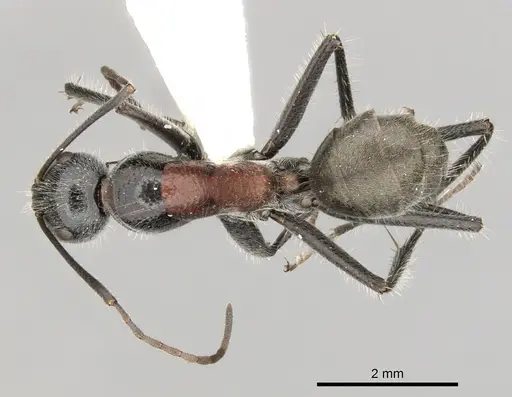
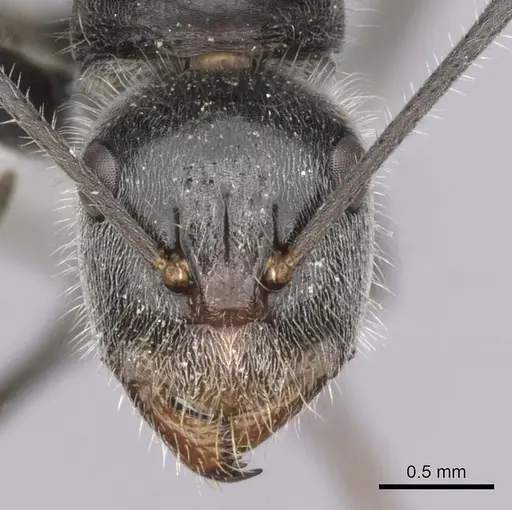
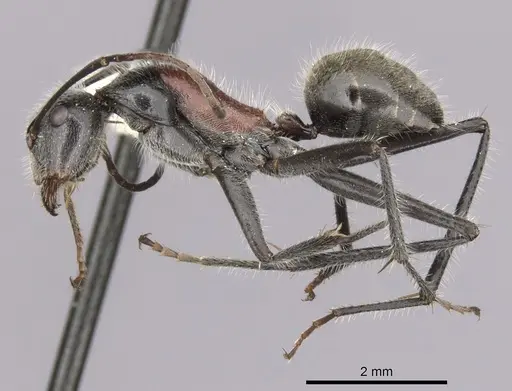
CASENT0887716
View on AntWeb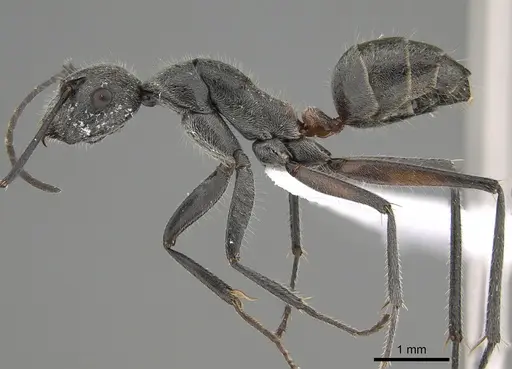
Literature
Loading...Loading products...