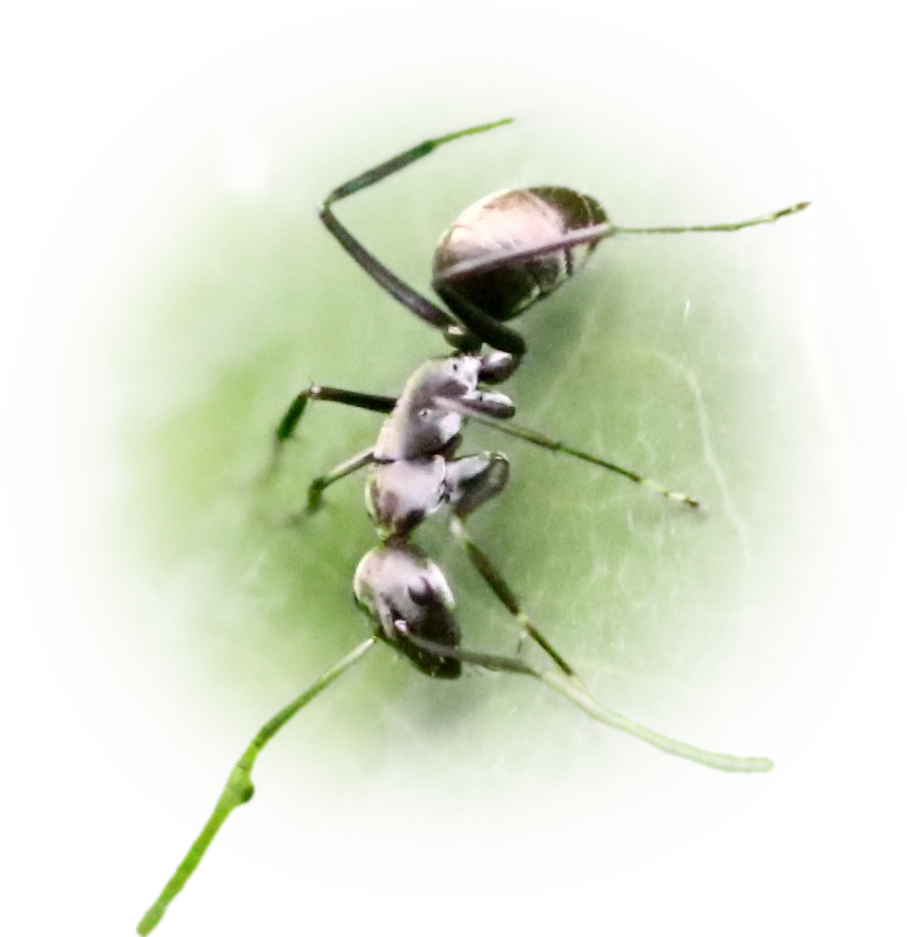

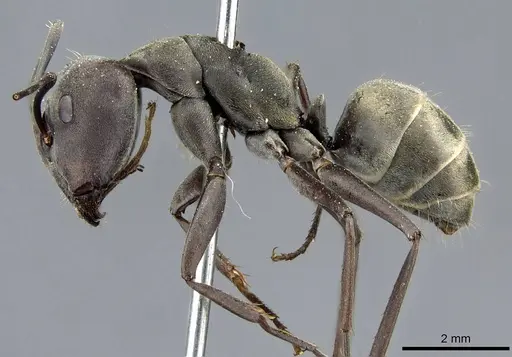
Camponotus parius
- Scientific Name
- Camponotus parius
- Subgenus
- Myrmosericus
- Tribe
- Camponotini
- Subfamily
- Formicinae
- Author
- Emery, 1889
- Distribution
- Found in 9 countries
Camponotus parius Overview
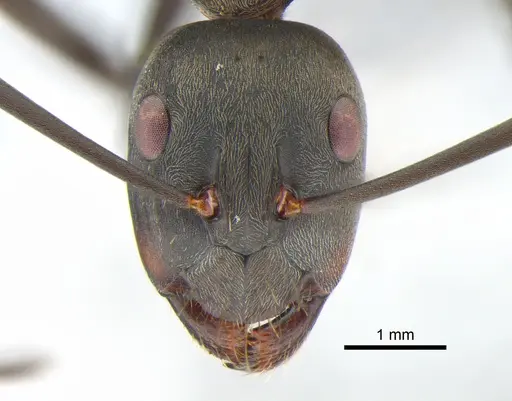
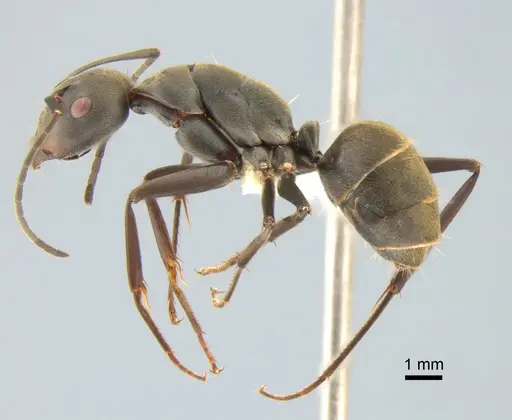
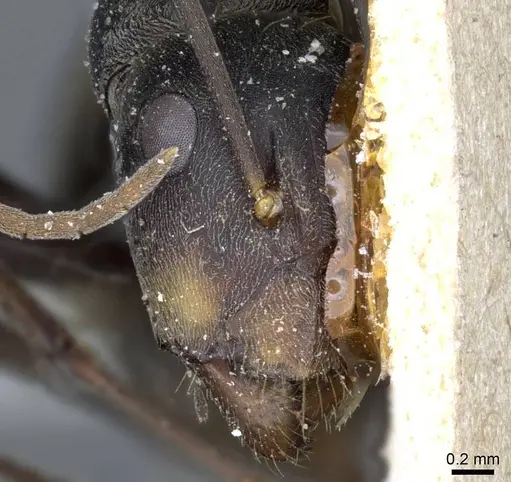
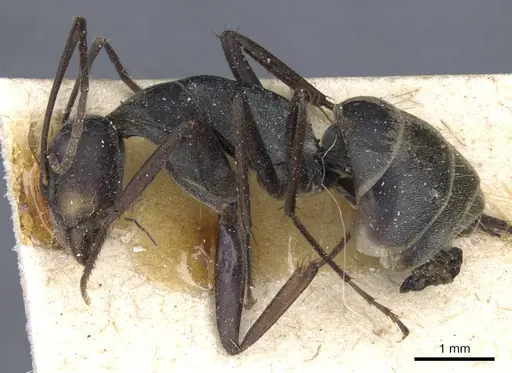
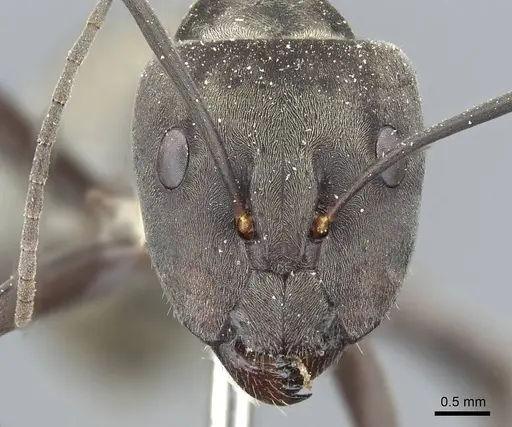
Camponotus parius is an ant species of the genus Camponotus. It is primarily documented in 9 countries , including China, Hong Kong, India. Detailed taxonomic data and occurrence records can be further explored via authoritative databases such as AntWeb or the Global Biodiversity Information Facility (GBIF).
Camponotus parius
Camponotus parius is a carpenter ant species native to South and Southeast Asia, found across India, Sri Lanka, Bangladesh, Myanmar, Laos, China, and Singapore [1][2]. Workers are typically 6-12mm, typical of the Camponotus genus, with a robust dark brown to black coloration. This species is highly adaptable, found in diverse habitats from primary forests to agricultural lands and even urban areas [3][4]. Unlike many arboreal Camponotus species, C. parius commonly forages on the ground and is frequently associated with aphids, tending them for honeydew and serving as a minor pollinator of plants like Jatropha curcas [5][6]. The species is active year-round in its tropical range, showing activity during Summer, Rainy, Autumn, and Spring seasons but reduced activity in Winter [7].
Quick Summary
- Difficulty: Easy
- Origin & Habitat: Native to South and Southeast Asia, India, Sri Lanka, Bangladesh, Myanmar, Laos, China (Yunnan, Hainan, Fujian, Guangdong, Hong Kong), and Singapore [1][2]. Found in diverse habitats including primary and secondary forests, grasslands, agricultural areas, and urban environments. Prefers elevations up to 1000m [8]. Often nests in soil, under stones, or in rotting wood in open areas and forest edges [3][9].
- Colony Type: Likely monogyne (single queen) based on typical Camponotus patterns. Colony founding is claustral, the queen seals herself in a chamber and lives off stored fat reserves until her first workers hatch.
- Colony: Monogyne
- Founding: Claustral
- Size & Growth:
- Queen: Estimated 12-15mm based on typical Camponotus queen size
- Worker: Estimated 6-12mm (major workers larger, minor workers smaller)
- Colony: Estimated several hundred to a few thousand workers based on typical Camponotus colony development
- Growth: Moderate, typical Camponotus growth pattern
- Development: Estimated 6-8 weeks at optimal temperature based on typical Camponotus development [inferred] (Development time is temperature-dependent. Warmer temperatures (24-26°C) accelerate development, while cooler temperatures slow it down.)
- Antkeeping:
- Temperature: Keep nest area at 22-26°C. This species tolerates a range from roughly 20°C to 30°C, but optimal development occurs in the mid-20s°C. A heating cable on one side of the nest creates a temperature gradient that allows ants to regulate their own temperature [inferred from genus patterns].
- Humidity: Moderate humidity around 50-70%. Keep the nest substrate slightly moist but not waterlogged. Provide a water source in the outworld. This species is adaptable and handles varying humidity levels well, reflecting its diverse natural habitats from forests to agricultural areas [inferred].
- Diapause: No true diapause required. This tropical species remains active year-round with reduced activity in cooler months. If your room temperature drops significantly in winter, a slight reduction in feeding and temperature (to around 18-20°C) mimics natural seasonal changes, but full hibernation is not necessary [7].
- Nesting: Use a Y-tong (AAC) nest, plaster nest, or naturalistic setup with soil and rotting wood pieces. This species accepts various nest types. Provide a dark nesting area and ensure the nest chambers are appropriately sized for their colony size. They do well in formicariums with moderate humidity retention [inferred].
- Behavior: Generally calm and non-aggressive for a carpenter ant. Workers are active foragers, both on the ground and climbing. They readily tend aphids for honeydew and will collect sugar sources. Unlike some Camponotus species, they are not particularly territorial or aggressive toward keepers. Escape risk is moderate, use standard barrier methods (Fluon on smooth surfaces, tight-fitting lids). They are moderate climbers but can be contained with proper escape prevention [inferred].
- Common Issues: colonies may decline if kept too cold, maintain temperatures above 20°C for healthy development, overfeeding can lead to mold in the nest, remove uneaten food promptly, wild-caught colonies may carry parasites, quarantine and monitor new colonies, test tube setups can flood if water reservoirs are too large, use appropriate-sized tubes, queens may abandon eggs if disturbed frequently during founding, minimize disturbance in early colony stages
Housing and Nest Setup
Camponotus parius adapts well to various captive setups. A Y-tong (acrylic ant castle) nest works excellently, the smooth walls help prevent escapes and the chambers can be sized appropriately for colony growth. Plaster nests or naturalistic setups with soil and rotting wood pieces also work well. For founding colonies, a simple test tube setup with a water reservoir (cotton ball at one end) provides proper humidity control. The nest should be kept dark, cover three sides of a test tube or use the dark interior of a formicarium. Provide an outworld area for foraging with a sugar dish (honey water or sugar water) and protein food. A temperature gradient is beneficial, place a heating cable on one side of the nest at around 24-26°C while allowing the other side to remain slightly cooler.
Feeding and Diet
This species is omnivorous with a strong preference for sugary foods. They readily accept sugar water, honey, or diluted honey as a constant energy source. For protein, offer small insects like fruit flies, mealworms, or cricket pieces. In nature, they are known to tend aphids for honeydew and have been observed feeding on floral nectaries [5][10]. They also scavenge on carcasses and will accept protein-based foods readily. Feed sugar sources constantly (a small dish refilled every few days) and offer protein 2-3 times per week. Remove uneaten prey after 24-48 hours to prevent mold. This species is not a specialized predator, so live prey is appreciated but not required, pre-killed insects work well.
Temperature and Seasonal Care
As a tropical species from South and Southeast Asia, Camponotus parius prefers warmer temperatures in the 22-26°C range. They remain active year-round in their natural range, though activity decreases in cooler months [7]. In captivity, maintain temperatures above 20°C for healthy colony development. A heating cable placed on top of the nest (never under, as this can dry out the nest too quickly) creates a gentle warmth that promotes brood development. During winter, if your room temperature drops significantly, you can reduce feeding frequency slightly and allow temperatures to fall to around 18-20°C, but avoid true hibernation conditions. This species does not require a diapause period. Watch for worker clustering behavior, if they all cluster near the heated area, increase heat slightly, if they avoid it entirely, reduce heat.
Behavior and Colony Dynamics
Camponotus parius colonies grow through typical carpenter ant development. The claustral queen seals herself in a chamber and raises her first brood alone, surviving on stored fat reserves. These first workers (nanitics) are typically smaller but quickly begin foraging to support colony growth. Workers are polymorphic, larger major workers develop over time and typically handle seed processing and defense, while smaller minors handle foraging and brood care. This species is not aggressive toward keepers and handles well. They are moderate foragers and will establish clear trails to food sources. Colonies can become quite large over time, so plan for eventual housing upgrades as the colony grows. The species is known to coexist with other ant species in its native range and shows positive associations with various plants through nectar feeding [10][6].
Frequently Asked Questions
How long does it take for Camponotus parius to have first workers?
Expect first workers (nanitics) in approximately 6-8 weeks after the queen lays eggs, assuming temperatures around 24-26°C. Cooler temperatures will slow development significantly. The queen is claustral, she seals herself in and raises the first brood entirely on her own without foraging.
What do Camponotus parius ants eat?
They are omnivorous with a strong sweet tooth. Offer constant access to sugar water, honey, or diluted honey. For protein, provide small insects like fruit flies, mealworms, or cricket pieces 2-3 times per week. They readily accept both sugar and protein sources.
Are Camponotus parius good for beginners?
Yes, this is an excellent beginner species. They are hardy, adaptable, and tolerate a range of conditions. They are not aggressive and are easy to feed. Their main requirements are simple: moderate warmth, humidity, and regular feeding.
What temperature do Camponotus parius need?
Keep them at 22-26°C for optimal development. They can tolerate a range from roughly 20°C to 30°C, but growth is fastest in the mid-20s. A heating cable on one side of the nest creates a gradient that lets ants choose their preferred temperature.
Do Camponotus parius need hibernation?
No, this tropical species does not require true hibernation. They remain active year-round in their native range. In captivity, you can slightly reduce feeding and allow temperatures to drop to around 18-20°C in winter if your room cools naturally, but full hibernation is not necessary.
How big do Camponotus parius colonies get?
Based on typical Camponotus patterns, mature colonies likely reach several hundred to a few thousand workers. Growth is moderate, expect the first workers within 6-8 weeks, and a substantial colony (100+ workers) within 6-12 months under good conditions.
Can I keep multiple Camponotus parius queens together?
This species is likely monogyne (single queen per colony). Combining unrelated queens is not recommended as they would likely fight. If you capture a founding queen, house her alone until she establishes her first workers.
When should I move Camponotus parius to a formicarium?
Move them when the colony reaches around 20-30 workers or when the test tube becomes cramped. A Y-tong or plaster nest works well. Make sure the formicarium has appropriately sized chambers, too large a space can stress smaller colonies.
Why are my Camponotus parius dying?
Common causes include: temperatures below 20°C (keep warmer), mold from overfeeding (remove uneaten food, improve ventilation), excessive humidity (allow substrate to dry slightly), or disturbance during founding (queens need peace in early stages). Check your temperature, humidity, and feeding practices first.
References

This caresheet is licensed under CC BY-SA 4.0 .
CASENT0280277
View on AntWeb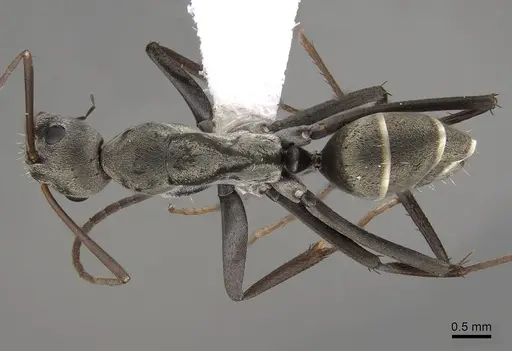
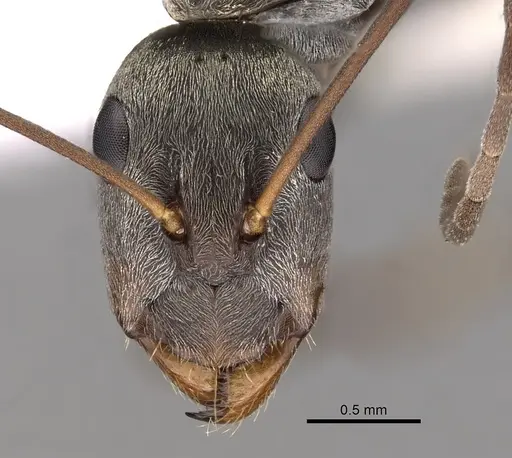
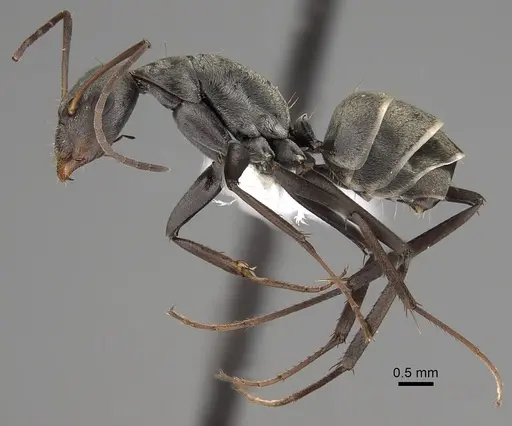
CASENT0882201
View on AntWeb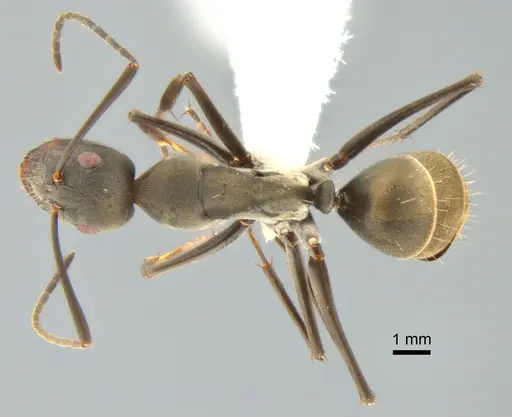
CASENT0905350
View on AntWeb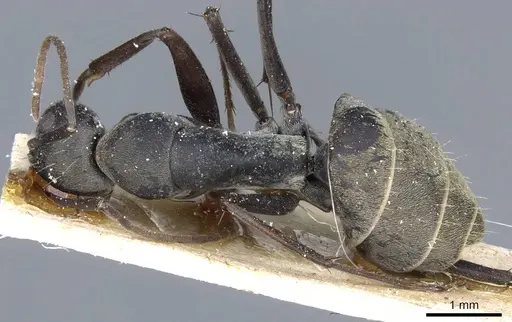
CASENT0905805
View on AntWeb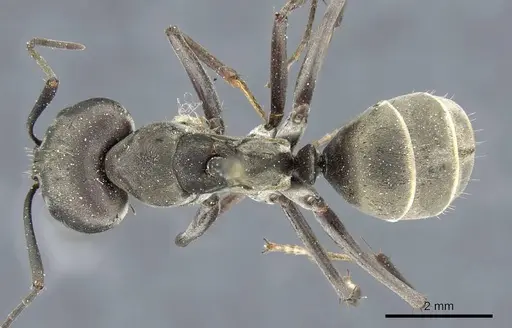
Literature
Loading...Loading products...