

Camponotus oetkeri
- Scientific Name
- Camponotus oetkeri
- Subgenus
- Thlipsepinotus
- Tribe
- Camponotini
- Subfamily
- Formicinae
- Author
- Forel, 1910
- Distribution
- Found in 1 countries
Camponotus oetkeri Overview
Camponotus oetkeri is an ant species of the genus Camponotus. It is primarily documented in 1 countries , including Australia. Detailed taxonomic data and occurrence records can be further explored via authoritative databases such as AntWeb or the Global Biodiversity Information Facility (GBIF).
Camponotus oetkeri
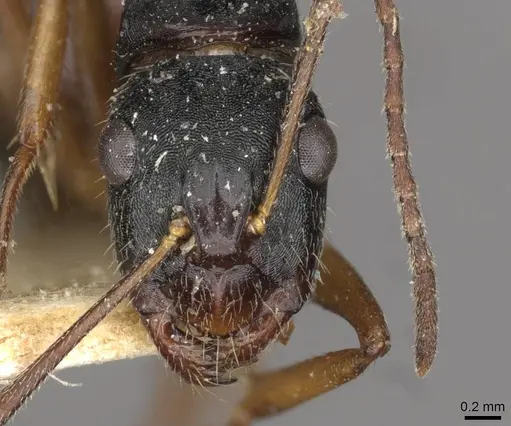
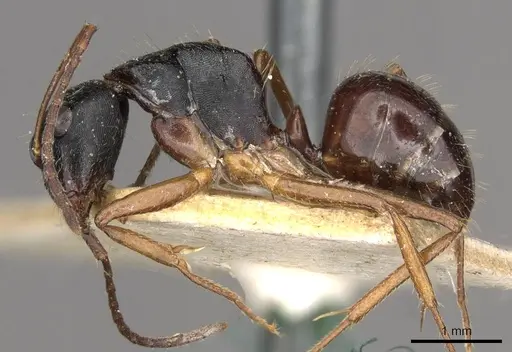
Camponotus oetkeri is a medium-sized carpenter ant native to Australia, found throughout Western Australia and the Northern Territory. Workers measure 6.7-8mm, making them a substantial species that won't be easily missed. The ants are mostly black with brownish scapes and tarsi, reddish tibiae, mandibles and front of the head, and yellow coxae and femurs. Unlike related species C. michaelseni and C. walkeri, this ant lacks erect hairs on the mesosoma (the middle body section) in both major and minor workers [1]. The body has a subopaque, finely wrinkled texture. This is a hardy Australian species adapted to arid to semi-arid conditions.
What makes C. oetkeri interesting is its distinctive appearance among Australian Camponotus, the combination of the yellow legs, reddish head, and smooth mesosoma without erect hairs makes it relatively easy to identify. As a carpenter ant, it nests in wood but can also nest in soil cavities, making it adaptable to various captive setups.
Quick Summary
- Difficulty: Easy
- Origin & Habitat: Native to Australia, specifically Western Australia and the Northern Territory. This species inhabits arid to semi-arid regions, typically nesting under stones, in soil cavities, or in rotting wood [2].
- Colony Type: Likely monogyne (single queen colony) based on typical Camponotus patterns. Queens found nests alone by sealing themselves in a chamber.
- Colony: Monogyne
- Founding: Claustral
- Size & Growth:
- Queen: Estimated 10-12mm based on genus patterns, Camponotus queens are typically larger than workers
- Worker: 6.7-8mm [2]
- Colony: Likely several thousand workers at maturity based on typical Camponotus colony development
- Growth: Moderate, Camponotus species typically grow steadily but not rapidly
- Development: Estimated 6-8 weeks at optimal temperature based on related Camponotus species (Development time depends on temperature, warmer conditions within range speed development)
- Antkeeping:
- Temperature: Keep at 24-28°C during active season. Australian Camponotus tolerate warmer conditions but benefit from a slight temperature drop at night. A heating cable on one side of the nest creates a useful gradient.
- Humidity: Moderate humidity around 50-60%. These ants come from drier Australian regions, so avoid overly damp conditions. Provide a water tube for drinking but keep the nest reasonably dry.
- Diapause: Yes, provide a cool period around 15-18°C for 2-3 months during winter. This simulates Australian winter conditions and helps maintain colony health.
- Nesting: Use a Y-tong (AAC) nest, plaster nest, or test tube setup. These ants aren't picky but need secure housing. A formicarium with some wood material or bark mimics their natural carpenter ant preferences.
- Behavior: Generally calm and non-aggressive for a large ant species. Workers are active foragers that search for protein and sugar sources. They have the typical carpenter ant ability to chew through soft materials but won't damage hard plastic or acrylic. Minor workers are more slender while majors have the characteristic large head. Escape risk is moderate, their size makes them visible but they can still squeeze through small gaps if motivated. They possess formic acid for defense but are not particularly aggressive toward keepers.
- Common Issues: queen death during founding, claustral queens sometimes fail if disturbed or if conditions aren't stable, overheating, despite being from warm Australia, direct heat sources can kill colonies, mold in nest, too much moisture combined with poor ventilation causes fungal problems, colonies stalling, sometimes colonies pause development, a slight temperature increase or fresh food can help, escape through tubing, even large ants can exit through loose connections, check all fittings regularly
Housing and Nest Setup
Camponotus oetkeri adapts well to various captive setups. A Y-tong (acrylic and cotton) nest works excellently, the vertical chambers suit their natural vertical nesting preferences while allowing you to monitor colony progress. Plaster nests also work well, providing good humidity control. Test tube setups are suitable for founding colonies and work fine for smaller colonies. Whatever you choose, ensure connections between the nest and outworld are secure, these ants are strong and will exploit any loose fittings. Add a water tube with a cotton plug for drinking water, and consider including a small piece of bark or wood chip as enrichment. [1][2]
Feeding and Diet
Like most Camponotus, this species is omnivorous. Offer protein sources like mealworms, small crickets, or other insects 2-3 times per week. They also readily accept sugar water, honey, or diluted maple syrup, this should always be available once workers emerge. Fresh fruit occasionally is also appreciated. Remove uneaten protein within 24-48 hours to prevent mold. During founding, the queen doesn't eat, she survives entirely on her stored fat reserves. Once workers arrive, they will venture out to forage, so food should be accessible in the outworld. [2]
Temperature and Seasonal Care
Maintain temperatures around 24-28°C during the active growing season. These ants come from the warm Australian interior, so they handle heat better than cold. However, avoid direct hot spots that could cause overheating, use a heating cable on one side of the nest only, never directly under the colony. During Australian winter (roughly June-August in the southern hemisphere), reduce temperatures to 15-18°C for a diapause period. This cool rest period helps synchronize their annual cycle and promotes healthy development. Room temperature in most homes is acceptable as long as it stays above 20°C during active season. [2]
Colony Development and Growth
Expect 6-8 weeks from egg to first worker (nanitic) at warm temperatures, though this is an estimate based on related species. The first workers will be smaller than normal workers but will quickly become more robust as the colony grows. Camponotus colonies can live for many years, queens in captivity have been documented living 15+ years. Growth is initially slow but accelerates once you have 20-30 workers. Major workers (soldiers) typically appear once the colony reaches several hundred workers. Don't be alarmed if development seems slow, this is normal for Camponotus compared to faster-growing genera like Tetramorium or Messor. [2]
Behavior and Handling
These ants are generally calm and won't bite aggressively unless threatened. They have formic acid for defense but rarely use it against keepers. Workers are active foragers, especially at night, so you may see most activity in evening hours. The colony will establish predictable foraging routes once established. Major workers use their larger heads for cracking seeds or defending the colony, they're not aggressive but will respond if the nest is threatened. Their moderate size makes them easy to observe and handle when necessary. They don't tend to be escape artists like tiny species, but still check all connections regularly. [2]
Frequently Asked Questions
How long does it take for Camponotus oetkeri to have first workers?
Expect first workers (nanitics) around 6-8 weeks after the queen lays eggs, assuming temperatures around 24-28°C. Development is slower than many common ant species, so patience is needed.
What temperature do Camponotus oetkeri need?
Keep them at 24-28°C during the active season. They tolerate warmer conditions but should be protected from direct heat sources. A winter diapause at 15-18°C for 2-3 months is recommended.
Can I keep Camponotus oetkeri in a test tube?
Yes, test tubes work well for founding colonies. Once the colony reaches 30-50 workers, consider moving to a larger formicarium like a Y-tong or plaster nest.
What do Camponotus oetkeri eat?
They eat insects (protein) 2-3 times per week and need constant access to sugar water, honey, or maple syrup. They also occasionally accept fruit. Remove uneaten protein promptly.
Do Camponotus oetkeri need hibernation?
Yes, a cool period around 15-18°C for 2-3 months is recommended to simulate Australian winter conditions. This helps maintain colony health and natural cycles.
Are Camponotus oetkeri good for beginners?
Yes, this is a good beginner species. They're hardy, adaptable, and have straightforward care requirements. Their larger size also makes them easier to observe and work with.
How big do Camponotus oetkeri colonies get?
Mature colonies likely reach several thousand workers based on typical Camponotus patterns. The queen can live 15+ years in captivity with proper care.
When should I move Camponotus oetkeri to a formicarium?
Move from test tube to formicarium once the colony reaches 30-50 workers or the test tube becomes crowded. A Y-tong or plaster nest works well for this species.
Why is my Camponotus oetkeri colony not growing?
Check temperature (should be 24-28°C), food availability, and queen health. Sometimes colonies naturally pause development. Ensure they're not in diapause conditions and try slightly warmer temperatures or fresh protein.
References

This caresheet is licensed under CC BY-SA 4.0 .
CASENT0887659
View on AntWeb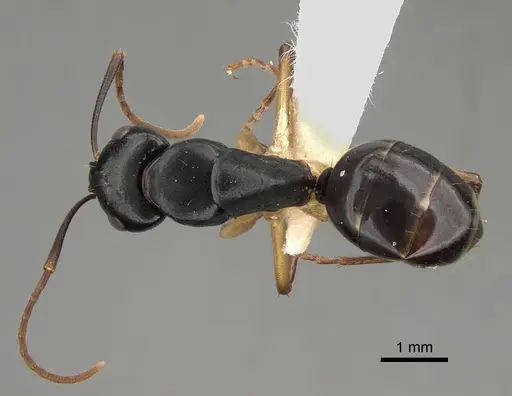
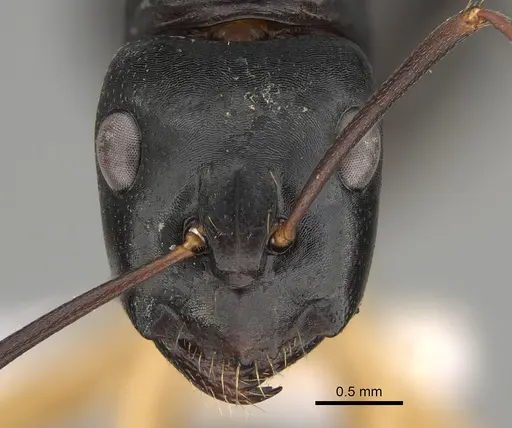
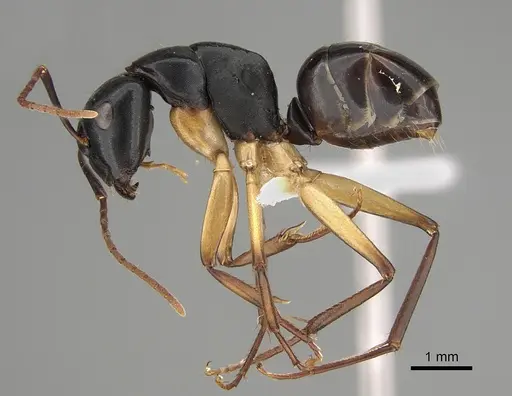
CASENT0887718
View on AntWeb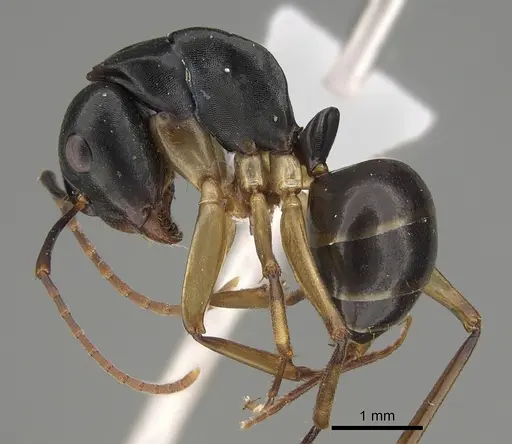
CASENT0910395
View on AntWeb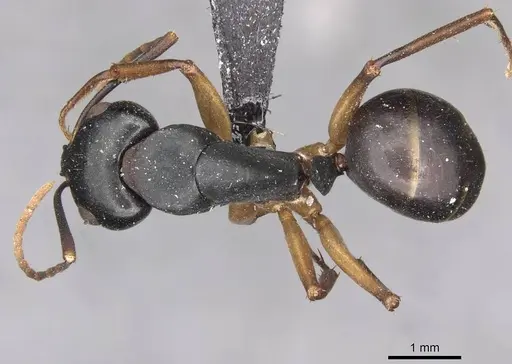
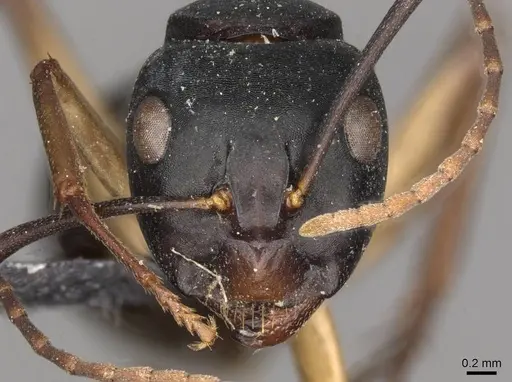
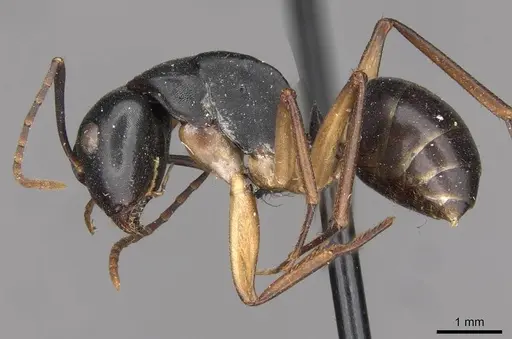
CASENT0910396
View on AntWeb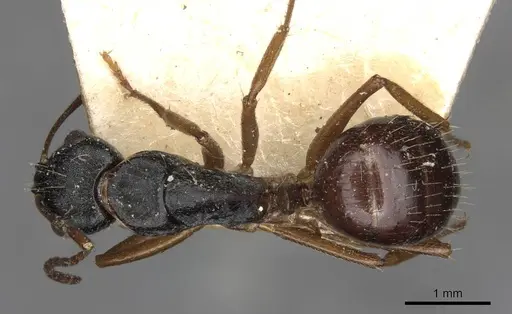
Literature
Loading...Loading products...