

Camponotus obreptivus
- Scientific Name
- Camponotus obreptivus
- Subgenus
- Tanaemyrmex
- Tribe
- Camponotini
- Subfamily
- Formicinae
- Author
- Forel, 1899
- Distribution
- Found in 3 countries
Camponotus obreptivus Overview
Camponotus obreptivus is an ant species of the genus Camponotus. It is primarily documented in 3 countries , including Colombia, Costa Rica, Nicaragua. Detailed taxonomic data and occurrence records can be further explored via authoritative databases such as AntWeb or the Global Biodiversity Information Facility (GBIF).
Camponotus obreptivus
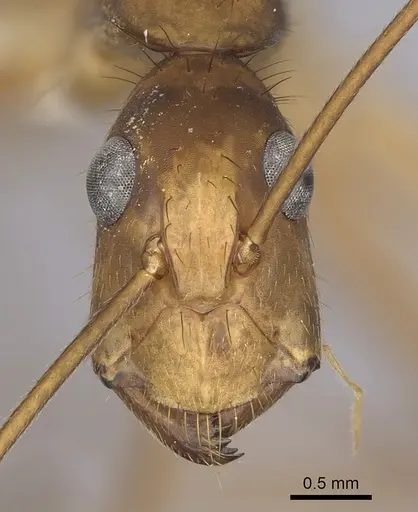
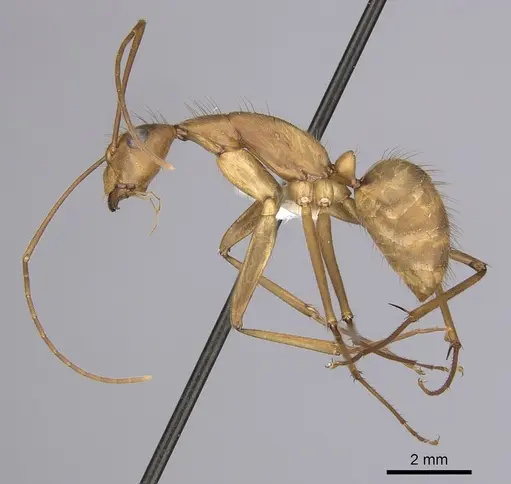
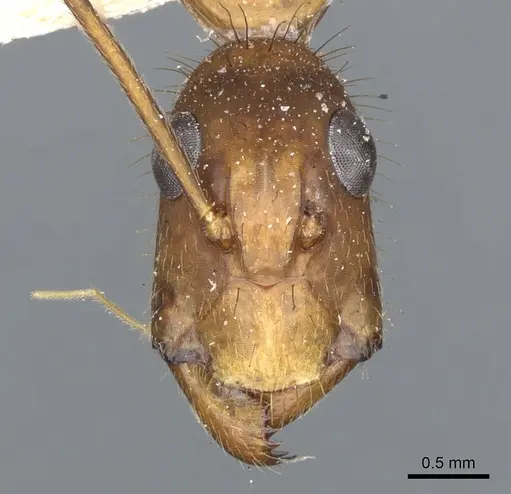
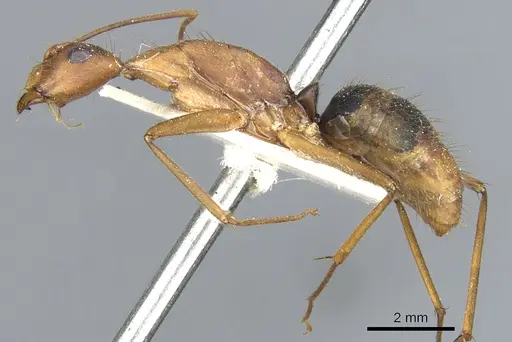
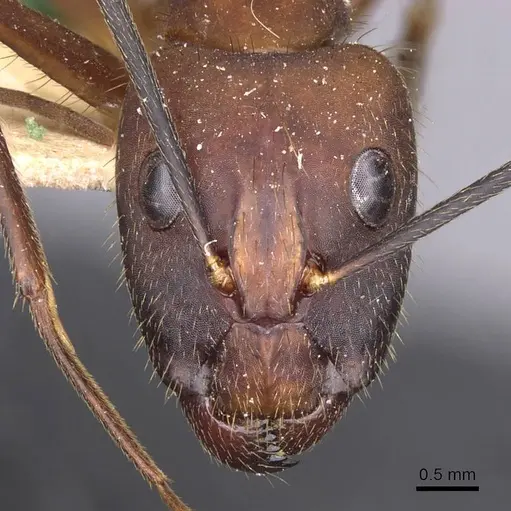
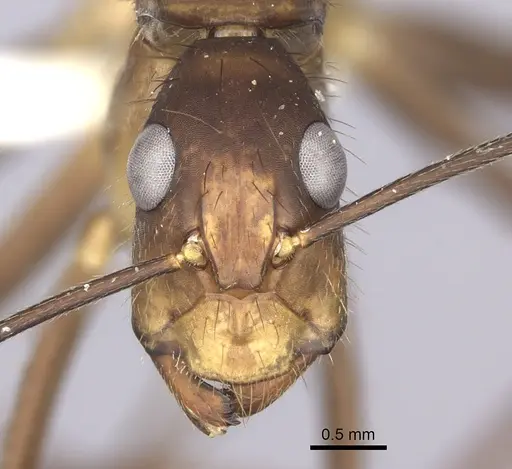
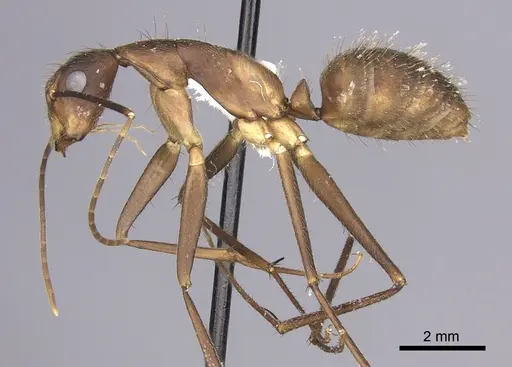
Camponotus obreptivus is a large Neotropical carpenter ant native to Costa Rica and Colombia. Workers measure 10.5-12.5mm, making them a substantial species in the Camponotus genus. They have an elongated clypeus with a concave anterior border and a distinctive concave posterior border of the head. The head and body are covered with erect and suberect hairs, with the scapes having appressed hairs. Coloration varies between castes: minor workers are reddish-testaceous with ferruginous tones and paler leg bases, while majors are brownish-red with the abdomen and front of head darker brown and yellowish abdominal segment borders. This species is closely related to C. lespesii and C. cacicus but can be distinguished by its smaller size and the presence of erect hairs near the eyes [1][2].
Quick Summary
- Difficulty: Medium
- Origin & Habitat: Neotropical species found in Costa Rica and Colombia (Amazonas and Guajira regions). Natural habitat preferences are not documented in available research [3][2].
- Colony Type: Colony structure is unconfirmed. Based on typical Camponotus (Tanaemyrmex) patterns, likely single-queen (monogyne) colonies. The species is not common and its complete biology remains unknown [2].
- Founding: Claustral
- Size & Growth:
- Queen: Not documented, estimated 14-16mm based on genus patterns for large Camponotus species
- Worker: 10.5-12.5 mm [1]
- Colony: Unknown, likely several hundred workers based on typical Camponotus colony sizes
- Growth: Moderate, based on typical Camponotus development patterns
- Development: Estimated 6-8 weeks at optimal temperature based on genus-level Camponotus data (Direct development data unavailable for this species, estimate based on related large Camponotus species. Expect slower growth than smaller ant species.)
- Antkeeping:
- Temperature: Keep at 24-28°C. This is a Neotropical species that prefers warm conditions. A heating cable on one side of the nest creates a temperature gradient allowing workers to self-regulate.
- Humidity: Moderate humidity around 50-70%. Provide a water tube for drinking water. As a Neotropical species, they likely prefer slightly more humid conditions than desert-dwelling Camponotus but not as demanding as tropical species.
- Diapause: Unknown, Neotropical species may have reduced activity during cooler months but true hibernation is unlikely. Maintain stable temperatures year-round.
- Nesting: In nature, Camponotus species typically nest in wood. For captivity, a Y-tong (AAC) nest or plaster/naturalistic setup with wood elements works well. Provide a dark nesting area and adequate chamber space for the colony.
- Behavior: This species is not well-studied in captivity. Based on typical Camponotus behavior, workers are likely moderate foragers that search for sugar sources and protein. They are not typically aggressive but will defend the nest if threatened. Escape prevention should be moderate, these are large ants but good barrier techniques work well. Major workers may be present in mature colonies.
- Common Issues: biology is poorly documented, much of care is inferred from genus patterns rather than species-specific research, not a common species in the antkeeping hobby so experienced keepers are limited, slow growth compared to smaller ant species may frustrate beginners, wild-caught colonies may have parasites or health issues, temperature stability is critical, Neotropical species are sensitive to temperature drops
Nest Preferences and Housing
In the wild, Camponotus species typically nest in rotting wood or under bark. For captive care, a Y-tong (acrylic and cotton) nest works well, providing dark chambers that mimic natural tree-nesting conditions. Plaster nests with water channels can also work, maintaining moderate humidity. The colony should have a dark nesting area and access to an outworld for foraging. Because workers reach 10.5-12.5mm, provide appropriately sized chambers, not too cramped but not excessively large either. A test tube setup can work for founding colonies, transitioning to a formicarium as the colony grows.
Feeding and Diet
Camponotus obreptivus is likely omnivorous like other carpenter ants in the genus. Offer sugar water, honey, or diluted sugar syrup as a constant energy source. For protein, provide insects such as mealworms, crickets, or other appropriately sized prey. Based on typical Camponotus feeding behavior, they will likely accept a varied diet. Feed protein 2-3 times per week and ensure sugar sources are available at all times. Remove uneaten prey after 24-48 hours to prevent mold. Fresh water should always be accessible.
Temperature and Seasonal Care
As a Neotropical species from Costa Rica and Colombia, this ant prefers warm conditions. Maintain temperatures between 24-28°C for optimal colony health and development. A heating cable placed on part of the nest can create a gradient, allowing workers to regulate their own temperature by moving between warmer and cooler areas. Avoid temperatures below 20°C for extended periods. Unlike temperate species, C. obreptivus likely does not require true hibernation but may reduce activity during cooler periods. Maintain consistent warmth year-round.
Behavior and Colony Dynamics
This species is not well-documented in captivity, but typical Camponotus behavior includes moderate foraging activity, with major workers (soldiers) appearing in mature colonies. Workers are likely not particularly aggressive but will defend the nest vigorously if disturbed. The species shows the characteristic Camponotus trait of being able to lift heavy objects relative to their body size. Colony growth is likely moderate, faster than some slow-growing species but not as rapid as smaller ants. Major workers may assist with defense and processing tougher food items. The colony structure appears to be single-queen based on typical patterns for this subgenus.
Growth and Development
Direct development data for C. obreptivus is not available. Based on typical Camponotus development, expect 6-8 weeks from egg to first worker (nanitic) at optimal temperatures. Nanitic workers will be smaller than mature workers. Colony growth is initially slow during the founding phase, with the queen raising the first brood alone in her sealed chamber. Once workers emerge, growth accelerates but remains moderate compared to faster-developing species. A mature colony likely reaches several hundred workers over time.
Frequently Asked Questions
How long does it take for Camponotus obreptivus to produce first workers?
Direct data is not available for this species, but based on typical Camponotus development patterns, expect 6-8 weeks from egg to first worker at optimal temperatures (24-28°C). The founding phase is slow as the queen seals herself in and raises the first brood alone.
What do Camponotus obreptivus ants eat?
They are omnivorous like other carpenter ants. Offer sugar water, honey, or diluted sugar syrup as a constant energy source. For protein, provide insects such as mealworms, crickets, or other small invertebrates. Feed protein 2-3 times per week.
What temperature do Camponotus obreptivus ants need?
Keep them warm at 24-28°C. This is a Neotropical species that prefers consistent warmth. A heating cable on part of the nest creates a gradient for self-regulation.
Are Camponotus obreptivus ants good for beginners?
This species is rated as medium difficulty. While large Camponotus species are generally hardy, this particular species is not commonly kept and its biology is poorly documented. Some experience with ant keeping is recommended.
How big do Camponotus obreptivus colonies get?
Exact colony size is unknown, but based on typical Camponotus patterns, colonies likely reach several hundred workers. Major workers (soldiers) appear in mature colonies.
What type of nest should I use for Camponotus obreptivus?
A Y-tong (AAC) nest or plaster nest works well. These ants naturally nest in wood, so providing a setup with dark chambers and some wood elements mimics their natural habitat. Ensure the nest is appropriately sized for 10-12mm workers.
Does Camponotus obreptivus need hibernation?
No, as a Neotropical species from Costa Rica and Colombia, true hibernation is not required. Maintain stable warm temperatures year-round (24-28°C).
Can I keep multiple queens together?
Colony structure is not well-documented for this species. Based on typical Camponotus patterns, single-queen colonies are most common. Combining unrelated queens is not recommended as they may fight.
Why is this species so rarely kept?
Camponotus obreptivus is not commonly found in the antkeeping hobby because it has a limited distribution (Costa Rica and Colombia) and its complete biology remains unknown. It is also not as visually striking as some other Camponotus species.
References

This caresheet is licensed under CC BY-SA 4.0 .
CASENT0249343
View on AntWeb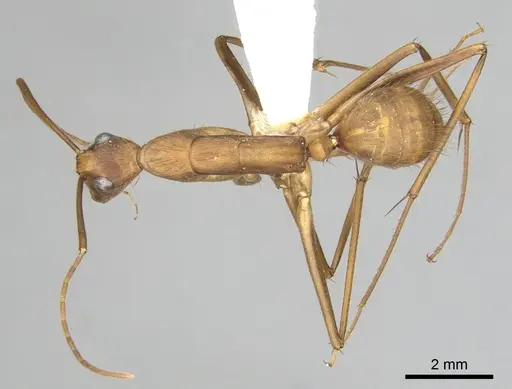
CASENT0903647
View on AntWeb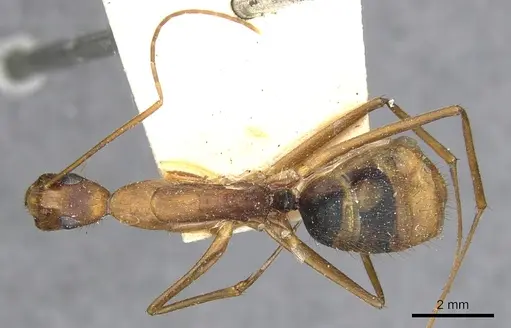
CASENT0910034
View on AntWeb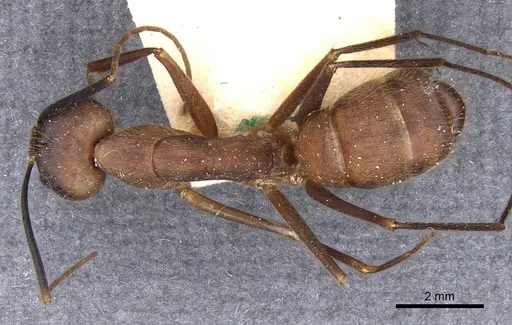
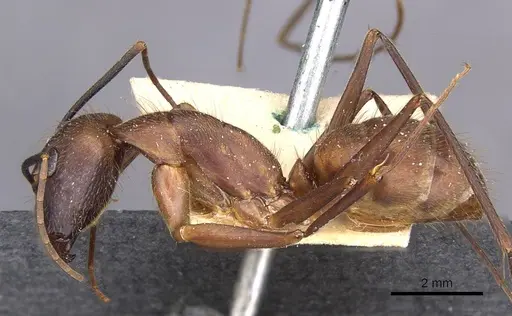
CASENT0910035
View on AntWeb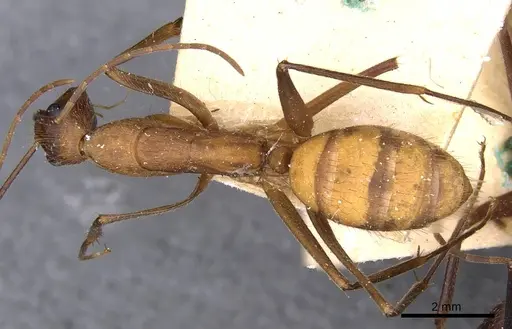
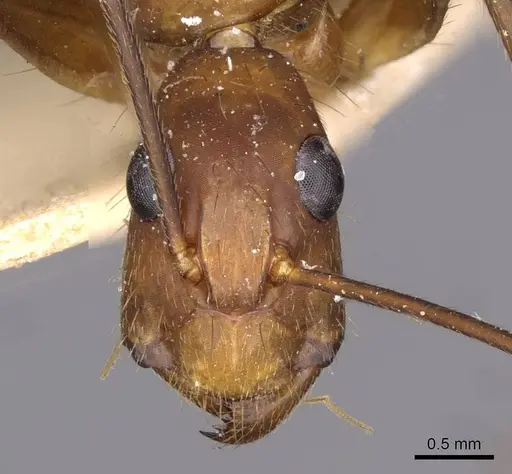
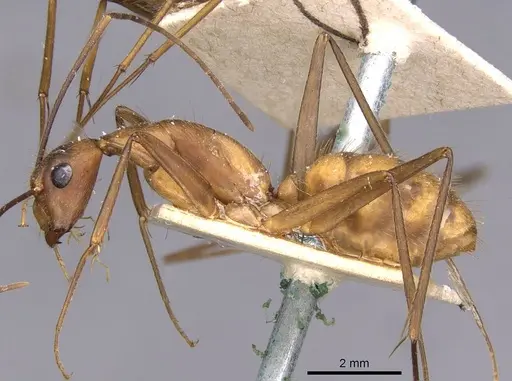
INBIOCRI001281573
View on AntWeb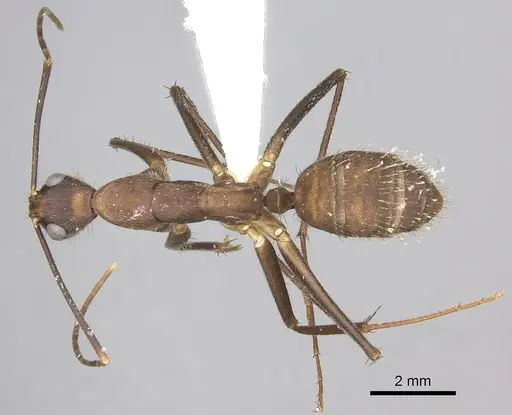
Literature
Loading...Loading products...