

Camponotus oblongus
- Scientific Name
- Camponotus oblongus
- Subgenus
- Tanaemyrmex
- Tribe
- Camponotini
- Subfamily
- Formicinae
- Author
- Smith, 1858
- Distribution
- Found in 1 countries
Camponotus oblongus Overview
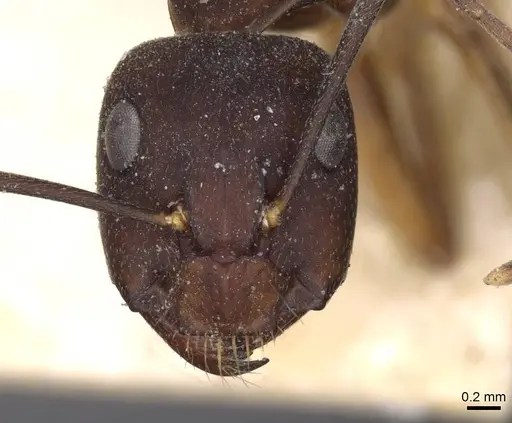
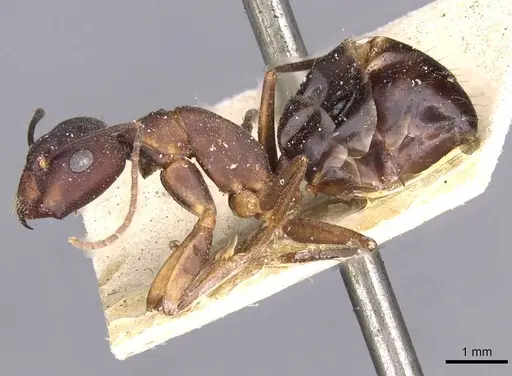
Camponotus oblongus is an ant species of the genus Camponotus. It is primarily documented in 1 countries , including Sri Lanka. Detailed taxonomic data and occurrence records can be further explored via authoritative databases such as AntWeb or the Global Biodiversity Information Facility (GBIF).
Camponotus oblongus
Camponotus oblongus is a carpenter ant species native to South and Southeast Asia, found across Bangladesh, India, Myanmar, Pakistan, Sri Lanka, and the Andaman and Nicobar Islands [1]. Workers are polymorphic, with major workers significantly larger than minor workers, a common trait in the Camponotus genus. The species belongs to the Camponotini tribe within the Formicinae subfamily. This ant is part of the 'subordinate' functional group, meaning it tends to be less aggressive and occupies more stable ecological niches compared to dominant ant species. They are ground-dwelling ants found in diverse habitats from lowland coconut plantations to elevations around 500m in the Himalayas.
Quick Summary
- Difficulty: Medium
- Origin & Habitat: Native to the Indomalaya region, Bangladesh, India, Myanmar, Pakistan, Sri Lanka, and the Andaman and Nicobar Islands [1]. Found in wet tropical zones in Sri Lanka, and various habitats in Pakistan including grasslands, ornamental plantings, and fruit shops [2][3].
- Colony Type: Single-queen (monogyne) colonies based on typical Camponotus patterns. Colonies contain major and minor workers, polymorphic caste system.
- Colony: Monogyne
- Founding: Claustral
- Size & Growth:
- Queen: Approximately 9.5mm (4.5 lines) [4]
- Worker: Major workers: 6-10mm, Minor workers: 4-6mm (estimated from related Camponotus species)
- Colony: Unknown for this specific species, likely several hundred workers based on genus patterns
- Growth: Moderate, typical Camponotus development
- Development: 6-8 weeks at optimal temperature (inferred from genus-level Camponotus data) (Development time is temperature-dependent, warmer conditions within acceptable range speed up development)
- Antkeeping:
- Temperature: Keep nest area at 24-28°C, these are warm-climate ants from tropical and subtropical regions. A gentle gradient allowing workers to self-regulate is ideal.
- Humidity: Moderate humidity, they tolerate a range from semi-dry to moderately damp. Keep nest substrate moist but not waterlogged. Provide a water source.
- Diapause: Unlikely, being a tropical/subtropical species, they probably do not require a true hibernation. However, a slight cool-down period (around 18-20°C) during winter months may be beneficial if room temperature drops significantly.
- Nesting: In captivity, standard formicariums work well, acrylic nests, Y-tong nests, or plaster nests. They are ground-dwelling, so provide soil or sand as substrate. They do not require special nesting materials like rotting wood in captivity.
- Behavior: These ants are generally calm and not overly aggressive, consistent with their classification as 'subordinate' Camponotini. They are polymorphic with distinct major and minor workers. Major workers can defend the colony while minor workers handle brood care and foraging. They are moderate escape artists due to their size, standard barrier methods are usually sufficient. They are primarily ground-nesting and will establish colonies in soil-based setups.
- Common Issues: queen mortality during founding is common, ensure proper humidity and minimal disturbance, colonies grow slowly initially, beginners may lose patience and overfeed or overwater, major workers are large enough to potentially escape if barriers are inadequate, mold can be an issue if substrate stays too wet, provide ventilation, wild-caught colonies may carry parasites that can decimate captive colonies
Housing and Nest Setup
Camponotus oblongus does well in standard ant keeping setups. A test tube setup works well for founding colonies, use a standard test tube with a water reservoir separated by a cotton plug. The tube should be dark on the outside to simulate a underground chamber. Once the colony reaches 20-30 workers, you can transition to a formicarium. Acrylic nests, Y-tong nests, or plaster nests all work well. For the outworld (foraging area), provide a shallow container with a soil or sand layer. They are not arboreal nesters, so they do well with ground-based setups. Ensure the nest area maintains appropriate humidity while the outworld can be drier. [1]
Feeding and Diet
Like other Camponotus species, C. oblongus is omnivorous. They accept sugar sources readily, a drop of honey water or sugar water should be offered at all times. For protein, offer small insects like fruit flies, small crickets, or mealworms. In the wild, they likely tend aphids for honeydew and hunt small invertebrates. Feed protein 2-3 times per week, adjusting based on colony size. Remove uneaten prey after 24 hours to prevent mold. Fresh water should always be available. They are not aggressive foragers, so place food near the nest entrance where foragers can easily find it.
Temperature and Seasonal Care
Being a species from tropical and subtropical Asia, C. oblongus prefers warm conditions. Keep the nest area at 24-28°C for optimal brood development. You can use a heating cable or heating mat on one side of the nest to create a temperature gradient, this allows ants to self-regulate by moving to warmer or cooler areas. Place the heating on top of the nest, not underneath, to avoid drying out the substrate. During winter, if your room temperature drops significantly, a slight reduction to around 20°C is acceptable, but a true hibernation is not required for this tropical species. Avoid temperatures below 18°C for extended periods.
Colony Development and Growth
Camponotus colonies grow progressively, the claustral queen raises her first brood alone, surviving on her stored fat reserves. The first workers (nanitics) are typically smaller than normal workers. After they emerge, the colony enters a growth phase where worker numbers increase steadily. C. oblongus has polymorphic workers, major workers (soldiers) develop as the colony matures and serve for defense and seed processing. Colony growth is moderate, expect 6-12 months to reach 50 workers, with faster growth thereafter under optimal conditions. Patience is key, Camponotus are long-lived ants, and colonies can thrive for many years.
Behavior and Temperament
This species is known for its relatively calm temperament, they are not aggressive and rarely attack unless their nest is directly threatened. They belong to the 'subordinate' Camponotini functional group, which means they are not dominant in their ecosystems and tend to avoid conflict with more aggressive species. Workers are polymorphic: minor workers handle most tasks including foraging and brood care, while major workers defend the colony and help process larger food items. They are primarily ground-dwelling and do not exhibit the tree-nesting behavior seen in some other Camponotus species. They are moderately active foragers and will establish clear trails to food sources.
Frequently Asked Questions
How long does it take for Camponotus oblongus to get first workers?
Expect first workers (nanitics) to emerge in 6-8 weeks at optimal temperature (24-28°C). This is typical for Camponotus species. The queen is claustral, she seals herself in and raises the first brood alone using stored fat reserves.
Can I keep Campon oblongus in a test tube?
Yes, a test tube setup is perfect for founding colonies. Use a standard test tube with a water reservoir, keep it dark, and maintain moderate humidity. Once the colony reaches 20-30 workers, consider moving to a proper formicarium.
What do Camponotus oblongus eat?
They are omnivorous. Offer a constant sugar source (honey water or sugar water) and protein 2-3 times weekly (small insects like fruit flies, crickets, or mealworms). Remove uneaten prey after 24 hours.
What temperature do Camponotus oblongus need?
Keep them at 24-28°C in the nest area. A heating cable on one side of the nest creates a gradient for self-regulation. They are warm-climate ants from tropical Asia and do not tolerate cold well.
How big do Camponotus oblongus colonies get?
Colony size is not well documented for this specific species, but based on genus patterns, they likely reach several hundred workers. Camponotus colonies are long-lived and can grow steadily for many years.
Do Camponotus oblongus need hibernation?
Probably not, being a tropical/subtropical species from South and Southeast Asia, they likely do not require a true hibernation. A slight cool-down in winter (around 20°C) is acceptable if your room temperature drops significantly.
Are Camponotus oblongus good for beginners?
They are medium difficulty, more forgiving than some tropical species but requiring more attention than common temperate ants. Their moderate growth rate and calm temperament make them suitable for intermediate ant keepers who understand claustral founding.
When should I move my colony to a formicarium?
Move from test tube to formicarium when the colony reaches 20-30 workers or when the test tube becomes crowded. Ensure the formicarium has appropriate humidity and a connected outworld for foraging.
Why is my Camponotus oblongus colony dying?
Common causes include: queen death during founding (often due to disturbance or wrong humidity), mold from over-wetting, temperatures too cold (below 20°C), or parasites from wild-caught colonies. Ensure stable conditions and minimal disturbance during founding.
References

This caresheet is licensed under CC BY-SA 4.0 .
CASENT0903585
View on AntWeb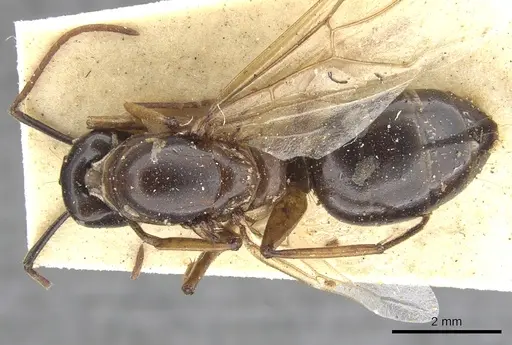
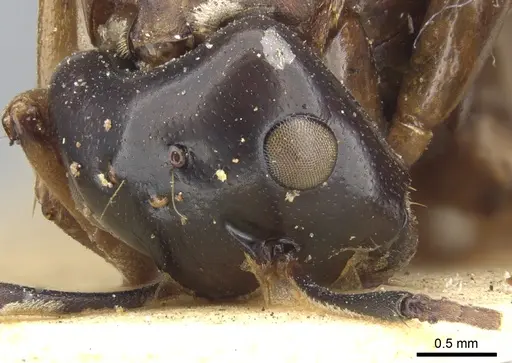
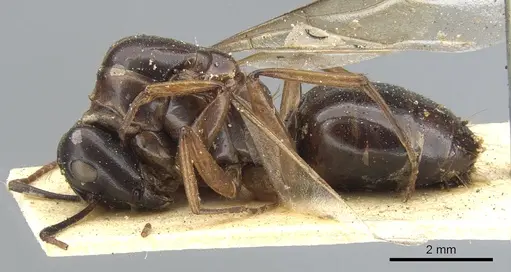
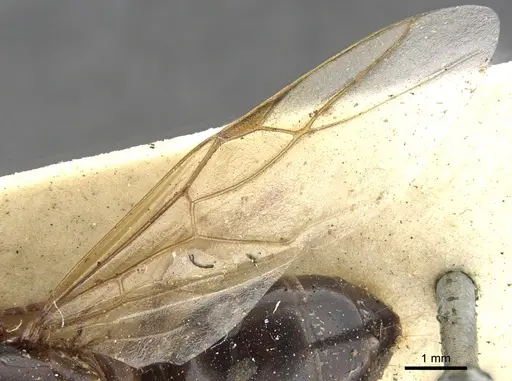
CASENT0910163
View on AntWeb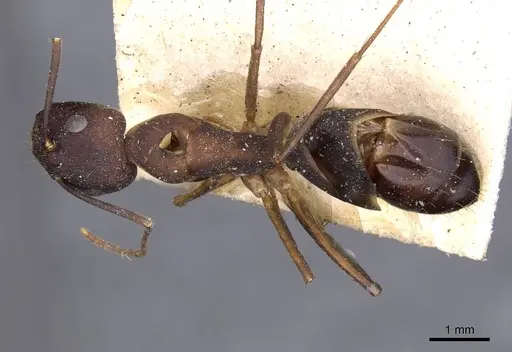
Literature
Loading...Loading products...