

Camponotus nylanderi
- Scientific Name
- Camponotus nylanderi
- Subgenus
- Tanaemyrmex
- Tribe
- Camponotini
- Subfamily
- Formicinae
- Author
- Emery, 1921
- Distribution
- Found in 1 countries
Camponotus nylanderi Overview
Camponotus nylanderi is an ant species of the genus Camponotus. It is primarily documented in 1 countries , including Italy. Detailed taxonomic data and occurrence records can be further explored via authoritative databases such as AntWeb or the Global Biodiversity Information Facility (GBIF).
Camponotus nylanderi
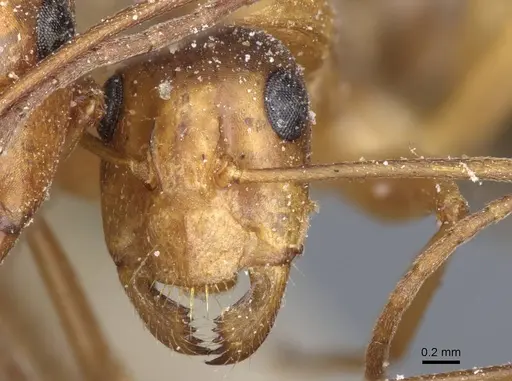
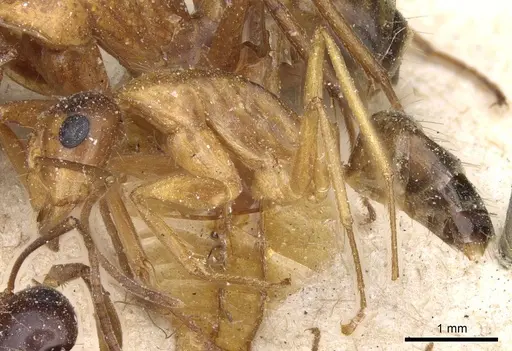
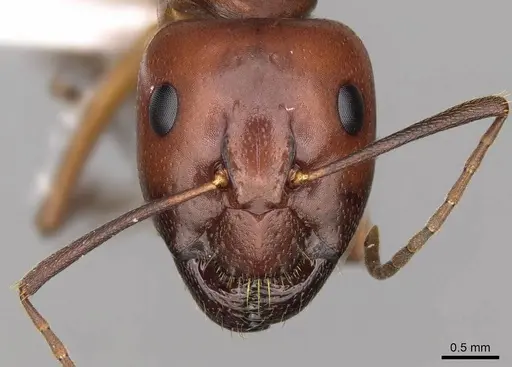
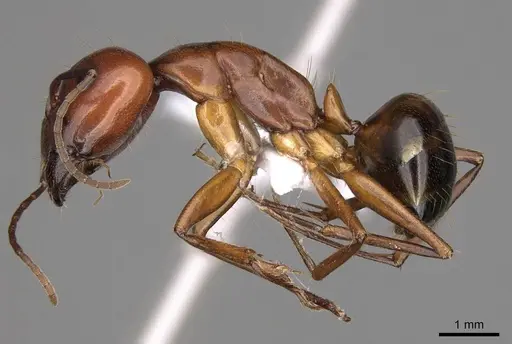
Camponotus nylanderi is a medium-sized pale ant belonging to the Formicinae subfamily. Workers measure 5-10mm and display the characteristic pale yellowish-brown to reddish-brown coloration typical of the genus, with a dark abdomen that contrasts with their lighter mesosoma. This species is native to Sicily and surrounding Mediterranean islands, where it inhabits dry to semi-dry habitats like maquis, rocky shrubland, and olive plantations from sea level up to about 1100m elevation [1]. The species was originally described as Camponotus pallens in 1849 but had to be renamed because the name was already taken, it became C. nylanderi in 1921 [2]. What makes this species particularly interesting for antkeepers is its adaptability, it's been introduced to the United Arab Emirates and southern France, where it thrives in greenhouses and warm urban areas [3][4].
Quick Summary
- Difficulty: Easy
- Origin & Habitat: Native to Sicily and the Aeolian Islands (Italy), with introduced populations in the United Arab Emirates and southern France. In its native range, it inhabits dry to semi-dry Mediterranean habitats including maquis, rocky shrubland, olive plantations, and meadows at altitudes from 10-1090m [1][5]. The introduced population in the UAE was found in Wadi Maidaq [3].
- Colony Type: Single-queen colonies (monogyne). Like most Camponotus species, colonies start with one claustral queen who seals herself in to raise the first brood alone.
- Colony: Monogyne
- Founding: Claustral
- Size & Growth:
- Queen: 10-12mm, queens are relatively large, typical of Camponotus [2]
- Worker: 5-10mm, workers show moderate size variation [2]
- Colony: Likely reaches several thousand workers at maturity, typical of Camponotus species
- Growth: Moderate, Camponotus colonies typically grow steadily through the first year, with major increases once the colony reaches 50+ workers
- Development: Approximately 6-8 weeks at optimal temperature (25-28°C). This is typical for Camponotus species in warm conditions [2] (Development is temperature-dependent, cooler temperatures will slow development significantly)
- Antkeeping:
- Temperature: Keep nest area at 24-28°C. As a Mediterranean species, they tolerate warmer conditions well but prefer stable warmth. A heating cable on one side of the nest creates a suitable gradient [2]
- Humidity: Low to moderate, these are dry habitat ants. Keep nest substrate moderately dry, with a small water tube for drinking. Avoid damp conditions that can cause mold [2]
- Diapause: Yes, as a temperate/Mediterranean species, they benefit from a winter rest period of 8-12 weeks at 10-15°C. Reduce feeding and keep them in a cool, dark location during this period [2]
- Nesting: Y-tong (AAC) nests work well, as do plaster or acrylic nests. They prefer tight, dark chambers. Test tube setups are suitable for founding colonies. Avoid overly humid conditions, these are not rainforest ants [2]
- Behavior: Generally calm and non-aggressive for a Camponotus species. Workers are active foragers that search for honeydew, nectar, and small insects. They are not particularly territorial and typically avoid conflict when possible. Escape risk is moderate, use standard Camponotus escape prevention (fluon on edges). They do not have a stinger but can spray formic acid as a defense [2].
- Common Issues: colonies often struggle if kept too humid, these are dry habitat ants and excess moisture causes mold problems, winter die-offs are common if hibernation is not provided properly or if temperatures fluctuate wildly during rest period, founding colonies are vulnerable, queens need complete darkness and disturbance-free conditions for the first 2-3 months, introduced populations may have different care requirements than wild-caught Sicilian stock, research your colony's origin, slow initial growth can lead to overfeeding by impatient keepers, causing mold and killing the colony
Housing and Nest Setup
Camponotus nylanderi adapts well to various nest types. For founding colonies, a simple test tube setup works perfectly, fill a tube one-third with water, plug with cotton, and place the queen in darkness. For established colonies, Y-tong (AAC) nests are excellent because they provide the dark, tight chambers these ants prefer. Acrylic nests and plaster nests also work well. The key is to avoid overly humid conditions, these are dry habitat ants, so keep the nest substrate moderately dry rather than damp. Provide a small water tube or cotton ball with fresh water for drinking. A gradient from room temperature to about 28°C on one side of the nest helps them regulate their temperature [2].
Feeding and Diet
Like most Camponotus species, C. nylanderi is omnivorous but leans toward sugar sources and protein. They readily accept sugar water, honey, or diluted maple syrup as a constant energy source. For protein, offer small insects like fruit flies, small mealworms, or cricket pieces. In nature, they forage for honeydew from aphids and scale insects, so they appreciate sweet liquids. Feed a small drop of sugar water every few days and offer protein 1-2 times per week. Remove uneaten protein after 24 hours to prevent mold. Remember that founding queens do not eat, they survive entirely on stored fat until their first workers emerge [2].
Temperature and Seasonal Care
This Mediterranean species thrives at warm temperatures. Keep the nest area at 24-28°C during the active season. They can tolerate temperatures into the low 30s briefly but prefer stable warmth. During winter, provide an 8-12 week diapause period at 10-15°C, this mimics their natural seasonal cycle and helps maintain colony health. Reduce feeding during hibernation to almost nothing. Come spring, gradually warm them back up and resume normal feeding. If you live in a warm climate similar to their native Sicily, room temperature may be sufficient, but a heating cable or mat on one side of the nest gives you better control [2].
Behavior and Colony Dynamics
Camponotus nylanderi is among the more docile Camponotus species. Workers are active foragers that will readily explore the outworld for food. They communicate through chemical trails and can recruit nestmates to good food sources. Colonies grow moderately, expect the first workers (nanitics) 6-8 weeks after the queen lays eggs, and steady growth through the first year. Major workers (larger workers with bigger heads) typically appear once the colony reaches 100+ workers. Unlike some aggressive ant species, these ants are unlikely to bite aggressively or swarm. They can spray formic acid as a defense if threatened, but this is mild compared to stings. Escape prevention is important, while not the smallest ants, they can still squeeze through small gaps, so use fluon on container edges [2].
Frequently Asked Questions
How long does it take for Camponotus nylanderi to raise first workers?
Expect 6-8 weeks from egg to first worker at optimal temperature (25-28°C). This is typical for Camponotus species. The queen will lay eggs within a week or two of founding, and the brood develops through larva and pupa stages before emerging as workers. Cooler temperatures will slow this significantly [2]
What do I feed Camponotus nylanderi?
Offer a constant sugar source (sugar water, honey, or diluted maple syrup) and protein 1-2 times weekly (small insects like fruit flies, mealworms, or cricket pieces). Remove uneaten protein after 24 hours to prevent mold. Founding queens do not need food, they survive on stored fat until their first workers arrive [2]
Do Camponotus nylanderi need hibernation?
Yes, they benefit from an 8-12 week winter rest period at 10-15°C. This mimics their natural Mediterranean seasonal cycle. Reduce feeding during this time and keep them in a cool, dark location. Skip hibernation only if your colony is very small or weak, but most established colonies handle it well [2]
Are Camponotus nylanderi good for beginners?
Yes, they are considered an easy species to keep. They are more docile than many Camponotus species, tolerate typical room conditions reasonably well, and are not overly aggressive. Their main requirements are warm temperatures, dry nesting conditions, and proper hibernation. The main challenges are avoiding over-humidity and providing proper winter rest [2]
When should I move my colony to a formicarium?
Keep founding colonies in a test tube until you have 15-20 workers. At that point, you can gently transfer them to a Y-tong or acrylic nest. Moving too early can stress the colony. Use a connection tube between the test tube and new nest, allowing workers to explore and move brood at their own pace [2]
How big do Camponotus nylanderi colonies get?
At maturity, colonies likely reach several thousand workers. This is typical for Camponotus species. Growth is moderate, expect the first year to bring steady but not explosive growth, with faster expansion once the colony passes 50-100 workers [2]
Can I keep multiple Camponotus nylanderi queens together?
No, this is a monogyne (single-queen) species. Unlike some ants that can have multiple queens, C. nylanderi colonies typically have only one reproductive queen. Multiple unrelated queens in one setup will likely fight until only one remains [2]
Why is my colony dying?
Common causes include: too much humidity (these are dry habitat ants, keep nesting area dry), improper hibernation (they need 8-12 weeks at 10-15°C), disturbance during founding (queen needs complete darkness and quiet for first months), or overfeeding (uneaten food causes mold that can kill colonies). Check these factors and adjust accordingly [2]
Where is Camponotus nylanderi native to?
This species is native to Sicily and the Aeolian Islands in Italy. It has been introduced to the United Arab Emirates and southern France (in greenhouses near Cannes). If you obtain a wild-caught colony, it was likely from Sicily [3][5][4]
References

This caresheet is licensed under CC BY-SA 4.0 .
CASENT0905324
View on AntWeb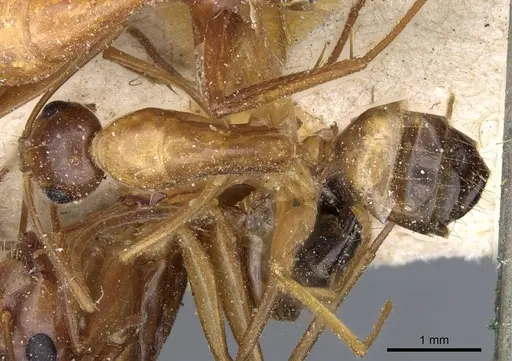
CASENT0906994
View on AntWeb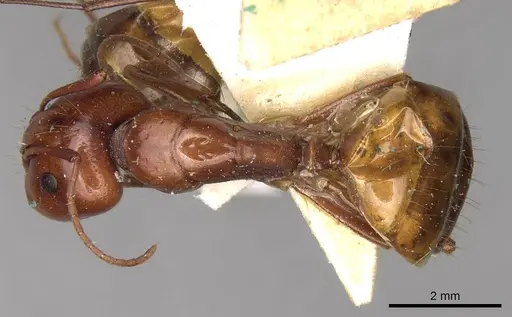
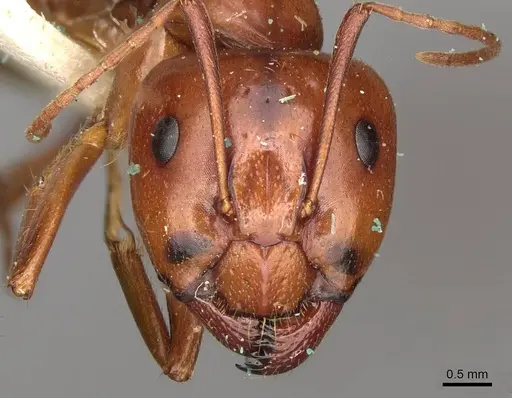
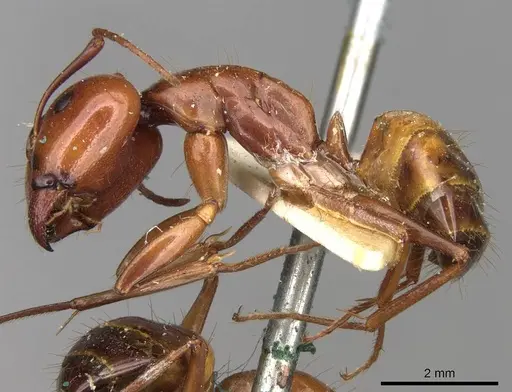
CASENT0906995
View on AntWeb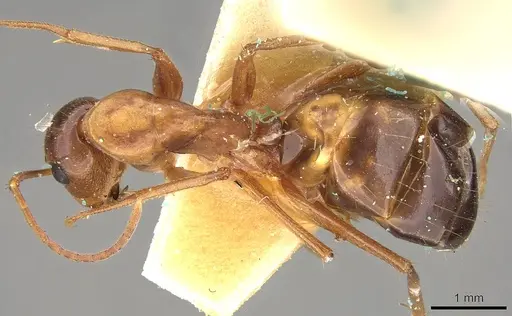
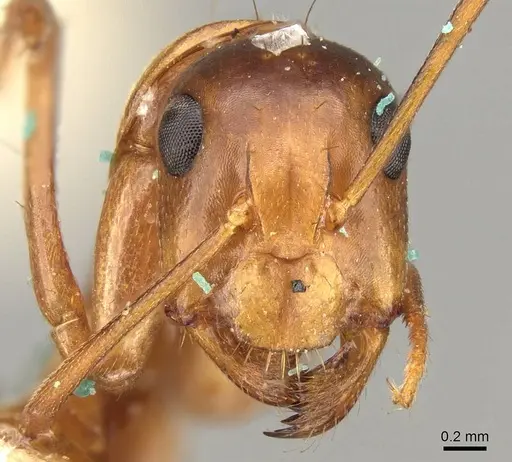
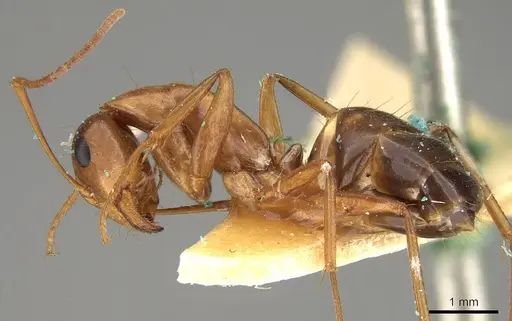
CASENT0914417
View on AntWeb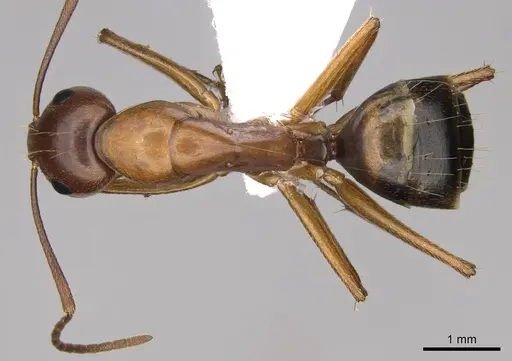
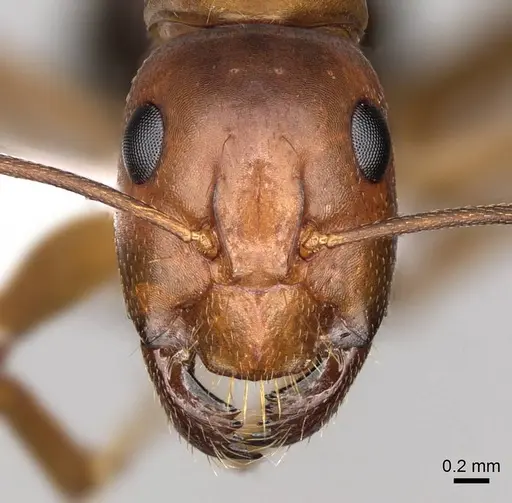
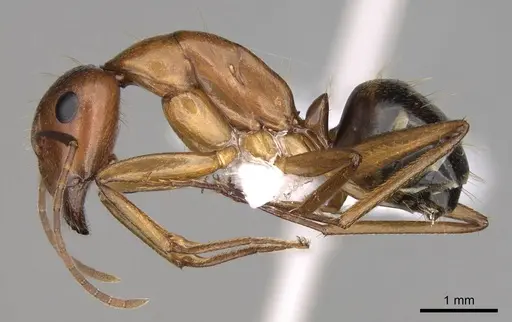
CASENT0914418
View on AntWeb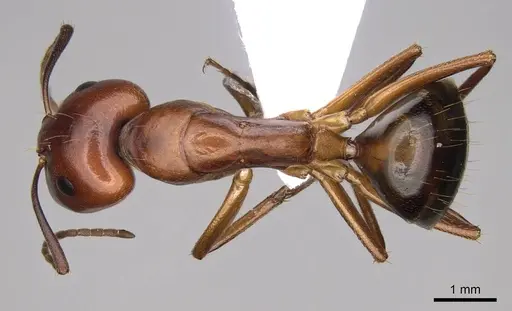
Literature
Loading...Loading products...