

Camponotus norvigi
- Scientific Name
- Camponotus norvigi
- Subgenus
- Mayria
- Tribe
- Camponotini
- Subfamily
- Formicinae
- Author
- Rasoamanana & Fisher, 2022
- Distribution
- Found in 1 countries
Camponotus norvigi Overview
Camponotus norvigi is an ant species of the genus Camponotus. It is primarily documented in 1 countries , including Madagascar. Detailed taxonomic data and occurrence records can be further explored via authoritative databases such as AntWeb or the Global Biodiversity Information Facility (GBIF).
Camponotus norvigi
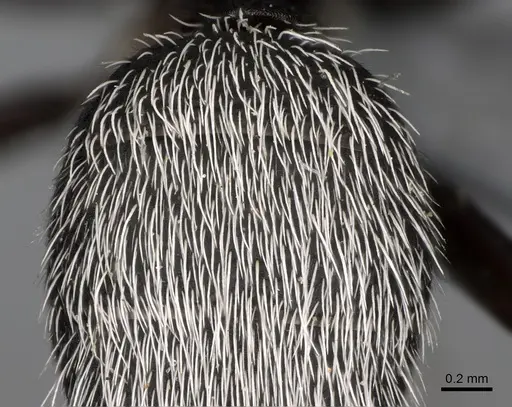
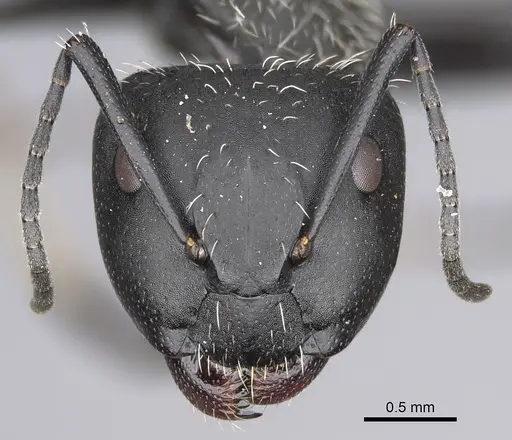
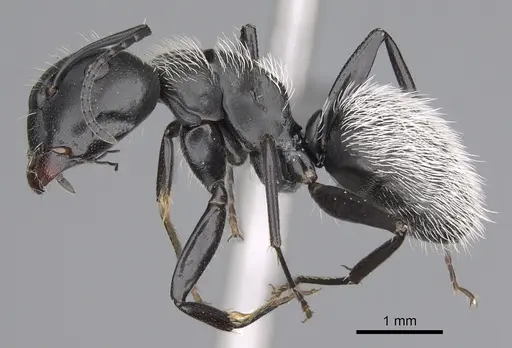
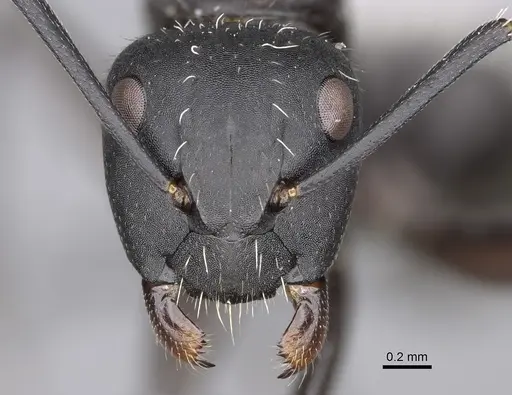
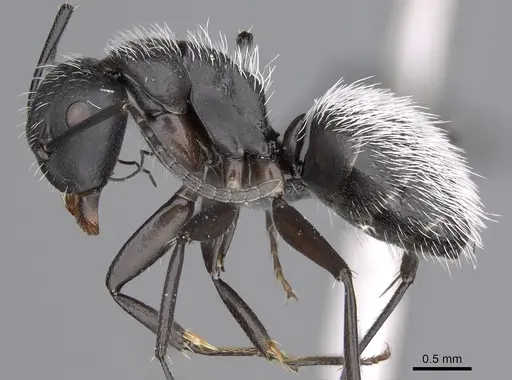
Camponotus norvigi is a medium-sized ant species native to Madagascar, recently described in 2022. Workers are black with a striking feature: dense whitish hairs covering the head, mesosoma, and gaster, giving them a fuzzy appearance unlike typical smooth Camponotus. The species belongs to the Camponotus darwinii group and has been collected across Madagascar from 20 to 1606 meters elevation, in habitats ranging from montane rainforest to tropical dry forest. No colonies have been observed in the wild, all specimens come from Malaise traps and beating vegetation, meaning their full colony structure remains unknown. This is a species for experienced antkeepers interested in contributing to husbandry knowledge of a newly described Madagascar endemic.
Quick Summary
- Difficulty: Expert
- Origin & Habitat: Madagascar endemic found across the island from 20-1606m elevation. Inhabits montane forest, rainforest, and high-altitude rainforest in southern, western, and central regions, tropical dry forest in the north (Res Tsingy de Bemaraha), and gallery forest and open areas on the western portion of the island [1].
- Colony Type: Unknown, no colonies have been collected. Based on genus-level patterns, likely single-queen (monogyne) colonies typical of Camponotus, but this is unconfirmed.
- Size & Growth:
- Queen: Not yet described, no queen specimens collected [1].
- Worker: Minor workers: 1.31-1.66mm (CS 1.45±0.24). Major workers: 1.78-2.32mm (CS 1.98±0.30) [1].
- Colony: Unknown, no colony data available.
- Growth: Unknown, no development studies exist.
- Development: Unconfirmed. Based on typical Camponotus patterns, expect 6-10 weeks at warm temperatures, but this is an estimate only. (No direct development data exists for this species. Related Madagascar Camponotus species typically develop in 6-8 weeks at optimal temperatures.)
- Antkeeping:
- Temperature: Likely needs warm conditions. Start around 24-28°C based on Madagascar lowland/forest habitat preferences, with a slight gradient. Adjust based on colony activity, if workers cluster near heat, increase slightly, if they avoid heated areas, reduce temperature.
- Humidity: Likely needs moderate to high humidity typical of forest-dwelling ants. Keep nest substrate consistently moist but not waterlogged. Provide a water tube for drinking access. The elevation range (20-1606m) suggests tolerance for varying conditions, but aim for 60-80% humidity.
- Diapause: Unknown for this species. Most Madagascar ants do not experience true hibernation, but some may slow activity during cooler months. Monitor colony behavior and reduce feeding if workers become less active.
- Nesting: In the wild, the holotype was collected from a dead twig above ground in montane rainforest [1]. In captivity, a Y-tong (AAC) nest or plaster nest with narrow chambers works well. Avoid overly large spaces, these are medium-sized ants that prefer snug chambers. Provide some vertical space for brood stacking.
- Behavior: No behavioral observations have been documented in captivity. Based on genus patterns, expect typical Camponotus behavior: moderate activity levels, workers that forage for sugar and protein, and moderate aggression when defending the nest. Major workers (if produced) will have larger heads for defense and seed/seedling processing. Escape prevention should be standard, these are medium-sized ants but can climb smooth surfaces. Use Fluon on container rims as a standard precaution.
- Common Issues: no established husbandry guidelines means you are essentially pioneering care for this species, no colony data exists, founding may fail without proper conditions, and you may not know why, wild-caught colonies may have parasites or diseases that kill them in captivity, slow growth and lack of information can frustrate even experienced keepers, temperature and humidity requirements are estimates based on related species, not confirmed for this species
Discovery and Taxonomy
Camponotus norvigi was only recently described in 2022 by Rasoamanana and Fisher, making it one of the newest ant species available to hobbyists. It belongs to the Camponotus darwinii species group within the subgenus Mayria, which is endemic to Madagascar. The species was named in honor of K. Norvig for supporting scientific training in Madagascar. What makes C. norvigi distinctive within its group is the dense whitish hairs covering its entire dorsum, this pilosity is so unusual that at first glance it resembles species from the completely different Camponotus madagascarensis group. The type specimens were collected at elevations around 1600m in montane rainforest, though the species occurs across a much wider elevation range of 20-1606m [1].
Natural History and Collection
All scientific specimens of C. norvigi have been collected using Malaise traps and by beating low vegetation, no colonies have ever been found. This means we know almost nothing about their natural colony structure, founding behavior, or full lifecycle. The holotype worker was found in a dead twig above ground in montane rainforest, suggesting they nest in elevated locations like twigs, branches, or hollow stems rather than in soil or at ground level. The species is sympatric (lives in the same areas) with Camponotus darwinii at several protected locations including Isalo National Park and Ranomafana. Their wide elevation range and presence in multiple habitat types (rainforest, montane forest, dry forest, gallery forest) suggests some ecological flexibility, but specific microhabitat requirements remain unknown [1][2]
Housing and Nest Setup
Since no captive husbandry exists for this species, you must make educated guesses based on related Camponotus and the habitat data. The holotype was collected from a dead twig above ground, so provide nest options that simulate elevated cavities, a Y-tong (AAC) nest with appropriately scaled chambers works well, or a plaster/formicarium nest with narrow passages. The medium worker size (1.3-2.3mm for majors) means chambers should be snug but not tight. Include a water tube connected to a cotton reservoir for drinking access. For the outworld, use a standard setup with a foraging area, but ensure escape prevention since Camponotus can climb smooth surfaces. Given their likely forest origin, avoid direct sunlight and maintain stable conditions away from drafts or temperature extremes. [1]
Feeding and Nutrition
No direct feeding observations exist for C. norvigi. As a Camponotus species, they likely have a typical omnivorous diet: sugar sources (honey water, sugar water) for energy, and protein sources (insects, seeds) for colony growth. Related Madagascar Camponotus species accept both sugar and protein. Start with standard Camponotus feeding protocols: constant access to sugar water or honey, and protein (mealworms, crickets, or other insects) 2-3 times per week depending on colony size. Remove uneaten prey within 24-48 hours to prevent mold. Since this is an unstudied species, be prepared to experiment, some individuals may accept foods that others reject. Document your observations to help build husbandry knowledge for this species.
Temperature and Seasonal Care
C. norvigi comes from Madagascar, which has a tropical climate, so they likely prefer warm conditions. Based on the island's typical temperatures and the elevation range they occupy, aim for 24-28°C in the nest area with a slight gradient allowing workers to self-regulate. The wide elevation range (20-1606m) suggests some tolerance, but montane rainforest collection points indicate they do well in warmer, humid conditions. Do not confuse this with desert species that need extreme heat, forest ants generally prefer moderate, stable temperatures. No data exists on diapause requirements, but most tropical ants do not undergo true hibernation. You may notice reduced activity during cooler months, this is normal. Simply reduce feeding and avoid disturbing the colony during low-activity periods. [1]
Challenges and Expectations
Keeping C. norvigi is genuinely pioneering work. No established protocols exist, no one has documented their full lifecycle in captivity, and we lack basic information that most antkeepers take for granted (exact temperature needs, colony size, founding behavior). You should expect a learning curve. Founding colonies may fail for unknown reasons. Growth rates are unconfirmed. Even basic behaviors like whether they are aggressive or docile, nocturnal or diurnal, have not been observed. This species is best suited for experienced antkeepers who enjoy the process of discovery and who will document their observations. Consider this a research opportunity rather than a straightforward pet-keeping project. Success with founding colonies would be a significant contribution to antkeeping knowledge.
Frequently Asked Questions
How hard is Camponotus norvigi to keep?
This is an expert-level species. No captive husbandry protocols exist because the species was only described in 2022 and no colonies have ever been collected from the wild. You will be pioneering care for this ant, which means experimenting with conditions and documenting results. Expect challenges that more established species do not present.
What do Camponotus norvigi eat?
No feeding observations exist for this species. Based on related Camponotus, they likely accept sugar sources (honey water, sugar water) and protein (insects like mealworms or crickets). Start with standard Camponotus feeding protocols and adjust based on what your colony accepts.
What temperature do Camponotus norvigi need?
Based on their Madagascar rainforest habitat, aim for 24-28°C with a slight gradient. This is an estimate, no specific temperature studies exist for this species. Monitor colony behavior and adjust if workers consistently avoid or seek heated areas.
How big do Camponotus norvigi colonies get?
Unknown, no colony data exists. Most Camponotus species reach several hundred to a few thousand workers. Given this is a medium-sized species, expect moderate colony sizes, but this is speculation.
Do Camponotus norvigi queens need to forage during founding?
Unconfirmed. Most Camponotus are claustral (queen seals herself in and lives off stored fat reserves), but this has not been documented for C. norvigi specifically. Based on genus patterns, claustral founding is likely.
Can I keep multiple Camponotus norvigi queens together?
Unknown. No colony structure data exists for this species. Related Camponotus are typically single-queen (monogyne), but polygyny has been documented in some Camponotus species. Without data, combining unrelated queens is not recommended.
How long does it take for Camponotus norvigi eggs to become workers?
Unconfirmed. No development studies exist for this species. Based on typical Camponotus development at warm temperatures (24-28°C), expect 6-10 weeks from egg to first worker, but this is an estimate only.
What humidity do Camponotus norvigi need?
Likely moderate to high humidity based on their forest habitat. Aim for 60-80% relative humidity, keep the nest substrate consistently moist but not waterlogged, and provide a water tube for drinking access.
Is Camponotus norvigi a good species for beginners?
No. This species is not recommended for beginners. It has no established captive husbandry, no colony data exists, and all care must be developed through observation and experimentation. Only experienced antkeepers should attempt this species.
References

This caresheet is licensed under CC BY-SA 4.0 .
CASENT0724356
View on AntWeb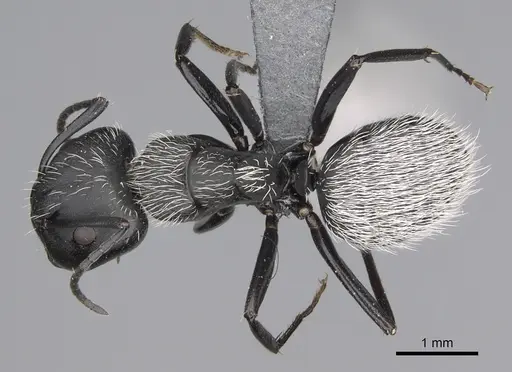
CASENT0923254
View on AntWeb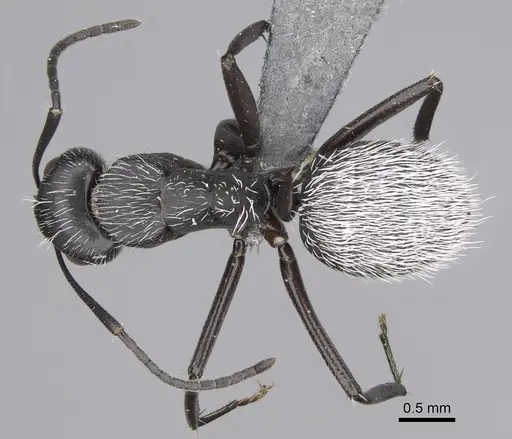
Literature
Loading...Loading products...