

Camponotus nitidior
- Scientific Name
- Camponotus nitidior
- Subgenus
- Dendromyrmex
- Tribe
- Camponotini
- Subfamily
- Formicinae
- Author
- Santschi, 1921
- Distribution
- Found in 9 countries
Camponotus nitidior Overview
Camponotus nitidior is an ant species of the genus Camponotus. It is primarily documented in 9 countries , including Colombia, Costa Rica, Ecuador. Detailed taxonomic data and occurrence records can be further explored via authoritative databases such as AntWeb or the Global Biodiversity Information Facility (GBIF).
Camponotus nitidior
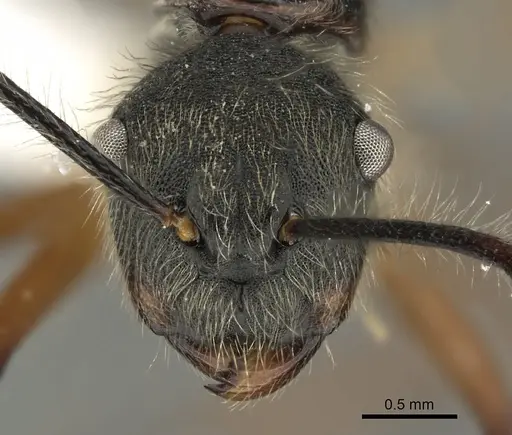
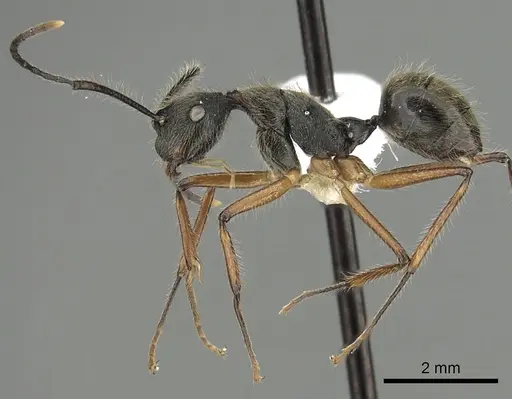
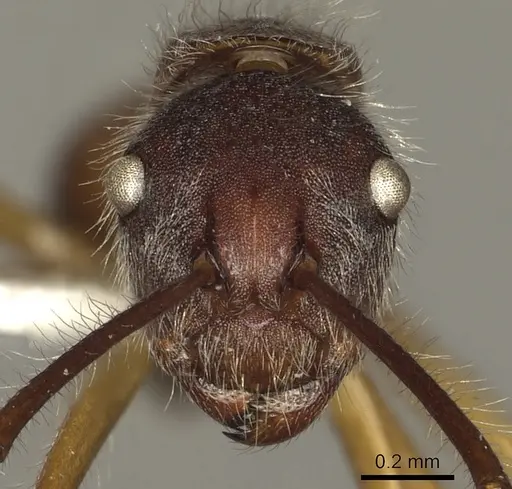
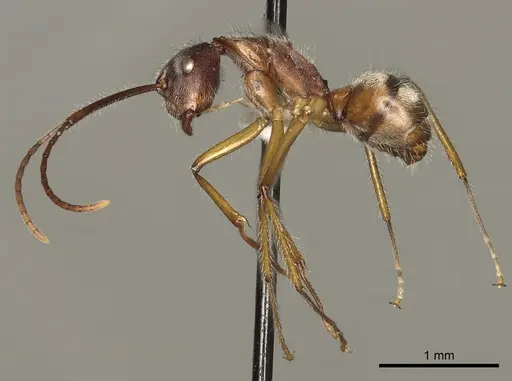
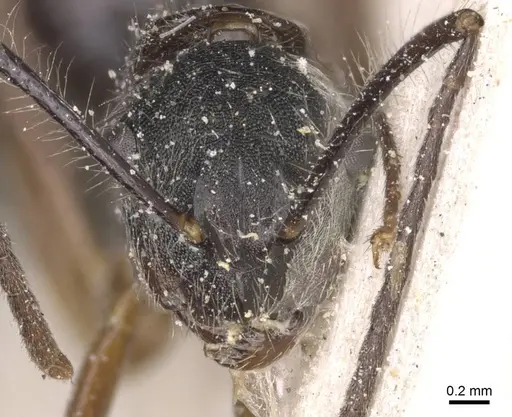
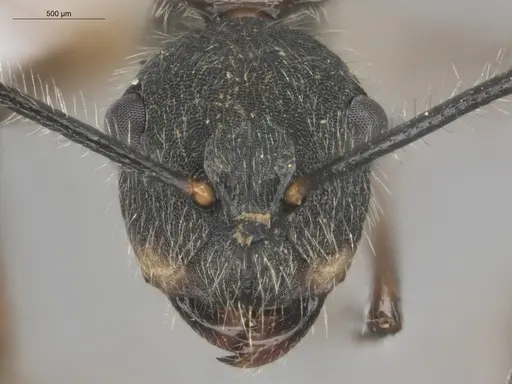
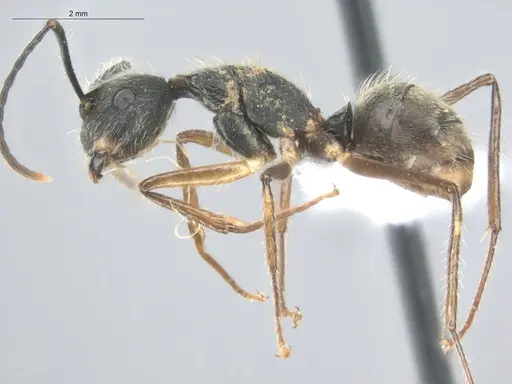
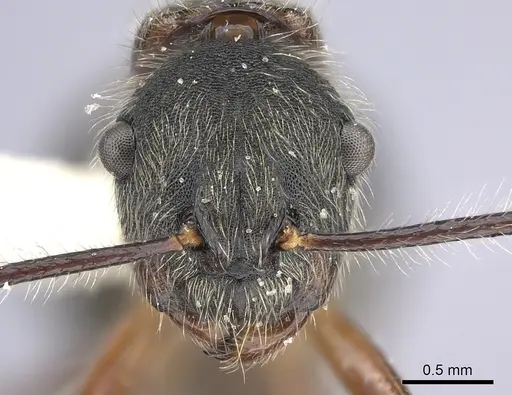
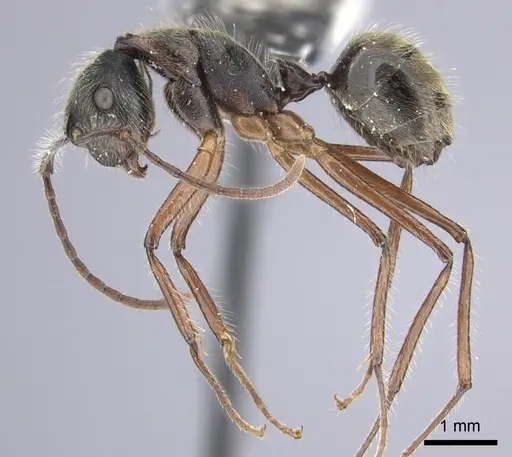
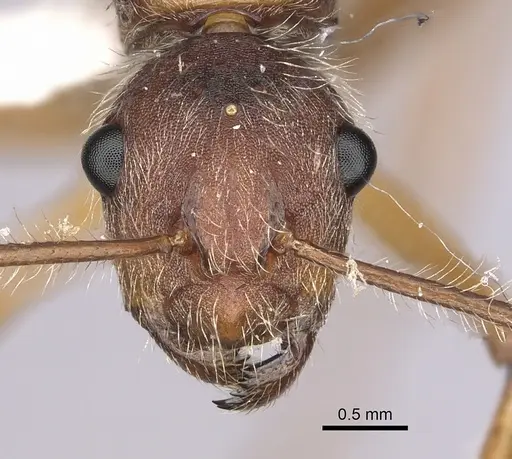
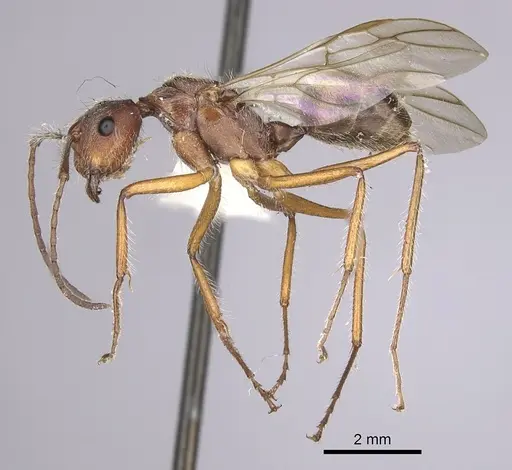
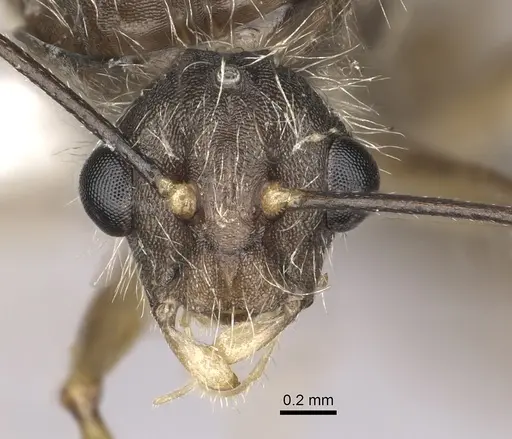
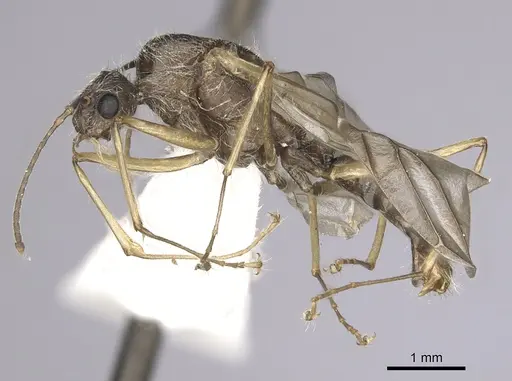
Camponotus nitidior is a Neotropical weaver ant belonging to the subgenus Dendromyrmex. These ants are dark reddish-brown with lighter-colored cheeks, mandibles, and legs. Their most distinctive feature is their nesting behavior, they construct nests by weaving together living leaves using silk produced by their larvae, similar to the famous Oecophylla weaver ants. Unlike most Camponotus species, C. nitidior lacks major (soldier) workers, with only minor workers present. They are strictly arboreal, nesting in trees throughout humid tropical forests from Mexico down to Ecuador and Colombia [1][2].
What makes this species unusual is its founding behavior. Research suggests these queens do not seal themselves away like typical claustral ants, instead, they appear to be semi-claustral, with queens potentially needing to forage during the founding stage. This is rare in the genus Camponotus, where most species are fully claustral. Their association with Blochmannia bacteria (a gut symbiont that helps process nutrients from honeydew) also reflects their arboreal, sap-feeding lifestyle [3][4].
Quick Summary
- Difficulty: Medium
- Origin & Habitat: Neotropical rainforests from Honduras to Ecuador, including Mexico, Nicaragua, Costa Rica, Panama, Colombia, and Ecuador. They inhabit arboreal vegetation in humid tropical forests, building nests in trees at elevations ranging from near sea level to around 1000m [5][6][1].
- Colony Type: Single-queen (monogyne) colonies. Unlike many Camponotus, this species lacks major workers, only minor workers are produced. Queens appear to found colonies semi-claustrally, with the queen potentially needing to forage during founding rather than sealing herself away [7][8][1].
- Colony: Monogyne
- Founding: Semi-claustral
- Size & Growth:
- Queen: Approximately 15mm total length with 1.7mm head width [7][8]. Queens weigh about 5.95mg [7][8].
- Worker: Workers are relatively small compared to many Camponotus. Major workers are absent, only minor workers are produced [1].
- Colony: Colony size is not well documented, but as an arboreal species in humid forests, colonies likely reach several hundred workers. Estimated 200-500 workers based on similar arboreal Camponotus.
- Growth: Moderate, growth is likely slower than typical ground-nesting Camponotus due to semi-claustral founding and arboreal lifestyle.
- Development: Estimated 8-12 weeks at optimal temperatures. This is inferred from typical Camponotus development, adjusted for the semi-claustral founding strategy which may extend the founding phase. (Development time is not directly studied. Semi-claustral founding means queens may need to forage, potentially extending the time to first workers compared to fully claustral species.)
- Antkeeping:
- Temperature: Keep at 24-28°C as a starting point. Being a Neotropical species, they require warm, stable temperatures. Use a heating cable on one side of the nest to create a gentle gradient if room temperature is below 24°C.
- Humidity: High humidity is essential, think humid tropical forest. Keep nest substrate consistently moist but not waterlogged. Provide a water reservoir and mist the outworld regularly. Avoid dry conditions entirely.
- Diapause: No diapause required. As a tropical species, they do not need hibernation. Maintain warm temperatures year-round.
- Nesting: This is an arboreal weaver ant, they naturally nest in trees by weaving leaves together. In captivity, they need vertical space and materials they can manipulate. A naturalistic setup with live plants or artificial leaf structures works well. Alternatively, a Y-tong or acrylic nest with multiple chambers can work, but provide branches or structures for them to potentially expand. They do well with moderate chamber sizes scaled to their worker size [1][2].
- Behavior: These ants are arboreal and relatively peaceful. Workers forage on trees and vegetation, collecting honeydew from sap-feeding insects and small prey. They are not aggressive toward keepers and rarely sting. However, they are excellent climbers and will escape if given the chance, their small size means they can squeeze through tiny gaps. Escape prevention must be excellent, with fine mesh barriers and tight-fitting lids. Workers are active and forage throughout the nest structure [1][9].
- Common Issues: escape prevention is critical, their small size and arboreal nature means they will find any gap, semi-claustral founding means queens may need access to food during founding, this is unusual for Camponotus and may cause founding failures if not accommodated, high humidity requirements are essential, dry conditions will kill colonies, lack of major workers means less defensive capability but also less dramatic caste differences, weaving behavior requires space and materials, standard test tube setups may limit their natural behaviors
Nest Preferences and Housing
Camponotus nitidior is a specialized arboreal ant that naturally builds woven leaf nests in trees. In captivity, you should replicate this natural behavior as much as possible. A naturalistic setup with live plants (like small bushes or trees in a terrarium) allows them to display their natural weaving behavior, they will connect leaves and create silk sheets between branches. Alternatively, provide artificial structures like plastic plants or mesh that they can manipulate.
If using a formicarium, choose one with multiple connected chambers but also provide access to vertical space and branches. Y-tong nests work reasonably well, but add cork, plastic plants, or other materials they can work with. The key is providing both secure nesting areas and foraging space. They do best with moderate humidity and should be kept in a setup that allows for some climbing and exploration. A tank-style formicarium (vertical orientation) with live plants is ideal if you want to observe their weaving behavior [1][2].
Feeding and Diet
As an arboreal omnivore, C. nitidior feeds primarily on honeydew collected from sap-feeding insects (aphids, scale insects, mealybugs) and small insects. In captivity, offer a varied diet: sugar water or honey should be available at all times. For protein, offer small insects like fruit flies, small crickets, mealworms, and other appropriately-sized prey. They will also accept other sweet liquids.
Because they are semi-claustral, founding queens may need access to food during the founding stage, this is unusual for Camponotus and represents a key difference from typical carpenter ants. Once established, feed protein prey 2-3 times per week and keep sugar water constantly available. Remove uneaten prey after 24-48 hours to prevent mold. Their relationship with Blochmannia bacteria (which helps process nutrients from honeydew) suggests they are well-adapted to sugar-rich diets [3][4][9].
Temperature and Seasonal Care
Being a Neotropical species from humid forests, C. nitidior requires warm and stable temperatures year-round. Aim for 24-28°C in the nest area. A heating cable placed on one side of the nest creates a gentle temperature gradient that allows ants to regulate their own temperature by moving between warmer and cooler areas.
Unlike temperate species, these ants do not require diapause or hibernation. Maintain warm conditions throughout the year. Room temperature in most homes (20-24°C) may be slightly cool, use supplemental heating if needed. Temperature drops below 22°C can slow activity and may affect brood development. Keep them away from air conditioning vents, drafts, and windows with direct sunlight that could cause temperature fluctuations.
Colony Founding and Development
The founding behavior of C. nitidior is unusual for the genus Camponotus. Research shows queens have a high flight muscle ratio (FMR of 0.25) and low fat content in their abdomen, both indicators of semi-claustral or non-claustral founding [7][8]. This means queens likely do not seal themselves away completely like typical claustral ants. Instead, they probably need to leave the founding chamber to forage for food while raising their first workers.
For keepers, this means providing a small food source (like a drop of sugar water or tiny prey) during the founding stage. The queen will construct a nest on a leaf surface (in captivity, she may use leaves, cork, or other materials) and will need to exit to forage. This is different from most Camponotus where you simply leave the queen alone in darkness. Once workers arrive (estimated 8-12 weeks), the colony develops normally with workers taking over foraging duties [7][8].
Behavior and Temperament
C. nitidior is a relatively calm, non-aggressive species. Workers are small and slender, adapted for arboreal life. They are excellent climbers and will readily traverse vertical surfaces. Unlike many ants, they do not have major workers, only a single worker caste exists, which means less dramatic size variation within the colony.
Their most fascinating behavior is leaf-weaving: larvae produce silk that workers use to bind leaves together and create protective sheets within their nests. In captivity with appropriate materials, you may observe this behavior. Workers forage actively, searching for honeydew and small prey on vegetation. They are not particularly defensive and rarely sting. However, their small size and arboreal nature make them excellent escape artists, use fine mesh and check all connections regularly [1][2].
Frequently Asked Questions
How long does it take for Camponotus nitidior to produce first workers?
First workers typically appear in 8-12 weeks at optimal temperatures (24-28°C). This is slightly longer than typical claustral Camponotus due to the semi-claustral founding strategy, where the queen may need to forage during founding.
Do Camponotus nitidior ants need hibernation?
No, they do not need hibernation. As a Neotropical species from humid tropical forests, they require warm temperatures year-round. Maintain 24-28°C consistently.
What do Camponotus nitidior ants eat?
They are omnivores. Offer sugar water or honey constantly, and feed small insects (fruit flies, pinhead crickets, mealworms) 2-3 times per week. They also collect honeydew from sap-feeding insects in nature [9].
Are Camponotus nitidior good for beginners?
They are rated Medium difficulty. While not aggressive, they have specific requirements: high humidity, warm temperatures, and they need an arboreal-style setup with climbing space. Their semi-claustral founding is also unusual and requires attention. Not the best first ant, but manageable for intermediate keepers.
Can I keep multiple Camponotus nitidior queens together?
No, this is a monogyne (single-queen) species. Multiple unrelated queens will fight. Only keep one queen per colony.
What is the best nest type for Camponotus nitidior?
They are arboreal weaver ants. A naturalistic setup with live plants or branches allows them to display natural weaving behavior. Alternatively, a Y-tong or acrylic nest with added climbing structures works. They need vertical space and materials to manipulate [1].
Why are my Camponotus nitidior dying?
Common causes include: low humidity (they need humid conditions), temperatures below 22°C, escape through small gaps (check all connections), and improper founding care (they may need food during founding unlike typical Camponotus). Ensure high humidity, warm temperatures, and escape-proof housing.
How big do Camponotus nitidior colonies get?
Colony size is not well documented, but based on similar arboreal species, they likely reach 200-500 workers. Growth is moderate, expect several months to reach 50+ workers.
When should I move Camponotus nitidior to a formicarium?
Move them when the test tube or founding setup becomes crowded (typically 30-50+ workers). For this species, consider providing a naturalistic setup with climbing structures rather than a standard horizontal formicarium to accommodate their arboreal nature.
References

This caresheet is licensed under CC BY-SA 4.0 .
CASENT0280323
View on AntWeb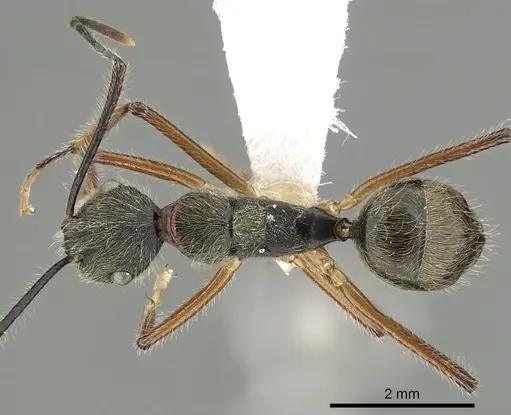
CASENT0280324
View on AntWeb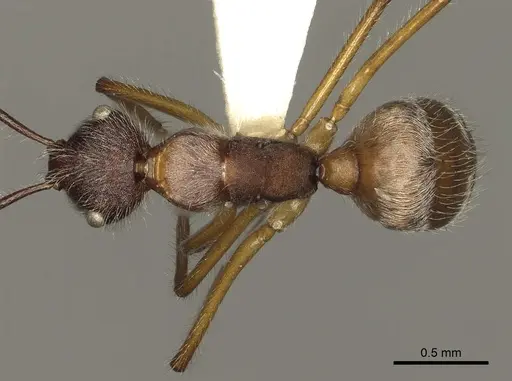
CASENT0912084
View on AntWeb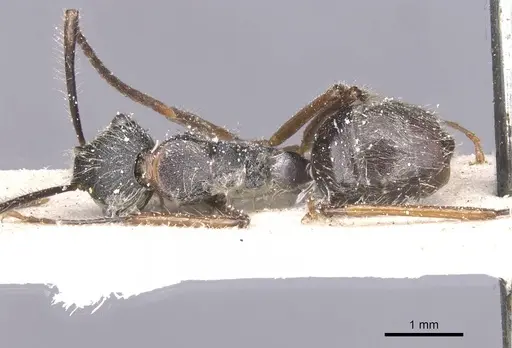
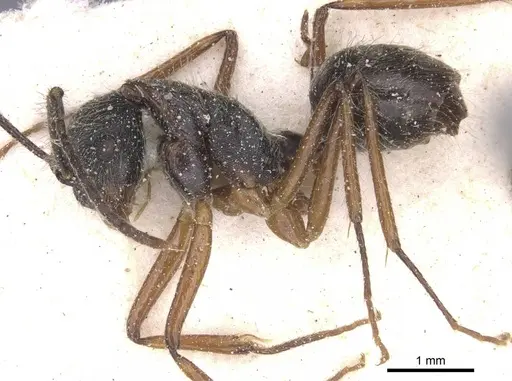
CBUMAGENT41996
View on AntWeb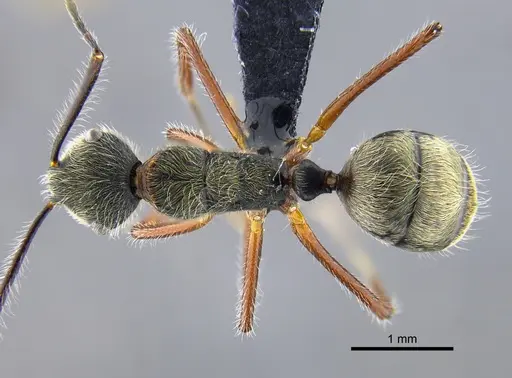
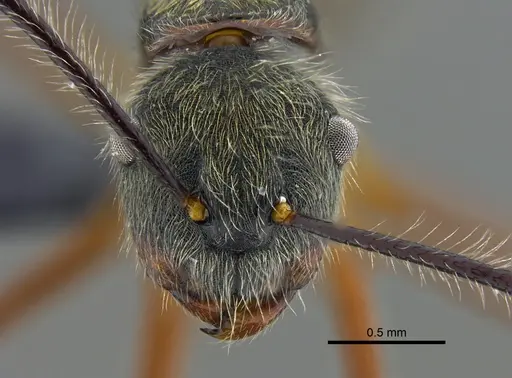
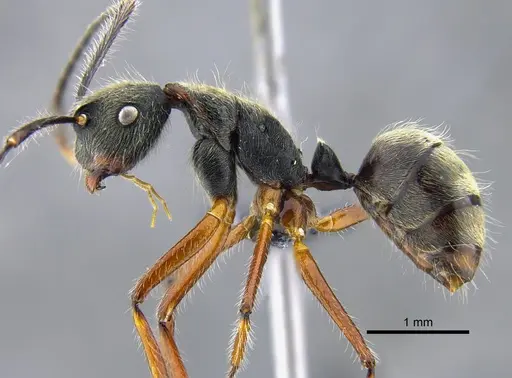
ECOFOG-KOT23-0063-08
View on AntWeb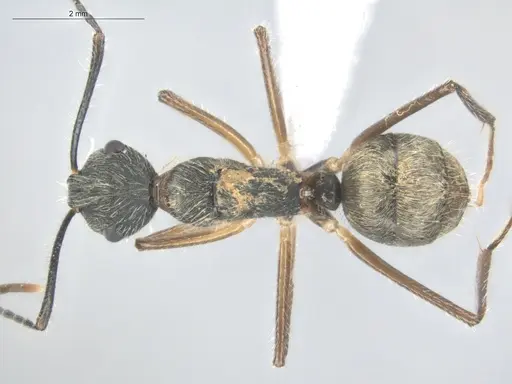
INBIOCRI002281550
View on AntWeb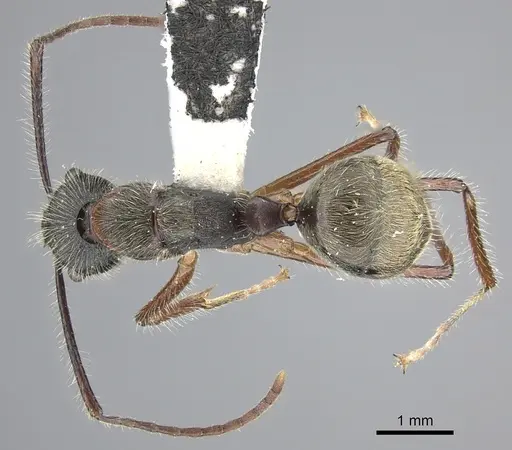
INBIOCRI002281554
View on AntWeb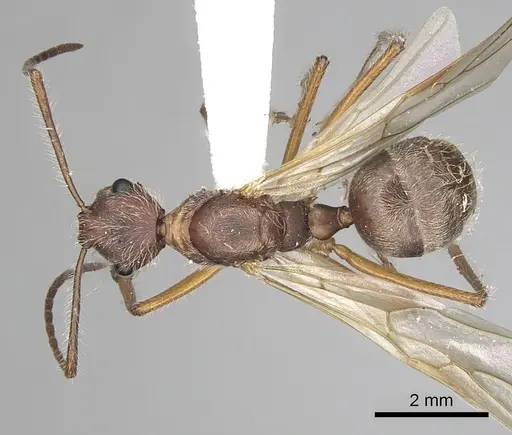
INBIOCRI002281555
View on AntWeb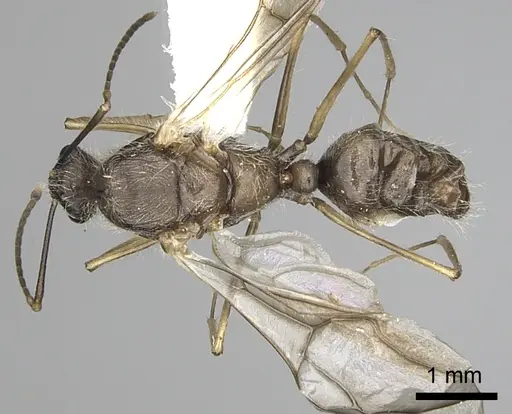
Literature
Loading...Loading products...