

Camponotus nitens
- Scientific Name
- Camponotus nitens
- Subgenus
- Tanaemyrmex
- Tribe
- Camponotini
- Subfamily
- Formicinae
- Author
- Mayr, 1870
- Distribution
- Found in 1 countries
Camponotus nitens Overview
Camponotus nitens is an ant species of the genus Camponotus. It is primarily documented in 1 countries , including Colombia. Detailed taxonomic data and occurrence records can be further explored via authoritative databases such as AntWeb or the Global Biodiversity Information Facility (GBIF).
Camponotus nitens
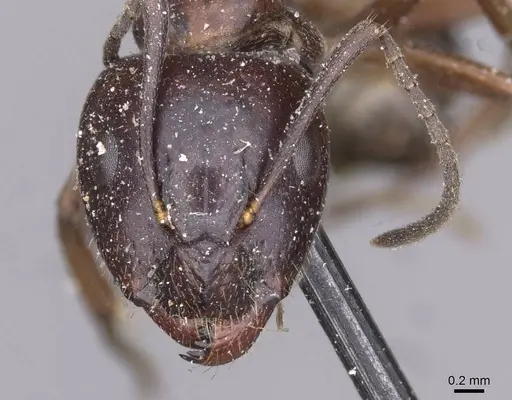
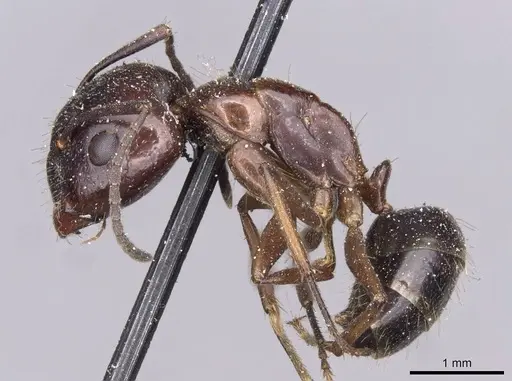
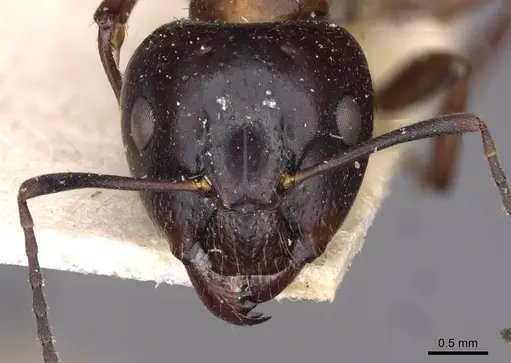
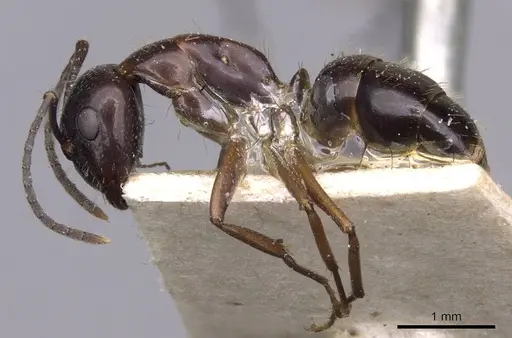
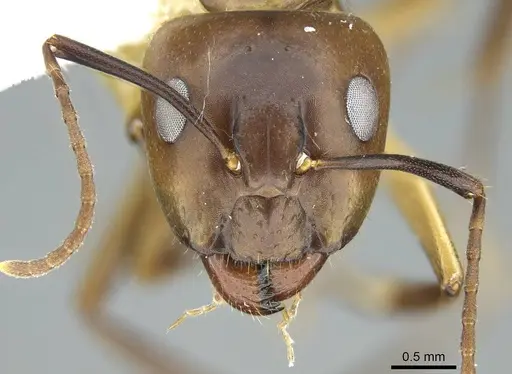
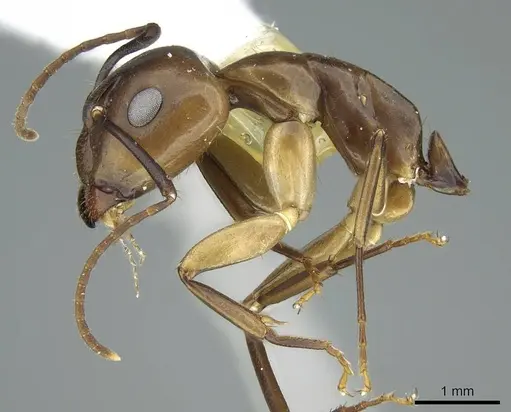
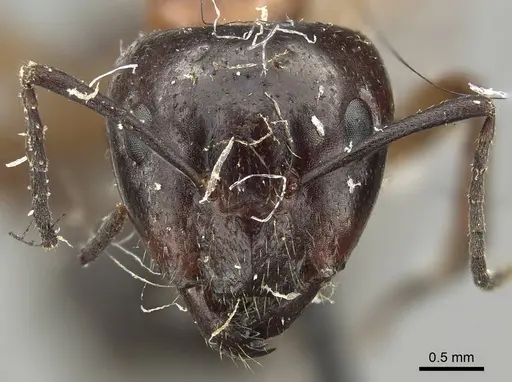
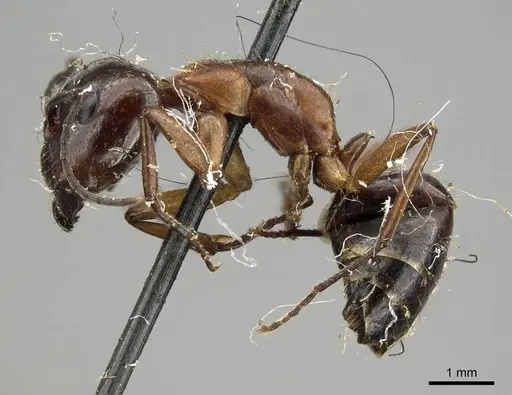
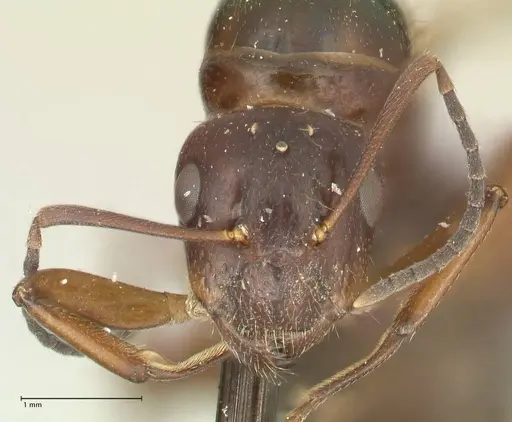
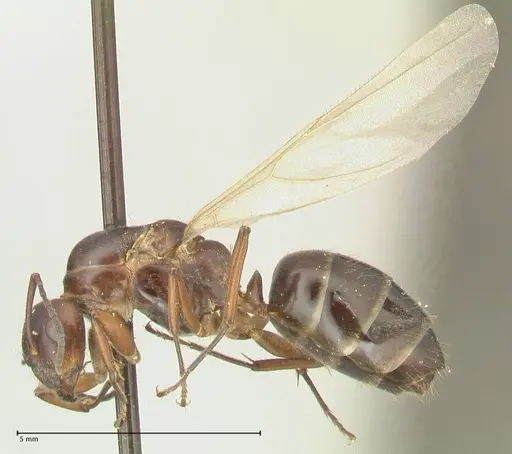
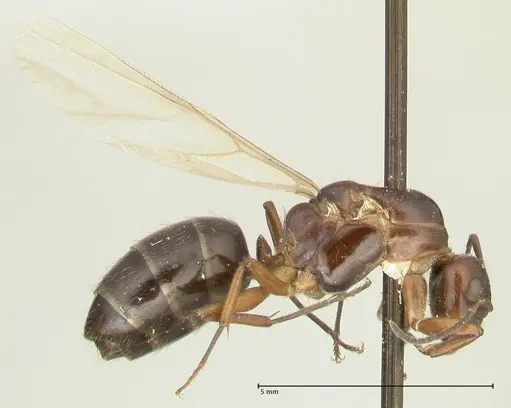
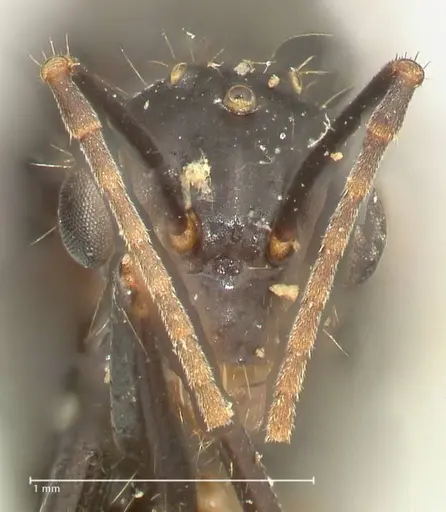
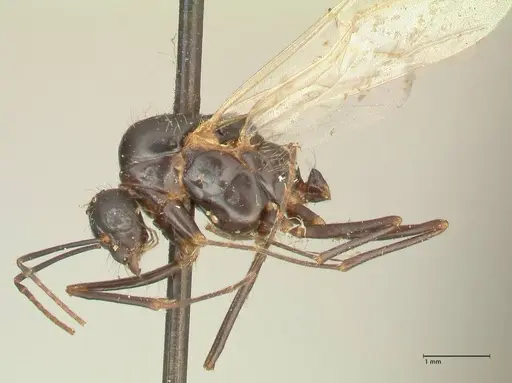
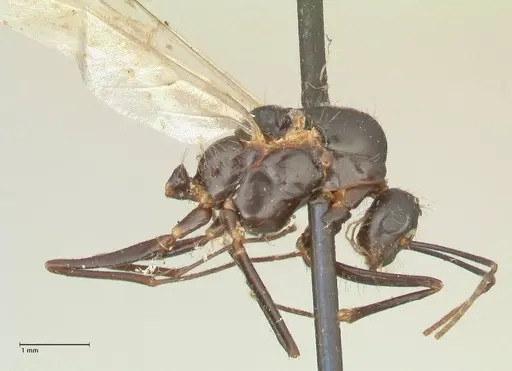
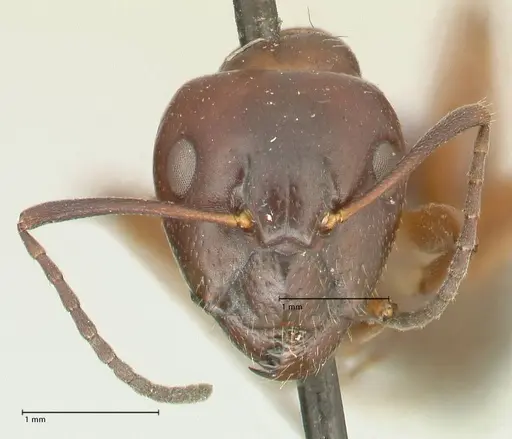
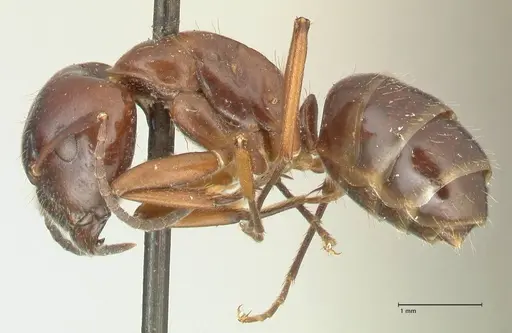
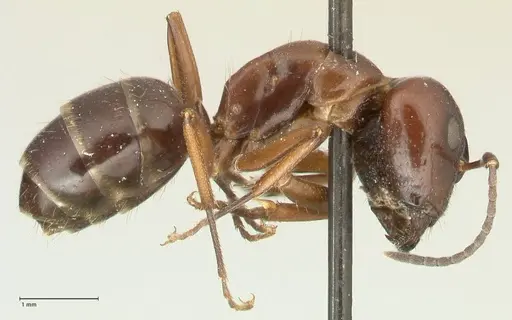
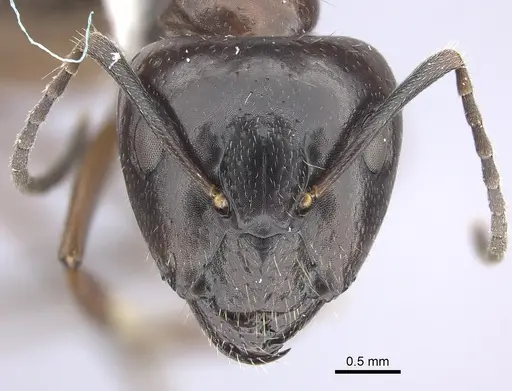
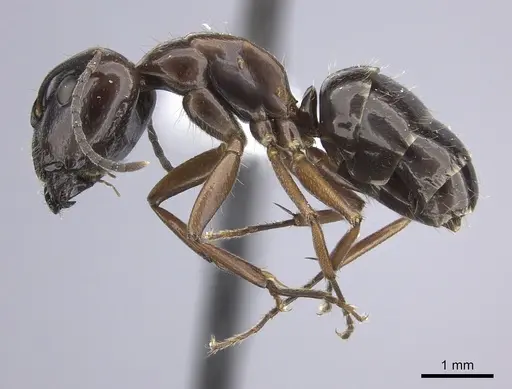
Camponotus nitens is a medium-sized Camponotus species native to the Neotropical region, ranging from Colombia to Argentina. Workers measure 5-7mm and have a distinctive shiny, chestnut-brown coloration with darker legs, head, and abdomen. Major workers have a notably narrow, almost heart-shaped head. The body is sparsely covered with protruding hairs, giving them a sleek appearance compared to many other Camponotus. Queens are larger at 9.5-10.5mm and also display the shiny dark coloration. This species is commonly found at high elevations in Colombia, particularly in grasslands near Bogotá above 2000 meters, where it nests under stones in soil [1][2].
Quick Summary
- Difficulty: Medium
- Origin & Habitat: Native to the Neotropical region, found from Colombia to Argentina. In Colombia, documented in Boyacá, Cundinamarca, La Guajira, Quindío, Risaralda, and Valle del Cauca at elevations ranging from 1,075m to over 2,000m. Naturally nests under stones in soil, typically in highland grasslands [3][4][2].
- Colony Type: Likely monogyne (single queen) based on typical Camponotus patterns. Founding is claustral, the queen seals herself in and lives off stored fat reserves until her first workers emerge.
- Colony: Monogyne
- Founding: Claustral
- Size & Growth:
- Queen: 9.5-10.5mm [1]
- Worker: 5-7mm [1]
- Colony: Unknown for this specific species, typical Camponotus colonies reach several hundred to a few thousand workers
- Growth: Moderate, typical for Camponotus genus
- Development: Estimated 6-10 weeks based on typical Camponotus development at warm temperatures (Development time inferred from genus patterns, direct observations for this species are unavailable)
- Antkeeping:
- Temperature: Keep around 20-24°C. The high-elevation origin suggests they prefer cooler conditions than typical tropical ants. A temperature gradient allowing workers to choose their preferred warmth is ideal.
- Humidity: Moderate humidity around 50-70%. Their natural habitat in highland grasslands experiences seasonal moisture variation. Keep the nest substrate moist but not waterlogged, with some drier areas available.
- Diapause: Likely no true diapause given their tropical/subtropical origin, though activity may slow during cooler periods.
- Nesting: Nests naturally under stones in soil. In captivity, a Y-tong (AAC) nest, plaster nest, or naturalistic setup with soil and flat stones works well. Provide damp substrate that holds some moisture.
- Behavior: Generally calm and not overly aggressive. Like most Camponotus, they are primarily nocturnal foragers. Workers are moderate in size and can defend the colony if threatened. They may be moderate escape artists due to their size, ensure containers have tight-fitting lids. They likely forage for honeydew and small insects, typical of Camponotus diet.
- Common Issues: high elevation origin means they prefer cooler temperatures, avoid keeping them too warm, moderate growth rate can test beginner patience, don't overfeed or disturb the colony, escape prevention is important, use tight lids and check for gaps, humidity balance is critical, too wet causes mold, too dry causes desiccation, queen mortality during founding is common, ensure she has a quiet, dark space
Housing and Nest Setup
Camponotus nitens naturally nests under stones in soil, so your setup should mimic these conditions. A Y-tong (AAC) nest with a dirt chamber works excellently, the soil-like substrate maintains appropriate humidity and gives them a natural feel. Alternatively, a plaster nest with a water reservoir or a naturalistic setup with a soil layer and flat stones on top both work well. The key is providing damp substrate that holds moisture without becoming waterlogged. For the outworld, a simple container with smooth walls works fine, these ants aren't exceptional climbers compared to some Camponotus species, but tight-fitting lids are still essential. A small water test tube attached to the nest provides drinking water. [2][1]
Feeding and Diet
Like other Camponotus species, Camponotus nitens is omnivorous. They readily accept sugar sources, a drop of honey water or sugar water should be offered constantly. For protein, provide small insects like fruit flies, small crickets, or mealworms. In the wild, they likely forage for honeydew from aphids and scale insects, plus small arthropods. Feed them a protein source 2-3 times per week, removing any uneaten prey after 24 hours. A constant sugar water or honey supply ensures the colony has energy. Given their high-elevation origin, they may be less active during cooler periods and eat less, adjust feeding accordingly.
Temperature Management
This is where Camponotus nitens differs from many tropical ants. Coming from high elevations above 2000m in Colombia, they prefer cooler temperatures than you'd expect from a Neotropical species. Aim for 20-24°C in the nest area, this is cooler than most tropical ants prefer. A heating cable on one side of the nest can create a gradient, allowing workers to move to warmer or cooler areas as they choose. Avoid temperatures above 28°C, as this can stress the colony. Room temperature in most homes should work well, but monitor colony activity, if workers seem sluggish and cluster together, they may need slightly more warmth. [2]
Humidity Requirements
Being from highland grasslands, Camponotus nitens prefers moderate humidity rather than the rainforest-style moisture some species need. Keep the nest substrate damp but not soaking, it should feel like moist earth, not wet mud. A water tube attached to the nest provides a moisture source that diffuses into the substrate. Check periodically that mold isn't developing, which indicates too much moisture. Some drier areas in the nest allow the ants to regulate their own humidity preference. If you notice workers avoiding the damp parts of the nest, it's too wet, if the colony seems sluggish or the queen is near the dry area, it may be too dry. [2]
Colony Founding
When a newly mated queen starts her colony, she'll seal herself into a small chamber, this is called claustral founding. She relies entirely on her stored fat reserves to survive and produce eggs. Do not disturb her during this phase. Place the founding setup in a dark, quiet location with stable temperature around 22-24°C. After 2-4 weeks, you should see eggs appear, these will develop through larval and pupal stages before the first workers (nanitics) emerge 6-10 weeks later. The queen will not forage during founding, she tends the brood alone. Once nanitics emerge, they will begin foraging for food, and the colony enters the early growth phase.
Growth and Development
Camponotus colonies grow moderately fast once established, but the early phase requires patience. After the first workers emerge, the colony typically grows slowly for the first few months as the queen focuses on producing more brood. A healthy colony should reach 20-50 workers within 6 months under good conditions. Growth rate depends heavily on temperature, warmer (within the acceptable range) speeds development, while cooler temperatures slow it. Feeding quality also matters: regular protein and constant sugar access accelerates growth. Avoid the temptation to overfeed, as excess food mold harms the colony. Once the colony reaches 100+ workers, growth typically accelerates.
Frequently Asked Questions
How long does it take for Camponotus nitens to produce first workers?
Expect 6-10 weeks from egg to first worker under optimal conditions (around 22-24°C). This is typical for Camponotus species. The exact timing depends on temperature, cooler temperatures slow development.
What temperature do Camponotus nitens ants need?
Keep them at 20-24°C. This species comes from high elevations in Colombia where temperatures are cooler than typical tropical ants. Avoid temperatures above 28°C.
Can I keep multiple Camponotus nitens queens together?
Not recommended. This species is likely monogyne (single queen) based on typical Camponotus behavior. Combining unrelated queens usually results in fighting and colony failure.
How big do Camponotus nitens colonies get?
Colony size is not documented for this specific species, but typical Camponotus colonies reach several hundred to a few thousand workers. Growth is moderate, expect several months to reach 50 workers, then faster growth afterward.
What do Camponotus nitens eat?
They are omnivorous. Offer constant sugar (honey water or sugar water) and protein sources like small insects (fruit flies, small crickets, mealworms) 2-3 times per week.
Are Camponotus nitens good for beginners?
They are moderate difficulty, easier than some tropical species due to their cooler temperature requirements, but not as straightforward as common temperate species. Their moderate growth rate requires patience.
Do Camponotus nitens need hibernation?
Probably not. Being from a tropical/subtropical region, they likely don't require true hibernation. However, they may slow activity during cooler periods.
When should I move Camponotus nitens to a formicarium?
Wait until the colony has at least 20-30 workers and the founding setup is becoming cramped. Moving too early stresses the colony. A Y-tong nest works well for this species.
Why is my Camponotus nitens queen not laying eggs?
Several causes: temperature too low (below 20°C), disturbance/stress, improper humidity, or she may still be in the claustral phase settling in. Ensure the setup is in a dark, quiet location with stable conditions around 22-24°C.
References

This caresheet is licensed under CC BY-SA 4.0 .
CASENT0910004
View on AntWeb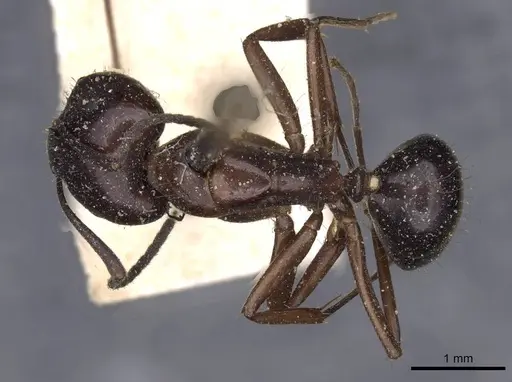
CASENT0910005
View on AntWeb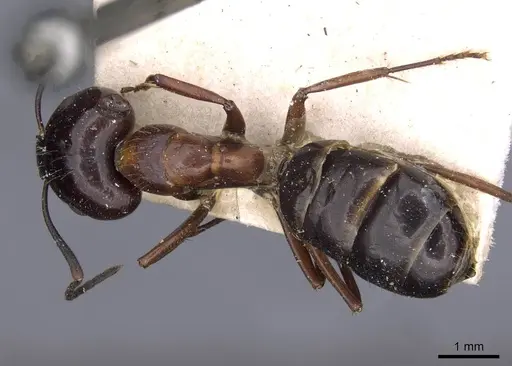
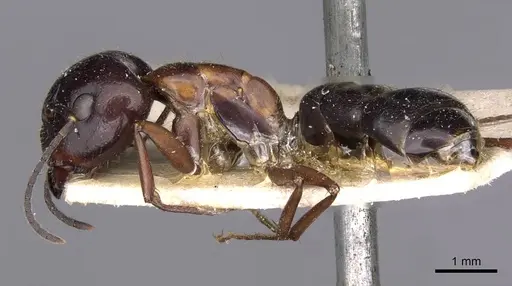
CASENT0910006
View on AntWeb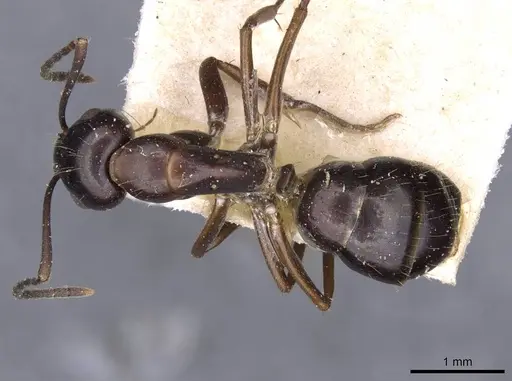
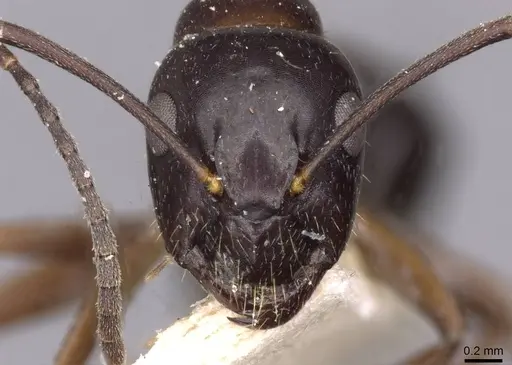
CASENT0914437
View on AntWeb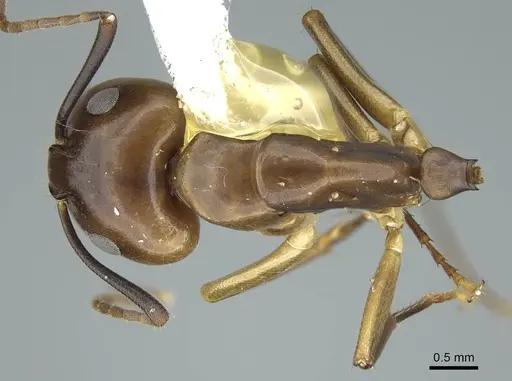
CASENT0915796
View on AntWeb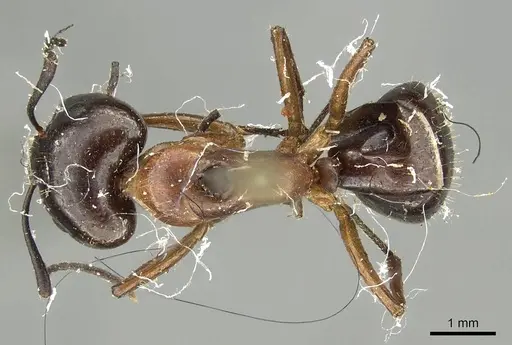
FOCOL2354
View on AntWeb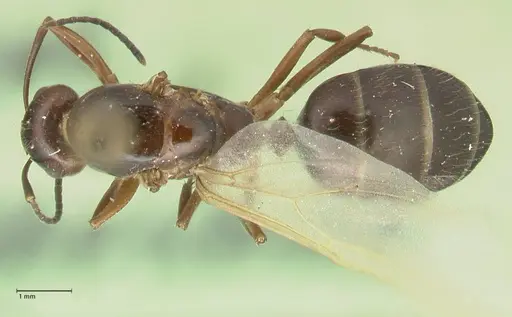
FOCOL2355
View on AntWeb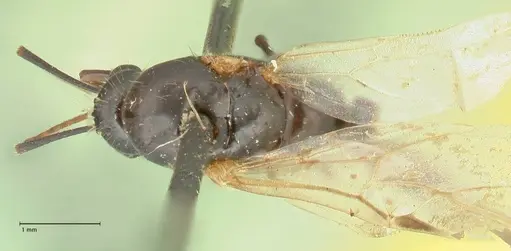
FOCOL2356
View on AntWeb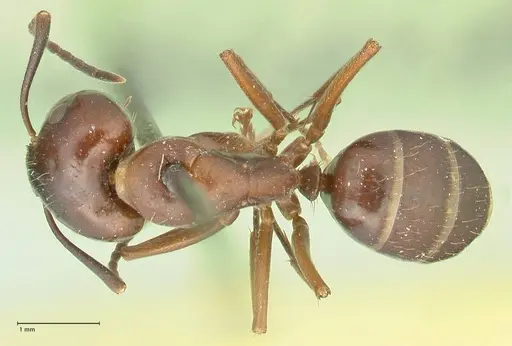
JTLC000001743
View on AntWeb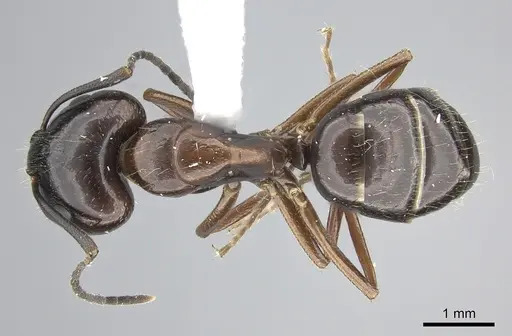
Literature
Loading...Loading products...