

Camponotus nirvanae
- Scientific Name
- Camponotus nirvanae
- Subgenus
- Myrmamblys
- Tribe
- Camponotini
- Subfamily
- Formicinae
- Author
- Forel, 1893
- Distribution
- Found in 1 countries
Camponotus nirvanae Overview
Camponotus nirvanae is an ant species of the genus Camponotus. It is primarily documented in 1 countries , including India. Detailed taxonomic data and occurrence records can be further explored via authoritative databases such as AntWeb or the Global Biodiversity Information Facility (GBIF).
Camponotus nirvanae
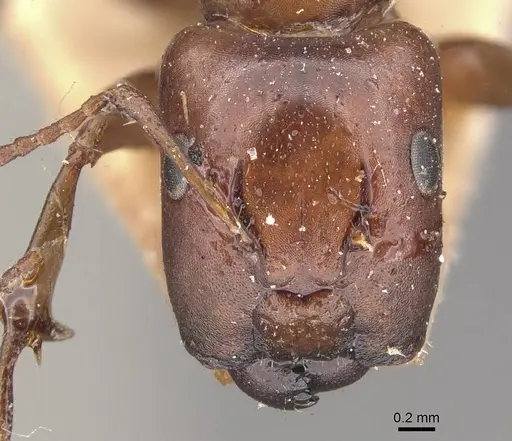
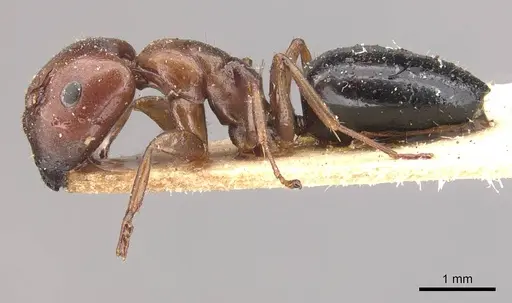
Camponotus nirvanae is a carpenter ant species endemic to India, first described by Forel in 1893 [1]. Workers are polymorphic, coming in major and minor sizes typical of Camponotus. The key identification features include a rounded petiole and a color pattern of reddish head and mesosoma with a blackish gaster [2]. This species is found across multiple Indian states from the Himalayan region (Himachal Pradesh, Jammu & Kashmir, Uttarakhand) down to southern regions (Karnataka, Tamil Nadu) and the western Ghats [3]. As a carpenter ant, they nest in wood but can adapt to various captive setups.
Quick Summary
- Difficulty: Medium
- Origin & Habitat: Endemic to India, recorded from Himachal Pradesh, Jammu & Kashmir, Karnataka, Maharashtra, Tamil Nadu, Uttarakhand, and West Bengal [3]. Found in the Indomalaya region, likely in forested areas and urban environments where they can nest in wood.
- Colony Type: Monogyne (single queen) colonies are typical for the genus Camponotus. Queens found nests alone and seal themselves in during claustral founding.
- Colony: Monogyne
- Founding: Claustral
- Size & Growth:
- Queen: Estimated 12-16mm based on typical Camponotus queen size, not directly measured for this species
- Worker: Major workers 8-12mm, minor workers 5-8mm, typical for Camponotus [2]
- Colony: Likely reaches several thousand workers based on typical Camponotus colony growth patterns
- Growth: Moderate, Camponotus species typically take 2-3 months for first workers (nanitics) to emerge
- Development: 6-10 weeks estimated based on typical Camponotus development at warm temperatures (Development time varies with temperature, warmer conditions (24-28°C) speed up development, while cooler temperatures slow it down)
- Antkeeping:
- Temperature: Keep nest area at 24-28°C. A heating cable on one side creates a temperature gradient allowing ants to regulate their own temperature. This species tolerates a range given its wide distribution across different Indian climates.
- Humidity: Moderate humidity around 50-60%. Carpenter ants are more tolerant of drier conditions than many tropical species. Provide a water tube for drinking access.
- Diapause: Unconfirmed, given the tropical/subtropical distribution in India, a true diapause may not be required, but a slight cool period (15-18°C) during winter months may benefit the colony.
- Nesting: Y-tong (acrylic) nests work well for carpenter ants. They also accept wooden formicariums where they can excavate. Avoid overly humid setups as they prefer drier nesting conditions compared to soil-dwelling ants.
- Behavior: Typical Camponotus temperament, generally calm and not aggressive unless their nest is threatened. Workers are active foragers, both day and night. They are not known for escaping but should still be monitored given their size. Major workers can deliver a mild sting if handled roughly, though this is rare.
- Common Issues: queen mortality during founding is common, ensure founding setup is in a quiet, dark location, colonies can stall if temperatures are too cool, maintain warmth for proper development, wild-caught colonies may have parasites that cause colony decline in captivity, major workers can get stuck in formicarium connections if passages are too narrow, overfeeding leads to mold problems, remove uneaten food promptly
Nest Preferences
In the wild, Camponotus nirvanae nests in decaying wood, as is typical for carpenter ants. They excavate galleries in soft, rotting wood rather than living in healthy wood. For captive care, Y-tong (acrylic) nests provide excellent visibility and easy maintenance. Wooden formicariums are also suitable and allow the ants to display natural excavation behavior. The nest should be kept dry, carpenter ants are more drought-tolerant than many ant species. Provide a water test tube as a hydration source in the outworld. Escape prevention is moderate, while not tiny, they can still escape through small gaps, so ensure connections are secure. [2]
Feeding and Diet
Carpenter ants are omnivorous, similar to other Camponotus species. They primarily eat protein-rich foods (insects, small arthropods) and sugar sources. In captivity, offer a mix of protein (dead insects like mealworms, crickets, fruit flies) and carbohydrates (sugar water, honey, maple syrup). Feed protein 2-3 times per week, and keep a sugar source constantly available. Remove uneaten food within 24-48 hours to prevent mold. Major workers can handle larger prey items than minors. This species does not require live food, though some keepers report better acceptance with live prey.
Temperature and Care
Maintain nest temperatures between 24-28°C for optimal brood development. This species is adaptable given its wide distribution across different Indian climatic zones, from Himalayan foothills to southern regions. A temperature gradient allows the colony to self-regulate, place a heating cable on one side of the nest. Room temperature (around 22-25°C) is often acceptable. During winter, a slight reduction to 18-22°C mimics natural seasonal changes, though a true hibernation is unlikely given their tropical distribution. Avoid temperatures below 15°C for extended periods. Humidity should be moderate (50-60%), too much moisture causes mold and can harm the colony. [3]
Behavior and Temperament
Camponotus nirvanae has a typical carpenter ant temperament, generally peaceful and non-aggressive. Workers go about their tasks methodically without excessive alarm. They are primarily nocturnal foragers but remain active during the day as well. The colony will retreat into the nest when disturbed rather than engaging. Major workers have the potential to sting if cornered or handled roughly, but they are not aggressive toward keepers. Workers communicate through chemical trails when food is discovered. The species shows typical Camponotus foraging patterns, individual workers search for food and recruit others when substantial discoveries are made.
Colony Founding
Like all Camponotus species, C. nirvanae is claustral. The queen seals herself in a small chamber and does not leave to forage during founding. She relies entirely on stored fat reserves to survive and raise the first brood. This process takes 4-8 weeks depending on temperature. The first workers (nanitics) are smaller than normal workers but will immediately begin caring for subsequent brood. Founding colonies should be kept in complete darkness with minimal disturbance. A small piece of damp cotton in the test tube provides enough humidity, do not overwet the setup.
Growth and Development
Development from egg to worker takes approximately 6-10 weeks at optimal temperatures (24-28°C). Cooler temperatures significantly slow development. Nanitic (first) workers are smaller than mature workers but the colony will produce normal-sized workers as it grows. Growth rate is moderate, expect the first year to produce perhaps 20-50 workers. By year two, colonies often reach 100-200 workers. Mature colonies can contain several thousand workers. The polymorphic worker caste (majors and minors) develops naturally as the colony expands, with majors typically appearing when the colony reaches several hundred workers.
Frequently Asked Questions
How long does it take for Camponotus nirvanae to produce first workers?
First workers (nanitics) typically emerge in 6-10 weeks after the queen lays eggs, assuming temperatures are maintained at 24-28°C. Cooler temperatures will slow development significantly.
What do Camponotus nirvanae ants eat?
They are omnivorous. Offer protein sources like dead insects (mealworms, crickets, fruit flies) 2-3 times per week, and keep a sugar source (sugar water, honey) constantly available. Remove uneaten food within 48 hours to prevent mold.
Can I keep Camponotus nirvanae in a test tube?
Yes, test tubes work well for founding colonies. Use a standard test tube setup with a water reservoir sealed with cotton. Once the colony reaches 50+ workers, consider moving to a Y-tong or wooden formicarium for more space.
What temperature do Camponotus nirvanae need?
Keep the nest at 24-28°C. A heating cable on one side creates a gradient. Room temperature (22-25°C) is often acceptable. Avoid temperatures below 15°C for extended periods.
Are Camponotus nirvanae good for beginners?
They are moderate difficulty, harder than some beginner species like Lasius but easier than many tropical species. Their claustral founding and moderate temperature requirements make them suitable for keepers with some experience.
Do Camponotus nirvanae need hibernation?
A true diapause is not required given their tropical/subtropical distribution in India. However, a slight cool period (15-18°C) during winter months may benefit colony health. Do not cool them below 10°C.
How big do Camponotus nirvanae colonies get?
Mature colonies can reach several thousand workers. The colony grows moderately, expect 50-100 workers by end of year one, several hundred by year two, and thousands at maturity.
When should I move my colony to a formicarium?
Move from test tube to formicarium when the colony reaches 30-50 workers. Y-tong nests work well for carpenter ants. Ensure the new setup has appropriate humidity levels, drier than soil-dwelling ant setups.
Why is my Camponotus nirvanae colony not growing?
Check three things: temperature (should be 24-28°C), food quality (protein needed regularly), and humidity (not too wet). Colonies can stall if any of these are off. Also ensure the queen is still laying eggs.
References

This caresheet is licensed under CC BY-SA 4.0 .
CASENT0910542
View on AntWeb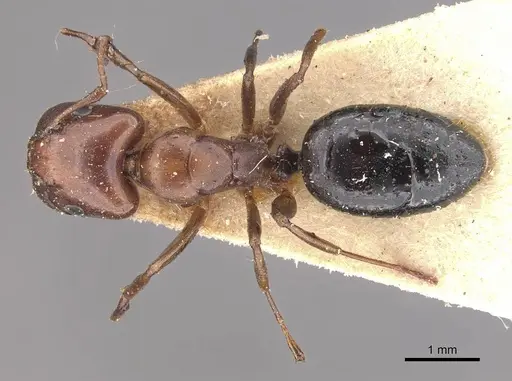
Literature
Loading...Loading products...