

Camponotus nigroaeneus
- Scientific Name
- Camponotus nigroaeneus
- Subgenus
- Myrmophyma
- Tribe
- Camponotini
- Subfamily
- Formicinae
- Author
- Smith, 1858
- Distribution
- Found in 1 countries
Camponotus nigroaeneus Overview
Camponotus nigroaeneus is an ant species of the genus Camponotus. It is primarily documented in 1 countries , including Australia. Detailed taxonomic data and occurrence records can be further explored via authoritative databases such as AntWeb or the Global Biodiversity Information Facility (GBIF).
Camponotus nigroaeneus
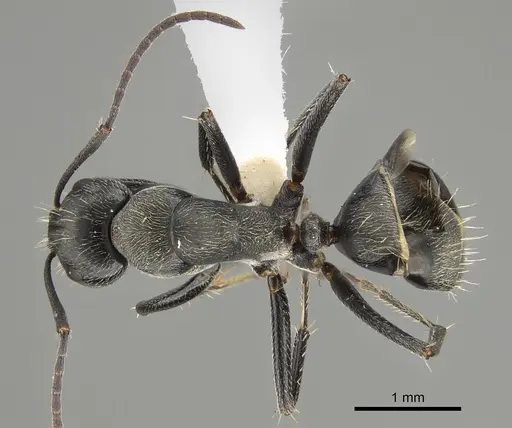
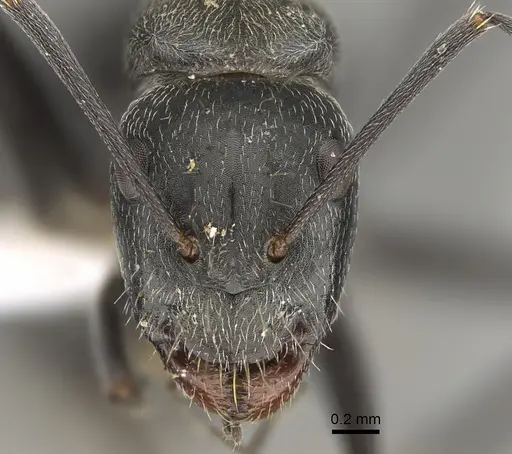
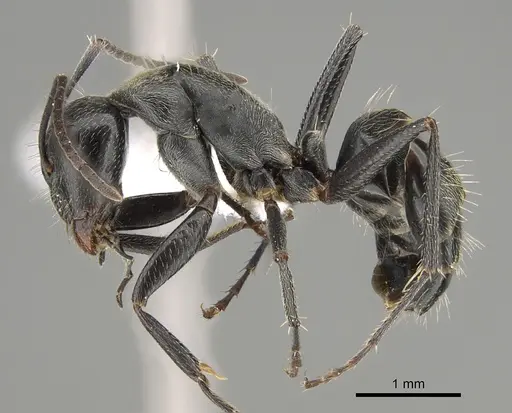
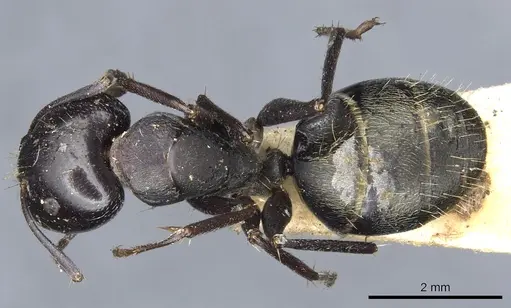
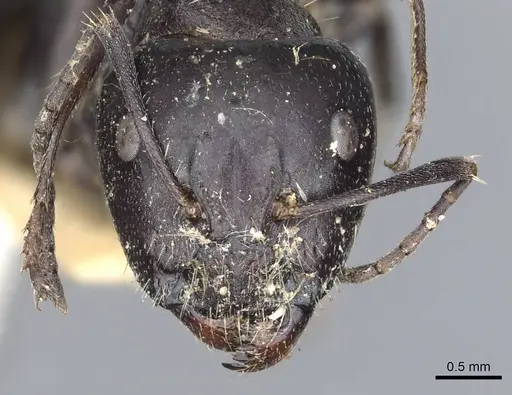
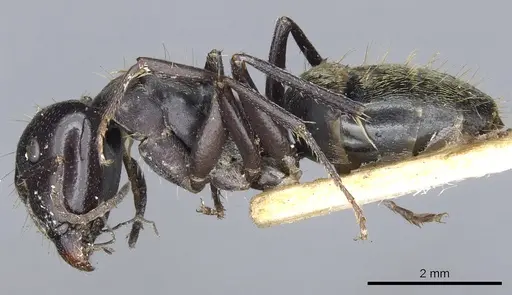
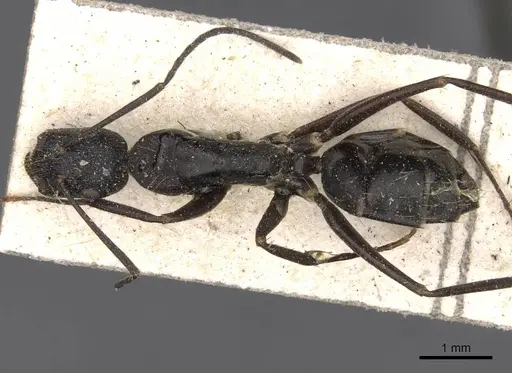
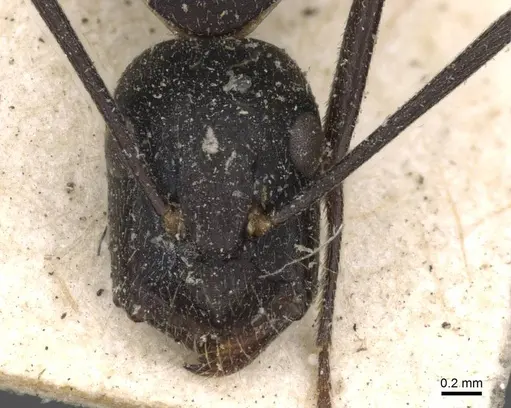
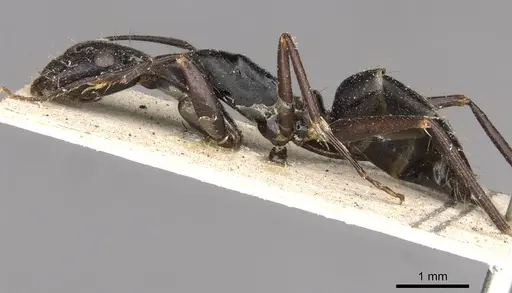
Camponotus nigroaeneus is an Australian carpenter ant species native to southeastern Australia, particularly Victoria and New South Wales. Workers are striking with their mostly black coloration featuring a distinctive greenish-olive tinge on the thorax and gaster, along with golden pubescence on the abdomen. Major workers reach about 7mm while minor workers are smaller at 4-6mm [1]. This species belongs to the nigroaeneus species-group and is known from relatively few specimens, with biology remaining largely unstudied [2].
Quick Summary
- Difficulty: Medium
- Origin & Habitat: Southeastern Australia, specifically Victoria and New South Wales. This species is restricted to mesic (moderately damp) habitats in southeastern Australia [3].
- Colony Type: Likely single-queen colonies (monogyne), which is typical for Camponotus species. Colony structure has not been directly studied.
- Colony: Monogyne
- Founding: Claustral
- Size & Growth:
- Queen: Approximately 7-8mm (estimated based on genus patterns)
- Worker: Major workers ~7mm, minor workers 4-6mm [1]
- Colony: Unknown for this species, but typical Camponotus colonies reach several hundred to a few thousand workers
- Growth: Moderate, typical for Camponotus genus
- Development: Approximately 6-8 weeks at optimal temperature (inferred from typical Camponotus development) (Development time is estimated based on genus patterns since species-specific data is unavailable)
- Antkeeping:
- Temperature: Keep at room temperature around 20-24°C. Australian temperate species can tolerate a range from 18-26°C. Provide a gentle temperature gradient if possible.
- Humidity: Moderate humidity around 50-70%. This species prefers mesic conditions, so keep the nest substrate slightly moist but not waterlogged.
- Diapause: Yes, as an Australian temperate species, they likely require a winter rest period of 2-3 months at temperatures around 10-15°C. This aligns with their mesic habitat origin in southeastern Australia.
- Nesting: In captivity, standard Camponotus setups work well. Y-tong (acrylic) nests, plaster nests, or test tube setups with decent humidity retention are suitable. They prefer dark, secure nesting areas.
- Behavior: Typical Camponotus temperament, generally calm and not overly aggressive. Workers are moderately active foragers. Escape prevention is important due to their moderate size, standard barriers work well but ensure lids are secure. They are not known to be particularly aggressive or difficult to contain.
- Common Issues: Limited biological data means care is based on genus inference rather than species-specific research, As a lesser-studied Australian species, wild-caught colonies may be difficult to source, Moderate growth rate requires patience, don't expect rapid colony expansion, Winter diapause is important for long-term colony health, skipping hibernation may cause issues, Their mesic habitat preference means they need consistent moisture without drying out
Nest Preferences
In the wild, Camponotus nigroaeneus likely nests in rotting wood or under stones, typical for carpenter ants. In captivity, they adapt well to various nest types. Y-tong (acrylic) nests work excellently as they provide darkness and security. Plaster nests with water reservoirs maintain good humidity levels. Test tube setups are suitable for founding colonies. The key is providing a dark, humid nest chamber with enough space for the colony to expand. Avoid overly dry conditions as this species prefers mesic habitats. [3]
Feeding and Diet
Like other Camponotus species, they are omnivorous. Offer a balanced diet of sugar sources (honey water, sugar water) and protein (insects like mealworms, crickets, fruit flies). Camponotus workers are moderate foragers, they will recruit to food sources but aren't hyperactive. Feed protein 2-3 times per week and keep sugar water available at all times. Remove uneaten prey after 24-48 hours to prevent mold. Fresh water should always be accessible.
Temperature and Seasonal Care
Maintain temperatures between 20-24°C for optimal colony activity and brood development. As a species from southeastern Australia, they experience seasonal temperature variations and require a winter rest period. During autumn, gradually reduce temperatures to around 10-15°C for 2-3 months to simulate winter. This diapause period is important for colony health and may trigger reproductive behavior in spring. Do not cool suddenly, allow a gradual transition over 1-2 weeks. [3]
Behavior and Colony Dynamics
Camponotus nigroaeneus displays typical carpenter ant behavior. Workers are moderately sized and not particularly aggressive, they will retreat rather than attack when threatened. Major workers (soldiers) are larger and may defend the nest. Colony growth is moderate, expect several months before seeing significant expansion from founding. Workers live several months to over a year, providing stable population maintenance. The species is not known for unusual behaviors like slave-making or temporary parasitism. [1]
Growth and Development
Queen lays eggs after mating during nuptial flights. Eggs develop through larval and pupal stages to produce first workers (nanitics) which are typically smaller than normal workers. Based on typical Camponotus patterns, expect 6-8 weeks from egg to first worker at room temperature. Development is temperature-dependent, warmer temperatures speed development but should not exceed 28°C. After founding, colony growth is gradual, major workers appear as the colony matures. Full colony development to several hundred workers may take 1-2 years.
Frequently Asked Questions
How long does it take for Camponotus nigroaeneus to produce first workers?
Based on typical Camponotus development patterns, expect 6-8 weeks from egg to first worker at optimal room temperature (around 22°C). This is an estimate since the species' specific development time has not been documented.
What do Camponotus nigroaeneus ants eat?
They are omnivorous like most Camponotus species. Offer sugar water or honey water constantly, and provide protein sources like mealworms, crickets, or fruit flies 2-3 times per week. Remove uneaten prey after a day or two.
Do Camponotus nigroaeneus need hibernation?
Yes, as an Australian temperate species from southeastern Australia, they require a winter rest period. Reduce temperatures to around 10-15°C for 2-3 months during winter. This mimics their natural seasonal cycle and is important for colony health.
How big do Camponotus nigroaeneus colonies get?
Colony size has not been documented for this specific species, but typical Camponotus colonies reach several hundred to a few thousand workers over 1-2 years. Growth is moderate, patience is required.
What is the best nest type for Camponotus nigroaeneus?
Y-tong (acrylic) nests, plaster nests with water reservoirs, or test tube setups all work well. The key is providing darkness, humidity retention, and enough space for colony expansion. They adapt to various captive setups.
Are Camponotus nigroaeneus good for beginners?
This species is rated as Medium difficulty. They are more forgiving than some exotic species but require attention to humidity and seasonal temperature changes. Their moderate size makes them easier to house than tiny species. However, limited availability and biological data make them slightly more challenging than common species.
Can I keep multiple Camponotus nigroaeneus queens together?
This species is likely monogyne (single queen) based on typical Camponotus patterns. Combining unrelated queens is not recommended as they likely will fight. Only keep one queen per colony unless you have specific evidence of multi-queen tolerance.
Where is Camponotus nigroaeneus found in the wild?
This species is native to southeastern Australia, specifically Victoria and New South Wales. It is restricted to mesic (moderately damp) habitats in this region. It has also been recorded in Western Australia but only from a few specimens.
What temperature should I keep Camponotus nigroaeneus at?
Keep them at room temperature, ideally 20-24°C. They can tolerate a range from 18-26°C. Provide a gentle temperature gradient if possible. During winter, they need cooler temperatures around 10-15°C for diapause.
References

This caresheet is licensed under CC BY-SA 4.0 .
Literature
Loading...Loading products...