Camponotus nearcticus exhibits a clear seasonal flight window. Peak flight activity is concentrated in May, with the overall period spanning April to June.
Camponotus nearcticus
- Scientific Name
- Camponotus nearcticus
- Subgenus
- Myrmentoma
- Tribe
- Camponotini
- Subfamily
- Formicinae
- Author
- Emery, 1893
- Common Name
- Smaller Carpenter Ant
- Distribution
- Found in 2 countries
- Nuptial Flight
- from April to June, peaking in May
AI Identifiable
try →
Camponotus nearcticus Overview
Camponotus nearcticus (commonly known as the Smaller Carpenter Ant) is an ant species of the genus Camponotus. It is primarily documented in 2 countries , including Canada, United States of America. Detailed taxonomic data and occurrence records can be further explored via authoritative databases such as AntWeb or the Global Biodiversity Information Facility (GBIF).
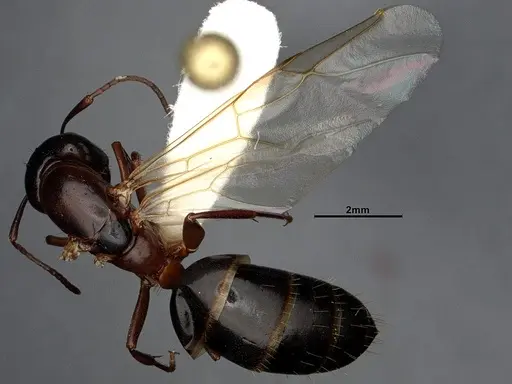
The nuptial flight of Camponotus nearcticus is a significant biological event, typically occurring from April to June, peaking in May. During this time, winged queens and males leave the nest to mate and establish new colonies.
Camponotus nearcticus - "Smaller Carpenter Ant"
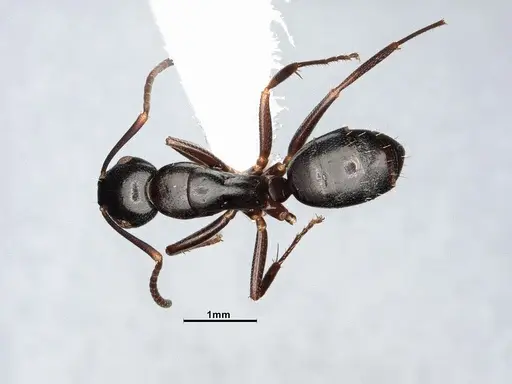
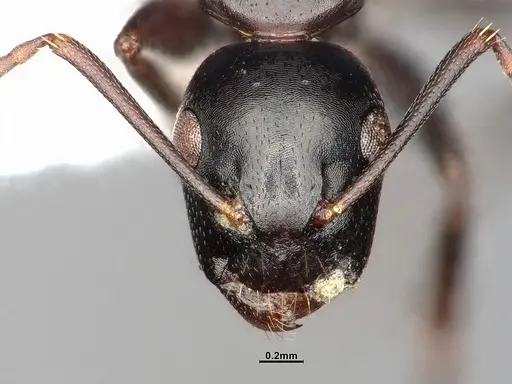
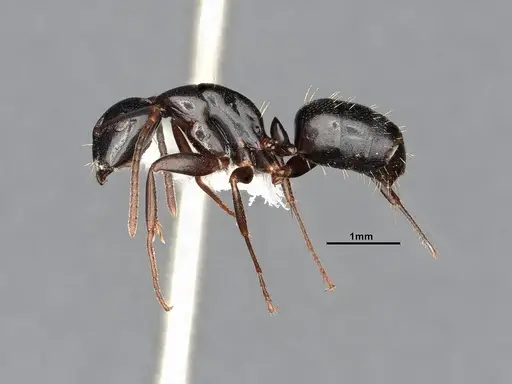
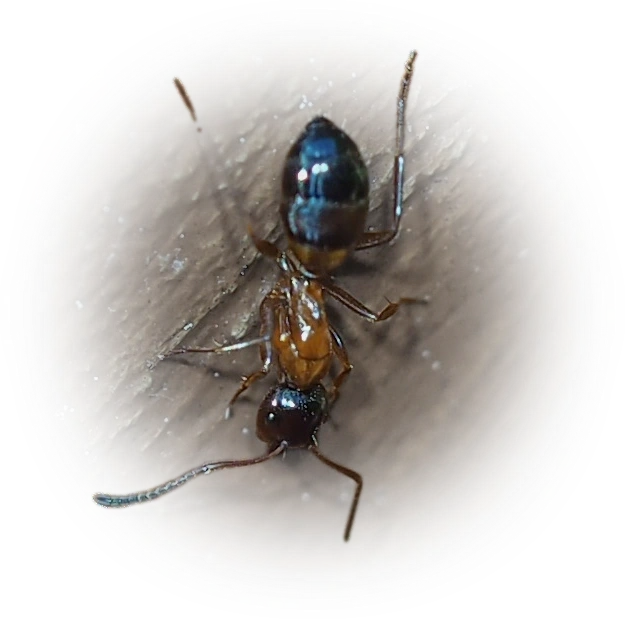
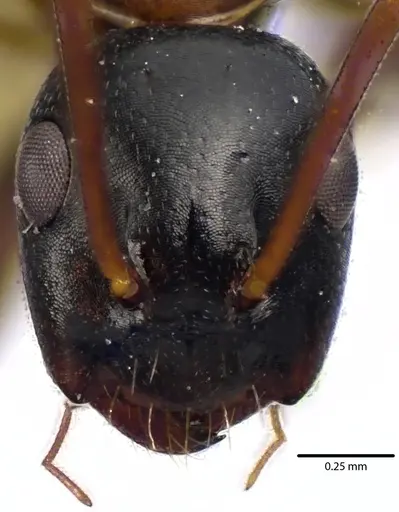
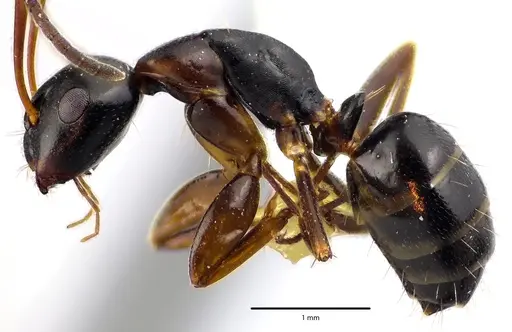
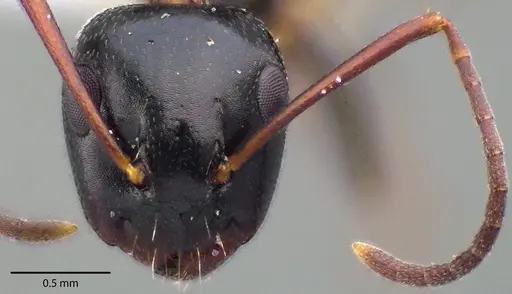
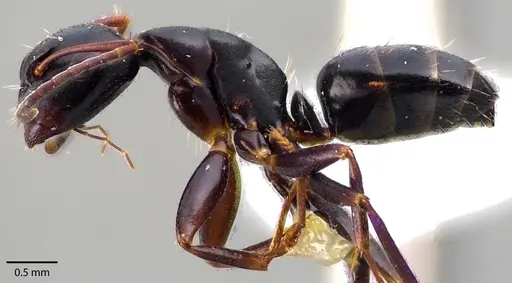
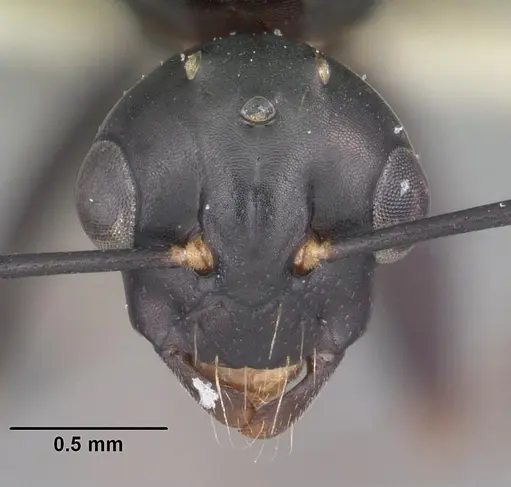
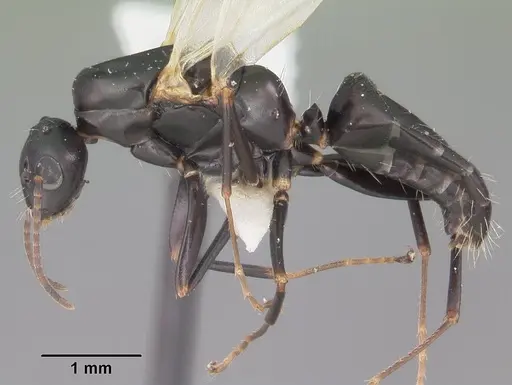
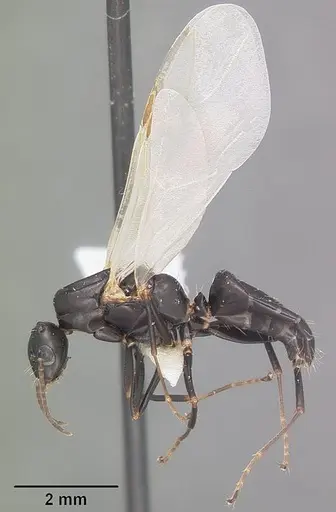
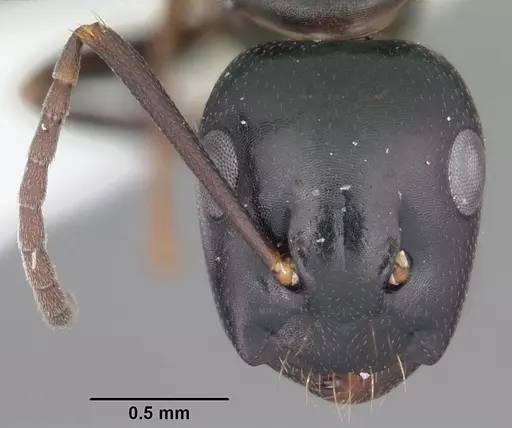
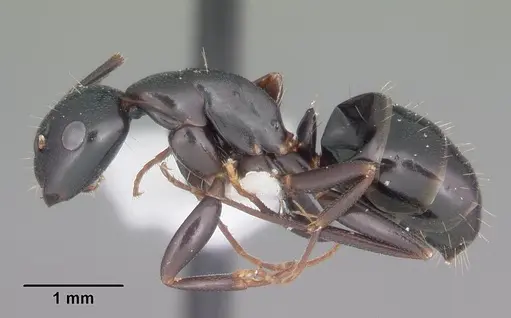
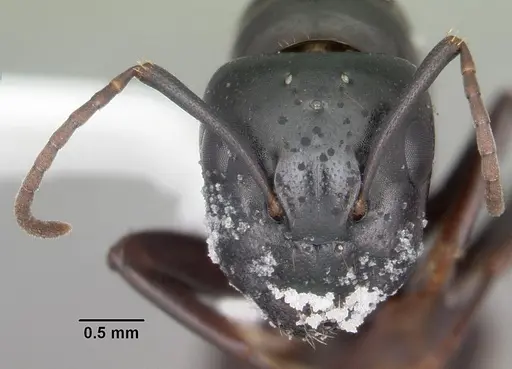
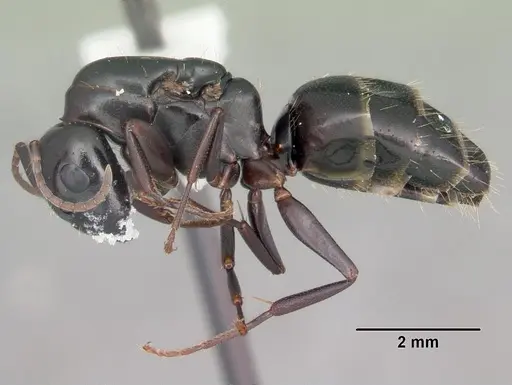
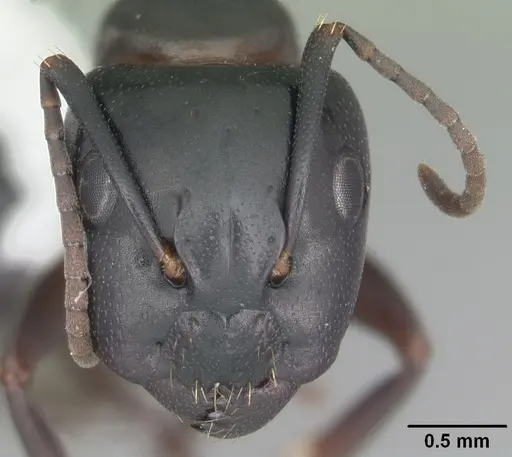
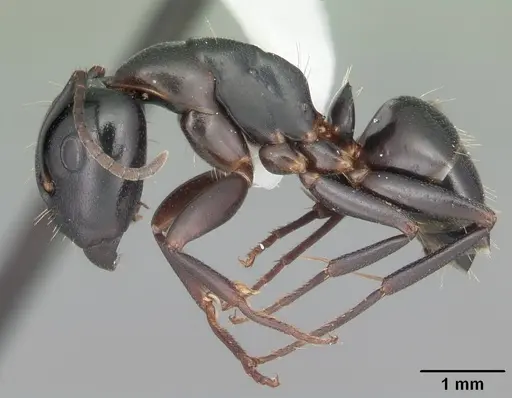
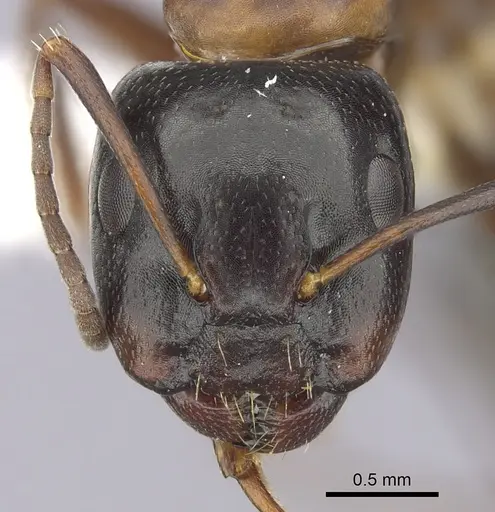
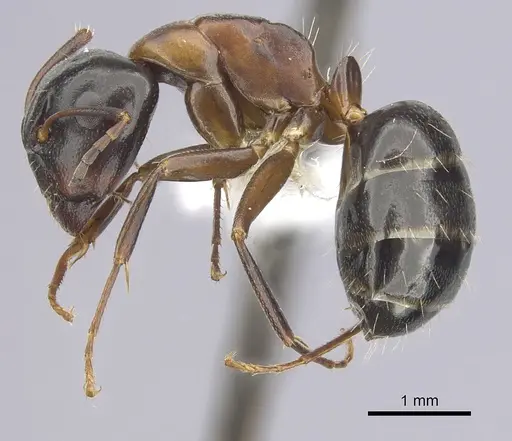
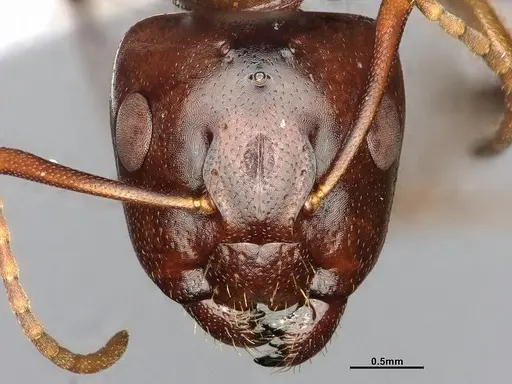
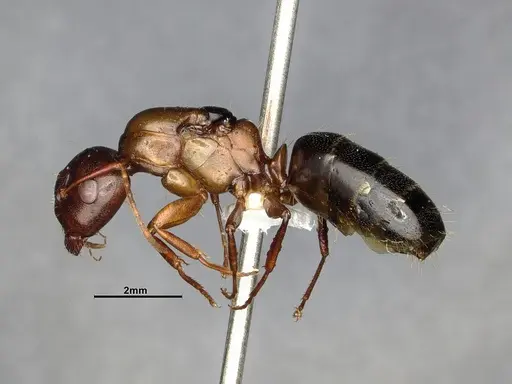
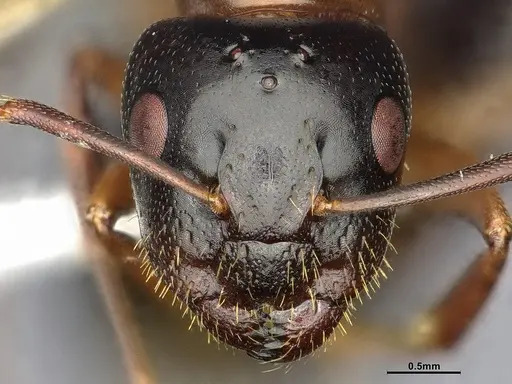
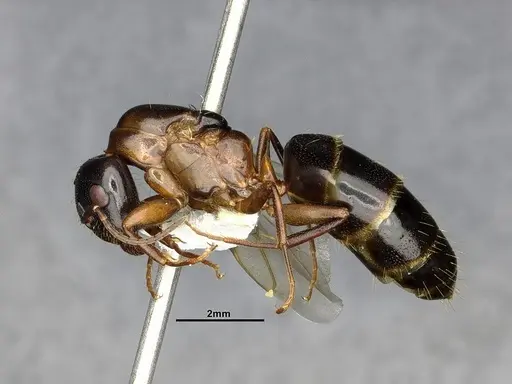
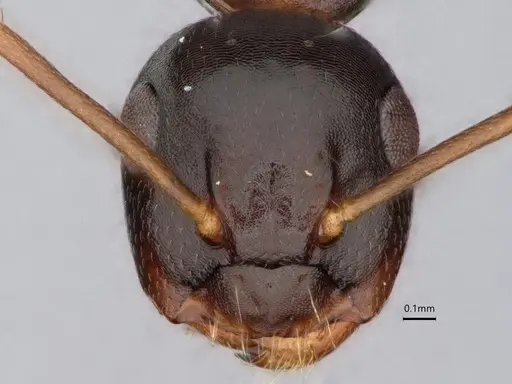
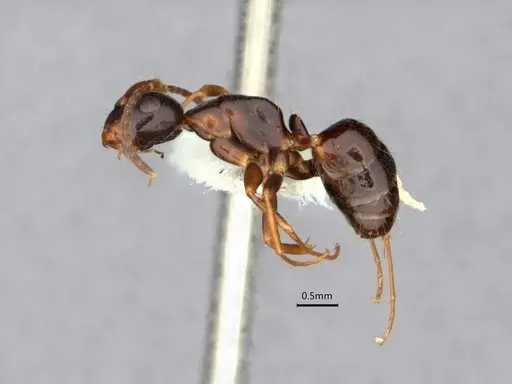
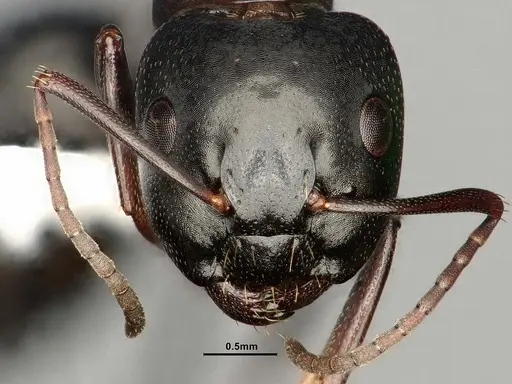
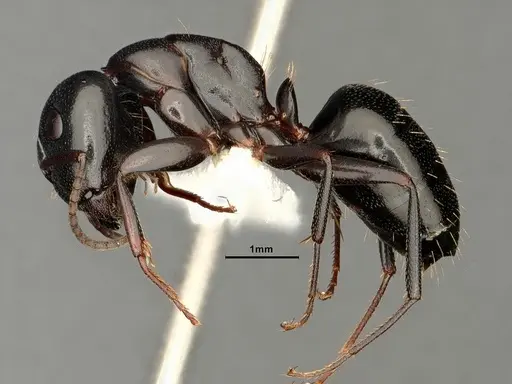
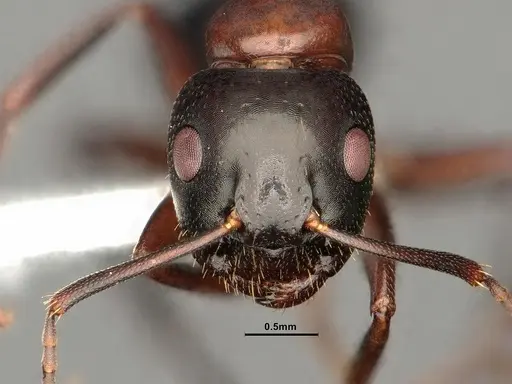
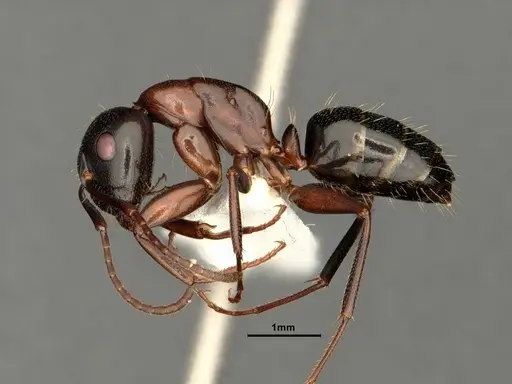
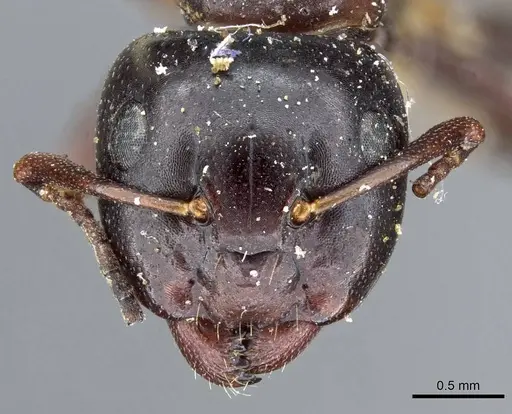
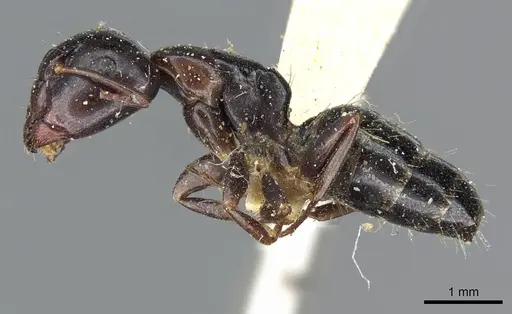
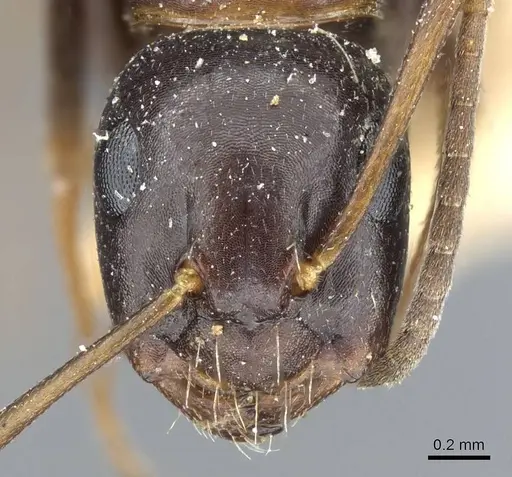
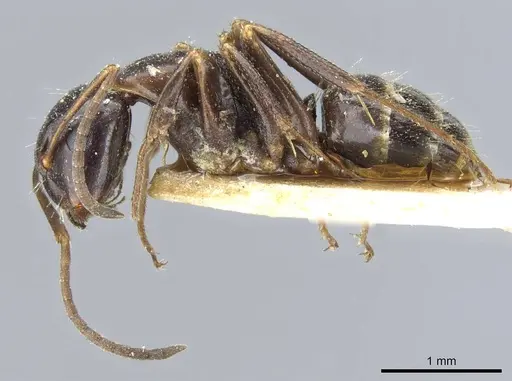
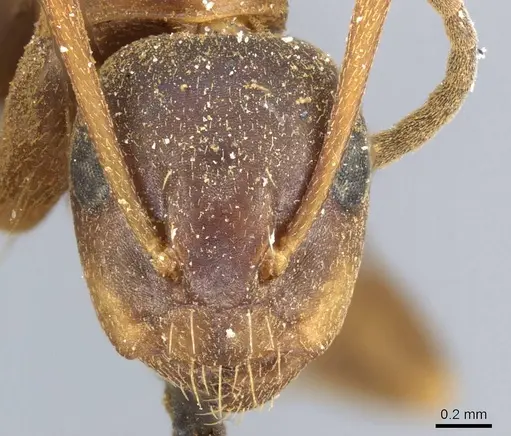
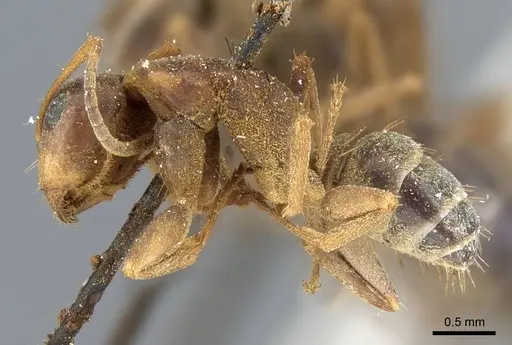
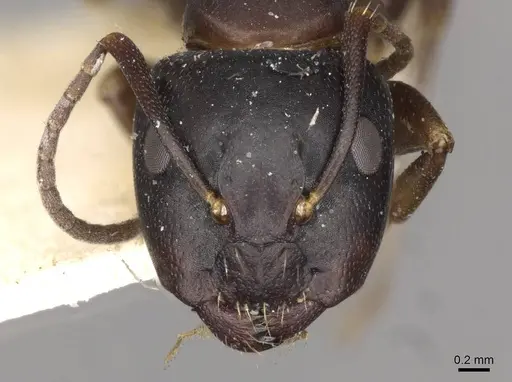
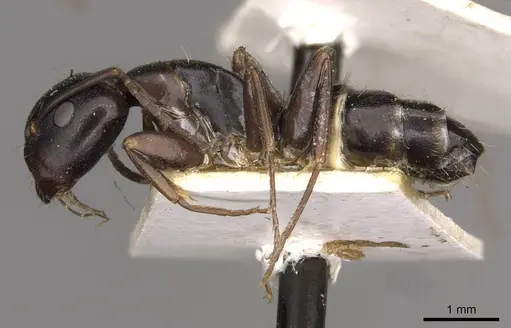
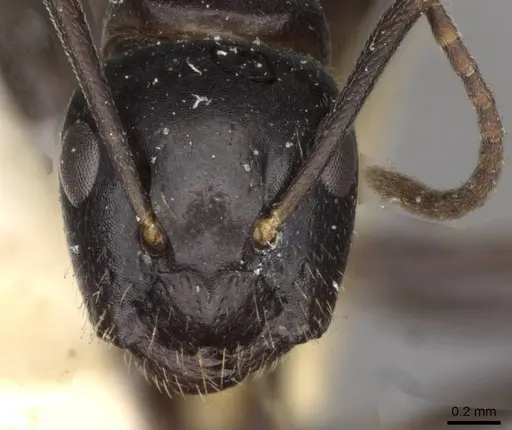
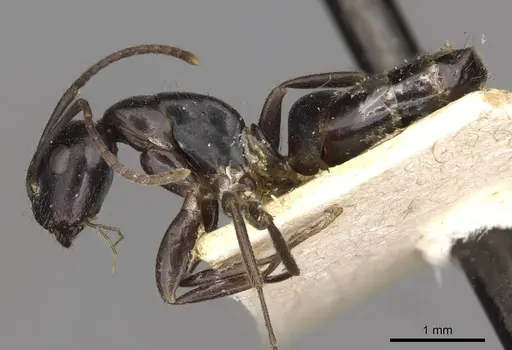
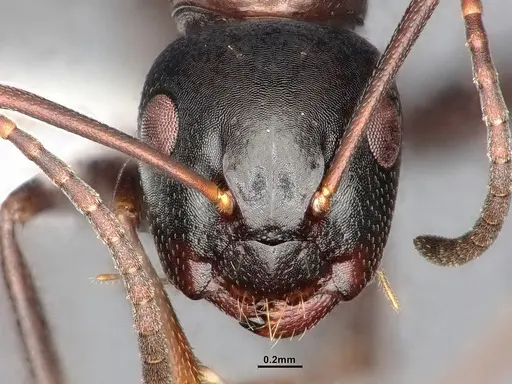
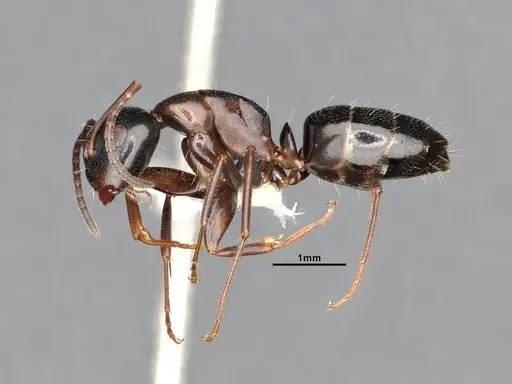
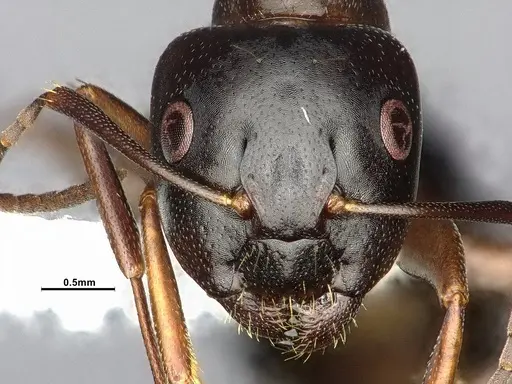
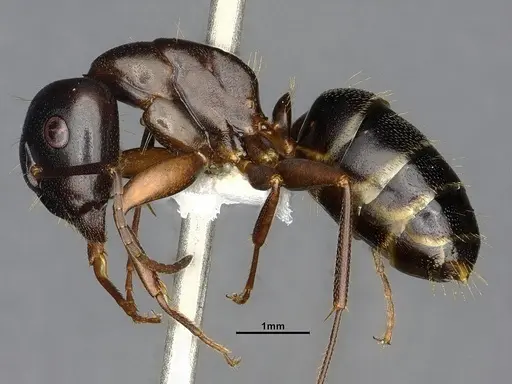
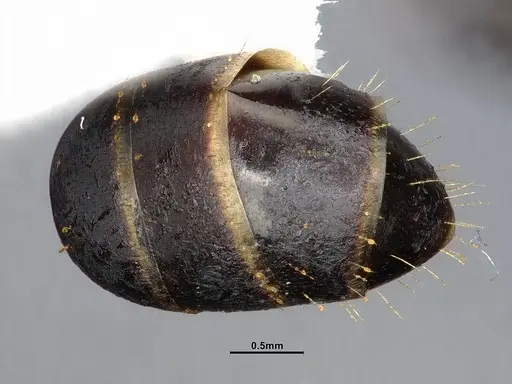
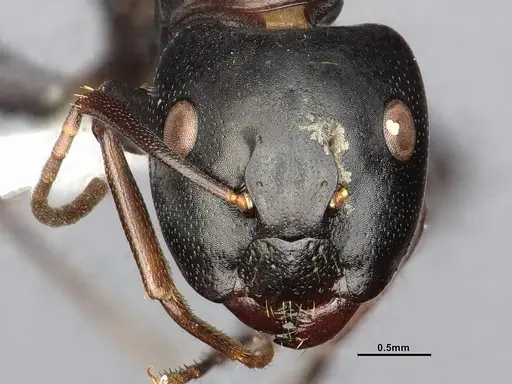
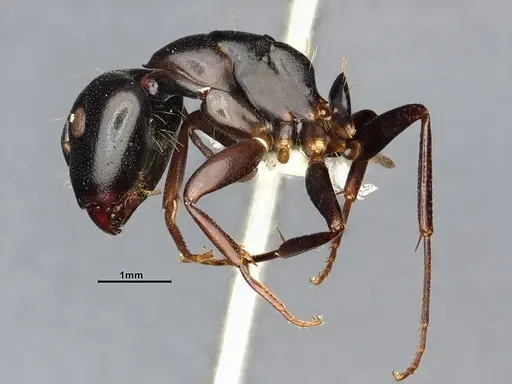
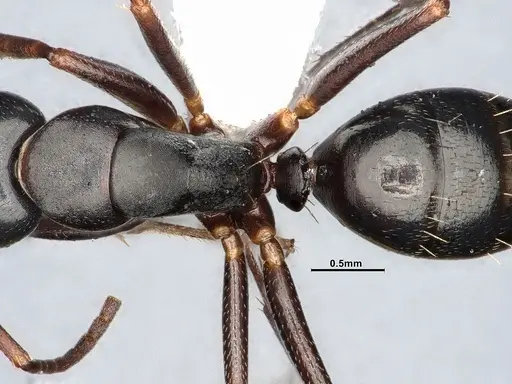
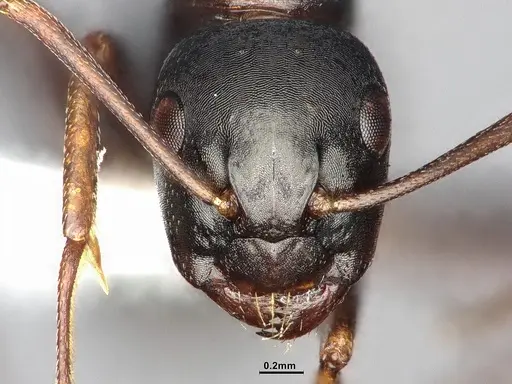
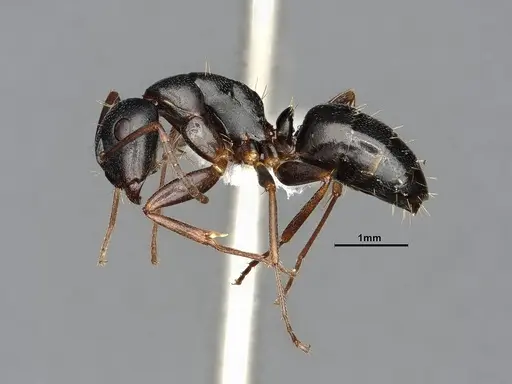
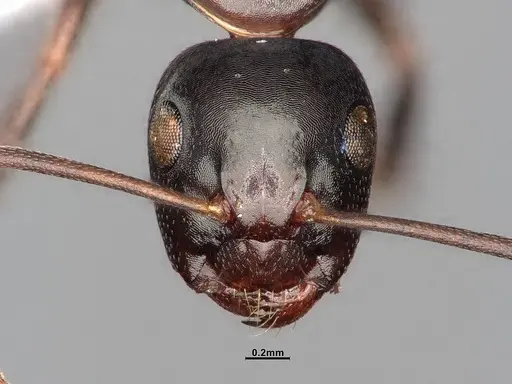
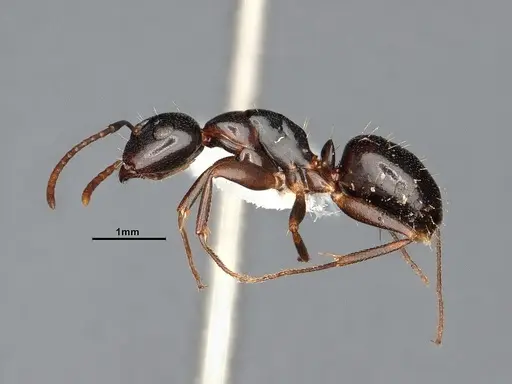
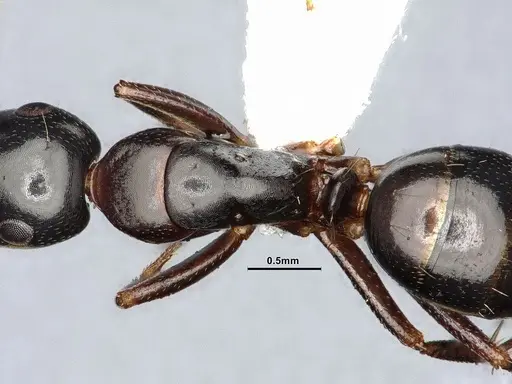
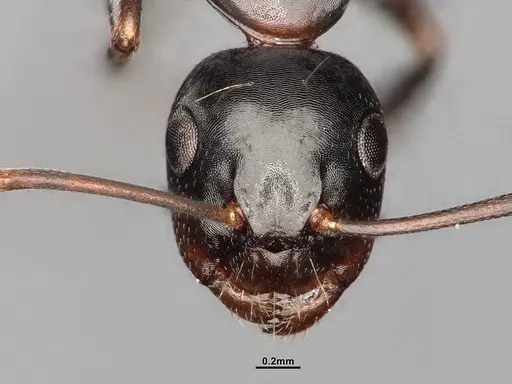
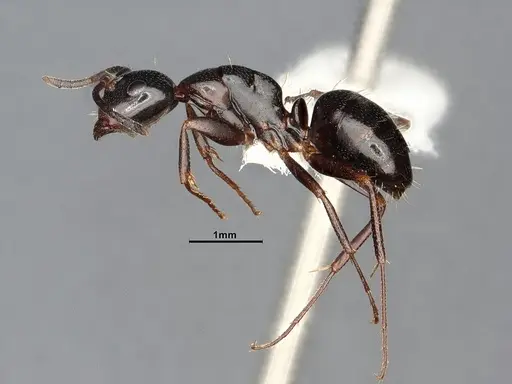
Camponotus nearcticus is a small carpenter ant native across much of North America, from southern Canada south to Florida and west to British Columbia, Washington, Nevada, Utah, and California [1][2]. Workers measure 3.5-7.5mm and are typically brownish-black to black, though some specimens may have reddish-black heads and alitrunk [2]. The majors can be identified by their shiny gaster, dull mandible surface, lack of erect hairs on the sides of the head and cheeks, and their convex propodeum [AntWiki]. This species belongs to the subgenus Myrmentoma, a group of smaller arboreal carpenter ants [3].
What makes C. nearcticus interesting is its arboreal lifestyle, unlike many carpenter ants that nest in wood on the ground, this species specifically nests in dead twigs and branches in trees, including oak galls, hollow stems, and even the woodwork of buildings [2][4]. They are a timid species that hesitates to rescue brood when disturbed, and they tend coccids and aphids for honeydew [AntWiki]. Colonies are relatively small compared to other carpenter ants, typically containing less than a hundred to several hundred workers, though colonies of over 1000 have been recorded [2][4].
Quick Summary
- Difficulty: Easy
- Origin & Habitat: Native to North America, found from Quebec and Ontario south to Florida and west to British Columbia, Washington, Nevada, Utah, and California [1][AntWiki]. Inhabits prairies, woodlands, and riparian areas, ranging from deciduous forests and oak habitats up to pinyon-juniper and ponderosa pine forests at elevations of 1490-1700m [AntWiki]. Also found in oak savanna and dry-mesic prairies [1].
- Colony Type: Monogyne (single-queen) colonies. All nests examined contained a single gyne (queen) [AntWiki]. Queenless worker reproduction has been documented in this species [5].
- Size & Growth:
- Queen: ~8-10mm, inferred from Camponotus genus patterns for Myrmentoma subgenus
- Worker: 3.5-7.5mm [2][1]
- Colony: Up to approximately 1100 workers (one recorded colony had 1138 individuals including queen) [4]
- Growth: Moderate
- Development: 6-8 weeks based on typical Camponotus development at warm temperatures (Development data based on genus-level patterns, direct measurements unavailable for this species)
- Antkeeping:
- Temperature: Keep at room temperature (20-24°C). They tolerate a range from roughly 18-26°C and do well in typical indoor conditions.
- Humidity: Moderate humidity. As an arboreal species that nests in tree branches, they prefer slightly more humid conditions than ground-nesting carpenter ants but not saturated. Provide a humidity gradient with one moist area and mostly dry chambers.
- Diapause: Yes. This is a temperate species that benefits from a winter rest period. Alates have been found in nests from March to October, suggesting reproductives may overwinter [1]. Keep at 10-15°C for 2-3 months during winter.
- Nesting: Arboreal nesting preferences. In captivity, they do well in Y-tong (AAC) nests, wooden formicaria, or setups with narrow chambers that mimic their natural twig-nesting behavior. Provide dead branches or cork bark as nesting material. They also accept test tubes but may prefer more vertical, wood-like structures.
- Behavior: Timid and non-aggressive. This species hesitates to rescue brood when disturbed and avoids confrontation [AntWiki]. Workers are moderate foragers that search through leaf litter, on logs, tree trunks, and foliage [1]. They are not particularly escape-prone compared to some tiny ants, but standard barriers are still recommended. They tend coccids and aphids for honeydew and scavenge dead insects. As a house-infesting species, they may explore indoor spaces but colonies remain relatively small [2].
- Common Issues: colonies stay relatively small, this is not a rapid grower like some Camponotus species, timid behavior means they may abandon brood if disturbed too often during founding, arboreal nesting means they need appropriate vertical space and wood-like nesting material, may nest in building woodwork if given access, similar to other carpenter ants, slow colony growth means beginners may lose interest and overfeed, causing mold issues
Nuptial Flight Activity Analysis 290 observations
Flight Activity by Hour 290 observations
Camponotus nearcticus nuptial flight activity peaks around 13:00 during the late morning to early afternoon. Activity is spread across a 24-hour window (00:00–23:00). A secondary activity peak occurs around 15:00. Times may be influenced by human observation patterns.
Housing and Nest Setup
Camponotus nearcticus is an arboreal species that naturally nests in dead twigs, branches, and hollow stems in trees [2][4]. In captivity, they do best in setups that mimic this arboreal lifestyle. Y-tong (AAC) nests work well, as do wooden formicaria or acrylic nests with narrow chambers. You can also provide cork bark or small dead branches as nesting material in a naturalistic setup. Test tubes can work for founding colonies, but consider moving them to a more arboreal-style nest once the colony reaches 20-30 workers. They prefer chambers that are somewhat vertical rather than wide and flat, reflecting their natural twig-nesting behavior. Place the nest in a location with moderate light and avoid excessive vibrations, as this is a timid species that may abandon brood if disturbed [AntWiki].
Feeding and Diet
Like most carpenter ants, C. nearcticus is omnivorous with a preference for protein. Workers tend coccids and aphids in the wild, so they readily accept sugar sources like honey water or sugar water [AntWiki]. Their diet consists mostly of insects, offer small prey items like fruit flies, small crickets, mealworms, or other appropriately-sized insects twice weekly [6]. They also scavenge dead insects, so occasional protein-rich offerings are appreciated. Keep a constant supply of sugar water available, especially for established colonies. Avoid overfeeding, as excess food can mold and cause problems in small colonies. Remove uneaten prey after 24-48 hours.
Temperature and Seasonal Care
This species does well at standard room temperature (20-24°C) and doesn't require additional heating in most homes. They are adaptable and can tolerate temperatures ranging from roughly 18-26°C. As a temperate North American species, they benefit from a winter diapause period. Reduce temperatures to 10-15°C for 2-3 months during winter (typically November through February in the Northern Hemisphere). During this time, reduce feeding to once every two weeks or skip feeding entirely. The colony will become less active but should not be frozen, a basement or refrigerator (not freezer) works well for overwintering. Return to normal temperatures gradually in spring to trigger renewed activity and growth. [1]
Colony Development and Growth
C. nearcticus colonies grow moderately compared to some faster-growing Camponotus species. A typical mature colony contains several hundred workers, one recorded colony had 1138 individuals including a queen, 279 workers, 302 worker pupae, 463 larvae, and 93 eggs [4]. Colonies are monogyne, with a single queen that can live for many years. Queenless worker reproduction has been documented, meaning workers can lay eggs if the queen dies, though these eggs typically develop into males [5]. Development from egg to worker takes an estimated 6-8 weeks at warm temperatures, based on typical Camponotus patterns. The first workers (nanitics) will be smaller than mature workers. Major workers (soldiers) develop as the colony grows, typically appearing when the colony reaches 50-100 workers.
Behavior and Temperament
This is a timid, non-aggressive species that hesitates to rescue brood when its nest is disturbed [AntWiki]. Workers are relatively calm and not particularly territorial or defensive. They go about their business quietly, foraging through leaf litter, on logs, tree trunks, and foliage [1]. They are not major stingers, while all Camponotus ants have the ability to bite, this species is too small to cause meaningful discomfort to humans. They may enter homes and nest in wooden structures, making them occasional house-infesting ants, but damage is typically minimal compared to larger carpenter ants like C. pennsylvanicus [2]. Workers communicate through chemical trails and will establish foraging routes to food sources.
Frequently Asked Questions
Is Camponotus nearcticus a good beginner ant?
Yes, this is one of the easier carpenter ants to keep. They are tolerant of room temperature, don't require elaborate heating setups, and have modest space needs. Their colonies stay relatively small (under 1200 workers), so they won't outgrow their enclosure quickly. The main considerations are providing appropriate arboreal-style nesting and being patient during the slow founding phase.
How long does it take for the first workers to appear?
Expect 6-8 weeks from egg to first worker at warm room temperature (around 24°C). This is typical for Camponotus species. The queen will lay eggs, which develop through larval and pupal stages before emerging as nanitic (first) workers. Be patient during founding, the queen may not lay eggs immediately, and development slows if temperatures drop.
What do Camponotus nearcticus eat?
They are omnivorous but prefer protein. Feed small insects like fruit flies, pinhead crickets, or mealworms twice weekly. Keep a constant supply of sugar water or honey water available. They also scavenge dead insects and will accept other protein sources. Avoid overfeeding to prevent mold.
Do they need hibernation?
Yes, as a temperate North American species, they benefit from a winter rest period. Reduce temperatures to 10-15°C for 2-3 months during winter. This helps synchronize their natural cycle and may improve colony health long-term. Do not freeze them, a cool basement or refrigerator works well.
Can I keep multiple queens together?
No. This is a monogyne (single-queen) species. In the wild, all documented nests contain only one queen [AntWiki]. Combining unrelated queens will likely result in fighting. If you acquire a wild colony, ensure it has only one queen before introducing her to your setup.
What type of nest is best?
Arboreal-style nests work best. Y-tong (AAC) nests, wooden formicaria, or setups with cork bark and dead branches mimic their natural twig-nesting preferences. They do fine in test tubes for founding but appreciate more vertical, wood-like spaces as they grow. Avoid fully horizontal, ground-style nests.
How big do colonies get?
Colonies typically reach several hundred workers. One documented colony had around 1138 workers including the queen [4]. This is smaller than many other carpenter ant species, making them manageable for indoor ant keeping.
Will they damage my home?
They are occasional house-infesting ants and may nest in wooden structures, particularly in roofing or wooden posts [2][AntWiki]. However, damage is typically minimal compared to larger carpenter ants like C. pennsylvanicus. They prefer dead twigs and branches rather than structural wood. If kept in proper enclosures, there is no risk.
Why are my ants not growing fast enough?
This species naturally grows at a moderate pace. Colonies stay relatively small even at maturity. Ensure proper temperatures (20-24°C), adequate protein feeding, and minimal disturbances during founding. If the queen is disturbed frequently, she may eat her brood and start over. Patience is key, small, stable colonies are healthier than overforced ones.

This caresheet is licensed under CC BY-SA 4.0 .
ANTWEB1041641
View on AntWeb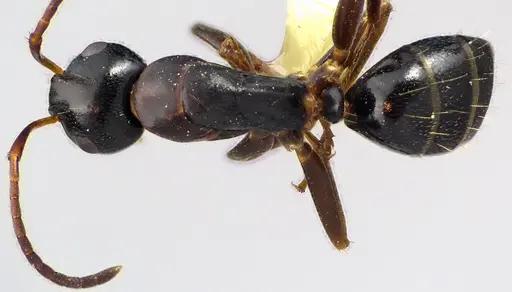
ANTWEB1041725
View on AntWeb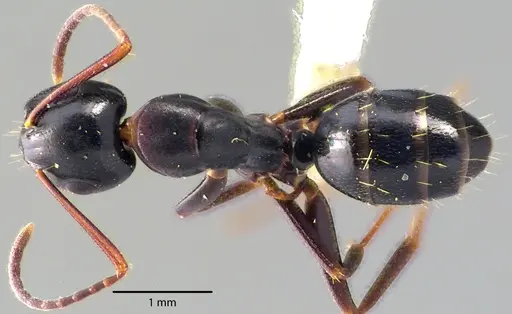
ANTWEB1060006
View on AntWeb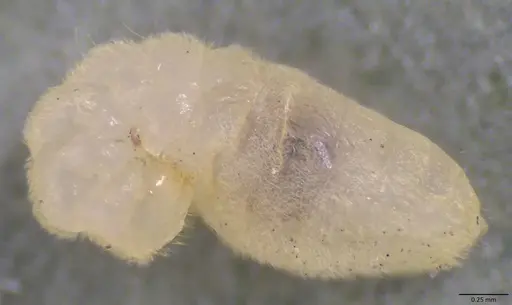
CASENT0102697
View on AntWeb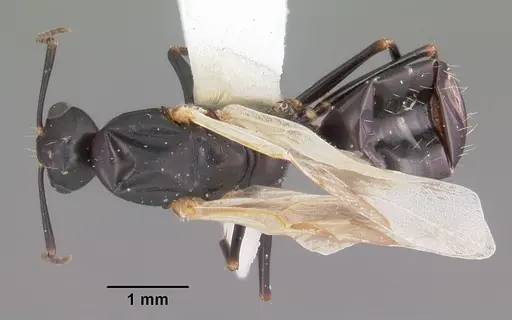
CASENT0103685
View on AntWeb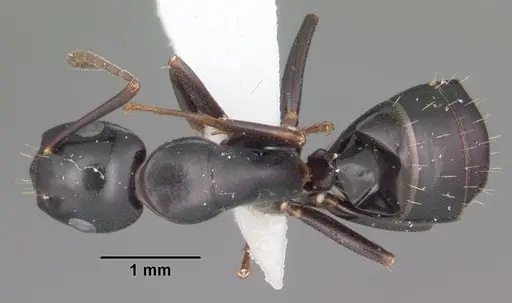
CASENT0103688
View on AntWeb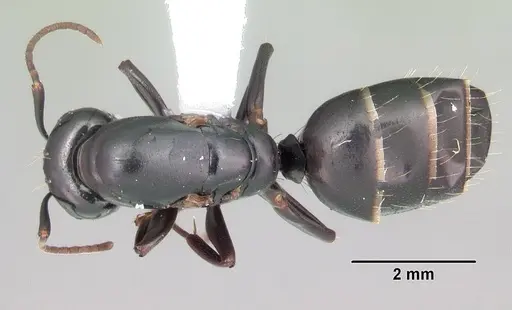
CASENT0103689
View on AntWeb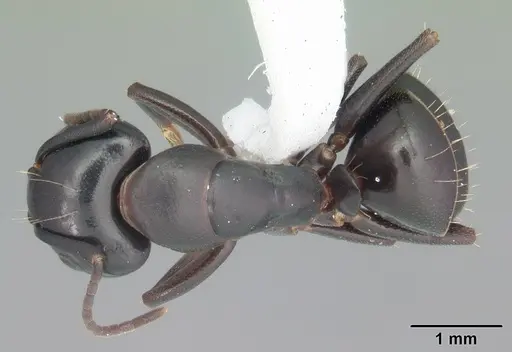
CASENT0249370
View on AntWeb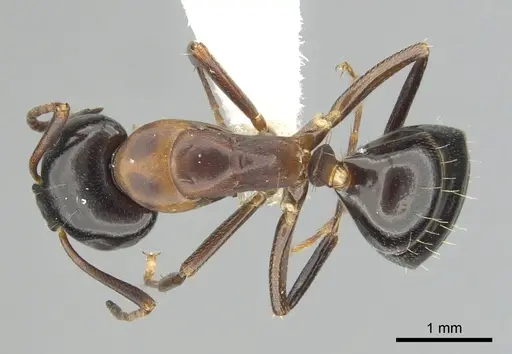
CASENT0628544
View on AntWeb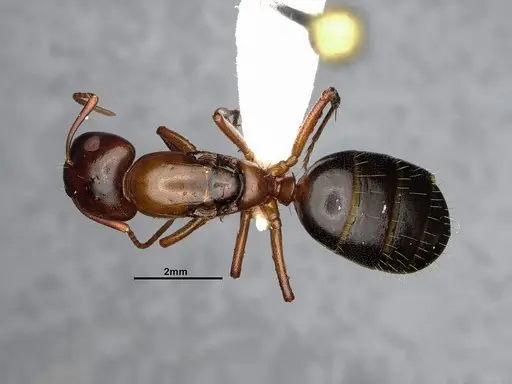
CASENT0650182
View on AntWeb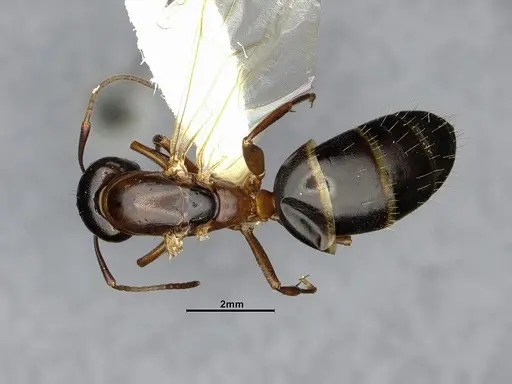
CASENT0882057
View on AntWeb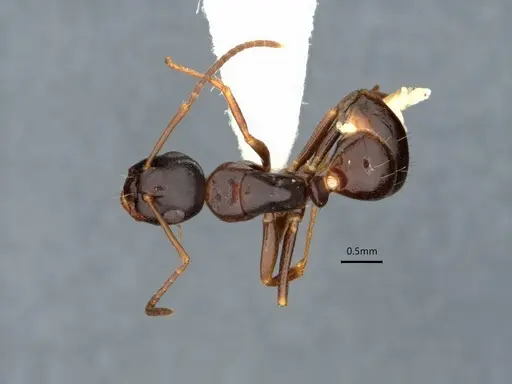
CASENT0884314
View on AntWeb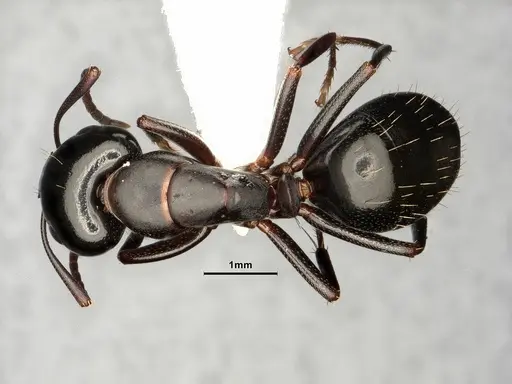
CASENT0884315
View on AntWeb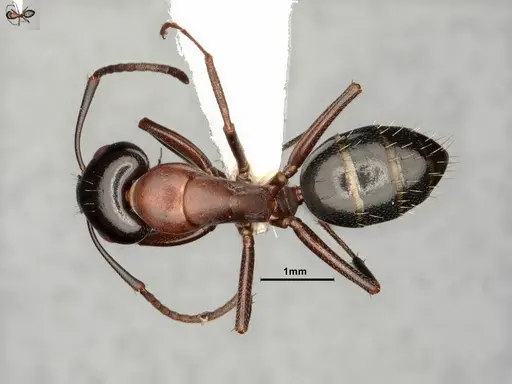
CASENT0905401
View on AntWeb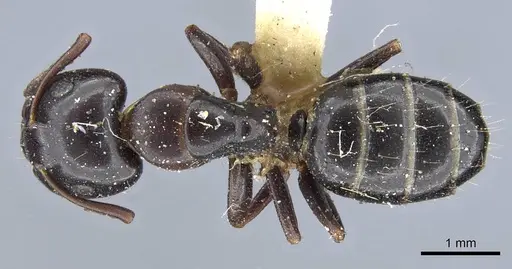
CASENT0905402
View on AntWeb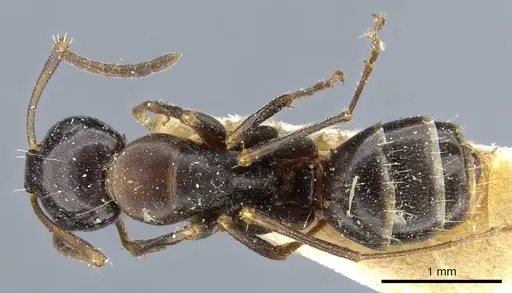
CASENT0905403
View on AntWeb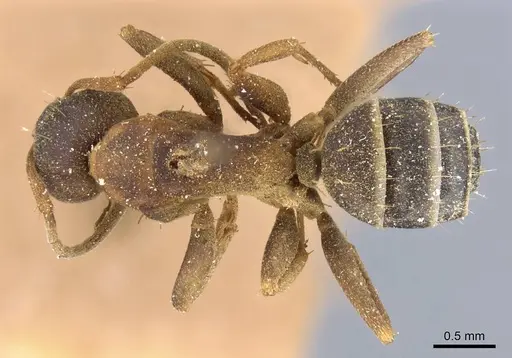
CASENT0910417
View on AntWeb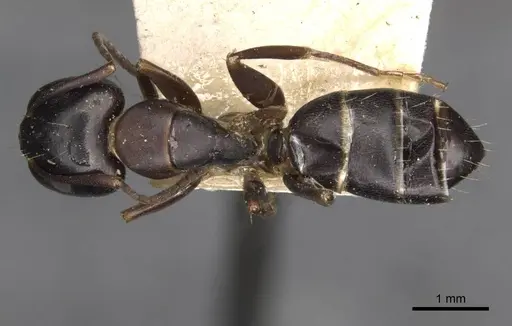
CASENT0910418
View on AntWeb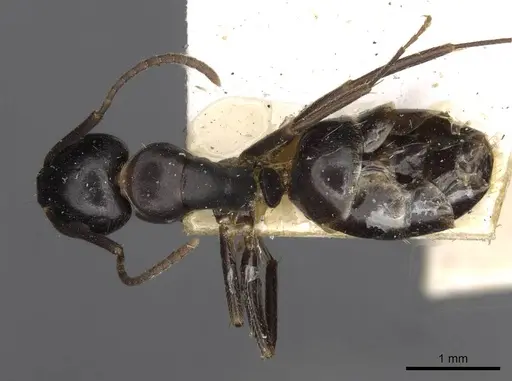
CASENT4031302
View on AntWeb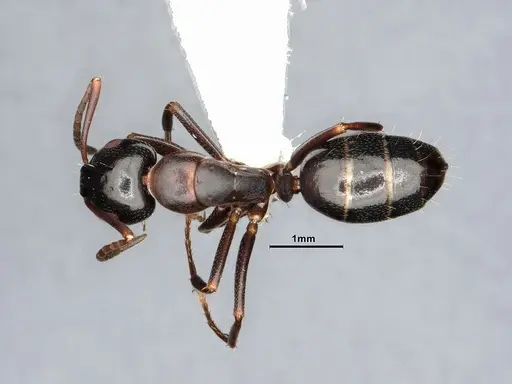
CASENT4031637
View on AntWeb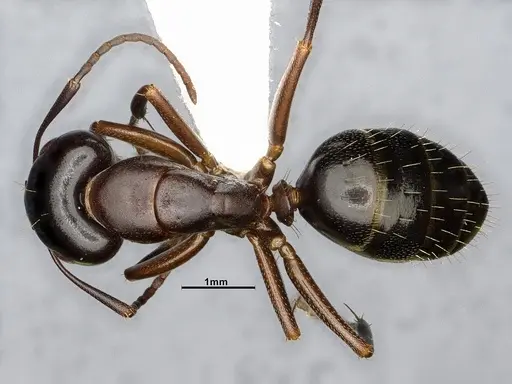
CASENT4031638
View on AntWeb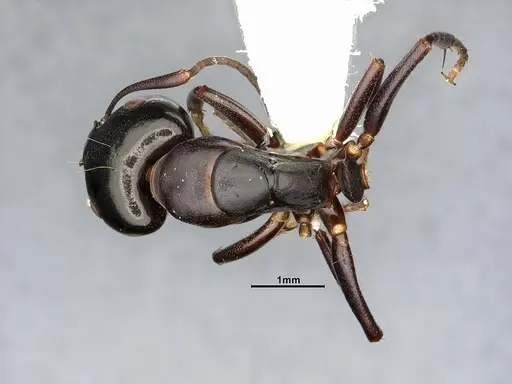
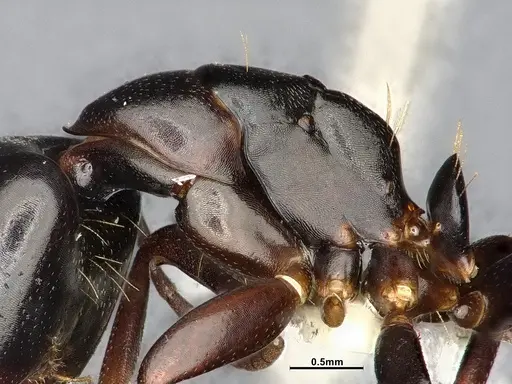
FMNHINS0000045827
View on AntWeb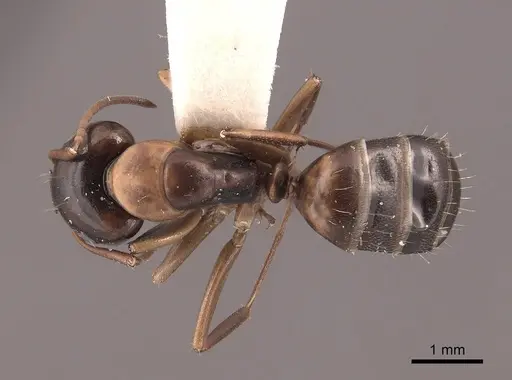
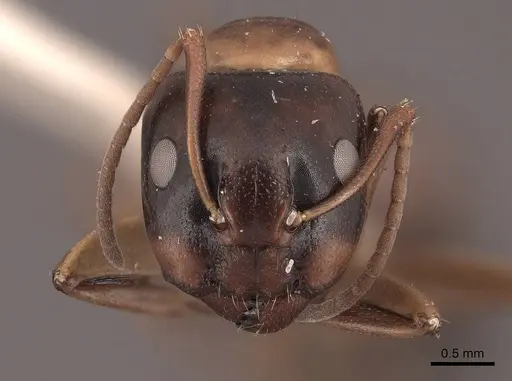
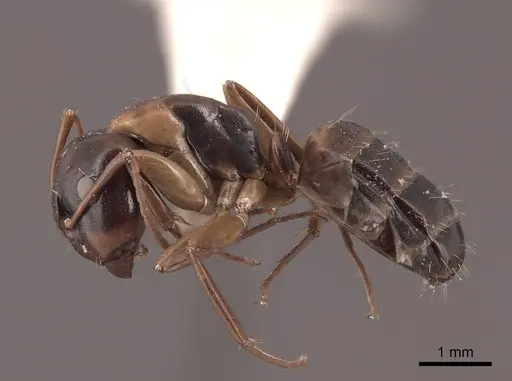
MEM238117
View on AntWeb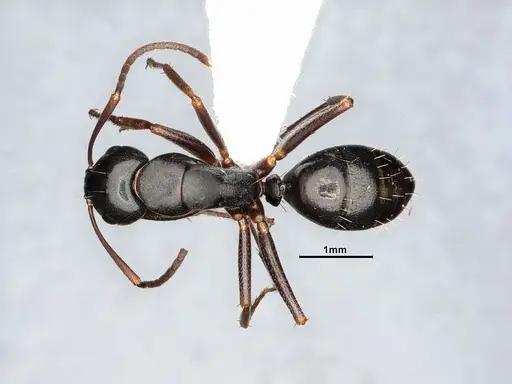
MEM251450
View on AntWeb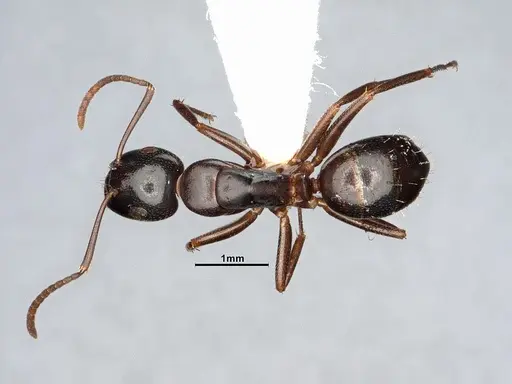
MEM288556
View on AntWeb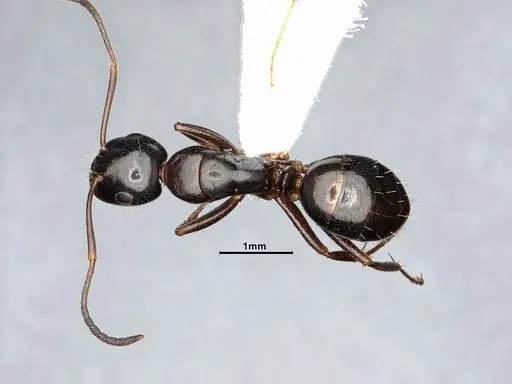
MEM290580
View on AntWeb