

Camponotus nawai
- Scientific Name
- Camponotus nawai
- Subgenus
- Myrmamblys
- Tribe
- Camponotini
- Subfamily
- Formicinae
- Author
- Ito, 1914
- Distribution
- Found in 2 countries
Camponotus nawai Overview
Camponotus nawai is an ant species of the genus Camponotus. It is primarily documented in 2 countries , including Japan, Korea, Republic of. Detailed taxonomic data and occurrence records can be further explored via authoritative databases such as AntWeb or the Global Biodiversity Information Facility (GBIF).
Camponotus nawai
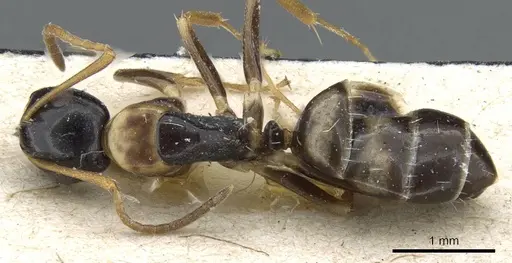
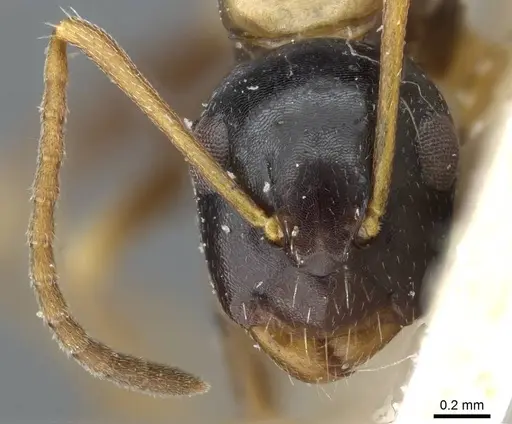
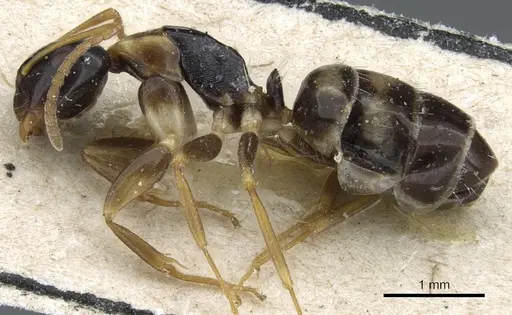
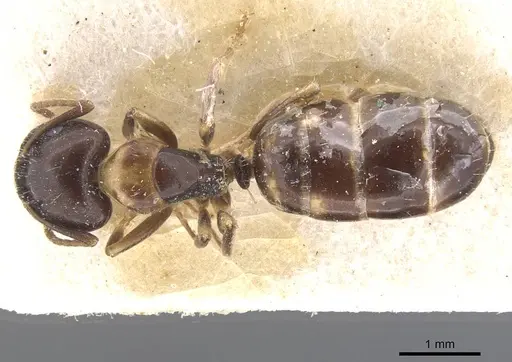
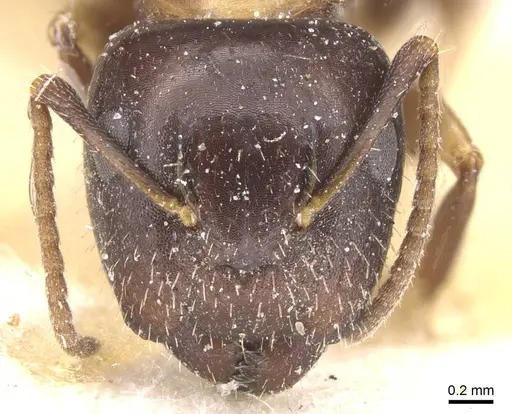
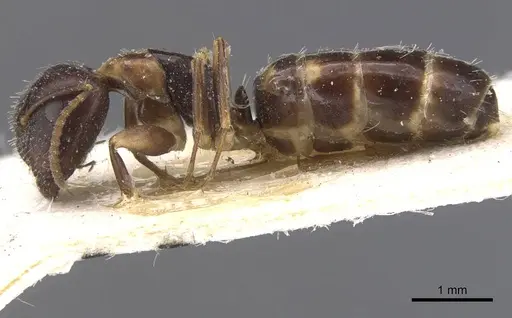
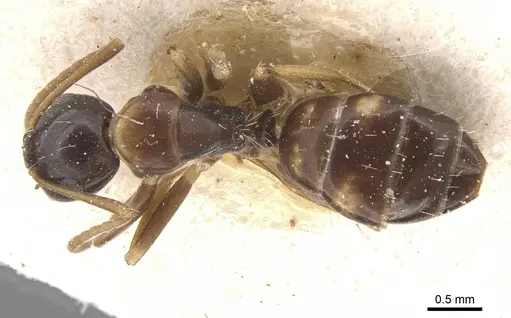
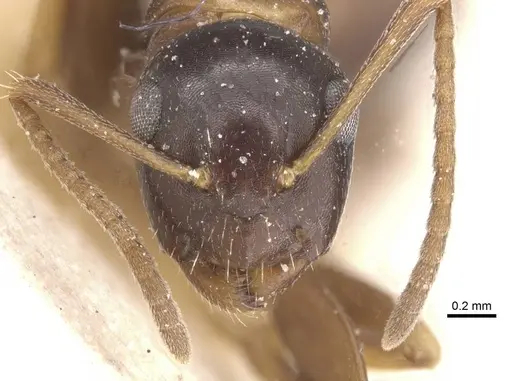
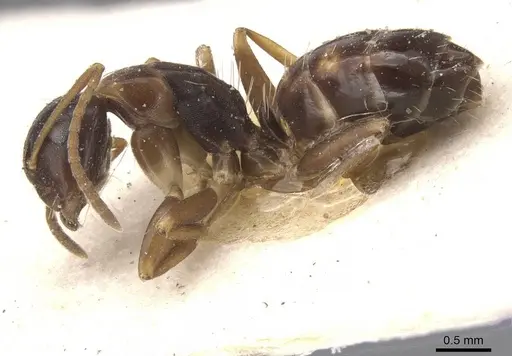
Camponotus nawai is a small carpenter ant native to Japan and Korea. Workers measure 4-4.5mm and have a distinctive appearance with a black body, reddish-brown to blackish-brown pronotum, brown legs, and a pair of whitish spots on each of the first two abdominal segments [1]. This species is truly arboreal, meaning it lives and forages exclusively in trees rather than on the ground. Unlike most carpenter ants that nest in wood, C. nawai builds its colonies inside dead twigs and branches [1][2]. The species is monogynous, with single-queen colonies, and nuptial flights occur during August [1].
Quick Summary
- Difficulty: Medium
- Origin & Habitat: Japan and Republic of Korea. Found in woods near the sea coast and from lowlands to mountainous regions. Truly arboreal, nesting in dead twigs [1][2].
- Colony Type: Monogynous (single-queen colonies). Queens mate only once (monandrous) [3].
- Colony: Monogyne
- Founding: Claustral
- Size & Growth:
- Queen: Estimated 6-8mm based on genus patterns (no direct measurement found)
- Worker: 4-4.5mm [1]
- Colony: Unknown for this species, but related Camponotus typically reach several hundred workers
- Growth: Moderate, typical for Camponotus genus
- Development: Estimated 6-8 weeks at optimal temperature based on genus patterns (Development time inferred from typical Camponotus development. No species-specific data available.)
- Antkeeping:
- Temperature: Keep around 22-26°C. Room temperature is often suitable. Avoid temperatures below 18°C or above 30°C.
- Humidity: Moderate humidity is fine. As an arboreal species, they prefer somewhat drier conditions compared to ground-nesting ants. Ensure the nest has some moisture but allow it to dry out partially between water additions.
- Diapause: Yes, this is a temperate species from Japan. Provide a winter rest period of 2-3 months at 10-15°C during winter months.
- Nesting: Arboreal nesting preference means they do well in Y-tong (AAC) nests or plaster nests with narrow chambers. Test tubes can work for founding colonies but may need to be modified to provide proper arboreal-style chambers. They prefer tight, enclosed spaces scaled to their small size.
- Behavior: This is a calm, non-aggressive species. Workers are small and relatively slow-moving. They are truly arboreal, so they spend most of their time climbing and foraging in elevated spaces. They have the typical Camponotus defensive spray but are not particularly aggressive. Escape prevention is important due to their small size, they can squeeze through small gaps. They are nocturnal to crepuscular foragers in the wild.
- Common Issues: escape prevention is critical due to their very small size, use fine mesh and tight-fitting lids, arboreal nature means they need climbing structures and vertical space in their outworld, slow colony growth can frustrate beginners, patience is key, winter diapause is required for this temperate species, skipping hibernation can weaken colonies, test tube setups may need modification to suit their arboreal preferences
Housing and Nest Setup
Camponotus nawai is an arboreal species that naturally nests in dead twigs and small branches. In captivity, they do well in Y-tong (AAC) nests or plaster nests with narrow chambers that mimic their natural twig-nesting behavior. Test tubes can work for founding colonies, but consider moving them to a more appropriate setup once the colony reaches 20-30 workers. The outworld should include climbing structures like branches, cork bark, or artificial plants since they are truly arboreal and prefer to travel and forage at elevated heights. A vertical or multi-level outworld setup works better than a flat one. [1][2]
Feeding and Diet
Like other carpenter ants, C. nawai is omnivorous. They accept sugar sources (honey water, sugar water) and protein foods (insects like fruit flies, mealworms, crickets). Based on related species' feeding patterns, they likely forage for honeydew and small insects in the wild. Feed them a drop of sugar water 2-3 times per week and offer protein prey every 3-4 days. Remove uneaten prey after 24 hours to prevent mold. A varied diet helps promote healthy colony growth.
Temperature and Seasonal Care
Keep the nest area at 22-26°C. Room temperature is often suitable for this species. A heating cable on one side of the nest can create a gentle gradient if your room runs cool. During winter (roughly November through February), this Japanese species requires a diapause period. Reduce temperature to 10-15°C and reduce feeding. Do not feed during deep hibernation. Return to normal temperatures gradually in spring. This winter rest period is essential for colony health and triggering reproduction the following year. [1]
Colony Founding
Newly mated queens seal themselves inside a small chamber and raise their first brood alone, living off stored fat reserves. This is typical claustral founding behavior for the Camponotus genus. The queen will not leave the nest to forage during this time. First workers (nanitics) typically appear smaller than mature workers and may take 6-8 weeks to emerge. Do not disturb the founding chamber during this critical period. Once workers emerge, they will begin foraging for food and the colony can be treated like an established colony.
Behavior and Temperament
Camponotus nawai is a calm, non-aggressive species. Workers are small at 4-4.5mm and move at a moderate pace. They are truly arboreal, meaning they spend their time in trees and shrubs rather than on the ground. In captivity, they will readily climb and explore elevated structures in their outworld. They are primarily nocturnal or crepuscular foragers in the wild. While they possess the typical Formicinae defensive spray, they are not particularly defensive and rarely bother keepers. Their small size makes escape prevention particularly important. [1][2]
Frequently Asked Questions
How long does it take for Camponotus nawai to produce first workers?
Expect first workers (nanitics) to emerge in 6-8 weeks after the queen lays eggs, assuming optimal temperature around 24°C. This is an estimate based on typical Camponotus development since species-specific data is not available.
Can I keep Camponotus nawai in a test tube?
Yes, test tubes work fine for founding colonies. However, once the colony reaches 20-30 workers, consider moving them to a Y-tong or plaster nest to better suit their arboreal nature. They prefer enclosed spaces scaled to their small size.
Do Camponotus nawai need hibernation?
Yes, this Japanese temperate species requires a winter diapause. Keep them at 10-15°C for 2-3 months during winter (roughly November to February). Reduce feeding and avoid disturbing them during this rest period.
How big do Camponotus nawai colonies get?
Colony size is not specifically documented, but based on related species, expect colonies to reach several hundred workers over 2-3 years. Growth is moderate, patience is required.
What do Camponotus nawai eat?
They are omnivorous like most carpenter ants. Offer sugar water or honey regularly (2-3 times per week) and protein sources like fruit flies, small mealworms, or crickets every 3-4 days.
Are Camponotus nawai good for beginners?
They are rated Medium difficulty. They are docile and manageable, but their arboreal nature, small size (escape risk), and hibernation requirements add some complexity. They are a good intermediate species for keepers ready to move beyond beginner species like Lasius.
When do Camponotus nawai have nuptial flights?
Nuptial flights occur during August in their native Japan [1]. This is when winged reproductives emerge and mate.
Why is escape prevention important for Camponotus nawai?
Their very small worker size (4-4.5mm) means they can squeeze through tiny gaps that larger ants cannot. Use fine mesh (at least 0.5mm), tight-fitting lids, and reliable barrier coatings like fluon on all connections.
Can I keep multiple queens together?
No, Camponotus nawai is monogynous, colonies have only one queen. Unlike some ants, they do not form multi-queen colonies. Introducing multiple unrelated queens will result in fighting.
References

This caresheet is licensed under CC BY-SA 4.0 .
Literature
Loading...Loading products...