

Camponotus nasutus
- Scientific Name
- Camponotus nasutus
- Subgenus
- Myrmespera
- Tribe
- Camponotini
- Subfamily
- Formicinae
- Author
- Emery, 1895
- Distribution
- Found in 3 countries
Camponotus nasutus Overview
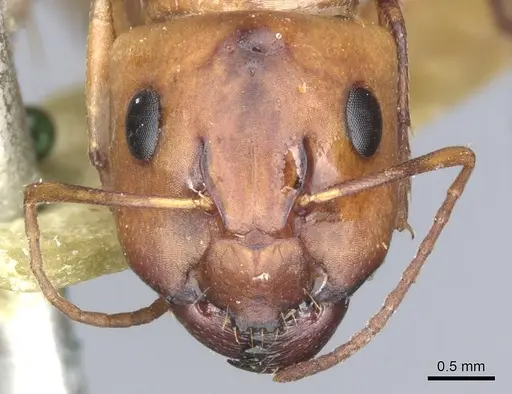
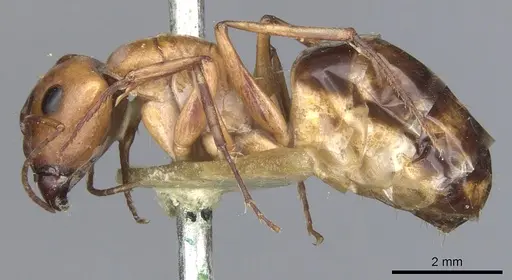
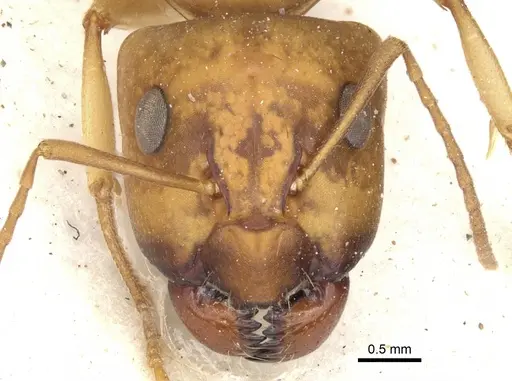
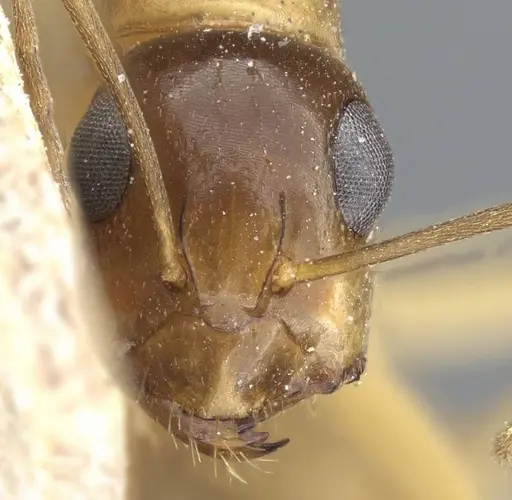
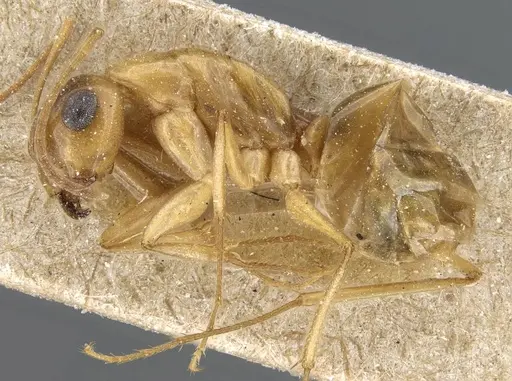
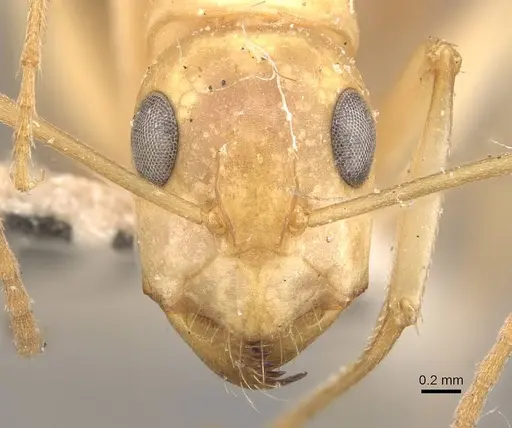
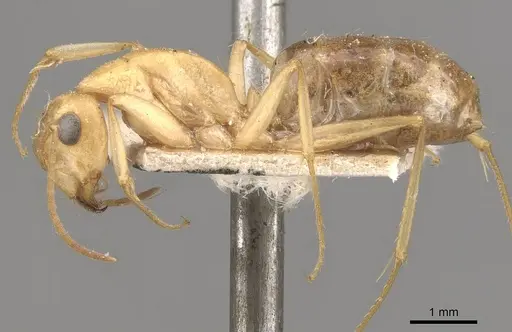
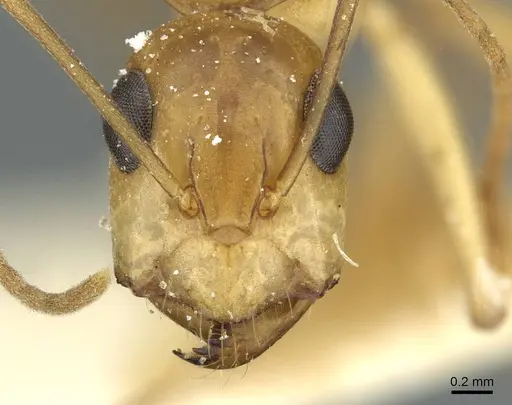
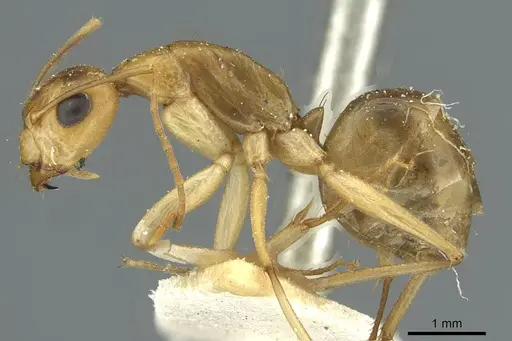
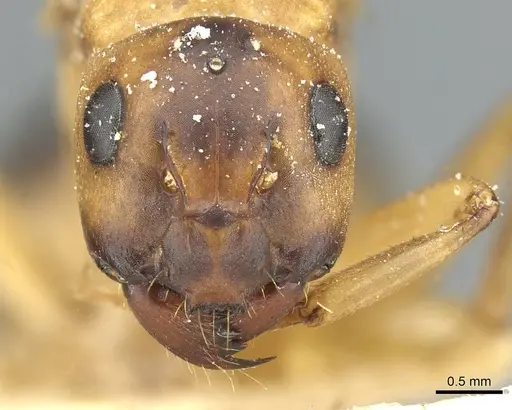
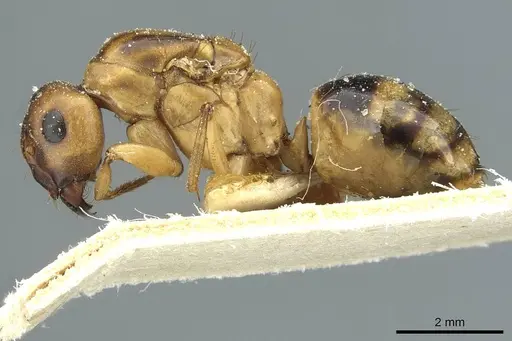
Camponotus nasutus is an ant species of the genus Camponotus. It is primarily documented in 3 countries , including Namibia, South Africa, Zimbabwe. Detailed taxonomic data and occurrence records can be further explored via authoritative databases such as AntWeb or the Global Biodiversity Information Facility (GBIF).
Camponotus nasutus
Camponotus nasutus is a carpenter ant species native to Madagascar [1]. These ants are medium-sized with the characteristic robust body shape typical of Camponotus genus. Workers vary in size, with major workers developing larger heads for defensive and food-processing tasks. The species gets its name 'nasutus' from Latin, meaning 'nose-like', likely referring to some distinctive morphological feature. As with most carpenter ants, they have a smooth thorax and a rounded abdomen. In their natural habitat, they nest in wood cavities and under loose bark, using their strong mandibles to excavate galleries.
Quick Summary
- Difficulty: Medium
- Origin & Habitat: Madagascar, found in tropical forest environments on the island [1]
- Colony Type: Monogyne (single queen colonies), this is the typical colony structure for most Camponotus species [2]
- Colony: Monogyne
- Founding: Claustral
- Size & Growth:
- Queen: 12-15mm estimated based on typical Camponotus morphology
- Worker: 5-12mm (polymorphic with minor and major workers)
- Colony: Up to several thousand workers, typical for mature Camponotus colonies
- Growth: Moderate, Camponotus species typically take 2-3 months for first workers and several years to reach full colony size
- Development: 8-12 weeks at optimal temperature, typical for Camponotus genus (Development is temperature-dependent, cooler temperatures slow growth significantly)
- Antkeeping:
- Temperature: Keep nest area at 22-26°C with a slight gradient. Room temperature within this range works well. Avoid temperatures below 18°C or above 30°C.
- Humidity: Moderate humidity of 50-60%. They prefer drier nest conditions compared to many tropical ants. Provide a water tube for drinking but avoid excessive moisture in the nest area.
- Diapause: Yes, a winter rest period of 8-12 weeks at 10-15°C is recommended. This mimics their natural seasonal cycle and helps trigger reproductive behavior in spring.
- Nesting: Y-tong (AAC) nests, plaster nests, or naturalistic setups with wood pieces work well. They prefer dark, quiet locations. Avoid direct light on the nest. Test tubes can be used for founding colonies.
- Behavior: Generally calm and non-aggressive compared to some other ant species. They are primarily nocturnal foragers in the wild. Workers are robust and can deliver a mild sting if threatened, though they are not particularly defensive. They are moderate escape artists, not as small as some species, but can squeeze through small gaps. They forage for sugar sources and protein, with major workers often processing harder foods.
- Common Issues: queen death during founding, claustral queens sometimes fail to establish colonies without proper conditions, slow initial growth can lead to overfeeding or disturbance of the founding chamber, escape during maintenance, always use fluon or other barriers when checking colonies, improper hibernation can prevent colony development or cause queen death, mold in nest from excessive humidity, keep nesting area relatively dry
Nest Preferences
Camponotus nasutus prefers dark, secure nesting locations. In captivity, Y-tong (acrylic) nests work excellently because they provide darkness and allow you to observe the colony. Plaster nests with built-in water chambers maintain appropriate humidity. Naturalistic setups with cork or wood pieces mimic their natural nesting in wood cavities. The nest should be placed in a quiet area away from vibrations and direct sunlight. During founding, provide the queen with a simple test tube setup with a water reservoir, she will seal herself into a chamber and remain there until her first workers emerge. [1][2]
Feeding and Diet
These ants are omnivorous like most carpenter ants. Offer sugar water (1:1 ratio) or honey as a constant energy source. Protein is essential for brood development, offer insects like fruit flies, small crickets, mealworms, or frozen insects. Major workers can handle larger prey items. Feed protein 2-3 times per week, and keep sugar water available at all times. Remove uneaten prey after 24-48 hours to prevent mold. In the wild, they forage at night and consume honeydew from aphids, so their diet reflects this opportunistic omnivorous nature. [2]
Temperature and Seasonal Care
Maintain temperatures between 22-26°C in the nest area. A slight temperature gradient allows ants to self-regulate. Room temperature often falls within this range. During summer months, no additional heating is typically needed. In winter, provide an 8-12 week hibernation period at 10-15°C. This cool period triggers physiological changes that prepare the colony for spring reproduction. Place the colony in a cool basement, garage, or refrigerator (if using a formicarium, ensure proper ventilation). Do not feed during deep hibernation but keep water available. [2]
Colony Founding
The queen is fully claustral, she seals herself in a chamber and raises her first brood without leaving to forage. Provide a simple setup: a test tube with water trapped by a cotton plug, giving her access to humidity but not drowning risk. Place this in darkness and avoid disturbing her for 6-8 weeks. She will lay eggs and tend the brood until first workers (nanitics) emerge. These initial workers are smaller but will begin foraging once the colony establishes. Do not feed the founding queen, she has sufficient fat reserves. Only offer food once nanitics are present. [2]
Behavior and Temperament
Camponotus nasutus is relatively calm and not overly aggressive. They focus on colony maintenance rather than defense. Workers are primarily nocturnal, so you may see more activity in evening hours. The colony will establish scent trails to food sources once discovered. Major workers have powerful mandibles and can deliver a mild sting, but they rarely display aggressive behavior toward keepers. They are moderately active foragers and will send scout workers to discover new food sources. Their robust size makes them visible and interesting to watch. [2]
Frequently Asked Questions
How long does it take for Camponotus nasutus to produce first workers?
First workers (nanitics) typically emerge 8-12 weeks after the queen lays eggs, assuming optimal temperatures around 24°C. Cooler temperatures can significantly extend this timeline.
Can I keep multiple Camponotus nasutus queens together?
No. This species is monogyne, single queen colonies are the norm. Introducing multiple unrelated queens will result in fighting. Only keep one queen per colony.
What temperature range is best for Camponotus nasutus?
Keep them at 22-26°C in the nest area. They can tolerate brief periods outside this range but prolonged exposure to temperatures below 18°C or above 30°C can be harmful.
Do Camponotus nasutus need hibernation?
Yes, an 8-12 week hibernation period at 10-15°C during winter is recommended. This helps trigger spring reproductive behavior and overall colony health.
When should I move my Camponotus nasutus colony to a formicarium?
Wait until the colony has 20-30 workers before moving to a formicarium. This ensures the colony is established enough to handle the stress of relocation. Test tubes work well for founding colonies.
How often should I feed Camponotus nasutus?
Keep sugar water available at all times. Offer protein foods 2-3 times per week. Remove uneaten prey after 24-48 hours to prevent mold issues.
Are Camponotus nasutus good for beginners?
They are rated as medium difficulty. They are more forgiving than some species but require proper hibernation and appropriate nesting conditions. They are a good intermediate-level species.
How big do Camponotus nasutus colonies get?
Mature colonies can reach several thousand workers. Growth is moderate, it takes several years to reach maximum size.
Why is my Camponotus nasutus queen not laying eggs?
Several factors can affect egg-laying: temperatures outside optimal range, disturbance during founding, insufficient humidity, or the colony may still be in hibernation mode. Ensure quiet, dark conditions and proper temperature.
References

This caresheet is licensed under CC BY-SA 4.0 .
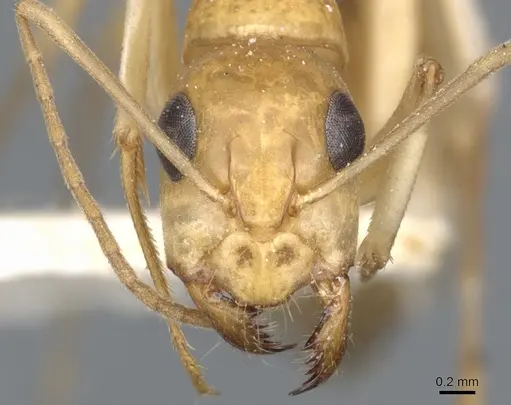
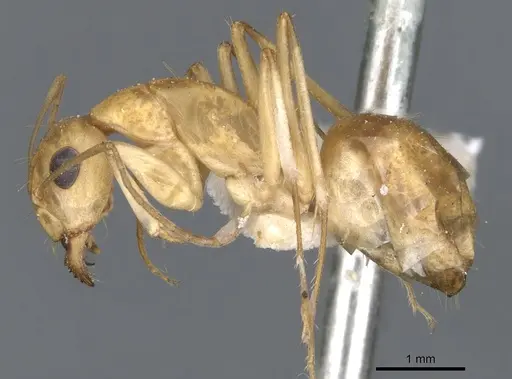
CASENT0903497
View on AntWeb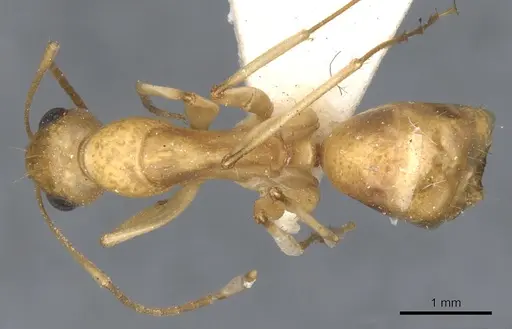
CASENT0903498
View on AntWeb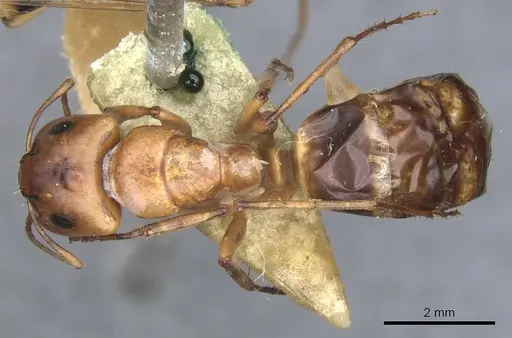
CASENT0903499
View on AntWeb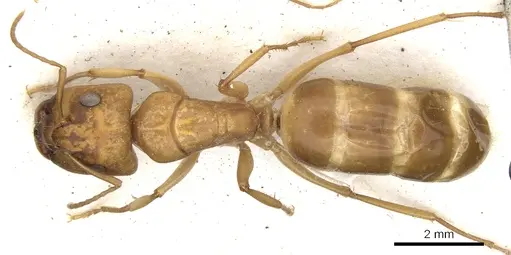
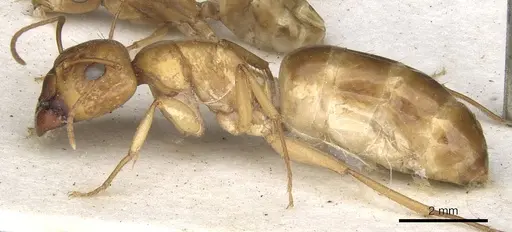
CASENT0903500
View on AntWeb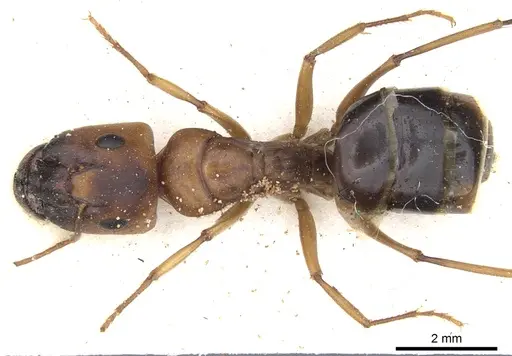
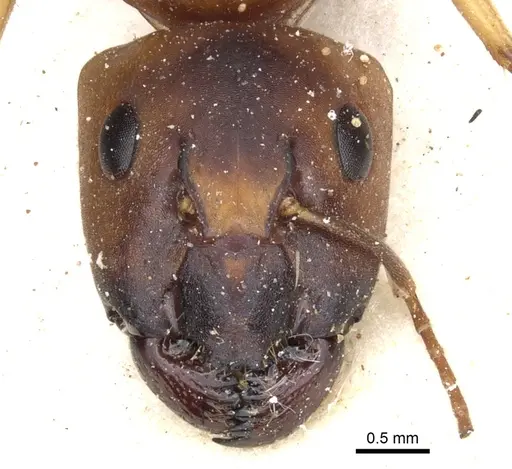
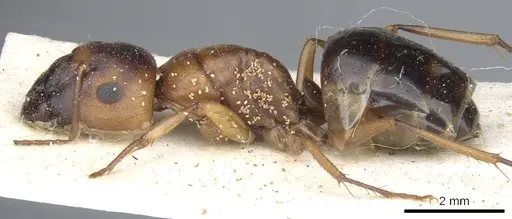
CASENT0905454
View on AntWeb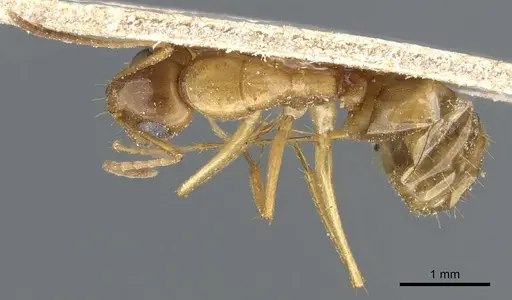
CASENT0906886
View on AntWeb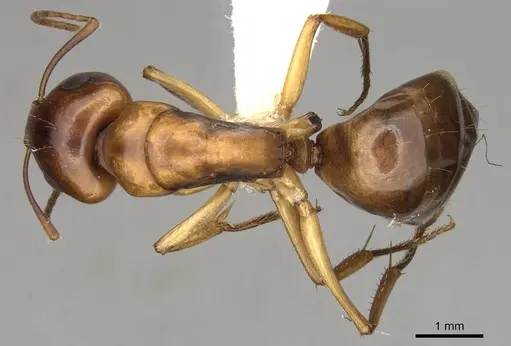
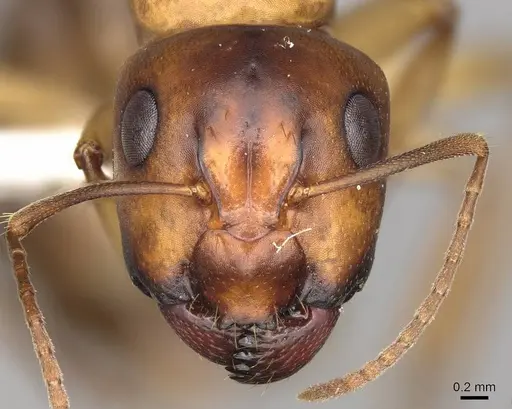
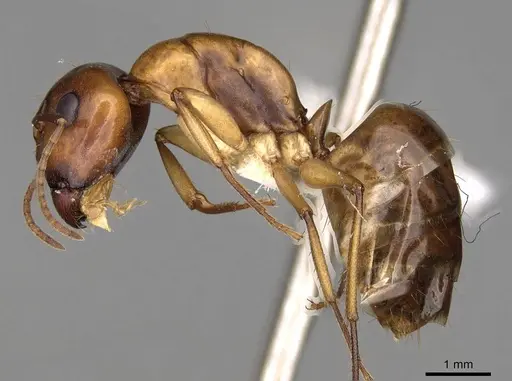
CASENT0906887
View on AntWeb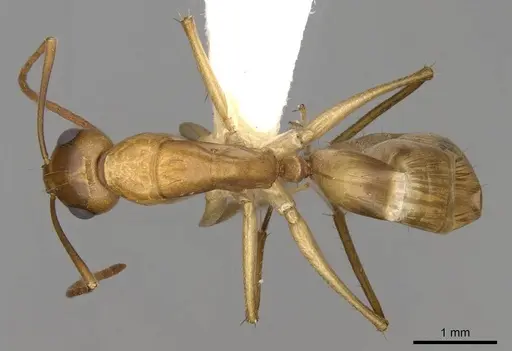
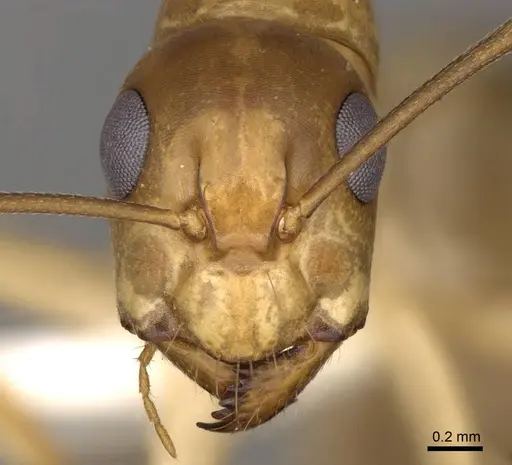
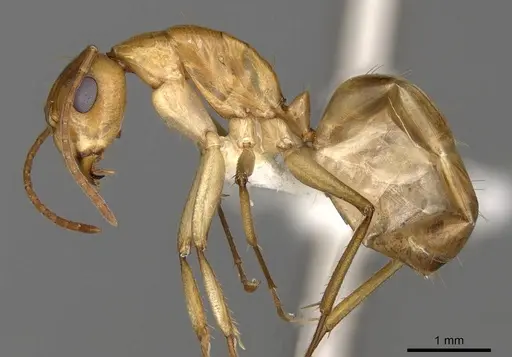
CASENT0910547
View on AntWeb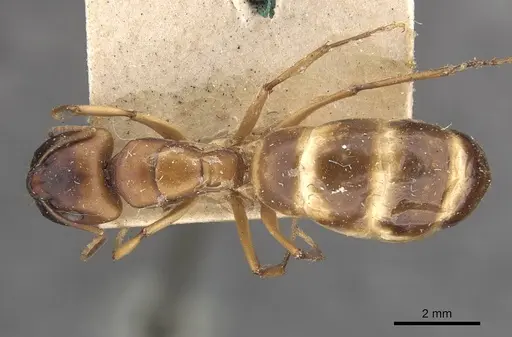
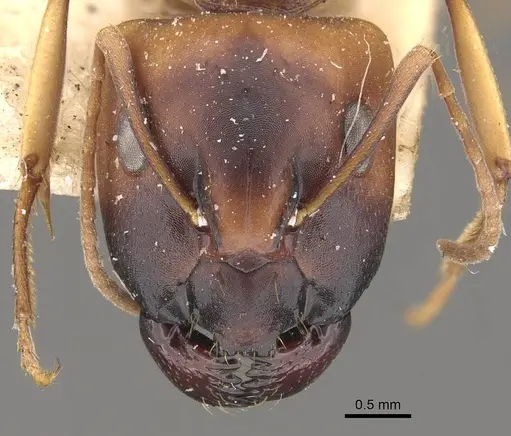
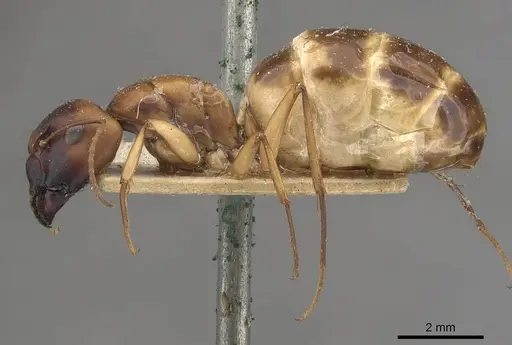
CASENT0910548
View on AntWeb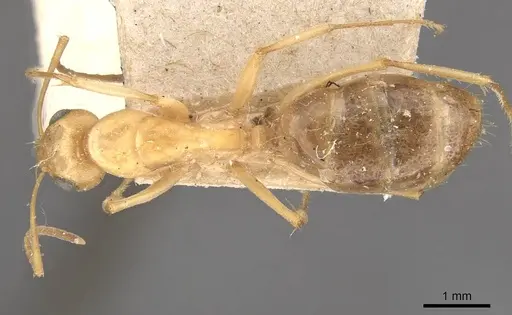
CASENT0911710
View on AntWeb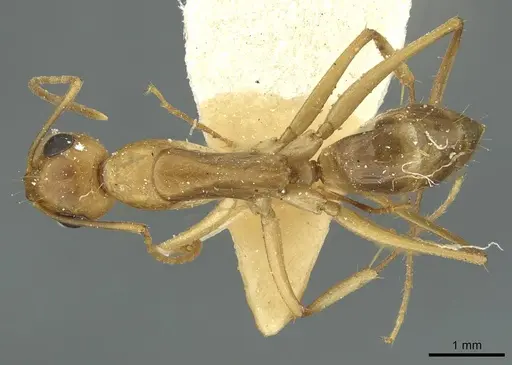
CASENT0911711
View on AntWeb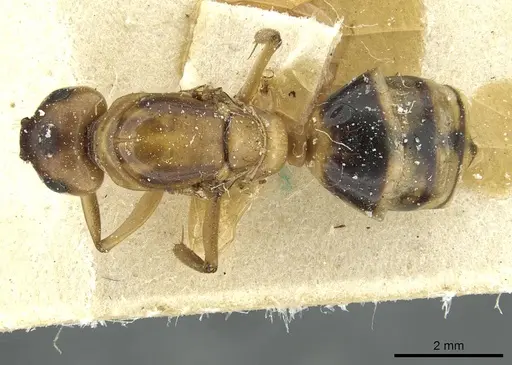
Literature
Loading...Loading products...