

Camponotus mystaceus
- Scientific Name
- Camponotus mystaceus
- Subgenus
- Myrmopsamma
- Tribe
- Camponotini
- Subfamily
- Formicinae
- Author
- Emery, 1886
- Common Name
- Moustached Sugar ant
- Distribution
- Found in 4 countries
Camponotus mystaceus Overview
Camponotus mystaceus (commonly known as the Moustached Sugar ant) is an ant species of the genus Camponotus. It is primarily documented in 4 countries , including Botswana, Namibia, South Africa. Detailed taxonomic data and occurrence records can be further explored via authoritative databases such as AntWeb or the Global Biodiversity Information Facility (GBIF).
Camponotus mystaceus - "Moustached Sugar ant"
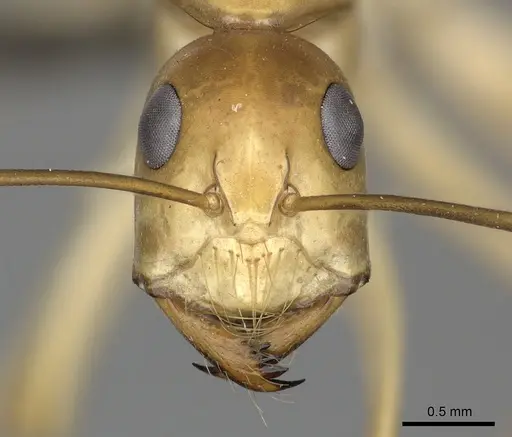
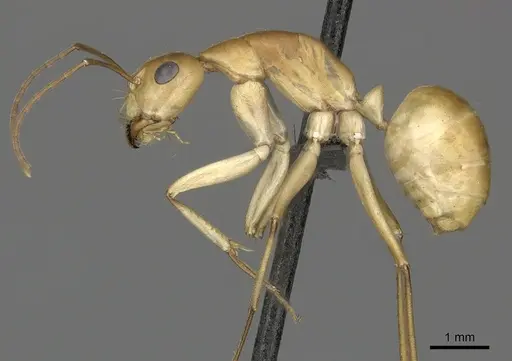
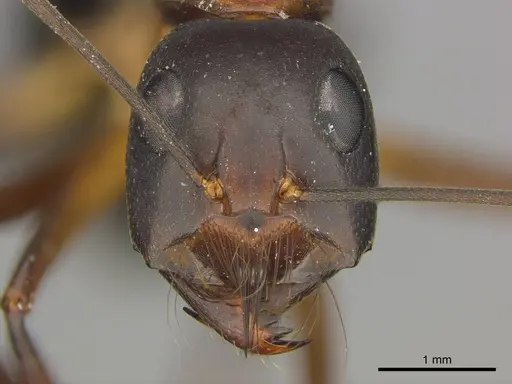
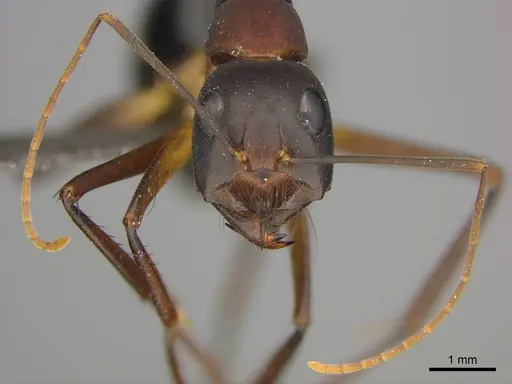
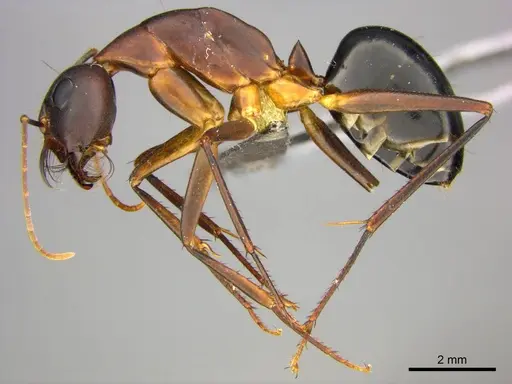
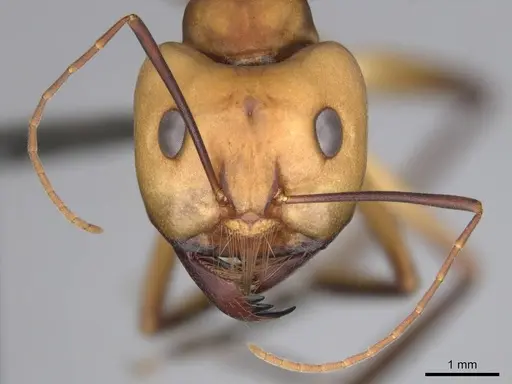
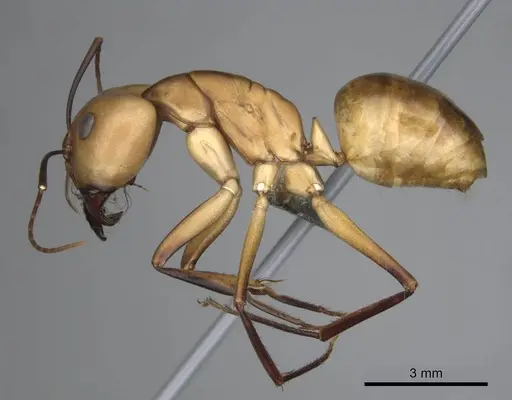
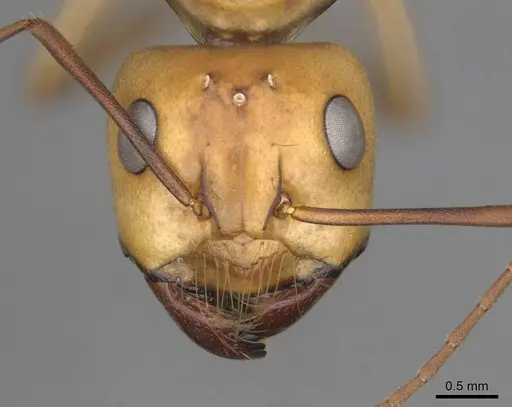
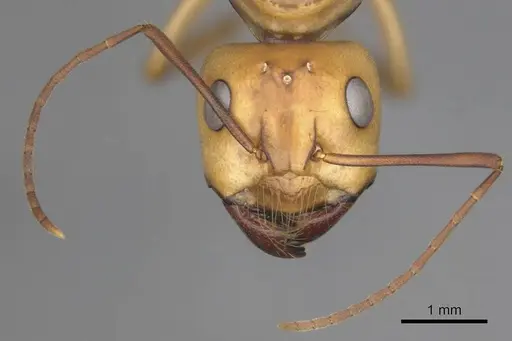
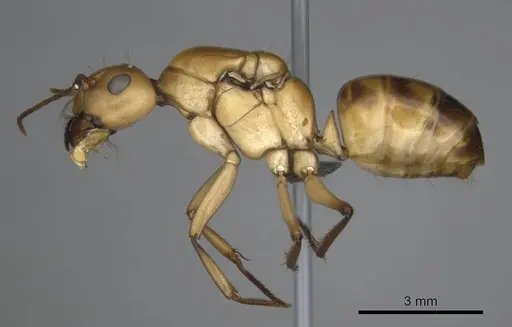
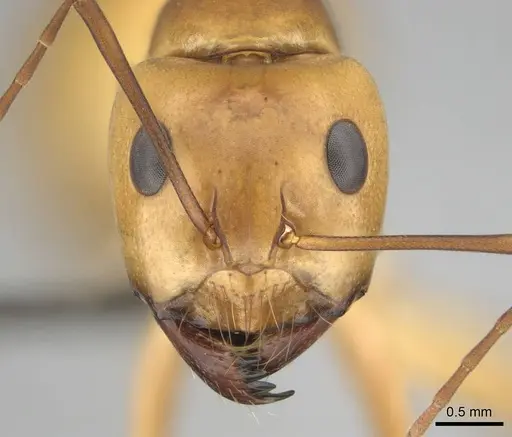
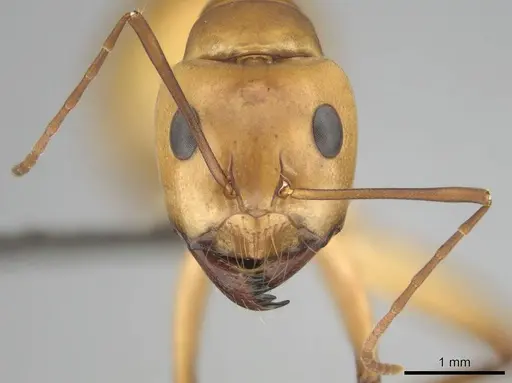
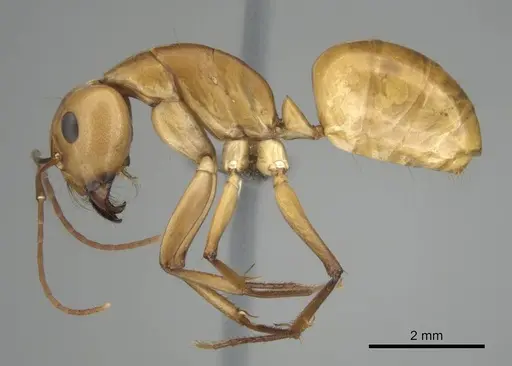
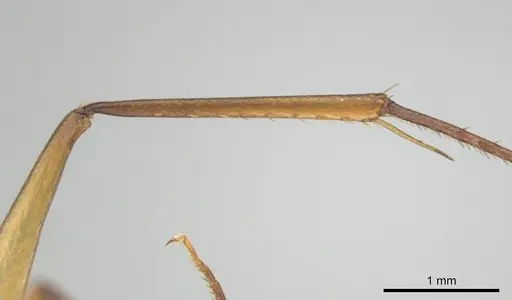
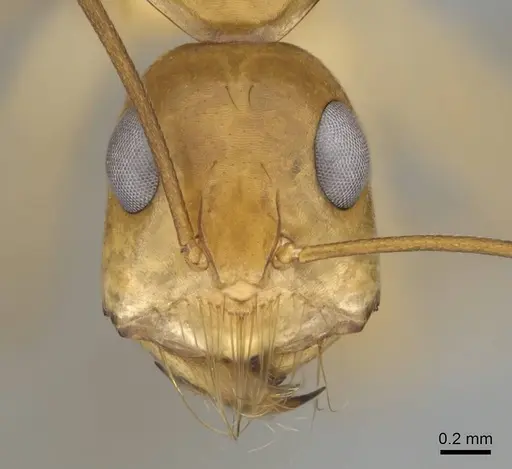
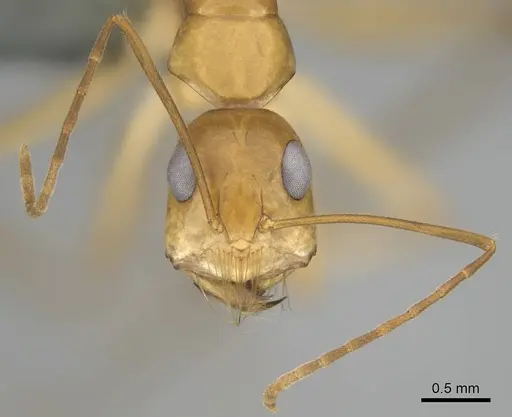
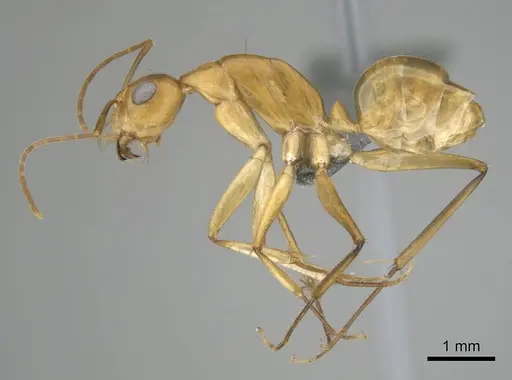
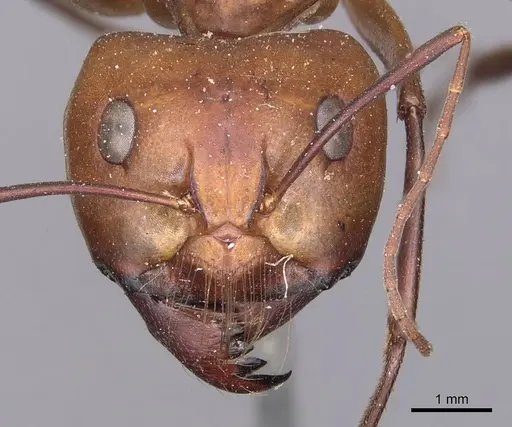
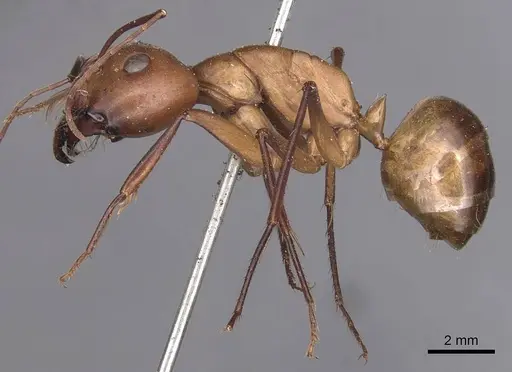
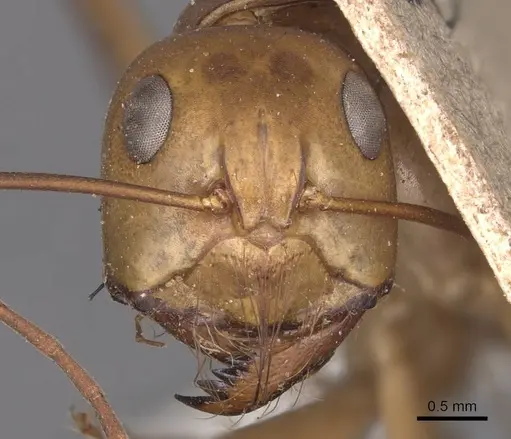
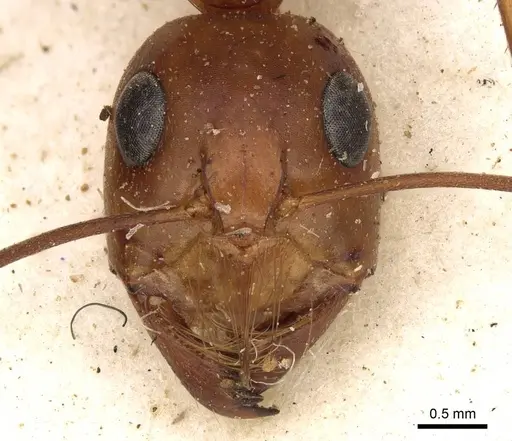
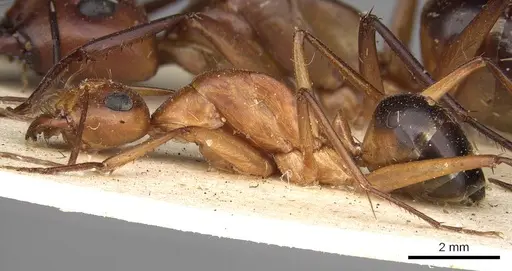
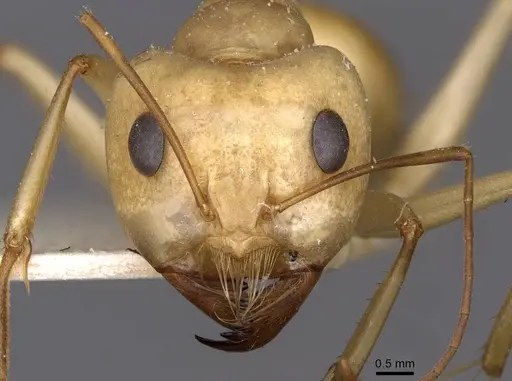
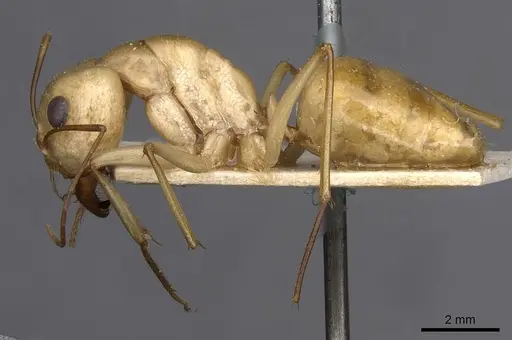
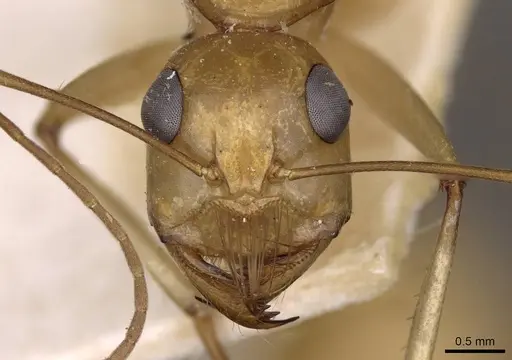
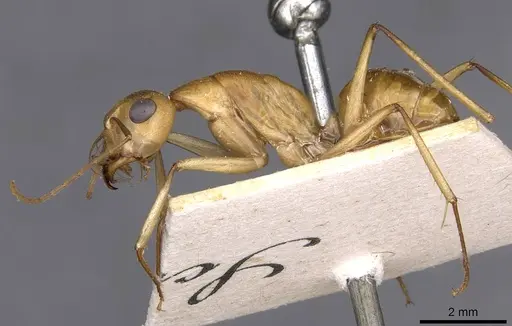
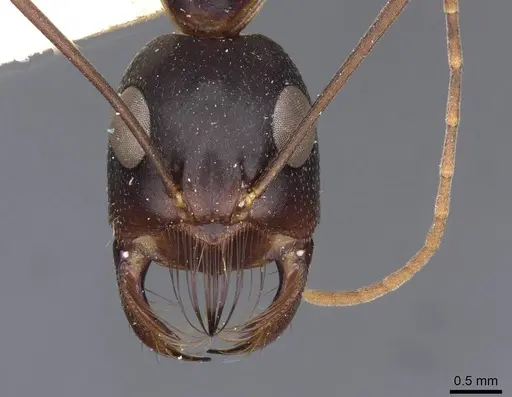
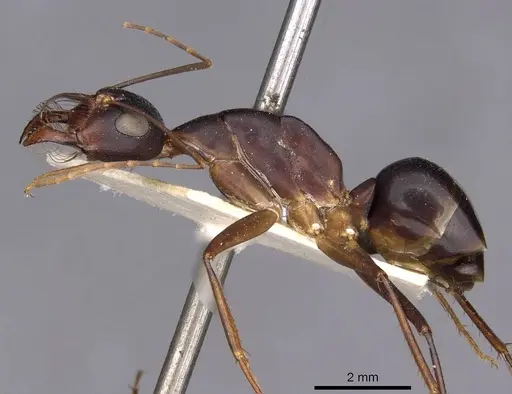
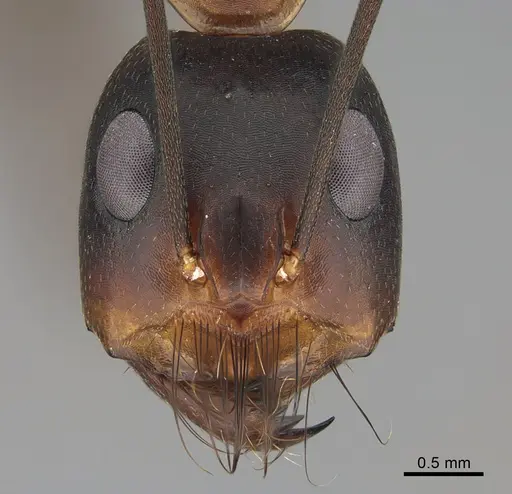
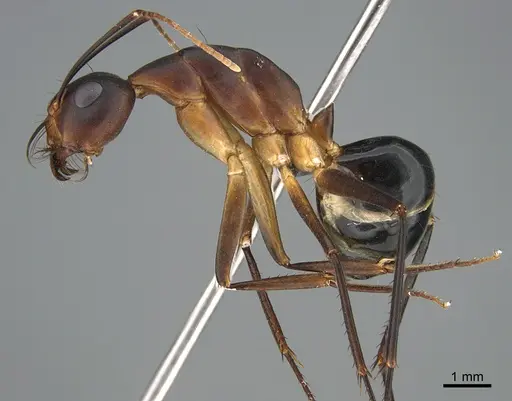
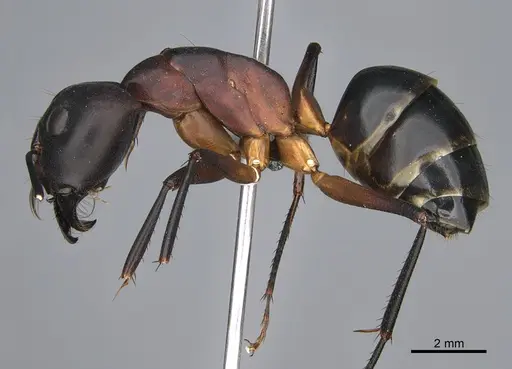
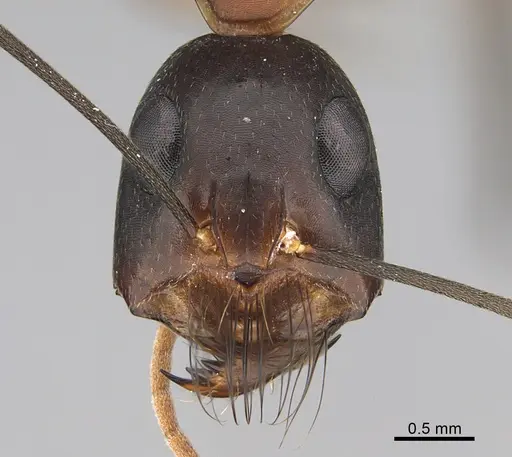
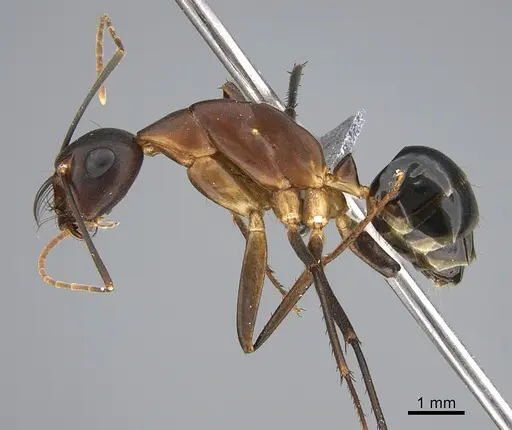
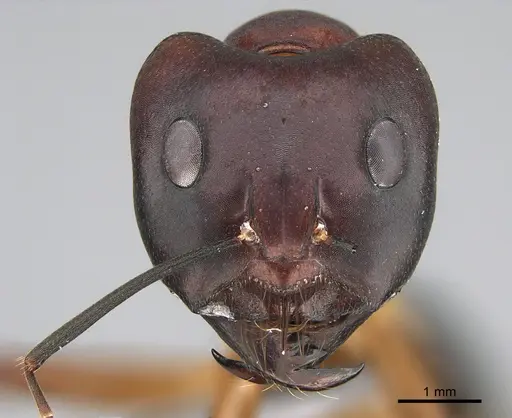
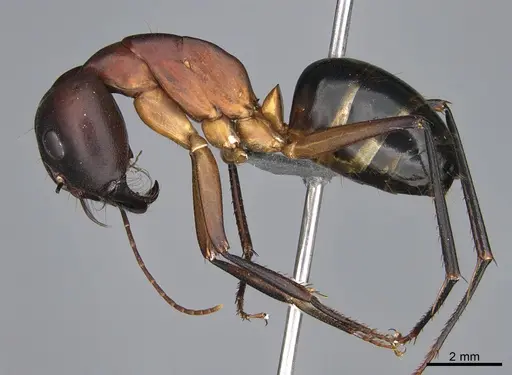
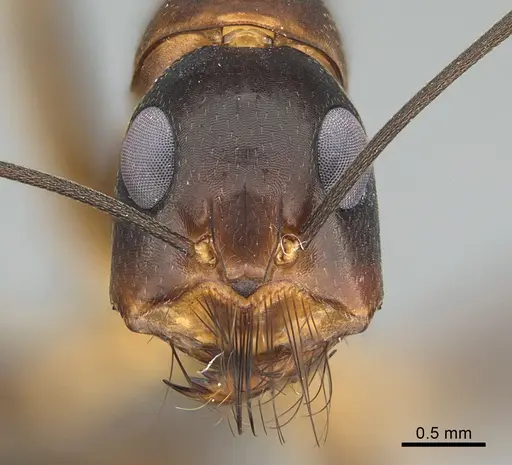
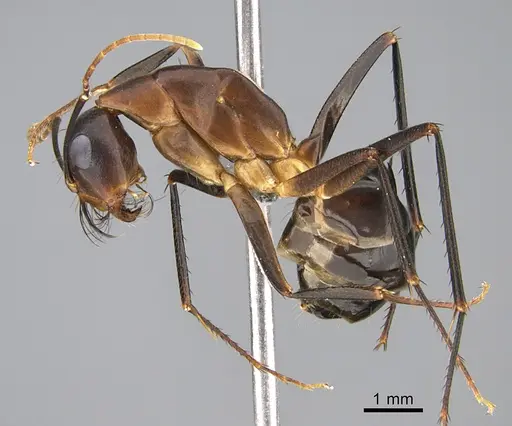
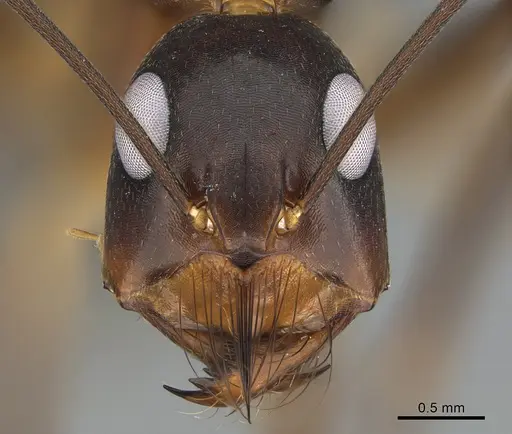
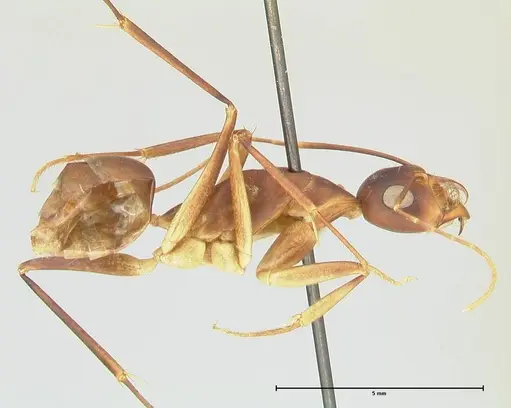
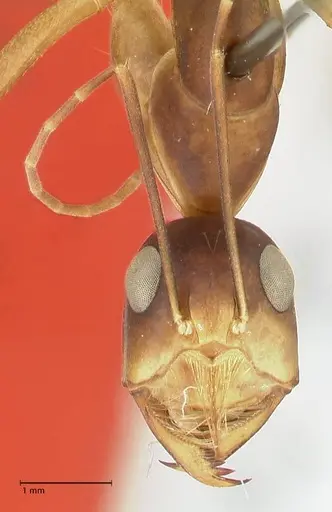
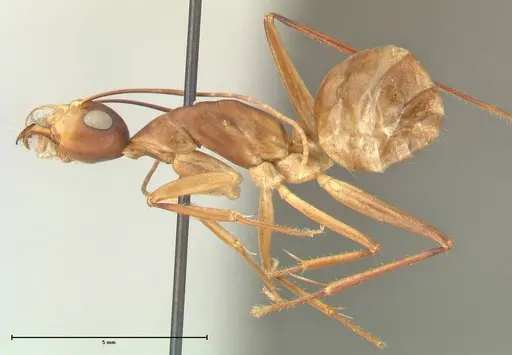
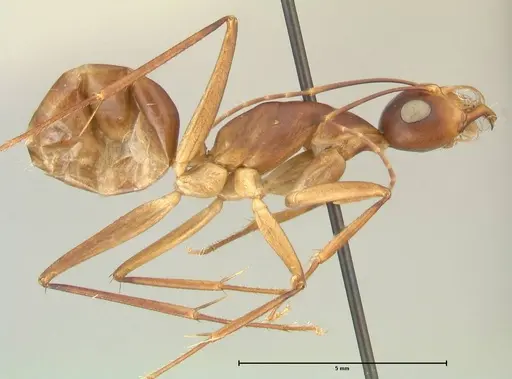
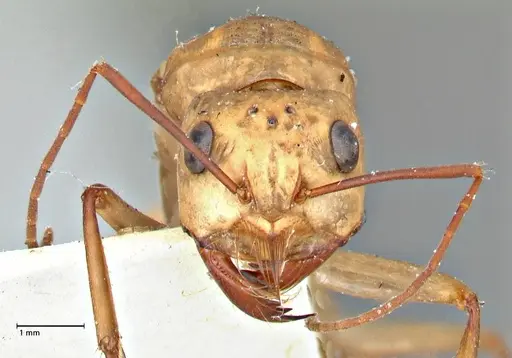
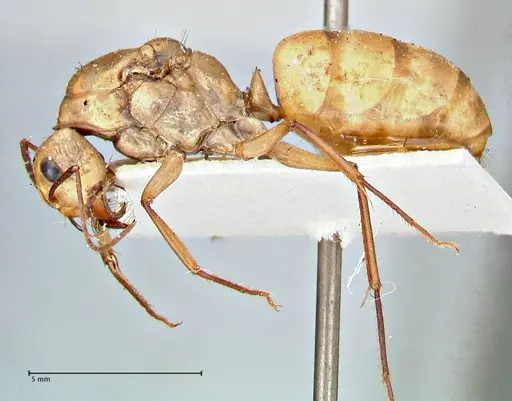
Camponotus mystaceus is a medium-sized carpenter ant native to southern Africa. Workers measure 5-12mm depending on caste, with majors being notably larger than minors. They have the typical Camponotus body shape with a rounded thorax and a single node between the mesosoma and gaster. The coloration appears dark with lighter appendages, typical of many African Camponotus species. This species is found across Botswana, Namibia, South Africa, and Zimbabwe, inhabiting fynbos and semi-arid desert regions [1][2]. They are nectarivores and scavengers, foraging for sweet liquids and protein from dead insects [3].
Quick Summary
- Difficulty: Easy
- Origin & Habitat: Southern Africa, found in Botswana, Namibia, South Africa, and Zimbabwe. Inhabits fynbos vegetation types including Strandveld, Restioid Fynbos, Proteoid Fynbos, and Ericaceous Fynbos in the northern Cape Floristic Region [2][3].
- Colony Type: Single-queen (monogyne) colonies. Like most Camponotus species, they likely have ergatoid (wingless) replacement queens that can take over if the primary queen dies.
- Colony: Monogyne
- Founding: Claustral
- Size & Growth:
- Queen: Estimated 14-16mm based on typical Camponotus genus patterns
- Worker: 5-12mm (minors 5-7mm, majors 8-12mm)
- Colony: Estimated several hundred to a few thousand workers based on genus patterns
- Growth: Moderate
- Development: Estimated 6-8 weeks at optimal temperature based on typical Camponotus development (Development time is temperature-dependent, warmer conditions within safe range accelerate development)
- Antkeeping:
- Temperature: Keep at 24-28°C. They tolerate a range from 20-30°C but grow best in warm conditions. A heating cable on one side of the nest creates a temperature gradient allowing ants to self-regulate
- Humidity: Moderate humidity around 50-60%. Being from semi-arid to fynbos regions, they prefer drier conditions than many tropical ants. Keep nest substrate slightly moist but allow it to dry out between waterings
- Diapause: Likely not required or minimal. Southern African populations experience mild winters rather than harsh cold. A brief cooling period to 15-18°C for 4-6 weeks may be beneficial but is not strictly necessary
- Nesting: Use a dry nest setup. Y-tong (AAC) nests, plaster nests, or test tube setups work well. They prefer tight-fitting chambers scaled to their size. Avoid overly humid or wet setups, these ants do better in drier conditions than most Camponotus
- Behavior: Generally calm and non-aggressive foragers. Workers are active primarily during warmer hours, foraging for nectar, honeydew, and dead insects. They are not strong climbers but can escape from poorly sealed setups. Their moderate size makes standard escape prevention measures adequate. Majors serve as guards and can defend the colony but rarely show aggression toward keepers.
- Common Issues: dry conditions can kill founding colonies, monitor humidity carefully during claustral founding, colonies may stagnate if kept too cool, maintain warm temperatures for growth, escape prevention is important for their moderate size, use fluon on rim edges, wild-caught queens may have parasites, quarantine and observe new colonies closely, slow initial growth is normal, don't overfeed or disturb founding queens
Nest Preferences and Housing
Camponotus mystaceus does well in dry to moderately humid nest setups. Y-tong (AAC) nests work excellently because they provide the dark, tight spaces these ants prefer. Plaster nests are also suitable, though you should allow the nest to dry out more between waterings than you would for tropical species. Test tube setups are perfect for founding colonies, use a water reservoir with a cotton plug, but keep the wet portion relatively small to prevent the founding chamber from becoming too damp. The ants will seal their queen in a chamber and remain there until the first nanitic workers emerge. Avoid naturalistic setups with soil unless you have experience, these ants do better in controlled artificial nests where you can manage humidity precisely. [2]
Feeding and Diet
As nectarivores and scavengers, these ants readily accept sugar sources and protein. Offer sugar water, honey, or diluted nectar constantly, a cotton ball soaked in sugar water works well for test tube setups. For protein, provide small insects like fruit flies, small crickets, or mealworms. Dead insects are readily accepted since they scavenge in nature. Feed protein 2-3 times per week for established colonies, more frequently for growing colonies with brood. Remove uneaten protein within 24-48 hours to prevent mold. During founding, the queen does not eat, she relies entirely on her stored fat reserves. Once workers emerge, they will begin foraging for food. [3]
Temperature and Seasonal Care
Keep your colony warm at 24-28°C for optimal growth and brood development. These ants come from southern Africa where temperatures are generally warm, though they experience cooler winters in the fynbos regions. A heating cable placed on top of the nest (never underneath to avoid excessive drying) creates a gentle gradient. Room temperature may suffice in warmer homes, but colonies typically grow faster with additional warmth. During winter, you can reduce temperatures to 15-18°C for 4-6 weeks if desired, but this is not required for this species. Avoid temperatures below 15°C for extended periods. Watch for workers clustering near heat sources, this indicates they want it warmer. [2]
Colony Founding
Like all Camponotus species, C. mystaceus is claustral. The queen seals herself into a small chamber and does not leave to forage during founding. She relies entirely on her stored fat reserves (claustral means she seals herself in). Place your founding queen in a test tube with a water reservoir and give her a small, dark space to seal herself into. Do not disturb her during this period, checking too frequently can cause her to abandon or eat her eggs. The first eggs appear within a week or two. These eggs develop into larvae, then pupae, and finally emerge as tiny nanitic workers after 6-8 weeks at warm temperatures. The queen may appear shriveled during this time, this is normal. Once workers emerge, they will begin foraging and the colony can be fed.
Behavior and Temperament
These are calm, non-aggressive ants that make excellent pets. Workers are moderately active and will establish regular foraging routes once the colony is established. Unlike some aggressive ant species, they are unlikely to bite aggressively or spray formic acid. However, majors can defend the colony if threatened. They are not particularly good climbers and typically stay on the nest surface and foraging areas. Escape prevention is still important, use fluon on rim edges and ensure any connections between outworld and nest are secure. Workers communicate through chemical trails and will recruit nestmates to good food sources. This species is rewarding to watch as they establish territories and expand their colony.
Frequently Asked Questions
How long does it take for Camponotus mystaceus to produce first workers?
Expect first workers (nanitics) to emerge in 6-8 weeks at optimal temperature (24-28°C). This timeline varies based on temperature, cooler conditions slow development significantly.
What do Camponotus mystaceus ants eat?
They are nectarivores and scavengers. Offer sugar water or honey constantly for energy, and protein sources like small insects (fruit flies, mealworms, small crickets) 2-3 times per week.
Do Camponotus mystaceus ants need hibernation?
No, hibernation is not required. They come from southern Africa where winters are mild. A brief cooling period to 15-18°C for 4-6 weeks is optional but not necessary.
Are Camponotus mystaceus good for beginners?
Yes, they are considered easy to keep. They are calm, don't require strict humidity control, and are forgiving of minor care mistakes. Their moderate size and straightforward care make them suitable for new antkeepers.
How big do Camponotus mystaceus colonies get?
Based on typical Camponotus patterns, colonies likely reach several hundred to a few thousand workers over several years. Maximum size is not well documented for this specific species.
Can I keep multiple Camponotus mystaceus queens together?
This species is monogyne (single-queen). Combining unrelated queens is not recommended as they will likely fight. Only one queen should be kept per colony.
What temperature is best for Camponotus mystaceus?
Keep them at 24-28°C for optimal growth. They tolerate 20-30°C but grow best in warm conditions. A temperature gradient allows ants to choose their preferred warmth.
When should I move my colony to a formicarium?
Wait until the colony has 30-50 workers before moving to a larger setup. Moving too early can stress the colony. A Y-tong or plaster nest works well once they outgrow the founding test tube.
Why is my Camponotus mystaceus colony not growing?
Check three things: temperature (should be 24-28°C), food (protein and sugar constantly available), and humidity (should be moderate, not wet). Slow growth is normal in the first few months, be patient.
References

This caresheet is licensed under CC BY-SA 4.0 .
CASENT0235840
View on AntWeb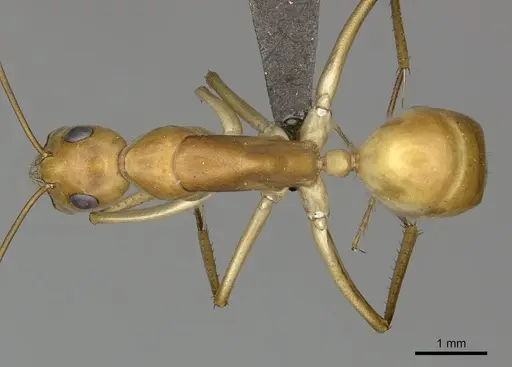
CASENT0255693
View on AntWeb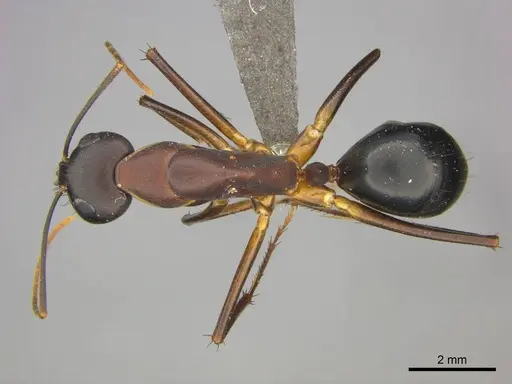
CASENT0256206
View on AntWeb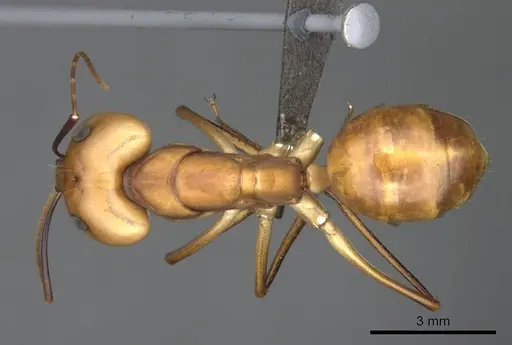
CASENT0257111
View on AntWeb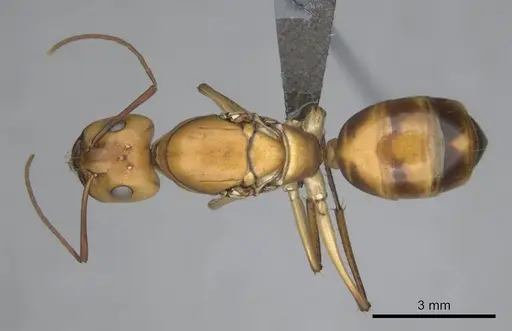
CASENT0257112
View on AntWeb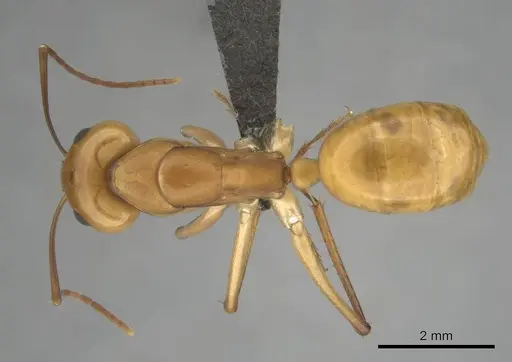
CASENT0259878
View on AntWeb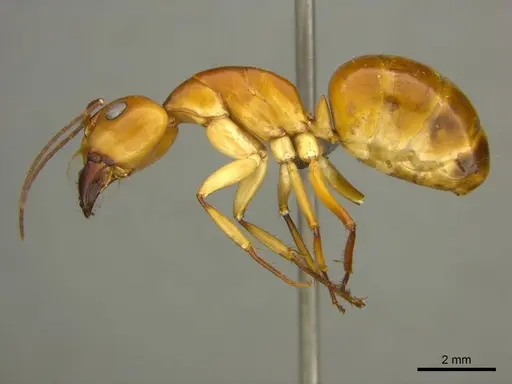
CASENT0812291
View on AntWeb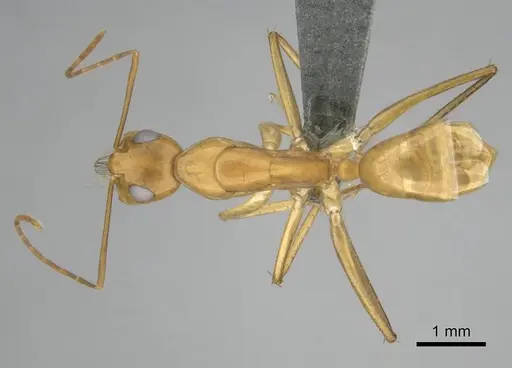
CASENT0905188
View on AntWeb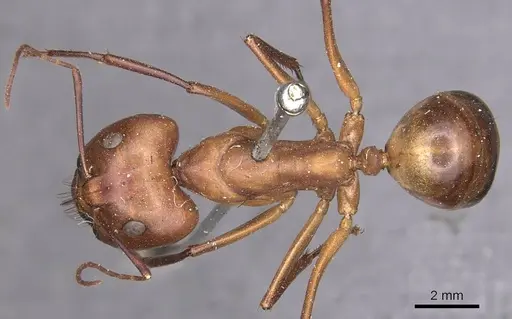
CASENT0905189
View on AntWeb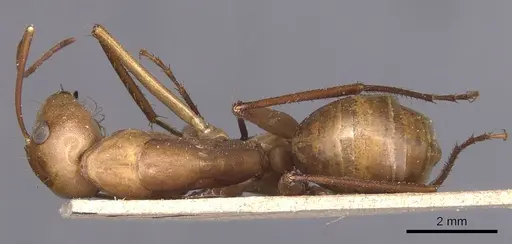
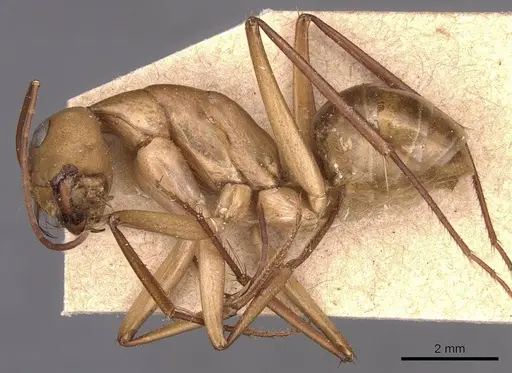
CASENT0906881
View on AntWeb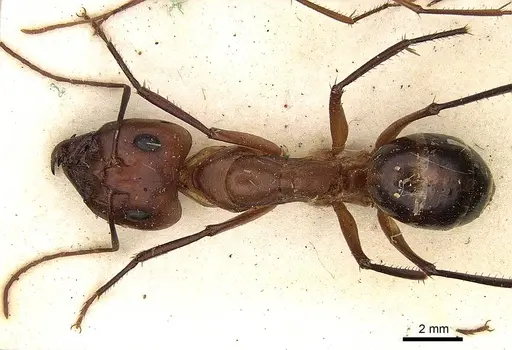
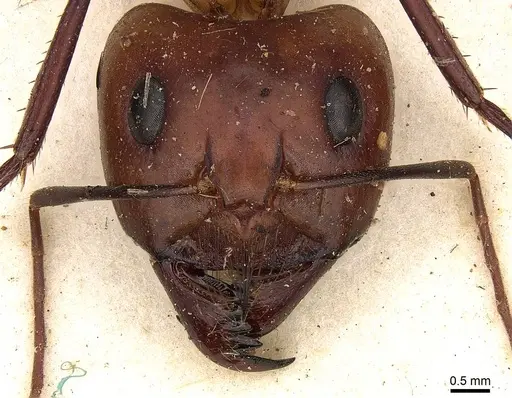
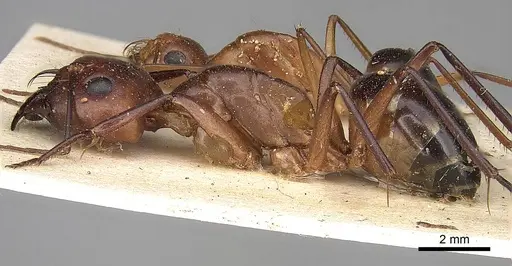
CASENT0906882
View on AntWeb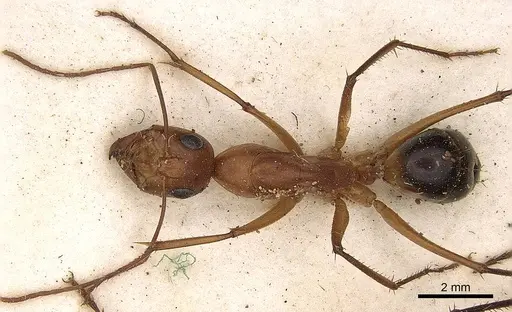
CASENT0909949
View on AntWeb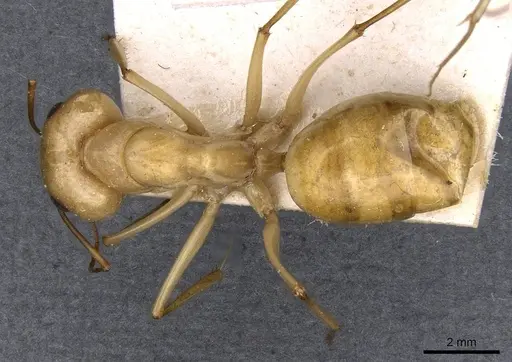
CASENT0909950
View on AntWeb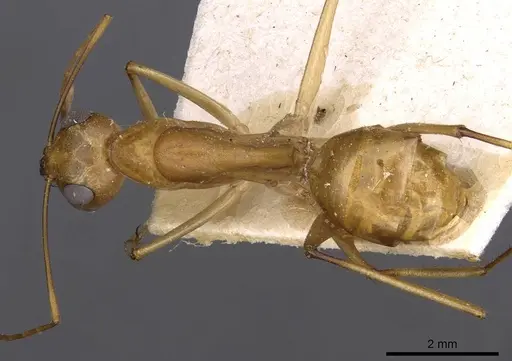
CASENT0909951
View on AntWeb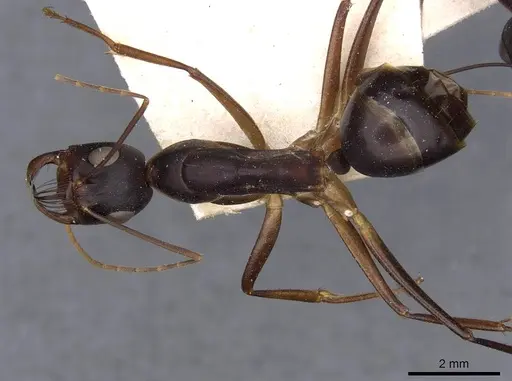
CASENT0923649
View on AntWeb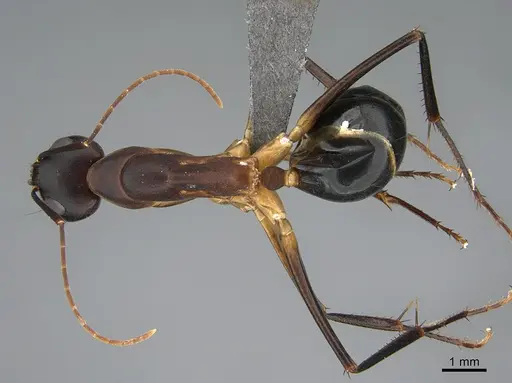
CASENT0923650
View on AntWeb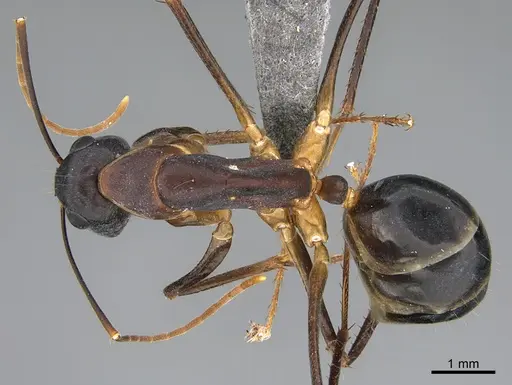
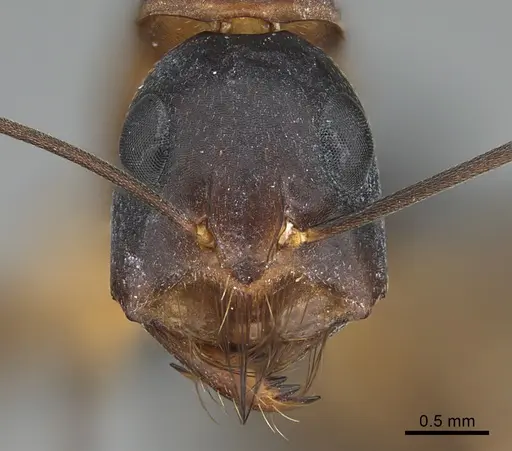
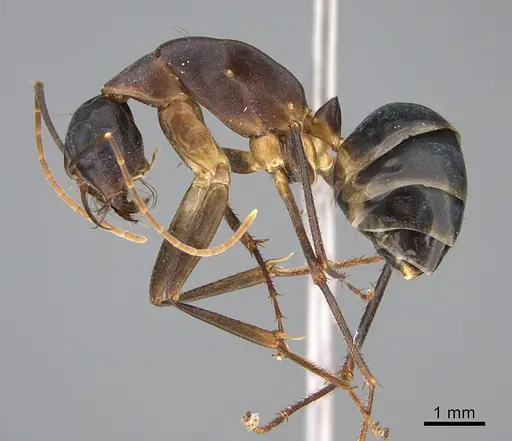
CASENT0923651
View on AntWeb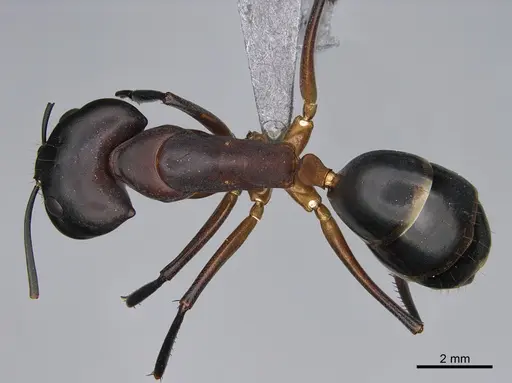
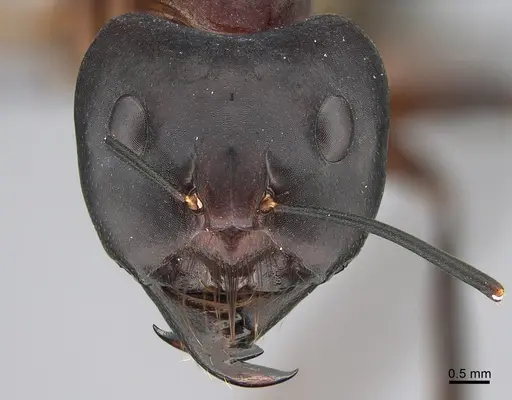
CASENT0923652
View on AntWeb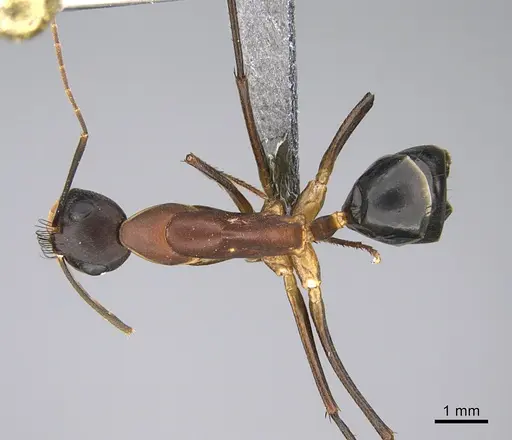
CASENT0923653
View on AntWeb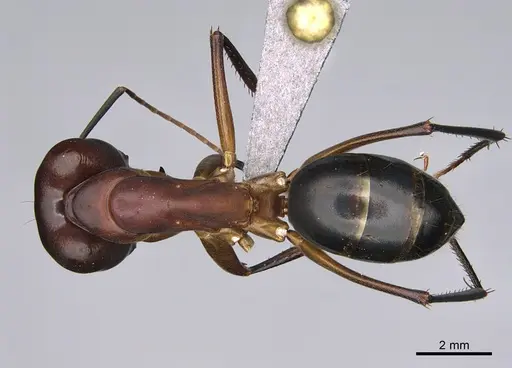
CASENT0923654
View on AntWeb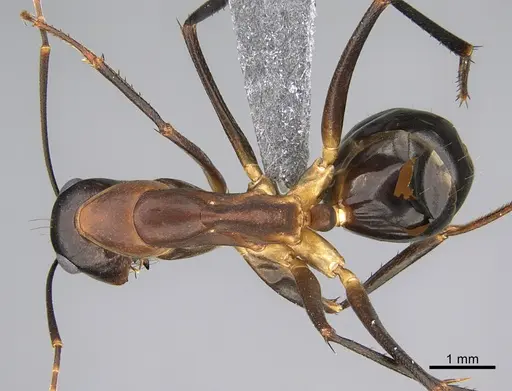
CASENT0923655
View on AntWeb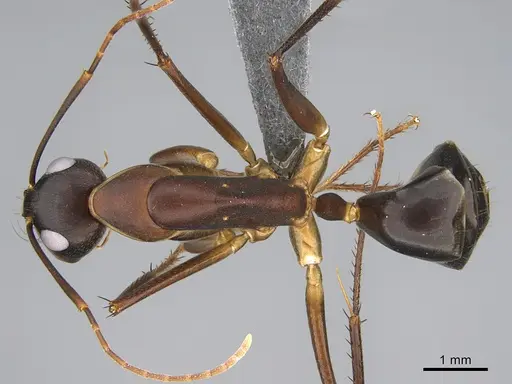
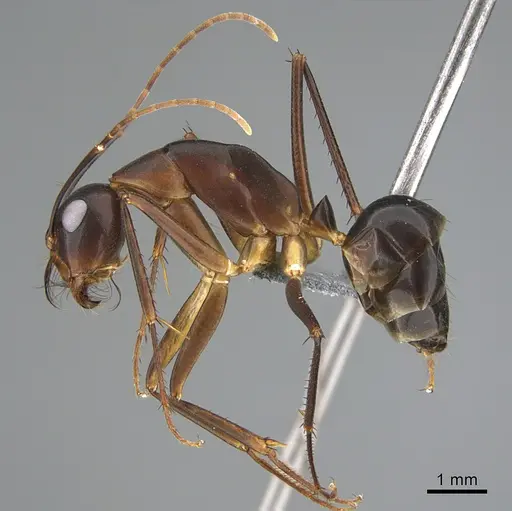
FOCOL2344
View on AntWeb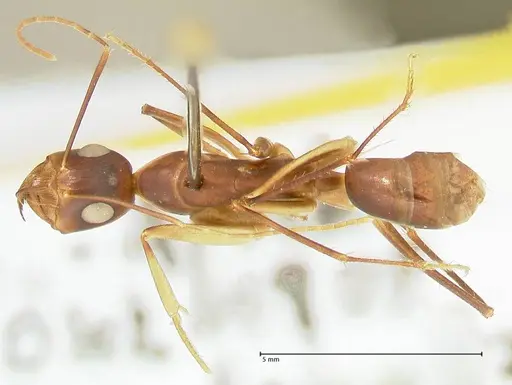
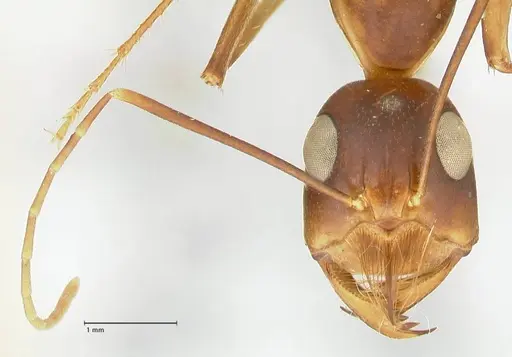
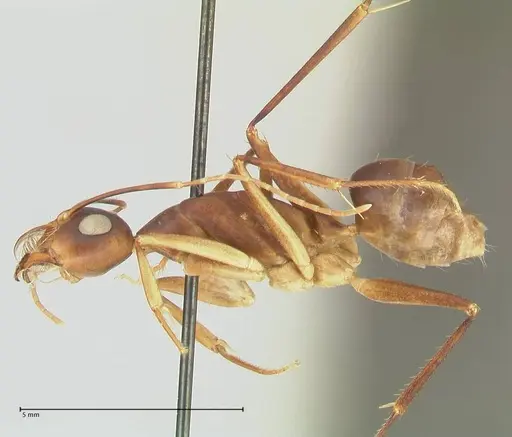
FOCOL2345
View on AntWeb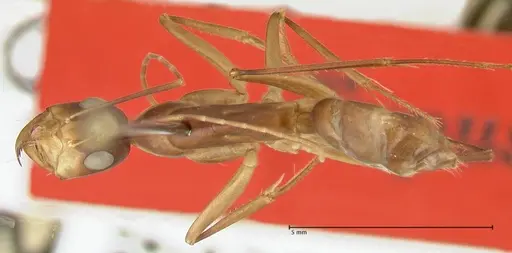
FOCOL2948
View on AntWeb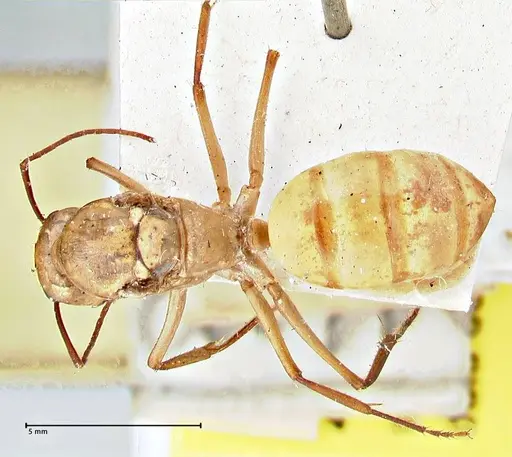
Literature
Loading...Loading products...