

Camponotus mutilarius
- Scientific Name
- Camponotus mutilarius
- Subgenus
- Orthonotomyrmex
- Tribe
- Camponotini
- Subfamily
- Formicinae
- Author
- Emery, 1893
- Distribution
- Found in 1 countries
Camponotus mutilarius Overview
Camponotus mutilarius is an ant species of the genus Camponotus. It is primarily documented in 1 countries , including India. Detailed taxonomic data and occurrence records can be further explored via authoritative databases such as AntWeb or the Global Biodiversity Information Facility (GBIF).
Camponotus mutilarius
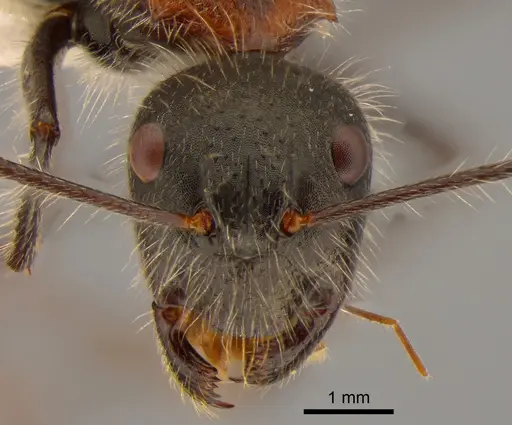
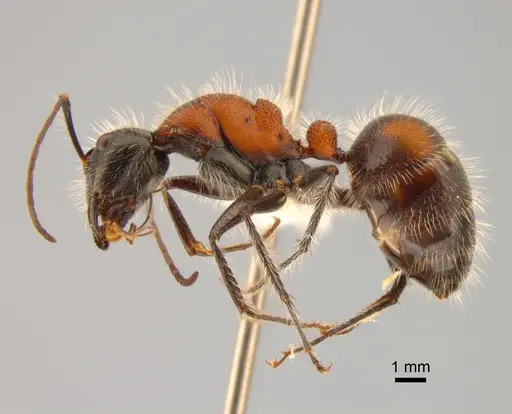
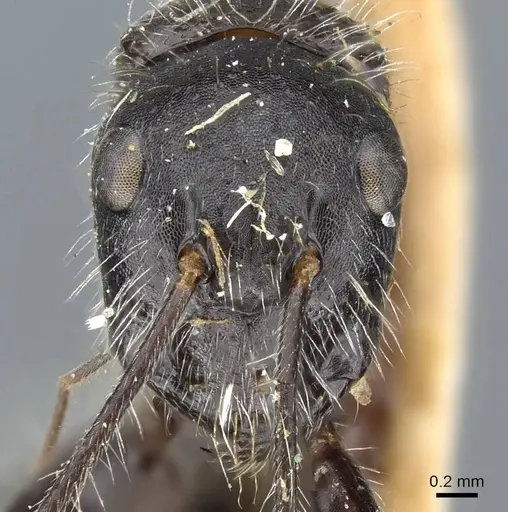
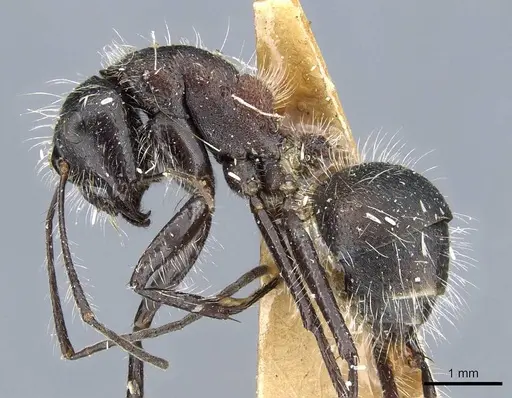
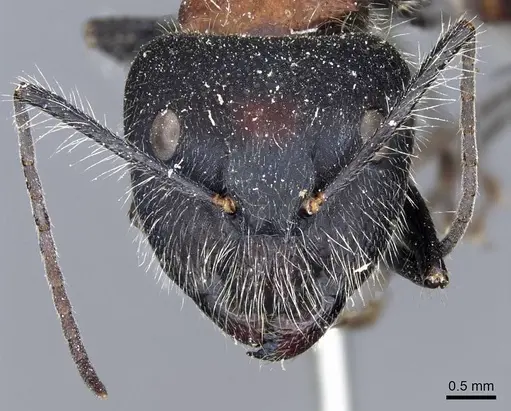
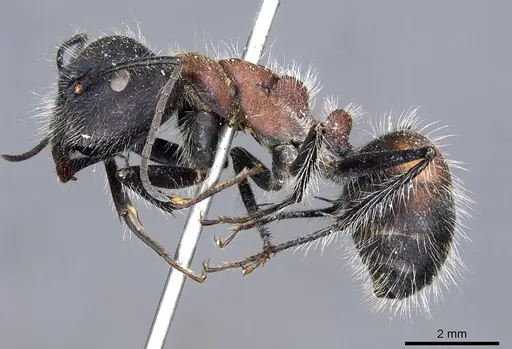
Camponotus mutilarius is a medium-sized carpenter ant belonging to the subgenus Orthonotomyrmex, native to South and Southeast Asia. Workers measure 5-10mm and display a distinctive color pattern: the thorax is reddish while the head and gaster are dark. A key identifying feature is the red blotch on either side of the first gastral segment [1]. Queens are larger, chunky ants typical of Camponotus, adapted for claustral founding where they seal themselves in a chamber and raise their first workers alone on stored fat reserves. This species nests in rotting wood, under stones, and in soil cavities across its range in India, Nepal, Myanmar, Thailand, and Vietnam [1][2]. The species was originally described as a variety of Camponotus wasmanni but is now recognized as a distinct species [3].
Quick Summary
- Difficulty: Medium
- Origin & Habitat: Found across the Indomalaya region: northern India (Arunachal Pradesh, Himachal Pradesh, Jammu & Kashmir, Punjab, Sikkim, Uttarakhand), Nepal, Myanmar, Thailand, and Vietnam [2][1]. In Nepal, workers have been collected from Sal forests at elevations of 734-962m, and from hand collection at temple grounds [1]. Typical carpenter ant habitat, rotting wood, under stones, and soil cavities in forested areas.
- Colony Type: Single-queen colonies (monogyne) typical of most Camponotus species. Queens establish nests alone by sealing themselves in a chamber (claustral founding) and raising the first brood without foraging.
- Colony: Monogyne
- Founding: Claustral
- Size & Growth:
- Queen: Estimated 12-15mm based on typical Camponotus queen size in the subgenus
- Worker: 5-10mm (polymorphic, major and minor workers) [1]
- Colony: Estimated 2,000-5,000 workers based on typical Camponotus colony development
- Growth: Moderate, Camponotus species typically take 6-8 weeks from egg to first worker at optimal temperature
- Development: 6-8 weeks at 24-27°C (inferred from typical Camponotus development) (Development time is temperature-dependent, cooler temperatures slow development significantly)
- Antkeeping:
- Temperature: Keep nest area at 24-27°C. A heating cable on one side creates a gentle gradient allowing ants to thermoregulate. Room temperature (20-24°C) is acceptable but will slow development slightly.
- Humidity: Keep nest substrate moderately moist. Carpenter ants prefer slightly drier conditions compared to tropical species, aim for substrate that feels damp but not waterlogged, with some drier areas available.
- Diapause: Yes, northern populations likely require a winter rest period (diapause) of 2-3 months at 10-15°C, similar to other temperate Camponotus species. This aligns with their distribution in Himalayan regions of India and Nepal.
- Nesting: Y-tong (AAC) nests work well for their size. Plaster nests or test tube setups with close chambers are also suitable. They prefer tight, dark chambers. Avoid overly humid conditions that can cause mold.
- Behavior: Typical carpenter ant temperament, not particularly aggressive but will defend the nest if threatened. Workers are active foragers, both day and night. They can spray formic acid as a defense mechanism. Major workers are significantly larger and often defend the nest, while minor workers handle brood care and foraging. Escape risk is moderate due to their size, standard barriers work well but ensure lids fit securely.
- Common Issues: slow initial colony growth can lead to overfeeding, resist the urge to add more food than the colony can consume, colonies may fail if kept too cold, ensure consistent warmth during the founding and growth phases, wild-caught colonies may harbor parasites that can decimate the colony in captivity, test tube setups can flood if water reservoirs are overfilled, use appropriate tube size, diapause failure in winter can weaken or kill the colony, provide proper cooling period
Nest Preferences
In the wild, Camponotus mutilarius nests in rotting wood, under stones, and in soil cavities, typical carpenter ant nesting sites. They excavate galleries in soft, decaying wood rather than solid wood. For captive care, Y-tong (AAC) nests work excellently because they provide the dark, tight chambers these ants prefer. Plaster nests are also suitable, especially when kept moderately dry. Test tube setups work for founding colonies but may need upgrading as the colony grows. The key is providing chambers scaled to their size, not too large or open. They do best with minimal disturbance during the founding stage. [1]
Feeding and Diet
Camponotus mutilarius is an omnivorous species typical of the genus. Workers collect honeydew from aphids and tend scale insects in the wild, along with hunting small insects and scavenging protein sources. In captivity, offer a varied diet: sugar water or honey as a constant energy source, and protein foods like mealworms, crickets, or other small insects 2-3 times per week. Remove uneaten protein within 24-48 hours to prevent mold. During founding, the queen does not eat, she survives entirely on her stored fat reserves until the first workers emerge (this is claustral founding). Once workers arrive, they will begin foraging and can be offered food.
Temperature and Seasonal Care
Maintain nest temperatures of 24-27°C for optimal brood development. A heating cable placed on top of the nest (never under, as it can dry out the substrate) creates a temperature gradient. Camponotus mutilarius comes from temperate to subtropical regions of South Asia, so they experience seasonal temperature changes in the wild. During winter (roughly November-February in the Northern Hemisphere), reduce temperatures to 10-15°C to provide a proper diapause period. This rest period is important for colony health and may trigger reproductive cycles in spring. Do not feed during diapause, the colony will be largely inactive. [2][1]
Behavior and Colony Dynamics
This species shows typical Camponotus behavior: polymorphic workers with major workers defending the nest and minor workers handling brood care and foraging. They are not aggressive toward keepers but will defend vigorously if their nest is threatened. Workers are crepuscular to nocturnal, being most active during cooler parts of the day. The colony establishes a single nest initially, but may expand to multiple connected chambers as it grows. Major workers appear as the colony reaches several hundred individuals. Queens are long-lived (can live 15-20+ years) and the colony will grow around her.
Growth and Development
Colony development follows typical Camponotus patterns. The claustral queen seals herself in a chamber and does not leave to forage, she raises the first brood (typically 3-8 nanitic workers) entirely on stored energy. These first workers are smaller than normal workers but begin foraging to feed the colony. Growth is moderate, expect 6-8 weeks from egg to first worker at optimal temperature, then several months to reach 50+ workers. A mature colony may take 2-3 years to reach several thousand workers. Patience is key with Camponotus species, they are long-lived and build sustainable colonies rather than rapid growth.
Frequently Asked Questions
How long does it take for Camponotus mutilarius to have first workers?
Expect first workers (nanitics) to emerge 6-8 weeks after the queen lays eggs, at optimal temperatures of 24-27°C. Cooler temperatures will slow this significantly. The queen seals herself in during founding and raises the first brood alone.
What do Camponotus mutilarius ants eat?
They are omnivorous. Offer sugar water or honey constantly as an energy source, and protein (mealworms, crickets, other small insects) 2-3 times per week. Remove uneaten protein within 24-48 hours to prevent mold.
Can I keep Camponotus mutilarius in a test tube?
Yes, test tubes work well for founding colonies. Use a standard test tube setup with a water reservoir (about 1/3 full) and cotton plug. Once the colony reaches 20-30 workers, consider upgrading to a Y-tong or plaster nest.
Do Camponotus mutilarius need hibernation?
Yes, they likely require a winter diapause period of 2-3 months at 10-15°C, similar to other Camponotus species from temperate regions. This aligns with their distribution in northern India and Nepal where seasonal temperature drops occur.
How big do Camponotus mutilarius colonies get?
Mature colonies typically reach 2,000-5,000 workers over 2-3 years. The queen can live 15-20+ years, making this a long-term commitment.
Are Camponotus mutilarius good for beginners?
They are rated as medium difficulty. The main challenges are their slower growth compared to some species and the need for proper winter diapause. They are more forgiving than tropical species but require more patience than faster-growing ants.
What temperature is best for Camponotus mutilarius?
Keep the nest at 24-27°C for optimal brood development. A heating cable on top of the nest creates a gradient. Room temperature (20-24°C) is acceptable but will slow development.
When should I move my colony to a formicarium?
Move from test tube to a formicarium (Y-tong, plaster, or naturalistic setup) once the colony reaches 20-30 workers and the test tube is becoming cramped. Ensure the new setup has appropriately sized chambers.
Why is my Camponotus mutilarius colony dying?
Common causes include: temperatures too cold (below 20°C slows development significantly), improper humidity (too wet causes mold, too dry kills brood), overfeeding leading to mold, parasites from wild-caught colonies, or lack of proper winter diapause. Review each of these factors.
References

This caresheet is licensed under CC BY-SA 4.0 .
ANTWEB1041841
View on AntWeb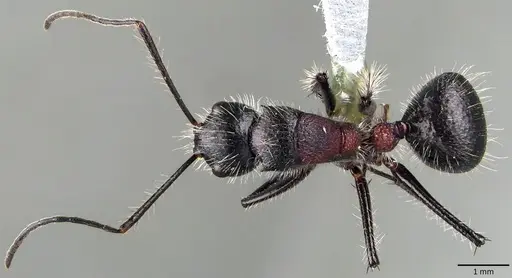
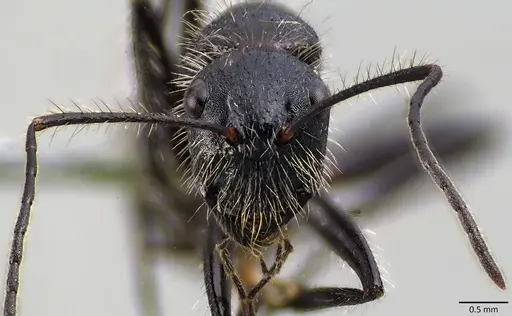
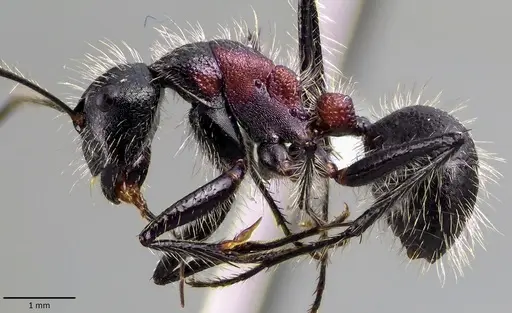
CASENT0882205
View on AntWeb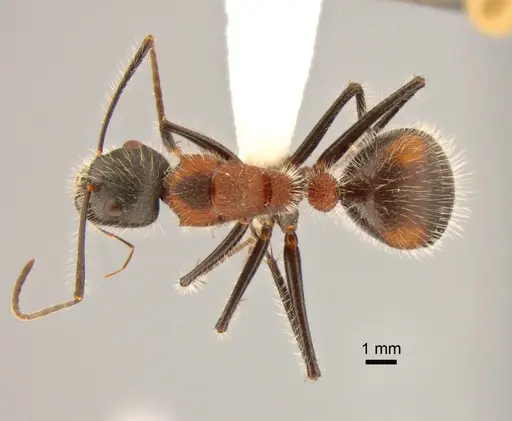
CASENT0905414
View on AntWeb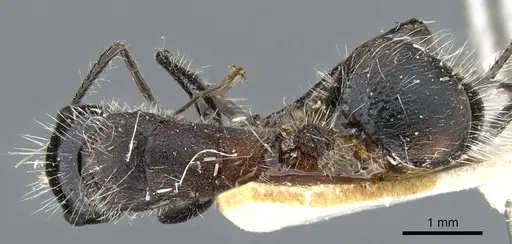
CASENT0905806
View on AntWeb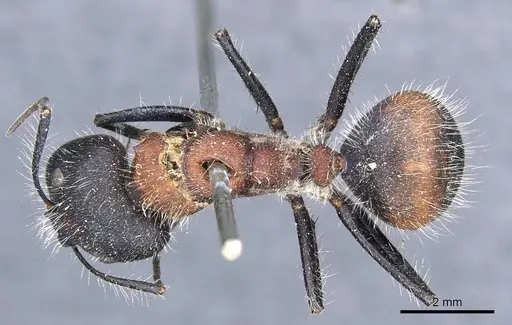
Literature
Loading...Loading products...