Camponotus mus shows a January to December flight window. Peak activity occurs in December, with nuptial flights distributed across 5 months.
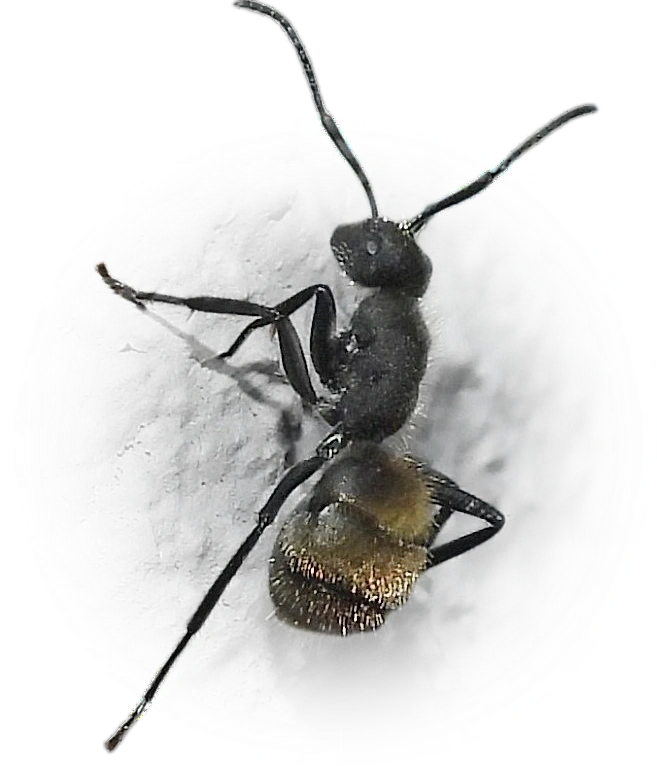
Camponotus mus
- Scientific Name
- Camponotus mus
- Subgenus
- Myrmobrachys
- Tribe
- Camponotini
- Subfamily
- Formicinae
- Author
- Roger, 1863
- Distribution
- Found in 13 countries
- Nuptial Flight
- from January to December, peaking in December
AI Identifiable
try →
Camponotus mus Overview
Camponotus mus is an ant species of the genus Camponotus. It is primarily documented in 13 countries , including Argentina, Bolivia, Plurinational State of. Detailed taxonomic data and occurrence records can be further explored via authoritative databases such as AntWeb or the Global Biodiversity Information Facility (GBIF).
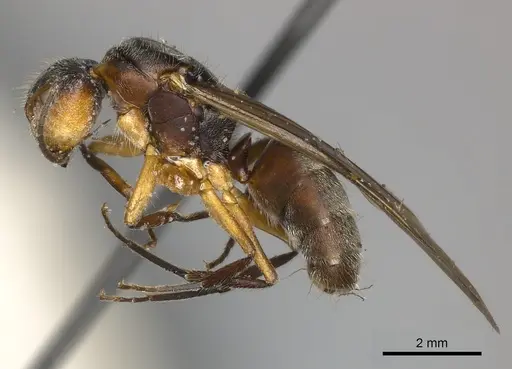
The nuptial flight of Camponotus mus is a significant biological event, typically occurring from January to December, peaking in December. During this time, winged queens and males leave the nest to mate and establish new colonies.
Camponotus mus
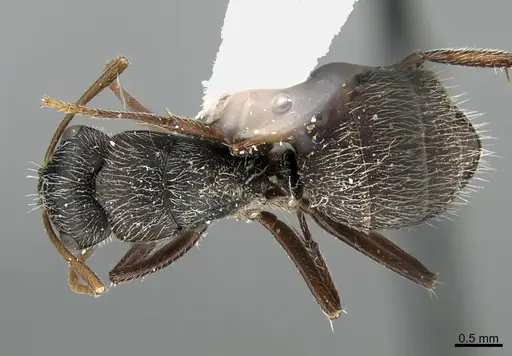
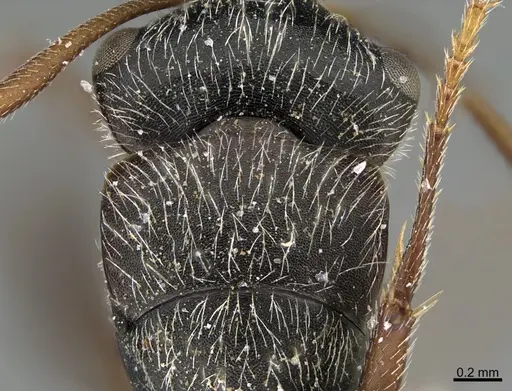
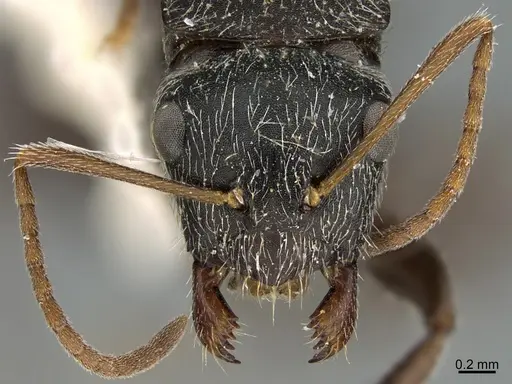
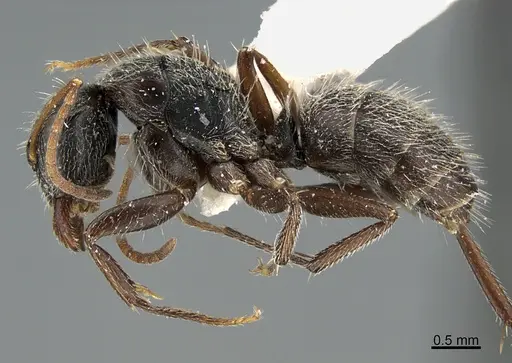
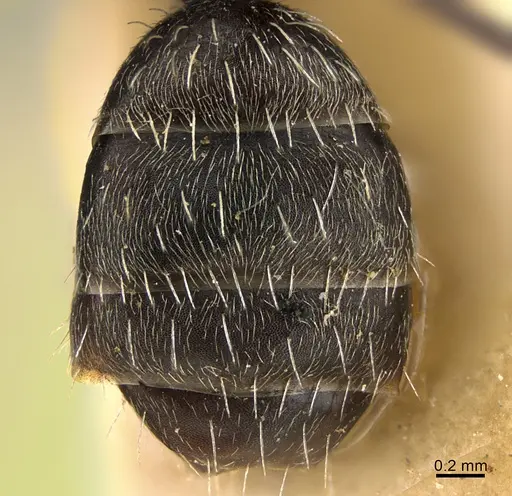
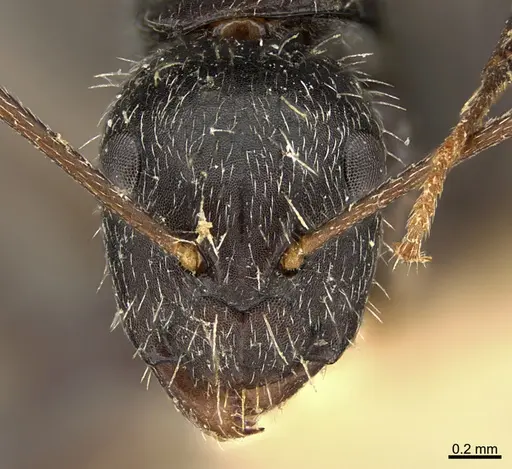
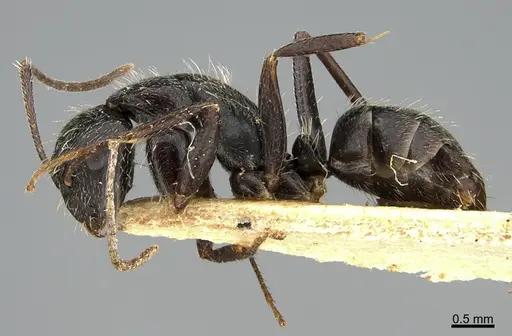
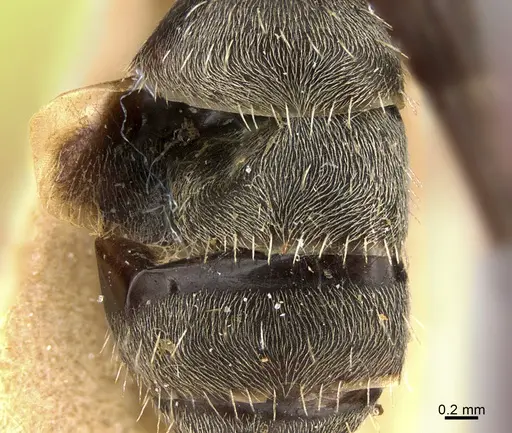
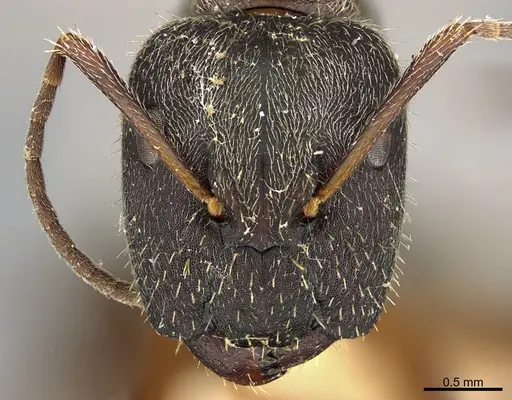
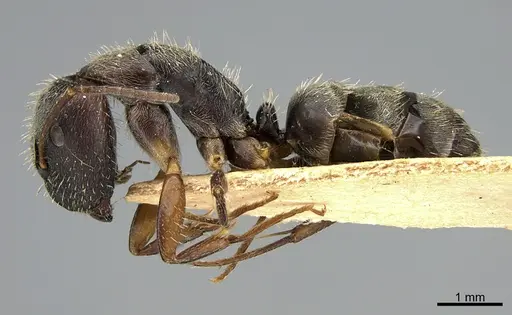
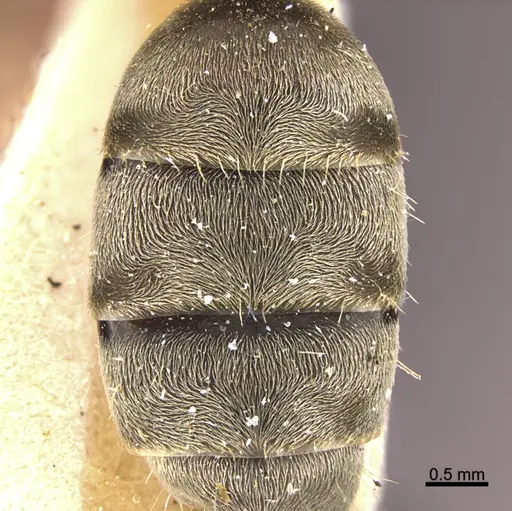
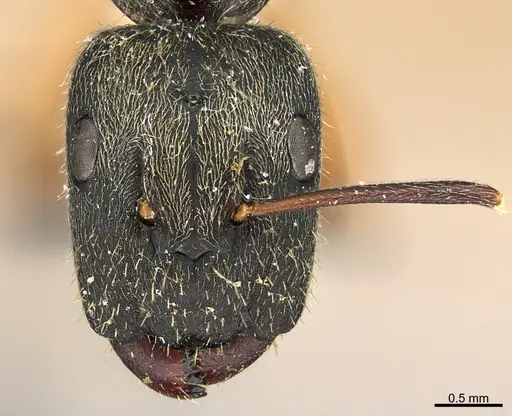
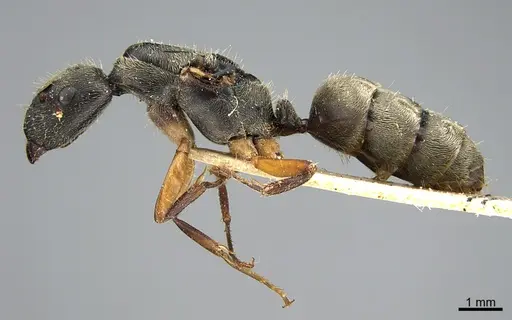
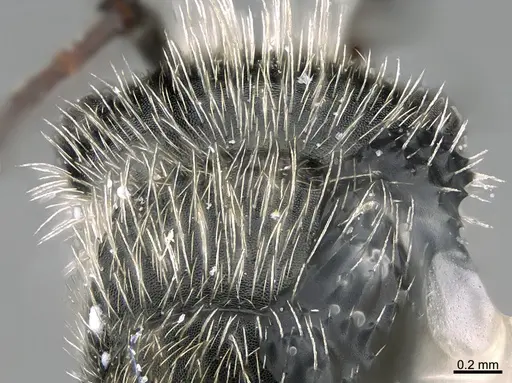
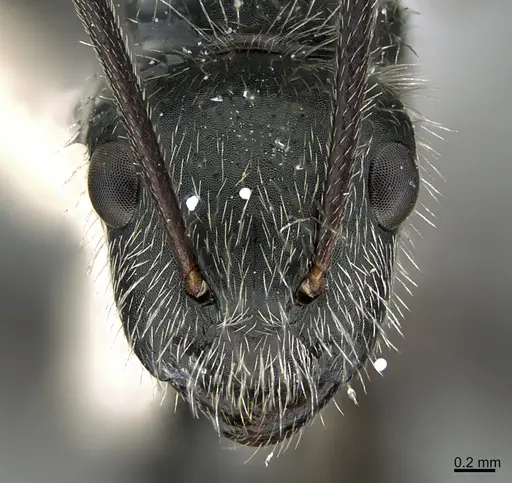
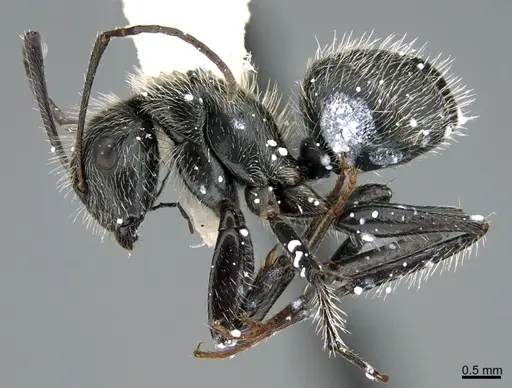
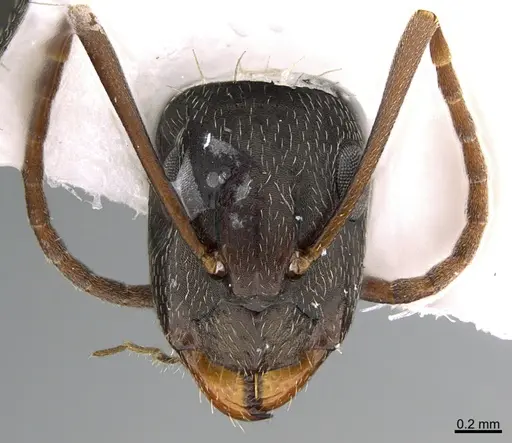
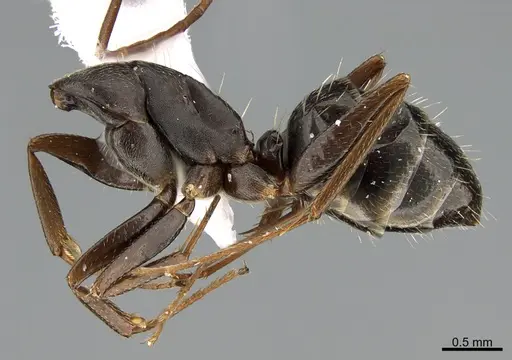
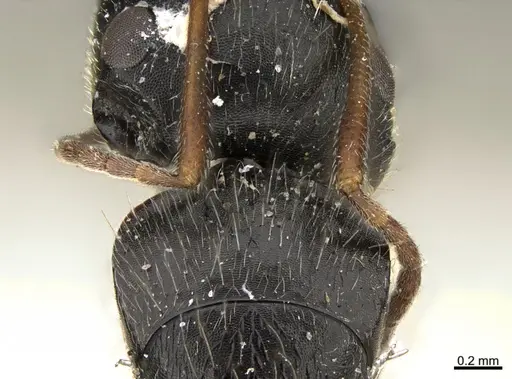
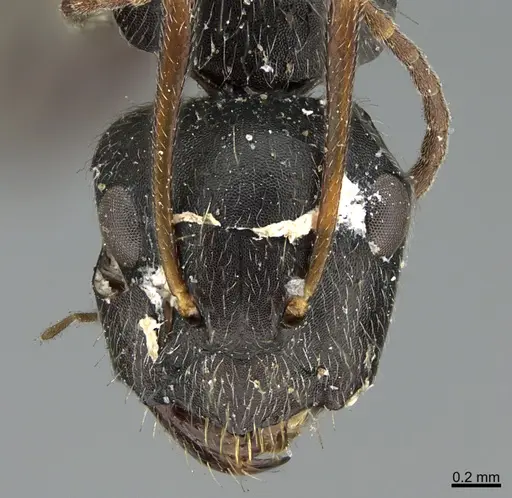
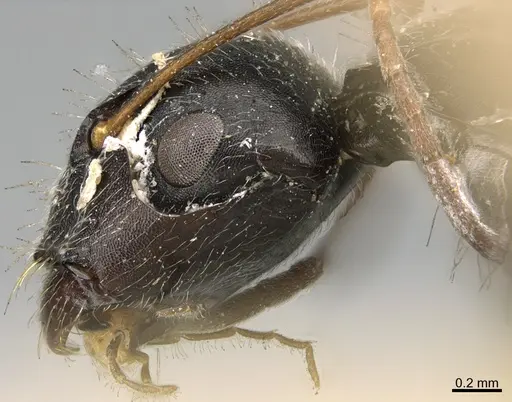
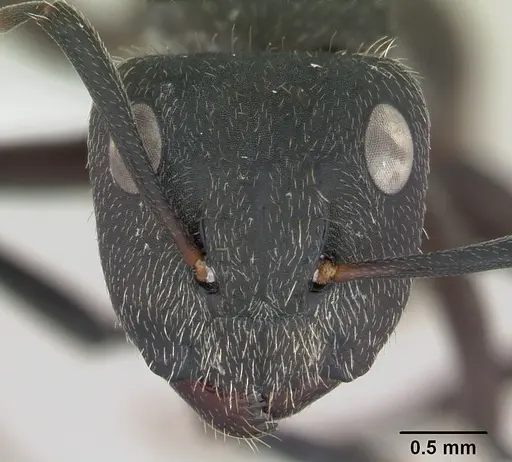
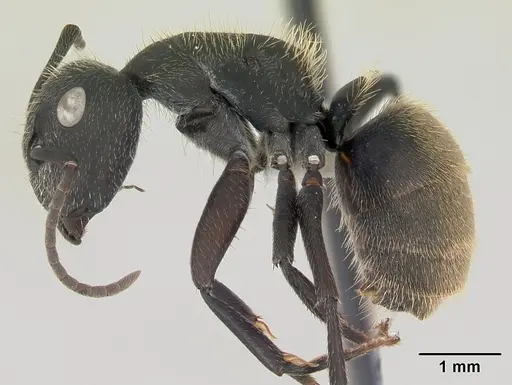
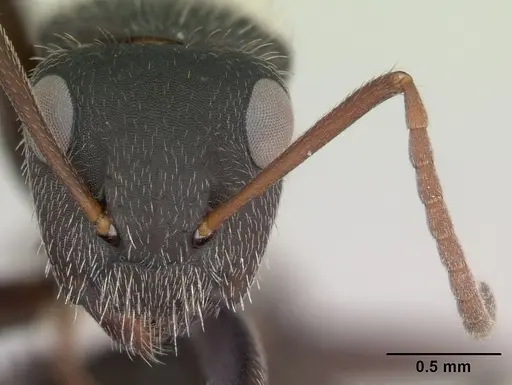
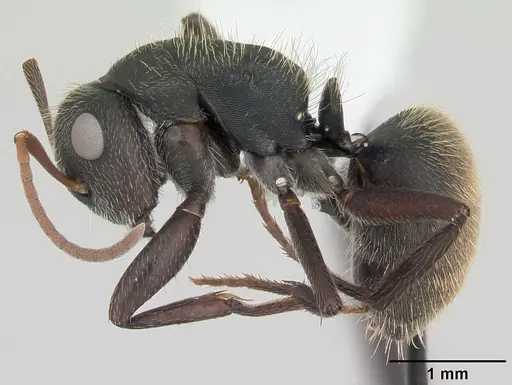
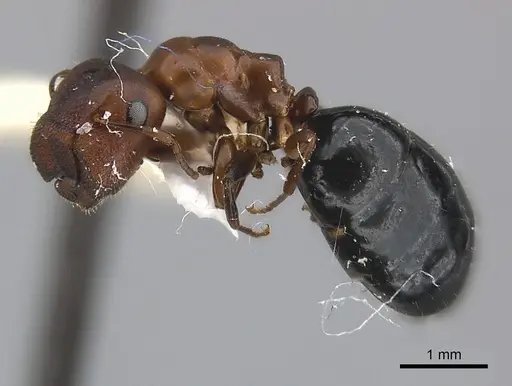
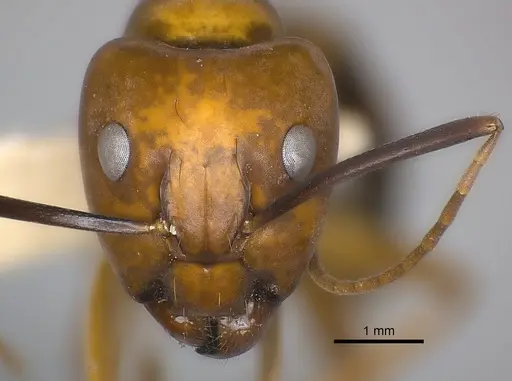
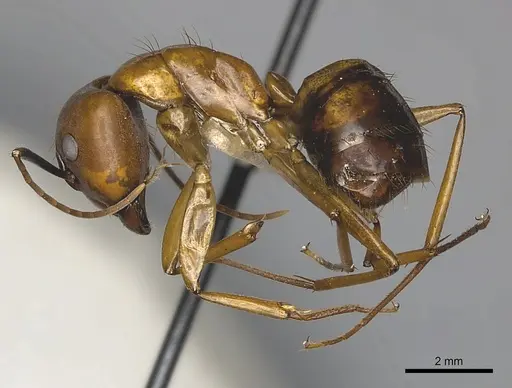
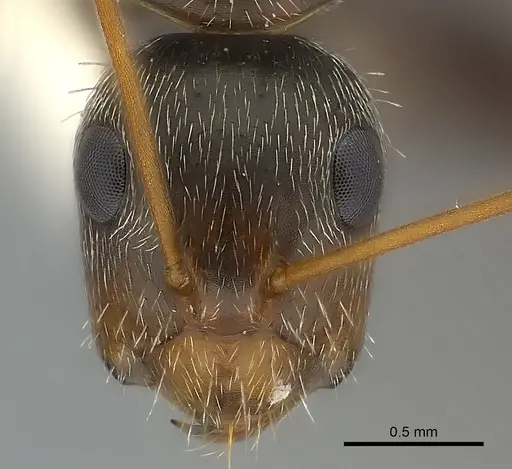
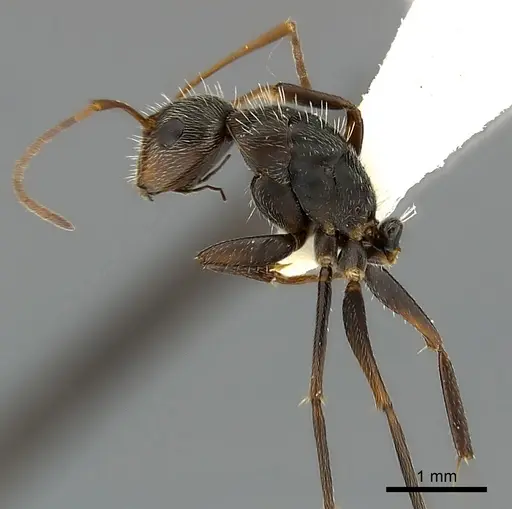
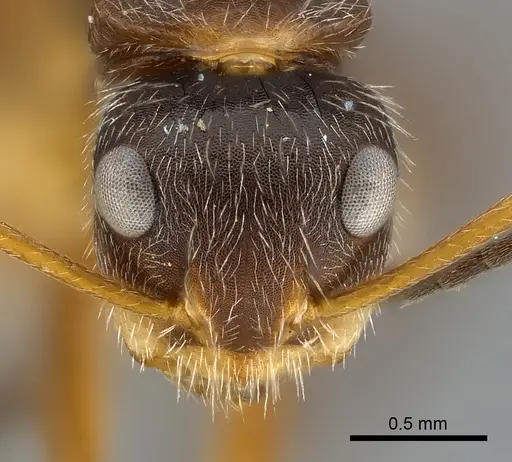
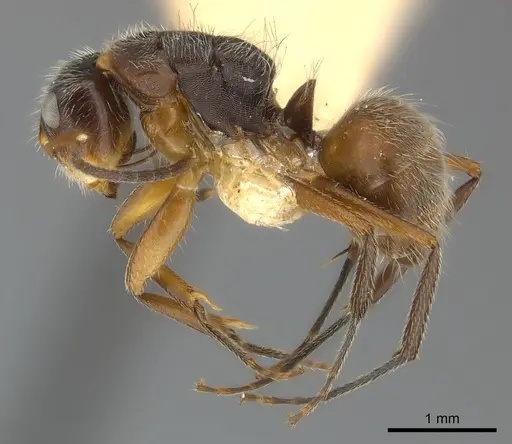
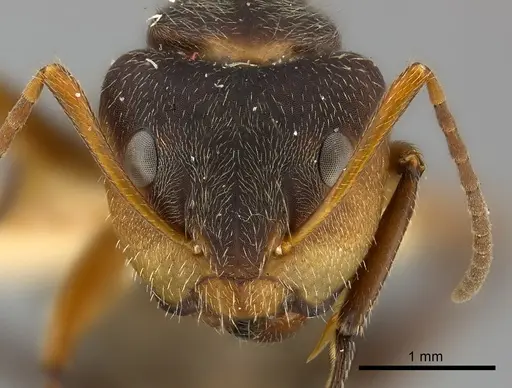
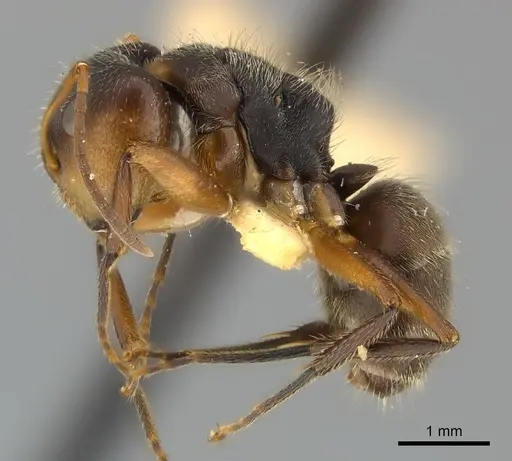
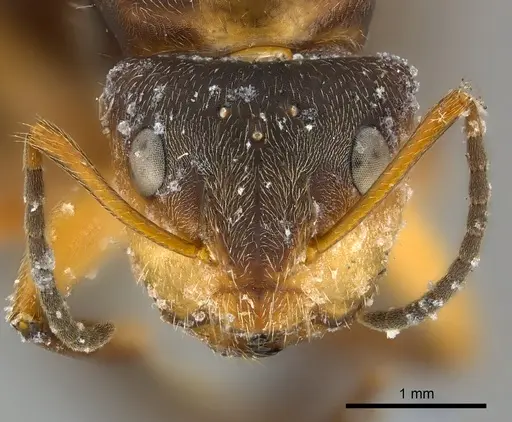
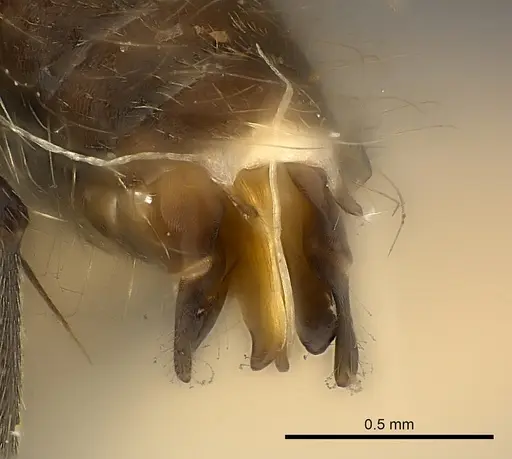
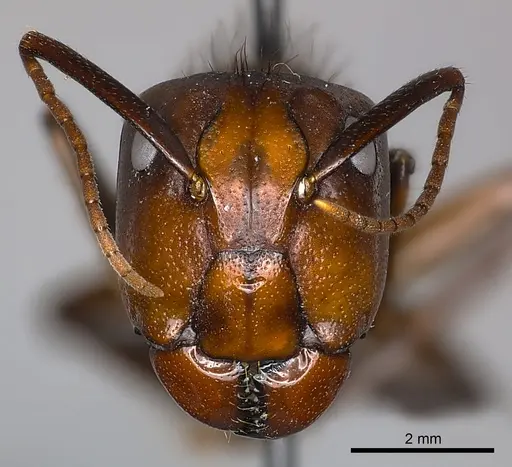
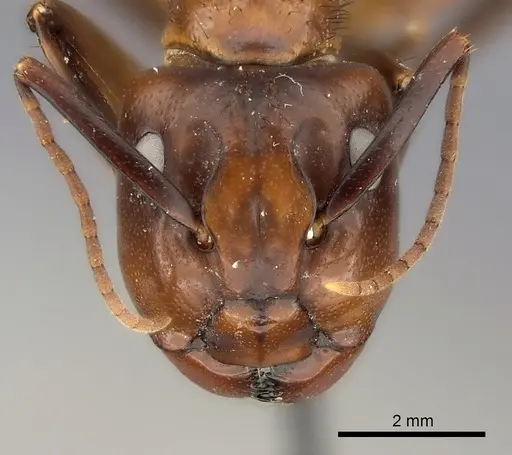
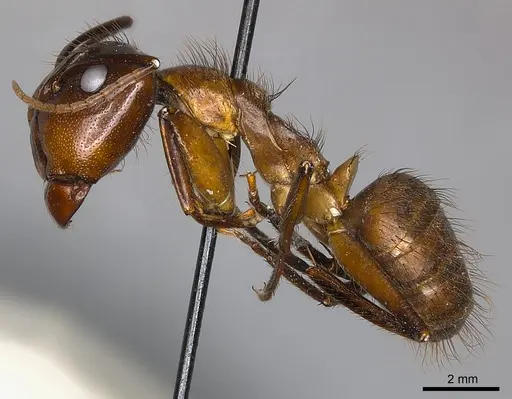
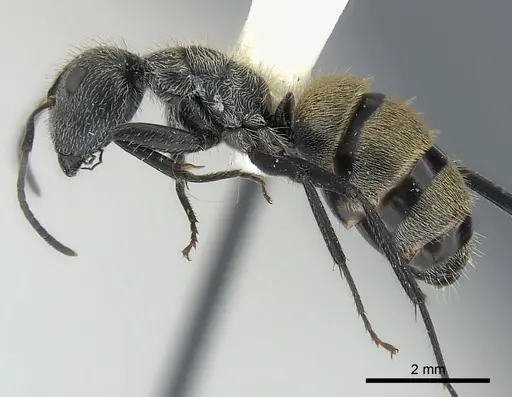
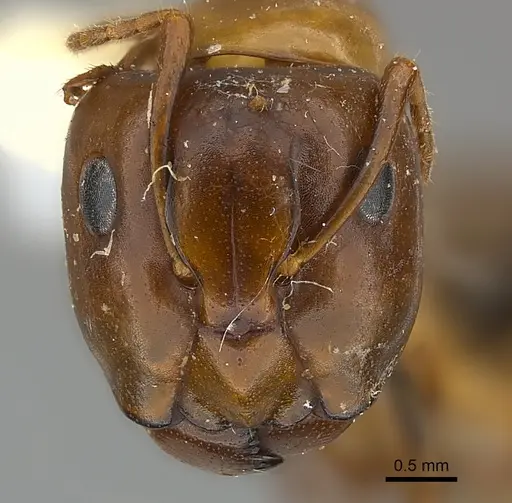
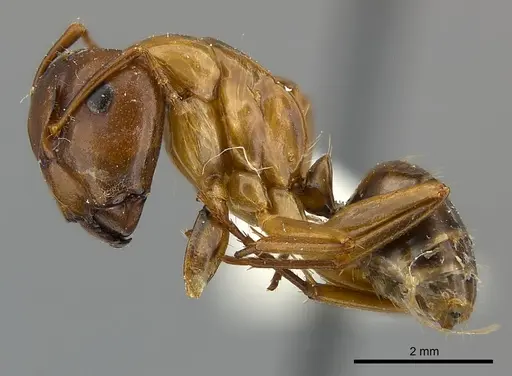
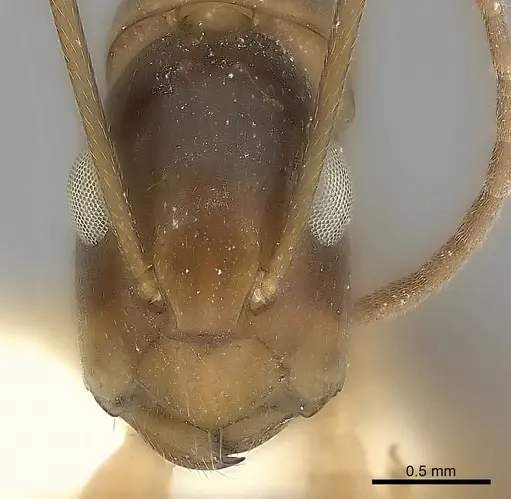
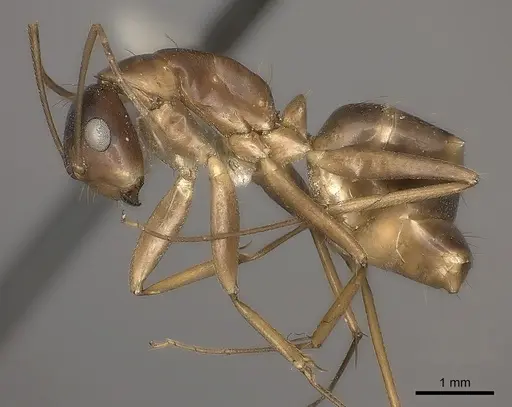
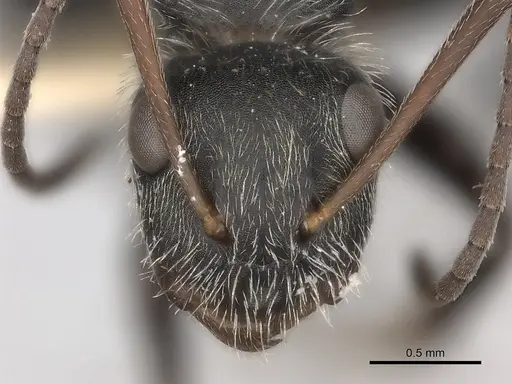
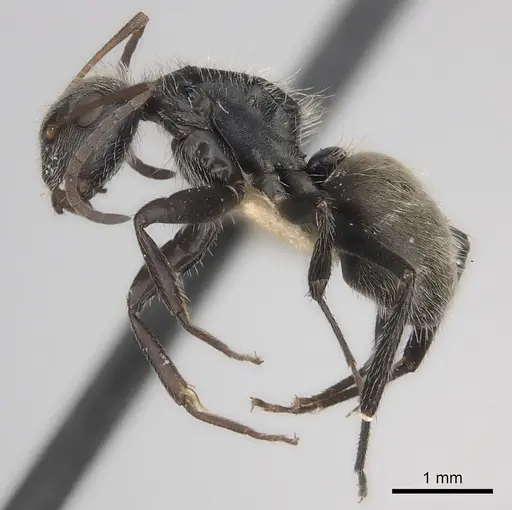
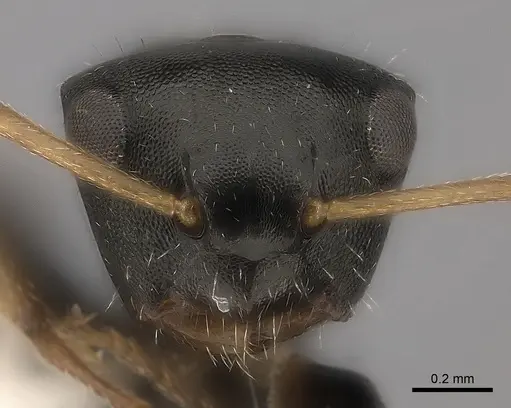
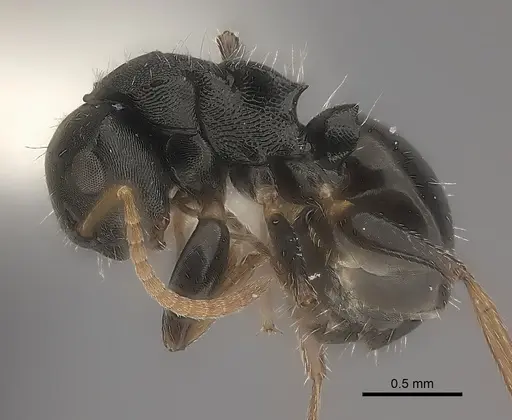
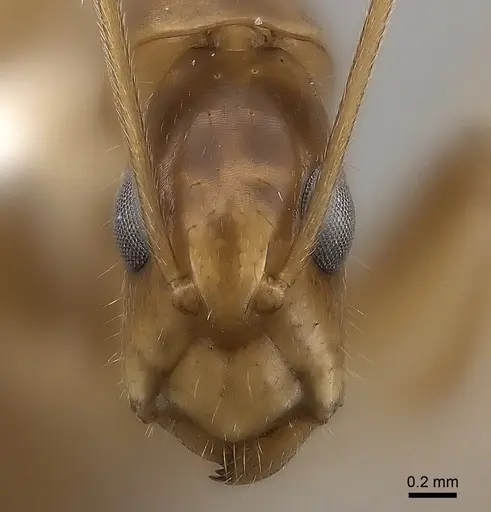
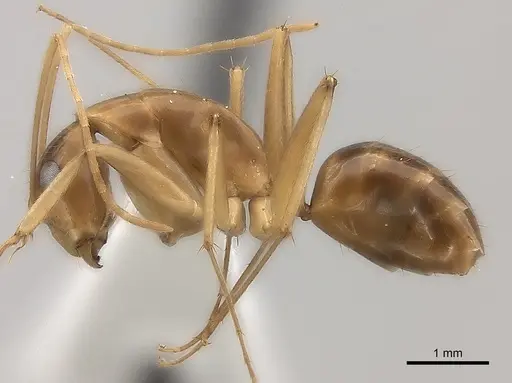
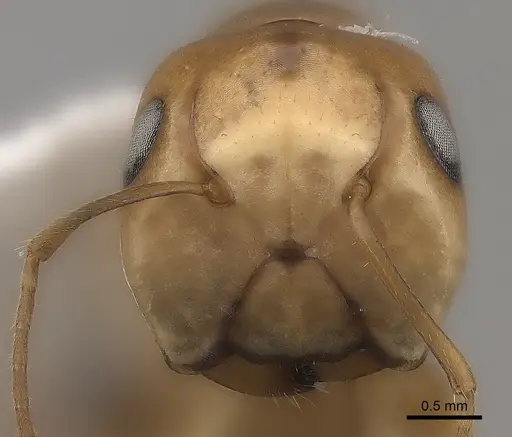
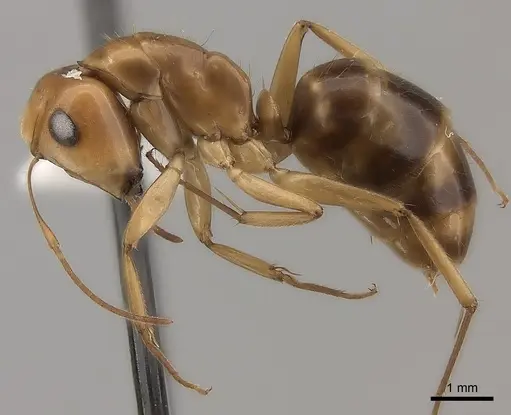
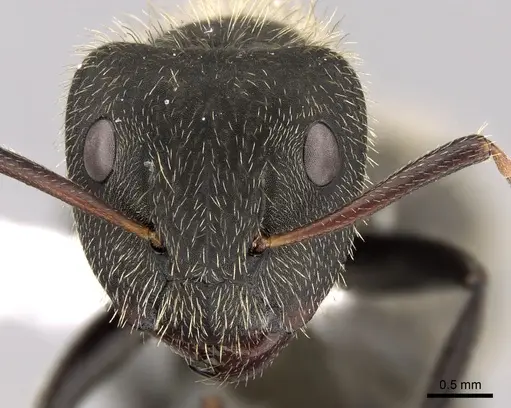
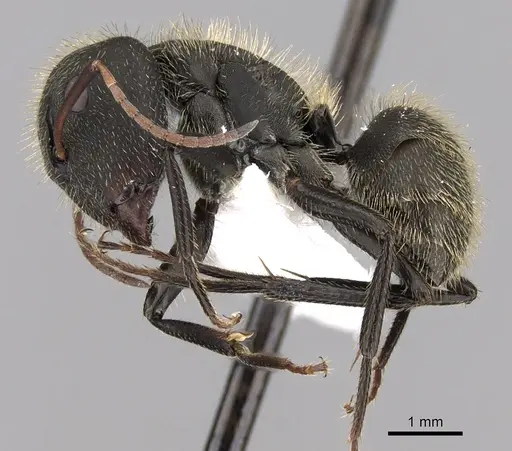
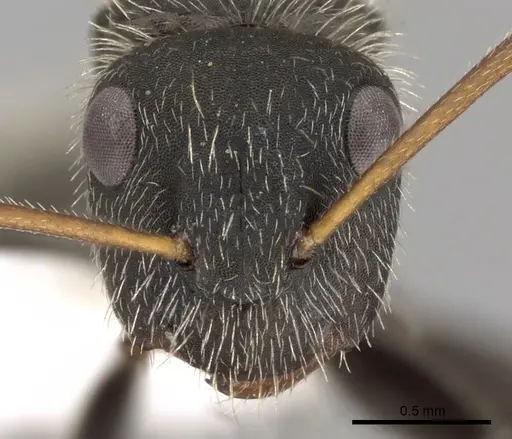
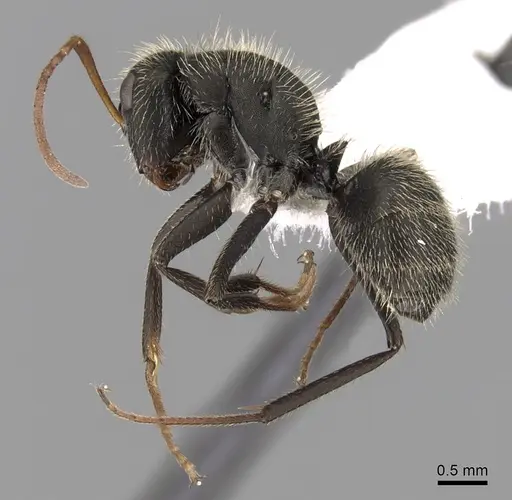
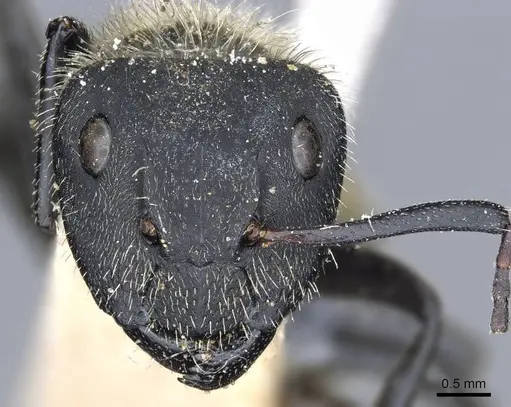
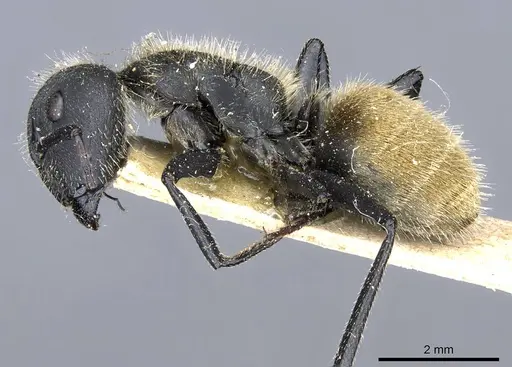
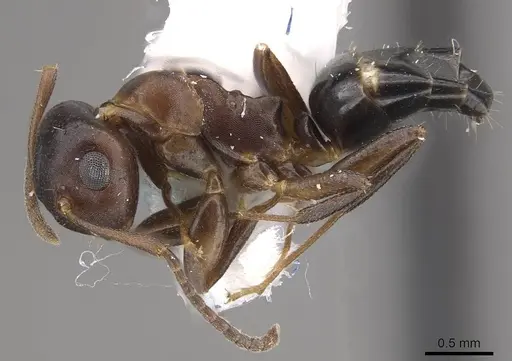
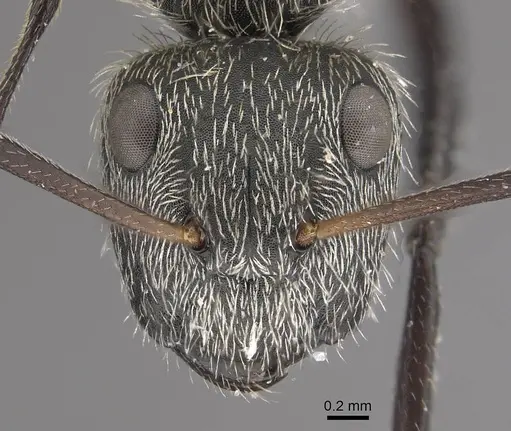
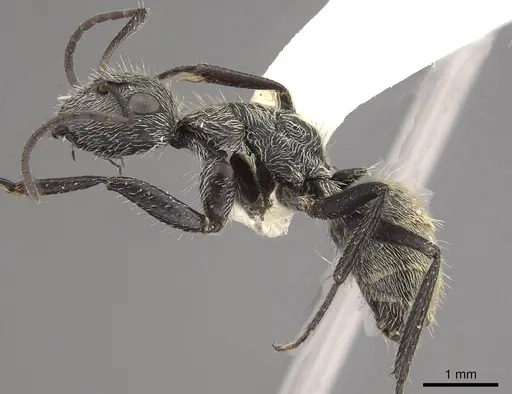
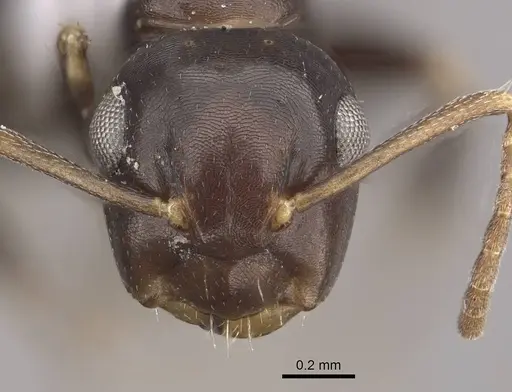
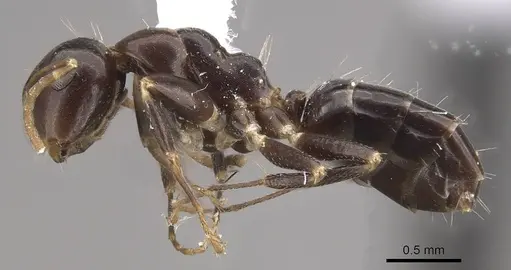
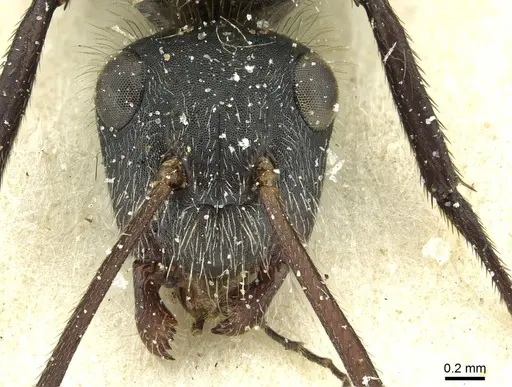
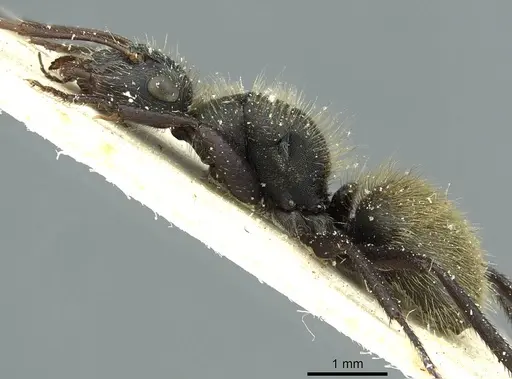
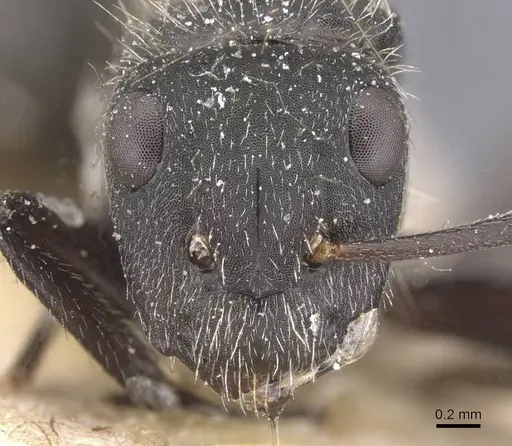
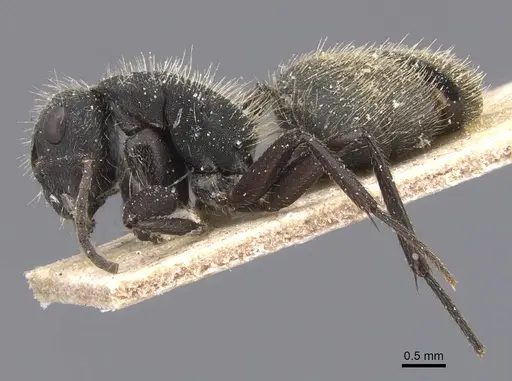
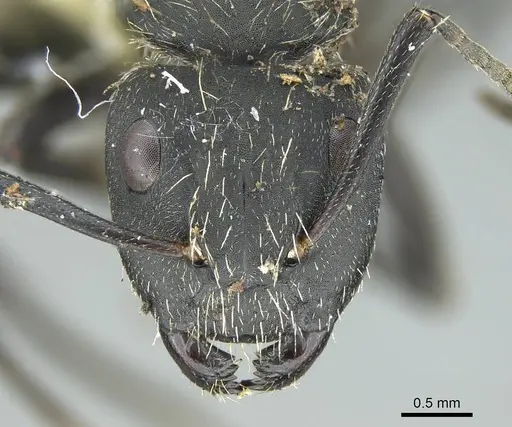
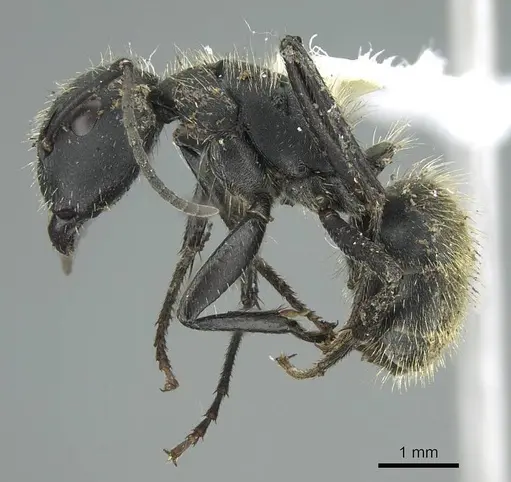
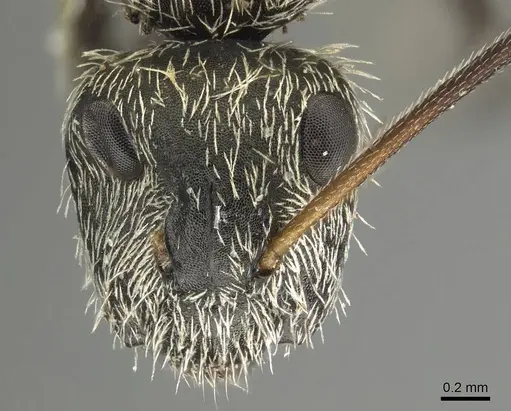
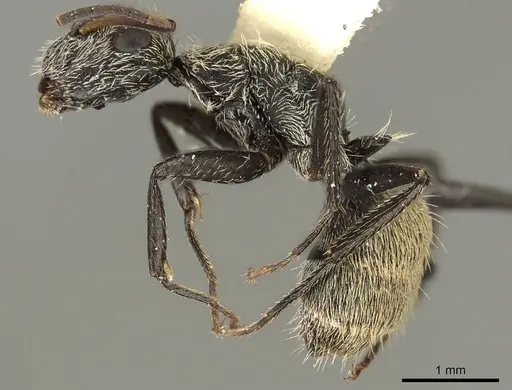
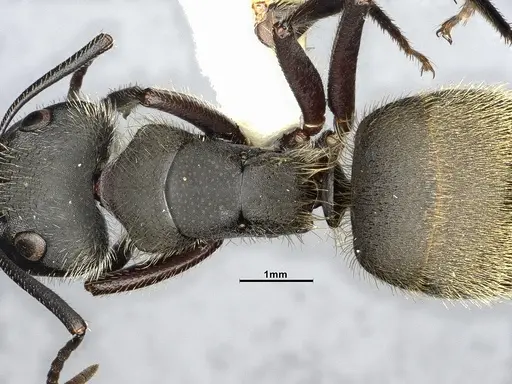
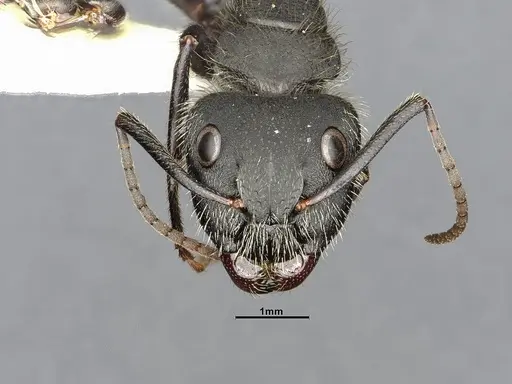
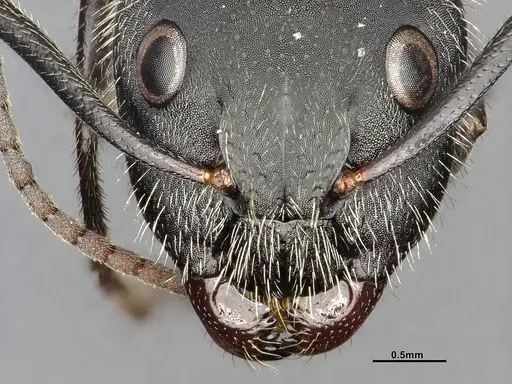
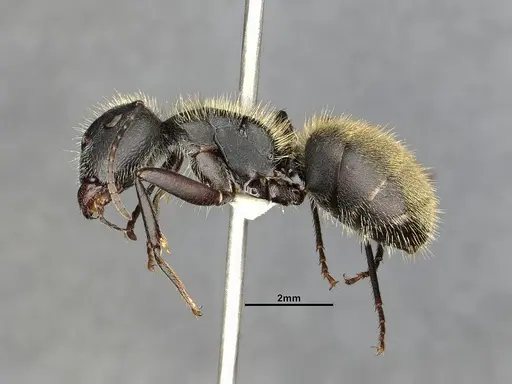
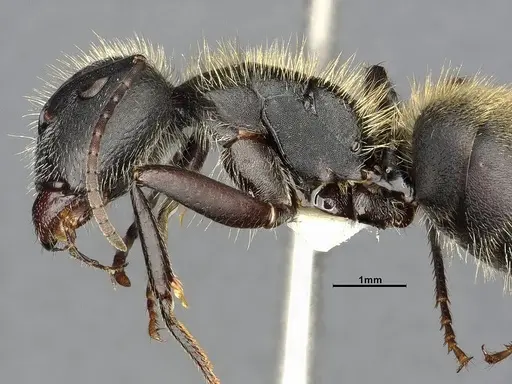
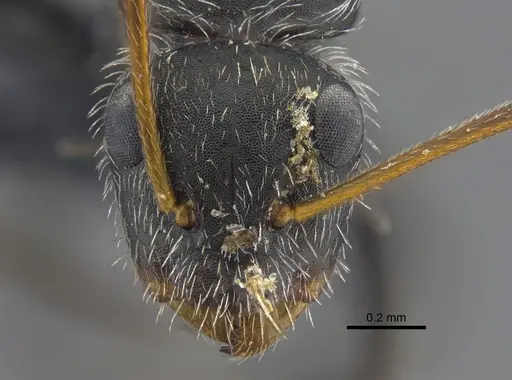
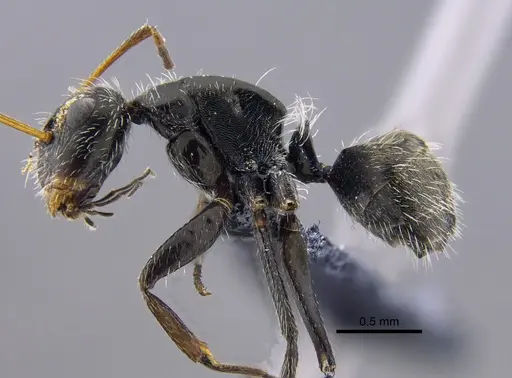
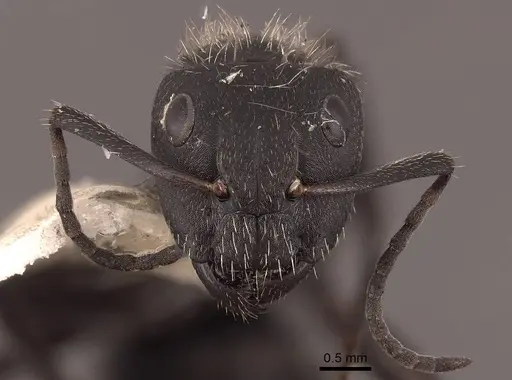
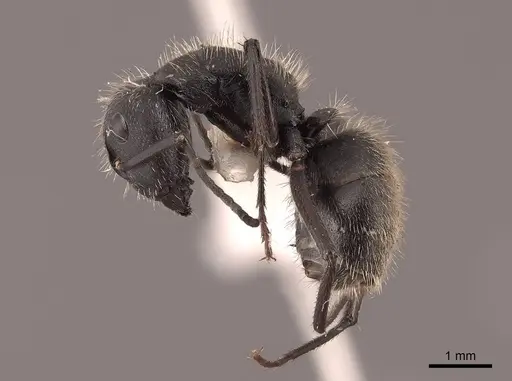
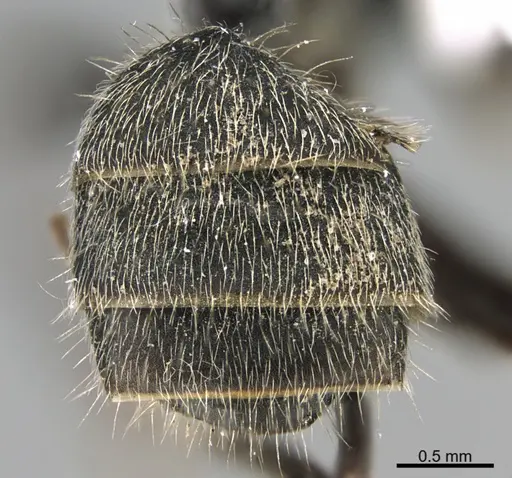
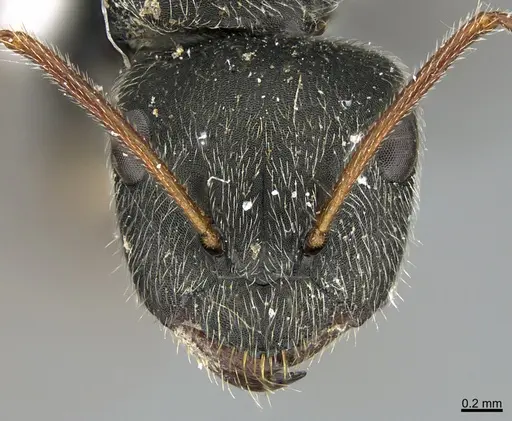
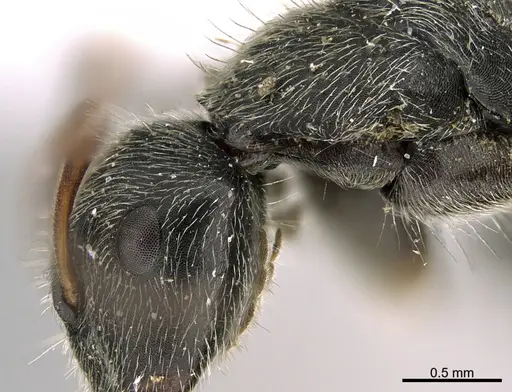
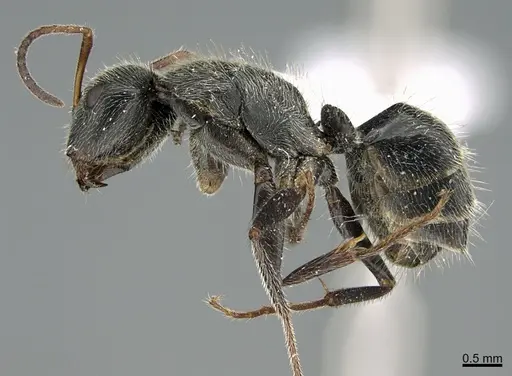
Camponotus mus is a Neotropical carpenter ant ranging from Mexico down to Argentina and Uruguay [1]. Workers measure 7.5-9.0mm and are polymorphic, with the larger major workers significantly bigger than minors [2]. They are easily recognized by their black body covered in abundant erect golden or silver hairs, with the gaster having dense appressed golden pubescence that gives it a golden sheen [1]. This species nests in rotten wood, tree branches, or in orchids, from shrub areas to tropical forests [1]. What makes C. mus particularly interesting is its extensive research history as a model organism for studying nectar feeding, olfactory learning, and trophallaxis communication, scientists have used it to understand how ants share information about food quality and colony needs through mouth-to-mouth food exchange [3][4].
Quick Summary
- Difficulty: Easy
- Origin & Habitat: Neotropical species found across Argentina, Bolivia, Brazil, Colombia, Ecuador, Mexico, Paraguay, Trinidad and Tobago, and Uruguay [AntWiki]. It frequently occurs in anthropogenic environments and is one of the most common urban ant species in southern Brazil, found in 100% of surveyed health units in Pelotas [5][6]. Nests in rotten wood, tree branches, or in orchids in shrub areas to tropical forests [1].
- Colony Type: Single-queen colonies. Colonies can grow large, with lab colonies maintaining over 1000 workers [7].
- Size & Growth:
- Antkeeping:
- Temperature: Keep at 23-30°C. They are active foragers from about 12°C up to 38°C, with peak activity in the 24-30°C range [8]. No foraging occurs below 12°C or above 38°C [8]. Room temperature in most homes is suitable.
- Humidity: moderate to high, they prefer humid nesting sites in soft wood. Keep the nest substrate moist but not waterlogged.
- Diapause: no, as a Neotropical species they do not require true hibernation, but benefit from a cooler winter period around 15-18°C for 2-3 months to simulate seasonal slowdown
- Nesting: In nature they nest in rotten wood, tree branches, and orchids [1]. In captivity, they do well in Y-tong (AAC) nests, plaster nests, or naturalistic setups with soft wood pieces. They prefer tight, humid chambers.
- Behavior: Camponotus mus is a polymorphic, omnivorous species that feeds on nectar, honeydew, and insects [6]. They are skilled nectar collectors with sophisticated feeding mechanics, they can modulate their intake rate based on sugar concentration and colony hunger levels [4]. They tend aphids for honeydew and visit extrafloral nectaries [9][10]. Workers learn odors through trophallaxis (mouth-to-mouth food exchange) and can remember these associations for at least 72 hours [3]. They are moderately aggressive when defending food sources but generally not dangerous to keepers. Escape risk is moderate, use standard barriers. As a Formicinae ant, they lack a functional sting and instead bite and spray formic acid from their acidopore into the wound as their primary defense.
- Common Issues: colonies can become very large (1000+ workers) and may outgrow starter setups, plan for eventual migration to larger housing, preference for soft wood nesting means they can damage wooden structures if kept in inappropriate enclosures, their small size and ability to squeeze through small gaps requires good escape prevention, as a common urban species, wild-caught colonies may carry parasites, quarantine and monitor new colonies, overheating is dangerous, avoid temperatures above 38°C as foraging completely stops, can be a domestic pest in their native range, keep enclosures secure to prevent structural damage
Nuptial Flight Activity Analysis 94 observations
Flight Activity by Hour 94 observations
Camponotus mus nuptial flight activity peaks around 12:00 during the late morning to early afternoon. Activity is spread across a 21-hour window (00:00–20:00). A secondary activity peak occurs around 15:00. Times may be influenced by human observation patterns.
Housing and Nest Setup
Camponotus mus does well in various captive setups. Y-tong (AAC) nests work excellently because they provide the dark, humid chambers these wood-nesting ants prefer. Plaster nests are another good option, keep the plaster moist but not soggy to maintain appropriate humidity. Naturalistic setups with pieces of soft wood or cork bark simulate their natural nesting preferences. For founding colonies, a simple test tube setup with a water reservoir works well, just ensure the cotton is packed snugly to prevent flooding. As colonies grow, they will need more space. A single chamber starter nest can eventually be connected to a larger formicarium or outworld. Because they are moderate-sized ants, avoid nests with chambers that are excessively large, they feel more secure in appropriately scaled spaces. [1][7]
Feeding and Diet
These ants are omnivorous and accept a wide variety of foods. For sugar sources, offer honey water or sugar water (around 10-30% concentration works best, they modulate intake based on concentration [4]). They are excellent nectar collectors and will readily take sweet liquids. For protein, provide insects like mealworms, crickets, or other small arthropods. They will also scavenge on dead insects. In nature they tend aphids for honeydew and visit extrafloral nectaries [9][10], so offering occasional honeydew or fruit can be appreciated. Feed them 2-3 times per week for established colonies, with sugar water always available. Fasting colonies (15 days without sugar) show 100% acceptance of 10% sucrose solution compared to only 50-60% when satiated [4], so occasional fasting can help encourage feeding if your colony is being picky.
Temperature Management
Keep your colony at 23-30°C for optimal activity and development. This species is highly temperature-sensitive in their foraging behavior, they simply won't forage below 12°C or above 38°C [8]. At 17°C, pumping frequency (their feeding mechanism) is around 2.7 per second, but this increases dramatically to 4.6 at 24°C and 6.9 at 30°C [8]. This means warmer temperatures not only enable activity but actually improve their feeding efficiency. Most room temperatures fall within their ideal range. If your home is cool, a heating cable on one side of the nest can create a gradient. Place heating on top of the nest, not underneath, to avoid evaporating moisture too quickly. During winter, a slight temperature reduction to around 15-18°C for 2-3 months mimics their natural seasonal cycle and can benefit colony health.
Understanding Their Social Behavior
Camponotus mus has been extensively studied for its sophisticated communication. Workers exchange information about food sources through trophallaxis, mouth-to-mouth contact where they pass liquid food [11]. During these exchanges, they perform antennation (antenna touching) that encodes information about both the food quality and how hungry the colony is [12]. After a single trophallaxis event lasting just 2-3 seconds, ants can learn to associate an odor with a sugar reward and remember it for at least 72 hours [3]. This makes them excellent learners compared to many other ant species. When a scout finds a good food source, they recruit others through this trophallaxis network. Larger workers (majors) tend to be recruited to richer food sources, studies show ants recruited to 70% sucrose average 7.75mg while those recruited to 10% average 6.73mg [4]. Understanding this can help you appreciate why they sometimes ignore certain foods, they're communicating about what the colony actually needs.
Seasonal Care and Winter Rest
As a Neotropical species from regions with mild seasonal variation, C. mus doesn't require true hibernation like temperate ants. However, they do benefit from a cooler period in winter. Reduce temperatures to around 15-18°C for 2-3 months during winter months (roughly November-February in the Northern Hemisphere). During this time, reduce feeding significantly, the colony will be less active and consume less. Don't be alarmed if you see almost no activity during this period, it's normal. In their native range (southern Brazil, Argentina, Uruguay), winter temperatures regularly drop below 15°C, so this cooler period is natural for them. In spring, gradually increase temperatures back to 23-30°C and resume normal feeding. This seasonal cycle helps maintain colony health and can trigger reproductive behavior in mature colonies.
Growth and Development
Colonies grow moderately fast once established. A typical founding queen will lay eggs within a week or two of mating, and first workers (nanitics) should emerge in about 6-8 weeks under warm conditions. These first workers are smaller than mature workers but will help care for subsequent brood. Colonies can reach 1000+ workers in a couple of years under good conditions [7]. Workers are polymorphic, you'll see both small minor workers and significantly larger major workers. The majors have larger heads and mandibles and often handle more demanding tasks like defense and food processing. Growth rate depends heavily on temperature and feeding, warmer temperatures within their range and consistent protein feeding will speed development. Unlike some ants that plateau at a few hundred workers, C. mus colonies can become quite substantial, so plan your housing accordingly.
Frequently Asked Questions
How long does it take for Camponotus mus to raise their first workers?
Expect first workers (nanitics) in about 6-8 weeks from the time the queen lays eggs, assuming temperatures around 25-28°C. This is typical for Camponotus species. The queen will seal herself in a chamber and not leave during founding, she lives entirely on stored fat reserves until her first workers emerge.
What do Camponotus mus ants eat?
They are omnivorous. Offer sugar water or honey water (10-30% concentration works well), and protein sources like insects (mealworms, crickets, fruit flies). They also readily accept honeydew, fruit, and will scavenge on dead arthropods. Sugar should always be available, protein can be offered 2-3 times per week.
Do Camponotus mus ants need hibernation?
They are Neotropical, so they don't require true hibernation like temperate species. However, they benefit from a cooler winter rest period at 15-18°C for 2-3 months. Reduce feeding during this time. This mimics their natural seasonal cycle in southern Brazil and Argentina.
What temperature is best for Camponotus mus?
Keep them at 23-30°C. They are active from about 12°C to 38°C, with peak foraging and feeding efficiency in the 24-30°C range [8]. Most room temperatures work well. Avoid temperatures above 38°C as they stop foraging entirely.
How big do Camponotus mus colonies get?
They can grow quite large, over 1000 workers in established colonies [7]. They are polymorphic, so you'll see both small minor workers and significantly larger major workers with bigger heads.
Can I keep multiple Camponotus mus queens together?
Colony type data is not available for this species. Unlike some ants that can form multi-queen colonies, it's best to start with one queen per colony unless you have specific information indicating otherwise.
What type of nest is best for Camponotus mus?
They naturally nest in rotten wood, so Y-tong (AAC) nests, plaster nests, or naturalistic setups with soft wood work well. They prefer humid, dark chambers. Avoid overly dry environments. A formicarium with multiple connected chambers works as they grow.
Are Camponotus mus good for beginners?
Yes, they are considered easy to keep. They are adaptable, accept a wide variety of foods, and tolerate typical room temperatures. Their main requirements are straightforward: humidity, sugar water always available, and occasional protein. The main challenges are planning for their eventual colony size and ensuring good escape prevention.
Why is my Camponotus mus colony not eating?
Check your temperatures first, they won't forage below 12°C [8]. If temperatures are good, the colony may be satiated (well-fed) and not motivated to accept food. Try fasting for a few days, starved colonies show 100% acceptance of sugar solutions versus 50-60% when satiated [4]. Also ensure sugar concentration is appropriate (10-30%).
When should I move my colony to a formicarium?
Move them when they outgrow their founding setup or when you see 20+ workers. This is usually after 6-12 months. Make sure the new nest has appropriately sized chambers, these ants feel secure in tighter spaces rather than large open areas. Connect the formicarium to the outworld before they escape.
Report an Issue
The current care sheet is based fully on literature. See inconsistencies, or something that's incorrect? Please , it will be resolved after review from an admin. Contributing to the blogs tab also helps providing information, to make us be able to further improve the caresheets. Thank you for your support!
References

This caresheet is licensed under CC BY-SA 4.0 .
ANTWEB1041557
View on AntWeb
ANTWEB1041558
View on AntWeb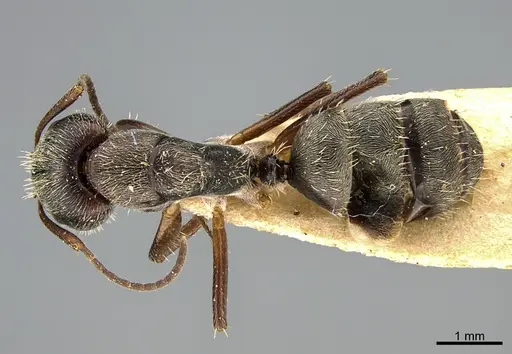
ANTWEB1041559
View on AntWeb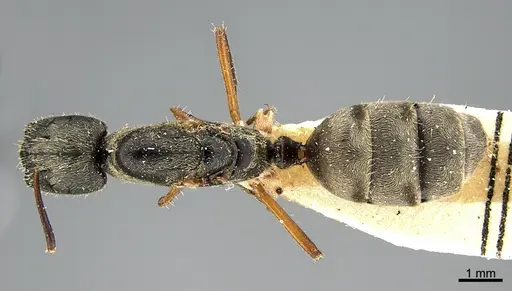
ANTWEB1041560
View on AntWeb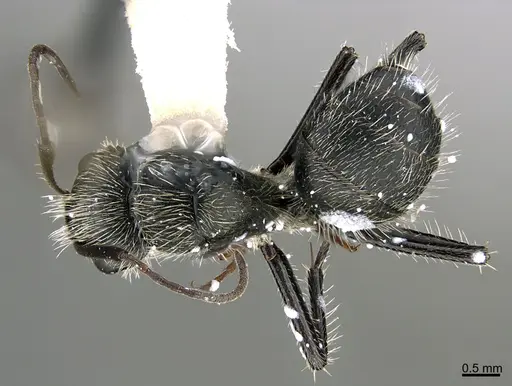
ANTWEB1041561
View on AntWeb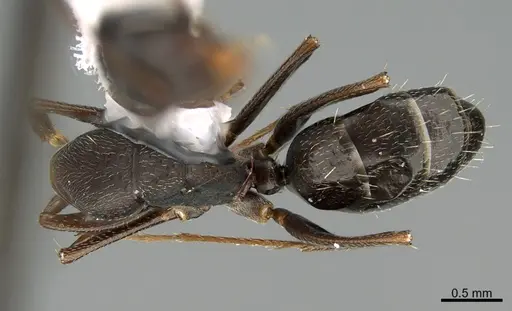
ANTWEB1041565
View on AntWeb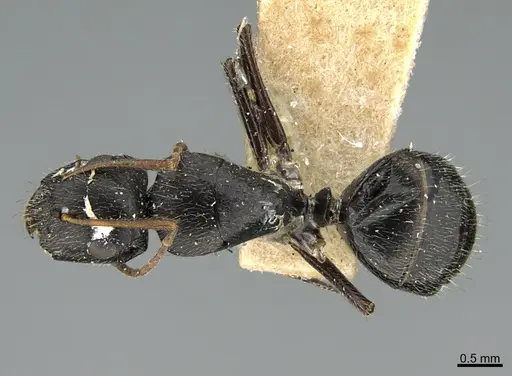
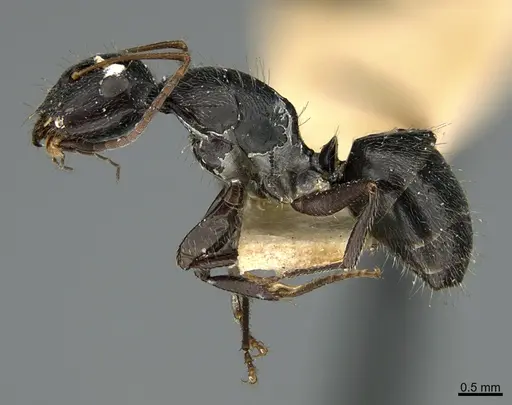
CASENT0007584
View on AntWeb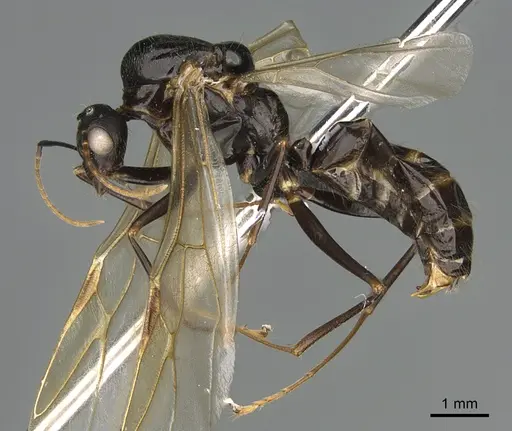
CASENT0055465
View on AntWeb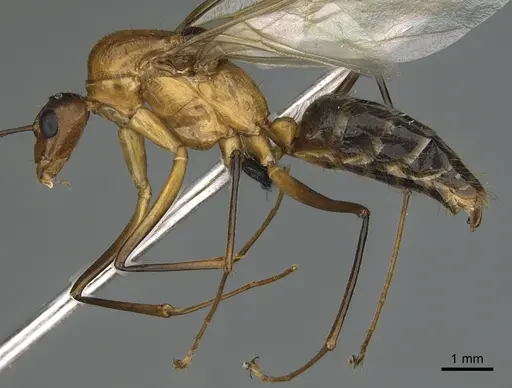
CASENT0065733
View on AntWeb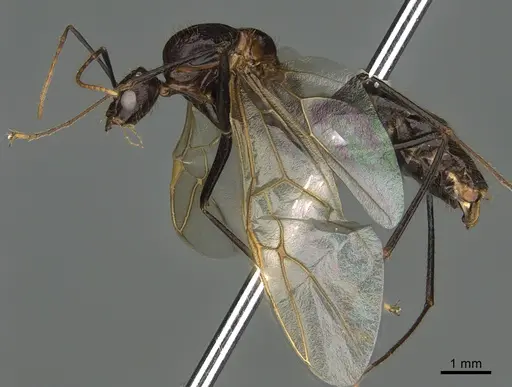
CASENT0065865
View on AntWeb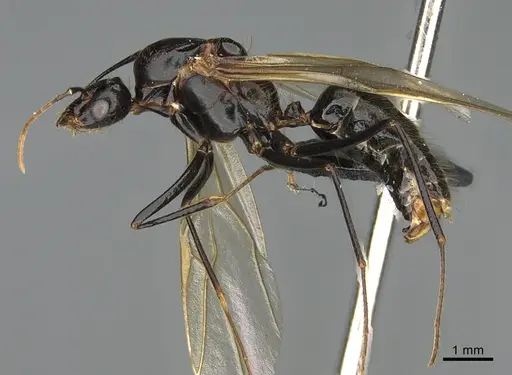
CASENT0065939
View on AntWeb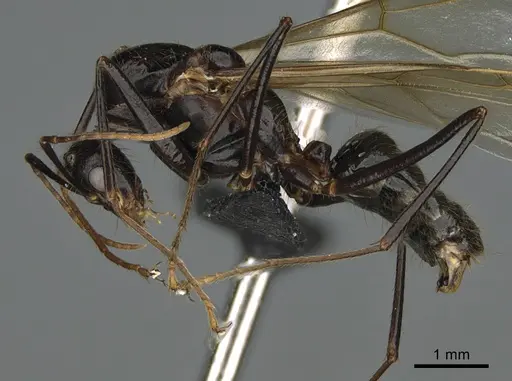
CASENT0085010
View on AntWeb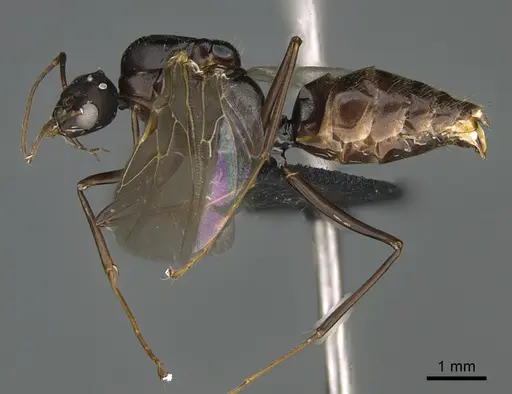
CASENT0097148
View on AntWeb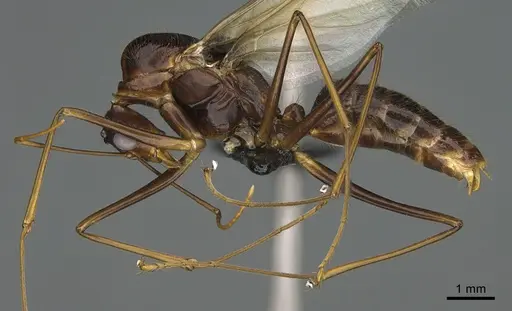
CASENT0113482
View on AntWeb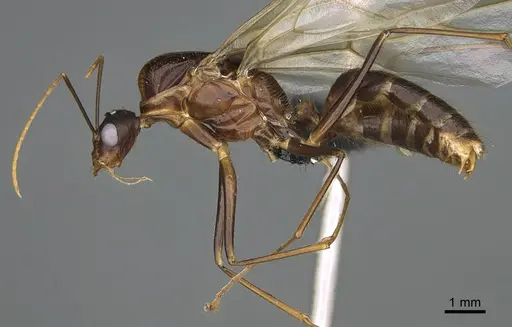
CASENT0113975
View on AntWeb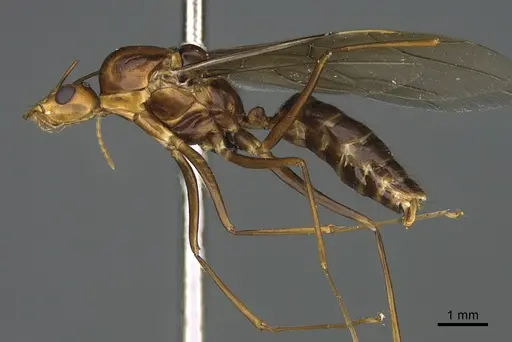
CASENT0150161
View on AntWeb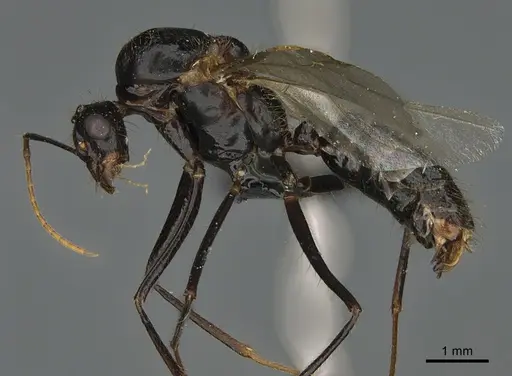
CASENT0157519
View on AntWeb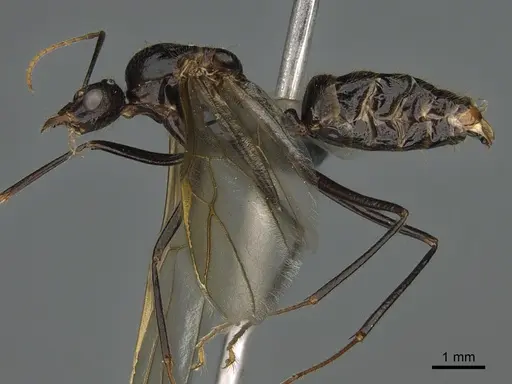
CASENT0165206
View on AntWeb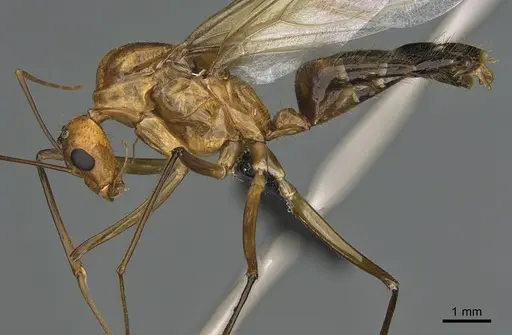
CASENT0166091
View on AntWeb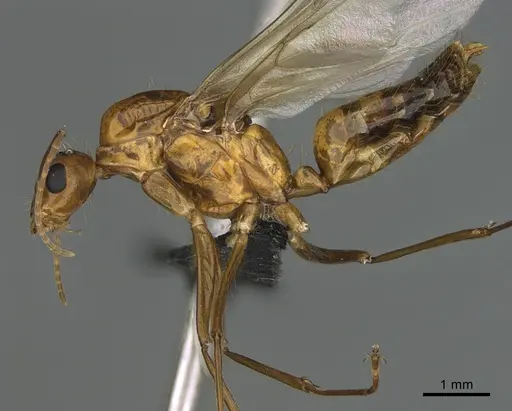
CASENT0169983
View on AntWeb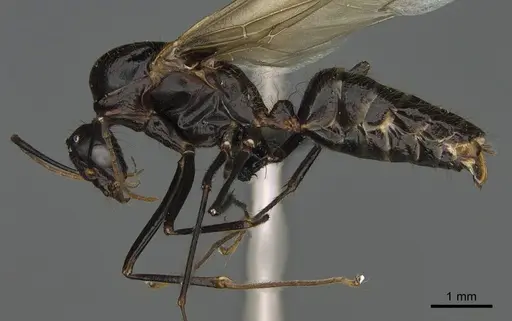
CASENT0173432
View on AntWeb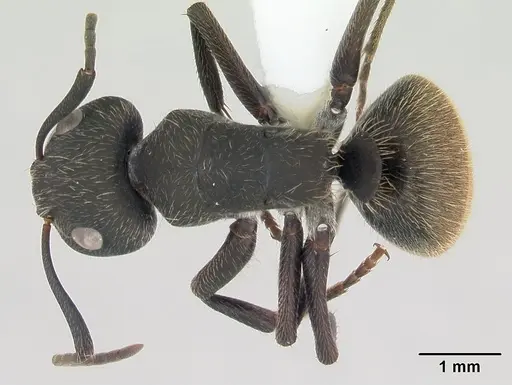
CASENT0173433
View on AntWeb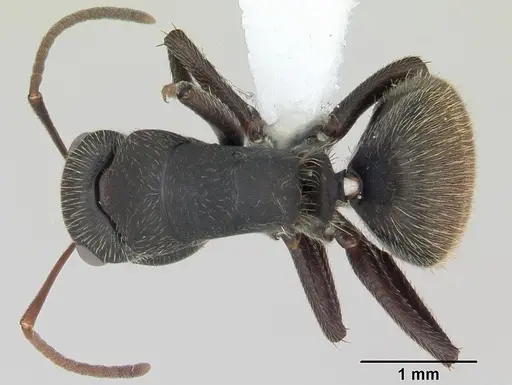
CASENT0202950
View on AntWeb
CASENT0217600
View on AntWeb
CASENT0217602
View on AntWeb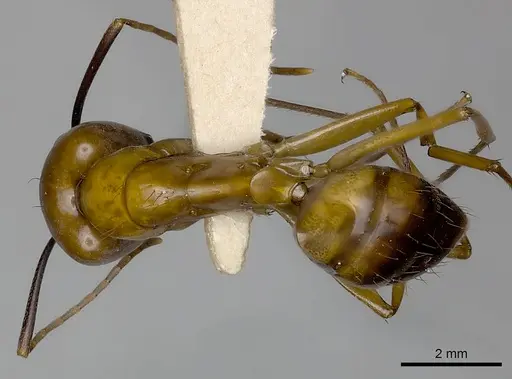
CASENT0217603
View on AntWeb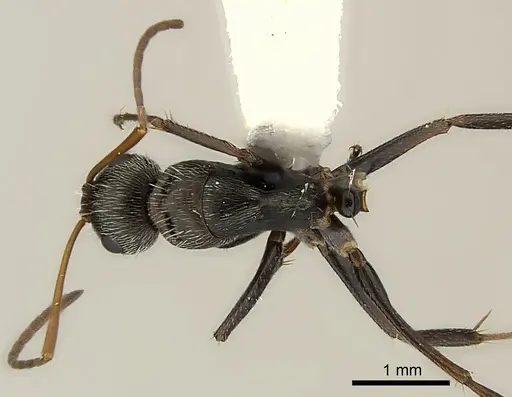
CASENT0217607
View on AntWeb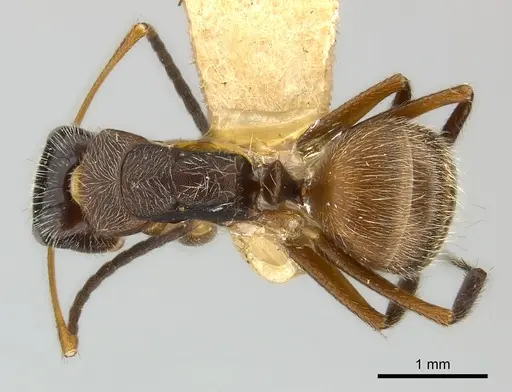
CASENT0217608
View on AntWeb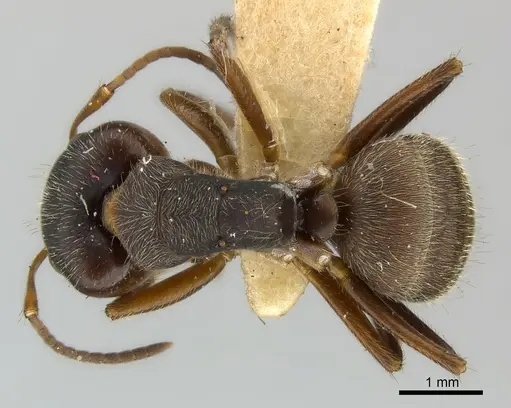
CASENT0217609
View on AntWeb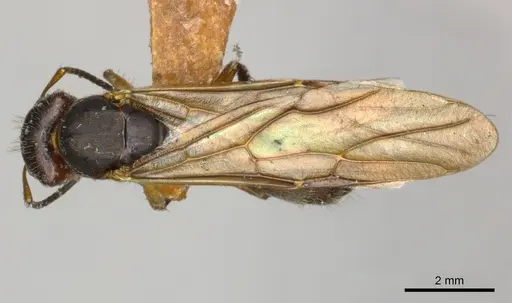
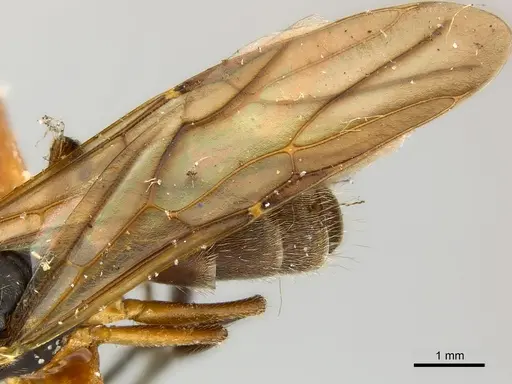
CASENT0217610
View on AntWeb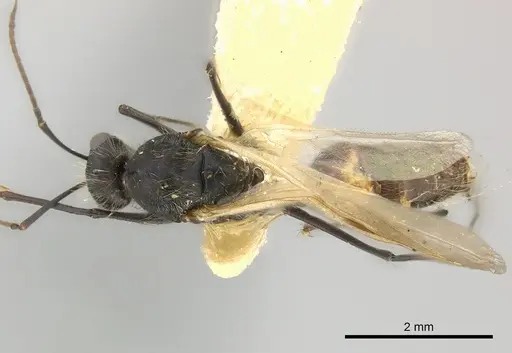
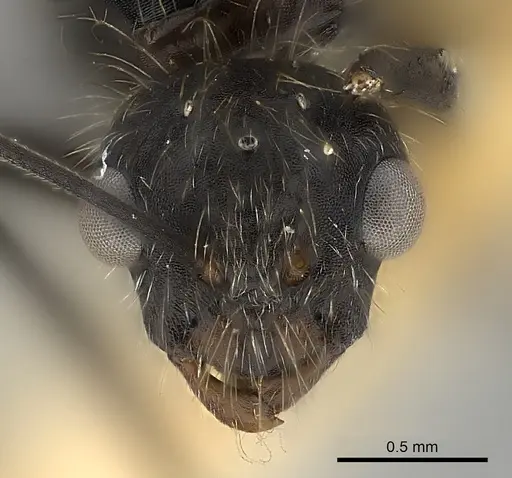
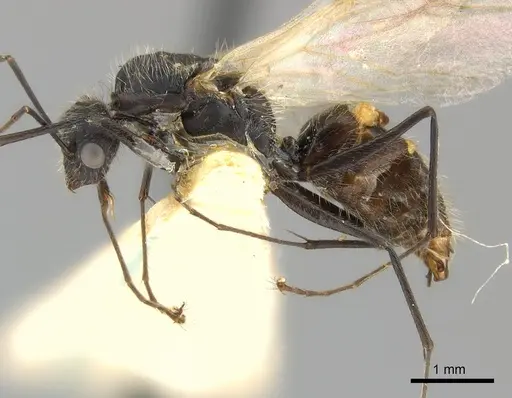
CASENT0217619
View on AntWeb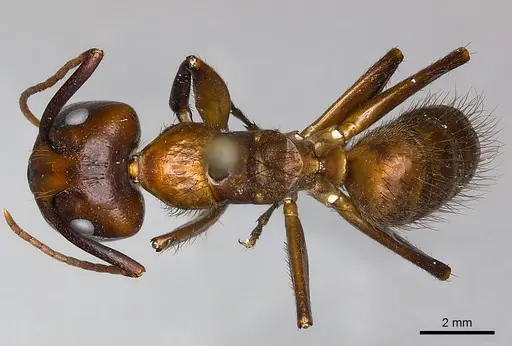
CASENT0217631
View on AntWeb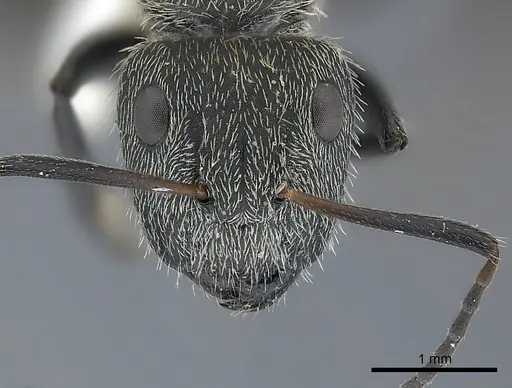
CASENT0217639
View on AntWeb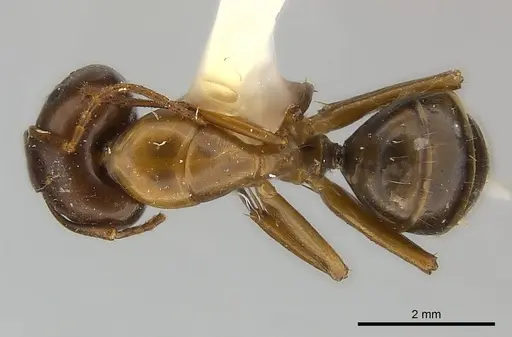
CASENT0217674
View on AntWeb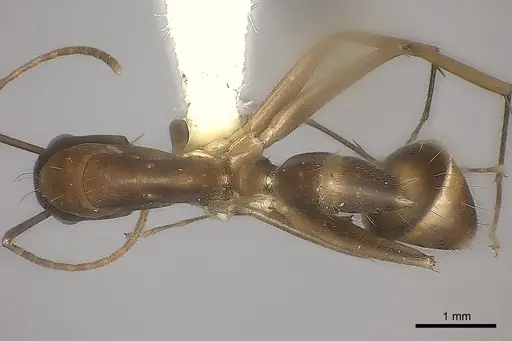
CASENT0217697
View on AntWeb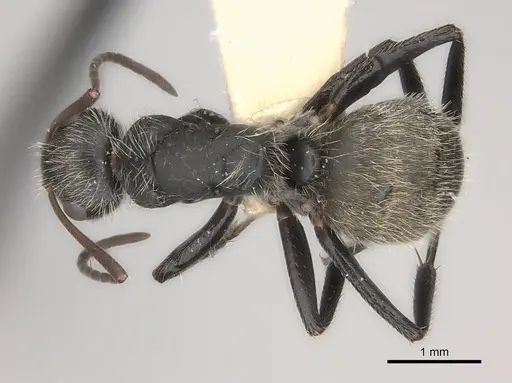
CASENT0217707
View on AntWeb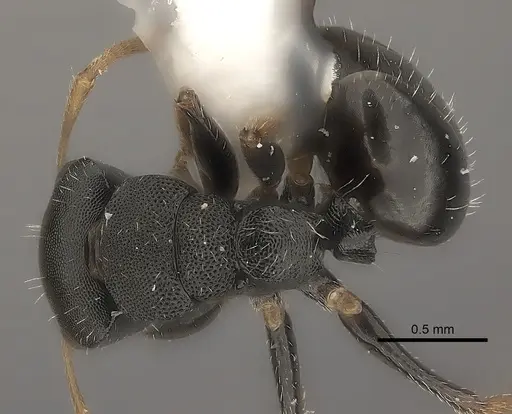
CASENT0217718
View on AntWeb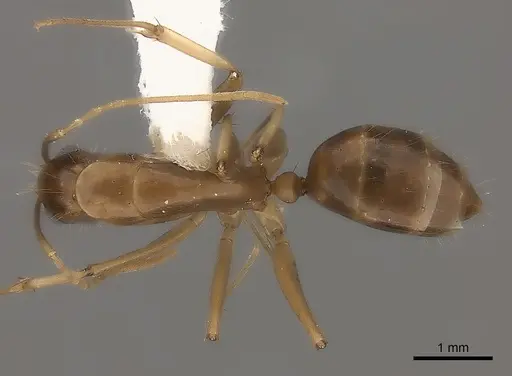
CASENT0217719
View on AntWeb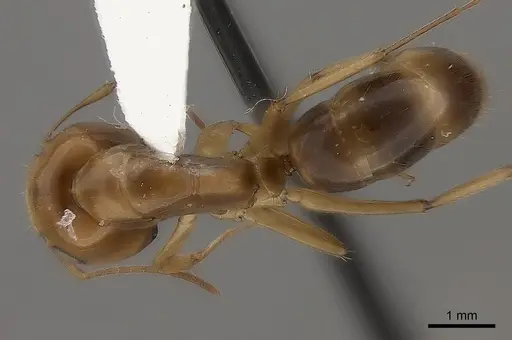
CASENT0229810
View on AntWeb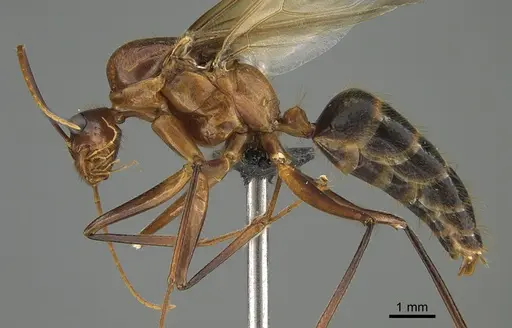
CASENT0280115
View on AntWeb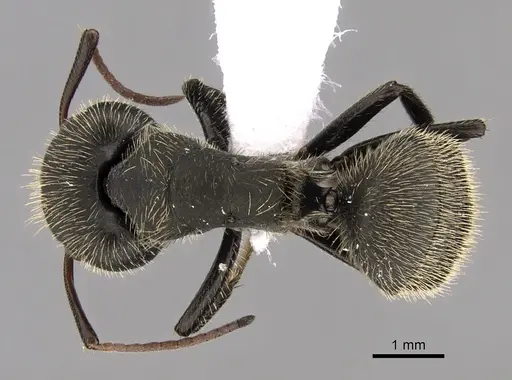
CASENT0280116
View on AntWeb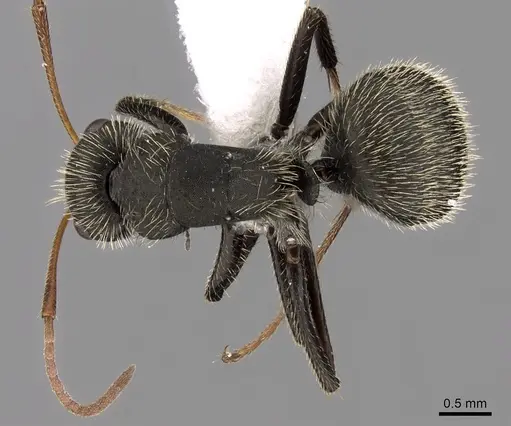
CASENT0409694
View on AntWeb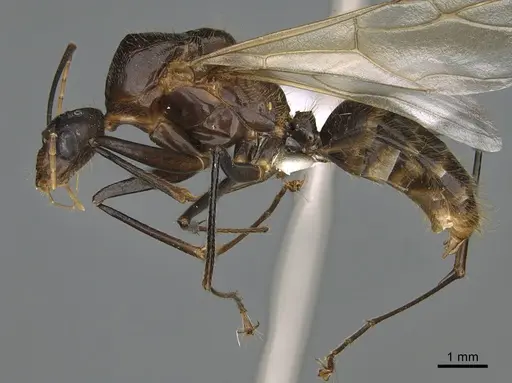
CASENT0409696
View on AntWeb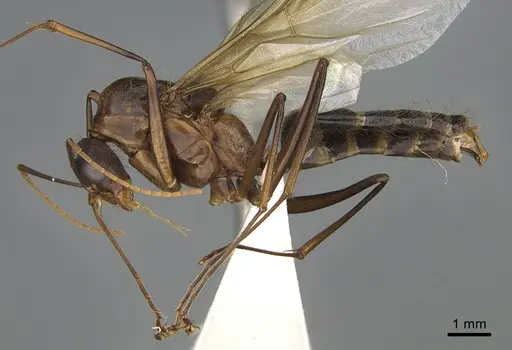
CASENT0409724
View on AntWeb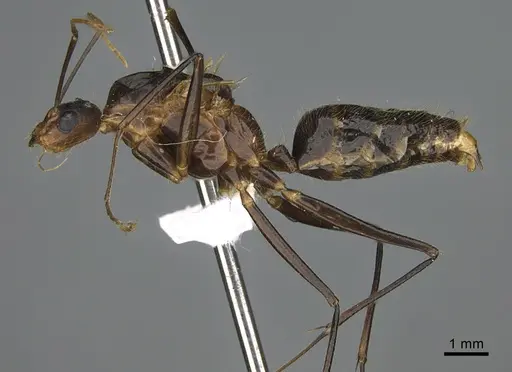
CASENT0414237
View on AntWeb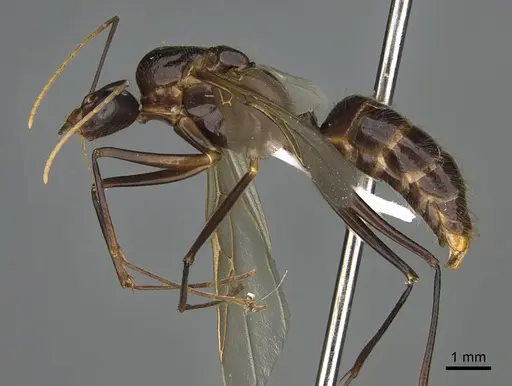
CASENT0414238
View on AntWeb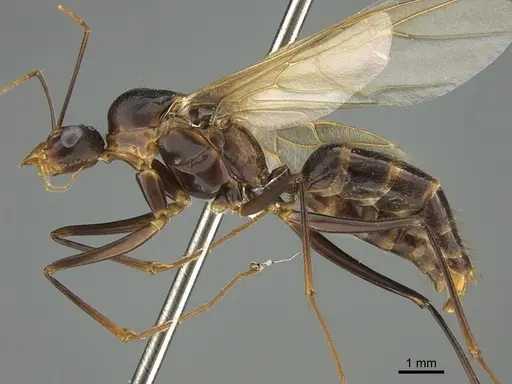
CASENT0476555
View on AntWeb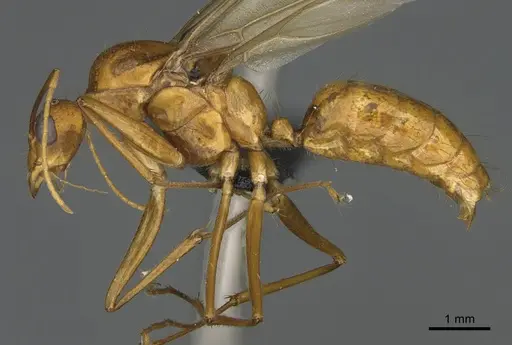
CASENT0476556
View on AntWeb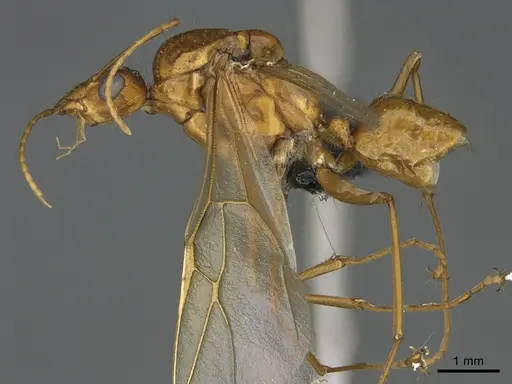
CASENT0476794
View on AntWeb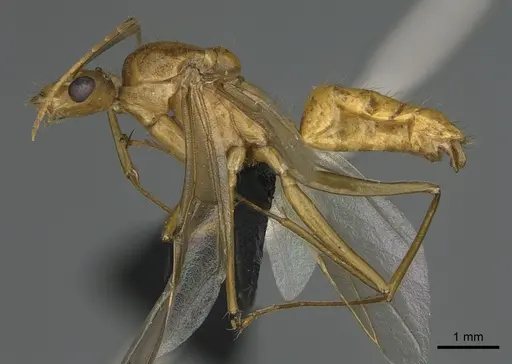
CASENT0476916
View on AntWeb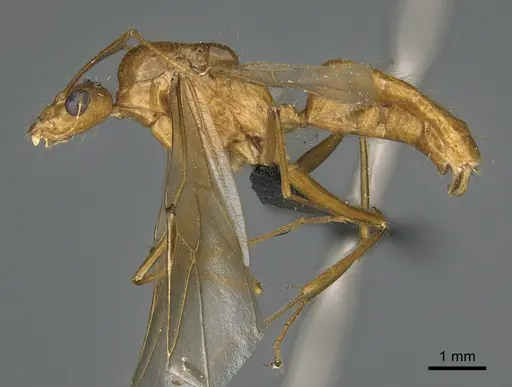
CASENT0477237
View on AntWeb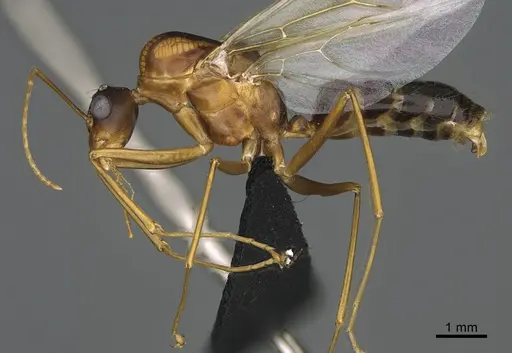
CASENT0492447
View on AntWeb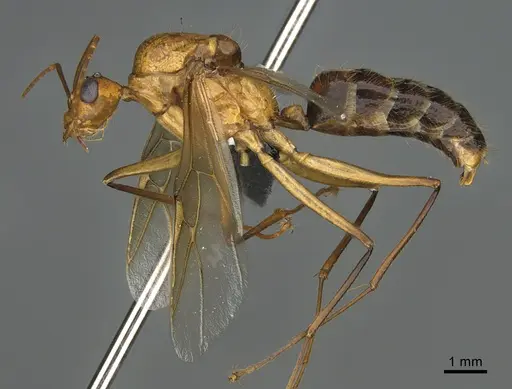
CASENT0905511
View on AntWeb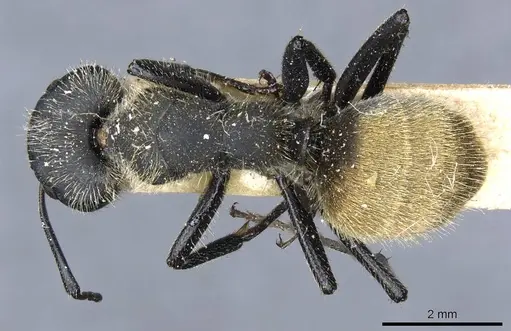
CASENT0911135
View on AntWeb
CASENT0911136
View on AntWeb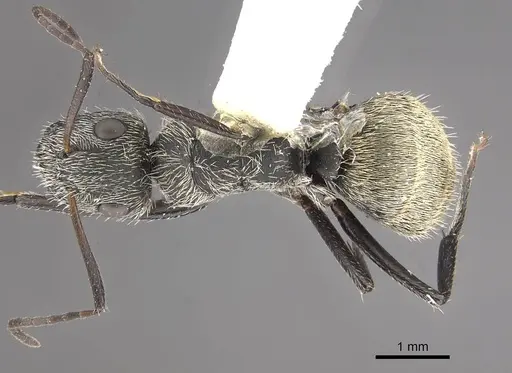
CASENT0911137
View on AntWeb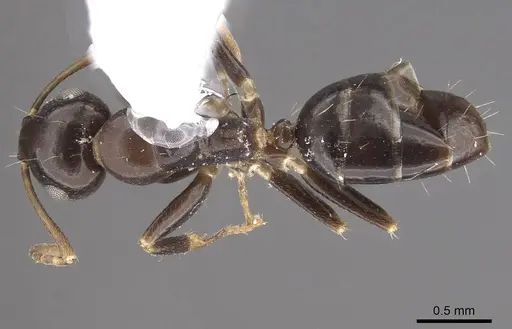
CASENT0911740
View on AntWeb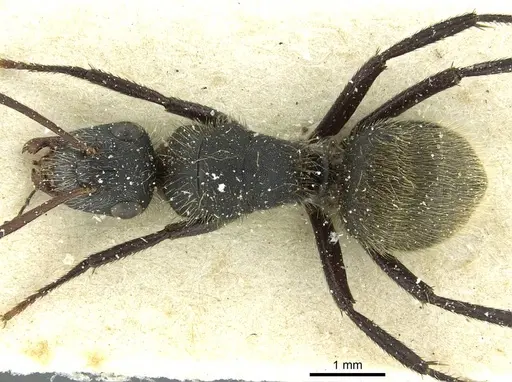
CASENT0911741
View on AntWeb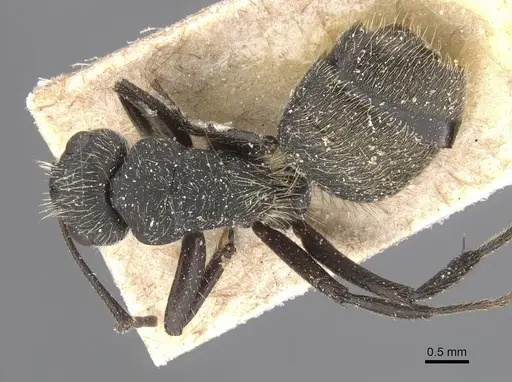
CASENT0914425
View on AntWeb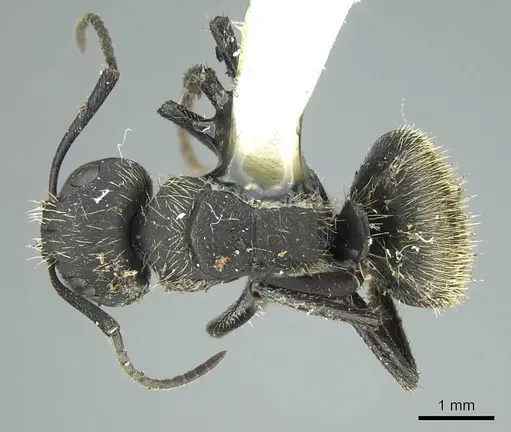
CASENT0915778
View on AntWeb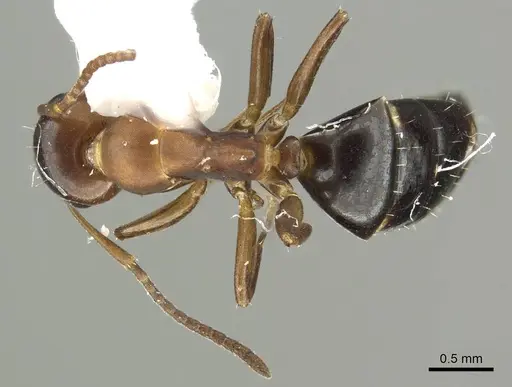
CASENT0915789
View on AntWeb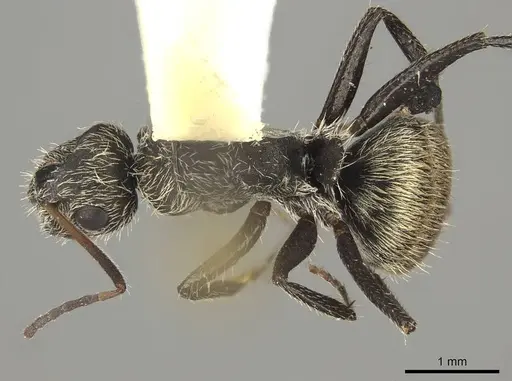
CASENT4032238
View on AntWeb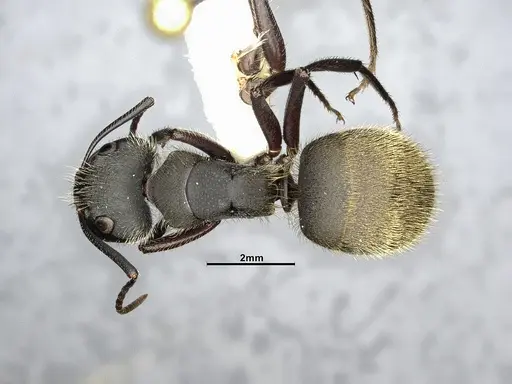
CBUMAGENT41818
View on AntWeb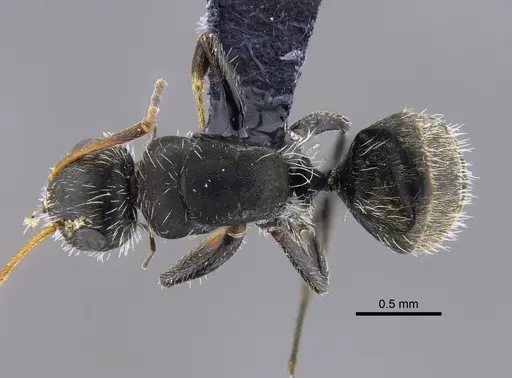
FMNHINS0000062975
View on AntWeb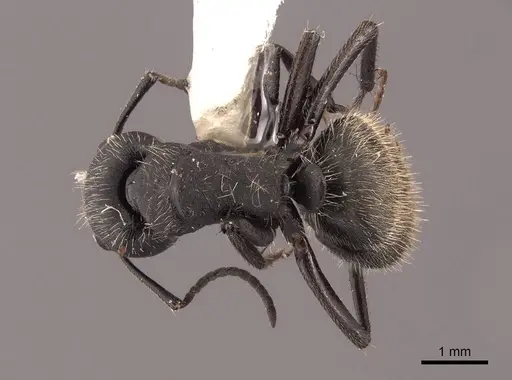
UTEPENTO26089
View on AntWeb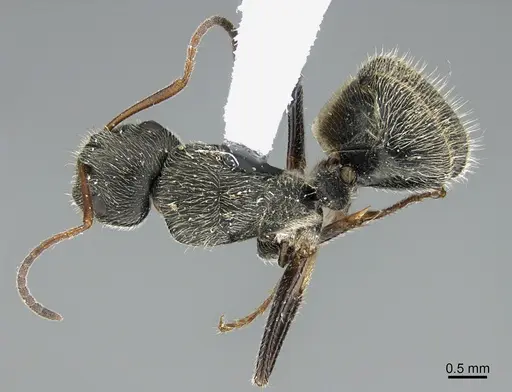
UTEPENTO26090
View on AntWeb