

Camponotus mucronatus
- Scientific Name
- Camponotus mucronatus
- Subgenus
- Myrmocladoecus
- Tribe
- Camponotini
- Subfamily
- Formicinae
- Author
- Emery, 1890
- Distribution
- Found in 6 countries
Camponotus mucronatus Overview
Camponotus mucronatus is an ant species of the genus Camponotus. It is primarily documented in 6 countries , including Costa Rica, Guatemala, Honduras. Detailed taxonomic data and occurrence records can be further explored via authoritative databases such as AntWeb or the Global Biodiversity Information Facility (GBIF).
Camponotus mucronatus
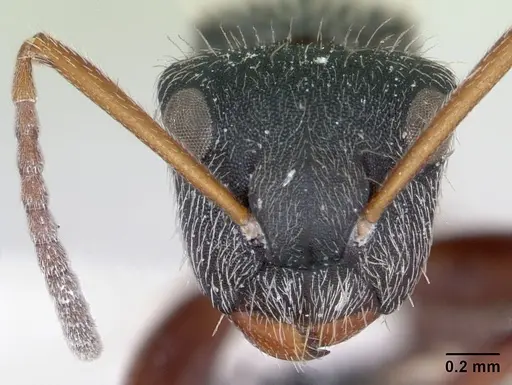
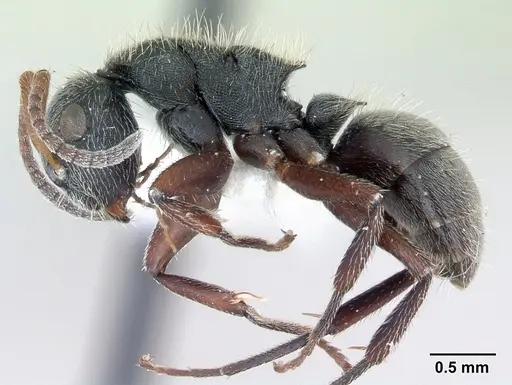
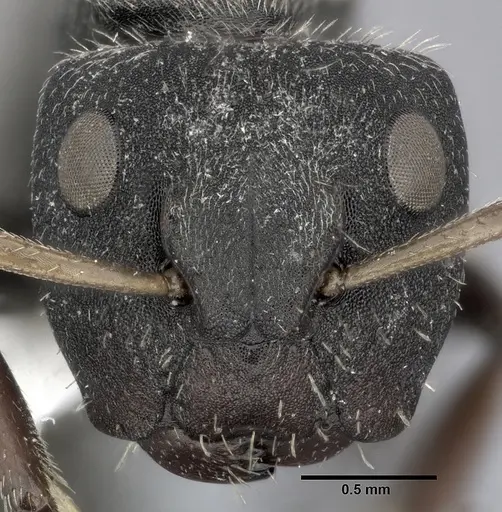
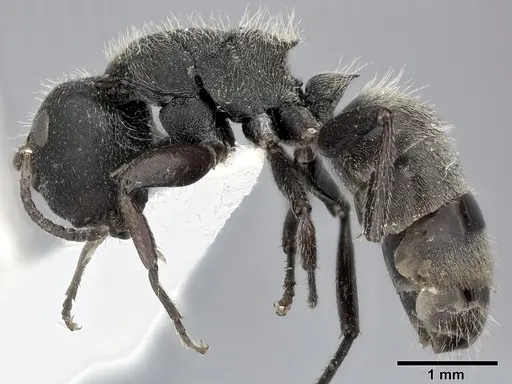
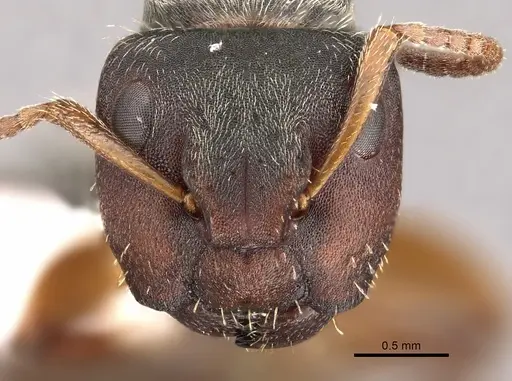
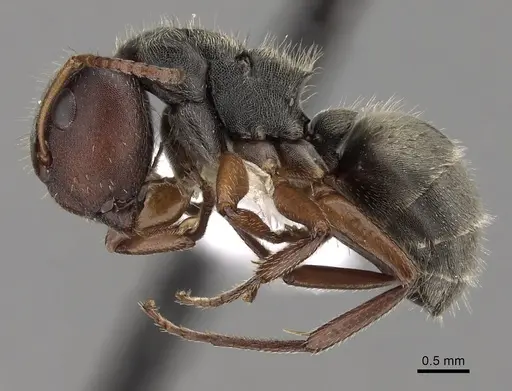
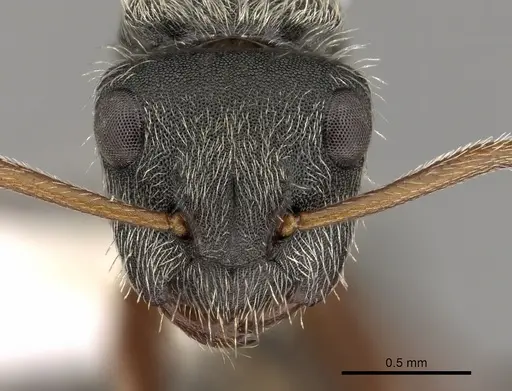
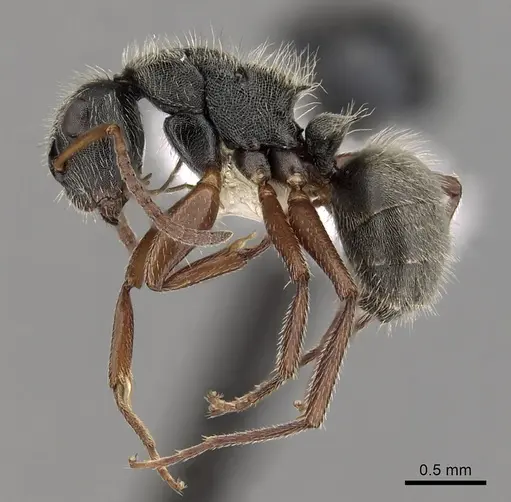
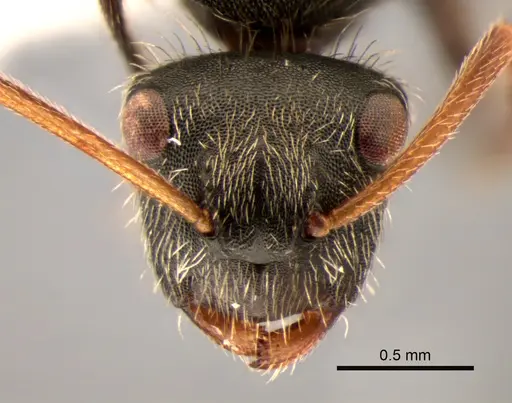
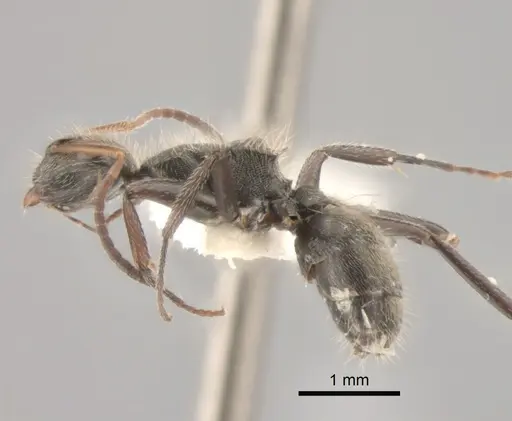
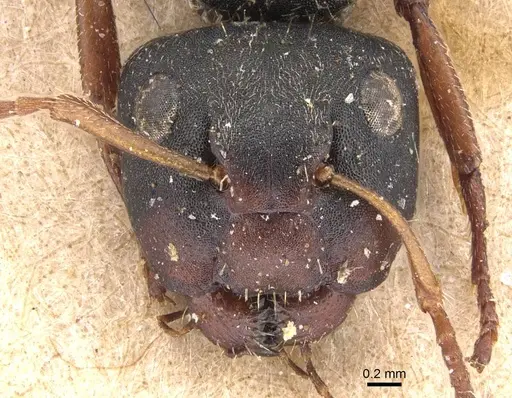
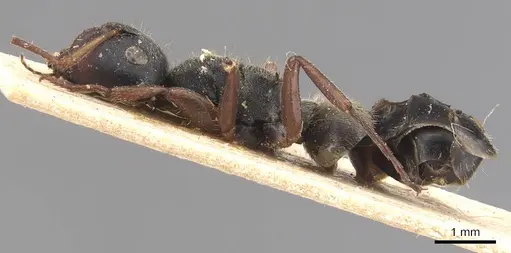
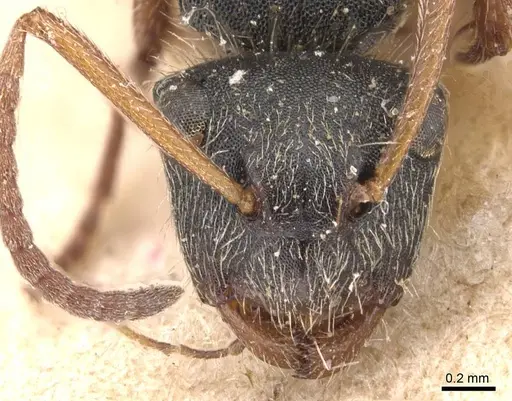
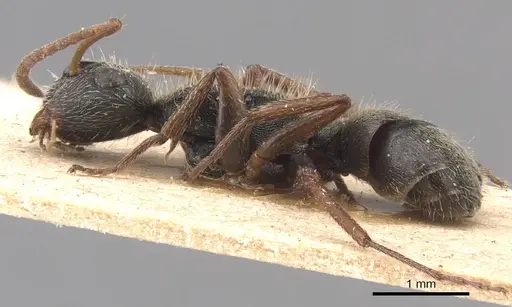
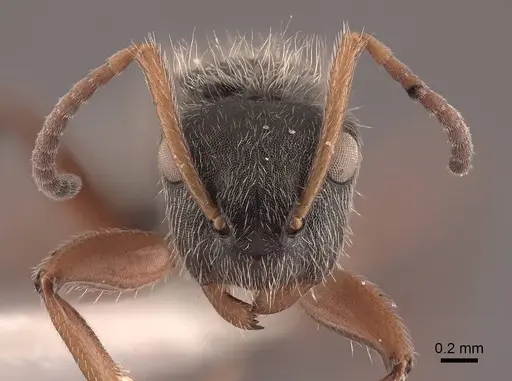
Camponotus mucronatus is a medium-sized arboreal ant found throughout Central America and southern Mexico. Workers are dark brown with lighter-colored mandibles, antennae, and legs. They have distinctive blunt spines on the propodeum and a spine or angle on the petiole. This species nests in hollow twigs and stems in trees, making them true arboreal ants that rarely forage on the ground. Queens are small, measuring about 1.1mm in head width with a wingspan around 12mm, and use a claustral founding strategy where they seal themselves in to raise their first workers [1][2].
Quick Summary
- Difficulty: Medium
- Origin & Habitat: Central America (Costa Rica, Guatemala, Honduras, Panama) and southern Mexico. This is a tropical to subtropical species that lives in arboreal habitats, nesting in hollow twigs and stems in forest canopies and orchards [2][3].
- Colony Type: Likely monogyne (single queen colonies), which is typical for Camponotus species. No documented polygyny or ergatoid replacement systems for this species.
- Colony: Monogyne
- Founding: Claustral
- Size & Growth:
- Queen: Head width 1.1mm, body mass 2.799mg [1]
- Worker: Small, typical for arboreal Camponotus (under 8mm total)
- Colony: Likely moderate, similar arboreal Camponotus colonies typically reach several hundred workers
- Growth: Moderate, typical Camponotus development timeline
- Development: Estimated 6-8 weeks at optimal tropical temperatures (25-28°C), based on typical Camponotus genus patterns (Development is claustral, queen seals herself in and raises first workers alone using stored fat reserves [1])
- Antkeeping:
- Temperature: Keep at 24-28°C. As a tropical species, they need warm conditions year-round. A heating cable on one side of the nest creates a suitable gradient [2].
- Humidity: Moderate to high (60-80%). Being arboreal nesters, they prefer humid conditions but not saturated. Mist occasionally and provide a water tube, but avoid waterlogging the nest.
- Diapause: No, being a tropical species, they do not require hibernation. Keep temperatures stable year-round.
- Nesting: Arboreal specialists, they naturally nest in hollow twigs and stems. In captivity, they do well in Y-tong (AAC) nests, plaster nests with narrow chambers, or test tubes with added twigs/stems for them to explore. Avoid large, open spaces, they prefer tight, enclosed chambers.
- Behavior: Generally calm and non-aggressive for a Camponotus species. They are arboreal omnivores, foraging in trees and shrubs rather than on the ground. Workers are moderately active and will readily explore vertical spaces. They are not known for being particularly defensive, but can bite if threatened. Escape risk is moderate, use standard barriers but they are not extreme escape artists like some tiny species.
- Common Issues: tropical species needs constant warmth, cold drafts can kill colonies, arboreal nesting means they prefer vertical space, horizontal formicaria may be underutilized, wild-caught colonies may arrive with parasites or in poor condition, small queen size means founding colonies are fragile and easily stressed, overfeeding can lead to mold in their dry, arboreal-style nest
Housing and Nest Setup
Camponotus mucronatus is an arboreal species that naturally nests in hollow twigs and stems. In captivity, they do well in Y-tong (acrylic) nests or plaster nests with chambers sized appropriately for their small size. They prefer tight, enclosed spaces rather than large open areas. A test tube setup works well for founding colonies, place the tube in a dark, humid area and allow the queen to seal herself in. Once the colony reaches 15-20 workers, you can transition to a proper formicarium. Because they are arboreal, they appreciate having some vertical space and will often explore upward. Avoid overly wet substrates, these ants prefer drier conditions than ground-nesting species. [2][3]
Feeding and Diet
As arboreal omnivores, these ants accept a varied diet. In the wild, they forage for honeydew from aphids and scale insects, visit extrafloral nectaries, and hunt small insects. In captivity, offer sugar water or honey as a constant energy source. For protein, provide small insects like fruit flies, small crickets, or mealworms. They are not aggressive hunters, so prey should be small and easy to subdue. Feed protein 2-3 times per week, and keep sugar water available at all times. Remove uneaten prey after 24 hours to prevent mold.
Temperature and Seasonal Care
Being a tropical species from Central America, Camponotus mucronatus needs warm conditions year-round. Keep the nest area at 24-28°C (75-82°F). A heating cable placed on one side of the nest creates a gentle temperature gradient that allows ants to regulate their own temperature by moving between warmer and cooler areas. Do not let temperatures drop below 20°C for extended periods, this can weaken or kill the colony. Unlike temperate species, they do not require a winter diapause. Maintain stable temperatures without sudden fluctuations. [2]
Colony Founding
Queens use a claustral founding strategy, meaning they seal themselves in a chamber and raise their first workers entirely on stored body fat reserves without foraging. After mating, the queen finds a suitable hollow twig or cavity, seals the entrance, and lays eggs. The first workers (nanitics) are typically smaller than normal workers and emerge after several weeks. Once the nanitics mature, they take over foraging while the queen continues laying eggs. During founding, the queen needs complete darkness and should not be disturbed. Do not feed the founding queen, she has sufficient energy reserves to complete the process. [1]
Behavior and Temperament
This is a relatively calm Camponotus species. Workers are moderately active and spend time foraging in the upper portions of their enclosure. They are not particularly aggressive and rarely bite, though they may spray formic acid if threatened. Their small size and arboreal lifestyle mean they are not as powerful as larger Camponotus like C. floridanus. They communicate through chemical trails and will recruit nestmates to good food sources. Workers can be observed carrying prey items back to the nest. They are not known for being destructive or particularly escape-prone compared to tiny species. [2]
Frequently Asked Questions
How long does it take for Camponotus mucronatus to raise first workers?
At optimal temperatures (24-28°C), expect first workers (nanitics) in 6-8 weeks. The queen seals herself in and raises the brood alone using stored fat reserves. Be patient, disturbing the founding chamber can cause the queen to abandon or eat her brood.
Can I keep Camponotus mucronatus in a test tube?
Yes, test tubes work well for founding colonies. Place a cotton-plugged water tube alongside the founding chamber to provide humidity. Keep the setup dark and undisturbed. Once the colony reaches 15-20 workers, consider moving them to a proper formicarium with more space.
What temperature do Camponotus mucronatus ants need?
Keep them at 24-28°C (75-82°F). This is a tropical species that needs warmth year-round. Use a heating cable on part of the nest to create a gradient, but avoid overheating. Room temperature in heated homes is often suitable.
What do Camponotus mucronatus eat?
They are omnivores. Offer sugar water or honey constantly for energy, and protein sources like small insects (fruit flies, pinhead crickets, small mealworms) 2-3 times per week. They also visit extrafloral nectaries in the wild, so they may accept sweet liquids readily.
Are Camponotus mucronatus good for beginners?
They are moderate difficulty. They are more forgiving than some tropical species but require consistent warmth year-round. They are calmer than many Camponotus, making them pleasant to watch. However, their arboreal nature means their setup differs from typical ground-nesting ants.
How big do Camponotus mucronatus colonies get?
Likely several hundred workers at maturity. As an arboreal species, they typically don't reach the massive colony sizes of ground-nesting Camponotus. Expect moderate growth over 1-2 years to reach a established colony.
Do Camponotus mucronatus need hibernation?
No. Being a tropical species from Central America, they do not require winter diapause. Keep temperatures stable year-round in the 24-28°C range. Cold temperatures can weaken or kill the colony.
When should I move my colony to a formicarium?
Move from test tube to formicarium once the colony reaches 15-30 workers. Arboreal ants appreciate vertical space and tight chambers. Y-tong nests or plaster nests work well. Avoid moving too early, founding colonies are fragile.
Why is my Camponotus mucronatus colony dying?
Common causes include: temperatures below 20°C, excessive humidity causing mold, disturbance during founding, or poor initial colony health. Ensure warm, stable conditions and minimal disturbance during the founding phase. Wild-caught colonies may arrive with parasites.
References

This caresheet is licensed under CC BY-SA 4.0 .
CASENT0173560
View on AntWeb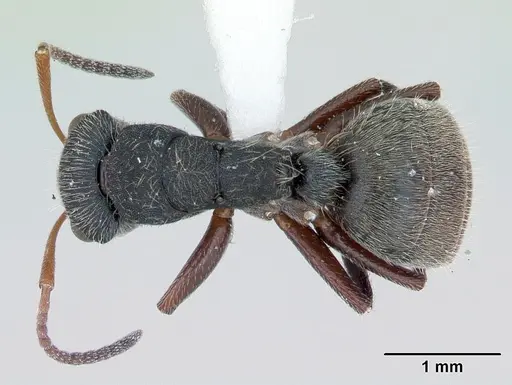
CASENT0246659
View on AntWeb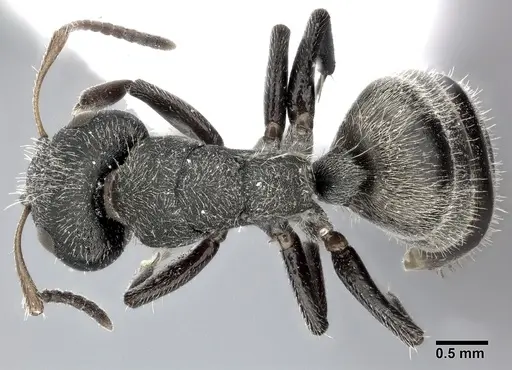
CASENT0280144
View on AntWeb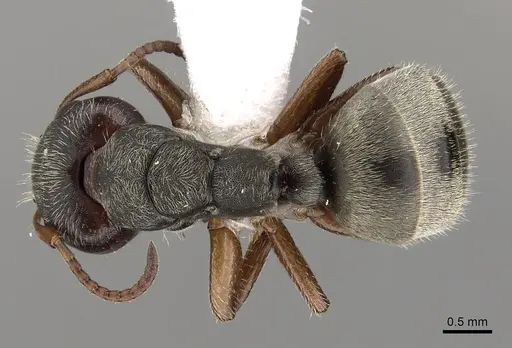
CASENT0280145
View on AntWeb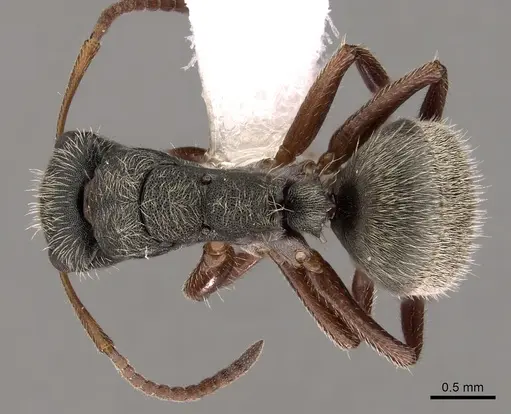
CASENT0843568
View on AntWeb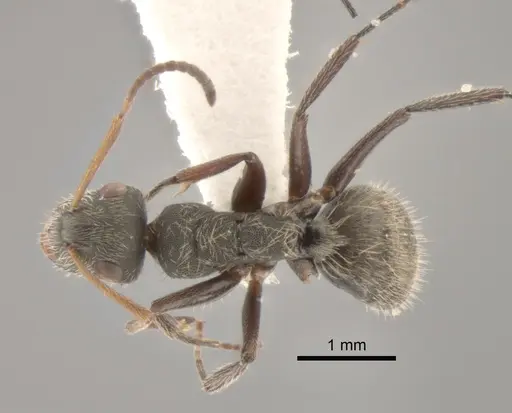
CASENT0905529
View on AntWeb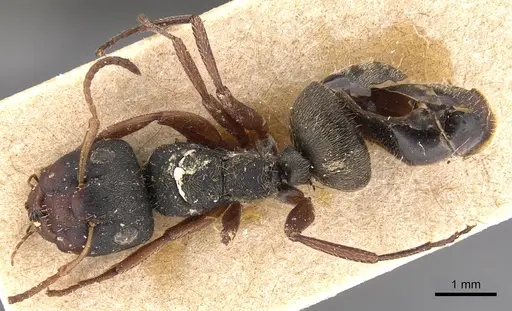
CASENT0905530
View on AntWeb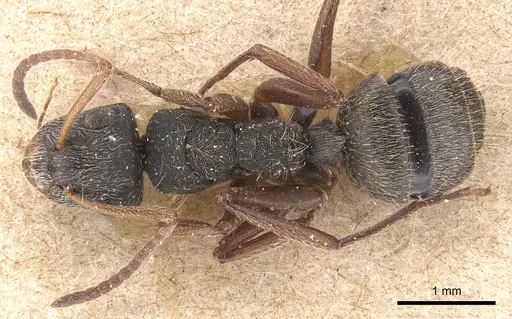
CASENT0923543
View on AntWeb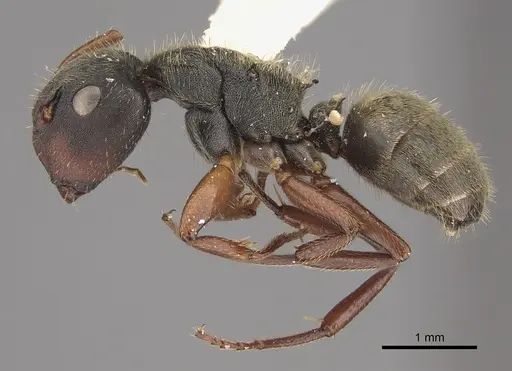
FMNHINS0000045819
View on AntWeb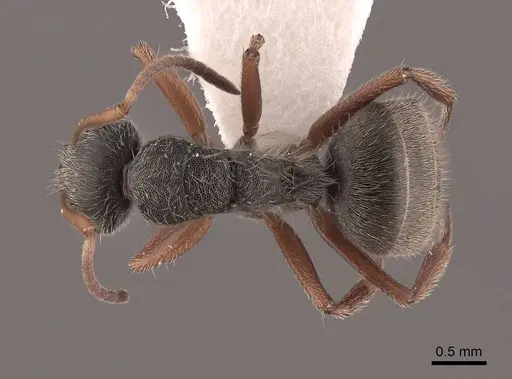
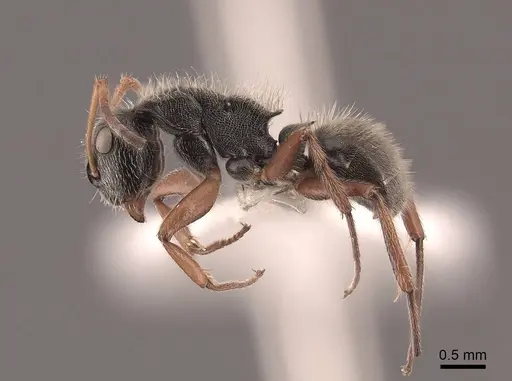
INBIOCRI002281066
View on AntWeb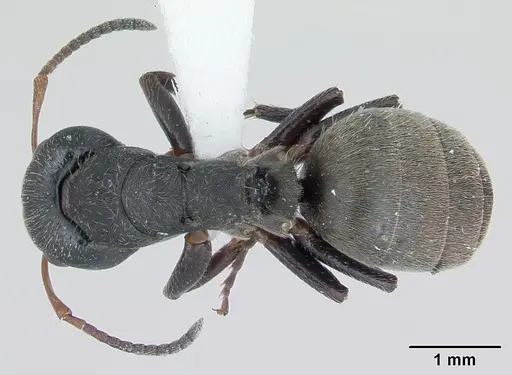
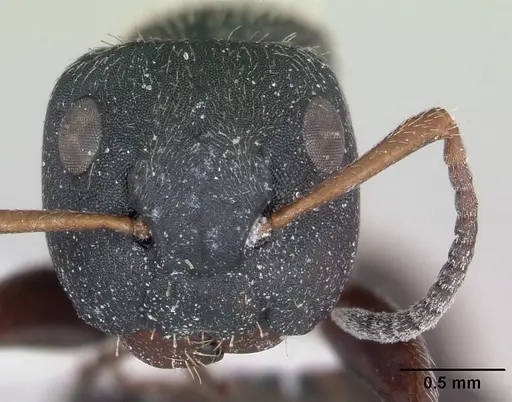
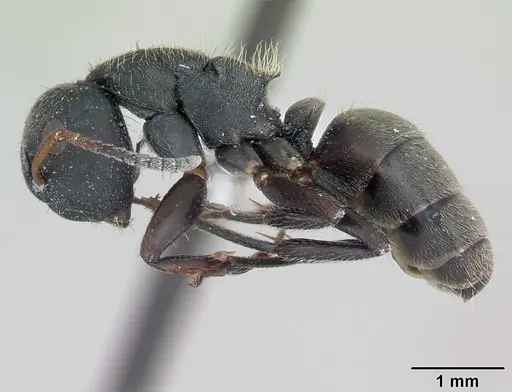
Literature
Loading...Loading products...