

Camponotus mocsaryi
- Scientific Name
- Camponotus mocsaryi
- Subgenus
- Myrmoplatypus
- Tribe
- Camponotini
- Subfamily
- Formicinae
- Author
- Forel, 1902
- Distribution
- Found in 3 countries
Camponotus mocsaryi Overview
Camponotus mocsaryi is an ant species of the genus Camponotus. It is primarily documented in 3 countries , including Colombia, Ecuador, French Guiana. Detailed taxonomic data and occurrence records can be further explored via authoritative databases such as AntWeb or the Global Biodiversity Information Facility (GBIF).
Camponotus mocsaryi
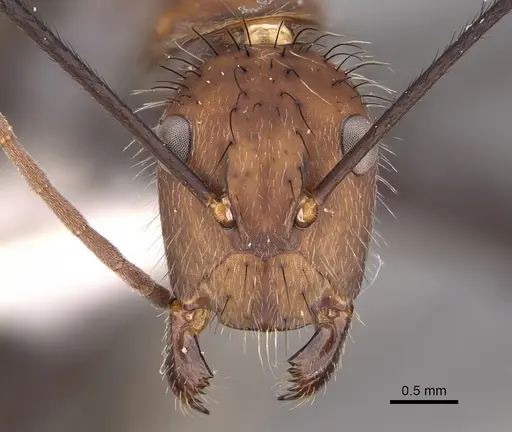
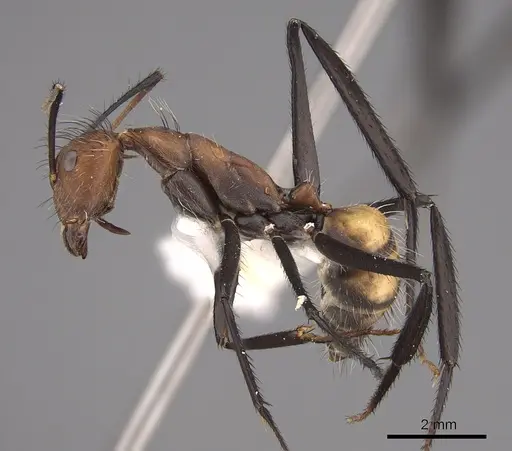
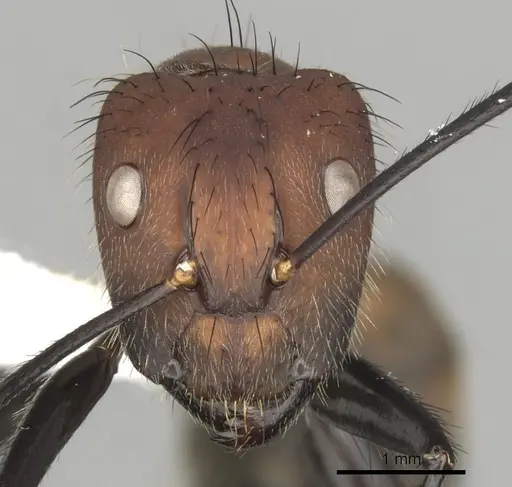
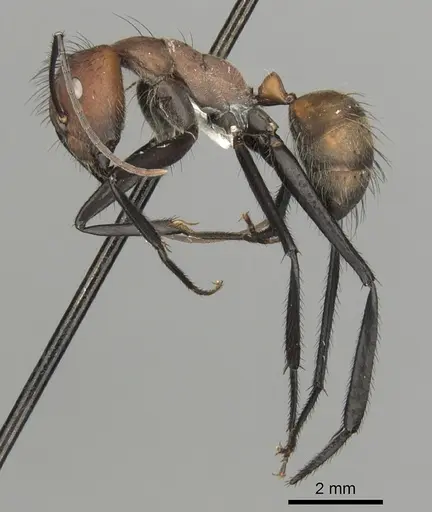
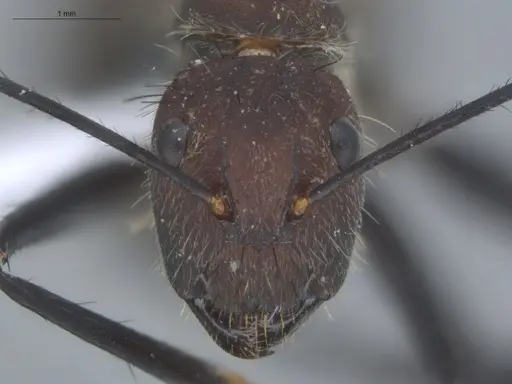
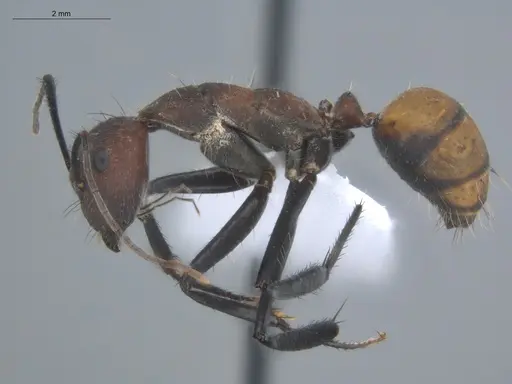
Camponotus mocsaryi is a large Neotropical carpenter ant species found across northern South America, from Brazil and Colombia to Peru and French Guiana [1]. Minor workers reach approximately 10mm in length with a distinctive golden brown to dark reddish-brown coloration. Their most notable feature is the series of dark transverse bands across each gaster segment, set against an otherwise dark orange abdomen. The posterior tibia is notably flattened, and the body has a mix of standing and appressed hairs. These ants are arboreal, with workers typically collected from trees in their rainforest habitats. They are not commonly encountered and remain poorly studied in the scientific literature [1].
Quick Summary
- Difficulty: Medium
- Origin & Habitat: Neotropical rainforests of South America, Brazil, Colombia, Ecuador, French Guiana, Guyana, and Peru. Workers are found on trees in tropical forest environments [1][2].
- Colony Type: Colony structure is unconfirmed. Based on typical Camponotus patterns, likely single-queen (monogyne) colonies, though this has not been directly documented.
- Colony: Monogyne
- Founding: Claustral
- Size & Growth:
- Queen: Unconfirmed, likely 12-15mm based on genus patterns for large Camponotus species
- Worker: Approximately 10mm for minor workers [1]
- Colony: Unknown, likely several hundred to a few thousand workers based on typical Camponotus colony development
- Growth: Moderate, based on typical Camponotus development patterns
- Development: Estimated 6-10 weeks based on typical Camponotus genus development at optimal tropical temperatures (Direct development data unavailable. Tropical species typically develop faster than temperate species.)
- Antkeeping:
- Temperature: Keep at 24-28°C. As a tropical species, they require warm conditions year-round. A heating cable on one side of the nest creates a suitable gradient.
- Humidity: Moderate to high humidity (60-80%). As arboreal rainforest ants, they benefit from moisture but should have some drier areas in the nest for choice. Mist occasionally and provide a water tube.
- Diapause: Unlikely, tropical species from regions with minimal seasonal temperature variation. No documented diapause requirement.
- Nesting: Arboreal nesting suggests they may prefer elevated or naturalistic setups. Y-tong (AAC) nests or plaster nests work well. Provide narrow chambers scaled to their 10mm worker size. They may benefit from vertical space and climbing structures.
- Behavior: Generally calm and non-aggressive for a large carpenter ant. Workers are slower-moving compared to smaller ant species. They are arboreal foragers, often found on tree trunks where they search for honeydew and small prey. Escape risk is moderate, their large size makes them visible but they can still squeeze through small gaps. Use standard escape prevention with fluon barriers.
- Common Issues: limited biological data means care recommendations are largely inferred from genus patterns, observe your colony and adjust, tropical warmth requirements year-round, room temperature may be insufficient without heating in cooler climates, arboreal nature suggests they may be stressed in purely horizontal test tube setups, consider vertical or naturalistic options, slow colony growth compared to smaller species requires patience, wild-caught colonies may have parasites or disease that can cause colony failure
Nest Preferences
Camponotus mocsaryi is an arboreal species, meaning in the wild they nest in elevated locations such as tree hollows, under bark, or in dead wood on trees. In captivity, they adapt well to various nest types. Y-tong (AAC) nests work excellently, the chambers should be narrow and scaled to their 10mm worker size. Plaster nests also work well, providing good humidity control. Because they are arboreal, they may benefit from having some vertical orientation in their setup, and many keepers successfullly keep them in naturalistic setups with climbing branches. The key is providing a dark, secure nesting area with appropriately sized chambers, too large and they may not feel secure, too small and they will outgrow it quickly. [1]
Feeding and Diet
Like other Camponotus species, C. mocsaryi is omnivorous with a preference for sugar sources. In captivity, offer sugar water (1:1 ratio) or honey water regularly, this should be available at all times. For protein, provide insects such as mealworms, crickets, or other small arthropods. Given their tropical origin and arboreal foraging, they may also benefit from occasional offerings of honeydew or nectar substitutes. Feed protein 2-3 times per week, adjusting based on colony size. Remove uneaten prey after 24-48 hours to prevent mold. Large carpenter ants like this species can tackle bigger prey items than tiny ants, but start with appropriately sized insects.
Temperature and Care
As a tropical species from the Amazon basin and surrounding regions, Camponotus mocsaryi requires warm conditions. Keep the nest area at 24-28°C consistently. Temperature below 22°C can slow development and potentially stress the colony. Use a heating cable or heating mat on one side of the nest to create a gentle gradient, allowing workers to self-regulate by moving between warmer and cooler areas. Place the heating element on top of the nest to avoid drying out the substrate. Room temperature alone is often insufficient in cooler climates, monitor with a thermometer. Unlike temperate species, they do not require a winter diapause period.
Behavior and Temperament
Camponotus mocsaryi has a calm temperament typical of larger carpenter ants. They are not particularly aggressive and generally move at a slower pace than smaller ant species. Workers are arboreal foragers, often traveling along tree trunks in search of honeydew and small invertebrates. In captivity, they will explore their outworld and can become quite tame with regular interaction. Their large size makes them easy to observe. They have the typical Camponotus ability to excavate wood or soft substrates if given the opportunity, though they are not destructive like some pest species. Standard escape prevention measures should still be used, while large, they can squeeze through surprisingly small gaps.
Frequently Asked Questions
How long does it take for Camponotus mocsaryi to produce first workers?
Based on typical Camponotus development, expect first workers (nanitics) in approximately 6-10 weeks after the queen lays eggs, assuming optimal temperature around 26°C. Development may be slower if temperatures are lower.
What do Camponotus mocsaryi ants eat?
They are omnivorous with a strong preference for sugar. Offer sugar water or honey water constantly. For protein, feed insects like mealworms, crickets, or other small arthropods 2-3 times per week.
Do Camponotus mocsaryi ants need hibernation?
No. As a tropical species from the Amazon region, they do not require a winter rest period. Keep them warm year-round at 24-28°C.
Are Camponotus mocsaryi good for beginners?
They are moderate difficulty. While larger ants are generally more forgiving than tiny species, this species has limited documented care information. Beginners should have some antkeeping experience before attempting this species.
How big do Camponotus mocsaryi colonies get?
Colony size is not documented, but based on typical Camponotus patterns, colonies likely reach several hundred to a few thousand workers over several years.
Can I keep multiple Camponotus mocsaryi queens together?
This has not been documented for this species. Based on typical Camponotus behavior, single-queen colonies are most common. Combining unrelated queens is not recommended.
What temperature is best for Camponotus mocsaryi?
Keep them at 24-28°C consistently. Use a heating cable on one side of the nest to create a gradient. Avoid temperatures below 22°C.
Where is Camponotus mocsaryi found in the wild?
They inhabit Neotropical rainforests across northern South America: Brazil, Colombia, Ecuador, French Guiana, Guyana, and Peru. Workers are typically found on trees.
References

This caresheet is licensed under CC BY-SA 4.0 .
CASENT0217677
View on AntWeb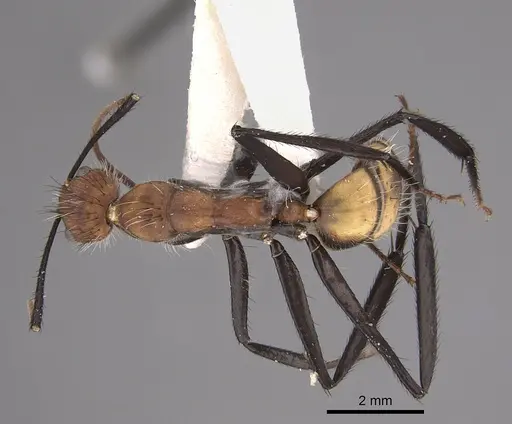
CASENT0280164
View on AntWeb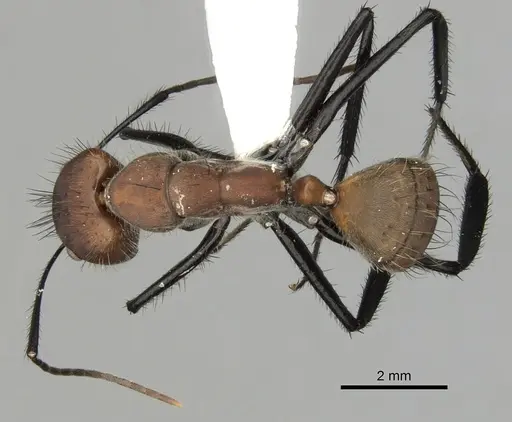
CASENT0862956
View on AntWeb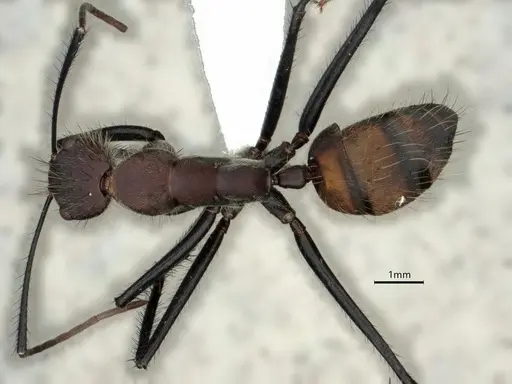
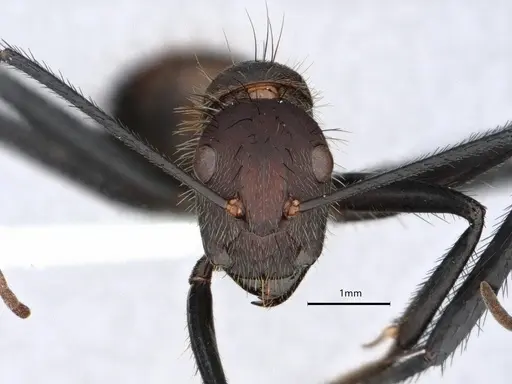
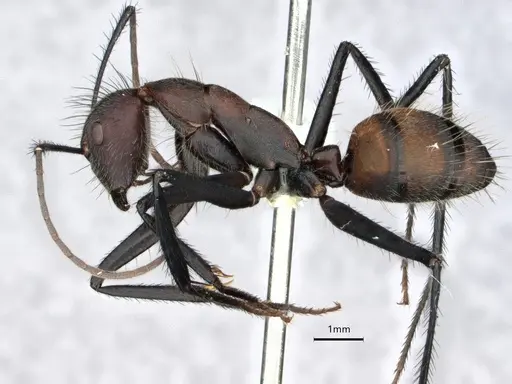
CASENT0916630
View on AntWeb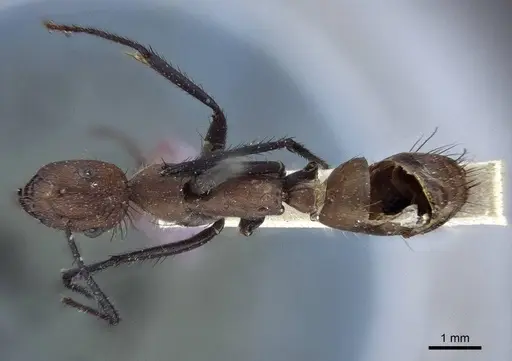
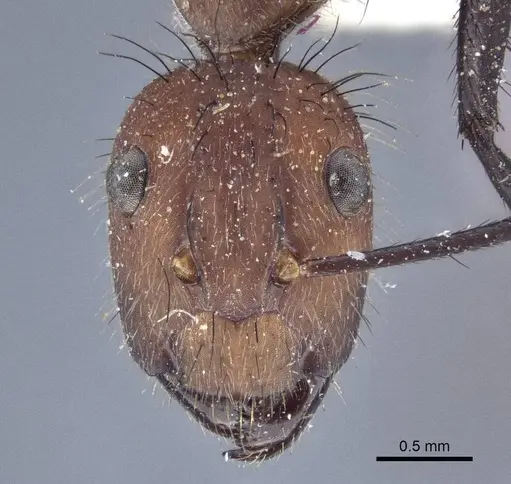
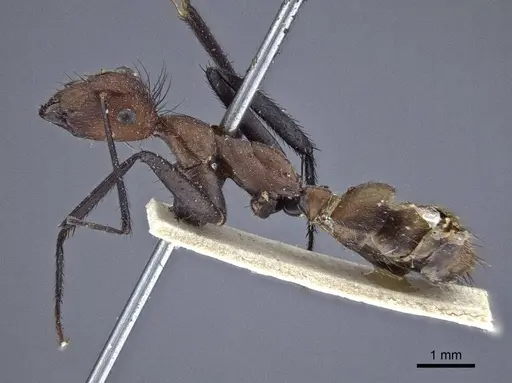
ECOFOG-TR17-0260-02
View on AntWeb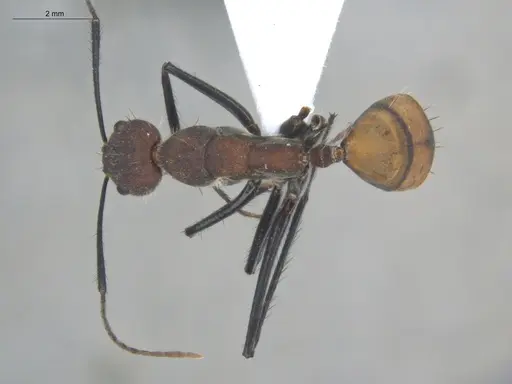
Literature
Loading...Loading products...