

Camponotus mocquerysi
- Scientific Name
- Camponotus mocquerysi
- Subgenus
- Myrmonesites
- Tribe
- Camponotini
- Subfamily
- Formicinae
- Author
- Emery, 1899
- Distribution
- Found in 1 countries
Camponotus mocquerysi Overview
Camponotus mocquerysi is an ant species of the genus Camponotus. It is primarily documented in 1 countries , including Madagascar. Detailed taxonomic data and occurrence records can be further explored via authoritative databases such as AntWeb or the Global Biodiversity Information Facility (GBIF).
Camponotus mocquerysi
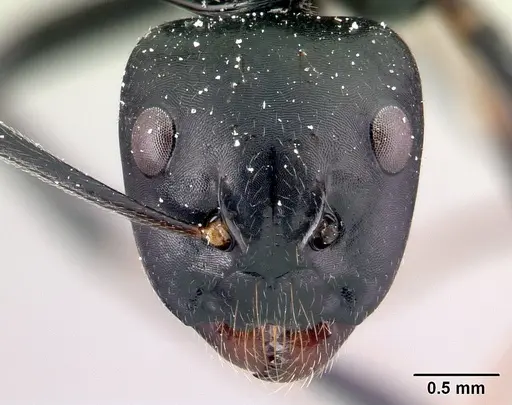
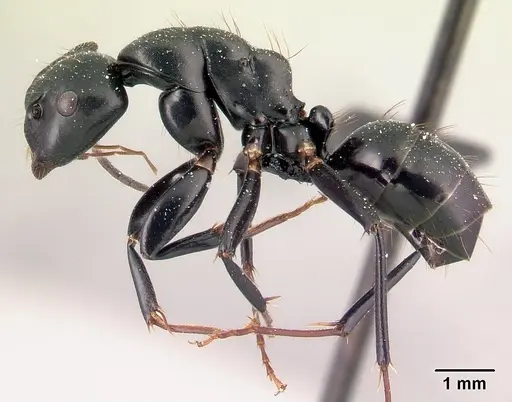
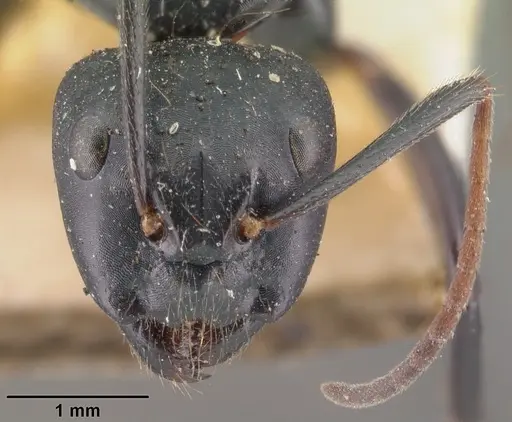
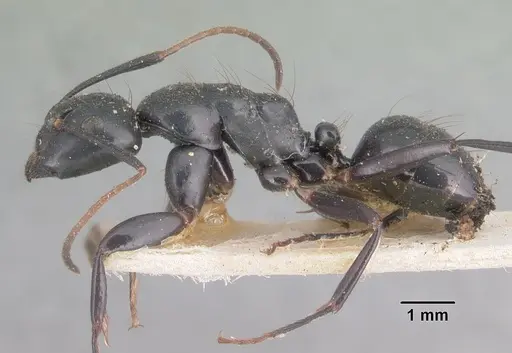
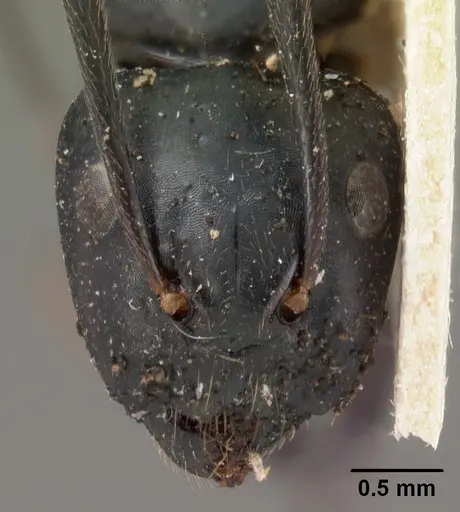
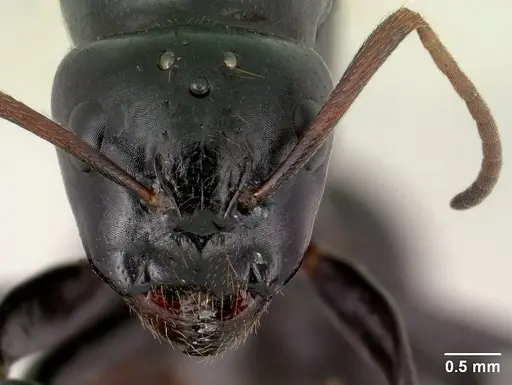
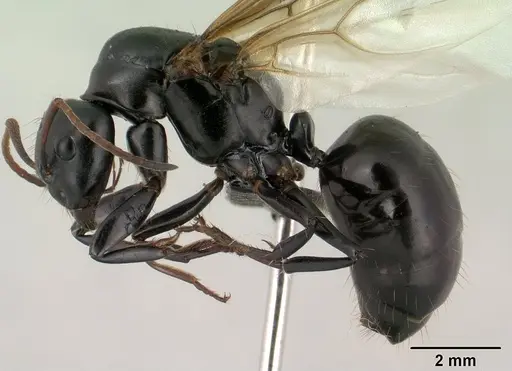
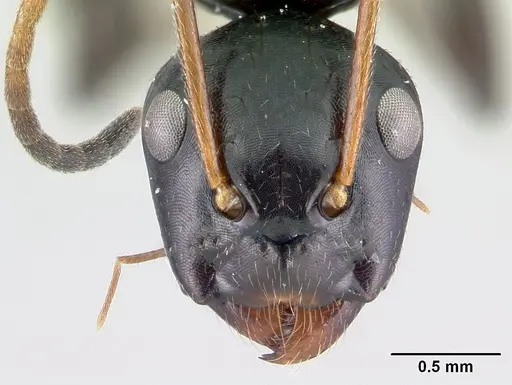
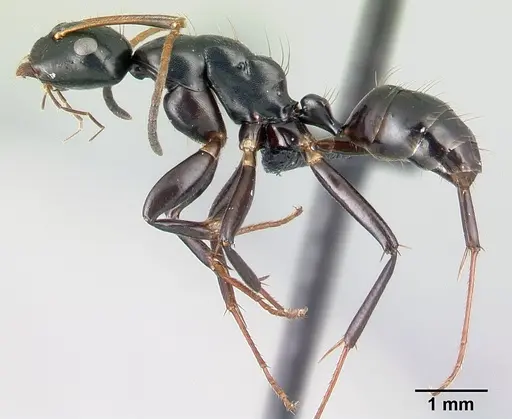
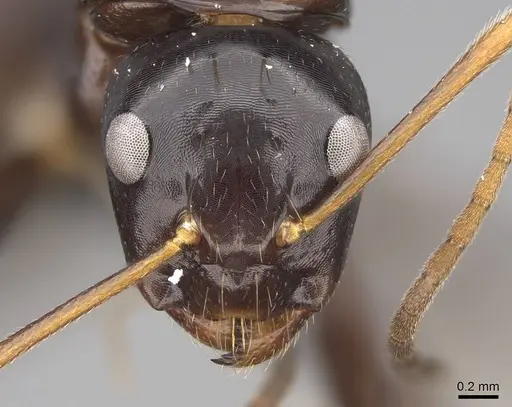
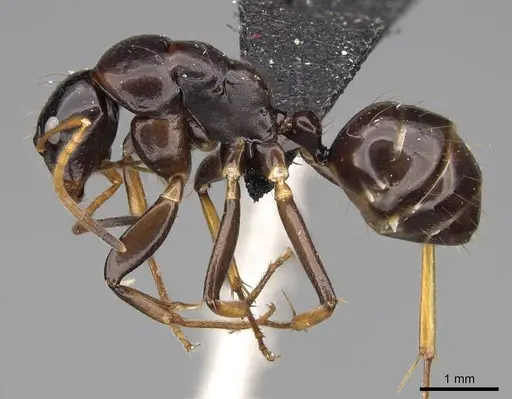
Camponotus mocquerysi is a medium-sized carpenter ant endemic to Madagascar. Workers measure around 6-9mm, with the typical Camponotus body plan featuring a distinct metanotum and a rounded abdomen. The species was described by Emery in 1899 and belongs to the subgenus Myrmonesites. These ants are found exclusively in the Masoala Peninsula region of northeastern Madagascar, where they inhabit humid, lowland forest areas at around 25 meters elevation [1][2]. The species shows flexibility in nesting habits, being both arboreal and terricolous, meaning they can nest in trees as well as on the ground [3]. This dual nesting preference is relatively unusual among Camponotus species and suggests good adaptability to different nest sites in captivity.
Quick Summary
- Difficulty: Medium
- Origin & Habitat: Northeastern Madagascar, specifically the Masoala Peninsula region near Antongil Bay. They inhabit humid, lowland forest areas at approximately 25 meters elevation [1][2]. The habitat data indicates they prefer dark, humid conditions and are found in both arboreal and ground-level microhabitats [3].
- Colony Type: Colony structure is unconfirmed. Based on typical Camponotus patterns, likely single-queen colonies (monogyne), though polygyny cannot be ruled out without specific study.
- Colony: Monogyne
- Founding: Claustral
- Size & Growth:
- Queen: Estimated 12-16mm based on genus patterns, no direct species measurements available
- Worker: Estimated 6-9mm based on genus patterns, WL measurement of 2.86 from specimens [3]
- Colony: Unknown for this species, but typical Camponotus colonies reach several thousand workers
- Growth: Moderate, typical for Camponotus genus, estimate 6-10 weeks from egg to first worker at optimal temperature
- Development: Estimated 6-10 weeks based on typical Camponotus development (Development time is estimated from related species, direct observations for this specific species are not available)
- Antkeeping:
- Temperature: Keep at 24-28°C. Being from tropical Madagascar, they prefer warm conditions. A heating cable on one side of the nest creates a suitable gradient. Avoid temperatures below 20°C for extended periods.
- Humidity: High humidity is essential, the habitat data strongly indicates they prefer humid, dark environments [3]. Keep the nest substrate consistently moist but not waterlogged. Provide a water tube for drinking access.
- Diapause: No, being a tropical Madagascar species, they do not require true hibernation. However, a slight reduction in temperature during the cooler months (down to around 20-22°C) may simulate seasonal variation and encourage natural colony cycles.
- Nesting: Both arboreal and terricolous in the wild [3], so they accept various nest types. A Y-tong (AAC) nest or plaster formicarium works well. The nest should have chambers scaled to their size with good humidity retention. Given their humidity requirements, avoid nests that dry out quickly.
- Behavior: Typical Camponotus temperament, generally calm and not aggressive unless their nest is threatened. Workers are moderately active and forage for honeydew and small insects. They have the typical carpenter ant ability to adapt to various nest sites. Escape risk is moderate, use standard barriers but no special escape prevention beyond what you'd use for any Camponotus species.
- Common Issues: humidity control is critical, they come from humid Madagascar forests and may struggle in dry conditions, temperature drops below 20°C can slow or stop brood development, wild-caught colonies from Madagascar may carry parasites or diseases unfamiliar to captive antkeepers, slow initial colony growth can frustrate beginners, claustral founding takes time
Origin and Natural Habitat
Camponotus mocquerysi is a Madagascar endemic, found only in the northeastern part of the island around the Masoala Peninsula. The type locality is near Antongil Bay, where the original specimens were collected in 1897-98 by A. Mocquerys (the species is named after this collector). They have been collected at low elevation (around 25 meters) in humid, lowland forest areas [1][2]. The habitat data from specimen analysis shows they prefer dark, humid conditions and are morphologically adapted to both arboreal and ground-level nesting [3]. This combination of preferences is somewhat unusual, most ants tend to specialize in one nesting location. The Masoala Peninsula is one of the wettest parts of Madagascar, receiving heavy rainfall throughout the year, which explains the species' strong humidity requirements.
Temperature and Heating
As a tropical species from Madagascar, Camponotus mocquerysi requires warm temperatures for optimal colony development. Keep the nest area between 24-28°C. Below 20°C, brood development will slow significantly, and prolonged cold exposure can be harmful. Use a heating cable or heating mat on one side of the nest to create a temperature gradient, allowing workers to regulate their exposure to warmth. Place the heating element on top of the nest rather than underneath to avoid drying out the substrate through excessive evaporation. Room temperature may be suitable if your home stays consistently in the low-to-mid 20s°C, but monitor colony behavior, if workers cluster constantly near the heat source, increase temperature slightly. Unlike temperate species, they do not need hibernation, though a slight seasonal temperature fluctuation (dropping to around 20-22°C in winter months) may be beneficial for natural colony cycles.
Humidity Requirements
Humidity is perhaps the most critical factor for keeping this species successfully. The habitat data clearly indicates they originate from humid, dark forest environments in Madagascar [3]. Keep the nest substrate consistently moist, it should feel damp to the touch but not have standing water. A test tube water reservoir works well for maintaining humidity. Monitor condensation on the nest walls, heavy condensation that doesn't dissipate indicates adequate humidity, while rapid drying means you need to add moisture more frequently. Provide a separate water tube for drinking access, as ants will drown in water reservoirs if they cannot escape. Avoid placing the nest near heating elements or in direct sunlight, as both will cause rapid drying. Some keepers find success with a moist cotton ball in the outworld as a hydration station.
Feeding and Diet
Like most Camponotus species, Camponotus mocquerysi is omnivorous and will accept a variety of foods. Their diet in nature consists of honeydew from aphids and scale insects, plus small insects and other protein sources. In captivity, offer sugar water or honey as a constant energy source. For protein, provide small insects such as fruit flies, small crickets, or mealworms. Feed protein 2-3 times per week, removing any uneaten prey after 24 hours. Unlike some specialized predators, they are not difficult feeders. Observe your colony's preferences, some colonies favor protein while others consume more sugar. Fresh fruit slices can also be offered occasionally. Always ensure clean water is available.
Nesting Preferences
This species shows flexibility in nesting habits, being both arboreal and terricolous in the wild [3]. This means they adapt well to various captive nest setups. A Y-tong (AAC) nest works excellently, the acrylic chambers retain humidity well and allow you to monitor colony progress. Plaster or soil nests are also suitable options. The key requirement is that the nest must maintain high humidity without mold problems. Ensure chambers are appropriately sized, too large and the colony may feel exposed, too small and they will outgrow it quickly. Given their moderate size, standard Camponotus chamber dimensions work well. Provide some darkness or covered areas in the outworld, as they prefer dim conditions [3].
Colony Development
Colony founding is claustral, the queen seals herself in a chamber and raises the first brood alone, living off her stored fat reserves. This means you do not need to feed the founding queen. First workers (nanitics) will typically emerge smaller than mature workers and may take 6-10 weeks at optimal temperature, though this is estimated based on typical Camponotus patterns since specific development data is not available for this species. After the first workers arrive, the colony enters a growth phase. Growth rate is moderate, not the fastest (that would be species like Tapinoma) but faster than some slow-growing Camponotus. Expect the colony to reach several hundred workers within a year or two under good conditions. The key to healthy development is maintaining warm, humid conditions consistently, fluctuations stress the colony and can slow growth.
Frequently Asked Questions
How long does it take for Camponotus mocquerysi to raise first workers?
At optimal temperature (24-28°C), expect first workers (nanitics) in approximately 6-10 weeks. This is estimated based on typical Camponotus development patterns since specific timing for this species hasn't been documented. The queen will remain sealed in her chamber until the first workers emerge.
What temperature do Camponotus mocquerysi ants need?
Keep them at 24-28°C. This tropical Madagascar species requires warm conditions, temperatures below 20°C will slow or stop brood development. A heating cable on one side of the nest creates a suitable gradient.
Do Camponotus mocquerysi ants need hibernation?
No, they do not require true hibernation. Being a tropical species from Madagascar, they are active year-round. You can provide a slight temperature reduction in winter (down to around 20-22°C) to simulate natural seasonal variation, but this is optional rather than required.
What humidity level do Camponotus mocquerysi ants need?
High humidity is essential, keep the nest substrate consistently moist but not waterlogged. They originate from humid Madagascar forests and will struggle in dry conditions. The substrate should feel damp to the touch.
Are Camponotus mocquerysi good for beginners?
They are rated as Medium difficulty. The main challenges are their humidity requirements (which are higher than many beginner species) and their slower growth compared to faster-raising ants. If you can maintain warm, humid conditions consistently, they are manageable for intermediate antkeepers.
What do Camponotus mocquerysi ants eat?
They are omnivorous. Offer sugar water or honey as a constant energy source, plus small insects (fruit flies, small crickets, mealworms) for protein 2-3 times per week. They will also collect honeydew from aphids if available.
How big do Camponotus mocquerysi colonies get?
Colony size is not specifically documented, but typical Camponotus colonies reach several thousand workers. With good care, expect a mature colony of 1000-3000+ workers over several years.
Can I keep multiple Camponotus mocquerysi queens together?
The colony structure is unconfirmed for this species. Standard Camponotus behavior is single-queen colonies (monogyne), though some species can be polygynous. Unless you have specific information suggesting otherwise, it is best to start with a single queen.
When should I move Camponotus mocquerysi to a formicarium?
Wait until the colony has at least 20-30 workers and is actively foraging in the outworld. Moving too early can stress the colony. Once they outgrow their initial test tube setup or you see workers struggling with space, transfer to a proper formicarium.
Where is Camponotus mocquerysi found?
This species is endemic to Madagascar, found only in the Masoala Peninsula region in northeastern Madagascar near Antongil Bay. It was described by Emery in 1899.
Is Camponotus mocquerysi a difficult species to keep?
They are rated Medium difficulty. The primary challenges are maintaining high humidity (they come from wet Madagascar forests) and providing warm temperatures year-round. They are not aggressive and adapt well to captivity once their environmental needs are met.
References

This caresheet is licensed under CC BY-SA 4.0 .
CASENT0072137
View on AntWeb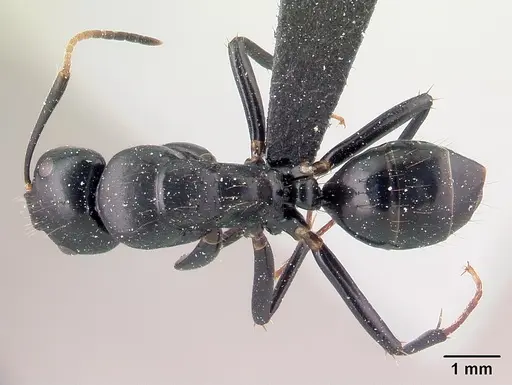
CASENT0101511
View on AntWeb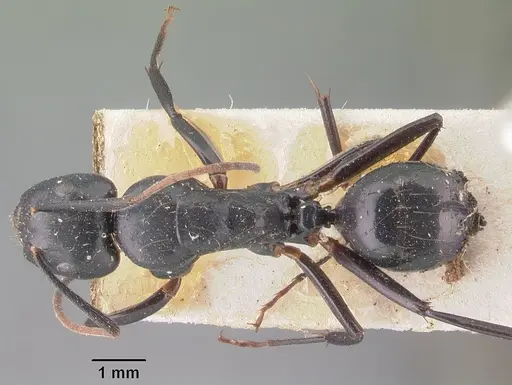
CASENT0102097
View on AntWeb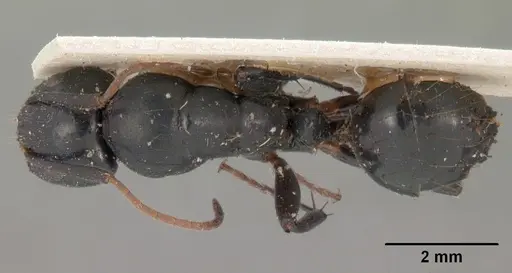
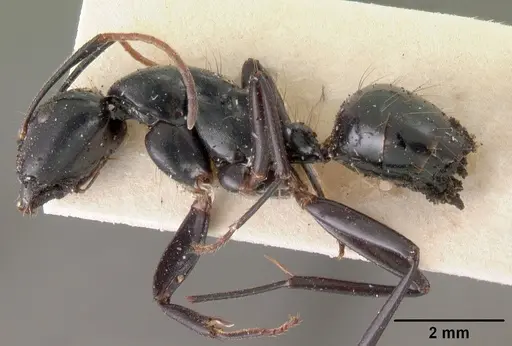
CASENT0102098
View on AntWeb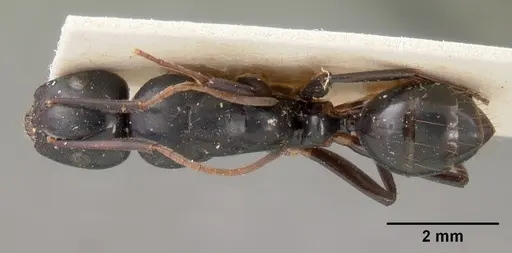
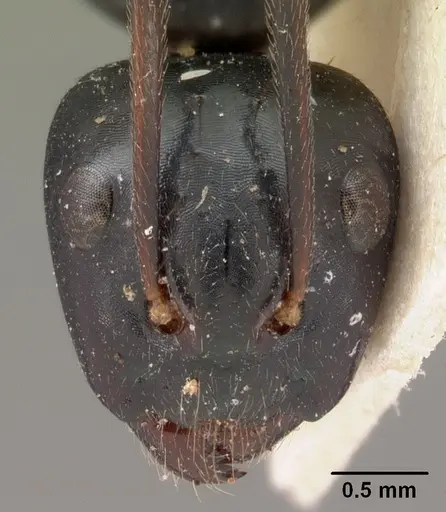
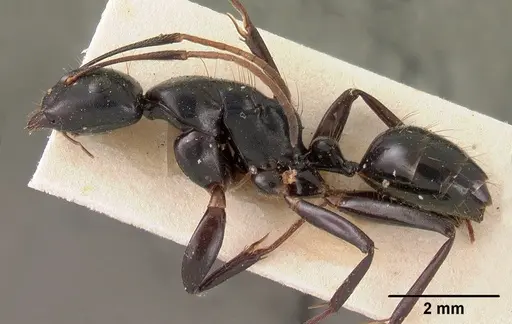
CASENT0138529
View on AntWeb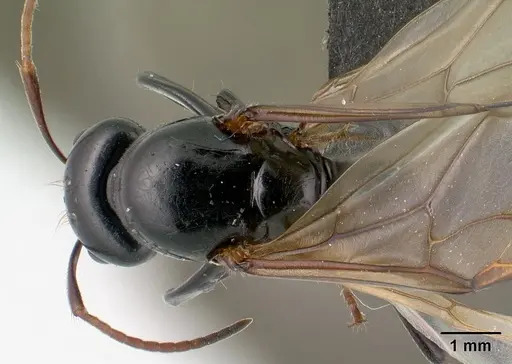
CASENT0497047
View on AntWeb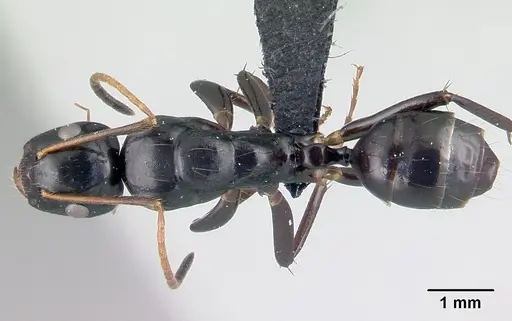
CASENT0829051
View on AntWeb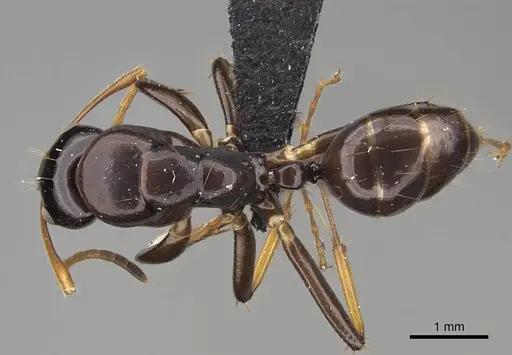
Literature
Loading...Loading products...