

Camponotus mixtellus
- Scientific Name
- Camponotus mixtellus
- Subgenus
- Myrmosaga
- Tribe
- Camponotini
- Subfamily
- Formicinae
- Author
- Dalla Torre, 1893
- Distribution
- Found in 3 countries
Camponotus mixtellus Overview
Camponotus mixtellus is an ant species of the genus Camponotus. It is primarily documented in 3 countries , including Comoros, Madagascar, Mayotte. Detailed taxonomic data and occurrence records can be further explored via authoritative databases such as AntWeb or the Global Biodiversity Information Facility (GBIF).
Camponotus mixtellus - "Madagascar Carpenter Ant"
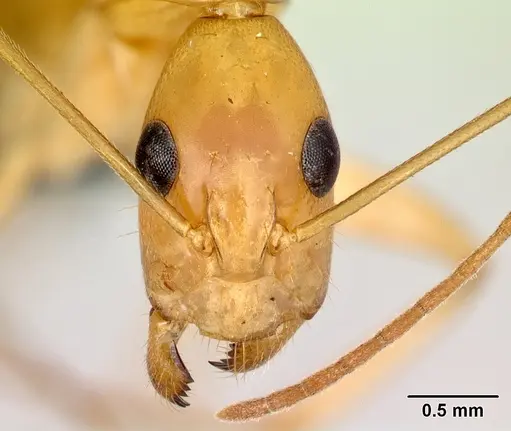
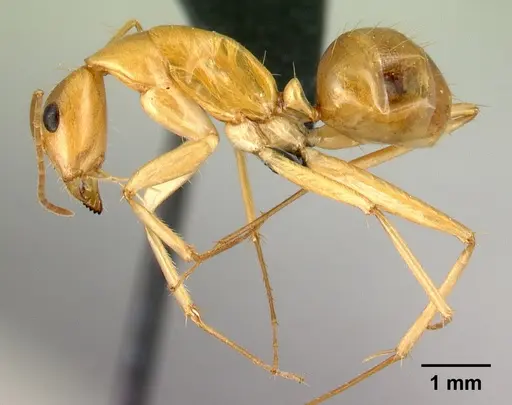
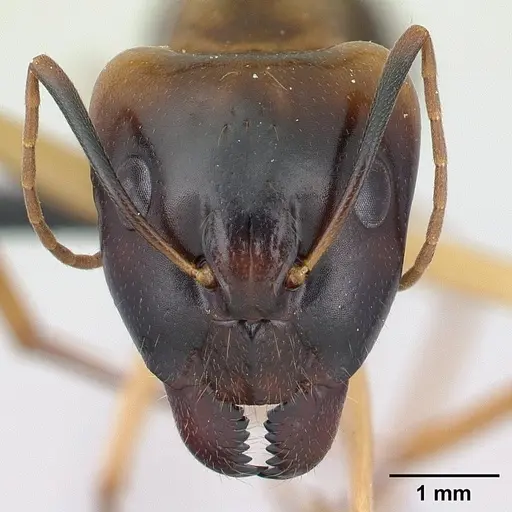
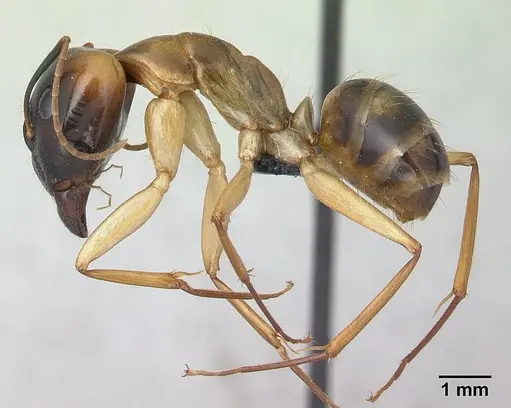
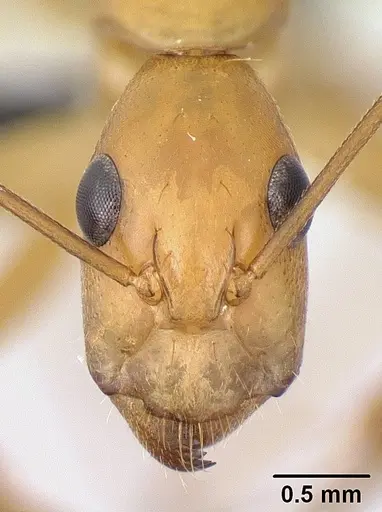
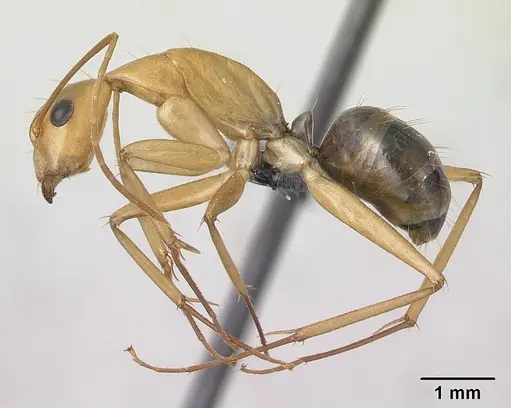
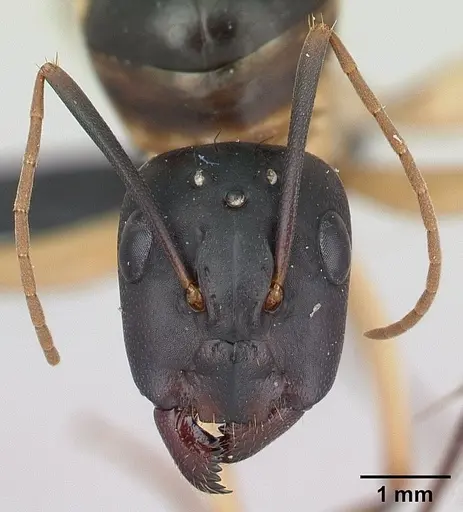
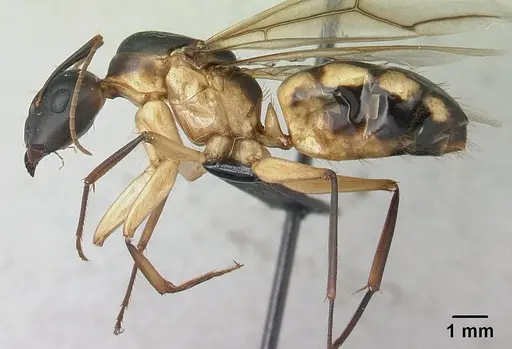
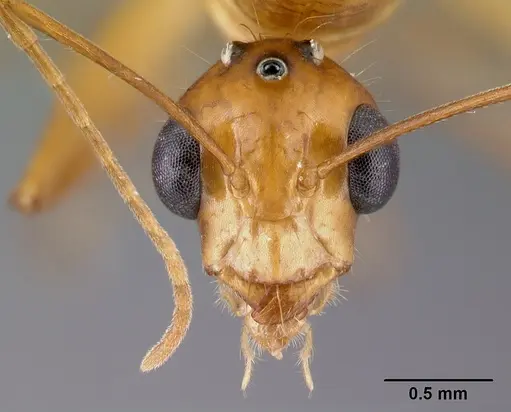
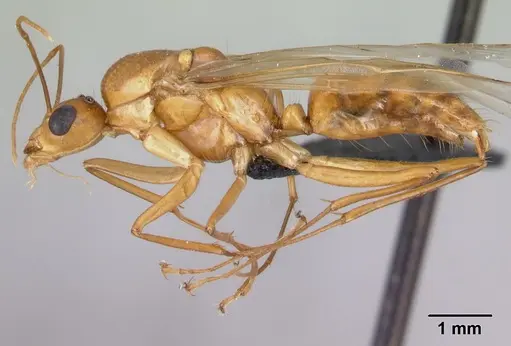
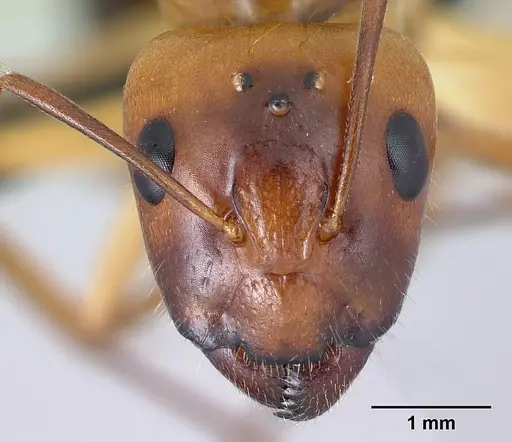
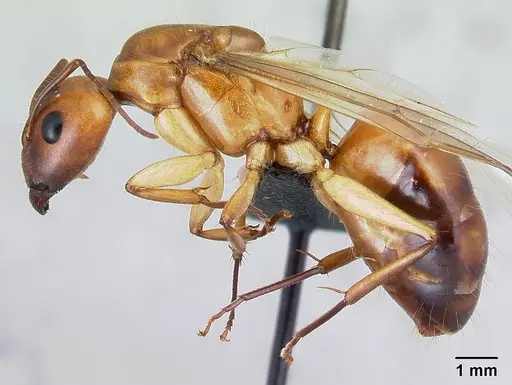
Camponotus mixtellus is a fascinating ant species hailing from the Malagasy region, including Madagascar and the Comoros islands. These ants are known for their polymorphic worker caste, meaning workers come in various sizes, from smaller minors to larger majors, each with different roles within the colony. They are a widespread species found in both lowland to montane rainforests and western dry forests, showcasing their adaptability. You'll often spot them foraging on low vegetation and the ground. Their coloration can vary, but generally, they exhibit dark heads, yellowish thoraxes, and black abdomens with yellow spots, giving them a distinct appearance. Majors, sometimes referred to as 'soldiers,' have noticeably enlarged heads.
- Difficulty: Medium
- Origin & Habitat: Comoros, Madagascar, Mayotte, Seychelles (Malagasy region) in Eastern lowland to montane rainforests, western dry forests, secondary rainforest, dry forest habitats. They are both arboreal and terrestrial, nesting in dead branches, twigs, rotten logs, stumps, the ground, or under stones..
- Colony Type: Monogyne (single queen), claustral (queen seals herself in) founding.
- Size & Growth:
- Queen: 15-18mm
- Worker: 8-16mm
- Colony: Medium (thousands), typically up to 10,000 workers, but often stabilizing between 100-200 in captivity.. Slow/Medium (initially slow, but can pick up with proper care and heating) growth.
- Antkeeping:
- Temperature: Optimal temperature for colony development is 24-28°C. While they can tolerate room temperature, providing a heat source for a portion of the nest can significantly boost brood development and overall colony growth. Avoid extreme temperatures above 30°C as this can be dangerous..
- Humidity: Nests should offer a gradient, with one part being very humid (around 60-70%) and another drier section (30-50%). Foraging areas can be at ambient humidity. A water source in the outworld is always essential..
- Diapause: Required. 2-3 months at 8-15°C.
- Nesting: These ants are adaptable and can nest in a variety of setups, including natural wood setups (decaying wood is preferred as they excavate it), soil-based nests, or artificial nests like acrylic or ytong formicariums with pre-made tunnels. Providing a nest with both humid and dry areas is crucial..
- Behavior: Low (towards handler, generally calm unless nest is severely disturbed) aggressiveness.
- Common Issues: Mold in nest (from excess humidity or uneaten food), Colony stalling (often due to lack of heat or improper diet), Humidity fluctuations (can stress the colony), Queen stress (especially during founding, requiring peace and quiet).
Camponotus mixtellus, like many 'carpenter ants', are known for their ability to excavate wood, creating intricate galleries within dead or decaying timber. It's a common misconception that they eat the wood; instead, they simply chew it away to expand their living space. This behavior helps in natural decomposition and is why in captivity, a wooden insert or a nest that allows for some excavation can be enriching for them. Always ensure any wood provided for nesting is free of pesticides and diseases, and consider providing some rotting wood in their outworld if you're using an artificial nest, to cater to their natural instincts.
Despite their larger size, Camponotus mixtellus colonies tend to grow at a slower pace, especially in their initial stages. A newly founded colony might only produce 10-15 workers in the first year, doubling that in the second. Patience is key when keeping these impressive ants, as it can take several years for a colony to truly mature and reach its full potential, with major workers typically appearing after six to ten years. Don't be discouraged by seemingly slow progress; consistent care and a stable environment will eventually lead to a thriving colony.
Feeding Camponotus mixtellus involves a balanced diet of both sugary liquids and protein. They love honeydew and various sugar solutions like honey water or hummingbird nectar, which fuel the adult workers. For protein, essential for the queen's egg-laying and larval development, offer freshly killed insects such as crickets, mealworms, superworms, fruit flies, and small roaches. Variety is crucial for providing all necessary nutrients. Remember to remove uneaten food promptly, especially sugary liquids and fresh fruits, as they can quickly mold and pose a health risk to the colony.
While some Camponotus species might appear aggressive in defending their nests, Camponotus mixtellus is generally considered to have a calm demeanor. They are primarily nocturnal but will forage during the day. Their large size makes them fascinating to observe without a magnifying glass, and a colony of 100 workers might often have 20 or so actively foraging in the outworld. This relatively calm nature can make them a rewarding species for keepers who enjoy observing natural ant behaviors without excessive stress.
Like many temperate ant species, Camponotus mixtellus requires a period of diapause, or hibernation, during the colder months. This typically involves lowering their temperature for 2-3 months to around 8-15°C. This period is vital for the colony's long-term health and reproductive cycle, allowing the queen and workers to rest and prepare for the next active season. Neglecting diapause can lead to a shorter lifespan for the queen and a less vigorous colony.
Frequently Asked Questions
What kind of nest is best for Camponotus mixtellus?
Camponotus mixtellus are highly adaptable. They can thrive in various formicarium types, including acrylic nests, Ytong nests, or natural setups that mimic their preference for nesting in dead wood or soil. The most crucial aspect is providing a humidity gradient within the nest, offering both humid and drier areas for the colony to choose from based on their needs and the brood's development. Ensuring a secure outworld for foraging is also vital for these active ants.
How fast do Camponotus mixtellus colonies grow?
These 'carpenter ants' are known for their slower growth rate compared to some other ant species. While they can eventually form large colonies of thousands, it takes time. A newly established queen may only produce 10-15 workers in her first year, and major workers might not appear for several years. Patience is a virtue when antkeeping Camponotus mixtellus, as their slow but steady development will eventually reward you with a magnificent colony.
What do Camponotus mixtellus eat?
Camponotus mixtellus are omnivorous. Their diet should consist of sugary liquids like honey water, sugar water, or hummingbird nectar, which provide energy for the adult workers. For protein, crucial for the queen's egg-laying and larval growth, offer a variety of freshly killed insects such as small crickets, mealworms, superworms, fruit flies, and feeder roaches. Remember to always provide a fresh water source, typically through a test tube setup in their outworld.
Do Camponotus mixtellus need to hibernate?
Yes, Camponotus mixtellus, originating from regions with seasonal changes, require a period of diapause, similar to hibernation. This involves lowering their nest temperature for 2-3 months, typically between 8-15°C. This cool period is essential for their natural life cycle, promoting the queen's longevity and ensuring the colony's health and vitality for the active season ahead.
Are Camponotus mixtellus aggressive?
Generally, Camponotus mixtellus are considered to have a calm demeanor, especially towards their antkeeper. While they won't sting, their majors have strong mandibles and can deliver a bite, sometimes injecting formic acid if they feel threatened. However, they are not typically aggressive and will usually retreat if disturbed. Observing them in their outworld is usually a peaceful experience.
What are 'major' and 'minor' workers?
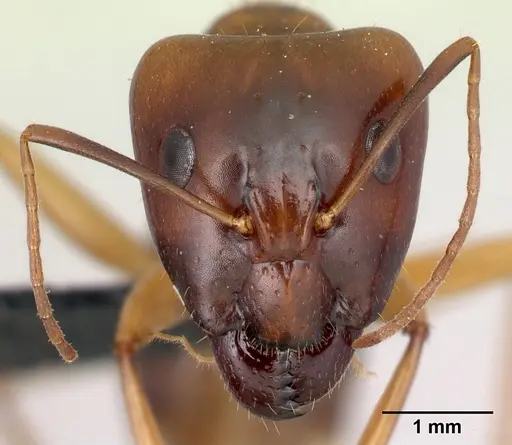
Camponotus mixtellus exhibits polymorphism within their worker caste, meaning workers come in different sizes. 'Minor' workers are the smaller, more numerous ants that often handle tasks like brood care and basic foraging. 'Major' workers, often called 'soldiers' by antkeepers, are significantly larger, with noticeably bigger heads. They play roles in defense, crushing harder food items, and occasionally acting as 'repletes' for food storage, though this is less common for this specific species.
How long does it take for a Camponotus mixtellus egg to become a worker?
The development time from egg to a full-grown worker in Camponotus mixtellus can vary with temperature, but generally, it takes approximately 6-8 weeks at optimal conditions. The queen lays eggs, which hatch into larvae, then pupate, and finally eclose into adult workers. Higher temperatures within their preferred range can help speed up this process.
Can I keep multiple Camponotus mixtellus queens together (pleometrosis)?
Camponotus mixtellus is a monogyne species, meaning they are adapted to having only a single queen per colony. While some ant species can engage in pleometrosis (multiple queens founding a colony together), this is not typical for Camponotus mixtellus, and attempting it usually results in the queens fighting until only one remains. It's best to keep them individually.
What's the best way to heat my Camponotus mixtellus colony?
These ants benefit from a warmer environment, ideally between 24-28°C. A heating cable placed under one side of the nest or an overhead heat lamp can provide the necessary warmth. It's important to create a temperature gradient, so only heat a portion of the nest. This allows the ants to self-regulate and move to cooler areas if needed. Avoid heating the entire nest uniformly.
Why is my Camponotus mixtellus queen not laying eggs?
A common reason for a queen not laying eggs, especially after her initial claustral period, can be stress from frequent disturbances, or a lack of proper environmental conditions like temperature and humidity. Ensuring she has a dark, quiet place to found her colony, along with the right temperature and humidity, is crucial. Additionally, after her first workers emerge, providing adequate protein is vital for stimulating further egg production.
How do Camponotus mixtellus build their nests in the wild?
In their natural habitat, Camponotus mixtellus are highly adaptable builders. They can be found nesting in a variety of locations, including inside dead branches, hollow twigs, rotten logs, or even directly in the ground or under stones. Their ability to excavate and create galleries within wood is a defining characteristic, earning them the 'carpenter ant' moniker.
Do Camponotus mixtellus bite?
Yes, Camponotus mixtellus workers, particularly the larger majors, are capable of biting. While they don't possess a stinger, their powerful mandibles can deliver a noticeable pinch. They may also spray formic acid into the bite, which can cause a mild irritation. Generally, they are not overtly aggressive, but it's always wise to handle them with care to avoid a nip.
What is the lifespan of a Camponotus mixtellus queen?
With proper care and environmental conditions, a Camponotus queen can live for many years, sometimes even decades. While specific data for Camponotus mixtellus may vary, other Camponotus queens have been known to live up to 20-29 years in captivity, making them a long-term commitment for any antkeeper.

This caresheet is licensed under CC BY-SA 4.0 .
CASENT0071559
View on AntWeb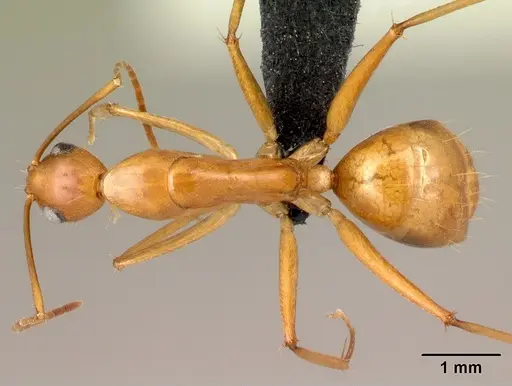
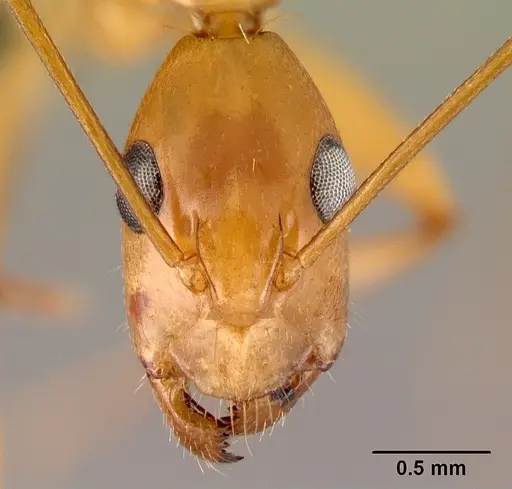
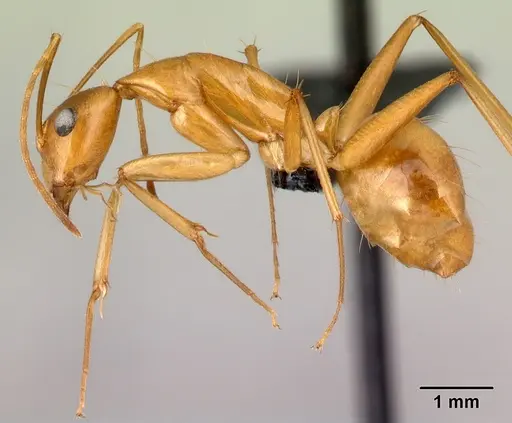
CASENT0076675
View on AntWeb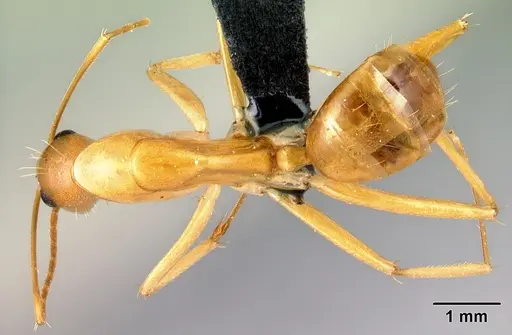
CASENT0101893
View on AntWeb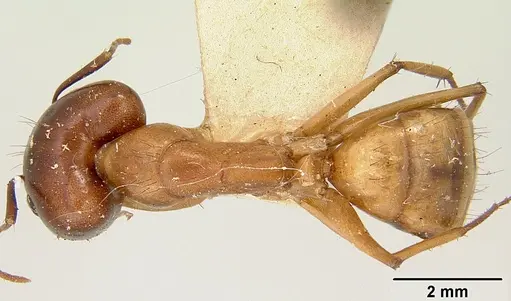
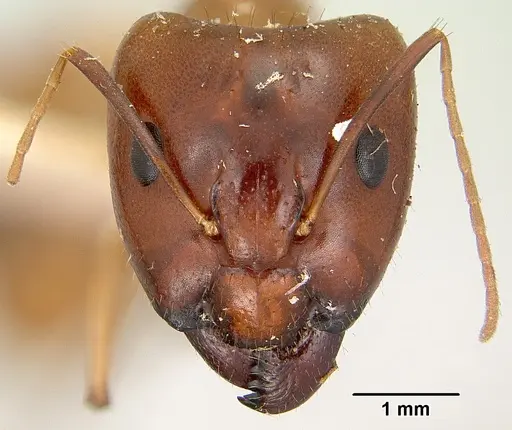
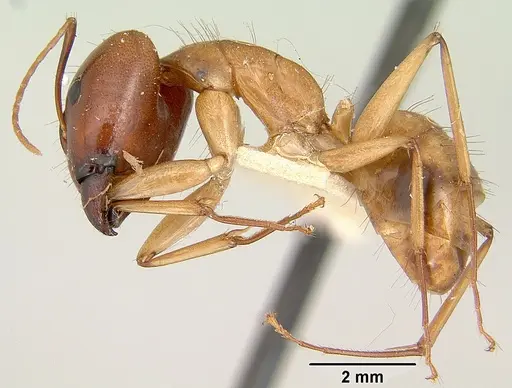
CASENT0101924
View on AntWeb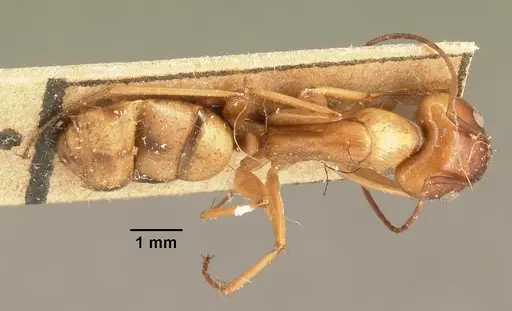
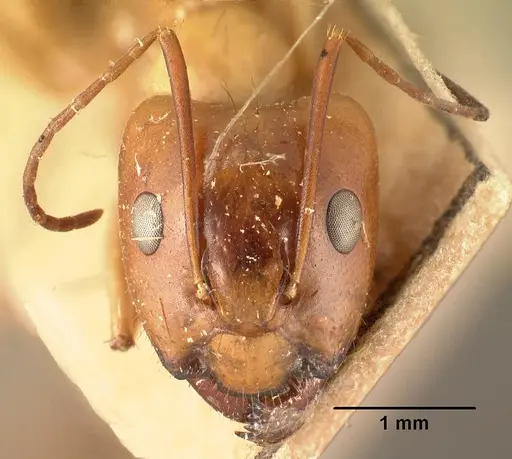
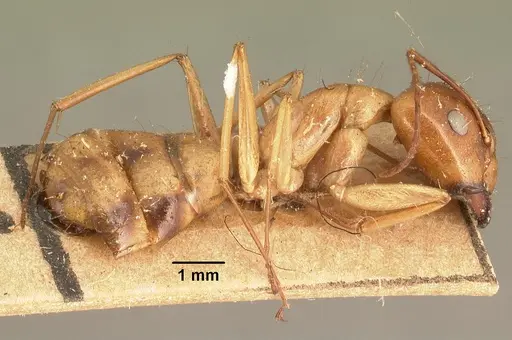
CASENT0132562
View on AntWeb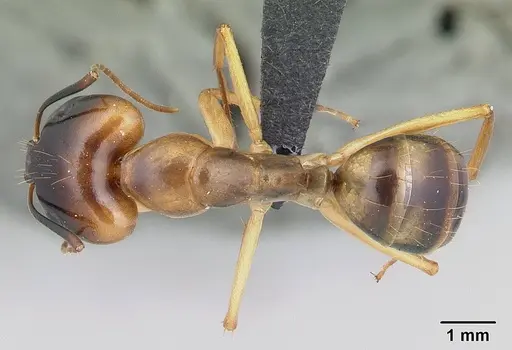
CASENT0132606
View on AntWeb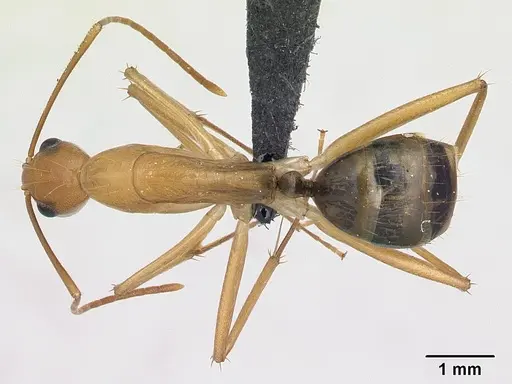
CASENT0132927
View on AntWeb
CASENT0217296
View on AntWeb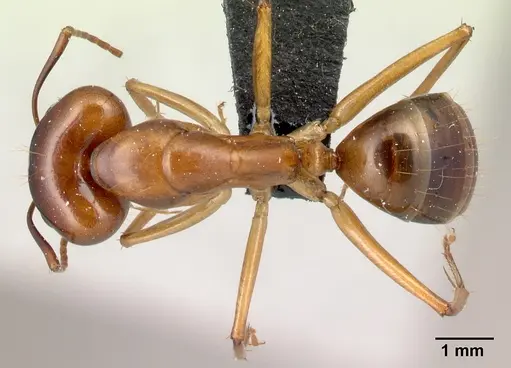
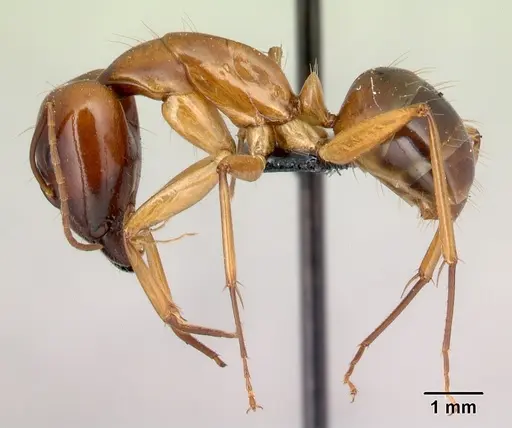
CASENT0498445
View on AntWeb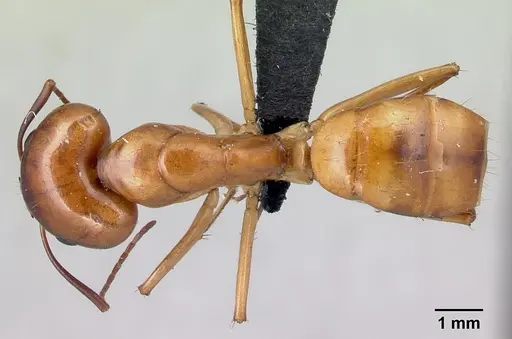
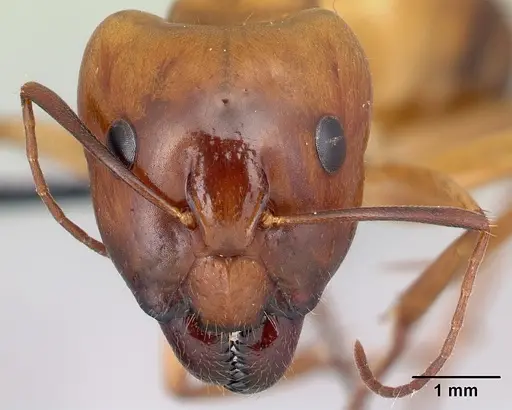
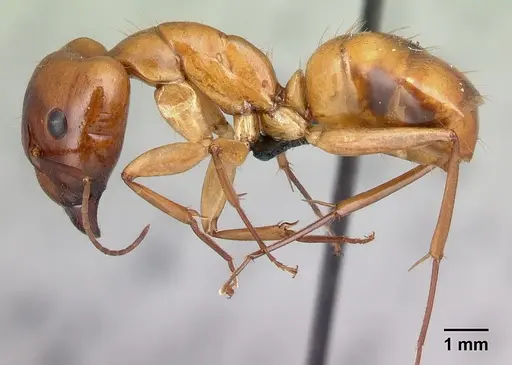
CASENT0498447
View on AntWeb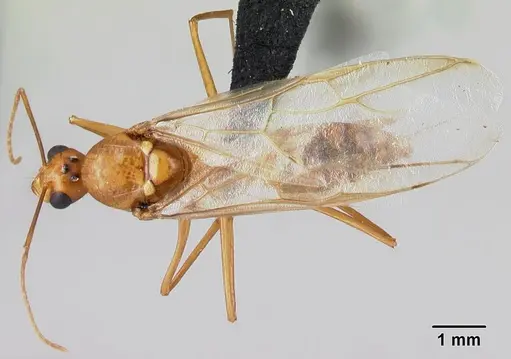
CASENT0499148
View on AntWeb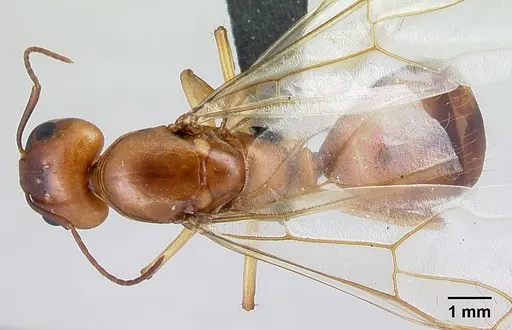
Literature
Loading...Loading products...