
Camponotus misturus shows a February to December flight window. Peak activity occurs in June, with nuptial flights distributed across 3 months.

Camponotus misturus
- Scientific Name
- Camponotus misturus
- Subgenus
- Myrmotarsus
- Tribe
- Camponotini
- Subfamily
- Formicinae
- Author
- Smith, 1857
- Distribution
- Found in 4 countries
- Nuptial Flight
- from February to December, peaking in June
AI Identifiable
try →
Camponotus misturus Overview
Camponotus misturus is an ant species of the genus Camponotus. It is primarily documented in 4 countries , including Brunei Darussalam, Indonesia, Malaysia. Detailed taxonomic data and occurrence records can be further explored via authoritative databases such as AntWeb or the Global Biodiversity Information Facility (GBIF).
The nuptial flight of Camponotus misturus is a significant biological event, typically occurring from February to December, peaking in June. During this time, winged queens and males leave the nest to mate and establish new colonies.
Camponotus misturus
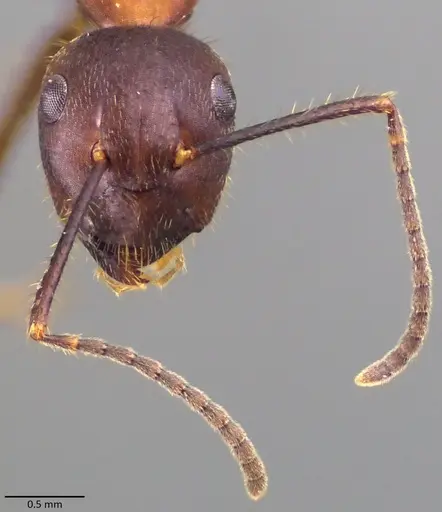
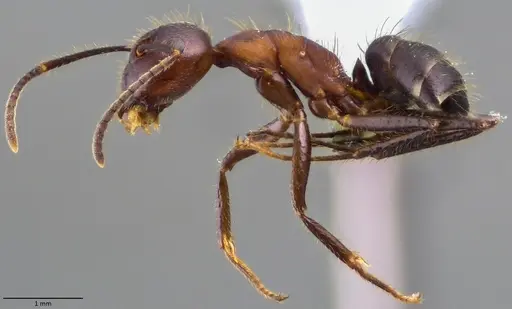
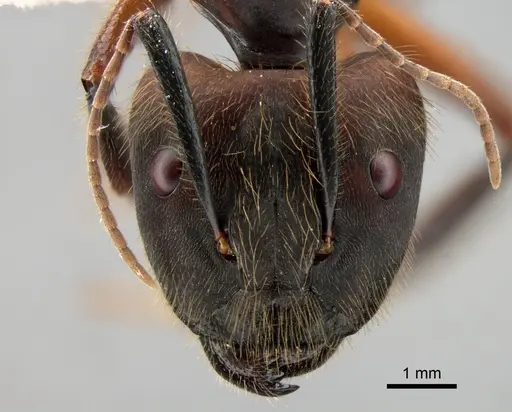
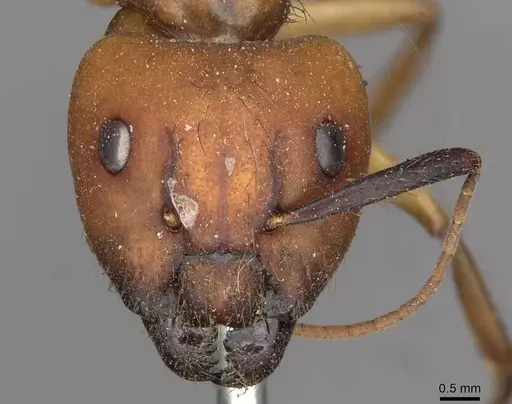
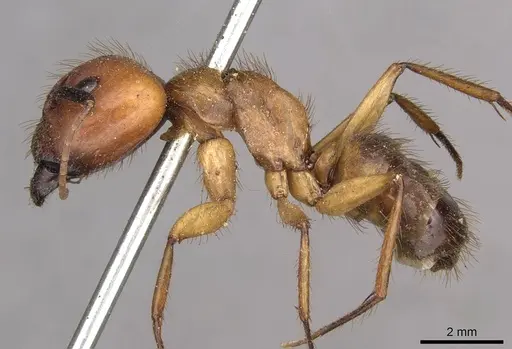
Camponotus misturus is a large carpenter ant species native to Southeast Asia, found across Borneo, Indonesia, Malaysia, and surrounding regions. Queens are substantial at approximately 13-14mm, with workers ranging from smaller minors to larger majors. The species is entirely black in coloration. This is a typical carpenter ant in the Camponotus genus, known for nesting in wood and maintaining moderate-sized colonies. Originally described by Frederick Smith in 1857 from Borneo (Sarawak), the species has two recognized subspecies including C. misturus fornaronis. These ants are part of the Camponotini tribe and are among the larger carpenter ants you'll encounter in the hobby.
Quick Summary
- Difficulty: Medium
- Origin & Habitat: Southeast Asia, found in Borneo, Indonesia (Java, Sumatra), Malaysia (Peninsula, Sarawak), and Myanmar. Also recorded from Kerala, India [1]. Inhabits tropical and subtropical forest environments where they typically nest in rotting wood.
- Colony Type: Single-queen colonies (monogyne), this is the typical structure for Camponotus species in this region. Queens found nests alone after mating flights.
- Colony: Monogyne
- Founding: Claustral
- Size & Growth:
- Queen: Approximately 13-14mm (queen described as 6½ lines in original description) [2]
- Worker: Varies from 4-6mm (minor workers) up to 8-10mm (major workers), typical for Camponotus
- Colony: Moderate, likely several hundred workers at maturity based on typical Camponotus patterns
- Growth: Moderate, Camponotus species typically take several months to a year to establish first workers
- Development: Approximately 6-8 weeks at warm temperatures (25-28°C), typical for Camponotus genus (Development time depends on temperature, warmer conditions speed up development. First workers (nanitics) are smaller than mature workers.)
- Antkeeping:
- Temperature: Keep at 24-28°C for optimal development. Room temperature (22-25°C) is acceptable, but warmer conditions accelerate growth. A gentle temperature gradient allows ants to self-regulate.
- Humidity: Moderate humidity around 50-70%. These are tropical forest ants, so they appreciate some moisture but nesting in wood means they don't need saturated conditions. Provide a water source.
- Diapause: No true hibernation required, being a tropical species, they do not need winter rest. However, slight temperature reduction during cooler months may slow activity naturally.
- Nesting: Y-tong (AAC) nests work well for this larger species. They can also be kept in naturalistic setups with rotting wood or cork bark. Avoid overly wet substrates as they prefer drier nesting conditions than many tropical ants.
- Behavior: Generally calm and non-aggressive for a larger ant species. Workers are active foragers that search for carbohydrates (honeydew, nectar) and protein (insects). Major workers can deliver a bite if threatened, but they are not particularly aggressive toward keepers. They are moderate escape artists, larger ants but still require secure containment. Workers are nocturnal to crepuscular, often more active during evening hours.
- Common Issues: colonies grow slowly in the first months, beginners may overfeed or disturb founding queens too often, larger ants need more space as colonies develop, moving too soon can stress colonies, tropical species may struggle in air-conditioned rooms with low humidity, wild-caught colonies can carry parasites that cause colony collapse, major workers may intimidate new keepers but are not dangerous
Nuptial Flight Activity Analysis 52 observations
Flight Activity by Hour 52 observations
Camponotus misturus nuptial flight activity peaks around 21:00 during the night. Activity is spread across a 24-hour window (00:00–23:00). A secondary activity peak occurs around 23:00. Times may be influenced by human observation patterns.
Housing and Nest Setup
Camponotus misturus does well in Y-tong (acrylic) nests which provide good visibility and appropriate chamber sizes for their larger bodies. A test tube setup works for founding colonies, use a standard test tube with a water reservoir separated by a cotton plug. The tube should be dark on the outside or covered to give the queen a sense of security. Once the colony reaches 20-30 workers, you can consider moving them to a formicarium. For a naturalistic approach, they will readily nest in cork bark or rotting wood pieces. Avoid overly compact nests, these ants appreciate some space to move around. Ensure escape prevention is adequate, though they are not as prone to escaping as smaller species.
Feeding and Diet
Like most Camponotus species, C. misturus is omnivorous with a preference for carbohydrates and protein. Offer sugar water, honey, or diluted maple syrup as a constant carbohydrate source. For protein, provide insects such as mealworms, small crickets, or other appropriately sized prey. They will also accept fruit occasionally. Feed protein sources 2-3 times per week, and always have sugar water available. Remove uneaten prey after 24-48 hours to prevent mold. In the wild, these ants would forage for honeydew from aphids and hunt small insects, replicate this with a varied diet in captivity.
Temperature and Heating
Being a tropical Southeast Asian species, Camponotus misturus prefers warm conditions. Maintain temperatures between 24-28°C for optimal brood development. They can tolerate room temperature (22-25°C) but growth will be slower. A small heating cable or heat mat on one side of the nest can create a gentle gradient. If using a heat mat, place it on the side or top of the nest rather than underneath to avoid drying out the nest too quickly. They do not require any cooling or hibernation period, being tropical, they remain active year-round with proper heating.
Colony Development and Growth
A newly mated queen will seal herself into a chamber and lay her first eggs. She does not leave to forage, this is claustral founding where she lives entirely on stored fat reserves and metabolic water. The first brood develops through egg, larva, and pupa stages over approximately 6-8 weeks at optimal temperature. The first workers (nanitics) are smaller than mature workers but will immediately begin caring for the queen and subsequent broods. Growth is moderate, expect 6-12 months to reach 50 workers, and 1-2 years to reach a few hundred workers. Patience is key with Camponotus species. Once established, colonies can live for many years with the queen potentially living 10-15 years.
Behavior and Temperament
Camponotus misturus is a calm species that is rewarding to watch. Workers are primarily crepuscular, they become more active during evening hours and may show peak activity at night. Major workers (soldiers) are larger and have proportionally larger heads, they serve as defenders and can crack harder food items. The species is not aggressive toward keepers and rarely bites. If threatened, majors may deliver a mild bite using their strong mandibles. They are not stinging ants. Workers communicate through chemical trails and will recruit nestmates to good food sources. Overall, this is a manageable species suitable for intermediate antkeepers who understand the slower growth pace of larger carpenter ants.
Frequently Asked Questions
How long does it take for Camponotus misturus to have first workers?
First workers typically appear after 6-8 weeks at optimal temperature (24-28°C). The exact timing depends on temperature, cooler conditions will slow development. The first workers (nanitics) are smaller than mature workers and will begin expanding the colony.
Is Camponotus misturus good for beginners?
This species is best suited for intermediate antkeepers. While not difficult to keep, the slower growth pace and specific temperature needs of this tropical species require some experience. Beginners may struggle with patience during the founding phase.
What do I feed Camponotus misturus?
Offer a varied diet: sugar water or honey as a constant carbohydrate source, and protein sources like mealworms, small crickets, or other insects 2-3 times per week. Remove uneaten prey after 24-48 hours.
Does Camponotus misturus need hibernation?
No, being a tropical species from Southeast Asia, they do not require hibernation or a winter rest period. Maintain warm temperatures year-round for continued growth.
How big do Camponotus misturus colonies get?
Mature colonies typically reach several hundred workers. With a long-lived queen (potentially 10-15 years), colonies can grow substantially over time.
Can I keep multiple Camponotus misturus queens together?
This species is monogyne, single-queen colonies. Combining unrelated queens is not recommended and typically results in fighting. Only one queen should be kept per colony.
What temperature is best for Camponotus misturus?
Keep them at 24-28°C for optimal development. They can tolerate room temperature (22-25°C) but growth will be slower. Avoid temperatures below 20°C.
When should I move my colony to a formicarium?
Move to a formicarium once the colony reaches 20-40 workers. Moving too early can stress the colony. Ensure the formicarium has appropriately sized chambers for this larger species.
Are Camponotus misturus ants aggressive?
No, they are generally calm and non-aggressive. They are more likely to flee than to attack. Major workers may deliver a mild bite if handled roughly or threatened, but they pose no danger to keepers.
References

This caresheet is licensed under CC BY-SA 4.0 .
ANTWEB1041831
View on AntWeb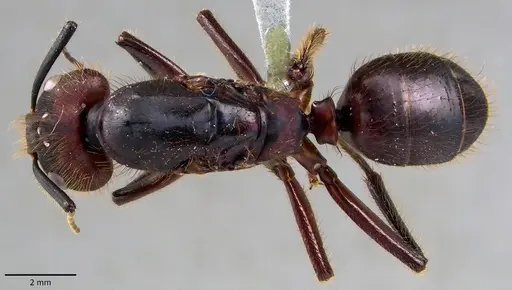
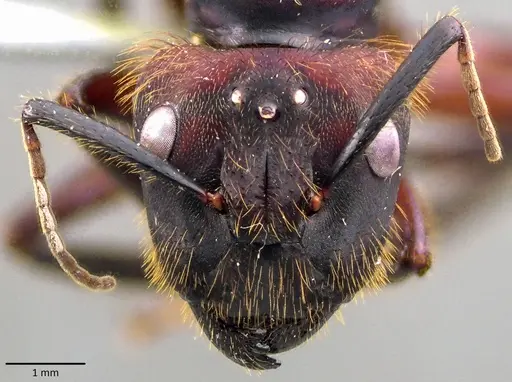
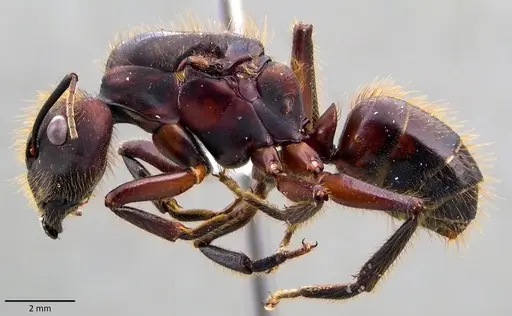
ANTWEB1060017
View on AntWeb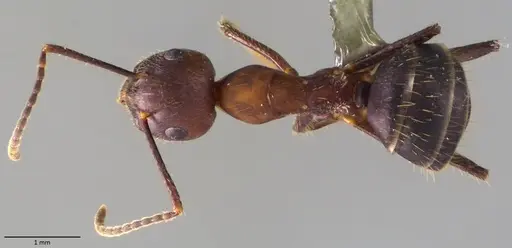
CASENT0882013
View on AntWeb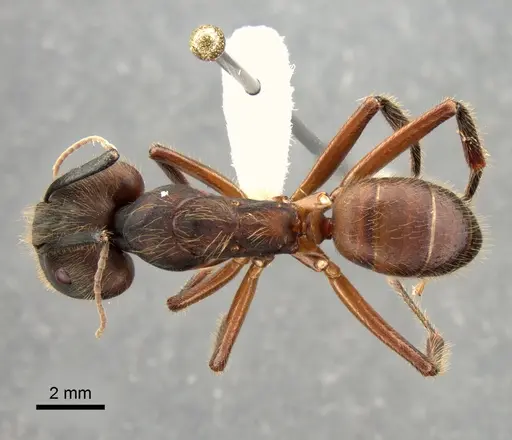
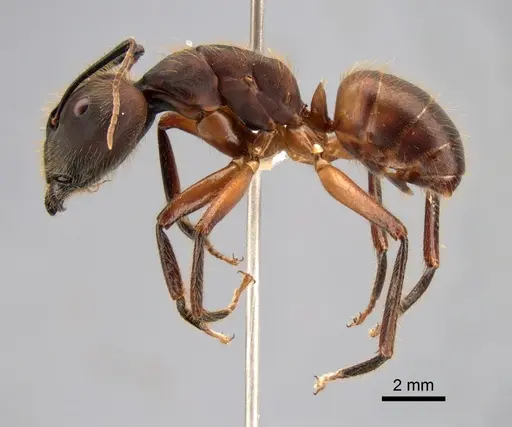
CASENT0901894
View on AntWeb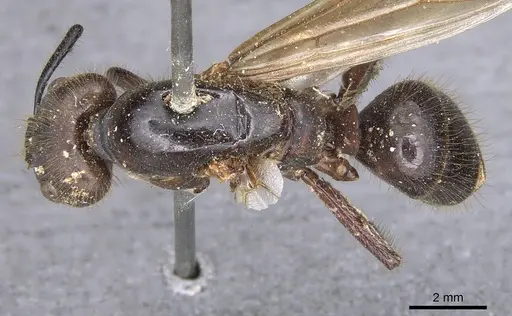
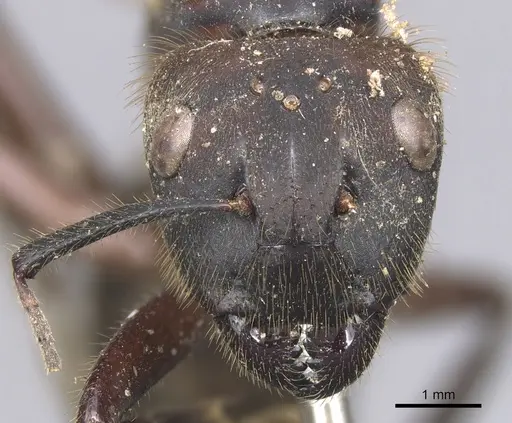
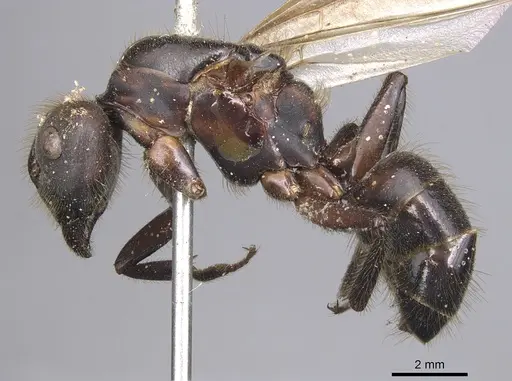
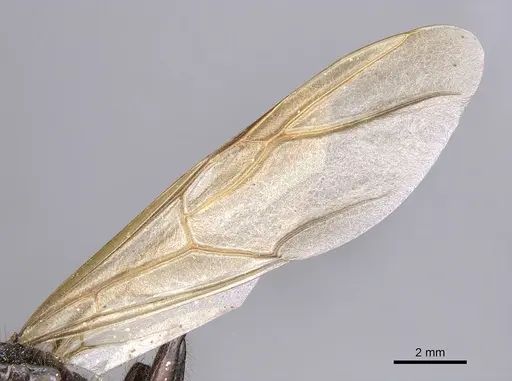
CASENT0901903
View on AntWeb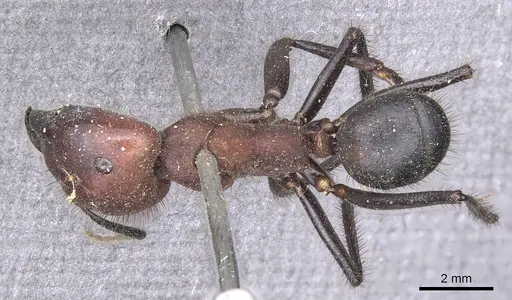
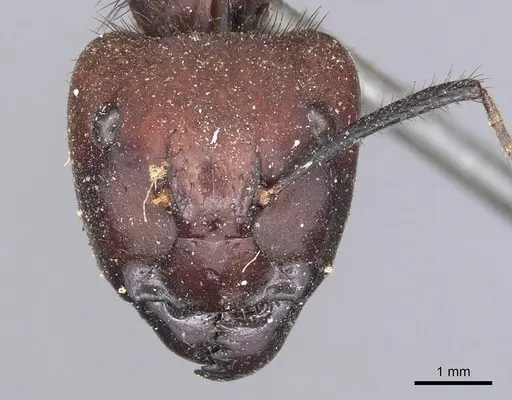
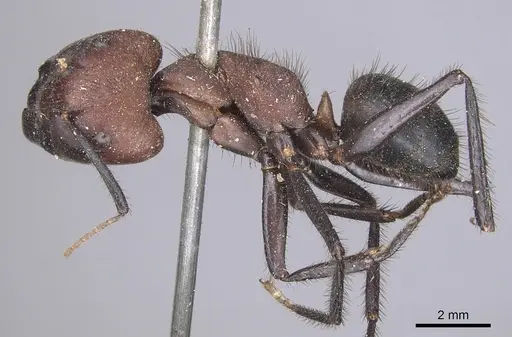
CASENT0910505
View on AntWeb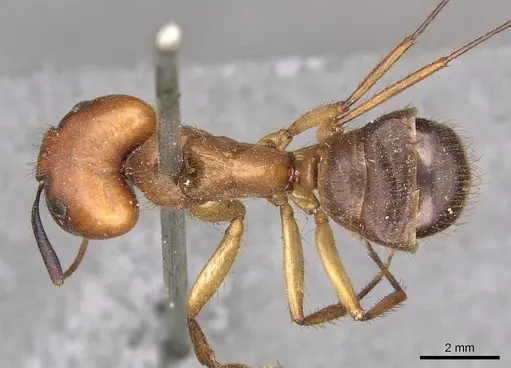
Literature
Loading...Loading products...