
Camponotus mirabilis exhibits a clear seasonal flight window. Peak flight activity is concentrated in October, with the overall period spanning October to October. The concentrated timeframe makes peak months critical for sightings.

Camponotus mirabilis
- Scientific Name
- Camponotus mirabilis
- Subgenus
- Myrmostenus
- Tribe
- Camponotini
- Subfamily
- Formicinae
- Author
- Emery, 1903
- Distribution
- Found in 2 countries
- Nuptial Flight
- mainly in October
AI Identifiable
try →
Camponotus mirabilis Overview
Camponotus mirabilis is an ant species of the genus Camponotus. It is primarily documented in 2 countries , including Brazil, Peru. Detailed taxonomic data and occurrence records can be further explored via authoritative databases such as AntWeb or the Global Biodiversity Information Facility (GBIF).
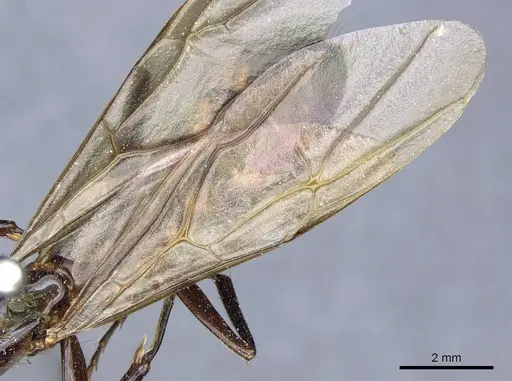
The nuptial flight of Camponotus mirabilis is a significant biological event, typically occurring mainly in October. During this time, winged queens and males leave the nest to mate and establish new colonies.
Camponotus mirabilis
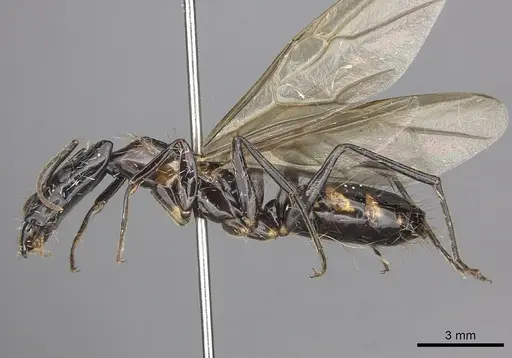
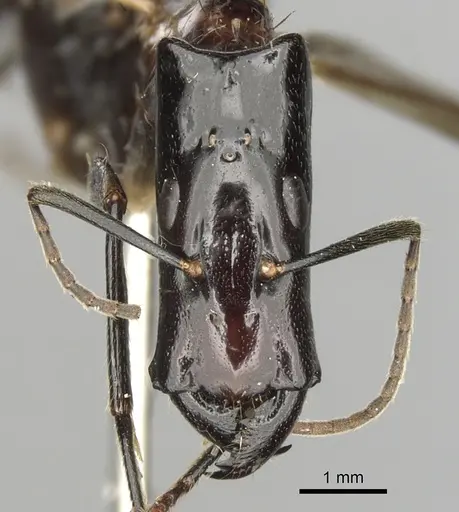
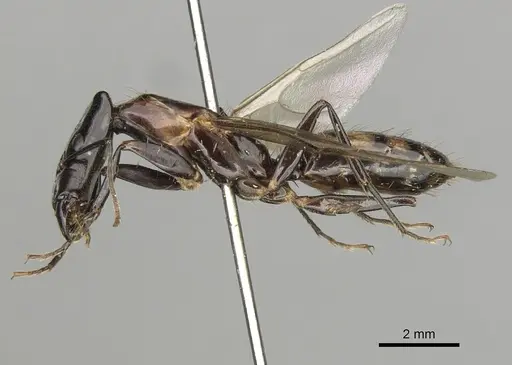
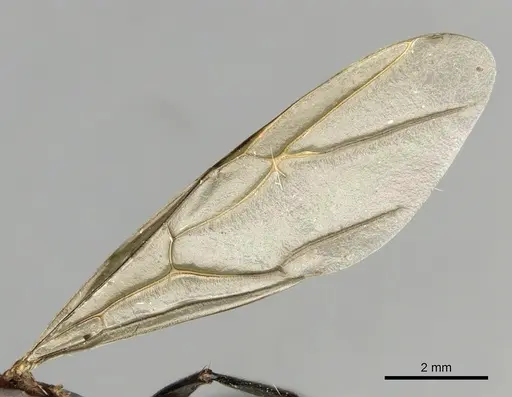
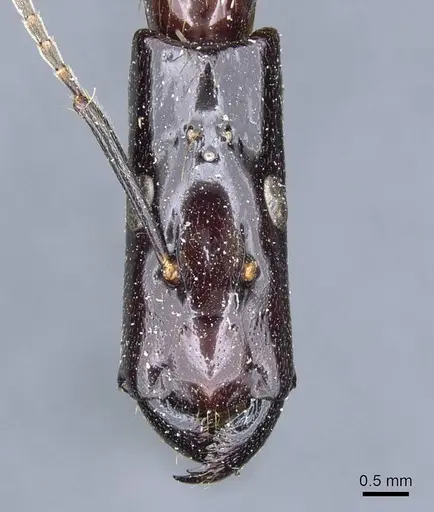
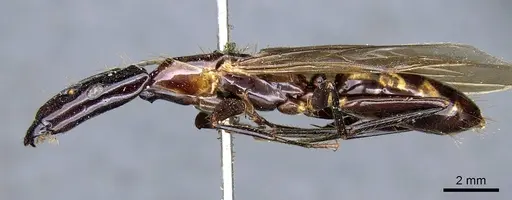
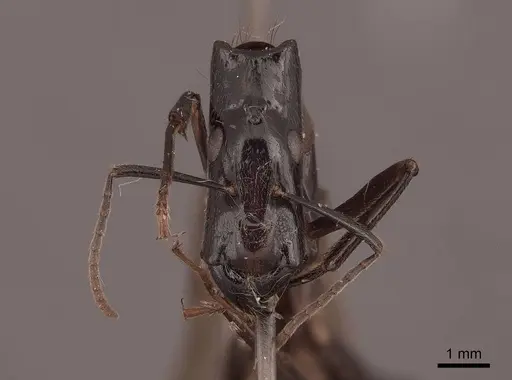
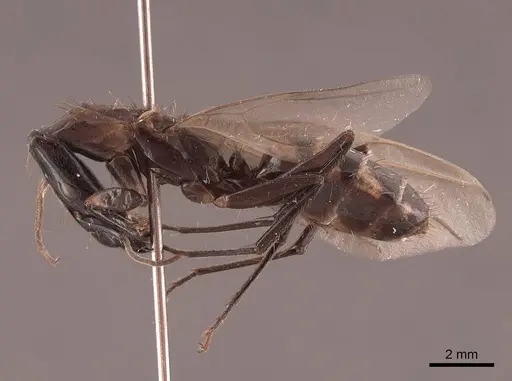
Camponotus mirabilis is a bizarre-looking carpenter ant from the Amazon rainforest, instantly recognizable by its greatly elongated head that widens toward the front, giving it a stretched, almost hammer-headed appearance [1]. Found in Peru, Bolivia, and Brazil, these ants live exclusively inside Guadua bamboo stems, carving entrance holes in young shoots before the wood hardens [2][3]. Unlike typical carpenter ants, they work the night shift, strictly nocturnal, they hide deep inside bamboo during daylight and only emerge after dark [1].
What makes this species truly unusual is their complex relationship with bamboo and other ants. Established colonies don't live in just one stalk, they spread across multiple connected bamboo culms, constantly moving brood, workers, and their scale insect "livestock" between nests [4][1]. Even stranger, new queens don't dig a chamber and raise their first workers alone. Instead, they appear to start colonies by invading nests of a related bamboo ant, Colobopsis longipilis, stealing the established scale insect farms and possibly the host workers too [1].
Quick Summary
- Difficulty: Expert
- Origin & Habitat: Western Amazonia (Peru, Bolivia, Brazil), specializing in Guadua bamboo forests [3][1].
- Colony Type: Monogyne, only one queen per colony patch, though the colony spreads across multiple bamboo stems (polydomous) [1][4].
- Colony: Monogyne
- Queen: Temporary parasitic
- Size & Growth:
- Queen: Unknown, estimated 10-15 mm based on Camponotus genus patterns.
- Worker: Unknown, estimated 5-10 mm based on Camponotus genus patterns.
- Colony: Unknown, likely large (hundreds to thousands) distributed across multiple bamboo culms [1].
- Growth: Unknown, likely moderate given specialized diet.
- Development: Unknown, based on tropical Camponotus patterns, likely 6-10 weeks at 25-28°C (estimated). (Tropical species with no diapause, development continuous year-round.)
- Antkeeping:
- Temperature: Warm tropical conditions, approximately 24-28°C (inferred from Amazonian habitat). Start at 25°C and adjust based on activity levels.
- Humidity: High humidity required, keep nest substrate moist but not waterlogged, mimicking tropical bamboo interior conditions.
- Diapause: No, tropical species active year-round without hibernation [3].
- Nesting: Specialized bamboo culms required, colonies are polydomous (occupy multiple connected nest sites) [2][4].
- Behavior: Strictly nocturnal, forage in columns between multiple nests, tend scale insects (coccids) for honeydew inside bamboo, occasionally hunt small prey [4][1]. Escape risk is standard for Camponotus, use barrier methods.
- Common Issues: founding requires host colonies of Colobopsis longipilis, making captive colony founding nearly impossible., specialized bamboo nesting is difficult to replicate in standard formicaria or test tubes., nocturnal activity makes observation and feeding timing challenging., diet heavily dependent on maintaining scale insects or constant honeydew substitutes.
Nuptial Flight Activity Analysis 191 observations
Flight Activity by Hour 191 observations
Camponotus mirabilis nuptial flight activity peaks around 19:00 during the evening. Activity is spread across a 24-hour window (00:00–23:00). A secondary activity peak occurs around 21:00. Times may be influenced by human observation patterns.
Nest Preferences: Bamboo Engineering
These ants are bamboo specialists. In the wild, they exclusively inhabit living Guadua bamboo, with workers chewing perfectly round entrance holes at the base of new internodes while the bamboo walls are still soft and unhardened [1]. A single colony doesn't just live in one stalk, they maintain multiple nests across several connected bamboo culms, constantly moving brood, workers, and their scale insect livestock between locations [4]. This polydomy means you will need to provide multiple nesting sites connected by tubing to replicate their natural setup. Standard Y-tong or acrylic nests will not suffice, you need bamboo sections or naturalistic setups with bamboo-like hollow stems. The nest must maintain high humidity but with good ventilation to prevent mold in the tropical conditions they prefer.
Feeding and Diet: Honeydew Farmers
Camponotus mirabilis are essentially dairy farmers. Their primary food source is honeydew from scale insects (coccids) that they cultivate inside bamboo stems [2][4]. They occasionally supplement this with small prey items [4]. In captivity, this presents a major challenge, you will need to maintain live scale insects or provide honeydew substitutes like sugar water and honey. They may accept protein sources like small insects, but the colony's health depends on constant sugar access mimicking their honeydew diet. Unlike many Camponotus that thrive on standard insect protein, these ants are specialized trophobiont tenders.
Temperature and Care: Tropical Night-dwellers
Coming from the Amazon basin, these ants need warm, stable temperatures around 24-28°C year-round [3]. They do not require hibernation and will remain active throughout the year. Because they are strictly nocturnal, you will not see much activity during the day even in optimal conditions [1]. Provide a gentle heat gradient with a heating cable on one side of the setup, but ensure the bamboo nests do not overheat or dry out. High humidity is essential, think tropical rainforest, not room humidity.
Behavior and Temperament: The Night Shift
These are not your typical active-by-day carpenter ants. They are strictly nocturnal, with workers forming visible columns at night to transport resources between their multiple bamboo nests [1][4]. They are generally peaceful with their own species but are specialized competitors with Colobopsis longipilis, often taking over their nests during colony founding [1]. Escape prevention should be standard for Camponotus, barrier methods work well, though their nocturnal nature means they may explore more at night when you are not watching.
Colony Founding: The Parasitic Start
Here is where this species becomes extremely challenging for ant keepers. New queens do not dig a founding chamber and raise their first workers alone. Instead, they appear to initiate colonies by invading established nests of Colobopsis longipilis, taking over the host's scale insect populations and possibly the workers themselves [1]. This temporary parasitic founding means you cannot start a colony with a single queen in a test tube. You would need a host colony of C. longipilis, and even then, the success rate is unknown. Captive colonies are almost exclusively started by collecting established wild colonies, which raises ethical and legal concerns regarding collection from the wild.
Unique Adaptations: Bamboo Architects
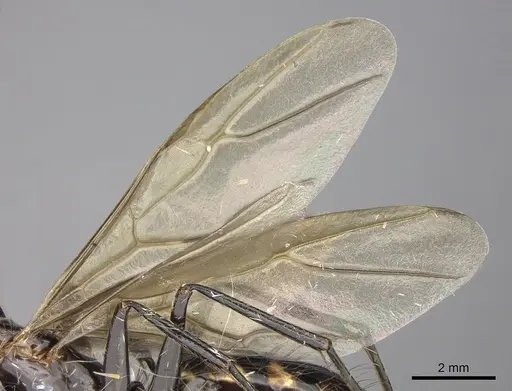
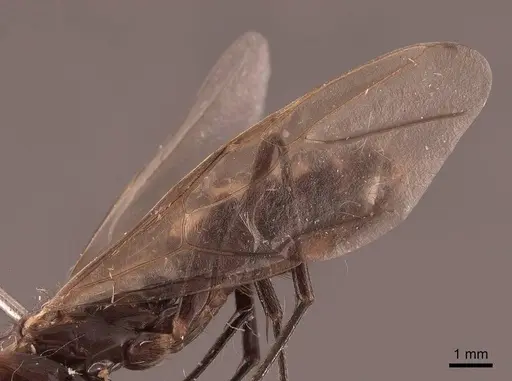
Beyond their strange elongated heads, these ants are true bamboo engineers. Workers actively modify their bamboo homes by chewing entrance holes in very specific locations, at the base of new internodes in young, unhardened culms [1]. They also practice a form of livestock management, moving their scale insect herds between different bamboo stems to optimize honeydew production [4]. The winged reproductive females even commute between nests alongside workers, a behavior rarely observed in other ants [1].
Frequently Asked Questions
Can I keep Camponotus mirabilis in a test tube?
No. Test tubes are unsuitable for multiple reasons: they require bamboo for nesting, and founding queens need host colonies rather than isolated founding chambers [1].
How do I found a Camponotus mirabilis colony?
You likely cannot in standard captivity. They appear to be temporary parasites, with queens invading Colobopsis longipilis nests to start colonies. This requires a host colony and specialized conditions [1].
Do Camponotus mirabilis need hibernation?
No. They are tropical Amazonian ants and remain active year-round without diapause [3].
What do Camponotus mirabilis eat?
Primarily honeydew from scale insects (coccids) that they tend inside bamboo. They occasionally take small prey but are heavily dependent on sugar sources [2][4].
Are Camponotus mirabilis good for beginners?
No. Their specialized bamboo nesting, nocturnal habits, temporary parasitic founding, and specific dietary needs make them suitable only for expert ant keepers with experience in specialized tropical species.
How big do Camponotus mirabilis colonies get?
Specific numbers are unknown, but they are polydomous, spread across multiple bamboo culms, suggesting they can reach large sizes distributed across many nest sites [1][4].
Can I keep multiple Camponotus mirabilis queens together?
No. They are monogyne, only one queen exists per colony patch even when spread across multiple bamboo stems [1].
Why do they have such weird heads?
Their elongated, widened heads with sharp occipital corners are distinctive features of the subgenus Myrmostenus, possibly adapted for maneuvering inside narrow bamboo internodes or for combat during nest takeovers [1].
References

This caresheet is licensed under CC BY-SA 4.0 .
ANTWEB1053744
View on AntWeb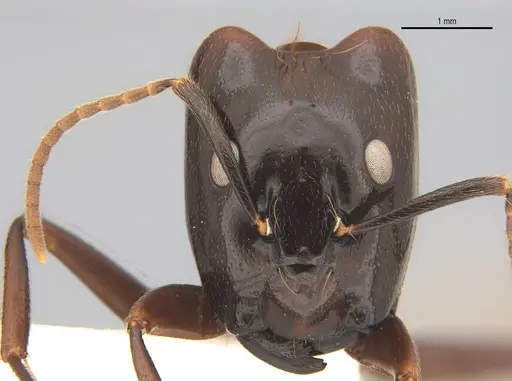
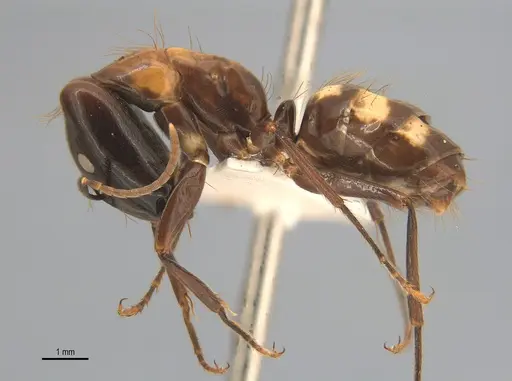
CASENT0249616
View on AntWeb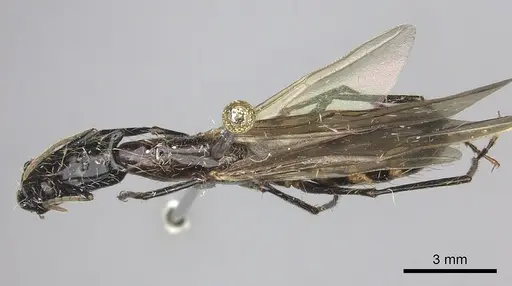
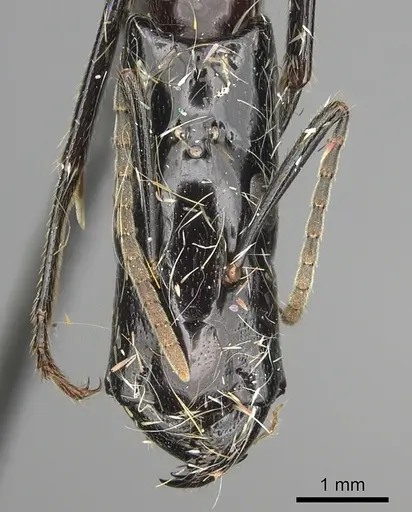
CASENT0280166
View on AntWeb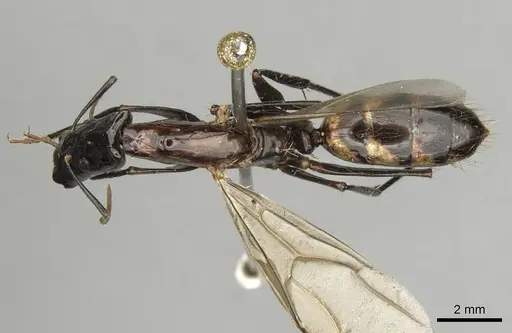
CASENT0905507
View on AntWeb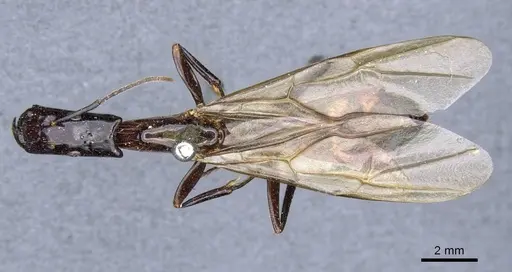
FMNHINS0000062969
View on AntWeb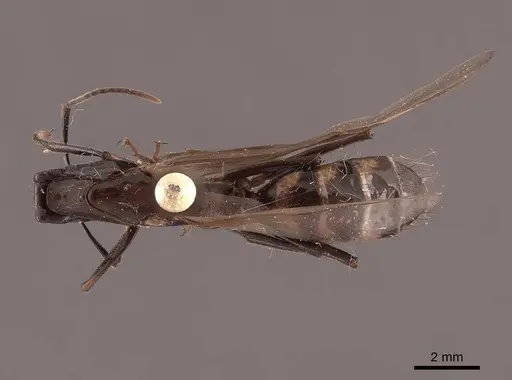
Literature
Loading...Loading products...