

Camponotus micrositus
- Scientific Name
- Camponotus micrositus
- Subgenus
- Myrmaphaenus
- Tribe
- Camponotini
- Subfamily
- Formicinae
- Author
- Wheeler, 1937
- Distribution
- Found in 1 countries
Camponotus micrositus Overview
Camponotus micrositus is an ant species of the genus Camponotus. It is primarily documented in 1 countries , including Cuba. Detailed taxonomic data and occurrence records can be further explored via authoritative databases such as AntWeb or the Global Biodiversity Information Facility (GBIF).
Camponotus micrositus
Camponotus micrositus is a tiny carpenter ant endemic to the mountains of eastern Cuba. Workers measure just 3mm, making them one of the smallest Camponotus species in the world. They have a distinctive red coloration on the head, thorax, and first gastric segment, with the rest of the abdomen being black. This species belongs to the subgenus Manniella and is known only from the Sierra Maestra mountain range, where it inhabits pluviforest and pine forest environments at higher elevations [1][2].
This is one of the rarest and least-studied Camponotus species in the world, known only from a handful of specimens collected in Cuba's eastern mountains. Despite its tiny size, it shows the typical carpenter ant body structure with a distinct petiolar scale and relatively large eyes. The limited distribution and endemic status make this a particularly interesting species for ant enthusiasts interested in rare Caribbean fauna.
Quick Summary
- Difficulty: Expert
- Origin & Habitat: Eastern Cuba, Sierra Maestra mountains, specifically the coast below Pico Turquino and surrounding highland areas. Found in pluviforest (rainforest) and pine forest habitats at elevation [1]. Not found in evergreen or semideciduous forests [1].
- Colony Type: Colony structure is unconfirmed. As a Camponotus species, likely single-queen colonies based on typical genus patterns.
- Size & Growth:
- Queen: Unknown, no queen has been described in scientific literature
- Worker: 3mm (minor worker) [3]
- Colony: Unknown, only known from single specimen
- Growth: Unknown, likely moderate based on genus patterns
- Development: Unknown, estimate 6-8 weeks based on typical Camponotus development at tropical temperatures (No direct development data exists for this species. Estimates based on typical Camponotus genus patterns.)
- Antkeeping:
- Temperature: Keep around 24-28°C, mimicking warm tropical mountain conditions. A gentle gradient is recommended.
- Humidity: High humidity required, pluviforest origin indicates damp conditions. Keep nest substrate consistently moist but not waterlogged.
- Diapause: Unlikely, being a tropical Caribbean species from low latitude Cuba, they probably do not require a true hibernation period. May show reduced activity during cooler months.
- Nesting: No specific nesting data exists. Based on habitat (forest floor and lower vegetation), they likely prefer humid nest sites. Y-tong nests or moist plaster nests work well for tiny Camponotus species.
- Behavior: Behavior is unstudied. As a tiny Camponotus, they are likely less aggressive than larger carpenter ants and may be more cryptic in their habits. Their small size suggests they may be more prone to escape than larger ants, use fine mesh barriers. Likely nocturnal or crepuscular based on large eyes.
- Common Issues: very limited distribution and rarity means wild colonies are essentially unavailable, no colony size or growth data makes planning difficult, tropical humidity requirements can be challenging to maintain consistently, tiny size creates escape risk despite being a Camponotus, endemic status means potential legal restrictions on export from Cuba
Natural History and Distribution
Camponotus micrositus is one of the rarest ant species in the world, known only from the Sierra Maestra mountains in eastern Cuba. The original description was based on a single minor worker collected on July 26,1936,from the coast below Pico Turquino [3]. Subsequent surveys have recorded this species in both major massifs of the Sierra Maestra region, Sierra Maestra itself and the Nipe-Sagua-Baracoa mountains [1].
This species is strictly associated with highland forest environments. Research shows they are found in pluviforest (rainforest) and pine forest habitats, but not in evergreen or semideciduous forests [1]. This suggests they prefer cooler, wetter conditions at elevation rather than the hotter, drier lowland forests. The species is listed as endemic to Cuba, meaning it is found nowhere else on Earth [2][4].
The elevational range is not precisely documented, but the type locality (coast below Pico Turquino) and the association with pluviforest suggest they occur at moderate to high elevations in the mountains. This mountain rainforest habitat is important for care, it indicates these ants need humidity and likely prefer temperatures that are warm but not extreme.
Identification and Morphology
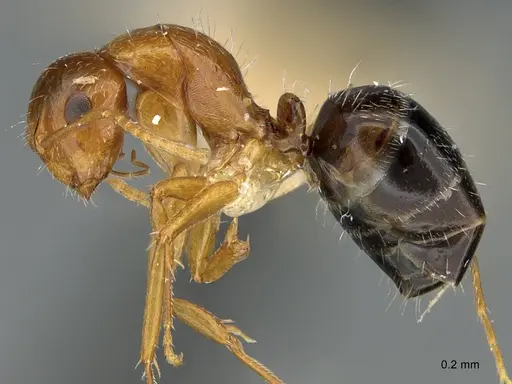
Workers of Camponotus micrositus are tiny, measuring just 3mm in length [3]. This makes them one of the smallest Camponotus species globally. The body coloration is distinctive: the head, thorax, petiole, and first gastric segment are red, while the remainder of the gaster (abdomen) is black. The mandibles, posterior portion of the head, and first gastric segment are more brownish-red, while the legs and antennae are paler and more yellowish-red [3].
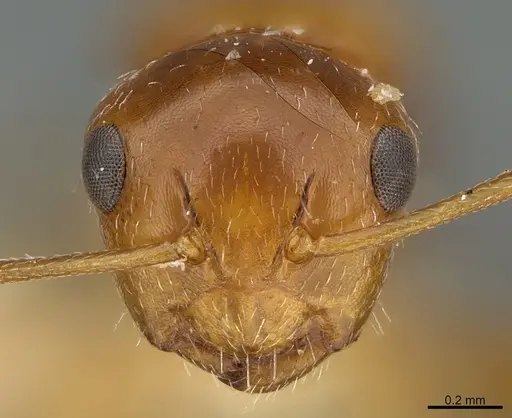
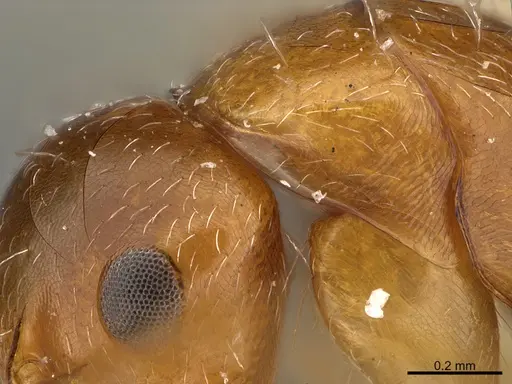
The head is subtrapezoidal, narrowed anteriorly, with convex sides and a very convex vertex and posterior border. The eyes are large and moderately convex, about half as long as their distance from the anterior corners of the head. The mandibles are narrow with an apparently 4-toothed apical border. The thorax is narrower than the head, short and high, about twice as long as broad, with a distinct promesonotal suture but no visible mesoepinotal suture [3].
The petiolar scale is rather thick with flattened anterior and posterior faces and a very blunt superior border. The gaster is about as large as the thorax, and the fore femora are incrassated (thickened). This species belongs to the subgenus Manniella, which is a small group of tiny Caribbean carpenter ants.
Housing and Nesting
Since no specific nesting data exists for this species, care recommendations must be based on what we know about their habitat and related species. Their presence in pluviforest and pine forest indicates a need for higher humidity than typical for many Camponotus species.
For housing, a Y-tong (acrylic) nest or a moist plaster nest works well for tiny Camponotus species. The chambers should be appropriately scaled to their 3mm size, tight passages help them feel secure. Keep the nest substrate consistently moist but not waterlogged. The moisture level should mimic damp forest floor conditions, think damp to the touch rather than wet.
Because of their very small size, escape prevention is critical. Use fine mesh (at least 0.5mm) on any ventilation holes, and ensure all connections are tight-fitting. These tiny ants can squeeze through gaps that larger ants cannot.
An outworld (foraging area) should be appropriately scaled to their size. A small container works well since colonies are likely to remain small. Provide a water source in the outworld and offer food on small platforms or directly on the substrate. [1]
Feeding and Diet
As a Camponotus species, these ants are likely omnivorous like most carpenter ants. They probably consume honeydew from aphids and scale insects, extrafloral nectar, and small insects. In captivity, offer a varied diet including sugar water (1:1 ratio with water) or honey water, and protein sources such as small insects (fruit flies, small mealworms, crickets).
Since workers are only 3mm, prey items should be appropriately sized. Small fruit flies, pinhead crickets, or small mealworm pieces work well. Remove any uneaten prey after 24-48 hours to prevent mold.
Feed protein 2-3 times per week, and keep a constant sugar source available. Adjust feeding frequency based on colony size and consumption rates. Observe your colony's preferences, some colonies accept a wider variety of foods than others.
Temperature and Seasonal Care
Based on their origin in the Sierra Maestra mountains of Cuba, these ants likely prefer warm but not hot conditions. The pluviforest and pine forest associations suggest they are adapted to temperatures that are warm but moderated by elevation and humidity.
Aim for temperatures in the range of 24-28°C. This is warm but within reason for most indoor ant setups. A heating cable on one side of the nest can create a temperature gradient, allowing the ants to choose their preferred zone. Place the heating on top of the nest, not underneath, to avoid excessive drying.
Being a tropical Caribbean species from a relatively low latitude (Cuba), they likely do not require a true hibernation period. However, they may show reduced activity during cooler months if your room temperature drops. Monitor colony behavior, if workers become less active, you may need to provide gentle heating.
Maintain high humidity to replicate their pluviforest origin. This can be achieved through moist substrate in the nest and occasional misting of the outworld, but avoid creating stagnant, mold-prone conditions. [1]
Challenges and Limitations
Camponotus micrositus presents significant challenges for antkeepers. First and foremost, this species is extremely rare in the wild and endemic to Cuba. Obtaining a colony legally may be nearly impossible, and wild-caught colonies are essentially unavailable [2][4].
Second, almost no biological data exists for this species. We do not know colony size, queen size, founding behavior, development time, or specific dietary needs. Everything in this caresheet is inferred from genus patterns and habitat associations. You will essentially be pioneering the husbandry of a completely unstudied species.
Third, the tiny worker size (3mm) creates practical challenges for feeding and escape prevention. You will need to provide appropriately sized prey and use excellent barrier materials.
Finally, being an endemic Cuban species, there may be legal considerations regarding export and keeping. Always ensure any colony obtained was legally acquired and follows all applicable regulations.
For these reasons, this species is recommended only for expert antkeepers with experience in raising difficult, rarely-kept species and the resources to experiment with husbandry techniques.
Frequently Asked Questions
How big do Camponotus micrositus colonies get?
Colony size is unknown, this species has only been described from a single specimen. Based on the tiny worker size (3mm) and typical Camponotus patterns, colonies likely remain relatively small, probably under 500 workers.
What do Camponotus micrositus ants eat?
No specific dietary data exists. Based on genus patterns, they likely eat honeydew, nectar, and small insects. In captivity, offer sugar water or honey water and small insects like fruit flies or small mealworm pieces.
Are Camponotus micrositus good for beginners?
No. This species is extremely difficult to obtain (endemic to Cuba, known only from a handful of specimens) and almost no husbandry data exists. It is recommended only for expert antkeepers willing to experiment with unstudied species.
What temperature do Camponotus micrositus need?
Based on their pluviforest habitat in Cuba, keep them warm at 24-28°C. Avoid temperatures below 20°C or above 32°C. A gentle temperature gradient allows them to regulate their own exposure.
Do Camponotus micrositus need hibernation?
Unlikely. As a tropical Caribbean species from low-latitude Cuba, they probably do not require a true hibernation period. They may show reduced activity in cooler months but should not be given a cold hibernation.
How long does it take for Camponotus micrositus to develop from egg to worker?
Development time is unconfirmed. Based on typical Camponotus development at tropical temperatures, estimate 6-8 weeks from egg to first worker, but this is a rough guess.
Can I keep multiple Camponotus micrositus queens together?
Colony structure is unconfirmed. As a Camponotus species, they are likely single-queen colonies. Do not attempt combining unrelated queens without specific evidence that this species tolerates polygyny.
Where does Camponotus micrositus live in the wild?
This species is endemic to the Sierra Maestra mountains in eastern Cuba. It is found in pluviforest and pine forest habitats at higher elevations. It is not found in evergreen or semideciduous forests [1].
How do I house Camponotus micrositus?
Use a Y-tong or moist plaster nest scaled to their tiny 3mm size. Keep the nest humid (moist substrate) and provide excellent escape prevention with fine mesh. An appropriately sized outworld completes the setup.
References

This caresheet is licensed under CC BY-SA 4.0 .
ANTWEB1041562
View on AntWeb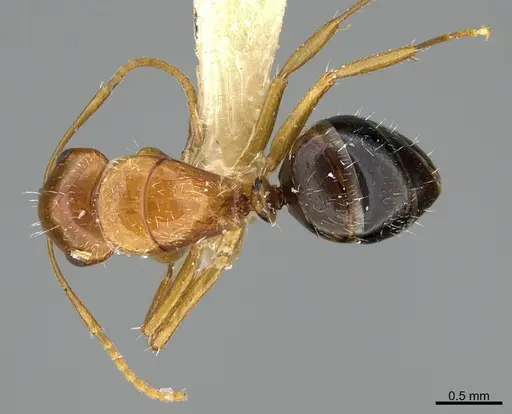
Literature
Loading...Loading products...