

Camponotus micronesicus
- Scientific Name
- Camponotus micronesicus
- Tribe
- Camponotini
- Subfamily
- Formicinae
- Author
- Blanchard & Clouse, 2016
- Distribution
- Found in 3 countries
Camponotus micronesicus Overview
Camponotus micronesicus is an ant species of the genus Camponotus. It is primarily documented in 3 countries , including Micronesia, Federated States of, Marshall Islands. Detailed taxonomic data and occurrence records can be further explored via authoritative databases such as AntWeb or the Global Biodiversity Information Facility (GBIF).
Camponotus micronesicus
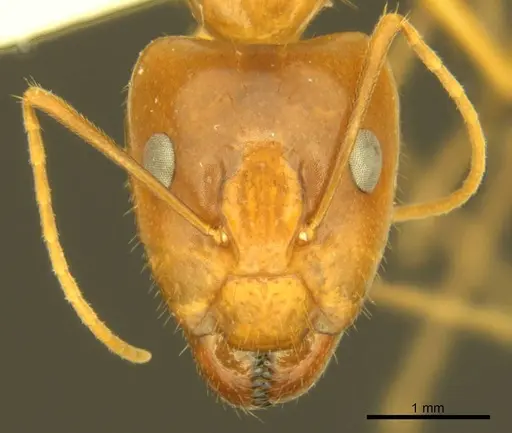
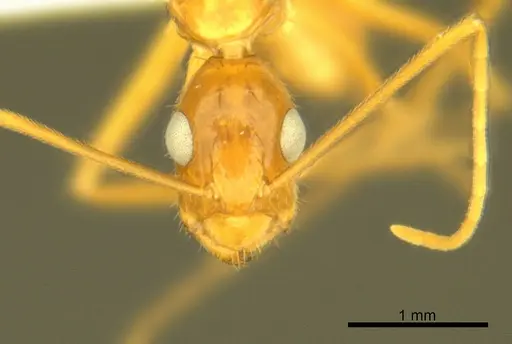
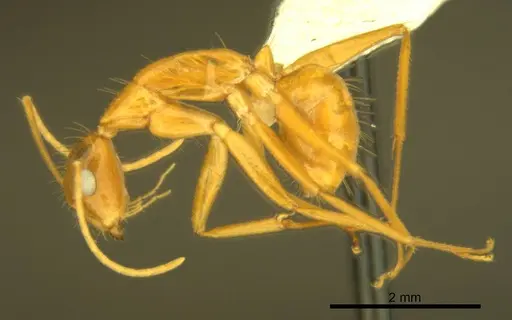
Camponotus micronesicus is a medium-sized carpenter ant native to Micronesia and Melanesia. Majors measure 2.65-3.00mm in mesosoma length with heads 1.85-2.30mm wide, while minors are smaller at 2.2-2.5mm. The species has a distinctive appearance with a uniformly yellow-orange gaster and mesosoma, while the head ranges from slightly to considerably darker orange-brown. This ant lacks standing hairs on the propleuron and hind femur, which is a key diagnostic feature distinguishing it from the similar C. chloroticus. The species was formally described in 2016 and is named for Micronesia, the predominant region where it occurs [1][2].
This species thrives in disturbed forest habitats, both natural settings like reef islets that get washed over during storms and human-modified areas such as agroforest at low and middle elevations. It belongs to Clade V in the molecular phylogeny of Indo-Pacific carpenter ants, a group that originated in the Australian wet tropics and has spread across the Pacific [1].
Quick Summary
- Difficulty: Medium
- Origin & Habitat: Micronesia and Melanesia, found in Guam, Marshall Islands, Federated States of Micronesia, Northern Mariana Islands, Palau, Papua New Guinea, and Vanuatu. Inhabits disturbed forests including natural reef islets and anthropogenic agroforest at low to middle elevations [1][2][3].
- Colony Type: Colony structure is unconfirmed. Based on typical Camponotus patterns, likely single-queen (monogyne) colonies, but this has not been directly documented for this species.
- Size & Growth:
- Queen: Not directly measured, estimated 9-12mm based on typical Camponotus queen size ranges
- Worker: Majors: 2.65-3.00mm mesosoma length, HW 1.85-2.30mm. Minors: 2.2-2.5mm mesosoma length, HW 1.00mm [1][2]
- Colony: Estimated several hundred to a few thousand workers based on typical Camponotus colony sizes
- Growth: Moderate, inferred from genus patterns
- Development: 6-10 weeks at optimal temperature, estimated based on typical Camponotus development [3] (Development time is estimated from genus-level patterns as species-specific data is not available. Tropical distribution suggests faster development than temperate species.)
- Antkeeping:
- Temperature: Keep at 24-28°C, this tropical Pacific species prefers warm conditions. A heating cable on one side of the nest creates a gentle gradient allowing workers to regulate their temperature [3].
- Humidity: Moderate humidity around 50-70%. These ants inhabit disturbed forest areas and tolerate drier conditions than many rainforest species. Keep substrate moderately moist but allow some drying between waterings.
- Diapause: Unlikely, as a tropical species, they do not require hibernation. However, they may show reduced activity during cooler periods.
- Nesting: Y-tong (AAC) nests work well for this medium-sized Camponotus. They are not wood-nesting in the traditional sense but can excavate in soft materials. Plaster nests or acrylic formicaria with narrow chambers are also suitable. Provide a dark nesting area.
- Behavior: These ants are relatively docile carpenter ants with typical Camponotus temperament, not particularly aggressive but will defend their nest if threatened. Workers are active foragers that search for protein and sugar sources. Major workers have large heads for seed processing and colony defense. Escape risk is moderate, use standard barrier methods but no special escape prevention is required beyond standard practices. They do not have a functional stinger as they are in the subfamily Formicinae.
- Common Issues: tropical species may struggle in cool rooms, monitor temperature closely, colonies may become sluggish or stop growing if temperatures drop below 22°C, wild-caught colonies may carry parasites or pathogens that can cause colony failure, overfeeding can lead to mold problems in the nest, queen loss during founding is common, ensure founding setup is stable and undisturbed
Housing and Nest Setup
Camponotus micronesicus does well in Y-tong (AAC) nests, plaster nests, or acrylic formicaria. These medium-sized ants need chambers scaled appropriately, avoid overly large spaces. Provide a dark nesting area as they prefer dim conditions. A test tube setup works well for founding colonies. For outworld setup, use a simple foraging area with a water source. Standard escape prevention is sufficient, these ants are not particularly escape-prone but can climb smooth surfaces. Ensure the nest has some moisture but avoid waterlogging the substrate. [1][2][3]
Feeding and Diet
Like other Camponotus species, C. micronesicus is omnivorous. Offer protein sources such as mealworms, crickets, or other small insects. Sugar water, honey, or sucrose solutions should be available constantly, these ants have a sweet tooth. Majors can handle larger prey items and seeds. Feed protein 2-3 times per week and keep sugar water available at all times. Remove uneaten prey after 24-48 hours to prevent mold. Fresh fruit can also be offered occasionally. [3]
Temperature and Seasonal Care
This tropical species requires warm conditions. Keep the nest area at 24-28°C for optimal brood development. A heating cable placed on one side of the nest creates a temperature gradient allowing ants to self-regulate. Place the heating on top of the nest to avoid evaporating moisture too quickly. Room temperature may be sufficient in warm climates but monitor closely. Unlike temperate species, they do not require hibernation or diapause. However, activity may slow during cooler periods, this is normal and they should recover when warmed. [3]
Colony Development and Growth
Colony growth follows typical Camponotus patterns. The queen lays eggs after mating, and the first brood develops through larval and pupal stages before emerging as nanitic workers. These first workers are smaller than normal workers and help the colony expand. Growth rate is moderate, the colony will gradually increase in size over months to years. Major workers develop as the colony grows, typically appearing when the colony reaches several dozen workers. Patience is key with Camponotus species as they are not fast growers but can live for many years once established. [3]
Behavior and Temperament
C. micronesicus has a typical carpenter ant temperament, generally calm and not prone to aggression unless their nest is directly threatened. Workers are active foragers that will search the outworld for food. They communicate through chemical trails and can recruit nestmates to good food sources. Major workers serve as colony defenders and can process harder foods like seeds. They do not have a functional stinger but may bite if provoked. The colony will establish distinct foraging patterns over time. [1][2]
Frequently Asked Questions
How long does it take for Camponotus micronesicus to have first workers?
Expect first workers (nanitics) around 6-10 weeks after the queen lays eggs, assuming optimal temperature of 24-28°C. This is estimated from typical Camponotus development patterns as species-specific data is not available.
What do Camponotus micronesicus ants eat?
They are omnivorous. Offer protein like mealworms or crickets 2-3 times per week and keep sugar water or honey available at all times. They also accept fruit and other small insects.
What temperature do Camponotus micronesicus need?
Keep them warm at 24-28°C. This tropical species does not tolerate cool conditions well. A heating cable on one side of the nest can help maintain proper temperatures.
Are Camponotus micronesicus good for beginners?
They are moderate difficulty, not the easiest but not difficult either. They require warm temperatures and standard antkeeping care. Their tropical nature means temperature control is important.
How big do Camponotus micronesicus colonies get?
Estimated several hundred to a few thousand workers based on typical Camponotus colony sizes. Growth is moderate and takes time, colonies can live for many years once established.
Do Camponotus micronesicus need hibernation?
No, they do not require hibernation. As a tropical Pacific Island species, they do not have a winter dormancy period. They may show reduced activity during cooler periods but this is not a true diapause.
Can I keep multiple Camponotus micronesicus queens together?
This has not been documented for this species. Based on typical Camponotus behavior, single-queen colonies are most common. Combining unrelated queens is not recommended as they may fight.
When should I move Camponotus micronesicus to a formicarium?
Move from a test tube setup to a formicarium once the colony reaches 30-50 workers and the test tube is becoming cramped. Ensure the formicarium has appropriately sized chambers and a water source.
Why is my Camponotus micronesicus colony not growing?
Check temperature first, they need 24-28°C. Also ensure the queen is alive and laying eggs. Poor nutrition, low humidity, or disturbance can also slow growth. Review all care parameters and make adjustments gradually.
References

This caresheet is licensed under CC BY-SA 4.0 .
ANTWEB1008903
View on AntWeb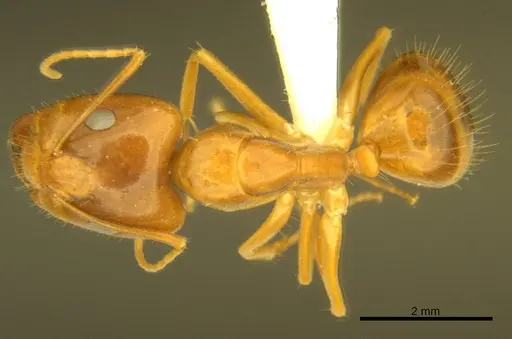
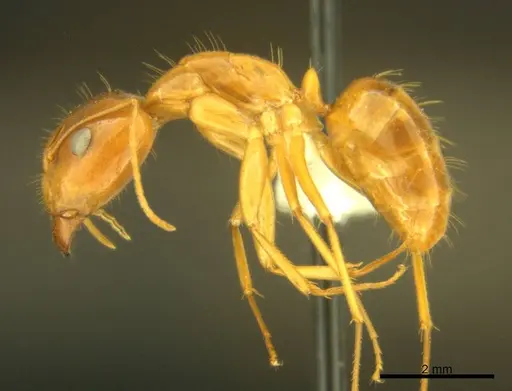
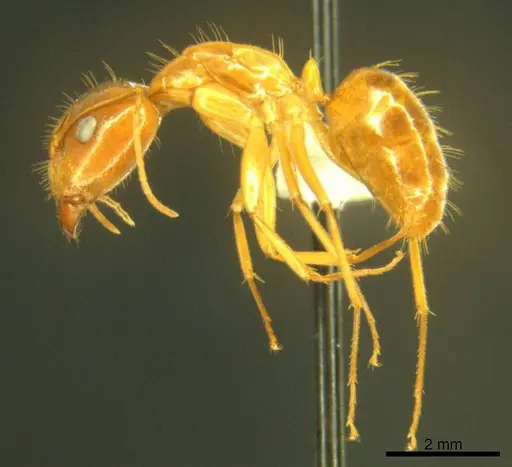
ANTWEB1008904
View on AntWeb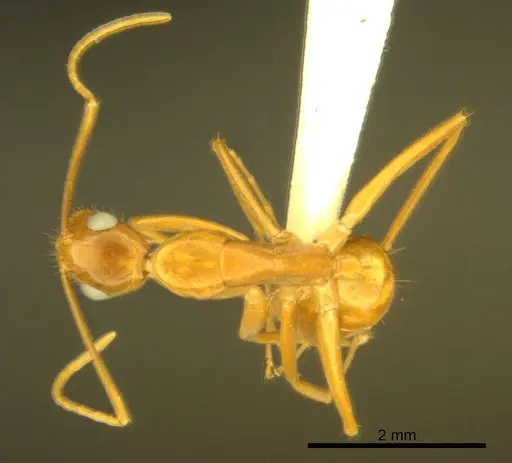
Literature
Loading...Loading products...