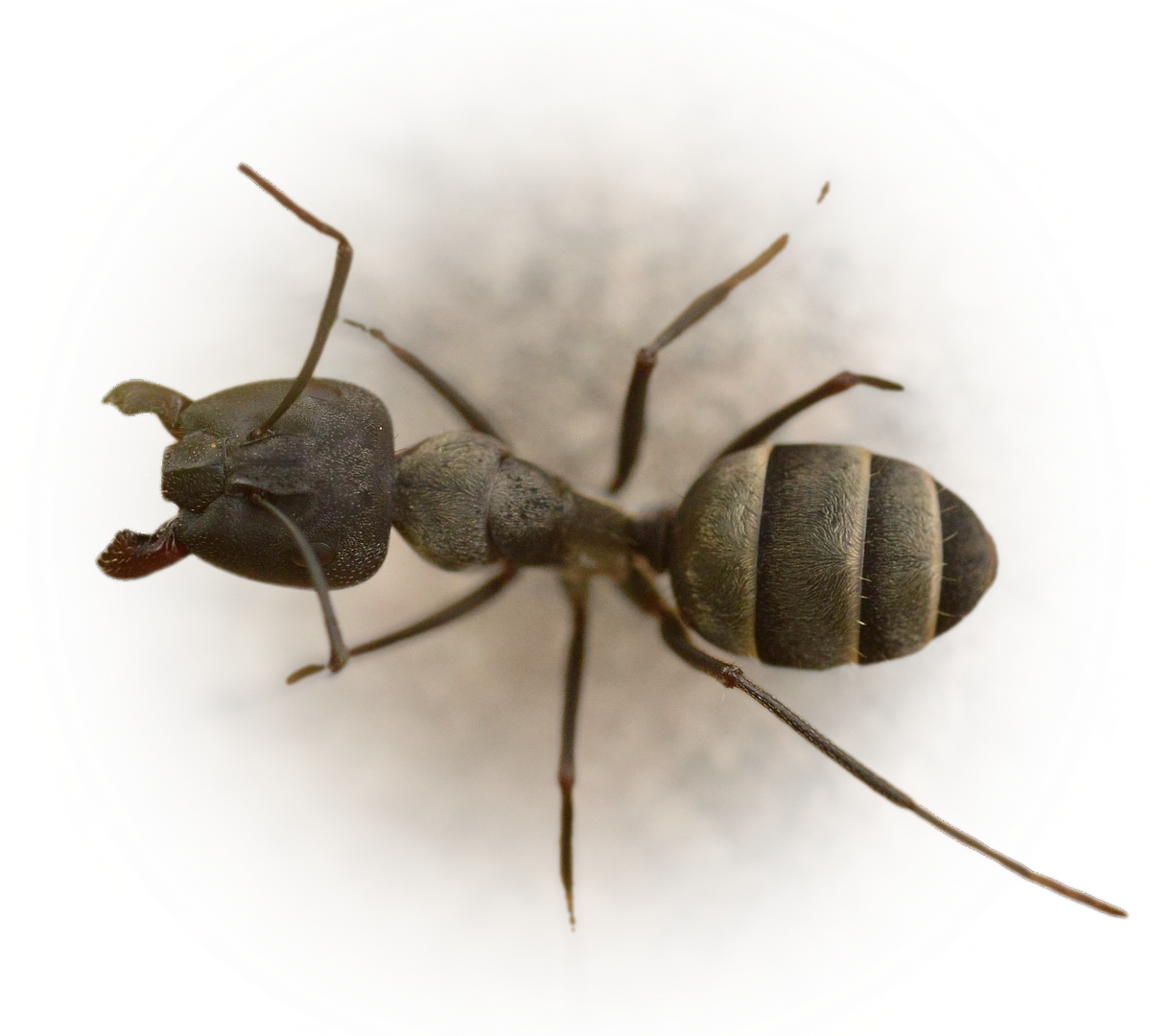

Camponotus micans
- Scientific Name
- Camponotus micans
- Subgenus
- Myrmosericus
- Tribe
- Camponotini
- Subfamily
- Formicinae
- Author
- Nylander, 1856
- Distribution
- Found in 7 countries
Camponotus micans Overview
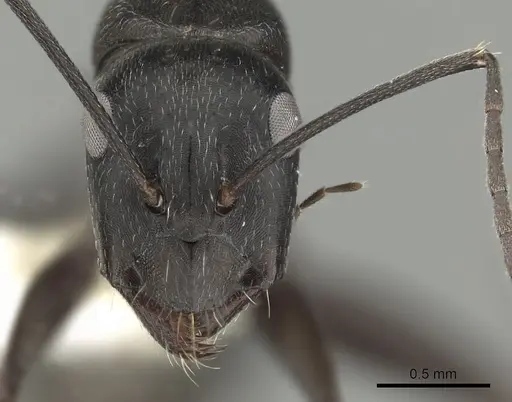
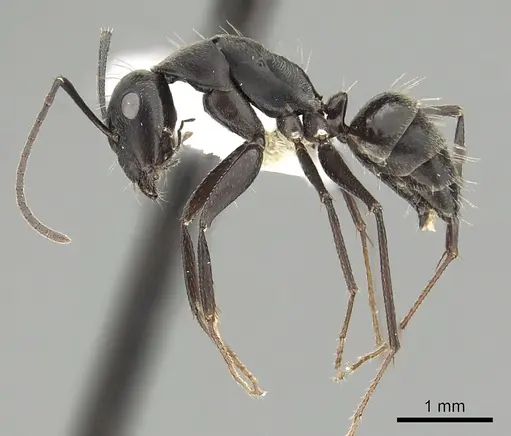
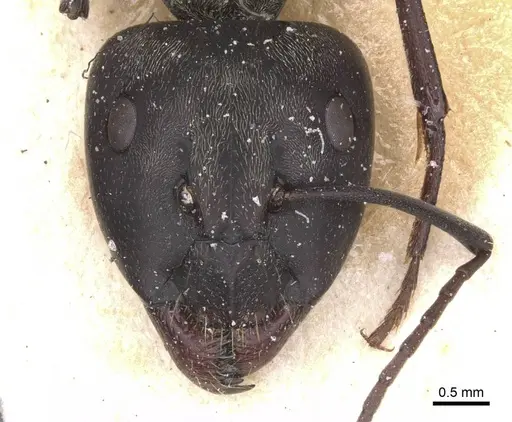
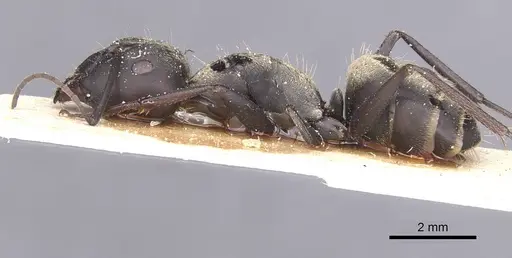
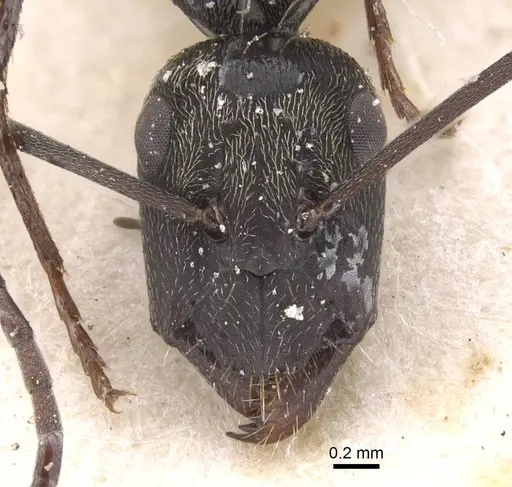
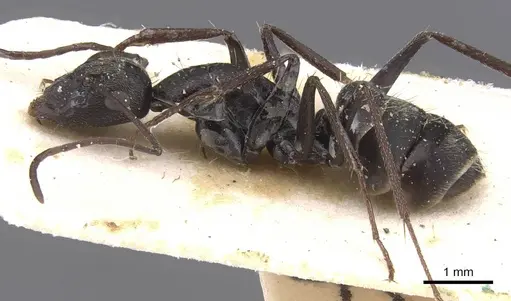
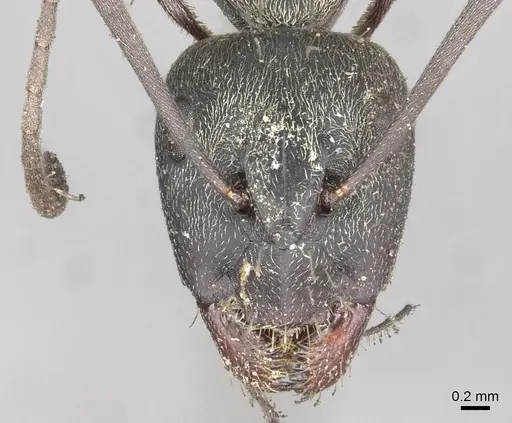
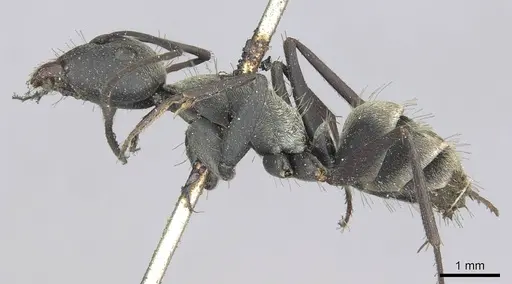
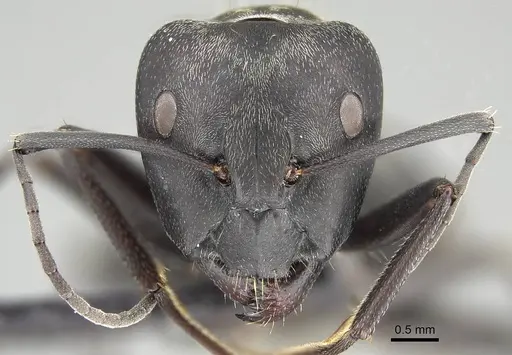
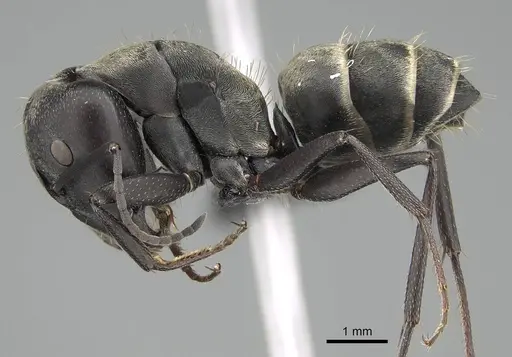
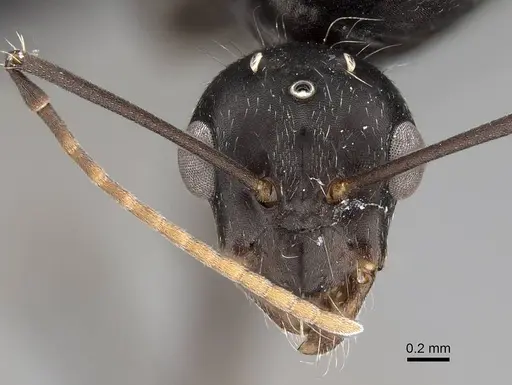
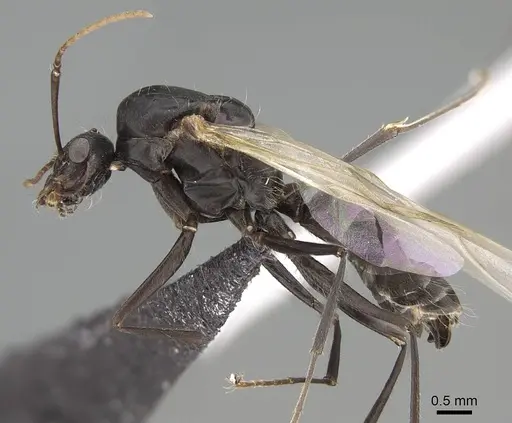
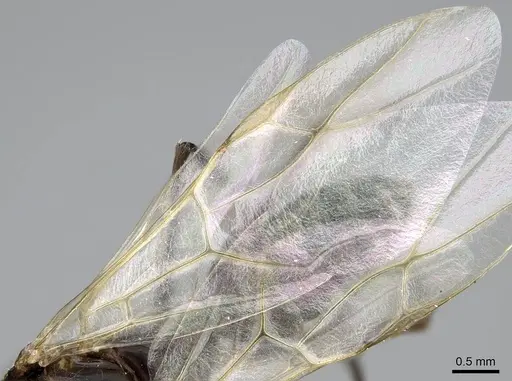
Camponotus micans is an ant species of the genus Camponotus. It is primarily documented in 7 countries , including Algeria, Spain, Italy. Detailed taxonomic data and occurrence records can be further explored via authoritative databases such as AntWeb or the Global Biodiversity Information Facility (GBIF).
Camponotus micans
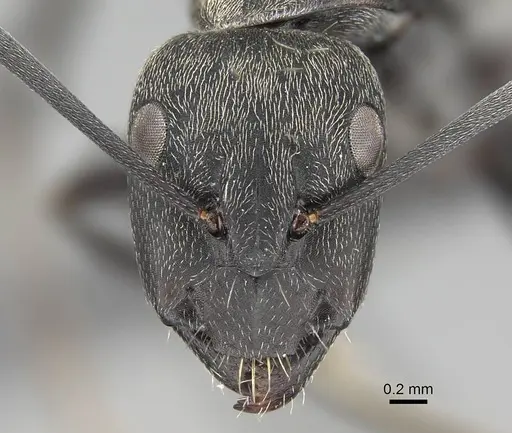
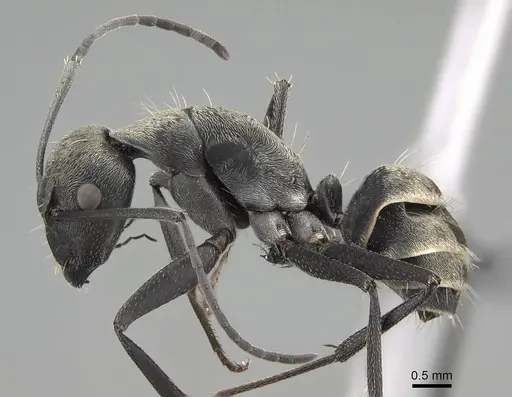
Camponotus micans is a small to medium-sized Camponotus species native to the West Mediterranean region, found across southern Spain, Portugal, Italy, Sicily, Sardinia, and North Africa [1]. Workers measure around 1.16mm in head width [2] and display the typical Camponotus polymorphism with major and minor workers. This species is a Heat/Open specialist, thriving in warm, dry Mediterranean climates with high sun exposure [3]. It shows a preference for cleared oak forests but also inhabits open areas with high insolation such as thyme fields and grasslands [4][3]. Camponotus micans is omnivorous, feeding primarily on sugary honeydew from aphids and small arthropods [3], and serves as a notable pollinator of Lobularia maritima flowers in its range [5][6].
Quick Summary
- Difficulty: Easy
- Origin & Habitat: West Mediterranean species found across southern Spain, Portugal, Italy (mainland, Sardinia, Sicily), Algeria, Morocco, Libya, Egypt, Iran, Armenia, and Monaco [1]. It prefers warm, dry Mediterranean habitats with high sun exposure, including cleared oak forests, open grasslands, thyme thickets, and rocky areas at elevations between 286-1,113 meters [3][7]. In Sicily, it has been recorded at altitudes from 340-940m in habitats ranging from lava desert to maquis and rocky meadows [8].
- Colony Type: Single-queen (monogyne) colonies. This follows typical Camponotus colony structure where one queen establishes and heads the colony.
- Colony: Monogyne
- Founding: Claustral
- Size & Growth:
- Queen: Estimated 9-12mm based on genus Camponotus patterns
- Worker: 1.16mm head width recorded for workers [2], with typical polymorphic major/minor size range of 4-9mm
- Colony: Colonies typically reach several hundred workers based on similar Mediterranean Camponotus species
- Growth: Moderate
- Development: 6-8 weeks estimated based on typical Camponotus development at optimal temperature (Development time follows standard Camponotus patterns, claustral founding means queens seal themselves in and raise first workers alone on stored fat reserves)
- Antkeeping:
- Temperature: Keep at 22-26°C. As a Mediterranean Heat/Open specialist, they prefer warm conditions [3]. Room temperature is often suitable, or use a heating cable on one side of the nest to create a gentle gradient.
- Humidity: Low to moderate. They prefer dry, warm conditions typical of their Mediterranean habitat [3]. Keep the nest relatively dry with occasional moisture available in a water reservoir. Avoid damp conditions.
- Diapause: No, as a Mediterranean species from warm climates, they do not require true hibernation. They may show slight reduced activity in cooler winter months but no formal diapause is needed.
- Nesting: In nature they nest under stones and in soil in warm, dry, sunny locations [9]. For captivity, Y-tong (AAC) or plaster nests work well. They prefer narrow chambers and dry conditions. Avoid overly damp or humid nest environments.
- Behavior: Generally calm and non-aggressive temperament. Like most Camponotus, they are not particularly defensive and rarely sting. Workers are active foragers, primarily collecting honeydew from aphids and small prey. They are daytime foragers adapted to warm conditions. Escape risk is moderate, use standard Camponotus escape prevention (Fluon on test tube rims, fine mesh on outworlds).
- Common Issues: dry conditions are essential, too much humidity can cause colony stress and mold issues, overheating is a risk, while they like warmth, direct heat sources too close to the nest can kill the colony, wild-caught colonies may have parasites, quarantine and monitor new colonies, small colony sizes can be slow to establish, patience is needed during the founding phase, aphid associations mean they may ignore sugar water initially, offer honeydew or small insects instead
Nest Preferences and Housing
Camponotus micans naturally nests under stones and in compacted soil in warm, dry, sunny Mediterranean locations [9]. They show a preference for cleared oak forests and open areas with high insolation [3]. For captive care, Y-tong (AAC) nests or plaster nests work well. They prefer relatively dry conditions with narrow chambers scaled to their worker size. A water reservoir for humidity is recommended but avoid making the nest too damp. Test tube setups can work for founding colonies but monitor for mold. Place the nest in a warm area of your setup, avoiding direct sunlight.
Feeding and Diet
This species is omnivorous with a strong preference for sugary secretions. In the wild, they feed extensively on honeydew from aphids and other sap-sucking insects [3][10]. They also consume small arthropods and are known to visit flowers, where they act as pollinators for plants like Lobularia maritima [5][6]. In captivity, offer sugar water or honey water as a constant energy source. For protein, provide small insects like fruit flies, pinhead crickets, or mealworms. They may ignore sugar water initially if coming from wild colonies with established aphid sources, try offering small live prey first. Frequency: sugar water always available, protein prey 2-3 times per week depending on colony size.
Temperature and Seasonal Care
As a Heat/Open specialist species from the Mediterranean [3], Camponotus micans thrives in warm conditions. Keep the nest area at 22-26°C. They can tolerate slightly higher temperatures but avoid overheating. A heating cable on one side of the nest creates a useful temperature gradient. Unlike temperate species, they do not require hibernation or diapause. In winter, they may show slightly reduced activity but should remain active at room temperature. Their elevation range in the wild spans 286-1,113 meters [7], indicating adaptability to temperature variation, but consistently warm conditions promote best colony growth.
Behavior and Colony Dynamics
Camponotus micans colonies are monogyne, with a single founding queen that establishes the colony through claustral founding. Workers are polymorphic, with larger major workers and smaller minor workers. The species is not particularly aggressive and rarely stings, making them manageable for antkeepers. They are daytime foragers, active during warm hours when temperatures suit them. Workers forage for honeydew and small prey, often tending aphids on plants. Colonies grow at a moderate pace, expect 6-12 months to first workers from founding, then steady growth thereafter. Mature colonies may reach several hundred workers. [3]
Unique Ecological Associations
Camponotus micans has several notable ecological associations. It is a known associate of lycaenid butterfly larvae, including Maculinea arion and Glaucoscype melanops [11][12], where ants and butterfly larvae have mutualistic relationships. It also serves as a significant pollinator of Lobularia maritima flowers in Mediterranean regions [5][6], making it ecologically important beyond just being a honeydew collector. In agricultural settings, they are attracted to aphid-infested trees like almond trees, where they feed on honeydew secreted by aphids [10]. These associations reflect their important role in Mediterranean ecosystems.
Frequently Asked Questions
Can I keep Camponotus micans in a test tube?
Yes, test tubes work well for founding colonies. Use a standard test tube setup with a water reservoir. Keep the setup warm and relatively dry, this species prefers dry conditions over damp ones. Monitor for mold and transfer to a formicarium once the colony reaches 20-30 workers.
What do Camponotus micans eat?
They are omnivorous but prefer sugary foods. Offer sugar water or honey water constantly. For protein, provide small insects like fruit flies, small crickets, or mealworms. They also readily accept honeydew if you have aphid-infested plants nearby. Their diet in the wild consists primarily of aphid honeydew plus small arthropods [3].
How long until first workers in Camponotus micans?
Expect first workers (nanitics) around 6-8 weeks after the queen lays eggs, assuming temperatures around 24°C. This follows typical Camponotus development patterns. The queen will remain sealed in her chamber until the first workers emerge. Colonies grow moderately fast after that point.
Do Camponotus micans need hibernation?
No, they do not require hibernation. As a Mediterranean species from warm, dry climates [3], they prefer consistent warmth year-round. Room temperature is typically suitable. They may show slightly reduced activity in winter but no formal diapause is needed.
Are Camponotus micans good for beginners?
Yes, they are considered an easy species to keep. They are calm-tempered, not aggressive, and do not require complex temperature or humidity control. Their main needs are warmth and dry conditions. They are forgiving of minor care mistakes and adapt well to captive conditions.
What temperature is best for Camponotus micans?
Keep them at 22-26°C. As a Heat/Open specialist [3], they prefer warm conditions. A heating cable on one side of the nest can create a gradient, but avoid direct heat that could overheat the colony. Room temperature often falls within their ideal range.
How big do Camponotus micans colonies get?
Based on similar Mediterranean Camponotus species, colonies typically reach several hundred workers. They are not among the largest Camponotus species but can still form substantial colonies over time with proper care.
When should I move Camponotus micans to a formicarium?
Transfer from test tube to formicarium once the colony reaches 20-40 workers. Watch for signs the test tube is becoming cramped or moldy. A Y-tong or plaster nest works well for this species given their preference for dry conditions.
Why is my Camponotus micans colony not growing?
Check that temperatures are warm enough (22-26°C). Ensure the queen is still alive and laying eggs. Verify humidity is not too high, they prefer dry conditions. Make sure protein food is being consumed. If the colony is still small, be patient, Camponotus colonies take time to establish.
References

This caresheet is licensed under CC BY-SA 4.0 .
CASENT0249991
View on AntWeb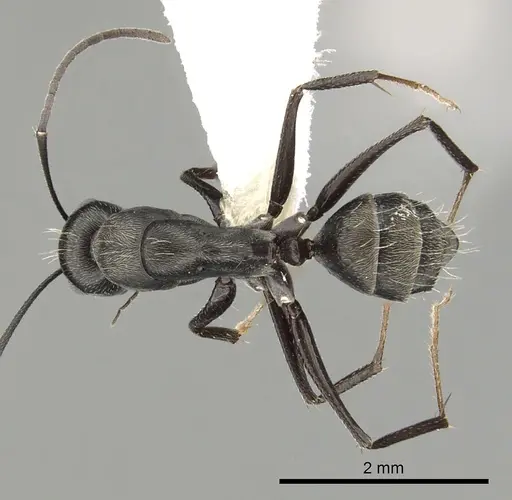
CASENT0911771
View on AntWeb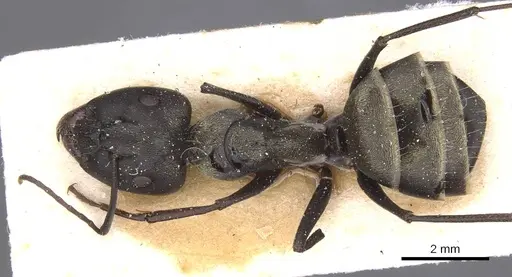
CASENT0911772
View on AntWeb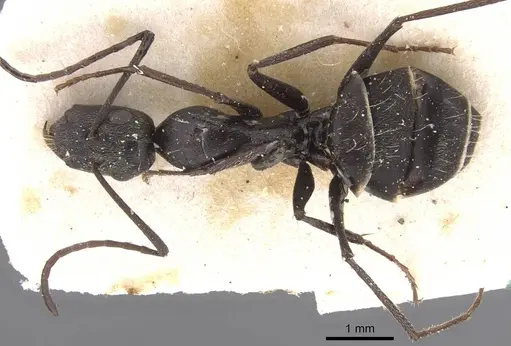
CASENT0913709
View on AntWeb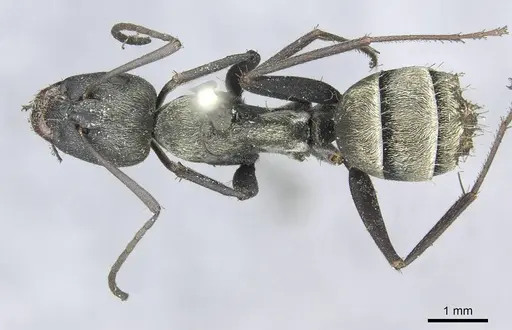
KG01894-2
View on AntWeb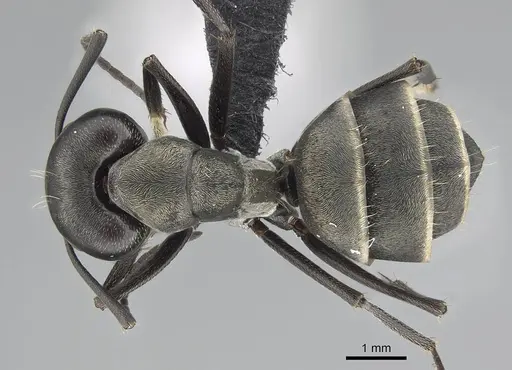
KG01894-3
View on AntWeb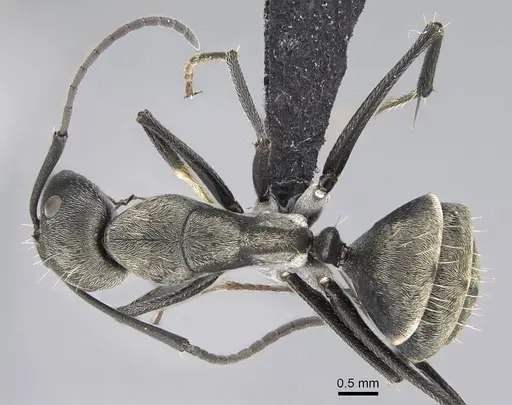
KG01894-4
View on AntWeb
Literature
Loading...Loading products...