

Camponotus marianensis
- Scientific Name
- Camponotus marianensis
- Tribe
- Camponotini
- Subfamily
- Formicinae
- Author
- Clouse, 2007
- Distribution
- Found in 1 countries
Camponotus marianensis Overview
Camponotus marianensis is an ant species of the genus Camponotus. It is primarily documented in 1 countries , including Palau. Detailed taxonomic data and occurrence records can be further explored via authoritative databases such as AntWeb or the Global Biodiversity Information Facility (GBIF).
Camponotus marianensis
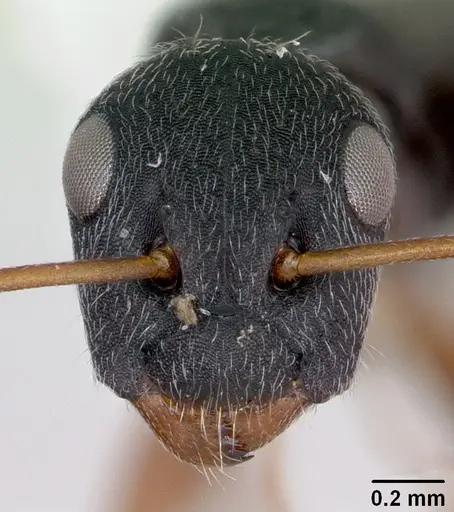
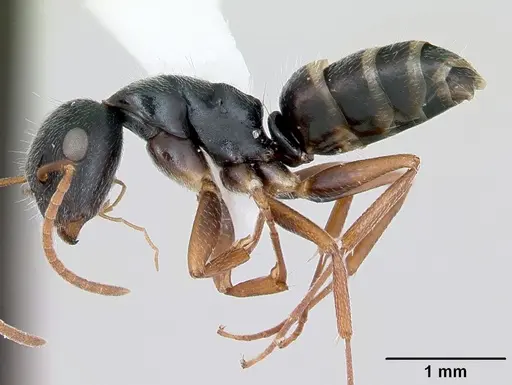
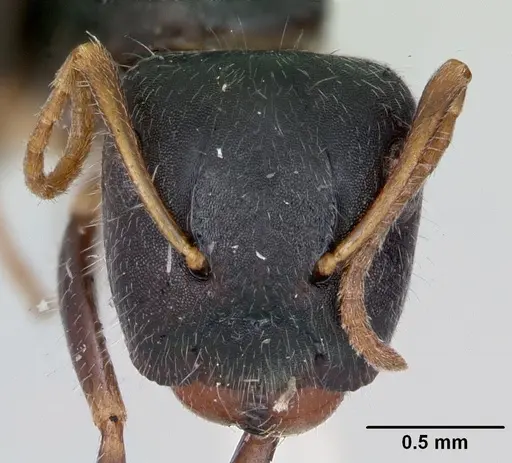
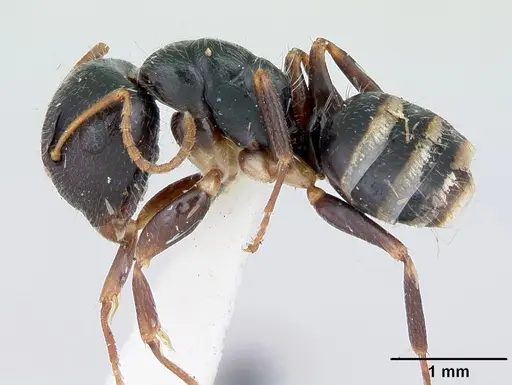
Camponotus marianensis is a small Camponotus species native to the Mariana Islands in the western Pacific. Workers measure just 2.75-3.00mm, making them notably smaller than most Camponotus species which are often 6mm or larger. The species has a distinctive appearance with a warm brownish-black head, orange antennae and mandibles, and a mahogany to black body with grey stripes on the gaster caused by translucent strips at the rear of each abdominal segment. The head is nearly square in front view, and the legs fade from mahogany to orange at the tarsi. This species was only described in 2007 and remains poorly studied in the wild. It closely resembles some Japanese Camponotus species like C. herculeanus sachalinensis and C. japonicus but can be distinguished by its coloration and the squarish head shape with small eyes [1].
What makes this species particularly interesting is its limited known range, it's only been collected from the islands of Saipan, Tinian, and Rota in the Commonwealth of the Northern Mariana Islands. This island endemism means these ants have adapted to a specific tropical island environment. While nearly all Camponotus species are known to be claustral (queens seal themselves in to raise their first workers alone), this specific behavior has not been documented for C. marianensis. The species is not considered part of a difficult species complex, which may make identification easier for keepers [2].
Quick Summary
- Difficulty: Medium
- Origin & Habitat: Native to the Mariana Islands in Micronesia (western Pacific), specifically Saipan, Tinian, and Rota. This is a tropical island environment with year-round warm temperatures and high humidity. The species has only been collected from these islands and is considered an island endemic [1][3].
- Colony Type: Unconfirmed. As a Camponotus species, likely forms single-queen colonies (monogyne) like most Camponotus, but colony structure has not been documented in the wild.
- Size & Growth:
- Queen: Not yet documented, queen measurements have not been published [1].
- Worker: 2.75-3.00mm [1].
- Colony: Unknown, no colony size data available. Based on the small worker size and typical Camponotus patterns, likely reaches several hundred workers at most.
- Growth: Unknown, development timeline has not been studied. Based on typical Camponotus development patterns, expect moderate growth rate.
- Development: Estimated 6-8 weeks based on typical Camponotus genus patterns at optimal temperature. This is an inference since no direct development data exists for this species. (Direct development data is unavailable. Camponotus species typically take 6-10 weeks from egg to first worker (nanitic) at temperatures around 24-28°C. Nanitics are smaller than normal workers.)
- Antkeeping:
- Temperature: Keep at 24-28°C. This is a tropical island species from the Mariana Islands, so it expects warm, stable temperatures year-round. A heating cable on one side of the nest can create a gentle gradient if room temperature falls below this range.
- Humidity: Maintain moderate to high humidity, think tropical island conditions. Keep the nest substrate consistently moist but not waterlogged. Provide a water tube for drinking access. Mist the outworld occasionally to maintain humidity levels around 60-80%.
- Diapause: Likely not required. As a tropical species from the Mariana Islands, these ants probably do not enter true hibernation. They may show reduced activity during cooler periods but should be kept warm year-round.
- Nesting: In the wild, they likely nest in rotting wood or under stones in the tropical forest environment. For captivity, a Y-tong (AAC) nest or plaster nest works well. The small worker size (under 3mm) means they need appropriately scaled chambers, narrow passages and small chambers prevent them from feeling exposed. Test tubes can work for founding colonies.
- Behavior: This species is likely similar to other small Camponotus, generally peaceful, not particularly aggressive, and more reclusive than larger carpenter ants. They probably forage for honeydew and small insects. The small worker size (under 3mm) means escape prevention must be excellent, they can squeeze through very small gaps. Use fine mesh barriers and tight-fitting lids. They are not known to be stingers of concern to humans, most Formicinae ants have mild venom that rarely affects people.
- Common Issues: Since nothing is known about their biology, keepers may face unexpected challenges, be prepared to experiment with conditions., Their tiny size (under 3mm) makes escape prevention critical, use fine mesh and check for gaps regularly., No development data exists, so growth may be slower or faster than typical Camponotus, patience is essential., Tropical species are sensitive to temperature drops, avoid cold drafts and keep away from air conditioning vents., Limited availability since this species is rarely kept or traded in the antkeeping hobby.
Nest Preferences
In their native habitat on the Mariana Islands, these ants likely nest in rotting wood, under stones, or in soil in tropical forest settings. The islands have a tropical climate with high humidity year-round, so the ants are adapted to consistently moist conditions. For captive care, a Y-tong (acrylic and cotton) nest works well because it holds humidity while allowing you to monitor the colony. Plaster nests are another good option, they retain moisture and create the damp conditions these island ants prefer. Because workers are only 2.75-3.00mm, the nest chambers and passages should be relatively small and tight-fitting, larger chambers can make small ants feel exposed and stressed. A test tube setup works for founding colonies, but you may need to use a smaller diameter tube than standard since these ants are tiny. The outworld should also be appropriately scaled, avoid large open spaces and provide plenty of cover and foraging areas close to the nest entrance. [1][3]
Feeding and Diet
Like other Camponotus species, C. marianensis likely has a typical carpenter ant diet consisting of sugar sources and protein. For sugar, offer honey water, sugar water, or commercial ant nectar at all times. For protein, they likely accept small insects like fruit flies, small mealworms, small crickets, or other tiny arthropods. Since workers are only about 3mm, prey items should be appropriately sized, very small insects or pre-killed pieces work better than large live prey. They probably also collect honeydew from aphids if kept in a naturalistic setup. Feed protein 2-3 times per week, and ensure sugar water is always available. Remove any uneaten prey after 24-48 hours to prevent mold. Since nothing is directly known about this species' diet, be prepared to experiment with what they accept best.
Temperature and Care
As a tropical species from the Mariana Islands, Camponotus marianensis needs warm conditions year-round. Keep the nest area at 24-28°C (75-82°F). This temperature range supports normal colony activity and, presumably, brood development. A slight temperature gradient is ideal, use a heating cable on one side of the nest so ants can move between warmer and cooler areas. Place the heating on top of the nest, not underneath, to avoid drying out the substrate too quickly. Room temperature is likely acceptable if your home stays in the low-to-mid 70s°F, but monitor colony behavior, if workers seem sluggish or cluster together, consider adding gentle heat. These ants are from a tropical island environment with minimal seasonal temperature variation, so they do not require hibernation or diapause. Avoid temperatures below 20°C and keep them away from cold windows, air conditioning vents, or drafty areas. [1]
Behavior and Temperament
Camponotus marianensis is likely a peaceful, non-aggressive species similar to other small carpenter ants. They probably spend most of their time foraging rather than defending territory. Workers are tiny (under 3mm), so while they may have a mild sting like other Formicinae, it's unlikely to affect humans significantly. The main behavioral concern is escape risk, their small size means they can squeeze through incredibly tiny gaps. Always use excellent escape prevention: fine mesh on any ventilation, tight-fitting lids, and barrier tape (fluon) on the edges of the outworld. Check for escapes daily, especially in the first few weeks. They likely forage primarily in the outworld and may establish trails to food sources. Expect them to be more active in warmer conditions and less active if temperatures drop. [1]
Colony Founding
Direct observation of colony founding for this species does not exist in the scientific literature. However, based on established Camponotus genus patterns, the founding process almost certainly follows the claustral model: the queen seals herself into a small chamber, uses stored fat reserves to survive, and raises her first workers (nanitics) without leaving to forage. The nanitics will be smaller than normal workers. After the first workers emerge, the colony grows as the queen continues laying eggs and workers take over foraging and nest maintenance. For keepers, this means providing a founding queen with a small, dark, humid chamber (test tube setup works well) and leaving her completely alone for 4-8 weeks until the first workers emerge. Do not disturb, feed, or check on the founding chamber excessively during this time, disturbance can cause the queen to abandon or eat her brood.
Growth and Development
No specific development data exists for Camponotus marianensis. Based on typical Camponotus patterns, expect the following timeline at optimal temperature (around 26°C): eggs hatch in 1-2 weeks, larvae develop over 2-3 weeks, and pupae emerge as adult workers 2-3 weeks later. Total time from egg to first worker is roughly 6-8 weeks under ideal conditions. The first workers (nanitics) will be notably smaller than mature workers. Growth rate is likely moderate, faster than some slow-growing tropical species but not as rapid as some fast-developing tropical ants. Colony size probably maxes out at a few hundred workers given the small worker size. Be patient, without species-specific data, growth may surprise you in either direction. Monitor brood development and adjust temperature if it seems too slow or too fast.
Frequently Asked Questions
How long does it take for Camponotus marianensis to get their first workers?
Direct data doesn't exist, but based on typical Camponotus development, expect 6-8 weeks from egg to first worker at 24-28°C. The first workers (nanitics) will be smaller than normal workers.
What do Camponotus marianensis ants eat?
Like other Camponotus species, they likely eat sugar (honey water, sugar water) and protein (small insects like fruit flies, tiny mealworms). Keep sugar available at all times and offer protein 2-3 times weekly.
Can I keep Camponotus marianensis in a test tube?
Yes, test tubes work well for founding colonies. Use a small-diameter tube since these ants are very small (under 3mm). Keep the cotton moist but not flooded, and cover the tube with a dark cloth for privacy.
Do Camponotus marianensis need hibernation?
No. As a tropical species from the Mariana Islands, they do not require hibernation. Keep them warm year-round at 24-28°C.
Are Camponotus marianensis good for beginners?
This species is challenging for beginners because almost nothing is known about its biology in captivity. The tiny size also makes escape prevention difficult. Experienced antkeepers interested in rare species may have more success.
How big do Camponotus marianensis colonies get?
Colony size is unknown since no wild colonies have been studied. Based on small worker size, they likely reach several hundred workers at most, smaller than typical large Camponotus colonies.
What temperature do Camponotus marianensis need?
Keep them at 24-28°C (75-82°F). This is a tropical island species that expects warm, stable temperatures year-round. A gentle temperature gradient with a heating cable on one side of the nest is ideal.
When should I move Camponotus marianensis to a formicarium?
Move them once the colony reaches 20-30 workers and the test tube is becoming cramped. The small size means they can be moved earlier than larger species, but ensure the formicarium has appropriately small chambers.
Why are my Camponotus marianensis dying?
Without any species-specific data, common causes include: temperature too low (below 20°C), humidity too dry, excessive disturbance during founding, or escape-related losses. Check all basic parameters and review your setup.
References

This caresheet is licensed under CC BY-SA 4.0 .
CASENT0173100
View on AntWeb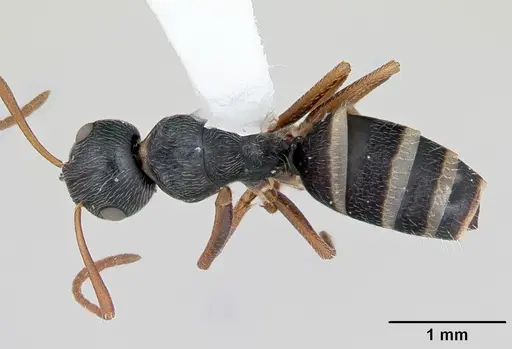
CASENT0173101
View on AntWeb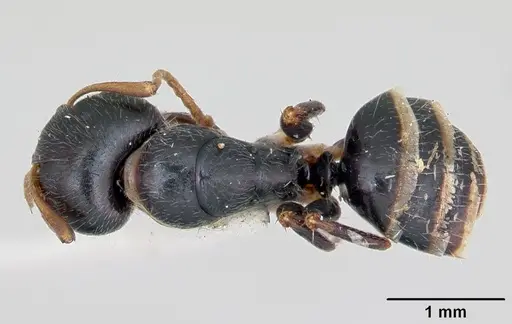
Literature
Loading...Loading products...