

Camponotus malleensis
- Scientific Name
- Camponotus malleensis
- Tribe
- Camponotini
- Subfamily
- Formicinae
- Author
- McArthur, 2007
- Distribution
- Found in 1 countries
Camponotus malleensis Overview
Camponotus malleensis is an ant species of the genus Camponotus. It is primarily documented in 1 countries , including Australia. Detailed taxonomic data and occurrence records can be further explored via authoritative databases such as AntWeb or the Global Biodiversity Information Facility (GBIF).
Camponotus malleensis
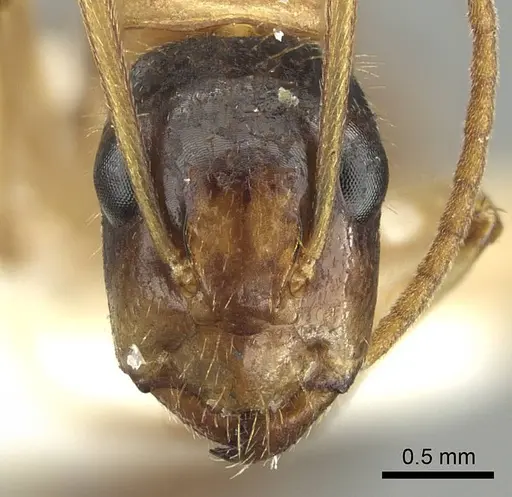
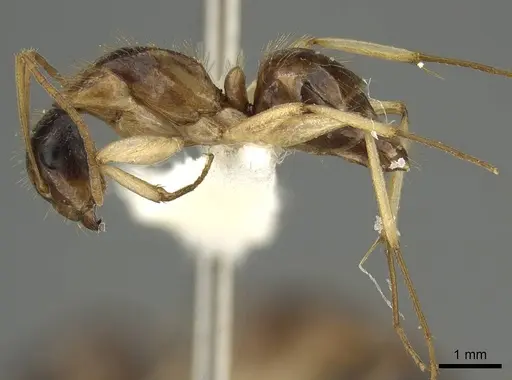
Camponotus malleensis is a small to medium-sized Australian ant species described in 2007. Workers are yellowish brown with a darker head and lighter legs, covered in plentiful erect setae (bristles) across the body. The species is dimorphic, meaning there are two worker sizes, larger majors and smaller minors, but no intermediate medium workers. This ant gets its name from 'mallee', a type of Eucalyptus shrub that dominates its native habitat in South Australia. The species was discovered in the mallee scrubland of Ngarkat Conservation Park and surrounding areas. Like all Camponotus ants, they have a single segment between the thorax and abdomen (the petiole) and possess formic acid for defense. Little is known about their specific colony behavior in the wild, but they are ground-nesting ants that likely establish nests in the sandy soils typical of mallee habitats.
Quick Summary
- Difficulty: Medium
- Origin & Habitat: South Australia, Australia, found in mallee eucalyptus scrubland including Ngarkat Conservation Park, Billiatt Conservation Park, and surrounding areas [1][2]. The species is named after 'mallee', a growth form of Eucalyptus that characterizes its habitat [1].
- Colony Type: Likely single-queen colonies (monogyne), which is standard for Camponotus species. Colony structure in the wild has not been directly documented.
- Colony: Monogyne
- Founding: Claustral
- Size & Growth:
- Queen: Estimated 12-15mm based on typical Camponotus queen size range
- Worker: Minor workers: approximately 4-7mm, Major workers: approximately 7-12mm [1]
- Colony: Estimated 500-3000 workers based on typical Camponotus colony development
- Growth: Moderate, Camponotus species typically grow at a moderate pace, with first workers (nanitics) appearing in 6-8 weeks under optimal conditions
- Development: Estimated 6-8 weeks at optimal temperature based on typical Camponotus development (Development time depends on temperature, warmer conditions accelerate development while cooler temperatures slow it down)
- Antkeeping:
- Temperature: Keep nest area at 20-26°C. A heating cable on one side of the nest creates a temperature gradient that allows ants to regulate their own temperature. Australian species can tolerate room temperature in most homes.
- Humidity: Moderate humidity around 50-60%. Mallee habitats experience dry to semi-arid conditions, so avoid overly damp conditions. Allow the nest substrate to dry slightly between water additions.
- Diapause: Yes, Australian temperate species require a winter rest period. Reduce temperature to 10-15°C for 2-3 months during winter (typically May through August in the Southern Hemisphere).
- Nesting: Ground-nesting species. In captivity, they do well in Y-tong (acrylic) nests, plaster nests, or naturalistic setups with deep soil substrate. Provide a water tube for humidity but avoid flooding.
- Behavior: Camponotus malleensis is expected to have typical Camponotus temperament, generally calm and not overly aggressive, but majors will defend the colony if threatened. Workers are likely nocturnal or crepuscular foragers, searching for honeydew, nectar, and small insects. Escape risk is moderate due to the larger worker size compared to tiny ants, but standard barrier methods (Fluon, petroleum jelly) work well. They are not known to be particularly aggressive toward keepers.
- Common Issues: slow colony growth can frustrate beginners who expect rapid development, winter diapause is essential, skipping hibernation weakens colonies over time, ground-nesting means they need deeper nest chambers, not shallow acrylic slabs, queen loss during founding is common, ensure founding setup is secure and undisturbed, major workers may appear late in colony development since this species is dimorphic
Housing and Nest Setup
Camponotus malleensis is a ground-nesting species that prefers deeper nest chambers. Y-tong (acrylic) nests work well, especially those with chambers at least 5mm deep. Plaster nests are also suitable and help maintain stable humidity. For a naturalistic approach, use a deep soil-filled setup that mimics their natural mallee habitat. Provide a water test tube connected to the nest for humidity, this allows you to maintain moisture without flooding the chambers. Since they're from South Australia's mallee region, they prefer conditions that are drier than tropical ants but not arid. A small outworld for foraging completes the setup. [1][2]
Feeding and Diet
Like other Camponotus species, these ants are omnivorous. They primarily consume sugar sources (honey water, sugar water, nectar) for energy, and protein sources (insects, mealworms, crickets) for brood development. Major workers can tackle larger prey items than minors. Feed sugar water constantly, a small dish or cotton ball soaked in sugar water should always be available in the outworld. Offer protein foods 2-3 times per week, adjusting based on colony size. Remove uneaten prey after 24-48 hours to prevent mold. In the wild, they likely tend aphids for honeydew and scavenge for dead insects in the mallee scrubland.
Temperature and Seasonal Care
Maintain nest temperatures between 20-26°C for optimal brood development. Australian ants like C. malleensis can tolerate a range of conditions and do well at standard room temperature (around 22°C). A heating cable on one side of the nest creates a gradient, workers will move to warmer areas to speed up brood development and to cooler areas when they need to slow down. During winter (Southern Hemisphere: May-August), reduce temperature to 10-15°C to provide a proper diapause period. This winter rest is essential for colony health and triggers reproductive behavior in spring. Do not feed during deep hibernation but ensure a small water source is available.
Colony Development
As a dimorphic Camponotus species, C. malleensis has distinct major and minor workers but lacks intermediate medium workers. The queen lays eggs that develop through larval and pupal stages before emerging as nanitic (first) workers, typically smaller minors that help establish the colony. Major workers appear later as the colony grows, usually once the colony reaches 50-100 workers. Development from egg to worker takes approximately 6-8 weeks at optimal temperature (around 24-26°C). Growth is moderate, don't expect rapid expansion. A healthy mature colony may eventually reach several thousand workers over several years. [1][2]
Behavior and Handling
Camponotus malleensis has typical Camponotus temperament, they're generally docile and focused on their tasks rather than defending aggressively. Major workers serve as soldiers and will defend the nest if seriously threatened. Workers are likely crepuscular or nocturnal foragers, searching for sugar and protein during cooler parts of the day. They communicate through chemical trails and may use tandem running to recruit nestmates to food sources. When alarmed, they can spray formic acid as a defensive measure. For keepers, they're relatively easy to work with, not prone to biting or stinging aggressively, and their larger size makes them easier to handle than tiny ants.
Frequently Asked Questions
How long does it take for Camponotus malleensis to produce first workers?
First workers (nanitics) typically appear in 6-8 weeks after the queen lays eggs, assuming temperatures around 24-26°C. Cooler temperatures will slow development significantly.
What do Camponotus malleensis ants eat?
They eat sugar sources (honey water, sugar water) and protein (insects like mealworms, crickets, fruit flies). Offer sugar water constantly and protein 2-3 times per week.
Do Camponotus malleensis ants need hibernation?
Yes. As an Australian temperate species, they require a winter rest period. Reduce temperature to 10-15°C for 2-3 months during winter.
What size colony does Camponotus malleensis reach?
Mature colonies likely reach 500-3000 workers over several years, based on typical Camponotus colony sizes.
Is Camponotus malleensis good for beginners?
This species is rated Medium difficulty. It's not the easiest but not challenging either. The main requirements are providing proper hibernation and patience during slow colony growth.
Can I keep multiple Camponotus malleensis queens together?
This species is likely monogyne (single queen). Combining unrelated queens is not recommended as they likely will fight. Only keep one queen per colony.
When should I move Camponotus malleensis to a formicarium?
Wait until the colony has at least 20-30 workers before moving from a founding setup to a formicarium. This typically takes 1-2 years.
Why is my Camponotus malleensis colony growing slowly?
Slow growth is normal for Camponotus species. Ensure proper temperature (20-26°C), adequate protein feeding, and that hibernation was provided. Colonies naturally grow slowly in their first year.
References

This caresheet is licensed under CC BY-SA 4.0 .
CASENT0915763
View on AntWeb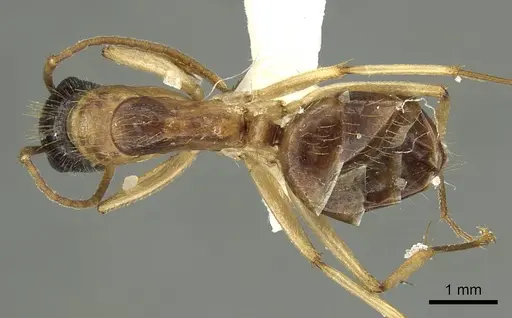
Literature
Loading...Loading products...