

Camponotus maguassa
- Scientific Name
- Camponotus maguassa
- Subgenus
- Tanaemyrmex
- Tribe
- Camponotini
- Subfamily
- Formicinae
- Author
- Wheeler, 1922
- Distribution
- Found in 1 countries
Camponotus maguassa Overview
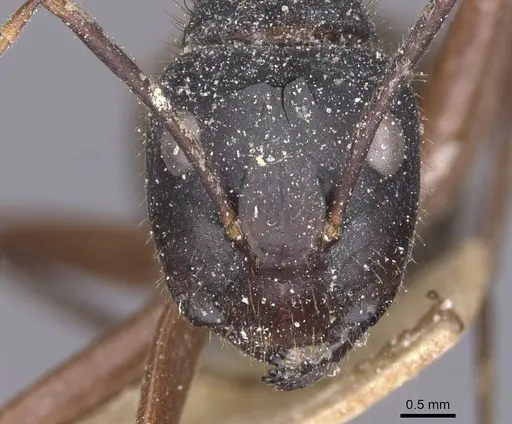
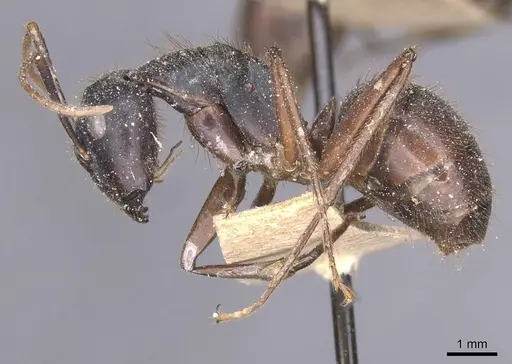
Camponotus maguassa is an ant species of the genus Camponotus. It is primarily documented in 1 countries , including Congo, Democratic Republic of the. Detailed taxonomic data and occurrence records can be further explored via authoritative databases such as AntWeb or the Global Biodiversity Information Facility (GBIF).
Camponotus maguassa
Camponotus maguassa is a carpenter ant species endemic to the Tshopo region in the Democratic Republic of Congo, a tropical area in central Africa [1]. As a Camponotus species, workers are typically polymorphic with major and minor workers, and they possess the characteristic bent antennae and rounded thorax shape common to the genus. The specific coloration and size ranges for this species are not well-documented in available literature. This appears to be a rarely studied species with limited scientific data available, meaning much of what we know about its care comes from general Camponotus husbandry practices rather than species-specific research.
Quick Summary
- Difficulty: Unknown, species-specific data unavailable
- Origin & Habitat: Tshopo, Democratic Republic of Congo (tropical central Africa) [1]
- Colony Type: Likely single-queen colonies based on typical Camponotus patterns, but colony structure is unconfirmed for this species
- Size & Growth:
- Queen: Estimated 15-20mm based on typical Camponotus queen size range
- Worker: Estimated 5-12mm (polymorphic) based on genus patterns
- Colony: Unknown for this species, likely several hundred to a few thousand workers based on typical Camponotus colony sizes
- Growth: Moderate, typical for Camponotus genus
- Development: Estimated 6-8 weeks at optimal temperature based on typical Camponotus development (Development time is estimated from genus-level data, species-specific measurements are unavailable)
- Antkeeping:
- Temperature: Tropical species, keep at 24-28°C. A heating cable on one side of the nest creates a suitable gradient
- Humidity: Moderate to high humidity (60-80%). Keep nest substrate slightly moist but not waterlogged. Mist occasionally and provide a water tube
- Diapause: Unlikely required, this is a tropical species from central Africa where temperatures remain warm year-round. No diapause data available for this species
- Nesting: In nature, Camponotus species typically nest in rotting wood, under stones, or in soil cavities. In captivity, a Y-tong (AAC) nest, plaster nest, or naturalistic setup with wood pieces works well. Ensure the nest has narrow chambers appropriate for their size
- Behavior: Typical Camponotus temperament, generally calm and not overly aggressive. Workers are most active during warmer hours and will forage for sugar sources and protein. Major workers (soldiers) may defend the nest. Escape prevention should be moderate, use standard barrier methods like fluon on container edges. They are not known to be particularly escape-prone compared to smaller ant species
- Common Issues: lack of species-specific care data makes accurate recommendations difficult, colony may fail if temperatures drop below tropical range, keep warm, wild-caught colonies may have parasites that affect survival in captivity, slow founding phase typical of claustral ants can lead to beginner impatience and overfeeding, nesting preferences are unconfirmed, may need experimentation to find preferred setup
Nest Preferences
The natural nesting habits of Camponotus maguassa have not been documented in scientific literature. However, the genus Camponotus typically nests in rotting wood, under stones, or in soil cavities in forested areas. In captivity, you should provide a nest with chambers scaled to their size, workers range roughly 5-12mm, so chambers should be appropriately sized. Y-tong (AAC) nests work well for most Camponotus species as they provide dark, secure chambers. Plaster nests or naturalistic setups with pieces of rotting wood are also suitable. The nest should have a water tube or moisture reservoir to maintain humidity. Since this species comes from a tropical region, ensure the nest maintains stable warmth without drying out.
Feeding and Diet
Camponotus species are omnivorous with a preference for sugar sources and protein. In captivity, offer sugar water (1:3 sugar to water ratio) or honey diluted with water as a constant sugar source. For protein, provide small insects like fruit flies, mealworms, or crickets twice weekly. This species being from central Africa likely has access to honeydew from aphids and scale insects in its natural habitat, so sugar sources are important. Remove uneaten prey after 24-48 hours to prevent mold. Since specific prey acceptance data is unavailable for this species, start with common feeder insects and adjust based on what workers accept.
Temperature and Care
As a tropical species from the Democratic Republic of Congo, Camponotus maguassa requires warm temperatures year-round. Keep the nest area at 24-28°C (75-82°F). A heating cable placed on top of the nest (never underneath to avoid excessive drying) can create a gentle thermal gradient allowing ants to regulate their temperature. Room temperature within this range is acceptable without additional heating in most homes. Avoid temperatures below 22°C as this species is not adapted to cooler conditions. Since no diapause data exists for this species and it comes from a tropical region where temperatures remain warm year-round, hibernation is likely not required. Maintain moderate humidity of 60-80% by keeping the nest substrate slightly moist.
Behavior and Temperament
Camponotus ants are generally known for their calm temperament compared to some more aggressive genera. Workers are typically non-aggressive and will avoid confrontation when possible, though major workers (soldiers) may defend the nest if threatened. Workers are most active during warmer periods and will forage throughout the outworld searching for food. They communicate through chemical trails and may recruit nestmates to good food sources. This species is not known to be particularly escape-prone, but standard escape prevention using fluon on container rims or petroleum jelly on barrier edges is recommended. They are not equipped with a painful sting, though some Camponotus species can spray formic acid as a defense.
Frequently Asked Questions
How long does it take for Camponotus maguassa to produce first workers?
The egg-to-worker timeline is estimated at 6-8 weeks at optimal temperature based on typical Camponotus genus development. However, this species has not been specifically studied, so the timeline may vary. The queen will remain in her sealed chamber for several weeks while laying eggs and raising the first brood through all stages (egg, larva, pupa) until nanitic (first) workers emerge.
Can I keep multiple Camponotus maguassa queens together?
Colony structure is unconfirmed for this species. Most Camponotus species are monogyne (single queen), but some can be polygyne. Unless you have specific information that this species accepts multiple queens, it is not recommended to combine unrelated foundress queens as they may fight. If you obtain a colony with multiple queens, monitor for aggression.
What temperature do Camponotus maguassa ants need?
Keep them at 24-28°C (75-82°F). This is a tropical species from central Africa that requires warm conditions year-round. A heating cable on the nest can help maintain optimal temperatures, especially in cooler rooms.
Do Camponotus maguassa ants need hibernation?
No, hibernation is likely not required. This species comes from the tropical Democratic Republic of Congo where temperatures remain warm year-round. There is no documented diapause requirement for this species.
What do Camponotus maguassa ants eat?
They are omnivorous like other Camponotus species. Offer sugar water or honey diluted with water as a constant carbohydrate source. For protein, provide small insects like fruit flies, mealworms, or crickets twice weekly. Remove uneaten prey after 24-48 hours.
Are Camponotus maguassa ants good for beginners?
Difficulty level is unknown due to limited species-specific data. However, Camponotus genus is generally considered beginner-friendly as they are relatively calm, not prone to escaping, and have straightforward care requirements. The main challenge with this particular species is the lack of documented care information, so you may need to experiment to find optimal conditions.
How big do Camponotus maguassa colonies get?
Colony size is not documented for this species. Based on typical Camponotus colony sizes, expect several hundred to a few thousand workers at maturity. Growth is moderate, colonies typically take 1-3 years to reach significant size.
When should I move Camponotus maguassa to a formicarium?
Keep newly caught or purchased queens in a simple test tube setup for the founding claustral phase. Once the colony reaches 20-30 workers and the test tube space becomes cramped, you can transfer to a formicarium. For this species with limited data, err on the side of keeping them in the founding setup longer rather than rushing the transfer.
Why is my Camponotus maguassa colony dying?
Without species-specific data, common causes include: temperatures below optimal range (keep above 24°C), too dry or too wet conditions, mold from overfeeding, or parasites from wild-caught colonies. Review the basic Camponotus care parameters and adjust accordingly. If the colony was wild-caught, parasites are a common cause of colony failure in captivity.
References

This caresheet is licensed under CC BY-SA 4.0 .
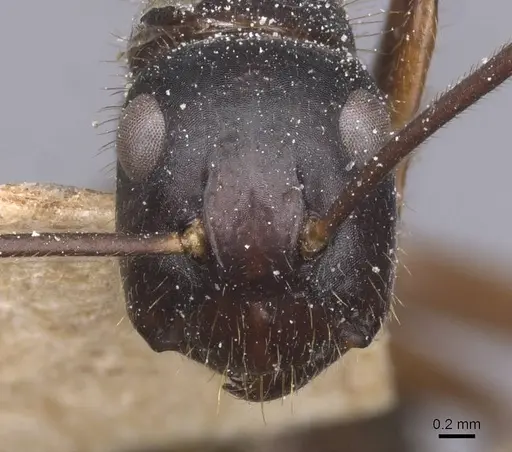
CASENT0912001
View on AntWeb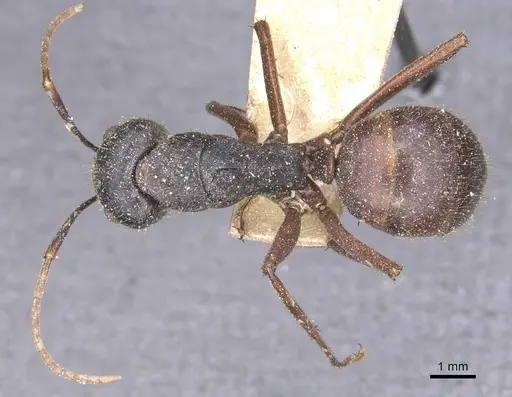
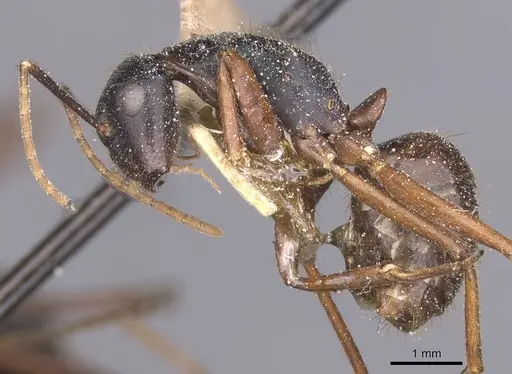
CASENT0912002
View on AntWeb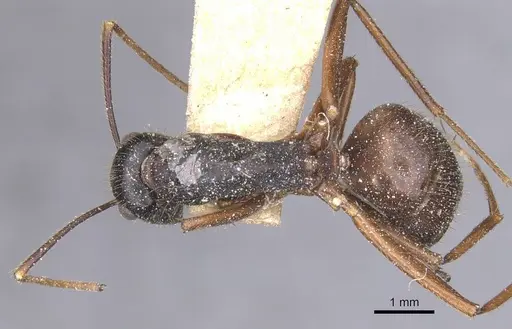
Literature
Loading...Loading products...