

Camponotus linnaei
- Scientific Name
- Camponotus linnaei
- Subgenus
- Myrmeurynota
- Tribe
- Camponotini
- Subfamily
- Formicinae
- Author
- Forel, 1886
- Distribution
- Found in 6 countries
Camponotus linnaei Overview
Camponotus linnaei is an ant species of the genus Camponotus. It is primarily documented in 6 countries , including Colombia, Costa Rica, Guatemala. Detailed taxonomic data and occurrence records can be further explored via authoritative databases such as AntWeb or the Global Biodiversity Information Facility (GBIF).
Camponotus linnaei
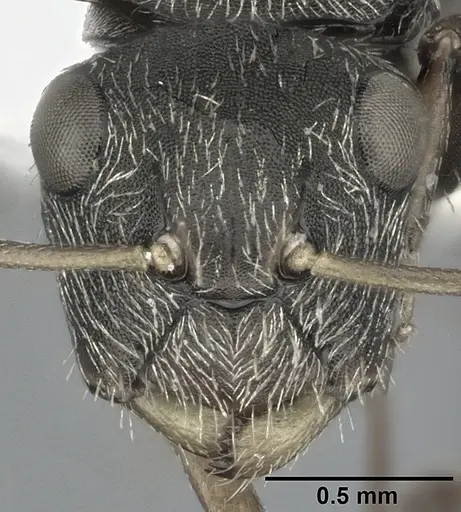
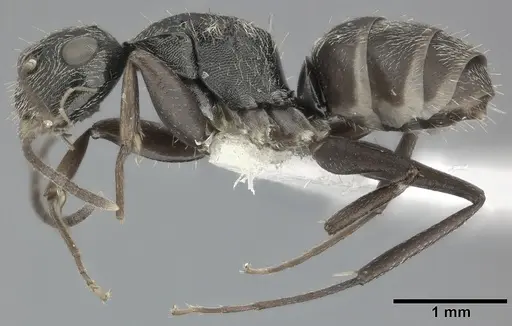
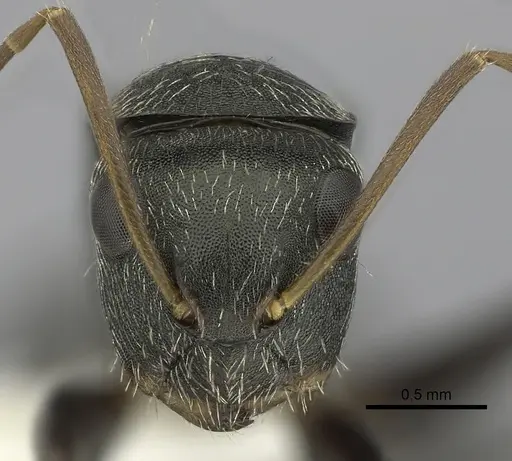
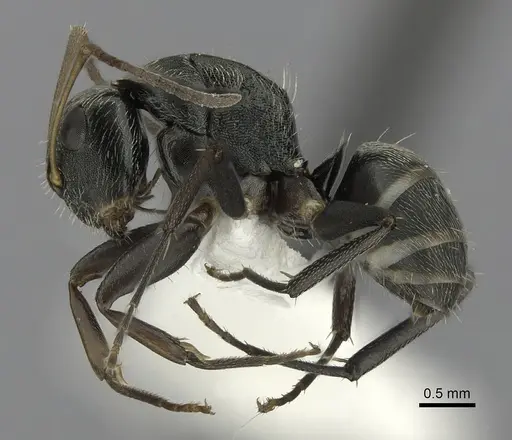
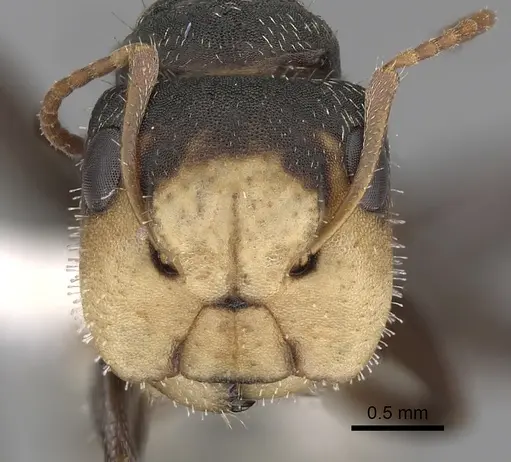
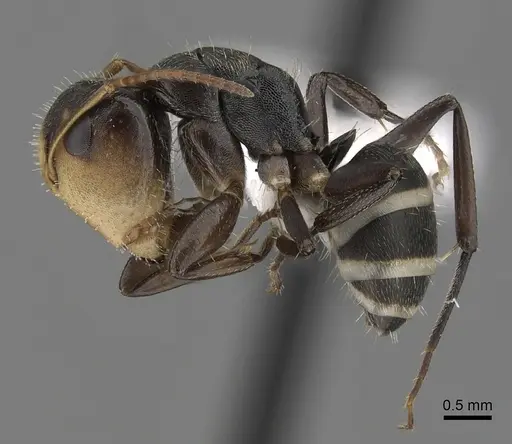
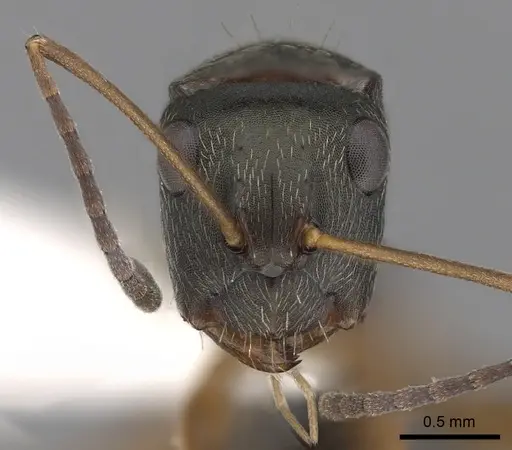
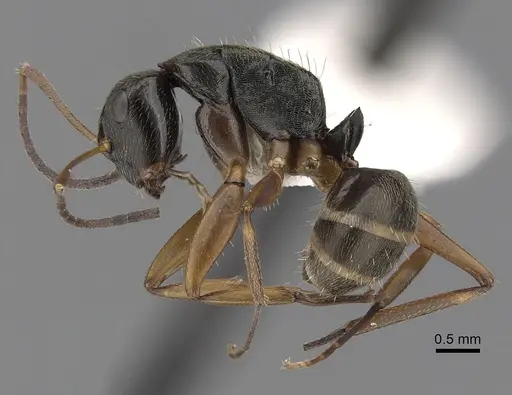
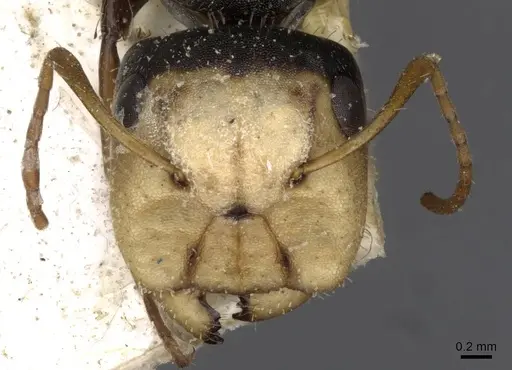
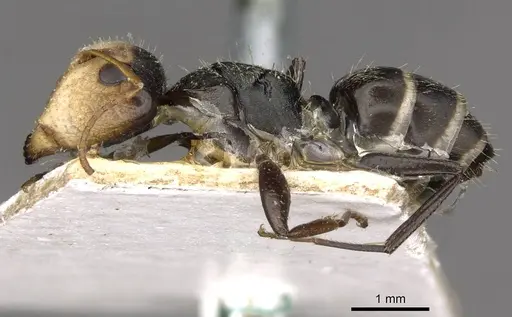
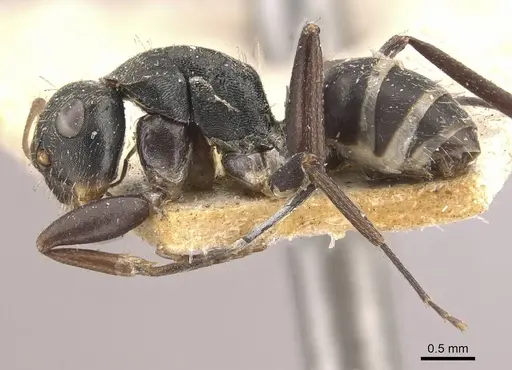
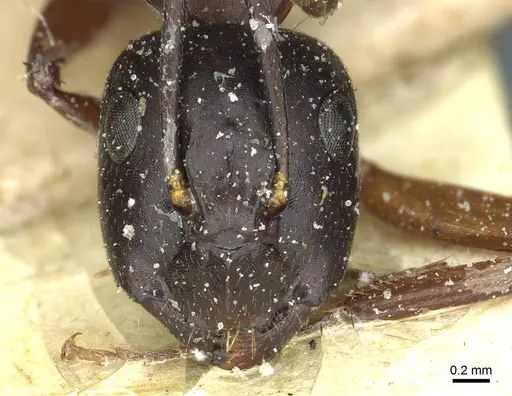
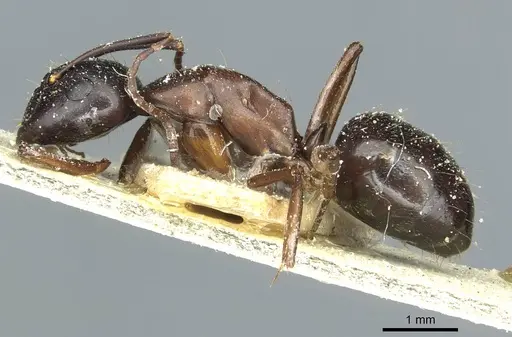
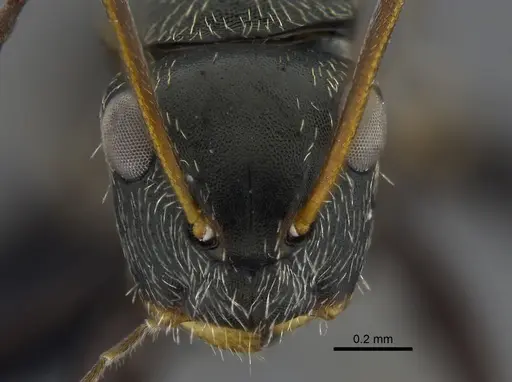
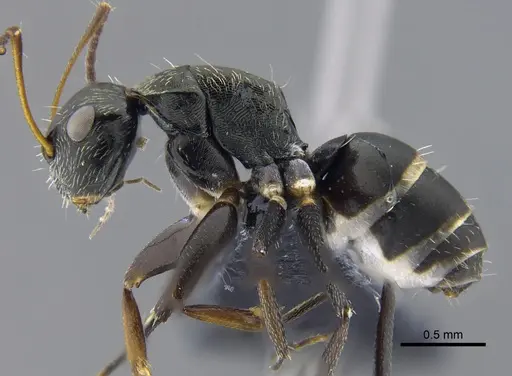
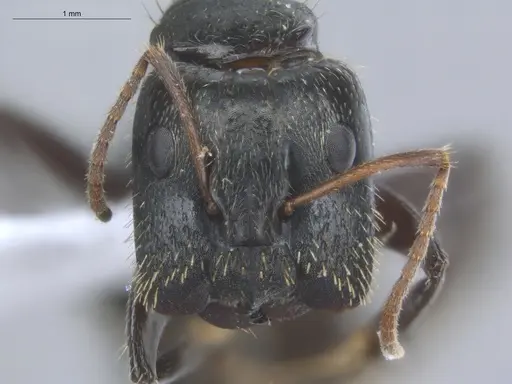
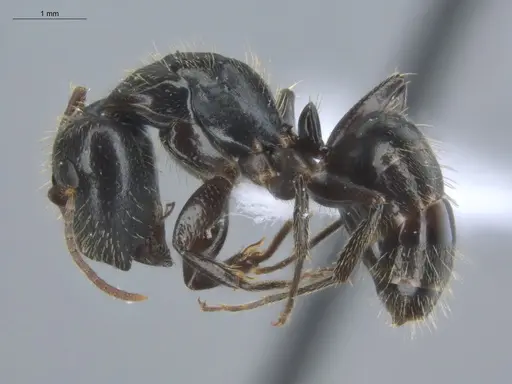
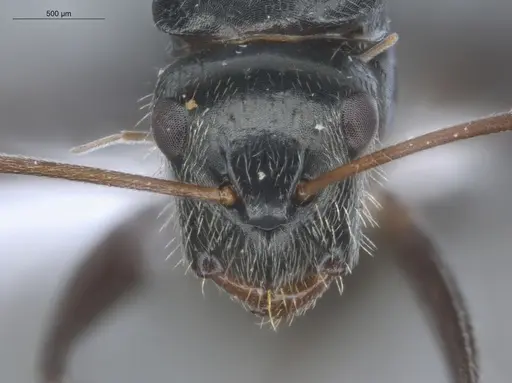
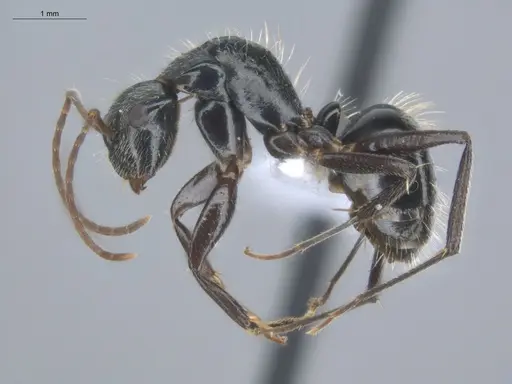
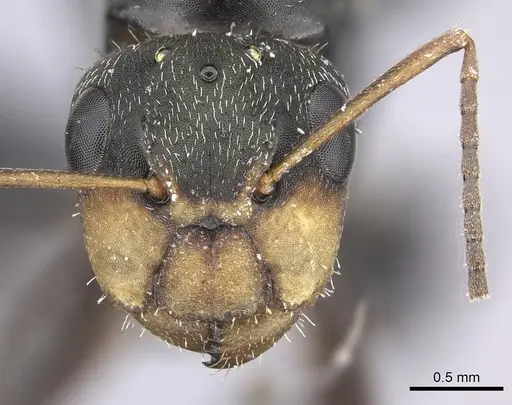
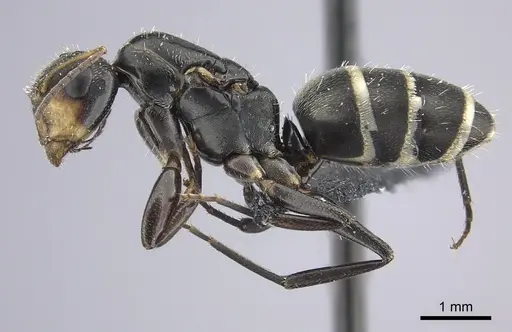
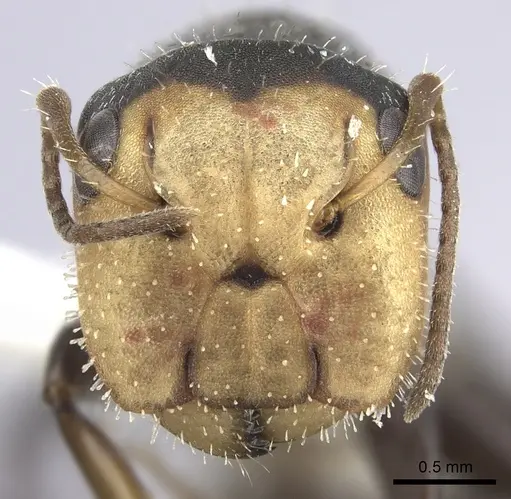
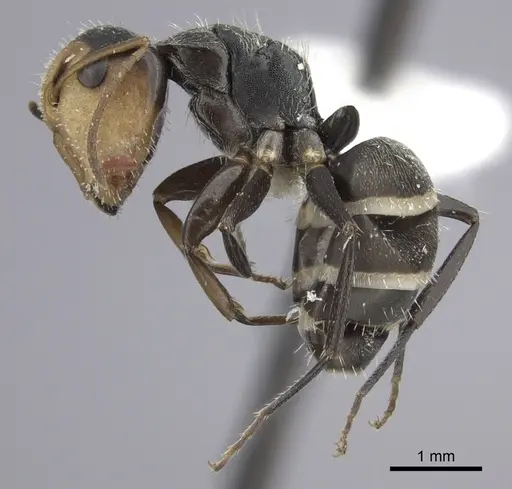
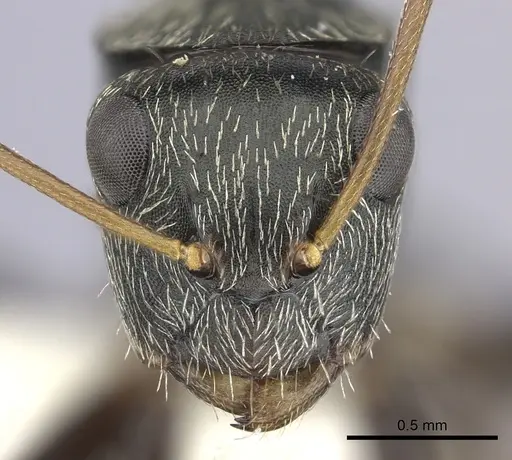
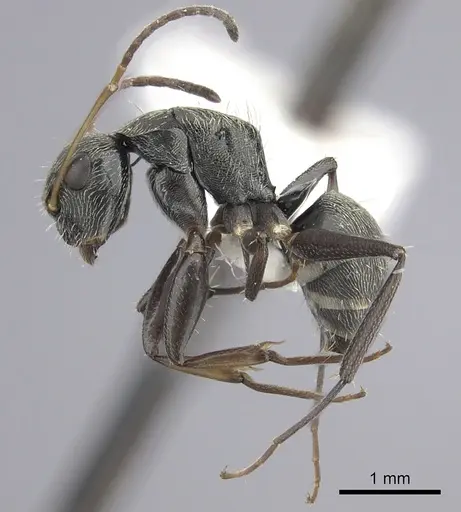
Camponotus linnaei is a small, strikingly beautiful arboreal ant found throughout the Neotropics from Mexico to Brazil. Workers are strongly dimorphic, minor workers measure 4-4.5mm while major workers (soldiers) reach about 6mm. The species is instantly recognizable by its distinctive coloration: major workers have a black body with yellow mandibles and antennae, and most notably, each abdominal segment bears a sharp white transverse band creating a bold contrast against the dark reddish-brown gaster. The head is uniquely shaped with an oblique truncation similar to some Colobopsis species, and the pronotal shoulder forms a sharp carina. These ants nest in dead twigs, branches, hollow stems, and rotting wood in tropical forests, often found in cacao plantations and other agricultural areas [1].
What makes C. linnaei particularly interesting is their extremely small colony size, wild colonies consist of only 12-24 minor workers plus a few majors, making them one of the smallest Camponotus colonies known. They are strictly arboreal, nesting above ground in vegetation rather than in soil. Their small size and arboreal lifestyle make them quite different from typical Camponotus species, which are often ground-nesting and form large colonies [1].
Quick Summary
- Difficulty: Medium
- Origin & Habitat: Neotropical region, Mexico, Guatemala, Honduras, Costa Rica, Panama, Colombia, Ecuador, Peru, Brazil, and French Guiana. Found in tropical forests, cacao plantations, and agricultural areas at elevations up to 980m [2][3].
- Colony Type: Single-queen colonies (monogyne) with strongly dimorphic workers, small colonies of 12-24 workers plus majors [1].
- Colony: Monogyne
- Founding: Claustral
- Size & Growth:
- Queen: Unconfirmed, likely 7-9mm based on typical Camponotus queen size range
- Worker: Minor: 4-4.5mm, Major: ~6mm [4][1]
- Colony: Very small, 12-24 workers plus majors [1]
- Growth: Slow to moderate, small colony size limits growth speed
- Development: Estimated 6-8 weeks at optimal temperature based on typical Camponotus development (Development time inferred from genus-level data, specific timing for this species not documented)
- Antkeeping:
- Temperature: Tropical species, keep at 24-28°C. Room temperature is often suitable if your home stays in this range. A slight gradient is beneficial but not critical for this hardy species [5].
- Humidity: Moderate to high, they come from humid tropical forests. Keep nest substrate lightly moist but allow some drying between waterings. Their arboreal nesting means they tolerate somewhat drier conditions than ground-nesting ants [5].
- Diapause: No, as a tropical species, they do not require hibernation. Maintain consistent temperatures year-round [5].
- Nesting: Arboreal nesting, they naturally nest in dead twigs, branches, and hollow stems. In captivity, they do well in small formicariums with narrow chambers, Y-tong nests, or test tube setups with twigs/branches added. Provide small-scale spaces appropriate to their tiny colony size [1].
- Behavior: Generally peaceful and non-aggressive. Workers are active foragers but due to their small size and tiny colony numbers, they pose no sting risk to humans. They are arboreal and will explore branches and vegetation within their enclosure. Escape risk is moderate, their small size means they can slip through small gaps, but their preference for climbing means they stay within enclosed spaces if provided [1].
- Common Issues: tiny colony size means slow development, don't expect rapid growth, escape prevention matters because they are small enough to slip through standard gaps, small colonies are vulnerable to stress, avoid disturbing them frequently, arboreal nature means they need climbing structures, not just floor space, wild-caught colonies may have parasites or be already weakened
Nest Preferences and Housing
Camponotus linnaei is an obligate arboreal nester, in the wild they live in dead twigs, branches, hollow stems, and rotting wood found in trees and shrubs. This is critical for their care: they do not nest in soil. In captivity, provide small-scale nesting options that mimic these natural cavities. A Y-tong (acrylic) nest with narrow chambers works well, as does a small test tube setup with natural twigs or branches added for climbing space. Because their colonies are tiny (12-24 workers), avoid large enclosures, they feel more secure in compact spaces. Add small twigs, leaves, or other climbing structures to the outworld so workers can forage as they would in vegetation. The nest should be dark and enclosed, these ants prefer dark cavities similar to what they find in dead tree branches [1].
Feeding and Diet
Like most Camponotus species, C. linnaei is omnivorous. Workers collect honeydew from aphids and scale insects in nature, and they also hunt small insects and scavenge. In captivity, offer sugar water or honey as a constant energy source. For protein, provide small prey items like fruit flies, small crickets, mealworms, or other appropriately-sized insects. Because their colonies are so small, portion sizes should be tiny, a few drops of sugar water and prey items smaller than a worker. Feed protein 1-2 times per week, and keep sugar sources available at all times. Remove uneaten prey after 24-48 hours to prevent mold. Their small size means even small prey items may need to be cut into pieces [5].
Temperature and Seasonal Care
As a tropical species from the Neotropics, C. linnaei requires warm temperatures year-round. Keep the nest area between 24-28°C, this is warm but not extreme for tropical ants. Room temperature is often suitable if your home stays in the low-to-mid 70s Fahrenheit. Unlike temperate species, they do not require a winter diapause or hibernation period. Maintaining consistent temperatures is more important than achieving exact numbers. A small heating cable or mat can be used on one side of the nest to create a gentle gradient if your room runs cool, but ensure they can move to cooler areas if needed. Avoid temperatures below 20°C for extended periods. Sudden temperature drops or cold drafts can stress these ants [5].
Behavior and Colony Dynamics
This species forms exceptionally small colonies, wild nests contain only 12-24 minor workers plus a few major workers (soldiers). This is unusually small for Camponotus and is more typical of very primitive ant genera. The colony is strongly dimorphic, meaning there are distinct minor and major worker castes. Major workers have the distinctive truncated head shape and are used for defense and processing tough food items. Workers are relatively peaceful and do not exhibit aggressive swarming behavior. They are arboreal foragers, spending time climbing on vegetation and branches rather than crawling on the ground. The small colony size means growth is inherently slow, don't expect rapid population explosions. Patience is key with this species [1].
Escape Prevention
While not the smallest ants, C. linnaei workers are still quite small (4-6mm) and can squeeze through gaps that larger ants cannot. Use standard ant keeping barriers like fluon on test tube rims, ensure any connections between nest and outworld are tight-fitting, and check for any small gaps in acrylic nests. Their arboreal nature means they are good climbers, they will explore vertical surfaces and can potentially escape if given the opportunity. A smooth barrier coating on the upper inner walls of the enclosure helps. Check enclosures regularly, especially after feeding when workers are most active [5].
Frequently Asked Questions
How long does it take for Camponotus linnaei to produce first workers?
Based on typical Camponotus development, expect 6-8 weeks from egg to first worker at optimal temperature (24-28°C). The exact timeline for this species has not been documented, so this is an estimate based on genus-level patterns.
Can I keep Camponotus linnaei in a test tube setup?
Yes, test tubes work well for founding colonies. Provide a small test tube with a water reservoir and cotton plug, kept warm and dark. As the colony grows, you can add small twigs or a secondary tube for extra space. Their tiny colony size means they can remain in test tubes longer than most Camponotus species.
How big do Camponotus linnaei colonies get?
Very small compared to other Camponotus, wild colonies max out around 12-24 workers plus majors. In captivity, you might eventually reach 30-50 workers. This is one of the smallest Camponotus species, so don't expect large colonies.
What do Camponotus linnaei eat?
Omnivorous, sugar sources (honey, sugar water) for energy, and small insects (fruit flies, small crickets, mealworms) for protein. Feed protein 1-2 times per week and keep sugar water available constantly.
Are Camponotus linnaei good for beginners?
Medium difficulty, they are forgiving on temperature (room temperature often works) but their very small colony size and arboreal nature require some adjustment in thinking. Not the best first ant, but manageable for someone with basic antkeeping experience.
Do Camponotus linnaei need hibernation?
No. As a tropical species, they do not require diapause or hibernation. Keep them warm year-round at 24-28°C.
When should I move Camponotus linnaei to a formicarium?
Wait until the colony has at least 15-20 workers. Their small size means they can stay in test tubes longer than most species. When moving, choose a small formicarium or Y-tong nest with appropriately scaled chambers.
Why is my Camponotus linnaei colony growing so slowly?
This is normal, wild colonies are only 12-24 workers, so growth is inherently slow. Ensure they have adequate heat (24-28°C), protein food 1-2 times weekly, and minimal disturbance. Small colonies are also vulnerable to stress.
Can I keep multiple queens together?
No. This species is monogyne, single queen colonies. Combining unrelated queens has not been documented and is not recommended.
What makes Camponotus linnaei different from other Camponotus?
Two key differences: 1) extremely small colony size (12-24 workers vs hundreds or thousands in most Camponotus), and 2) arboreal nesting in twigs/branches rather than ground nesting. They also have distinctive white bands on each abdominal segment.
Is Camponotus linnaei invasive anywhere?
No. This is a Neotropical species native to Central and South America. It has not been documented as invasive outside its native range.
References

This caresheet is licensed under CC BY-SA 4.0 .
CASENT0246645
View on AntWeb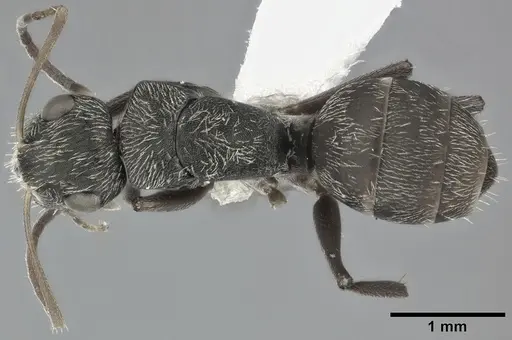
CASENT0280085
View on AntWeb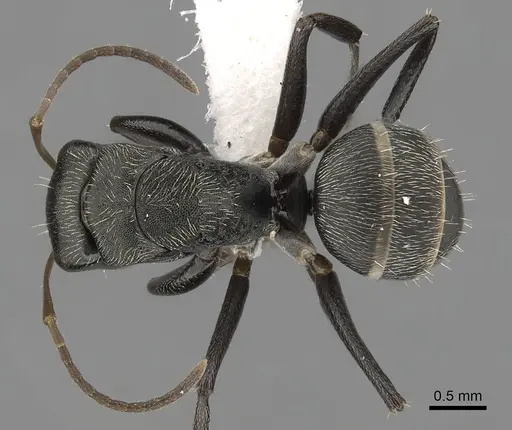
CASENT0280086
View on AntWeb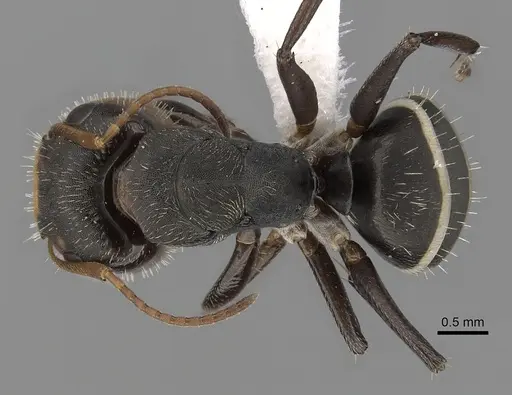
CASENT0280089
View on AntWeb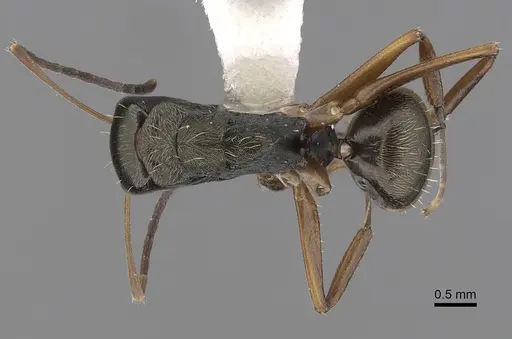
CASENT0910673
View on AntWeb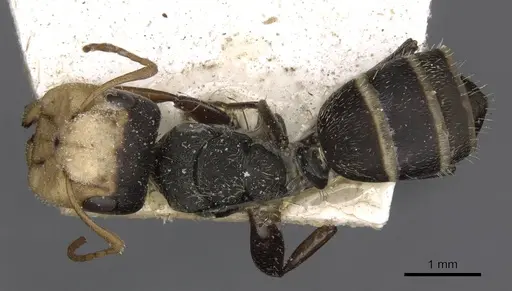
CASENT0910674
View on AntWeb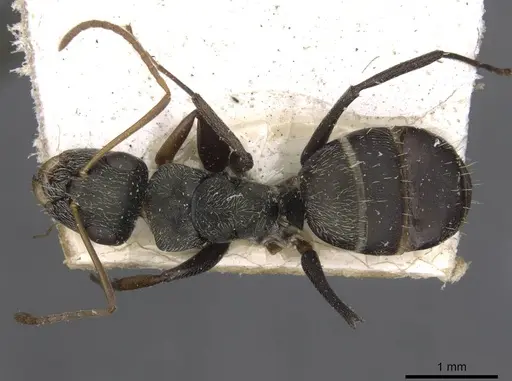
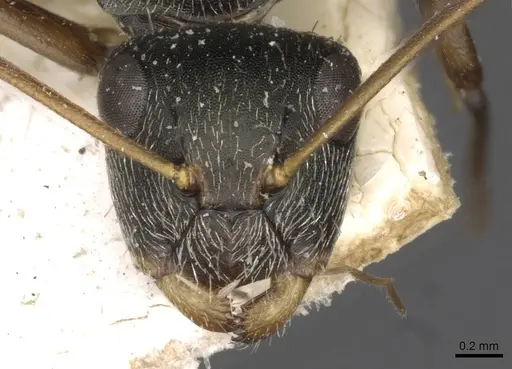
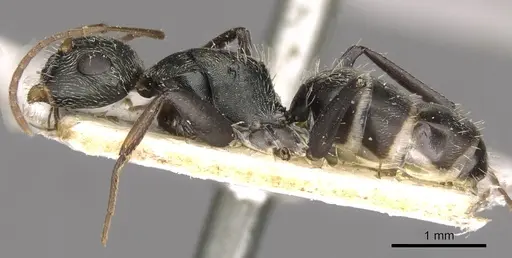
CASENT0910746
View on AntWeb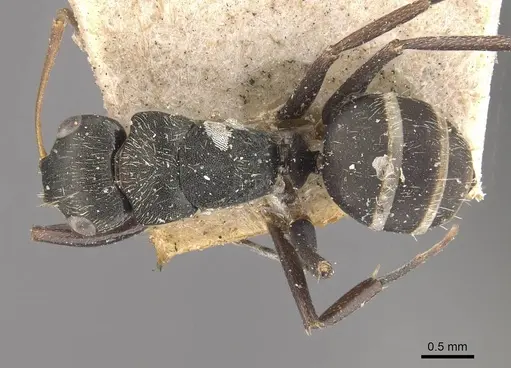
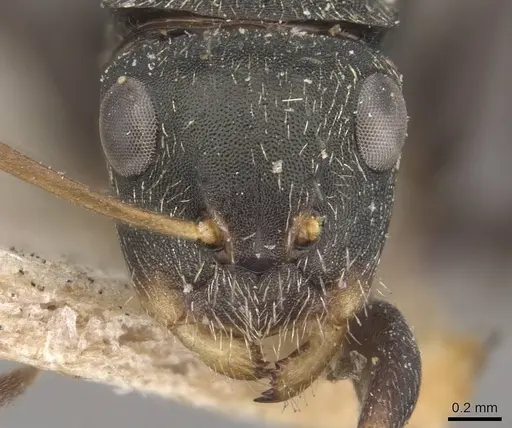
CASENT0911965
View on AntWeb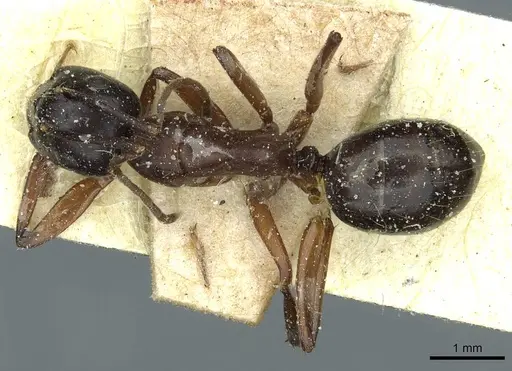
CBUMAGENT41783
View on AntWeb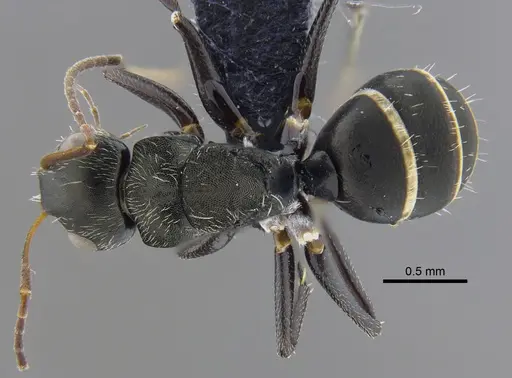
ECOFOG-IT14-0801-33-S
View on AntWeb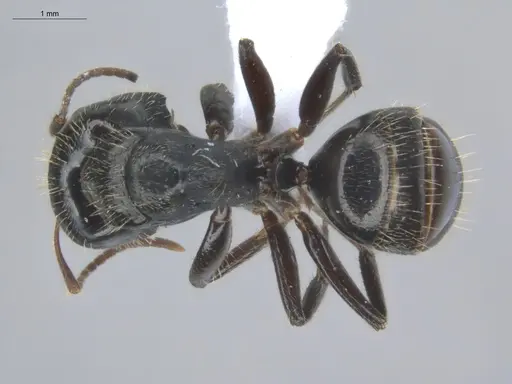
ECOFOG-IT14-0801-33
View on AntWeb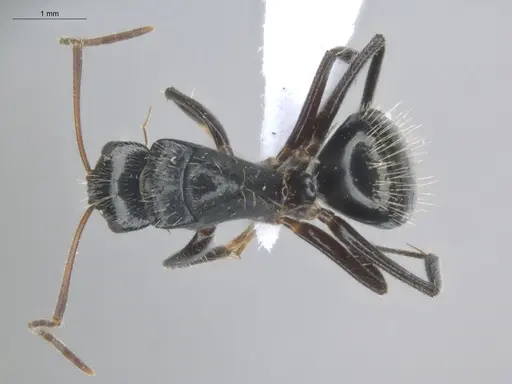
INBIOCRI001236183
View on AntWeb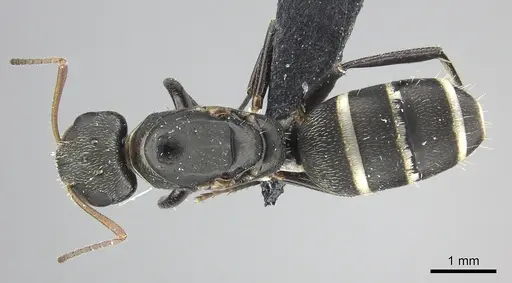
INBIOCRI001280105
View on AntWeb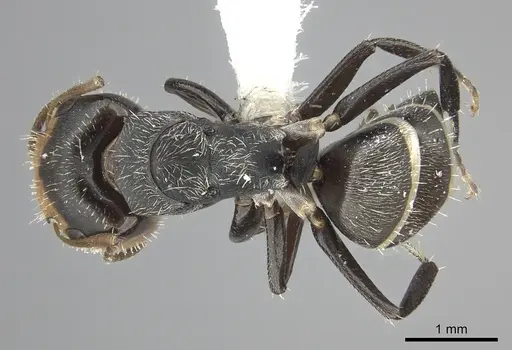
INBIOCRI002280987
View on AntWeb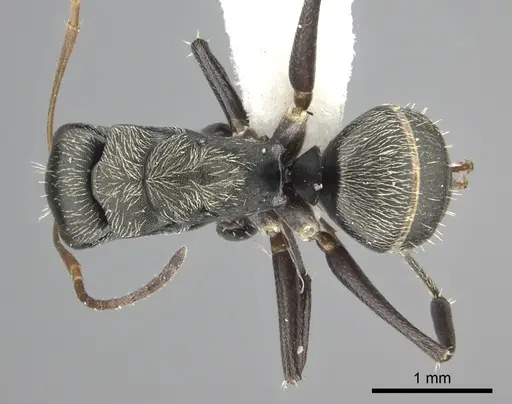
Literature
Loading...Loading products...