

Camponotus lespesii
- Scientific Name
- Camponotus lespesii
- Subgenus
- Tanaemyrmex
- Tribe
- Camponotini
- Subfamily
- Formicinae
- Author
- Forel, 1886
- Distribution
- Found in 5 countries
Camponotus lespesii Overview
Camponotus lespesii is an ant species of the genus Camponotus. It is primarily documented in 5 countries , including Argentina, Brazil, Colombia. Detailed taxonomic data and occurrence records can be further explored via authoritative databases such as AntWeb or the Global Biodiversity Information Facility (GBIF).
Camponotus lespesii
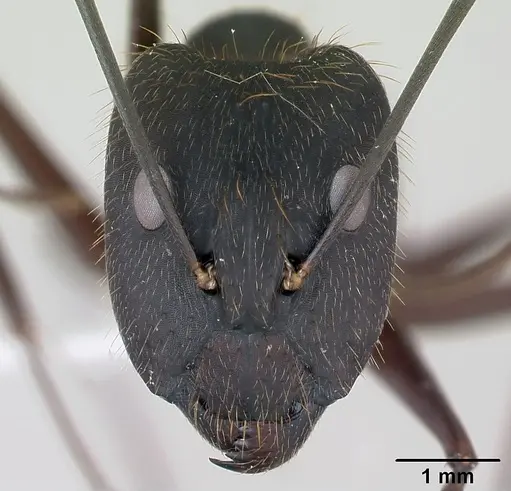
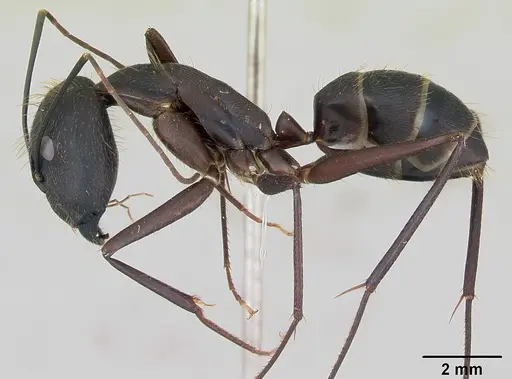
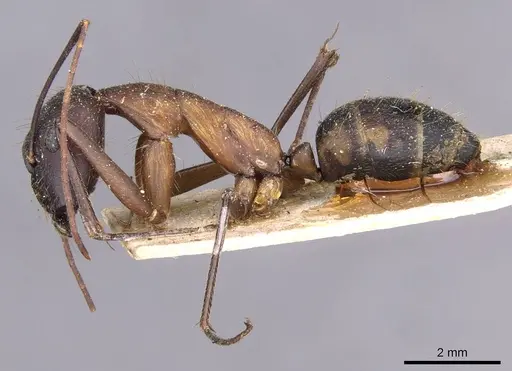
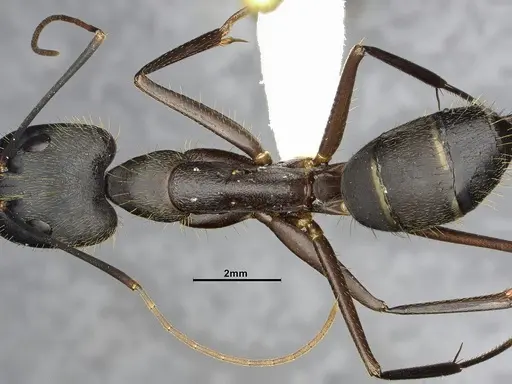
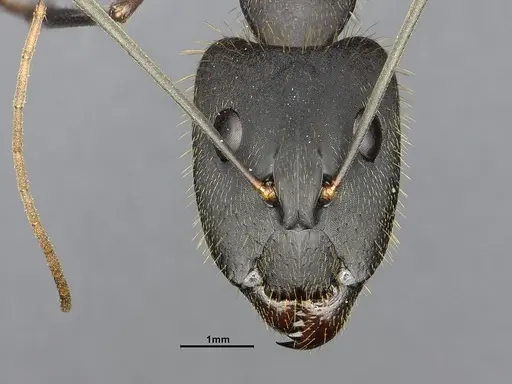
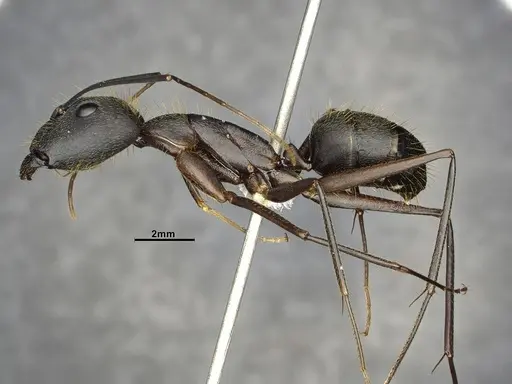
Camponotus lespesii is a large Neotropical carpenter ant found across Central and South America, from Panama down to Paraguay and Argentina. Minor workers reach an impressive 1 cm in length, making them notably larger than many other Camponotus species. They have a distinctive appearance: black to dark brown body with yellow margins on their abdominal segments and no spots. Their scapes are very long, extending well beyond the back of their head, and they lack most erect hairs on their body. This species is arboreal, meaning it nests and forages in trees and shrubs rather than on the ground. They are generalist feeders with a preference for plant-derived foods like nectar and honeydew, but will also scavenge on carcasses and predated insects. Colonies show a strong preference for primary forest habitats and are sensitive to environmental disturbance. [1][2][3]
Quick Summary
- Difficulty: Medium
- Origin & Habitat: Native to the Neotropical region, ranging from Panama through Colombia, Brazil, and down to Paraguay and Argentina. Found in semideciduous mesophytic forests, primary Atlantic forest, and forest edges with shrubs. This is an arboreal species that forages in vegetation and nests in trees, particularly in Caryocar brasiliense in Brazilian cerrado. [1][4][5]
- Colony Type: Monogyne, single queen colonies. Colony size appears moderate, though exact maximum is not well documented in research. [1]
- Colony: Monogyne
- Founding: Claustral
- Size & Growth:
- Queen: Estimated 12-15mm based on genus patterns for large Camponotus species
- Worker: Minor workers 8-10mm (1cm total length) [1]
- Colony: Unknown, not directly studied, but likely several hundred workers based on genus patterns
- Growth: Moderate, typical for Camponotus genus
- Development: Estimated 6-8 weeks at optimal temperature based on typical Camponotus development (Development time is estimated from genus-level data since species-specific research is unavailable. Camponotus species typically take 6-8 weeks from egg to first worker at warm temperatures.)
- Antkeeping:
- Temperature: Keep around 24-28°C. As a Neotropical species from warm climates, they need consistent warmth. A heating cable on one side of the nest creates a temperature gradient allowing the colony to self-regulate.
- Humidity: Moderate humidity around 50-60%. Being arboreal, they prefer somewhat drier conditions than ground-nesting species. Provide a water tube but allow the nest to dry out between rehydrations.
- Diapause: No, as a Neotropical species from tropical and subtropical regions, they do not require hibernation. Keep them at stable warm temperatures year-round.
- Nesting: Arboreal species, they do best in nests that allow climbing. Y-tong (acrylic) nests work well, or a formicarium with vertical passages. Provide bark, twigs, or cork as climbing structures. Avoid purely horizontal setups.
- Behavior: Generally calm and non-aggressive for a carpenter ant. They are nocturnal, with most foraging activity occurring at night. As arboreal foragers, they spend considerable time climbing on vegetation and nest structures. They are generalist feeders with a strong preference for sugar sources (nectar, honeydew, sugar water) and will also scavenge protein. They may form trails to food sources. Escape prevention is important, they are good climbers and will explore any gaps. [4][2][1]
- Common Issues: arboreal nature means they need vertical space and climbing structures, horizontal-only nests cause stress, no hibernation requirement, keeping them too cold can weaken the colony, their large size and climbing ability means escapes are possible without secure barriers, sugar preference means protein feeding can be neglected, balance is important, wild-caught colonies may carry parasites that cause problems in captivity
Housing and Nest Setup
Camponotus lespesii is an arboreal species, which means your setup should reflect their natural tree-dwelling lifestyle. Unlike ground-nesting ants that do well in horizontal formicaria, these ants need vertical space and climbing opportunities. A Y-tong (acrylic) nest works well, or you can use a naturalistic setup with cork bark, twigs, or artificial plants as climbing structures. The nest chambers should be appropriately sized for their large workers, passages around 10-12mm wide work well. Include a water tube for humidity, but avoid making the nest overly damp since arboreal species prefer drier conditions than soil-nesters. The outworld should have plenty of vertical elements for foraging and exploration. Secure all connections with mesh or cotton, these ants are strong climbers and will find any loose connection to escape.
Feeding and Diet
In the wild, Camponotus lespesii shows a strong preference for plant-derived foods. Research indicates they concentrate on sucrose sources and have been observed visiting extra-floral nectaries on plants [4]. They also scavenge on carcasses and predated insects, including larvae and pupae of necrophagous insects [4]. Their low nitrogen isotope values confirm they primarily forage on vegetation rather than hunting live prey [2]. In captivity, offer sugar water or honey constantly, this should be the staple of their diet. For protein, offer dead insects like mealworms, crickets, or frozen fruit flies. They will accept most protein sources but are not aggressive hunters. A balanced approach is sugar constantly available plus protein offerings 2-3 times per week. Avoid overfeeding protein as they prefer carbohydrates. [4][2]
Temperature and Seasonal Care
As a Neotropical species from warm regions (Panama to Paraguay), Camponotus lespesii needs consistently warm temperatures. Aim for 24-28°C in the nest area. A heating cable placed on one side of the nest creates a gradient, the colony will move to their preferred temperature zone. Unlike temperate species, they do not require hibernation or diapause. Keeping them too cold will weaken the colony and slow brood development significantly. Room temperature may be adequate if your home stays in the low-to-mid 20s°C, but a small heat source ensures stability. They are tolerant of slight temperature fluctuations but prefer consistency. There is no winter rest period, maintain warm conditions year-round.
Behavior and Colony Dynamics
This species is nocturnal, with most foraging activity occurring at night [4]. Workers are large and relatively calm, they do not show aggressive swarming behavior when the nest is disturbed, unlike some smaller carpenter ants. They are generalist foragers and will form trails to food sources. Being arboreal, they are excellent climbers and spend significant time on vegetation and vertical surfaces. The colony structure is monogyne with a single queen. Major workers (if produced) will have proportionally larger heads, though this species is known for having very large minor workers already. Growth is moderate, expect the first workers (nanitics) within 6-8 weeks in warm conditions, then steady growth over the following months. Colonies likely reach several hundred workers based on typical Camponotus patterns. [1][4]
Escape Prevention
With workers reaching 1cm and excellent climbing abilities, escape prevention requires attention. All connections between the nest and outworld should be sealed with cotton, mesh, or fluon barriers. Check regularly for any gaps or loose-fitting lids. These ants will explore boundaries persistently and find even small openings. A barrier of fluon on the rim of the outworld works well. Unlike tiny ants that can squeeze through mesh, their larger size means standard fine mesh works, but gaps around tube connections are the main escape risk. Daily checks during the first weeks will reveal any weak points in your setup.
Frequently Asked Questions
How long does it take for Camponotus lespesii to produce first workers?
Expect first workers (nanitics) in about 6-8 weeks after the queen lays eggs, assuming temperatures around 24-28°C. This is typical for Camponotus species. Development slows significantly if kept cooler.
Can I keep Camponotus lespesii in a test tube setup?
A test tube can work for the founding claustral period, but this arboreal species will do much better in a setup with vertical climbing space. Once the colony reaches 15-20 workers, consider moving to a Y-tong or formicarium with climbing structures.
What do Camponotus lespesii eat?
They prefer sugar sources, offer sugar water or honey constantly. For protein, they accept dead insects like mealworms, crickets, or fruit flies. They are not aggressive hunters and prefer scavenging. Balance sugar with occasional protein offerings 2-3 times weekly. [4][2]
Do Camponotus lespesii need hibernation?
No. As a Neotropical species from tropical and subtropical regions, they do not require hibernation. Keep them warm year-round at 24-28°C.
Are Camponotus lespesii good for beginners?
They are moderate difficulty. Their large size makes them forgiving of minor errors, but their arboreal nature requires specific housing with climbing space. They are more specialized than common temperate species but not difficult once their needs are understood.
How big do Camponotus lespesii colonies get?
Colony size is not well documented in scientific literature, but based on typical Camponotus patterns, expect several hundred workers at maturity. Growth is moderate, several months to reach 50+ workers.
Why is my Camponotus lespesii colony not growing?
Check temperature first, they need 24-28°C for proper development. Also verify they are accepting food (sugar is essential). Being nocturnal, they may be most active when you're not watching. If the queen has been alone for months without eggs, she may be infertile or stressed.
Can I keep multiple Camponotus lespesii queens together?
This species is monogyne, single queen colonies. Combining unrelated queens is not recommended and would likely result in fighting. Only established colonies with a functional queen should be kept.
When should I move Camponotus lespesii to a formicarium?
Move them when the test tube or founding setup becomes crowded (30+ workers) or the water reservoir runs low. Arboreal species do better in formicaria with vertical space and climbing structures rather than horizontal setups.
References

This caresheet is licensed under CC BY-SA 4.0 .
CASENT0173428
View on AntWeb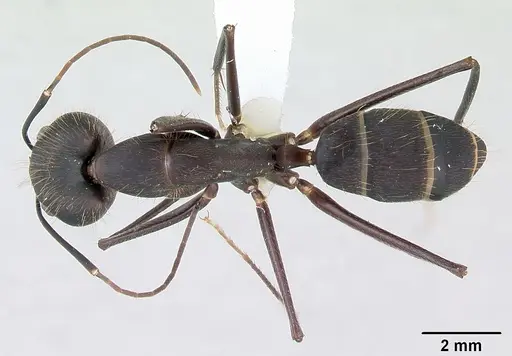
CASENT0905201
View on AntWeb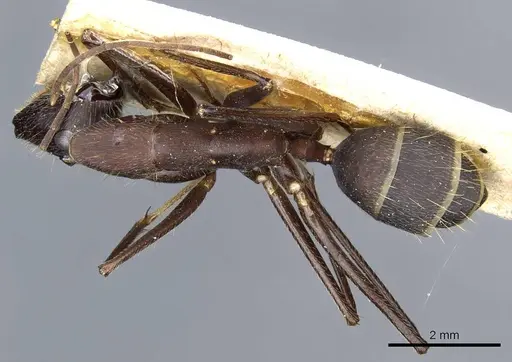
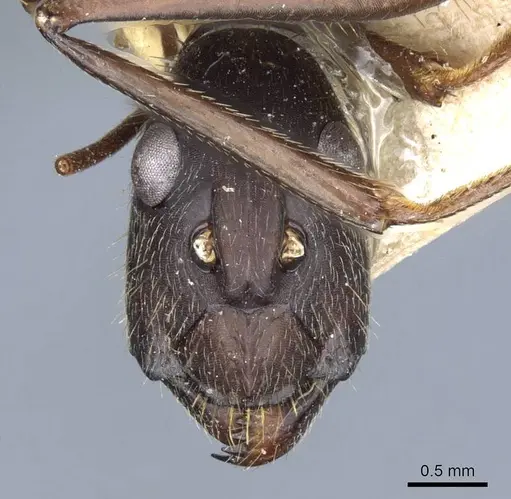
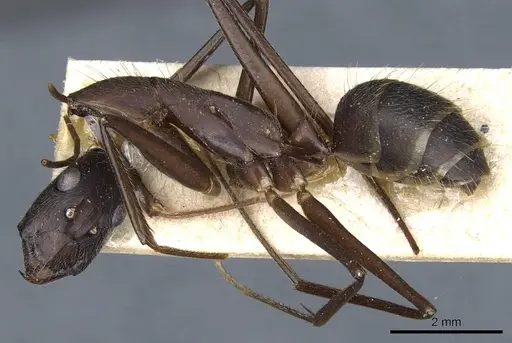
CASENT0910032
View on AntWeb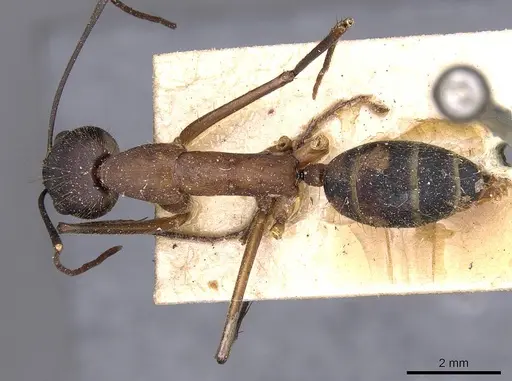
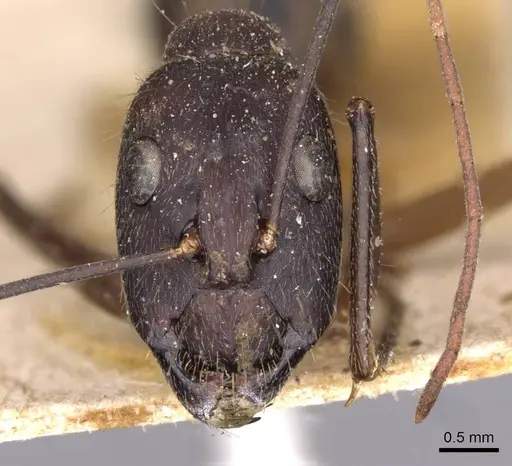
CASENT0923515
View on AntWeb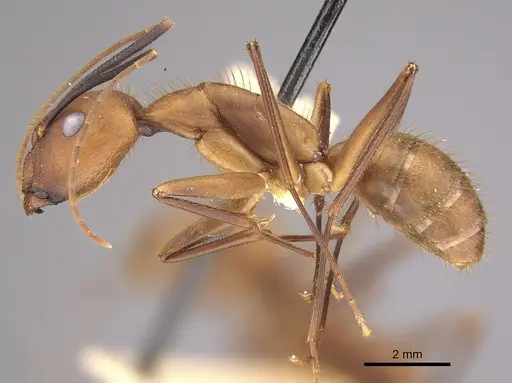
CASENT4032236
View on AntWeb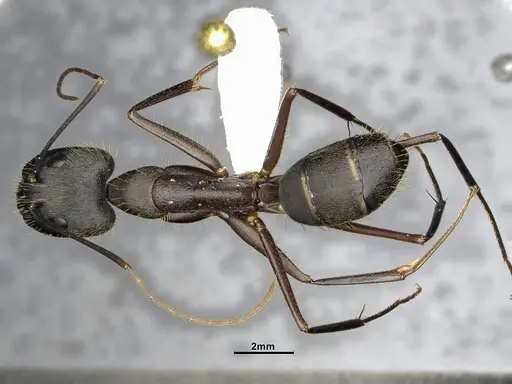
Literature
Loading...Loading products...