

Camponotus latangulus
- Scientific Name
- Camponotus latangulus
- Subgenus
- Myrmocladoecus
- Tribe
- Camponotini
- Subfamily
- Formicinae
- Author
- Roger, 1863
- Distribution
- Found in 6 countries
Camponotus latangulus Overview
Camponotus latangulus is an ant species of the genus Camponotus. It is primarily documented in 6 countries , including Bolivia, Plurinational State of, Brazil. Detailed taxonomic data and occurrence records can be further explored via authoritative databases such as AntWeb or the Global Biodiversity Information Facility (GBIF).
Camponotus latangulus
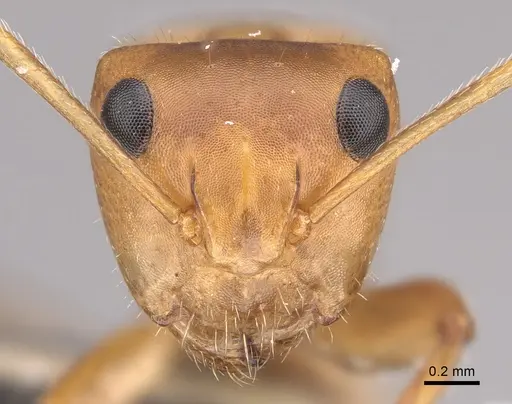
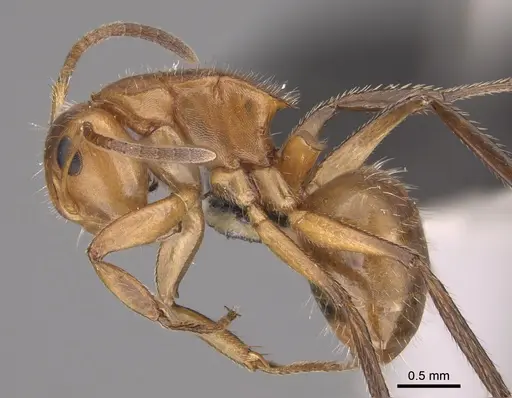
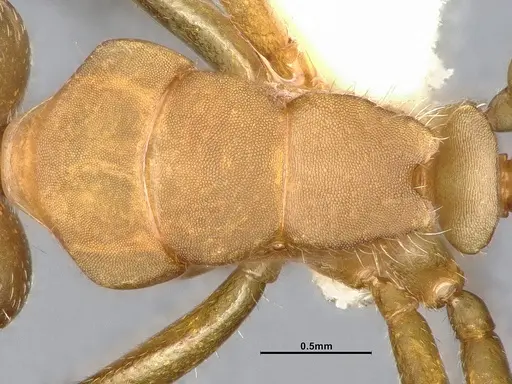
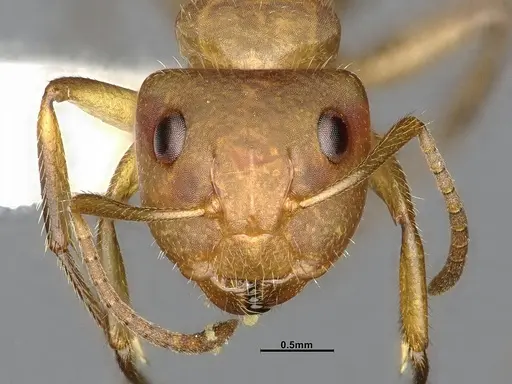
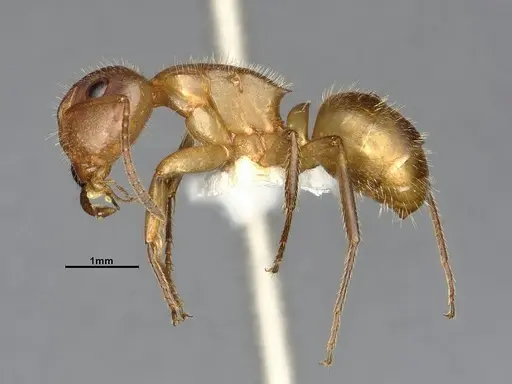
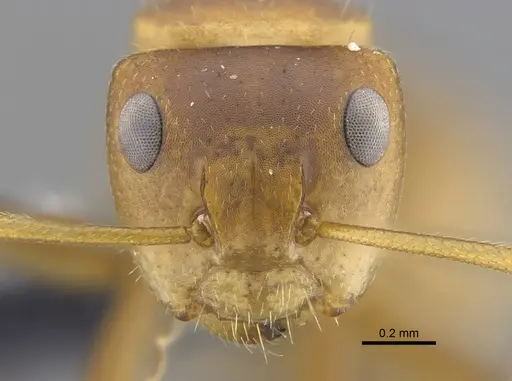
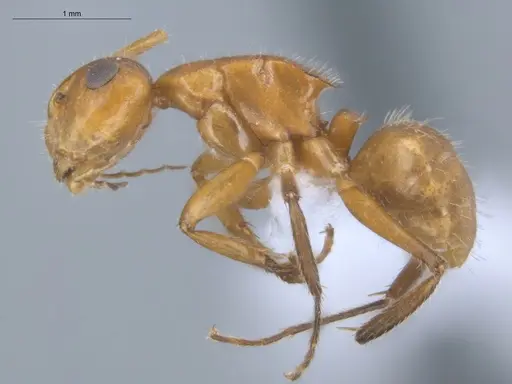
Camponotus latangulus is a medium-sized Neotropical ant easily recognized by its yellow to brownish-yellow body and distinctive propodeum (the section behind the waist) that has two flattened, rounded lobes instead of the typical spines found in most Camponotus species [1][2]. Workers are dimorphic, with minor workers being smaller and more variable in body proportions, while major workers develop larger heads with more robust mandibles [2]. This species ranges across northern South America, from Colombia and Peru east to the Guianas and south through Brazil to Bolivia [1]. They are arboreal nesters, found nesting in dead branches and aerial stems in humid forest environments [3]. The species forms large colonies in the canopy and forages at night along trails that can cover areas of roughly 10 square meters [4].
Quick Summary
- Difficulty: Medium
- Origin & Habitat: Neotropical rainforests of northern South America, from Colombia east to the Guianas and south to Bolivia and Brazil. Found in humid forests walking on soil or in trees [1].
- Colony Type: Likely monogyne (single queen) based on typical Camponotus patterns. Forms large colonies in canopy with extensive foraging trails [4].
- Colony: Monogyne
- Founding: Claustral
- Size & Growth:
- Queen: 8-9mm
- Worker: Minor workers approximately 4-6mm, major workers larger with significantly larger heads [2]
- Colony: Large colonies, forms extensive foraging trails and occupies canopy [4]
- Growth: Moderate, typical for tropical Camponotus
- Development: 6-8 weeks (estimated based on typical Camponotus development at tropical temperatures) (Development time is estimated as this species has not been specifically studied. Tropical Camponotus species typically develop faster than temperate species due to year-round warm conditions.)
- Antkeeping:
- Temperature: Keep at 24-28°C. As a tropical species, they prefer warm, stable temperatures. A heating cable on one side of the nest creates a suitable gradient.
- Humidity: High humidity, they come from humid Neotropical forests. Keep nest substrate consistently moist but not waterlogged. Provide a water test tube as a drinking source.
- Diapause: No, being a tropical species, they do not require hibernation. Keep them at warm temperatures year-round.
- Nesting: Arboreal nesting preference, in captivity they do well in Y-tong (AAC) nests or plaster nests with multiple chambers. The natural nesting in dead branches and stems suggests they prefer enclosed spaces with some vertical orientation. Provide materials they can tunnel through or use pre-made formicarium setups.
- Behavior: Nocturnal foragers, they become active at night and form persistent foraging trails covering relatively large areas [4]. Workers are medium-sized and not particularly aggressive, but like most Camponotus they will defend the nest if threatened. Escape risk is moderate, standard barrier methods like Fluon on test tube rims work well. They are not known to be escape artists like some tiny species, but good containment is still recommended.
- Common Issues: tropical species may struggle if temperatures drop below 22°C, keep warm year-round, arboreal nature means they need vertical space in the nest, horizontal-only setups may not suit them, nocturnal activity means you'll see most movement in evening hours, don't mistake low daytime activity for problems, large colony size means they need expanding enclosure space over time, wild-caught colonies may carry parasites or diseases that can cause colony loss in captivity
Nest Preferences
In the wild, Camponotus latangulus nests in dead branches and aerial stems of plants, making them arboreal nesters [3]. This contrasts with many Camponotus species that nest in soil or rotting wood at ground level. For captive care, Y-tong (AAC) nests or plaster formicaria work well because they provide enclosed chambers that mimic the tight spaces of branch interiors. The species shows preference for humid conditions, so nests that retain moisture without becoming waterlogged are ideal. Multi-chamber setups allow the colony to expand as it grows, which is important given their large colony size. Some keepers have success with naturalistic setups using cork or wood pieces that simulate their natural branch-nesting behavior.
Feeding and Diet
Like other Camponotus species, they are omnivorous with a preference for sugary liquids and protein. In the wild, they tend sap-feeding insects and forage for nectar and honeydew, plus hunt small invertebrates. In captivity, offer sugar water or honey water as a constant energy source. For protein, provide small insects like fruit flies, small crickets, or mealworm pieces. Feed protein 2-3 times per week depending on colony size. Remove uneaten prey after 24-48 hours to prevent mold. They are nocturnal foragers, so offering food in the evening often results in better acceptance. Their large colony size means food consumption can be significant once established.
Temperature and Care
As a tropical species from the Neotropics, Camponotus latangulus requires warm temperatures year-round. Keep the nest area between 24-28°C for optimal brood development. Temperatures below 22°C can slow activity and may stress the colony. Use a heating cable on one side of the nest to create a temperature gradient, placing it on top of the nest material rather than underneath to avoid excessive drying. Room temperature may be sufficient if your home stays in the mid-70s°F (around 24°C), but monitor colony behavior, workers should be active and foragers should readily take food. Unlike temperate species, they do not require a diapause or winter rest period. Maintain consistent warmth throughout the year. [1]
Behavior and Temperament
This species is nocturnal, with most foraging activity occurring at night [4]. Workers form persistent foraging trails that can cover relatively large areas, about 10 square meters in observed wild colonies. They are not particularly aggressive toward keepers but will defend the nest if disturbed. The workers are medium-sized and can deliver a mild bite if handled roughly, though they lack a painful sting. Major workers have larger mandibles and can give a more noticeable pinch. They are not considered dangerous to humans. Escape prevention is important but not as critical as for tiny species, standard test tube barriers and proper enclosure lids are sufficient. They are active foragers and will readily explore new spaces, so provide enrichment if keeping them in larger formicaria.
Growth and Development
Colonies grow through typical Camponotus development: eggs hatch into larvae, then pupate before emerging as adult workers. The first workers (nanitics) are typically smaller than subsequent generations and may have more variable morphology. Research has shown this species has significant morphological variation, with four distinct propodeal morphotypes identified in wild populations [2]. Minor workers show more variation in propodeum measurements, while major workers vary more in overall size and head proportions. This allometric growth is related to task division within the colony. Colonies can become quite large over time, so plan for expansion space. Development from egg to worker likely takes 6-8 weeks at optimal tropical temperatures, similar to other Camponotus species.
Unique Identification Features
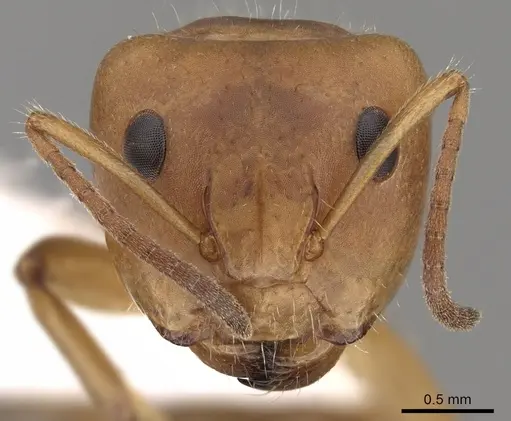
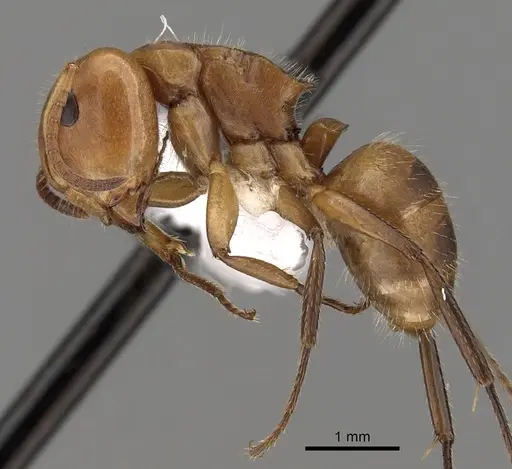
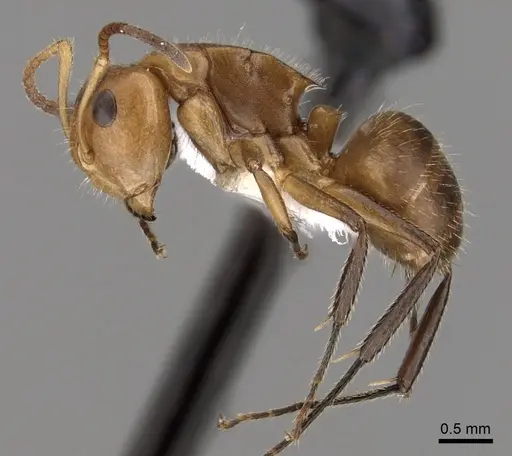
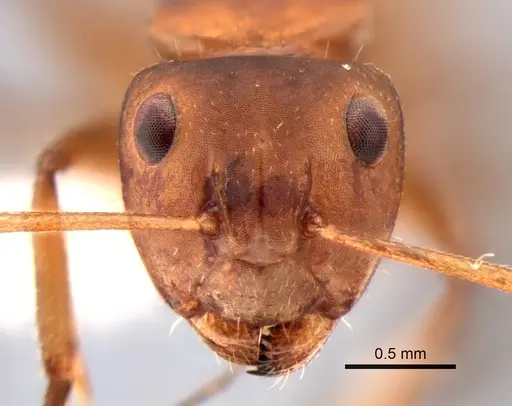
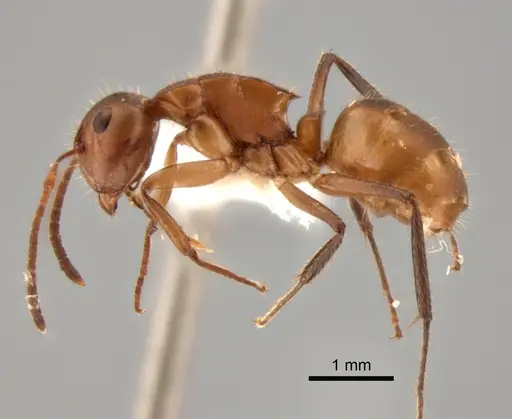
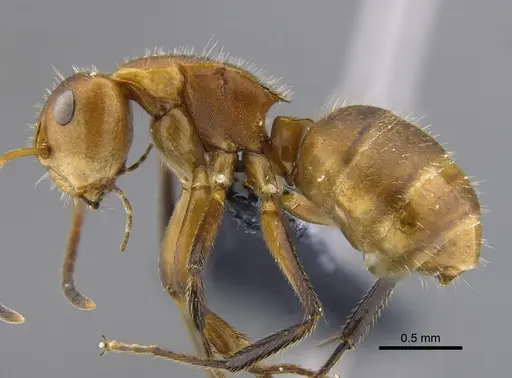
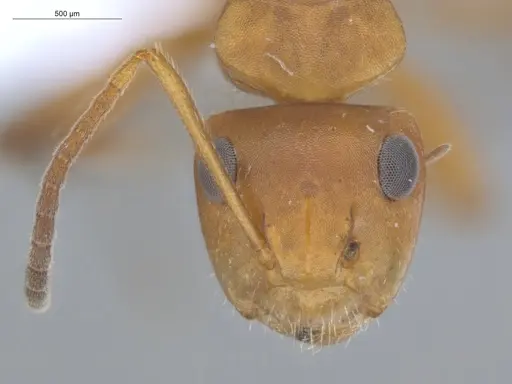
Camponotus latangulus is one of the most distinctive Camponotus species in the New World due to its unique propodeal morphology. Instead of the typical spines or teeth found on the propodeum (the section behind the waist), this species has two flattened, rounded lobes [1]. This feature makes it easy to identify and separates it from all other New World Camponotus species. Body color ranges from pale yellow to brownish yellow, sometimes with light brown spots on major workers' propodeum and vertex [2]. Combined with the subquadrate (almost square) petiole, these features make identification straightforward under magnification.
Frequently Asked Questions
Is Camponotus latangulus a good species for beginners?
This species is rated as medium difficulty. While not as challenging as some exotic species, it does require attention to temperature (needing warmth year-round) and humidity. Beginners should be comfortable maintaining stable conditions before trying this species.
How long does it take for the first workers to emerge?
Based on typical Camponotus development at tropical temperatures, expect 6-8 weeks from egg to first worker. This is an estimate since this specific species has not been studied for development timing.
What temperature do they need?
Keep them at 24-28°C. As a tropical species, they need warm conditions year-round. Avoid temperatures below 22°C.
Can I keep multiple queens together?
Not recommended. Like most Camponotus, they are likely single-queen species. Combining unrelated queens has not been documented and would likely result in aggression.
When should I move them to a formicarium?
Move from the founding test tube once the colony reaches 20-30 workers and the test tube shows signs of crowding or moisture issues. Arboreal nesters prefer vertical spaces, so choose a nest design with chambers they can organize across.
Do they need hibernation?
No. Being a tropical species from the Neotropics, they do not require hibernation or winter cooling. Keep them warm year-round.
What do they eat?
Offer sugar water or honey water as a constant energy source. For protein, provide small insects like fruit flies, small crickets, or mealworm pieces 2-3 times per week.
How big do colonies get?
They form large colonies, wild colonies can cover areas of about 10 square meters with extensive foraging trails. In captivity, expect colonies to reach several hundred to over a thousand workers with proper care.
Why are they so hard to find in the hobby?
This species is rarely collected for the antkeeping hobby, possibly because they are arboreal and nest in elevated locations like branches and stems rather than in soil. Their range is also limited to northern South America.
What makes Camponotus latangulus different from other Camponotus?
They are the only New World Camponotus species with two flattened, rounded lobes on the propodeum instead of spines. They are also nocturnal and arboreal, forming large canopy colonies with extensive foraging trails.
Are they aggressive?
They are not particularly aggressive. Workers will defend the nest if threatened but are not known to be overly territorial or aggressive toward keepers during routine care.
References

This caresheet is licensed under CC BY-SA 4.0 .
CASENT0217670
View on AntWeb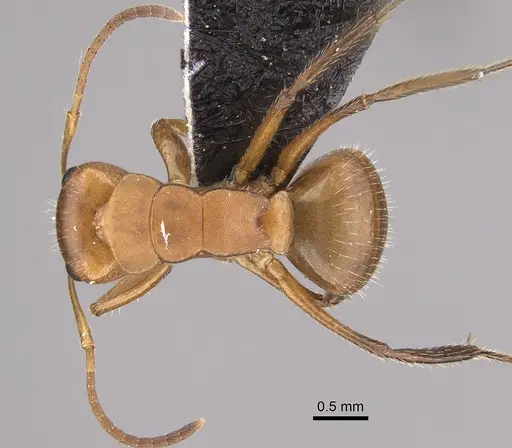
CASENT0280137
View on AntWeb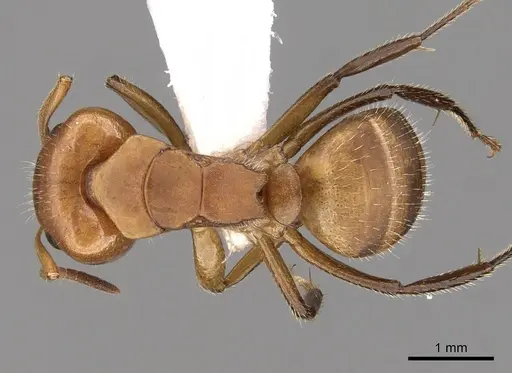
CASENT0280138
View on AntWeb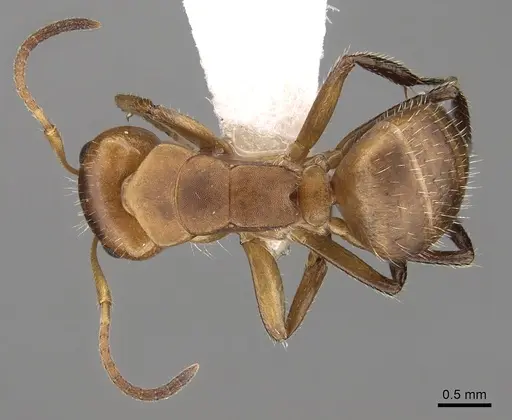
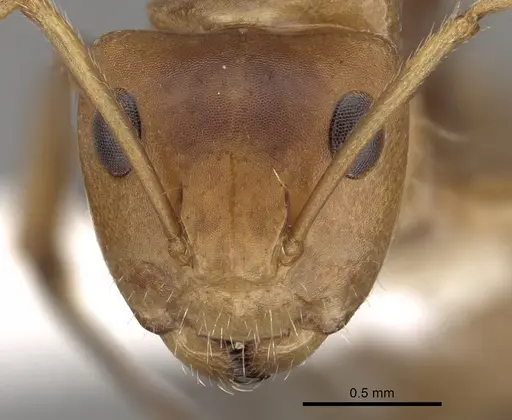
CASENT0862730
View on AntWeb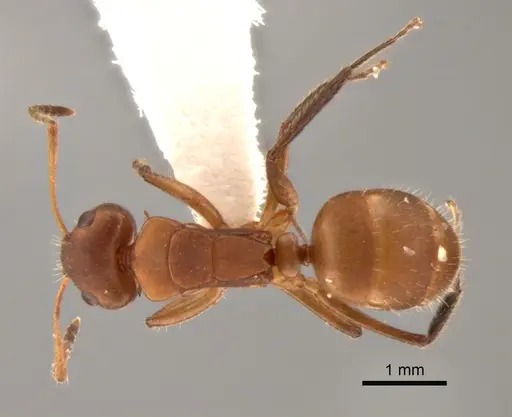
CASENT4032235
View on AntWeb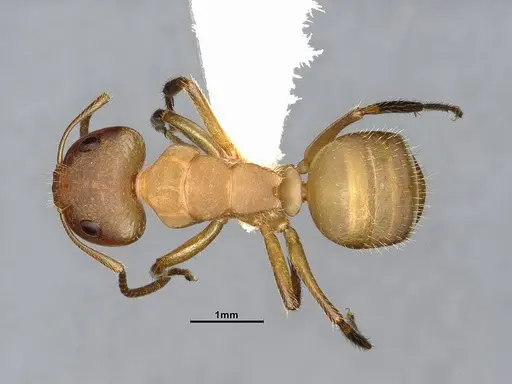
CBUMAGENT41789
View on AntWeb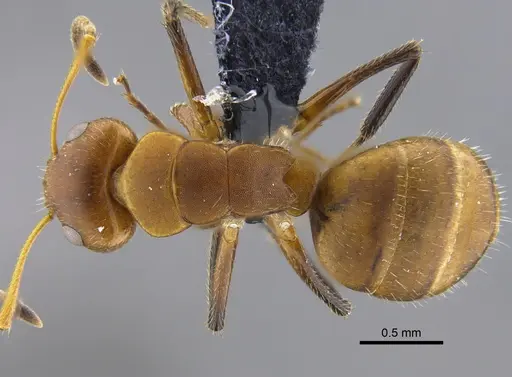
ECOFOG-TR17-0201-03
View on AntWeb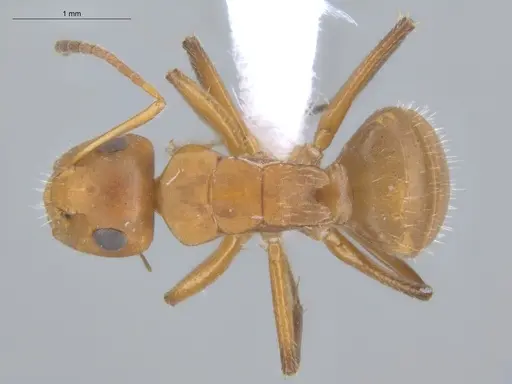
Literature
Loading...Loading products...