

Camponotus landolti
- Scientific Name
- Camponotus landolti
- Subgenus
- Tanaemyrmex
- Tribe
- Camponotini
- Subfamily
- Formicinae
- Author
- Forel, 1879
- Distribution
- Found in 1 countries
Camponotus landolti Overview
Camponotus landolti is an ant species of the genus Camponotus. It is primarily documented in 1 countries , including Colombia. Detailed taxonomic data and occurrence records can be further explored via authoritative databases such as AntWeb or the Global Biodiversity Information Facility (GBIF).
Camponotus landolti
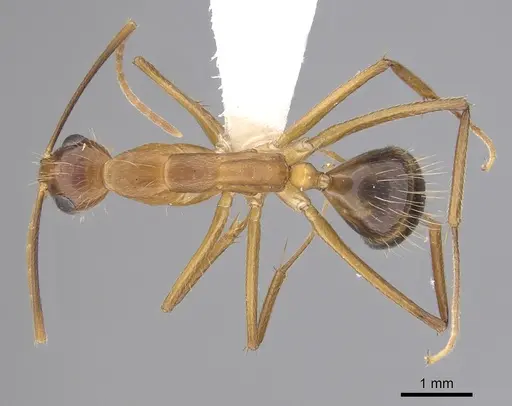
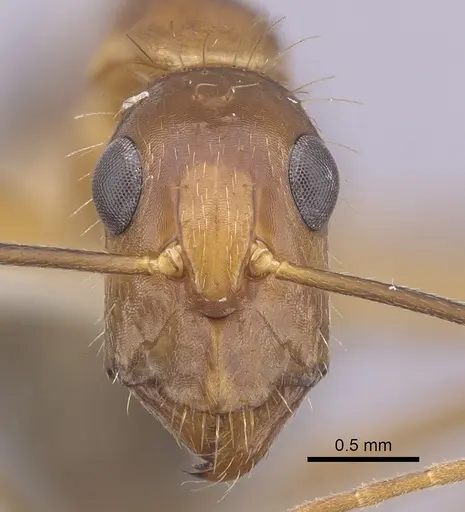
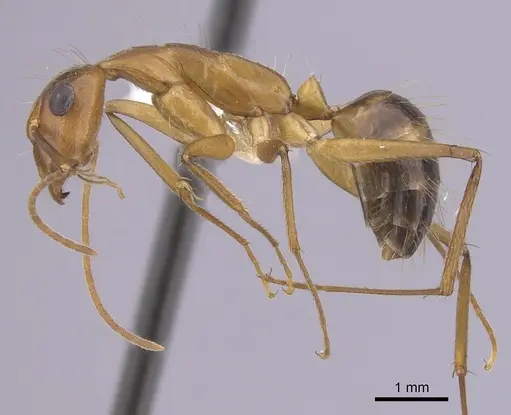
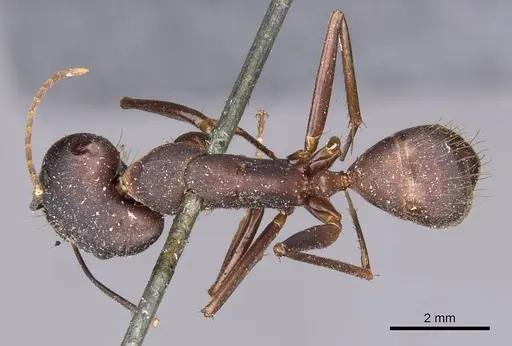
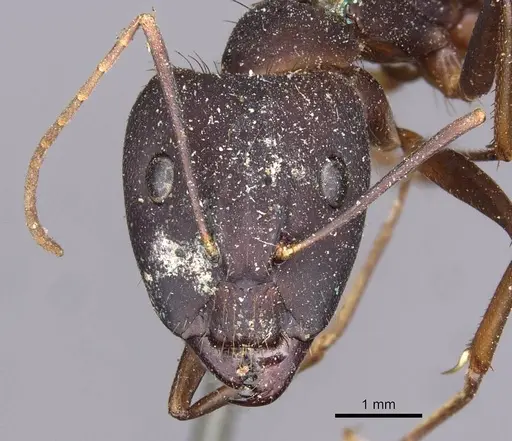
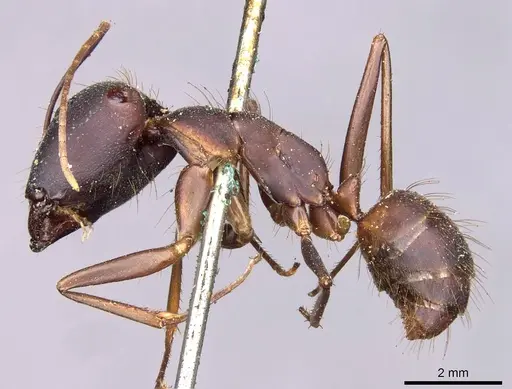
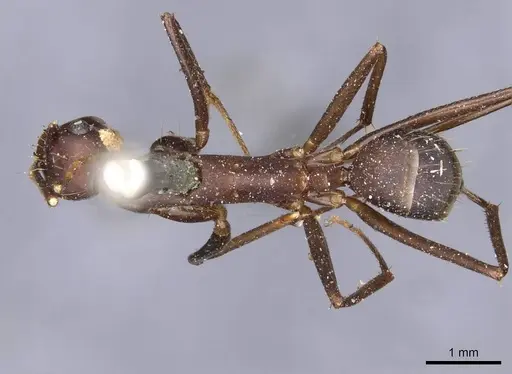
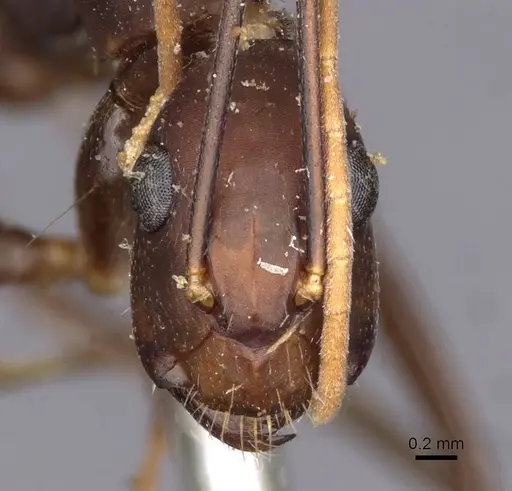
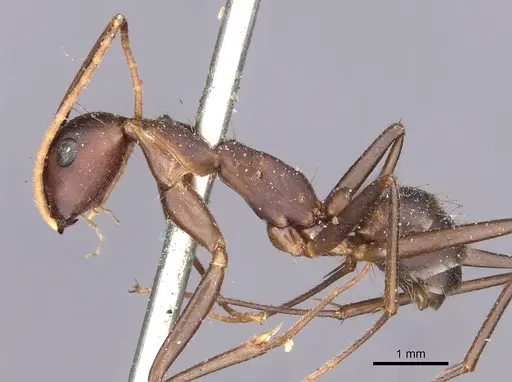
Camponotus landolti is a large Neotropical carpenter ant found from Mexico down through Central America to Colombia and Brazil. Workers are dark reddish with a distinctive elongated head that narrows toward the front, and they have very long antennae scapes that extend about one-third their length beyond the back of the head [1]. The species is not common and lives in rotten tree trunks in deep forest habitats [2]. These ants are described as timid, making them a peaceful addition to ant collections [2]. As a member of the subgenus Tanaemyrmex, they belong to a group of large carpenter ants known for their relatively calm temperament compared to some other Camponotus species.
Quick Summary
- Difficulty: Medium
- Origin & Habitat: Found from Mexico to Colombia and Brazil, with documented populations in the Mexican state of Guerrero and Colombian regions including La Guajira, Magdalena, Norte de Santander, and Sucre [3][4]. They inhabit rotten tree trunks in deep forest environments [2]. This is a true Neotropical species requiring warm, humid conditions year-round.
- Colony Type: Colony structure is unconfirmed. Based on typical Camponotus patterns, likely single-queen (monogyne) colonies.
- Founding: Claustral
- Size & Growth:
- Queen: Estimated 12-16mm based on genus patterns for large Tanaemyrmex species
- Worker: Major workers 8-12mm, minor workers 5-8mm [1]
- Colony: Likely reaches several thousand workers based on typical Camponotus colony development
- Growth: Moderate
- Development: Estimated 6-8 weeks at optimal temperature based on genus-level data for Camponotus species (Development time is inferred from related Tanaemyrmex species, actual timing may vary)
- Antkeeping:
- Temperature: Keep at 24-28°C. These are warm-tropical ants requiring consistent heat year-round. A heating cable on one side of the nest creates a suitable gradient.
- Humidity: High humidity is essential. They naturally live in rotting wood in humid forests, so aim for 70-80% humidity. Keep the nest substrate consistently moist but not waterlogged.
- Diapause: No, as a Neotropical species, they do not require hibernation. Maintain warm conditions year-round.
- Nesting: In captivity, they do well in Y-tong (AAC) nests, plaster nests, or naturalistic setups with rotting wood. They prefer dark, humid nest chambers. Avoid dry environments.
- Behavior: These ants are timid and not aggressive [2]. Workers are relatively slow-moving and prefer to avoid confrontation rather than defend aggressively. They forage primarily at night and are generalist feeders, accepting sugar sources and protein. Escape risk is moderate, they are large ants but can still squeeze through small gaps if motivated. Use standard escape prevention with fluon on container edges.
- Common Issues: high humidity requirements can lead to mold problems if ventilation is inadequate, as a timid species, they may be outcompeted by more aggressive ants if housed in community setups, wild-caught colonies may arrive with parasites or diseases that can devastate captive populations, they are not common in the antkeeping hobby, so finding established colonies can be difficult, warm temperature requirements year-round mean higher energy costs for heating equipment
Housing and Nest Setup
Camponotus landolti does well in several nest types, but they particularly thrive in setups that mimic their natural habitat in rotting tree trunks. Y-tong (AAC) nests work excellently, the dark chambers replicate the inside of a log, and the plaster or acrylic construction holds humidity well. Plaster nests are another good option as they can be kept consistently moist. For a naturalistic approach, you can use a setup with actual rotting wood pieces, though this requires more maintenance to prevent mold. Regardless of nest type, provide a dark cover to reduce stress, these forest-dwelling ants prefer dim conditions. The outworld should be simple with easy access to food and water. Because they are timid, avoid placing the setup in high-traffic areas where vibrations and disturbances are common. [2][1]
Feeding and Diet
Like other carpenter ants, C. landolti is a generalist feeder. They accept sugar sources readily, a mix of honey water or sugar water should be provided constantly. For protein, offer insects such as mealworms, crickets, and other small arthropods. Given their timid nature, they may be outcompeted at food sources by more aggressive ant species, so feed them in isolation if keeping multiple colonies. They also likely consume honeydew from aphids in captivity, though this is optional. Feed protein 2-3 times per week, and keep sugar water available at all times. Remove uneaten prey after 24-48 hours to prevent mold.
Temperature and Humidity Management
These Neotropical ants require warm, humid conditions year-round with no winter cooling period. Maintain temperatures between 24-28°C in the nest area. A heating cable placed on one side of the nest creates a thermal gradient that allows the ants to regulate their own temperature by moving between warmer and cooler areas. Humidity should be kept high at 70-80%. This can be achieved by keeping the nest substrate moist and using a water reservoir in test tube setups. However, balance humidity with adequate ventilation to prevent mold growth, stagnant, overly humid air causes fungal problems that can kill colonies. If you see condensation constantly pooling or mold appearing, improve ventilation immediately. [2]
Colony Development and Growth
Camponotus landolti follows the typical Camponotus development pattern. A claustral queen will seal herself in a chamber and raise the first brood using stored fat reserves. The first workers, called nanitics, are typically smaller than mature workers and emerge around 6-8 weeks after the eggs are laid, though this timing is estimated from related species. After the nanitics arrive, the colony enters a growth phase where the queen stops foraging and the workers take over all colony maintenance and foraging. Growth rate is moderate, these ants build substantial colonies over time but are not among the fastest-growing species. Major workers develop later and have the distinctive elongated head characteristic of the species. Colonies likely reach several thousand workers at maturity. [1]
Behavior and Temperament
This species is notably timid compared to many other Camponotus species [2]. Workers are not aggressive and will typically retreat from threats rather than defend. This makes them an interesting species to observe but means they are not suitable for mixed-species setups where more aggressive ants would outcompete them. They are relatively slow-moving and deliberate in their movements. Foraging activity is likely higher during darker hours, reflecting their natural forest-floor habitat. They do not have a painful sting, though their size means they could bite if handled roughly. In the nest, they keep clean chambers and are generally tidy. Their peaceful nature also means they are less likely to escape aggressively, standard escape prevention measures are sufficient.
Frequently Asked Questions
How long does it take for Camponotus landolti to produce first workers?
First workers (nanitics) typically emerge in 6-8 weeks after the queen lays eggs, assuming temperatures around 24-28°C. This timing is estimated from related Camponotus species since specific development data for C. landolti is not available.
Do Camponotus landolti ants need hibernation?
No. As a Neotropical species from Mexico, Central America, and northern South America, they do not require hibernation. Keep them warm year-round at 24-28°C.
What do Camponotus landolti eat?
They are generalist feeders. Provide constant access to sugar water or honey water, and offer protein sources like mealworms, crickets, or other small insects 2-3 times per week.
Are Camponotus landolti good for beginners?
They are rated as medium difficulty. While not the easiest species, their peaceful temperament and generalist diet make them manageable for keepers with some experience. The main challenges are maintaining high humidity and warm temperatures year-round.
How big do Camponotus landolti colonies get?
Based on typical Camponotus development, colonies likely reach several thousand workers at maturity. Major workers can reach 8-12mm, with minor workers at 5-8mm.
Can I keep multiple queens together?
This has not been documented for this species. Based on typical Camponotus behavior, single-queen colonies are most common. Do not attempt to combine unrelated foundress queens without research specific to this species.
Why are my Camponotus landolti dying?
Common causes include: low humidity (they need 70-80%), temperatures below 24°C, mold from poor ventilation, or stress from excessive disturbance. Check these parameters first. Wild-caught colonies may also arrive with parasites.
Where is Camponotus landolti found in the wild?
They range from Mexico through Costa Rica, Panama, and Colombia to Brazil. They live in rotten tree trunks in deep forest habitats.
Is Camponotus landolti aggressive?
No, they are described as timid and prefer to avoid confrontation rather than defend aggressively. This makes them a peaceful species to keep but unsuitable for community setups with more aggressive ants.
When should I move my colony to a formicarium?
Move them when the colony reaches several hundred workers and the test tube setup becomes crowded. This is typically after the first year when the colony is established with multiple generations of workers.
References

This caresheet is licensed under CC BY-SA 4.0 .
Literature
Loading...Loading products...