

Camponotus lamarckii
- Scientific Name
- Camponotus lamarckii
- Subgenus
- Tanaemyrmex
- Tribe
- Camponotini
- Subfamily
- Formicinae
- Author
- Forel, 1892
- Common Name
- Lamarck's Sugar Ant
- Distribution
- Found in 1 countries
Camponotus lamarckii Overview
Camponotus lamarckii (commonly known as the Lamarck's Sugar Ant) is an ant species of the genus Camponotus. It is primarily documented in 1 countries , including India. Detailed taxonomic data and occurrence records can be further explored via authoritative databases such as AntWeb or the Global Biodiversity Information Facility (GBIF).
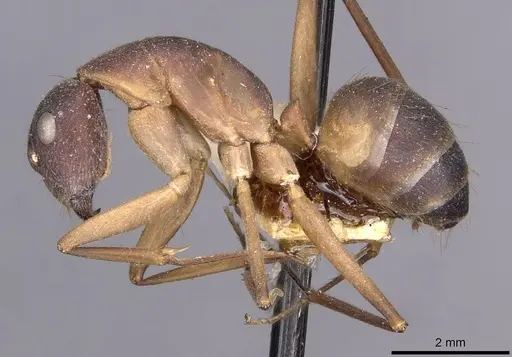
Camponotus lamarckii - "Lamarck's Sugar Ant"
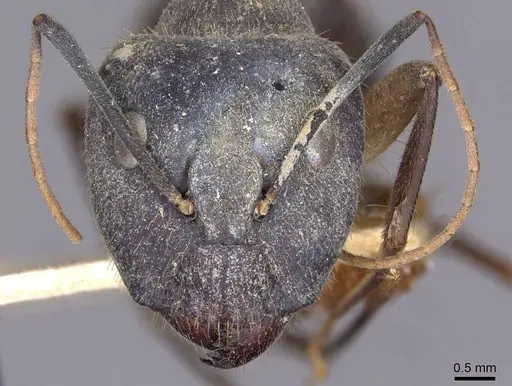
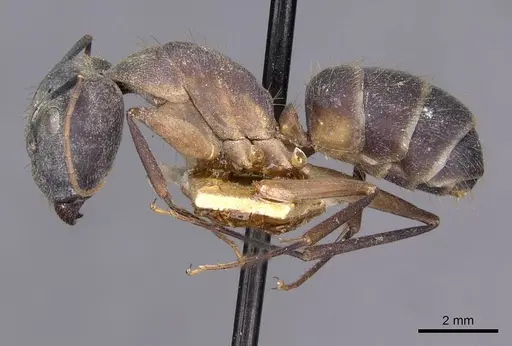
Camponotus lamarckii is a carpenter ant species native to the Himalayan region of India and Nepal. These ants belong to the Formicinae subfamily and are known for their polymorphic workforce, established colonies produce major workers (larger, with bigger heads) and minor workers (smaller and more numerous). They have the classic carpenter ant appearance with a dark body. This species nests in wood in nature, they excavate galleries rather than eating wood like termites. They are found at mid-altitudes around 1000 meters in areas like Himachal Pradesh, Karnataka, Sikkim, Uttarakhand, and the Pokhara valley in Nepal [1][2][3]. Unlike many ants, Formicinae lack a functional sting, they defend by biting and spraying formic acid from their acidopore.
Quick Summary
- Difficulty: Medium
- Origin & Habitat: Himalayan regions of India and Nepal, found at altitudes around 1000 meters in areas like Himachal Pradesh, Karnataka, Sikkim, Uttarakhand, and Pokhara valley in Nepal [1][2][3]. They inhabit forested mountain regions with moderate climate conditions.
- Colony Type: Colony structure is unconfirmed for this species. Based on typical Camponotus patterns, likely single-queen (monogyne) colonies with major and minor worker castes.
- Size & Growth:
- Queen:{.size-link} Size data unavailable for this species, inferred from Camponotus genus patterns to be approximately 15-18mm
- Worker:{.size-link} Polymorphic workers, inferred from Camponotus genus to range from approximately 5-12mm depending on caste
- Colony: Up to approximately 3000 workers in mature colonies, inferred from related Himalayan Camponotus species
- Growth: Moderate, typical for carpenter ants
- Development: Approximately 6-8 weeks at warm room temperature (24-28°C), based on typical Camponotus development patterns (Development time varies with temperature, warmer conditions accelerate development while cooler temperatures slow it down)
- Antkeeping:
- Temperature: Keep nest area at 24-28°C. A heating cable on one side creates a gentle gradient. They can tolerate temperatures down to around 20°C given their Himalayan origin at 1000m altitude [1].
- Humidity: Keep nest substrate moderately moist. Provide a water tube for drinking. These ants do well with humidity around 50-60% in the nest area with access to drier areas in the outworld.
- Diapause: Yes, given their Himalayan origin, they benefit from a winter rest period. Reduce temperature to 15-18°C for 8-12 weeks during winter months. Do not feed during diapause but ensure water is available.
- Nesting: Y-tong (AAC) nests or plaster nests work well. They prefer chambers that retain some moisture. As wood-nesting ants, they do well in nests with wooden elements or textured surfaces they can grip. Avoid overly wet or waterlogged setups.
- Behavior: Typical carpenter ant temperament, generally calm and not aggressive toward humans. Workers are active foragers, both day and night. They are excellent escape artists due to their size and agility, use fluon on container rims and fine mesh on outworlds. They defend by biting and spraying formic acid, not by stinging. They are omnivorous and will accept sugar water, honey, and protein sources like insects.
- Common Issues: escape prevention is critical, they are agile and will find gaps in lids, colonies can stall if temperatures drop below 20°C for extended periods, overfeeding leads to mold problems, remove uneaten food promptly, colonies need moving to larger formicaria once they reach 30-50 workers, wild-caught colonies may contain parasites that can devastate captive colonies
Housing and Nest Setup
For founding colonies, a standard test tube setup works well. Fill one test tube with water and plug with cotton, providing a humid chamber for the queen. Cover the setup with a dark cloth for the first few weeks, queens prefer dark, quiet conditions while founding. Once you have 30-50 workers, transition to a proper formicarium. Y-tong (AAC) nests or plaster nests with channels work best. These ants can grip smooth surfaces well, so textured chambers help them move around. Include a water tube in the outworld for drinking access. The outworld should be escape-proof, use fluon on all rim edges and consider a fine mesh cover.
Feeding and Diet
Camponotus lamarckii is omnivorous like most carpenter ants. Provide a constant sugar source, sugar water, honey, or commercial ant nectars. For protein, offer small insects like fruit flies, small crickets, mealworms, or frozen bloodworms. Feed protein 2-3 times per week, removing any uneaten prey within 24 hours. Remove sugar water containers if they become contaminated or empty. These ants are moderate eaters, adjust portions based on colony size. A well-fed colony will have workers with distended abdomens storing food for the colony.
Temperature and Seasonal Care
Maintain nest temperatures between 24-28°C for optimal brood development. A heating cable placed on top of the nest creates a gentle warmth gradient. During summer months, room temperature is often sufficient if your home stays around 24°C. In winter, provide a diapause period, reduce temperatures to 15-18°C for 8-12 weeks. This mimics their natural cycle in the Himalayan foothills. During diapause, stop feeding protein but keep water available. Do not feed during hibernation as ants have reduced metabolism. Resume normal feeding and temperatures gradually in spring. [1]
Colony Development and Growth
A newly mated queen will seal herself in a chamber and lay eggs within a week or two. The eggs hatch into larvae, then pupate, and emerge as first workers after 6-8 weeks at optimal temperature. These first workers are smaller than mature workers but immediately begin foraging to feed the colony. Growth is moderate, expect 6 months to reach 100 workers, and 1-2 years to reach larger colonies in a healthy colony. Colonies can live for many years with proper care, Camponotus queens can live 10-15 years or more. Major workers typically appear once the colony reaches several hundred workers.
Behavior and Temperament
These ants are generally calm and non-aggressive. They focus on foraging and nest maintenance rather than defending against threats. Workers are active throughout the day and night. When threatened, they defend by biting and spraying formic acid, this is how Formicinae ants defend since they lack a functional sting. The spray can cause mild irritation but is not dangerous to healthy humans. They communicate using chemical trails and will recruit nestmates to good food sources. You may observe trophallaxis, workers sharing food mouth-to-mouth with each other and the queen. This species is not invasive and poses no ecological threat if captive colonies are maintained responsibly.
Frequently Asked Questions
How long does it take for Camponotus lamarckii to produce first workers?
Expect 6-8 weeks from egg to first worker at optimal temperatures of 24-28°C. This timeline extends if temperatures drop below 24°C. The first workers will be smaller than mature workers but immediately begin caring for the colony.
What temperature do Camponotus lamarckii ants need?
Keep the nest area at 24-28°C. They can tolerate 20-30°C range but thrive in the middle. A heating cable on top of the nest creates a gentle gradient. Given their Himalayan origin at 1000m altitude, they handle cooler conditions better than pure tropical ants.
What do I feed Camponotus lamarckii?
Provide constant sugar (sugar water, honey) and protein 2-3 times weekly (insects like fruit flies, mealworms, or bloodworms). Remove uneaten food within 24 hours to prevent mold. Adjust portions based on colony size, a healthy colony shows workers with slightly swollen abdomens.
Do Camponotus lamarckii need hibernation?
Yes, they benefit from a winter rest period. Reduce temperatures to 15-18°C for 8-12 weeks during winter. Stop feeding protein during this time but ensure water is available. This mimics their natural seasonal cycle in the Himalayan foothills.
How big do Camponotus lamarckii colonies get?
Mature colonies can reach approximately 3000 workers over several years with proper care. The colony grows through distinct phases: founding, growth, and maturity. Queens can live 10-15 years.
When should I move my colony to a formicarium?
Move from test tube to formicarium once you have 30-50 workers. Earlier if the test tube becomes cramped or mold develops. Use a Y-tong or plaster nest with appropriately sized chambers. Make the transition gradual by connecting the test tube to the formicarium and allowing workers to explore first.
Are Camponotus lamarckii good for beginners?
They are medium difficulty, more forgiving than tropical species but requiring more attention than common temperate ants like Lasius. They need proper temperature control, escape prevention, and winter diapause. Good for keepers who have successfully kept a founding colony and are ready for their first carpenter ant species.
Why is my colony not growing?
Check three common issues: temperature (too cold slows development), feeding (insufficient protein), and stress (too much disturbance). Ensure temperatures are 24-28°C, protein is offered 2-3 times weekly, and the setup is in a quiet, dark location. Colony growth is naturally slow, be patient.
Can I keep multiple Camponotus lamarckii queens together?
This species is likely monogyne (single queen) based on typical Camponotus patterns. Unlike some ants that can form multi-queen colonies, Camponotus lamarckii colonies will fight if you introduce additional queens. Only keep one queen per colony.
Report an Issue
The current care sheet is based fully on literature. See inconsistencies, or something that's incorrect? Please , it will be resolved after review from an admin. Contributing to the blogs tab also helps providing information, to make us be able to further improve the caresheets. Thank you for your support!
References

This caresheet is licensed under CC BY-SA 4.0 .
CASENT0910156
View on AntWeb
CASENT0910157
View on AntWeb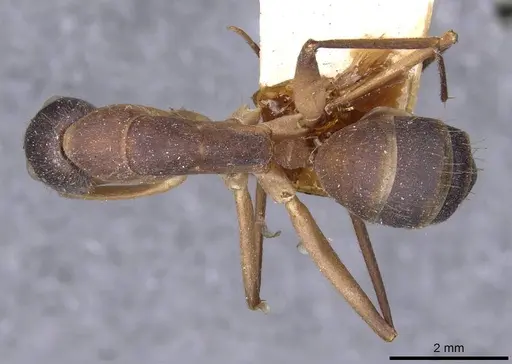
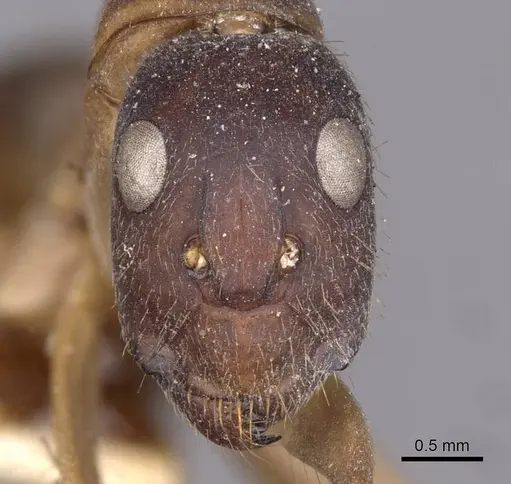
Literature
Loading...Loading products...